




This age is the age of technology and automation. Every day, more and more industries seek to optimize their processes and production, and one focus is always on the quality control with AI process monitoring. In industries where continuous production of materials on a web or roll is common, it’s important to consider web inspection as a vital step to guarantee the best quality for the final product. This is where machine vision for web inspection steps in to revolutionize traditional, inefficient web inspection methods. Let’s take an in-depth look at what machine vision for web inspection means, where it’s applied, and what benefits and challenges it brings.

What does Machine Vision Add to Web Inspection?
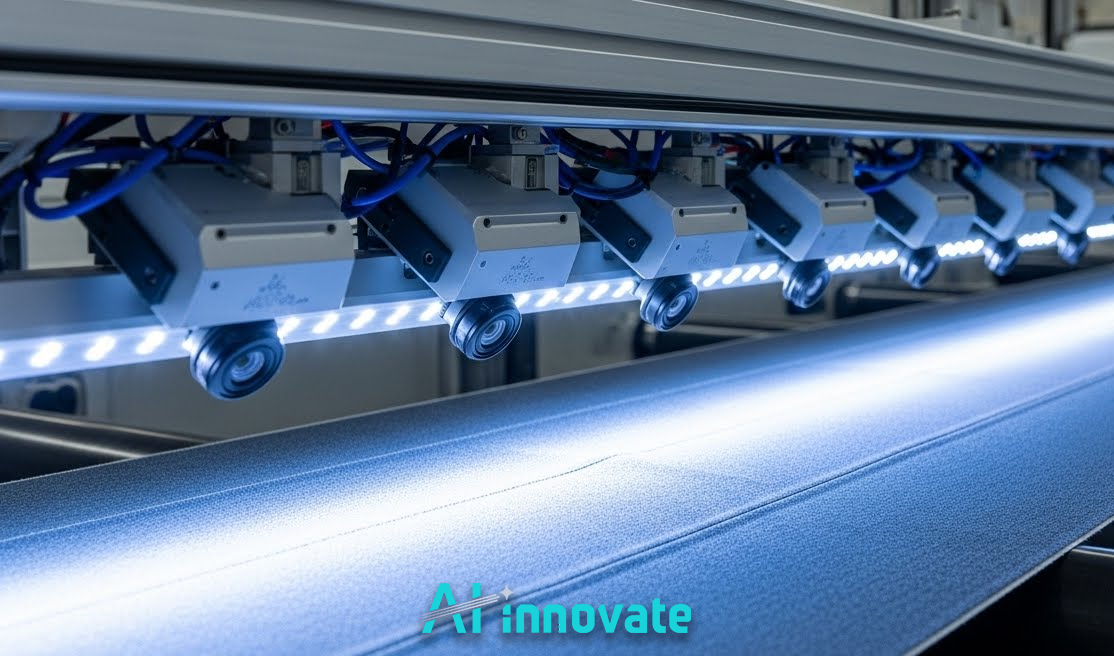
Machine vision automates web inspection by using specialized cameras, sensors, and image processing algorithms to inspect materials continuously as they move through roll-to-roll or sheet manufacturing lines. The materials are inspected for any kind of defects in real-time, and are automatically flagged if a defect is detected.
The kind of materials that can be inspected by machine vision in web inspection cover a wide range:
- Printed packaging films
- Paper, tissue, cardboard
- Plastics and polymer films
- Metal foils
- Textiles and nonwovens
- Lithium-ion battery electrodes
- Glass (architectural or display)
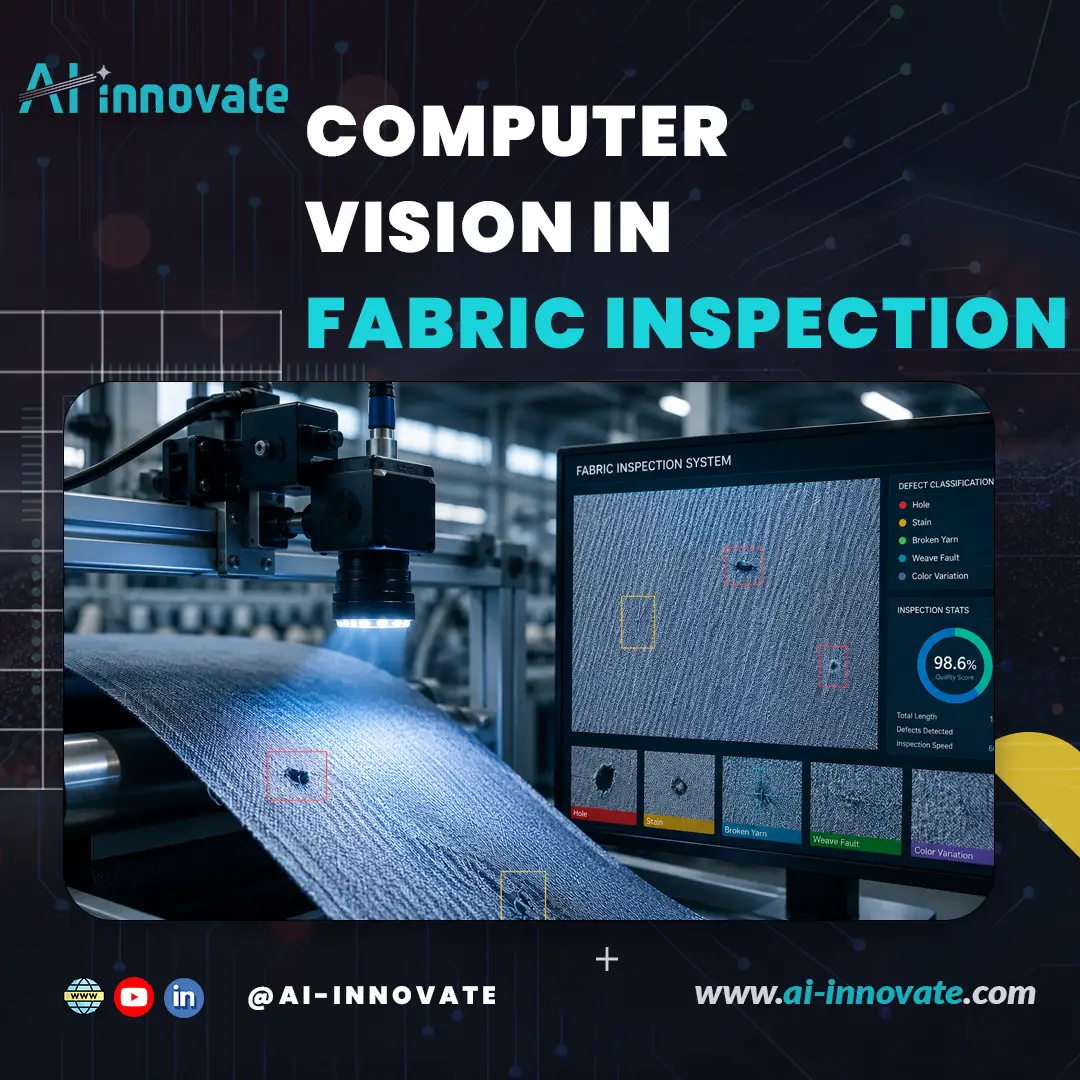
Read Also: AI for Fabric Defect Detection Using Image Processing
How Machine Vision for Web Inspection Works
Machine vision for web inspection consists of several key components that work in synergy to achieve the desired results. These components include:
1.High-Speed Cameras: Line-scan cameras are used by most systems because webs move quickly and continuously. They can process thousands of lines of data per second and generate a complete two-dimensional image.
2.Specialized Lighting: There are different types of lighting used to better detect each type of defect, including:
- Backlight for holes, tears, or edge defects
- Diffuse dome for surface uniformity
- Brightfield/darkfield for scratches or embossing
- UV/IR for coatings, adhesives, or hidden features
3.Real-Time Processing: Each pixel line is analyzed by machine vision software (which is becoming more and more AI-based) to identify holes, tears, scratches, dents, wrinkles, contaminants and inclusions, print registration errors, color inconsistencies, and coating thickness variations. A lot of the time, processing is done on GPU/FPGA hardware to get millisecond-level response times.
4.Classification and Reporting: Defects are classified based on their type, shape, and location. Then, they’re measured based on their size and how severe they are. Finally, a report is sent to operator dashboards or downstream systems (e.g., cutters, rewinders).
5.Feedback and Closed-Loop Control: Advanced systems can automatically influence the machine settings in real time to create a “self-correcting” production line instead of just displaying the results.
Where is Machine Vision for Web Inspection Used?
Machine vision for web inspection is used in many fields. Here are some examples:
- Flexible Packaging and Printing: Machine vision systems keep an eye on fast-moving webs of printed film, labels, and decorative materials. Every square millimeter of the printed surface is analyzed by vision systems to detect misregistration between colors, missing or inconsistent ink, pinholes, streaks, and repeating defects caused by damaged cylinders.
- Paper and Pulp: Machine vision is used to check sheet formation, surface uniformity, and the presence of defects. It can find holes, tears, dirt specks, streaks of coating, differences in moisture, and clumping of fibers that can make the quality of the final sheet worse.
- Lithium-Ion Battery Electrode Manufacturing: Making battery electrodes requires extreme precision because even tiny flaws can impact how well the cells work or how safe they are. Machine vision is very important for checking the coating of active materials on copper or aluminum foils.
- Plastics, Films and Polymer Extrusion: Long strands of cast or blown films are checked for flaws that can impact how well they work mechanically and how they look. Machine vision systems can detect issues such as gels, black specks, unmelted resin, haze, thickness streaks, die lines, and scratches
The Benefits and Challenges Machine Vision for Web Inspection Brings
The adoption of machine vision in web inspection comes with a lot of advantages, but it’s not perfect. Alongside its numerous benefits, there are some challenges to face. Below is a list of both the advantages and disadvantages of machine vision in web inspection.
Benefits
- Significant Reduction of Scrap and Rework: The system identifies defects as soon as they occur, which prevents large sections of material from becoming waste. This can save you money, reduce time when the machine is not being used, and improve how much you can make.
- Objective and Consistent Quality Control: Human inspectors can get tired or interpret defects differently, but machine vision evaluates every product the same way. This helps manufacturers meet tight customer specifications, reduces disputes over quality, and improves overall product reliability.
- Detection of Micro-Defects Invisible to the Human Eye: High-resolution cameras and advanced lighting can detect extremely small flaws, such as scratches, pinholes, thin areas with a coating, and contamination.
- Improved Production Efficiency and Process Stability: Machine vision provides real-time feedback, defect maps, and trend analysis, enabling operators to quickly pinpoint the root causes of problems.
Limits
- Sensitivity to Lighting and Surface Conditions: Machines that use vision to “see” depend on good lighting. Some materials can make the light glimmer or change color, which can create problems.
- Difficulty Handling Complex or Subjective Defects: Some defects, like mild haze, subtle banding, or print mottling, are subjective or low contrast. Traditional algorithms don’t do well with these because there’s no clear rule that says what is “good” or “bad”.
- Resolution and Speed Trade-Off: Very small defects may not be found if they’re too small for the camera to detect or if they appear for a very short time on fast lines. This can make the system unreliable for very small defects.
- Environmental Noise (Dust, Vibration, Heat): There’s dust, machine vibration, and high temperatures around extrusion and coating lines. These things can make the image quality worse, cause misalignment, or require frequent recalibration. This can reduce how well the system performs and how stable it is.
Conclusion
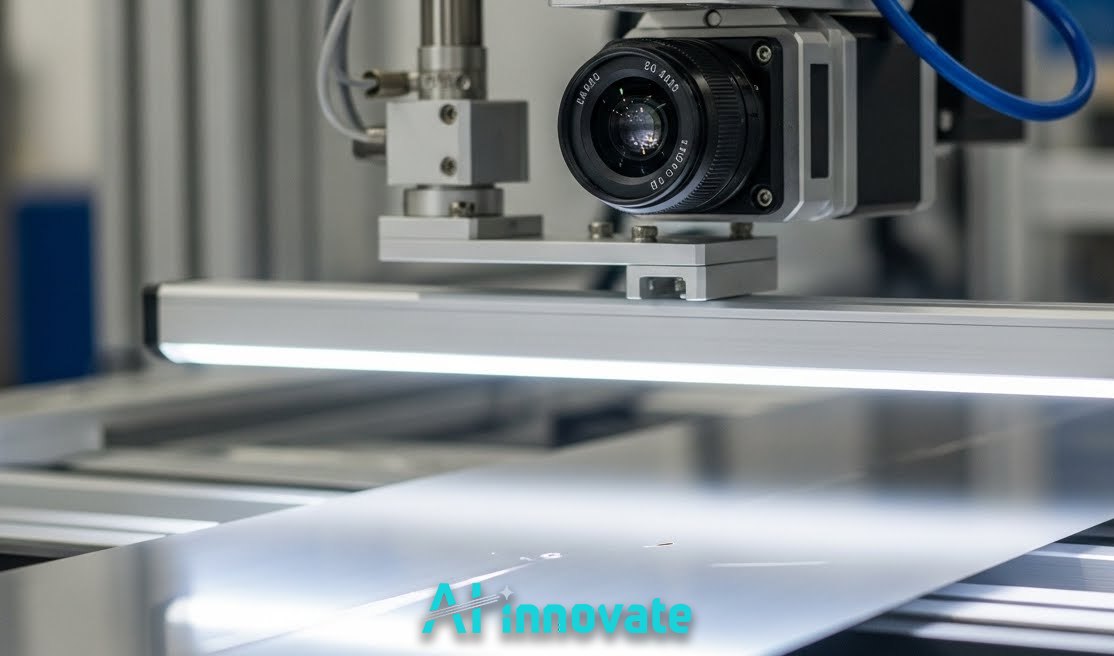
Machine vision for web inspection means more quality, efficiency, and competitiveness in today’s fast-paced and demanding market for industries. The real-time defect detection that can be achieved by integrating machine vision is a huge advantage that overshadows the potential limits. I believe as technology evolves, using machine vision for web inspection will become even more widespread.
Note: Some graphics and visuals in this post were produced using AI-generated content.