




Problems like unexpected downtime, changing processes and slow identification of the root cause of problems cost manufacturers a lot of time and money every year. Studies show that even one hour of unexpected downtime can cost thousands, yet many production lines still rely on manual checks and delayed reporting.
The usual process of monitoring doesn’t work well in today’s fast, information-rich manufacturing environments. Often, operators only receive information after an issue has already resulted in waste or additional work.
AI process monitoring changes this dynamic by converting live operational data into immediate, actionable insights. It helps manufacturers spot early problems, predict how equipment will behave, and make sure the quality is always the same every shift.
This article offers a practical, technical guide to implementing AI-driven process monitoring. It outlines the key components, strategic frameworks, and enabling technologies that empower manufacturers and engineers to achieve unmatched efficiency, precision, and quality in their production environments.


Ensuring Data Integrity in AI Monitoring
The effectiveness of any algorithmic oversight system is fundamentally anchored to the quality of its input data. The principle of ‘garbage in, garbage out’ has never been more relevant. An AI model, no matter how sophisticated, will produce unreliable insights if fed with inconsistent, incomplete, or inaccurate data.
This concept of data fidelity—the trustworthiness of data in its operational context—is the true bedrock of successful AI for Process Monitoring. Achieving it requires a disciplined approach to the entire data lifecycle. To better understand the pillars supporting data fidelity, consider the following critical factors:
- Systematic Sensor Calibration: Ensuring that all measurement instruments are meticulously and regularly calibrated to maintain accuracy and eliminate drift over time.
- Consistent Data Collection Protocols: Establishing and enforcing standardized procedures for data acquisition to guarantee uniformity across different shifts, machines, and production runs.
- Accurate and Contextual Anomaly Labeling: Providing clean, well-documented, and context-rich labels for training data, which is essential for supervised machine learning models to learn effectively.
From Anomaly Detection to Root Cause Analysis
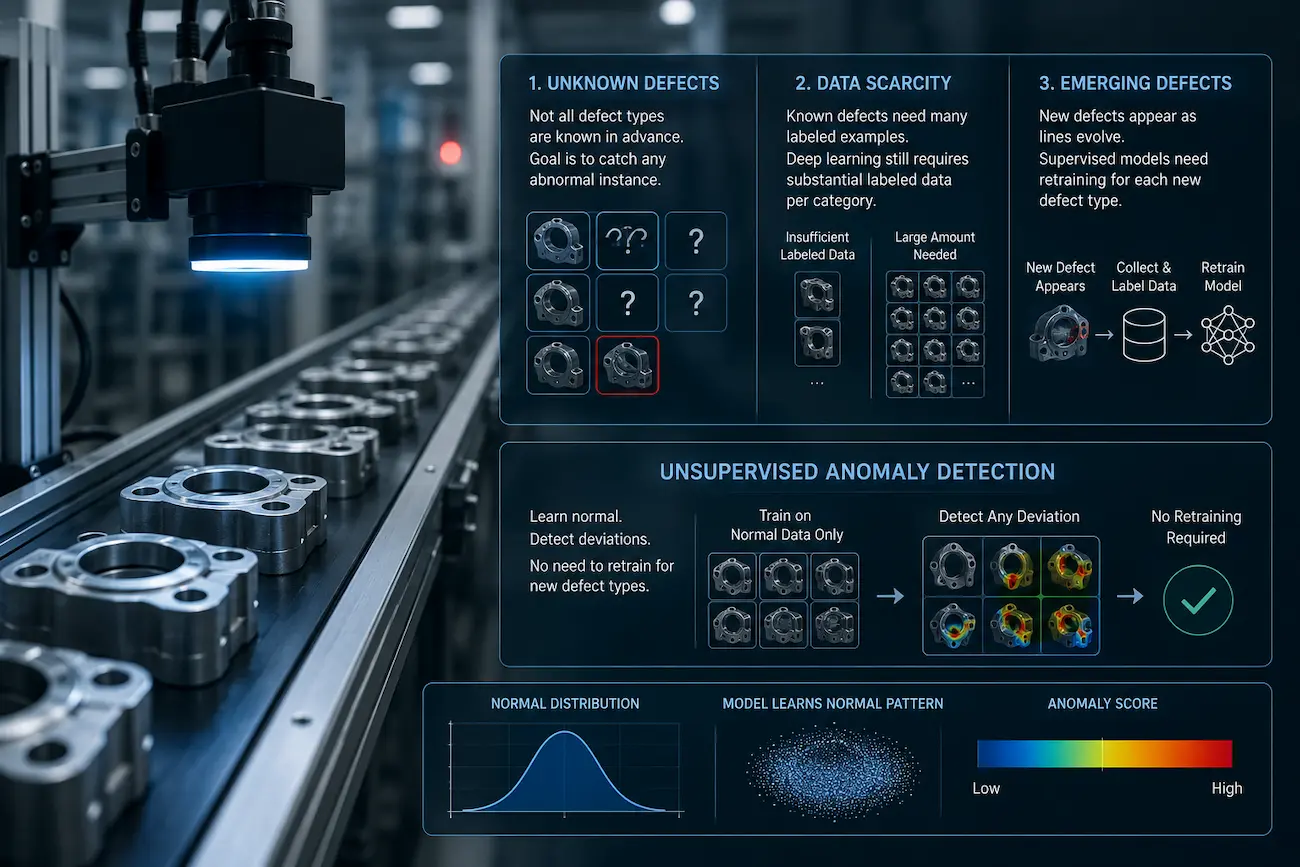
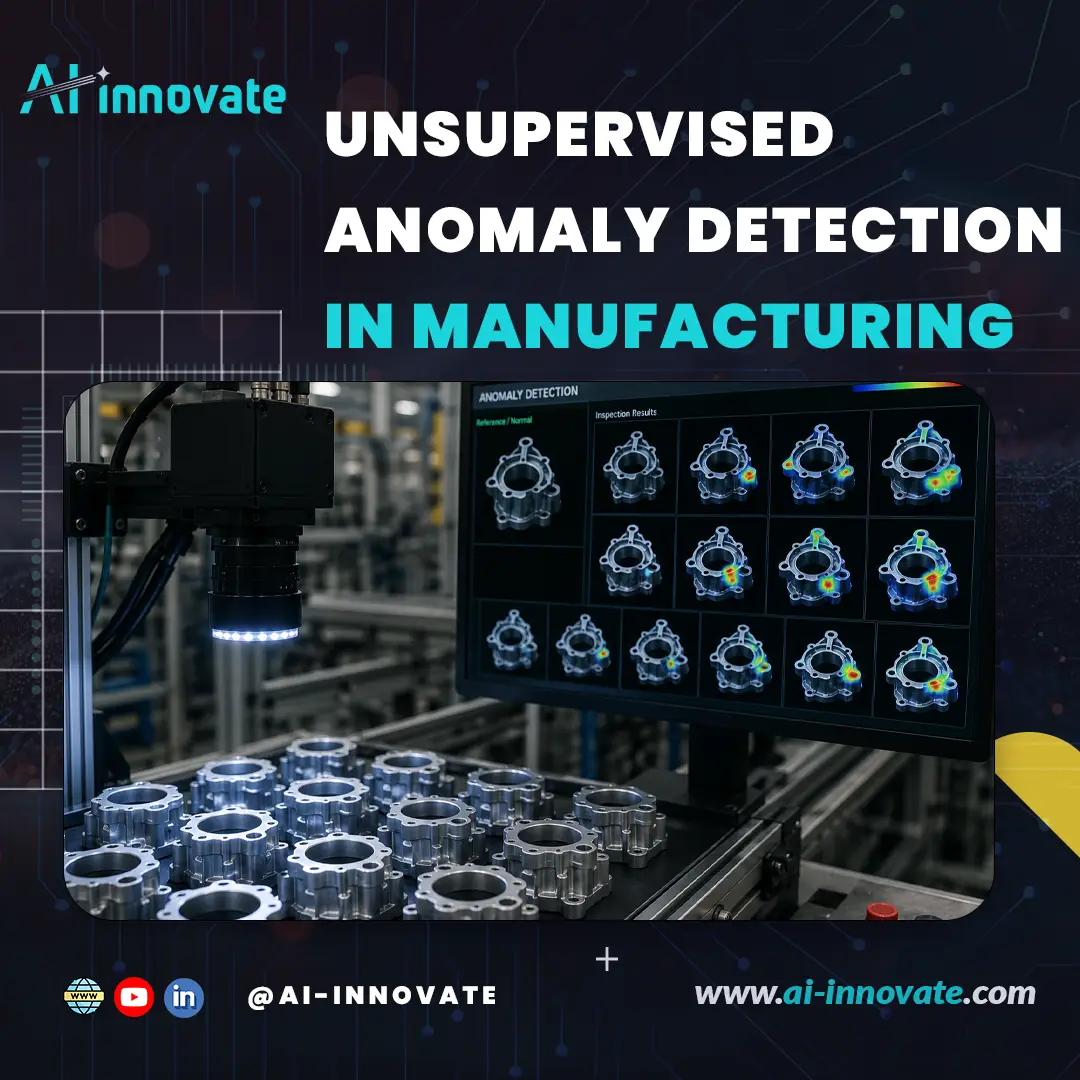
Early AI systems in manufacturing were primarily focused on a binary task: identifying anomalies. A system could flag a product as defective, but it couldn’t explain why. Today, the technology has evolved into a far more powerful diagnostic tool.
Modern AI-driven platforms move beyond simple defect detection to perform sophisticated root cause analysis. By analyzing vast datasets from multiple points in the production line, these systems can identify subtle patterns and correlations that precede a fault.
This capability represents a paradigm shift from reactive problem-fixing to proactive process optimization. For instance, the system may correlate a minute temperature fluctuation in an extruder with the appearance of surface blemishes on a polymer sheet ten minutes later—an insight impossible to glean through manual observation alone.
Read Also: Defect Detection in Manufacturing – AI-Powered Quality
Machine Vision Process Interrogation
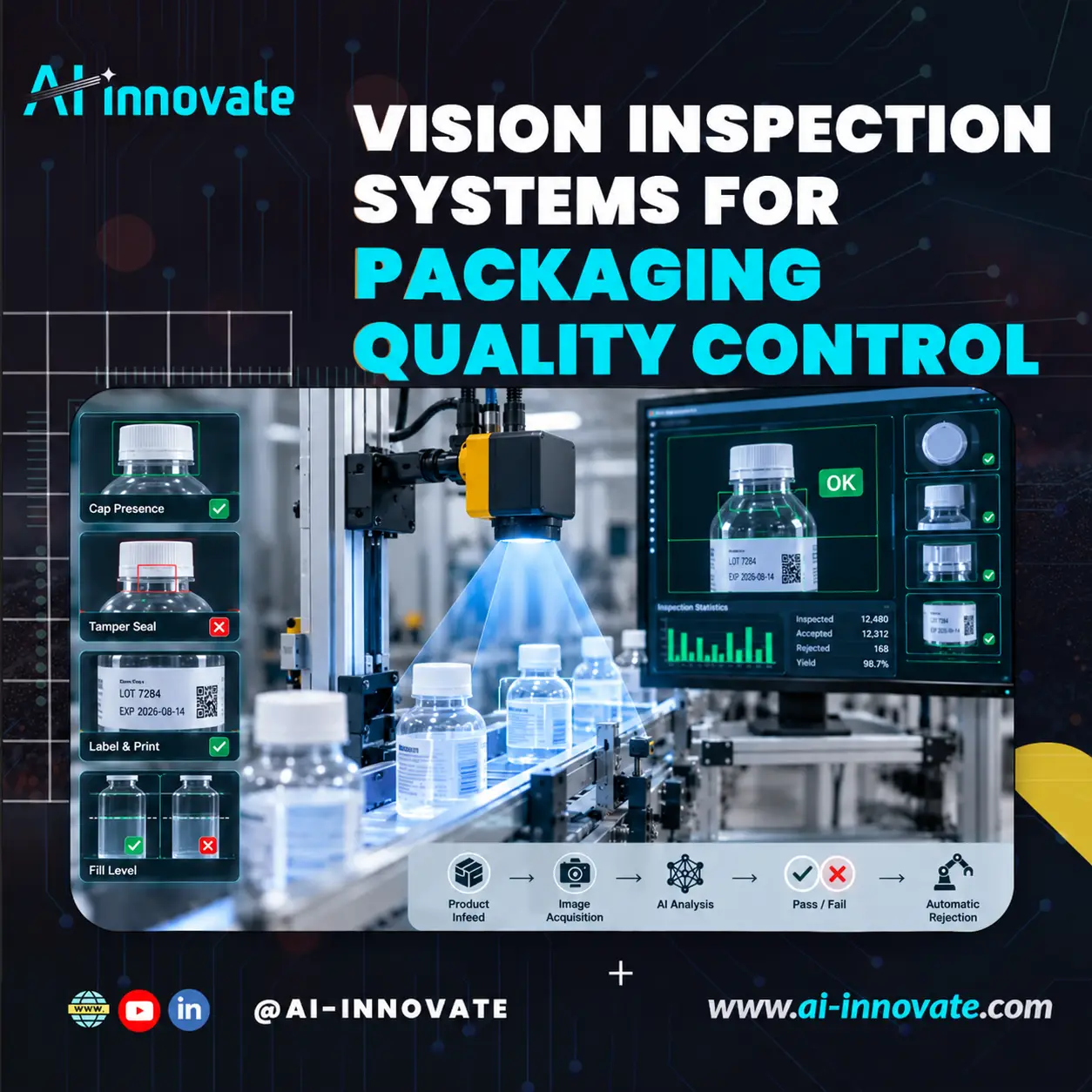
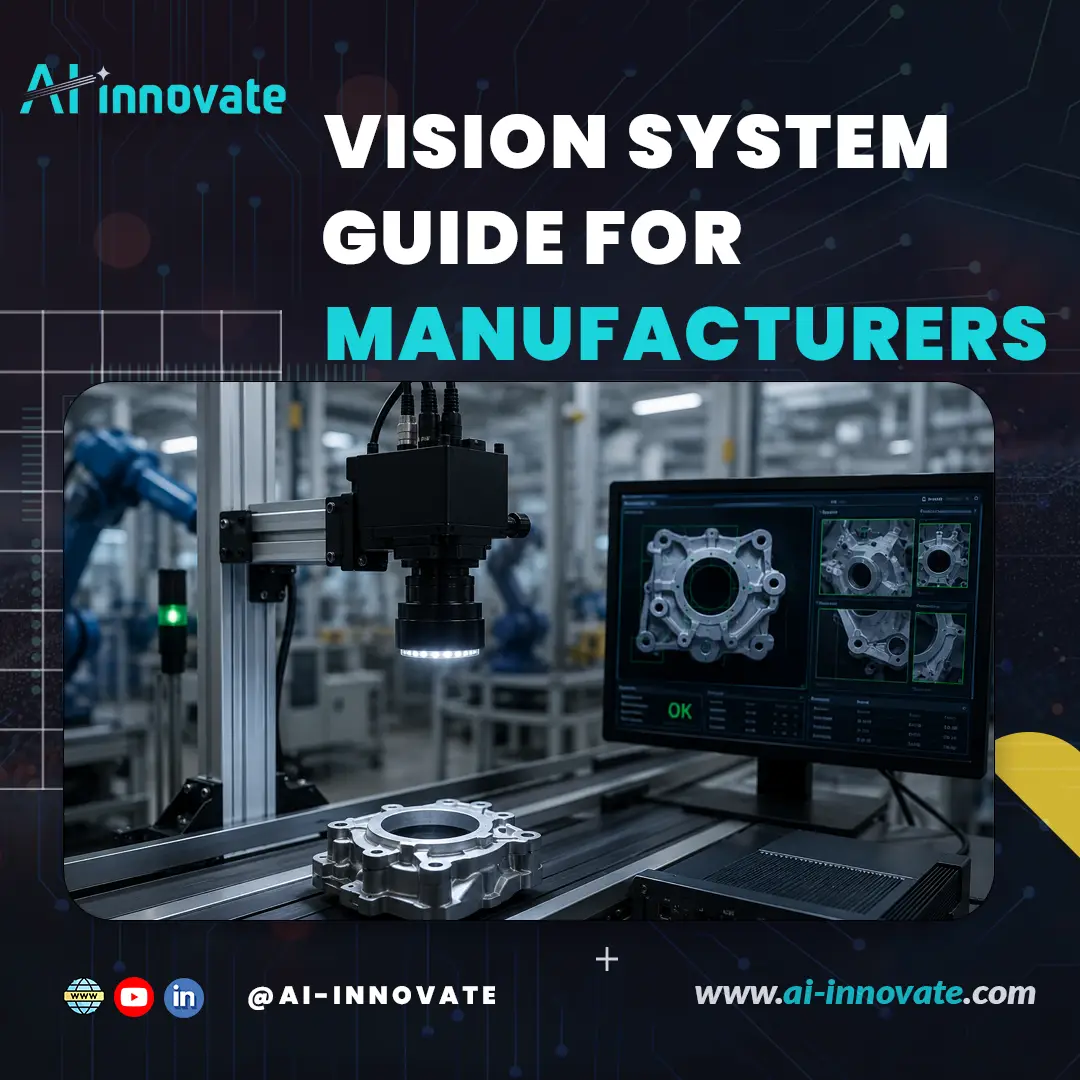
At the core of modern industrial automation is the ability to not just see, but to understand. This is the domain of machine vision, a field that, when coupled with AI, becomes a powerful tool for process interrogation.
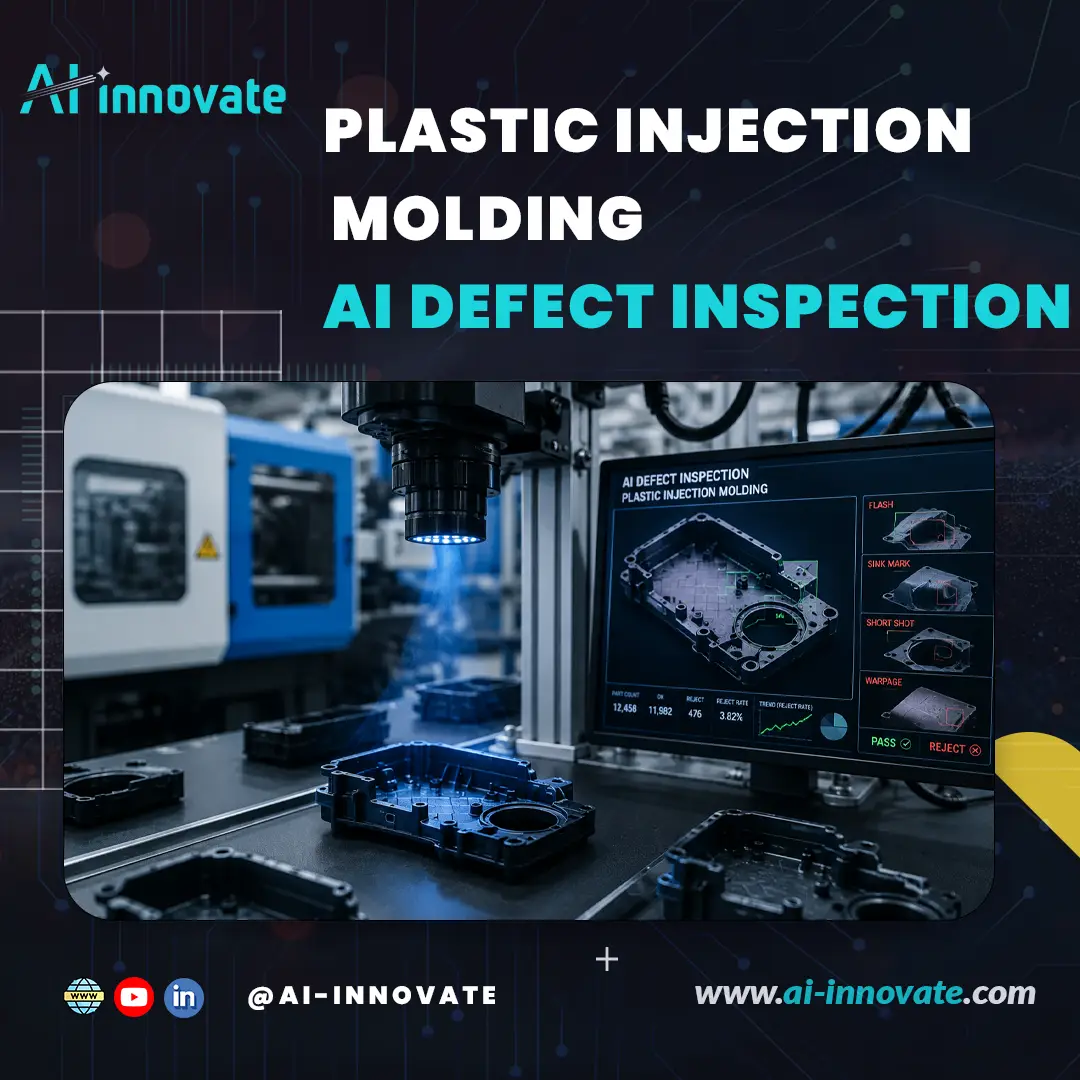
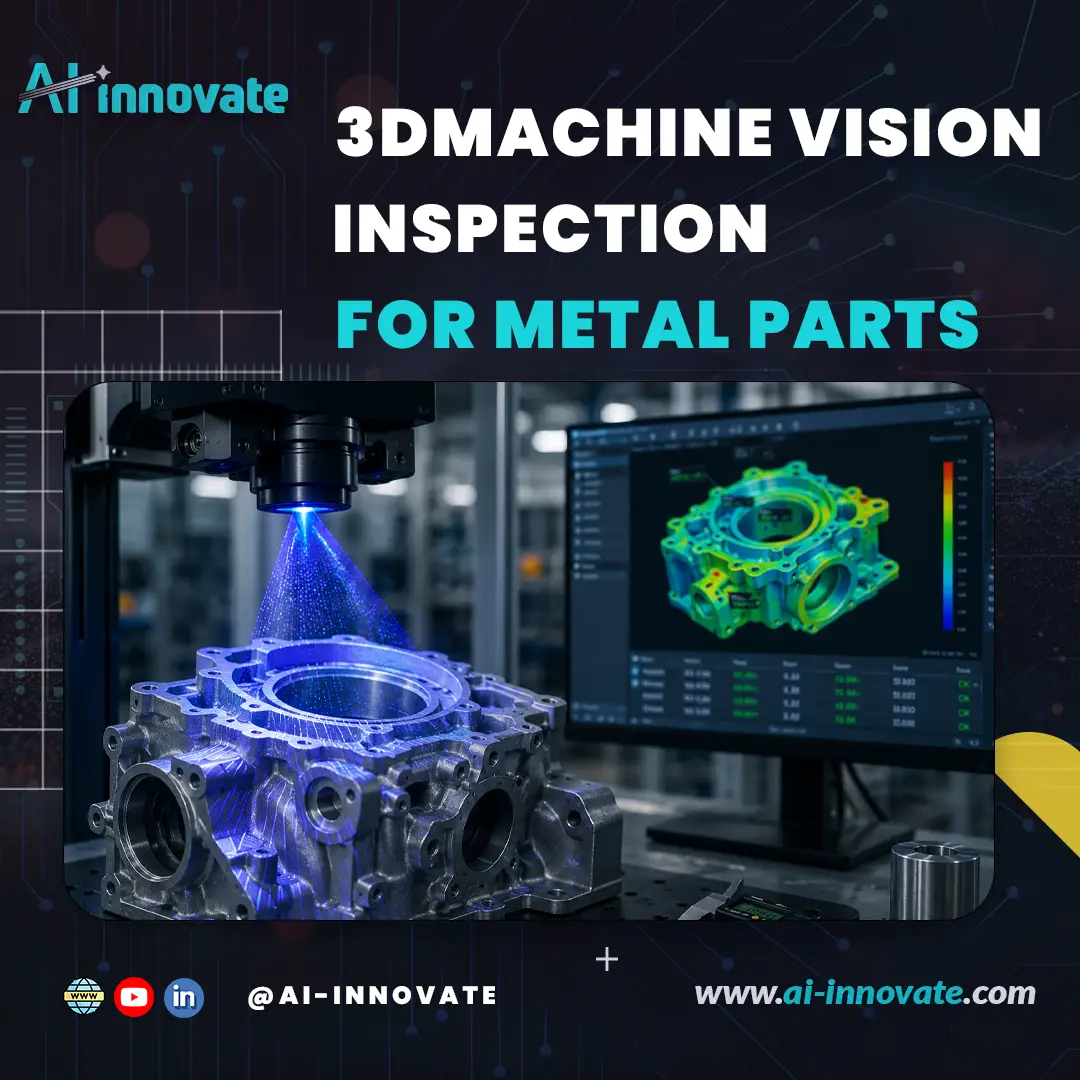
It actively scrutinizes every step of production, searching for deviations from the optimal standard. This technology is essential for industries where visual perfection is paramount, from flawless finishes in metal defect detection to uniform color in textiles. For Operations and QA Managers looking to implement robust AI-driven quality control, the challenge lies in deploying a system that is both powerful and seamlessly integrated.
Visualization and Alerting Mechanisms
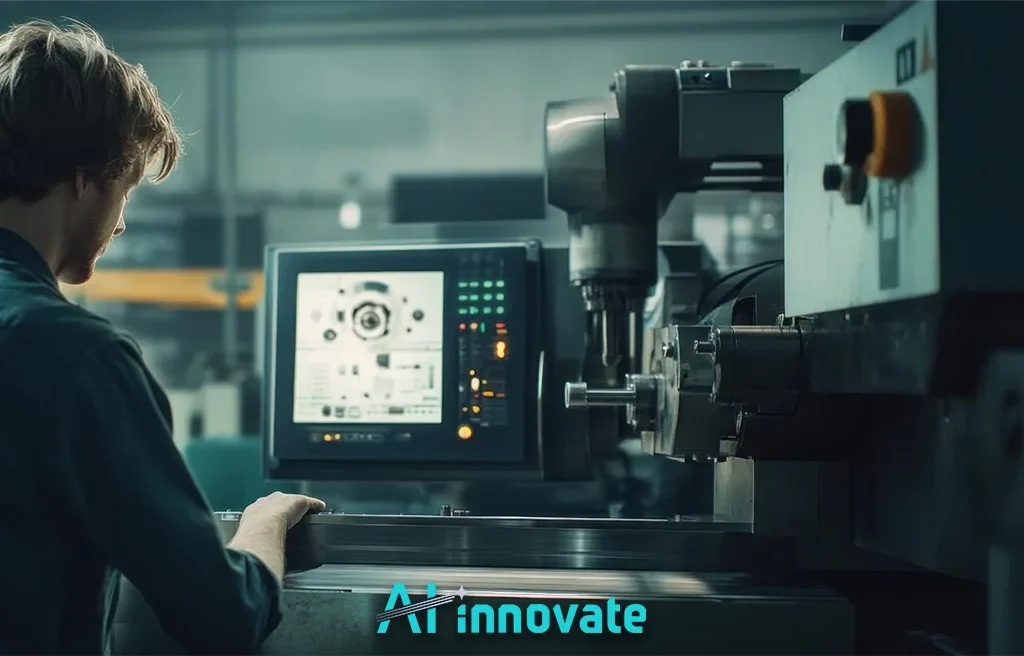
The value of AI-driven process monitoring mainly is in its ability to detect anomalies and deliver insights to operators. Effective systems integrate real-time dashboards that clearly and actionably visualize sensor data, performance trends, and anomaly alerts. Automated notifications via control room interfaces, mobile devices, or integrated SCADA systems ensure that deviations are addressed immediately. Advanced platforms incorporate prioritization logic that flags critical anomalies above minor deviations, reducing alarm fatigue and improving operator response times.
AI2Eye: Real-Time Quality Assurance in Action
At AI-innovate, our AI2Eye system is engineered to meet this challenge head-on. It serves as an intelligent set of eyes on your production line, enabling a level of precision that transcends human capability. Consider its direct benefits for your operations:
- Real-time Defect Analysis: Instantly identifies surface defects, assembly errors, and other imperfections as they occur, allowing for immediate corrective action.
- Waste and Rework Reduction: By catching flaws early, AI2Eye minimizes scrap and the costly process of manual re-inspection and rework.
- Process Optimization Insights: Moves beyond mere inspection to analyze workflow patterns, identify systemic bottlenecks, and provide data-backed recommendations for improvement.
Harness the power of AI2Eye to transform your quality control from a cost center into a driver of competitive advantage.
Reducing Hardware Dependencies in Development Cycles
Developing new machine vision applications usually involves acquiring, setting up, and testing physical cameras and lighting equipment. This hardware-centric approach presents several challenges, including extended setup times, higher costs, and difficulty coordinating work across distributed teams.
Software-hardware decoupling addresses these limitations by enabling development and testing without physical equipment dependencies. This approach reduces development cycle time and enables teams to iterate more efficiently.
AI2Cam: Accelerating Development with Virtual Cameras
To address this critical need, AI-innovate developed AI2Cam, a sophisticated camera emulation tool designed for developers. It empowers technical teams to accelerate their innovation cycle significantly. Here’s how AI2Cam removes common development obstacles:
- Accelerated Prototyping: Simulate a vast array of industrial cameras, resolutions, and environmental conditions directly on a computer, enabling rapid testing and iteration.
- Reduced Development Costs: Eliminates the need to invest in expensive physical camera hardware during the prototyping and testing phases.
- Enhanced Collaboration and Flexibility: Allows distributed teams to work on the same virtual setup, fostering seamless remote collaboration and innovation.
With AI2Cam, you can empower your engineers to build and refine the next generation of machine vision solutions faster and more affordably.
Strategic Implementation Frameworks
Successfully deploying an AI for Process Monitoring solution is not merely a technical task; it is a strategic initiative that requires a clear and structured plan. Adopting an ad-hoc approach often leads to pilot projects that fail to scale or deliver the expected ROI.
A disciplined, phased framework is essential to align the technology with specific business objectives and ensure a smooth integration into existing workflows. Drawing from established methodologies like Lean Six Sigma and best practices in technology adoption, we recommend a clear roadmap for implementation.
The following steps outline a proven path to success:
- Define a Focused Business Case: Start by identifying a high-impact problem. Clearly define the Key Performance Indicators (KPIs) you aim to improve, such as reducing a specific type of defect by X% or increasing throughput by Y%.
- Assess Data Infrastructure and Fidelity: Evaluate the quality, accessibility, and consistency of your current data sources. Ensure that sensor data is reliable and that a mechanism for accurate labeling is in place.
- Execute a Controlled Pilot Project: Select a single production line or process for the initial deployment. This allows you to test the solution in a contained environment, measure its impact against the predefined KPIs, and build internal expertise.
- Monitor, Refine, and Scale: Continuously track the performance of the AI model. Use the insights generated to further refine the process and, once proven, develop a phased rollout plan for wider implementation across the facility.