




In modern manufacturing, the difference between catching a defect and missing it is the difference between profit and recall. The process of defect detection takes place during inspection, and that’s why more and more high-precision manufacturers are turning to automated optical inspection (AOI) systems to handle inspection at production speed. But not every automated optical inspection machine is built the same, and choosing the wrong one can cost you in false alarms, missed defects, and wasted production time.
In this guide, we’ll break down what AOI is, how to choose the best AOI machine, and how to make the right decision for your operation.
What Is Automated Optical Inspection?
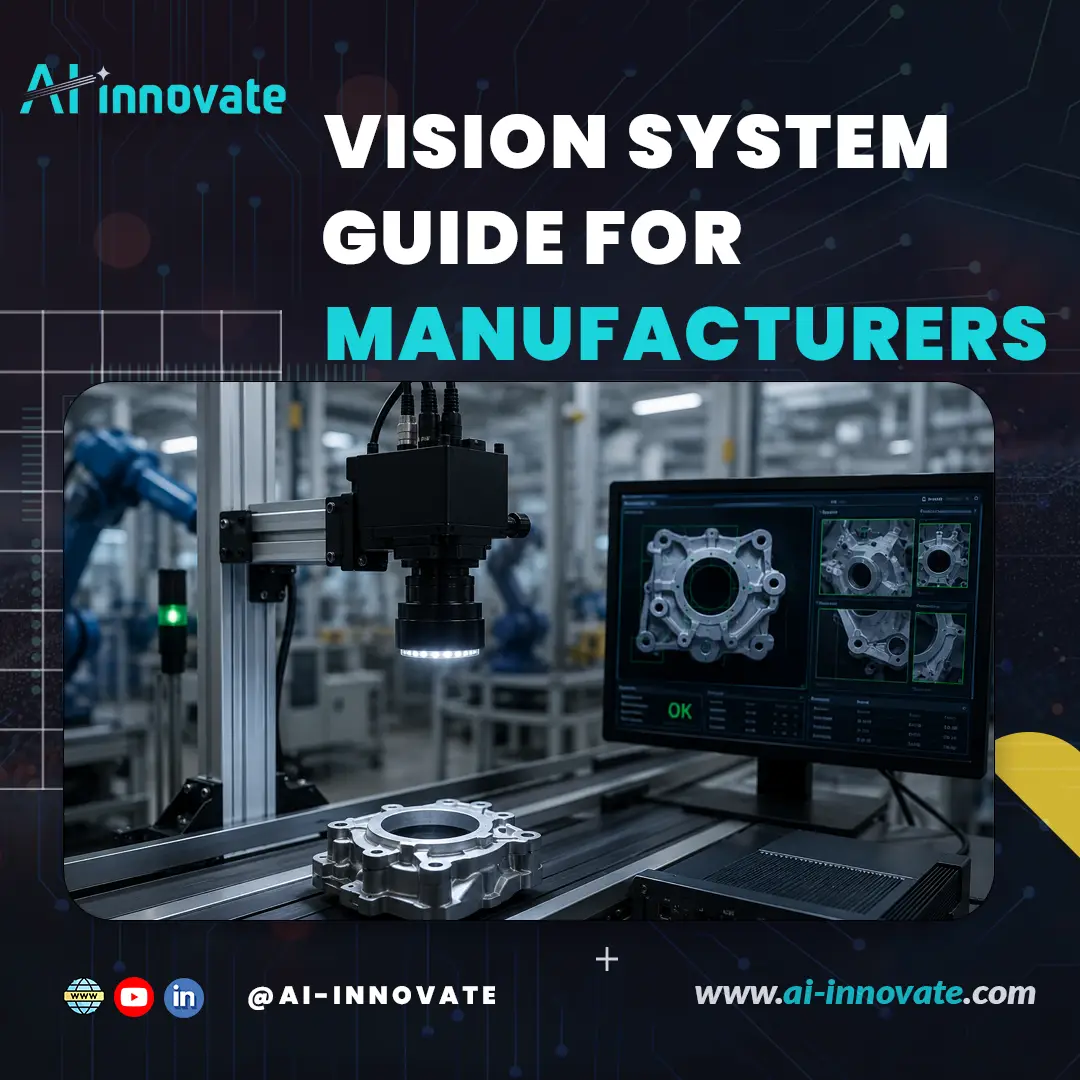
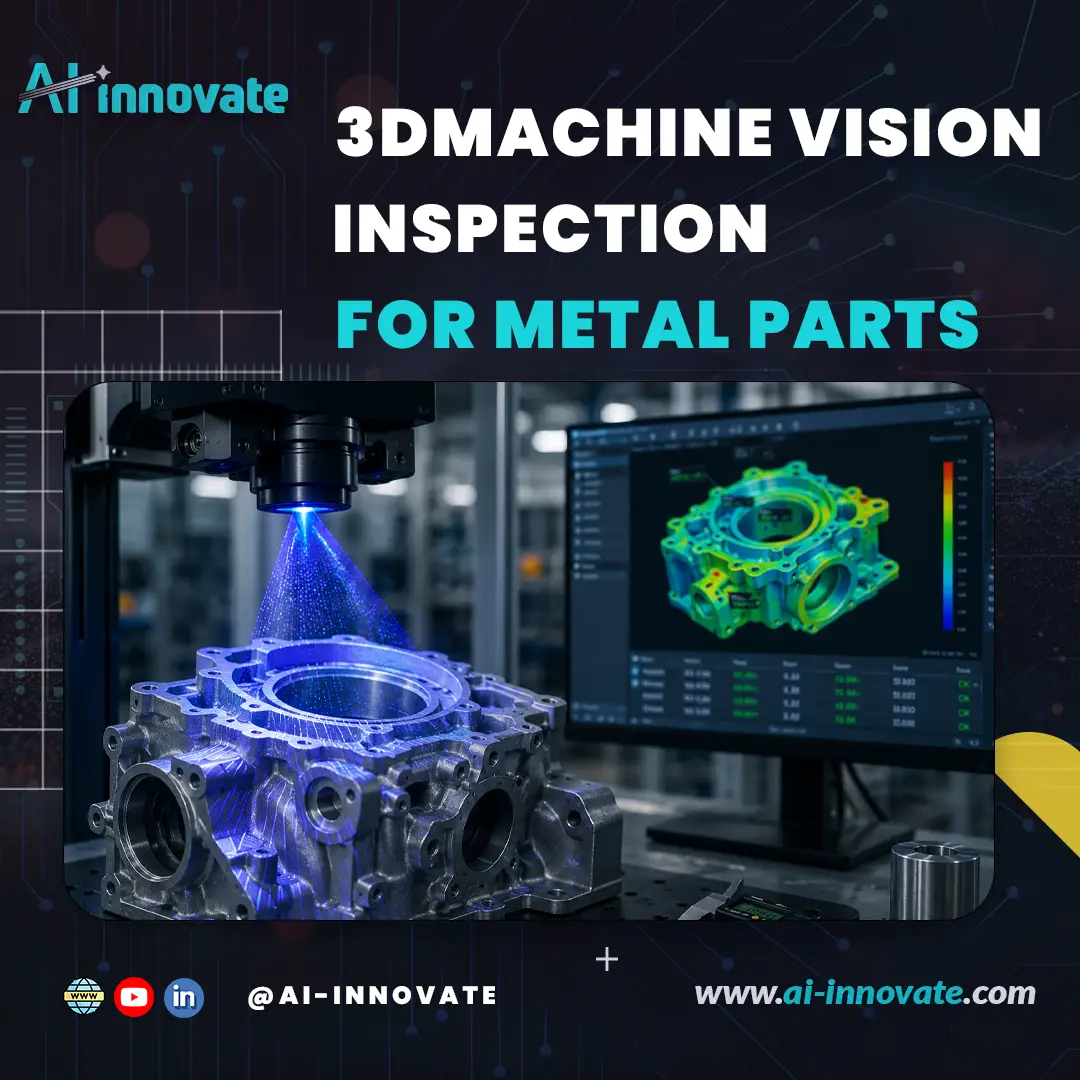
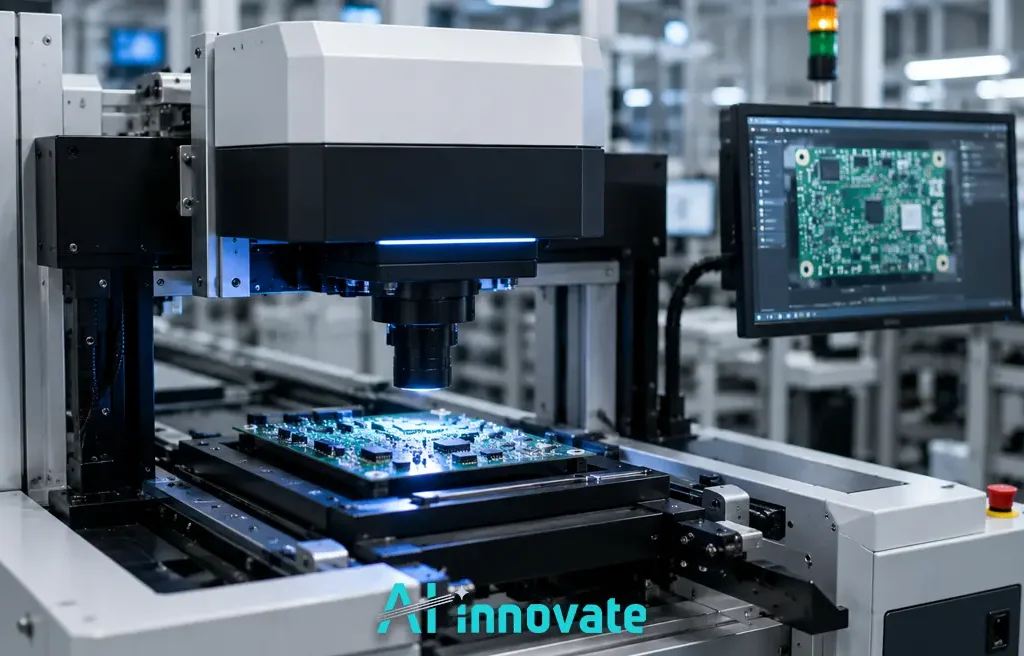
AOI uses cameras, lighting, and software to detect defects on products as they’re moving through production. AOI systems capture images and analyze them against defined criteria, flagging anything that doesn’t match.
AOI is most commonly used in:
PCB assembly and electronics manufacturing
Solder paste inspection
Component placement verification
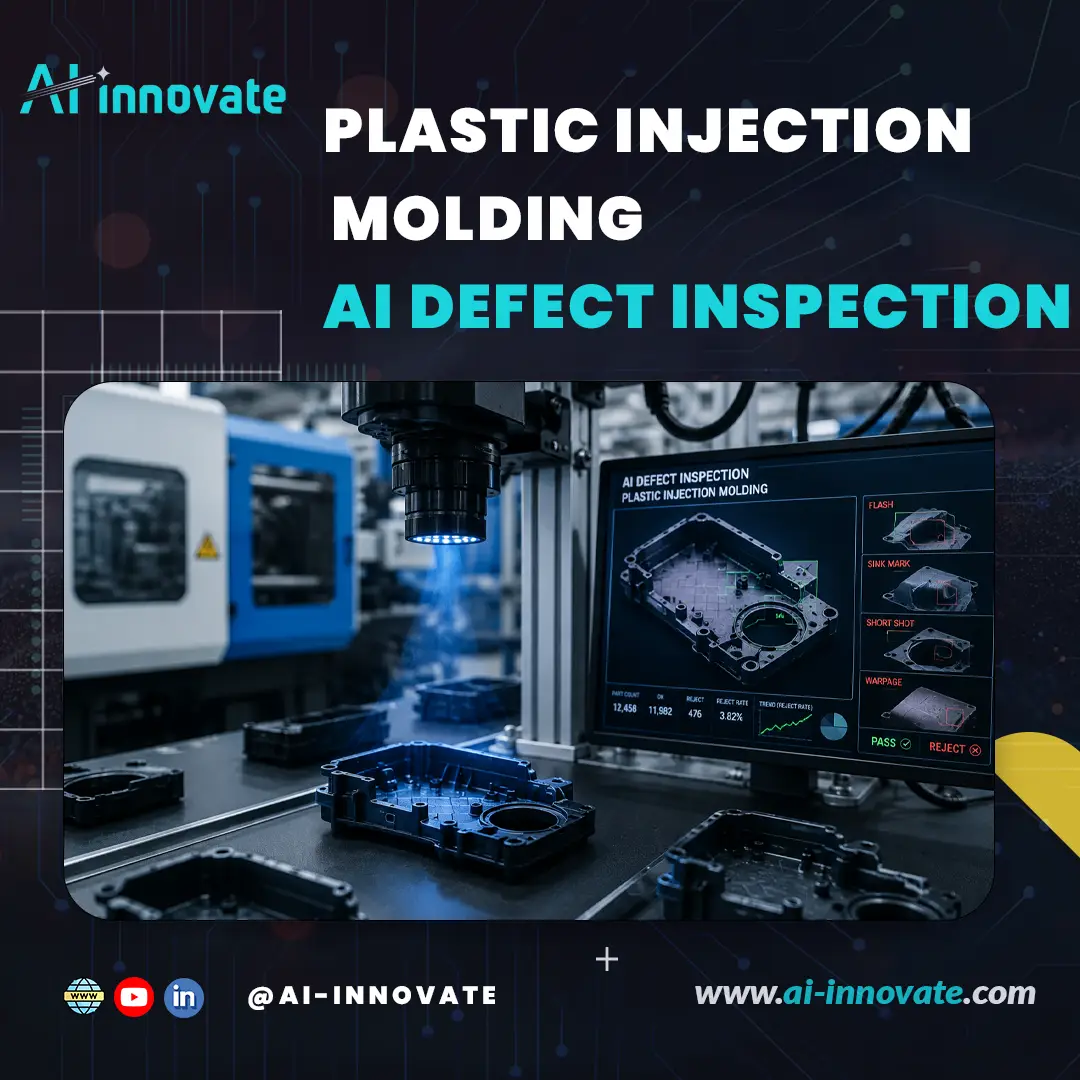
Surface defect detection on parts and assemblies
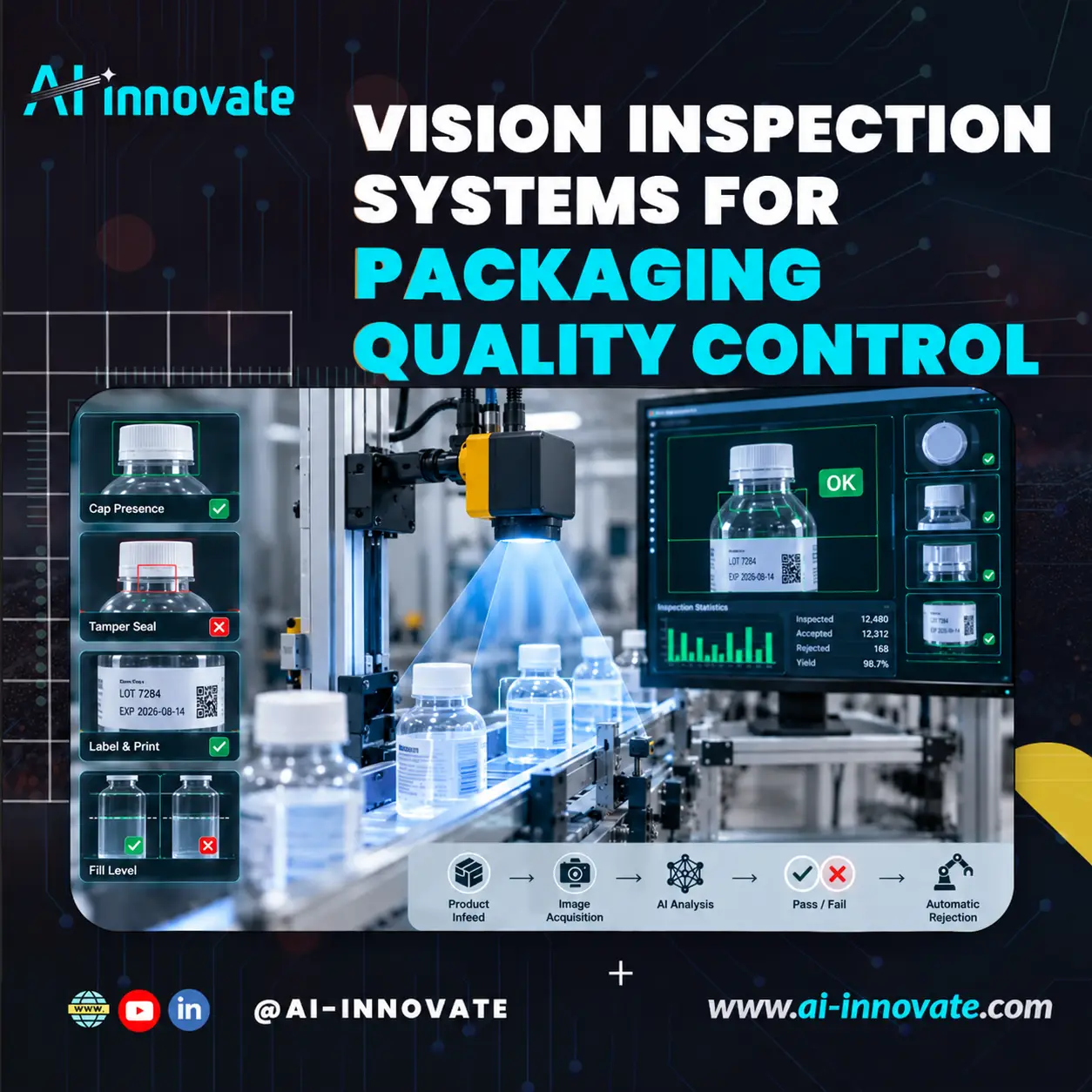
Final visual quality checks before packaging
What Are the Basic Components of an AOI System?
Every AOI machine is built around a similar core, even though specific features and quality vary widely between vendors.
The main components include:
- Cameras to capture high-resolution images of the product
- Lighting systems (often LED arrays) to illuminate the product consistently
- Imaging software to process and analyze captured images
- AI or rule-based algorithms to detect defects and anomalies
- Mechanical handling systems to move products under the cameras
- Reporting and data tools for analytics, traceability, and integration
The way these components work together is what determines whether your AOI machine delivers accurate inspections or constant false alarms.
What Essential Factors Should You Evaluate?
Choosing the right AOI machine requires looking past the marketing specs and digging into the features that actually drive performance.
3D vs. 2D Capabilities
The first major decision is whether you need 2D, 3D, or a combination of both. The choice depends on what you’re inspecting.
- 2D AOI uses top-down imaging and works well for simpler boards, missing components, polarity, and surface-level defects. It’s faster and lower cost
- 3D AOI adds height and volume measurement using techniques like laser triangulation or structured light. It catches defects like lifted leads, tombstoning, poor solder volume, and warpage
- Hybrid systems combine both for maximum coverage on complex boards
For most operations dealing with BGAs, QFNs, or fine-pitch components, 3D inspection significantly reduces false calls and pays back the higher investment.
Optical Resolution and Camera Specifications
Camera resolution determines how small a defect your system can reliably catch. Higher resolution means better defect detection but also larger file sizes and slower processing. The right balance depends on the smallest defect you need to detect and the size of the products you’re inspecting.
Key things to evaluate:
- Pixel resolution (microns per pixel)
- Camera frame rate and capture speed
- Field of view and how it matches your product size
- Lighting flexibility (angled, coaxial, multi-color)
- Lens quality and depth of field
Software, AI, and Data Integration
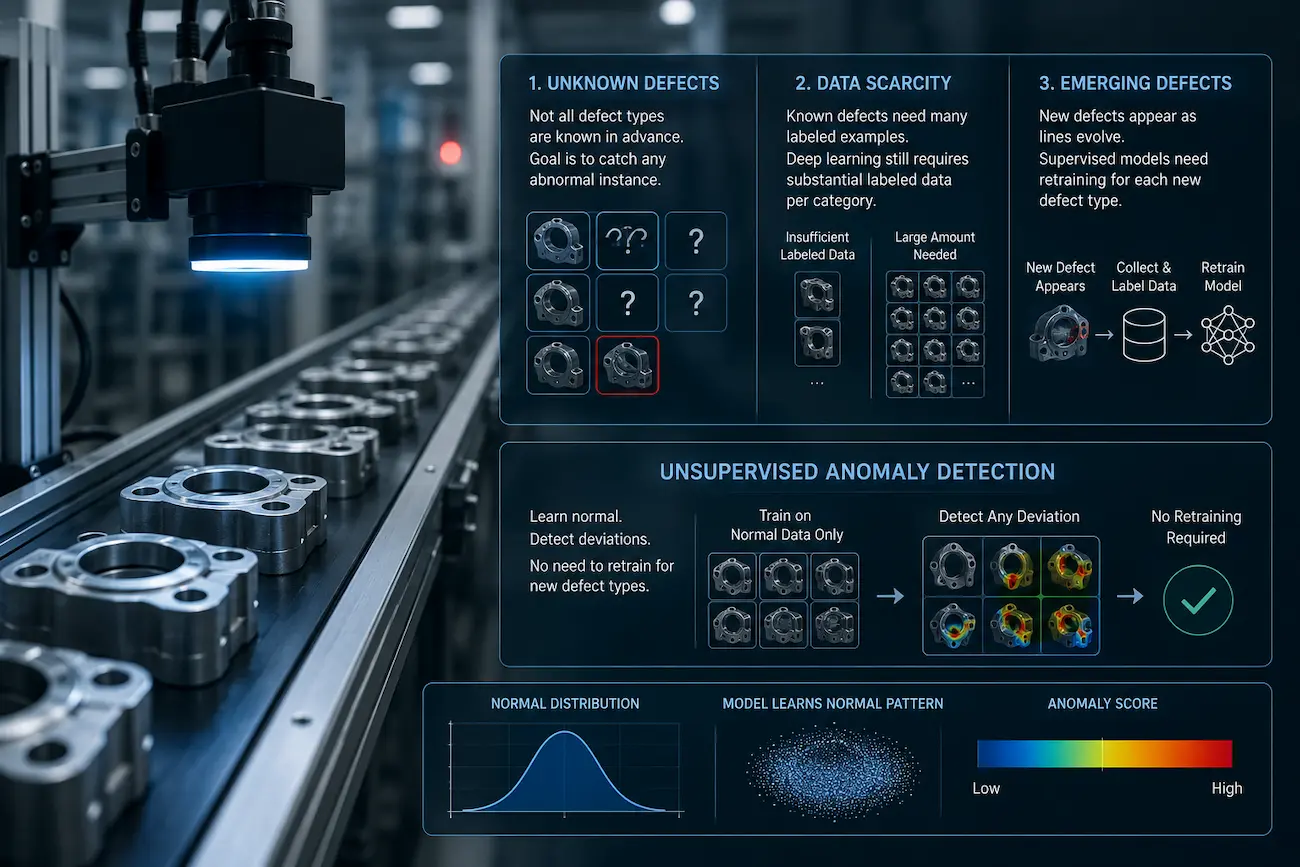
The hardware captures the image, but the software is what makes the decision. Modern AOI systems lean heavily on AI to handle complex inspections that traditional rule-based logic can’t.
What to look for:
- AI and deep learning capabilities for complex AI defect detection
- Easy programming and recipe creation
- Ability to handle product variation without constant retraining
- Integration with MES, ERP, or factory data systems
- Explainable AI tools that show why a defect was flagged
- Support for synthetic data to train on rare defects
How Do You Choose the Right AOI Machine for Your Business?
Picking the right AOI system comes down to choosing the right AOI machine that suits your production reality, your budget, and your long-term quality goals.
A solid decision process looks like this:
| Step | What to Evaluate | Why It Matters |
|---|---|---|
|
1
Define Inspection Goals
|
Defect types, accuracy requirements | Ensures the system can identify critical defects. |
|
2
Analyze Production Needs
|
Throughput, product complexity, available space | Prevents bottlenecks and supports efficient production. |
|
3
Establish Budget
|
Hardware, software, training, support | Avoids unexpected costs and budget overruns. |
|
4
Run Pilot Tests
|
Real products and production conditions | Validates machine performance before full deployment. |
|
5
Assess Total Cost of Ownership
|
Maintenance, upgrades, service contracts | Determines long-term ROI and operational value. |
The right system for a high-volume consumer electronics line will look very different from one running low-volume aerospace boards.
What Are the Common Mistakes and Best Practices?
Even well-funded AOI deployments can underperform when teams overlook the fundamentals. Knowing the common traps helps you avoid them.
Common mistakes to watch for:
- Buying based on specifics alone without testing real products
- Underestimating the cost of false calls and operator review time
- Skipping pilot tests before full deployment
- Ignoring software and AI maturity in favor of hardware features
- Not budgeting for training and ongoing maintenance
Best practices that consistently pay off start with these simple steps:
- Start with a pilot line before scaling across the factory
- Build a feedback loop so the AOI system keeps learning new defect types
- Combine automated inspection with targeted human review
- Track real ROI metrics like defect escape rates and rework reduction
- Plan for AI and software upgrades, not just hardware replacement
Bring Smarter Inspection to Your Production Floor
An AOI automated optical inspection machine only creates value when it’s deployed with the right hardware, data infrastructure, and decision-making capabilities. Moving from isolated inspection stations and manual quality checks to scalable, production-floor coverage takes reliable edge processing, robust training data, and inspection systems that can handle the speed and complexity of modern manufacturing.
At AI-innovate, we help manufacturers bridge the gap between AOI strategy and production-floor execution by providing:
- Intelligent visual inspection with AIxEye, enabling real-time detection of surface defects, soldering issues, component placement errors, and product anomalies across complex production environments
- Edge AI infrastructure with AIxCore (powered by NVIDIA Jetson Orin AGX) for real-time image processing, sensor integration, and on-site analytics across automated inspection and validation workflows
- Synthetic data generation through AIxCam, helping teams strengthen AI models when defects are rare, datasets are limited, or edge-case scenarios are difficult to capture in volume
Whether you’re upgrading inspection on a single product line or scaling quality assurance across electronics, automotive, or other high-precision manufacturing, the key is combining reliable visual data, explainable AI, and industrial-grade deployment built for real production environments.
Conclusion
Choosing the right automated optical inspection machine is one of the most important quality decisions a manufacturer can make. The right system reduces defects, lowers rework costs, and protects your reputation. The wrong one creates false alarms, slows down your line, and frustrates your team. By focusing on the factors that really matter, from 2D and 3D capabilities to AI maturity and vendor support, and avoiding the common pitfalls, you can choose an AOI system that delivers real value for years to come.
We believe you should take the time to pilot, evaluate, and partner with the right vendor, and your inspection setup becomes a long-term advantage rather than just another machine on the line.
Confused About Where to Start with AI?
Our specialists help you identify the right AI approach based on your process, data, and goals.
Sources
Ai-Innovate uses only high-quality sources, including peer-reviewed studies, to support the facts within our articles.
- ALLPCB. (2024). The Ultimate Guide to Selecting the Right AOI Equipment for Your PCB Assembly Line. Covers key factors for choosing AOI systems in PCB manufacturing environments. Retrieved from https://www.allpcb.com/blog/pcb-manufacturing/the-ultimate-guide-to-selecting-the-right-aoi-equipment-for-your-pcb-assembly-line.html
- Candor Industries. (2024). Automated Optical Inspection (AOI). Explains AOI technology, inspection workflows, and defect detection applications in electronics manufacturing. Retrieved from https://www.candorind.com/automated-optical-inspection/
- SMT Factory. (2024). How to Choose the Right AOI Inspection Machine for Your PCB Production. Discusses machine selection criteria, inspection capabilities, and production line considerations. Retrieved from https://www.smtfactory.com/how-to-choose-the-right-aoi-inspection-machine-for-your-pcb-production.html
- Wavelength Opto-Electronic. (2024). Automated Optical Inspection (AOI) Machine. Provides an overview of AOI machine functions, benefits, and industrial inspection use cases. Retrieved from https://wavelength-oe.com/automated-optical-inspection-aoi-machine/
Frequently Asked Questions
How do I know if an AOI machine is accurate enough for my production process?
An AOI machine should be tested using real production samples and known defect cases. Key performance indicators include defect detection rate, false rejection rate, repeatability, and inspection consistency. Manufacturers should request validation data, customer case studies, and live demonstrations to verify performance under actual operating conditions.
Is AI-powered defect detection better than traditional rule-based inspection?
AI-powered defect detection can identify complex and variable defects that traditional rule-based systems may miss. Machine learning models continuously improve detection accuracy by learning from inspection data, making them particularly valuable for high-mix manufacturing environments where product variations are common. However, the effectiveness of AI depends on the quality of training data and implementation.
What types of defects can an Automated Optical Inspection machine detect?
Depending on the application, AOI systems can detect scratches, cracks, dents, missing components, surface contamination, assembly errors, dimensional variations, welding defects, fabric defects, print quality issues, and cosmetic imperfections. Advanced AI-based systems can also identify subtle anomalies that are difficult to detect through manual inspection.
What is the difference between 2D and 3D AOI systems?
2D AOI systems analyze surface images and are suitable for many standard inspection tasks. 3D AOI systems capture height, volume, and shape information, enabling more accurate detection of issues such as insufficient solder, component misalignment, and dimensional defects. The best choice depends on product complexity, inspection requirements, and quality standards.
How can I calculate the return on investment (ROI) of an AOI machine?
ROI is typically measured by reductions in scrap, rework, warranty claims, customer complaints, and manual inspection costs. Additional benefits may include higher production throughput, improved product quality, and better process control. Many manufacturers recover their investment through increased efficiency and reduced quality-related losses.
Can an AOI machine be integrated into an existing manufacturing line?
Most modern AOI systems are designed to integrate with existing production equipment, MES platforms, PLCs, and quality management systems. Before purchasing, manufacturers should confirm compatibility requirements, communication protocols, data exchange capabilities, and available integration support from the vendor.
How often should an Automated Optical Inspection machine be calibrated?
Calibration frequency depends on production volume, industry requirements, and manufacturer recommendations. Regular calibration helps maintain inspection accuracy and system reliability. Many facilities perform routine verification checks daily and schedule full calibration procedures periodically as part of their quality assurance program.
What industries benefit most from Automated Optical Inspection technology?
AOI technology is widely used in electronics manufacturing, automotive production, semiconductor fabrication, medical device manufacturing, aerospace, metal processing, packaging, textiles, and consumer goods manufacturing. Any industry requiring consistent quality control and defect detection can benefit from automated inspection.