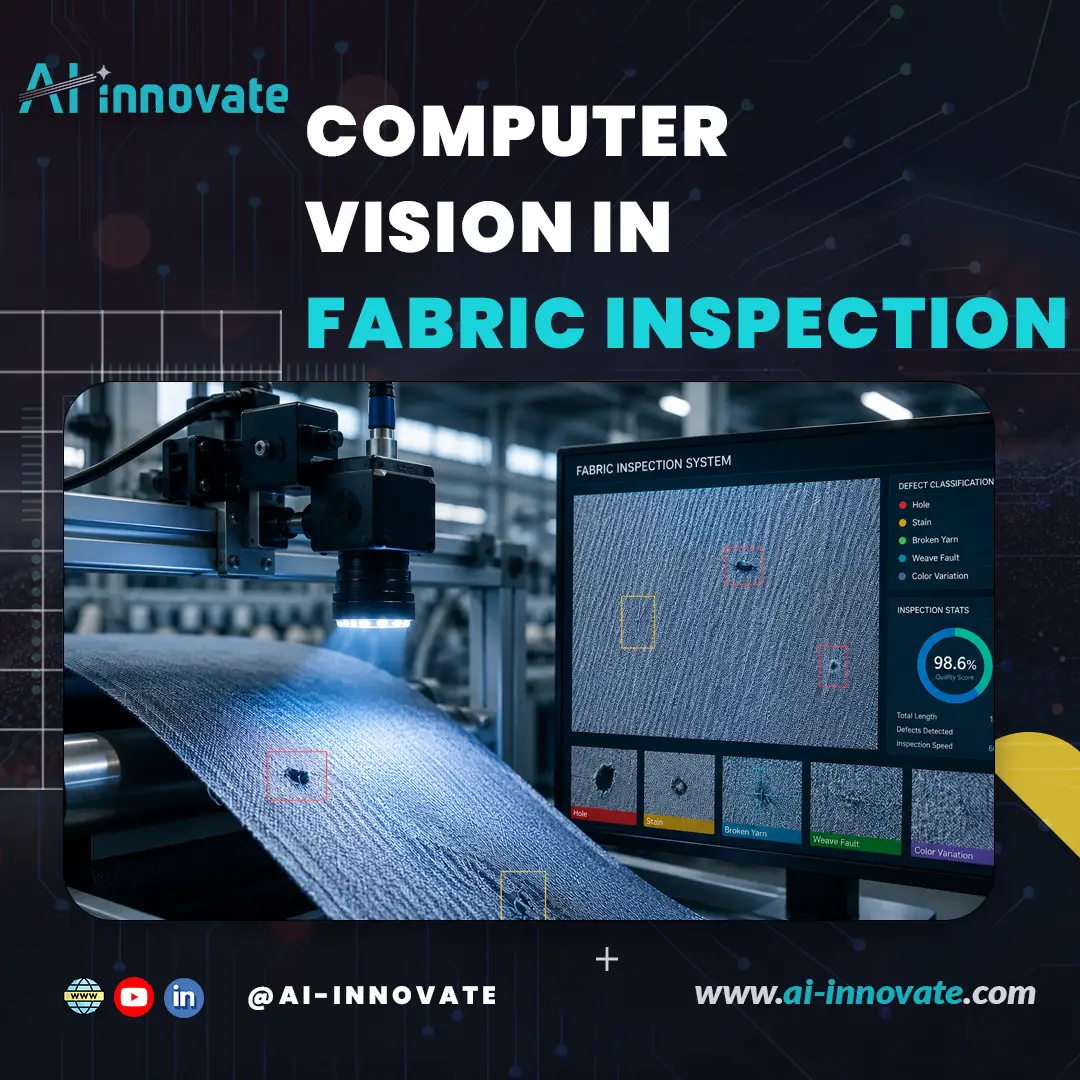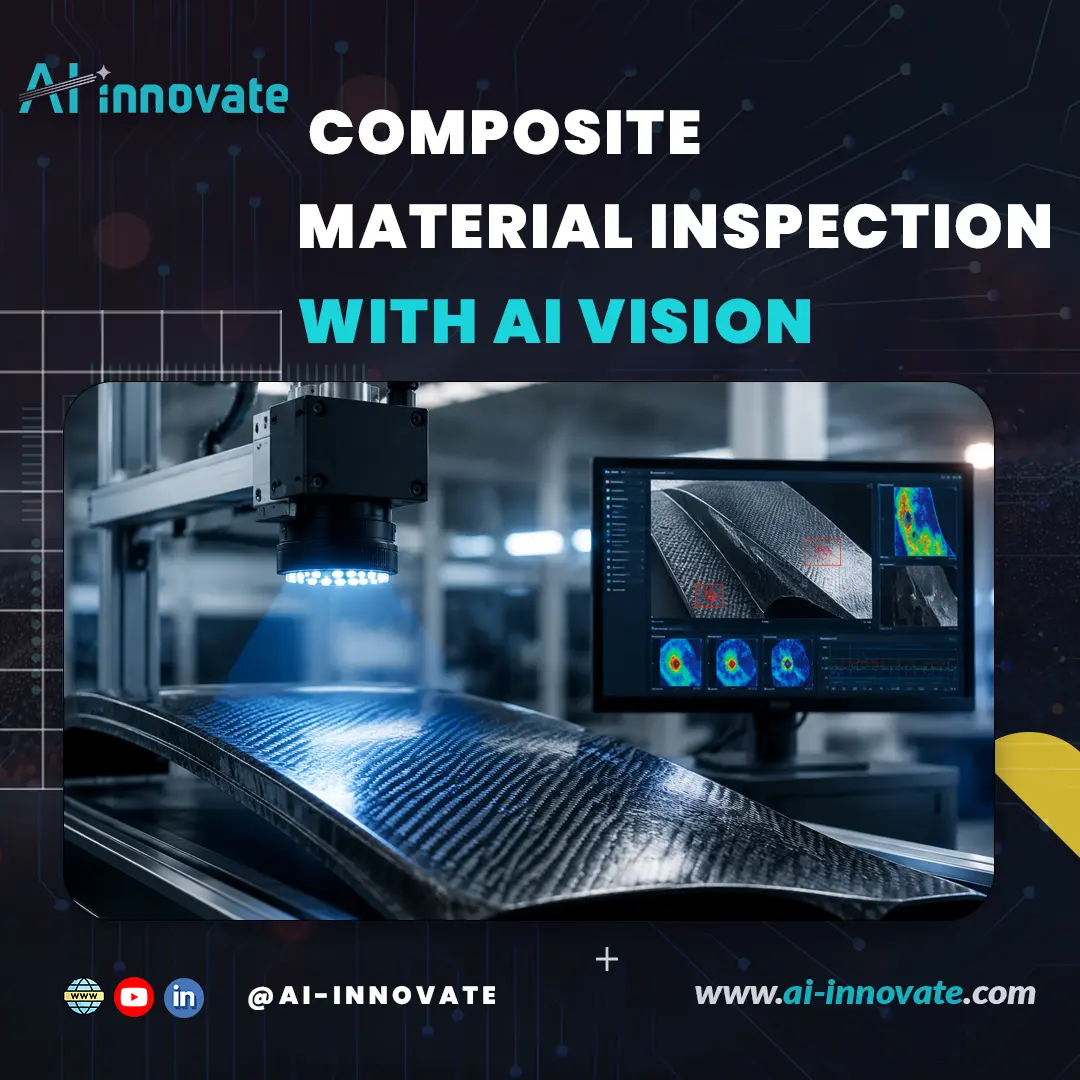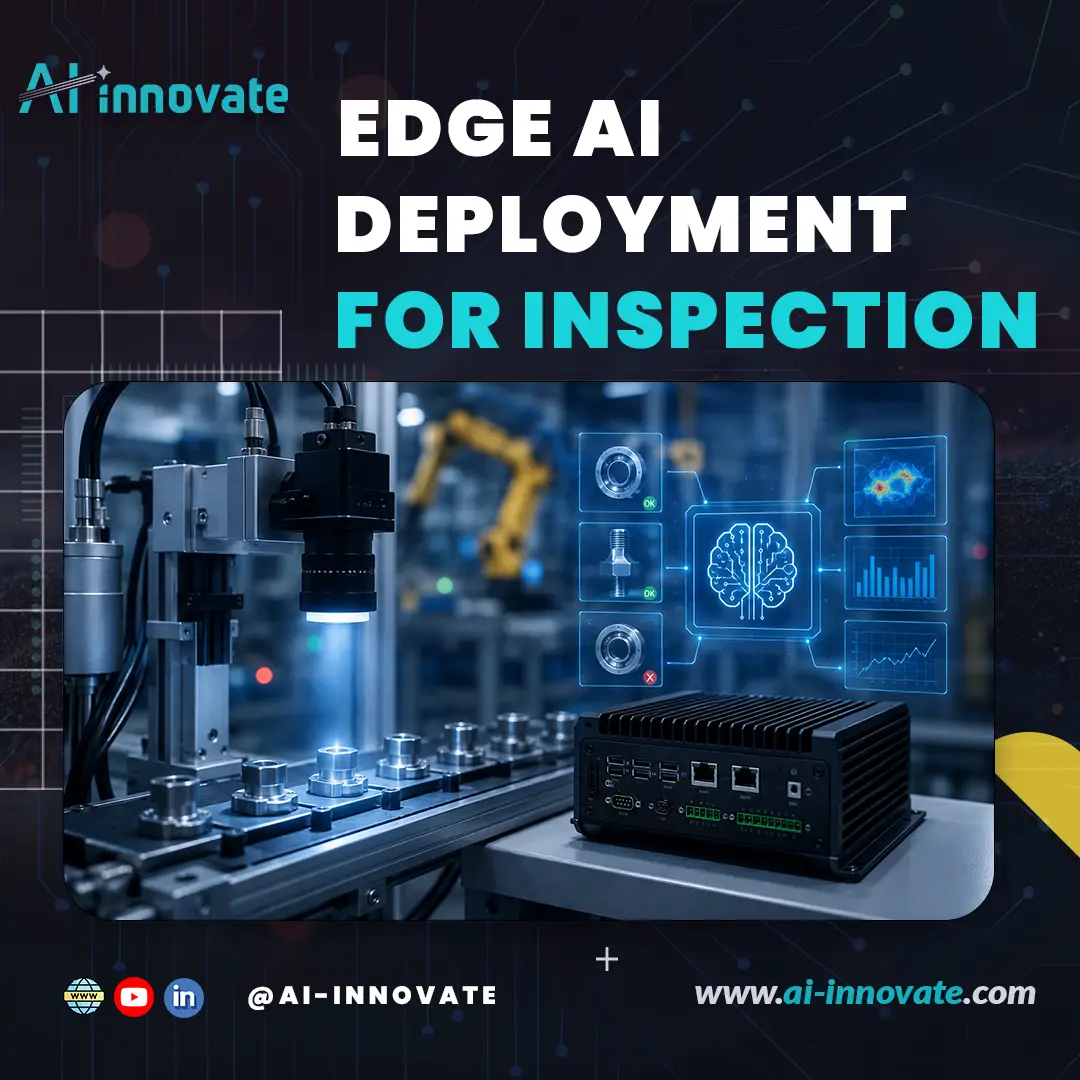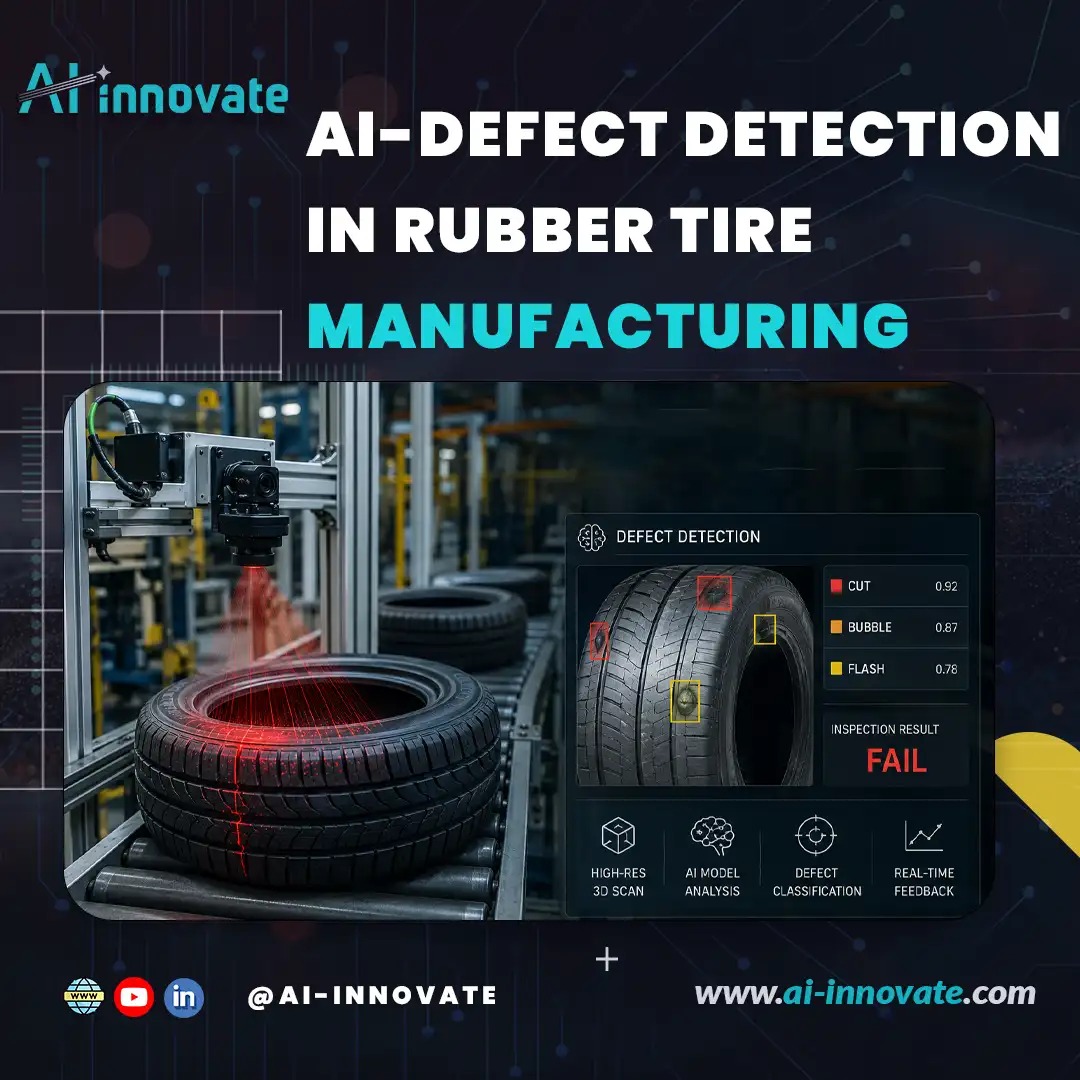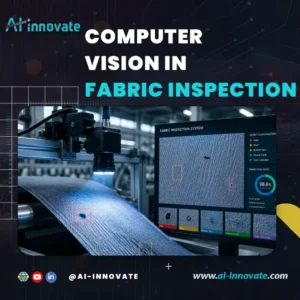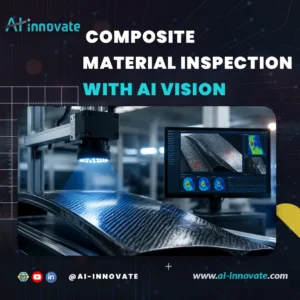





The field of quality control has gone through a revolution at the hands of AI, and there’s no doubt that the entire process has become much smoother and easier. Naturally, surface inspection, which is part of quality control, has undergone some positive changes as well.
Traditionally, surface inspection was more manual and thus more prone to human error. That problem is almost entirely solved today thanks to AI, as the process is now more automated.
In this guide, we’ll take a more in-depth look at how AI enhances surface inspection, what tools it uses to do so, and the potential benefits and challenges it brings.

What is an AI-Powered AOI System in Surface Inspection?
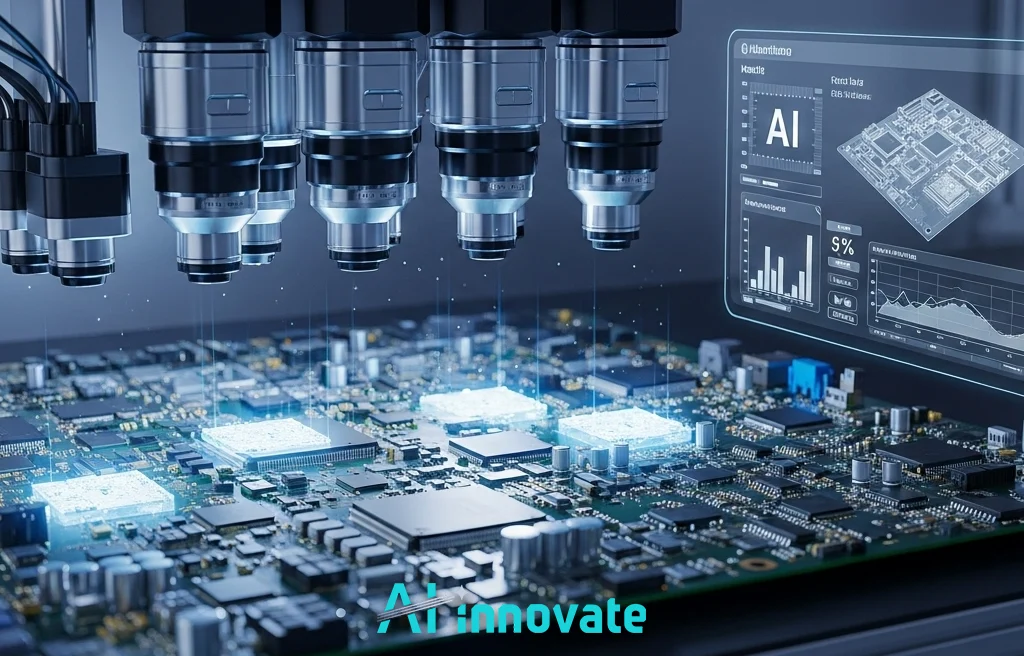
An AI-powered AOI (Automated Optical Inspection) system leverages AI (machine learning and computer vision) to automatically monitor products and detect defects during manufacturing. In surface inspection, advanced cameras, lighting, and AI algorithms are used to automatically detect defects on the surfaces of manufactured products.
Tools Used in AI-Powered AOI for Surface Inspection
AOI systems combine smart hardware and intelligent software to detect surface defects. These systems rely on high-resolution industrial cameras.
- High-resolution cameras capture crisp, detailed images of each product.
- Telecentric and macro lenses help maintain true-to-scale, distortion-free views.
- Lighting setups, like ring lights, dome lights, and coaxial lighting, highlight tiny scratches, dents, or texture changes.
- Conveyors, robotic arms, or linear stages move products into the perfect position for every image.
Once the images are collected, they’re passed to powerful computing hardware designed to process them in real time.
- Edge devices can run AI models right on the production floor.
- High-performance GPUs handle demanding, high-speed inspections.
- FPGAs or ASICs step in when ultra-fast, low-latency decisions are required.
On the software front, AI-driven AOI relies on advanced deep learning frameworks and computer vision tools to understand what’s happening in each image.
- Frameworks make it possible to train and deploy powerful models.
- Tools like OpenCV or Halcon clean up and prepare images through filtering, alignment, and enhancement.
- Modern AI models, including CNNs, autoencoders, and vision transformers, spot anomalies, classify cracks or defects, and even outline the exact damaged areas.
But before these models can get smart, they need to be taught what defects look like. That’s where annotation tools come in.
- Platforms like CVAT, Label Studio, and Roboflow help teams label images with examples of real defects.
- Clean, well-labeled data ensures the AI learns the right patterns from the start.
Once the models are trained, they’re optimized and deployed directly onto the production line.
- Tools like TensorRT and OpenVINO help models run quickly and efficiently.
- PLC, SCADA, and MES integrations allow the AOI system to communicate instantly with the rest of the factory.
- Cloud and edge platforms help companies scale inspection systems across multiple facilities.
Finally, analytics and dashboards turn inspection results into real insights.
- Platforms such as Grafana or Power BI display key trends and performance indicators.
- SPC tools track long-term quality and process stability.
- Automated reports help teams fine-tune production and reduce defect rates over time.
How AI Enhances AOI in Surface Inspection
AI has improved AOI in surface inspection by enabling some qualities such as:
- Learning Complex Defect Patterns: Traditional methods use fixed rules like “if color changes, it’s a defect”. AI can learn more complex and subtle patterns, like subtle texture changes.
- Reducing False Positives: Old AOI systems often reject good products because lighting, reflections, or patterns confuse the algorithm. Since AI is able to learn, products aren’t falsely rejected.
- Automatically Adapting to Variation: Surface materials differ in texture, color, angle of reflection, and manufacturing tolerance. AI models adapt by learning from data, so there’s no need to rewrite rules.
- For example, surface inspection on brushed metal becomes easier because AI understands the natural surface characteristics.
- Working Well with Challenging Surfaces: AI is effective on all kinds of surfaces: Shiny ones, irregularly shaped objects, transparent materials, or organic surfaces like fruit skins. It handles variations that traditional vision fails on.
Proven Benefits and Potential Challenges of AI-Powered AOI Systems in Surface Inspection
As you know by now, AI-powered AOI systems are very beneficial to the surface inspection process. However, keep in mind that there are some downsides to it as well. We have prepared a summarized list of benefits and limits of AI-powered AOI systems in surface inspection here:
Benefits
- Higher Detection Accuracy: As previously mentioned, AI models, specifically deep learning, can recognize subtle texture changes, micro-defects, and irregular shapes that traditional rule-based AOI often misses.
- Faster Inspection: AI models run on edge GPUs or accelerators, enabling real-time inspection without slowing the production line.
- Consistent, Objective Evaluation: AI doesn’t get tired or vary like human inspectors, which ensures stable quality inspection constantly.
- Continuous Improvement: Models improve as more labeled data is added to the dataset, making the system smarter over time.
- Reduced Labor Cost: With AI taking on the majority of the tasks, less manual inspection and fewer online staff are needed; operators mainly oversee exceptions.
Limits
- Requires High-Quality Training Data: To get the desired results, AI needs large datasets, proper labeling, and representative defect examples. Collecting and labeling this data is no easy task.
- Edge Cases May Be Missed: Extremely rare defects or unseen patterns might not be recognized by the model until retraining occurs.
- Continuous Model Maintenance: Over time, conditions and products evolve, so AI models must be updated, retrained, and validated.
- Potential False Negatives: While AI reduces false positives, it may incorrectly classify some “good” defects as acceptable if not trained carefully.
- Cost of Adoption: Investing in AI-powered AOI systems costs more compared to traditional AOI because of the hardware it needs (cameras, lighting, GPU systems), the need for model training, and software development.
Conclusion
AI-powered AOI systems are reshaping the way manufacturers approach surface inspection, bringing speed, accuracy, and adaptability to a process that once relied heavily on manual oversight. I believe even with the remaining challenges, investing in AI-powered AOI systems for surface inspection will have long-term advantages. In the future, as AI continues to evolve, surface inspection will only become more precise, scalable, and efficient.
Note: Some graphics and visuals in this post were produced using AI-generated content.