




Modern production environments generate more data than ever before, yet much of it goes unused. Each sensor reading, machine cycle, and quality check provides valuable insights into performance and stability. This information has traditionally been reviewed manually or through basic reporting tools, which makes it difficult to detect deeper patterns or anticipate issues.
As production systems become faster and more interconnected, these limitations become more apparent. Machine learning is transforming the way manufacturers convert raw data into actionable intelligence. Intelligent systems learn from historical and real-time information to recognize trends, predict disruptions, and optimize operations automatically.
This article explores how machine learning is applied in production settings, the challenges it addresses, and how organizations use it to improve efficiency, consistency, and long-term competitiveness.

Beyond the Algorithm
The siren call of high accuracy scores often creates a misleading focal point in machine learning projects. While a precise model is a prerequisite, it represents a mere fraction of a successful production system.
The reality is that the surrounding infrastructure—the data pipelines, deployment mechanisms, monitoring tools, and automation scripts—constitutes the vast majority of the work and is the true determinant of a project’s long-term value and reliability.
The focus must shift from merely building models to engineering holistic, end-to-end systems. This distinction crystallizes into two competing viewpoints:
- Model-Centric View: Success is measured by model accuracy on a static test dataset. The model is treated as the final artifact.
- System-Centric View: Success is measured by the overall system’s impact on business goals (e.g., reduced waste, increased efficiency). The model is treated as one dynamic component within a larger, interconnected system.
Operationalizing Machine Learning in Production
One of the toughest challenges in applied AI is moving a model from a developer’s workstation to a scalable, real-world environment. This critical step bridges the gap between experimental code and operational reliability. Without disciplined engineering, this transition often results in fragile and inconsistent systems.
A robust machine learning framework for production relies on three core practices:
CI/CD automation
Continuous integration (CI/CD) and deployment pipelines automate the testing, validation, and rollout of new code. Each update undergoes rigorous checks before release, reducing human error and ensuring fast, reliable deployment cycles.
Containerization
Teams ensure consistent application behavior across development, testing, and production environments by packaging models and dependencies into Docker containers solving the classic “works on my machine” problem.
Orchestration
Tools like Kubernetes manage containerized workloads at scale by handling resource allocation, load balancing, and automated recovery. This orchestration ensures high availability, performance, and flexibility under real-world production demands.
Operational Vigilance
Deployment is not a finish line; it is the starting gun for continuous operational oversight. A model in production is a living entity that requires constant attention to ensure it performs as expected and delivers consistent value.
This “operational vigilance” is a data-driven process that safeguards the system against degradation and unforeseen issues. Effective monitoring requires a dashboard of vital signs to ensure the system, whether it’s used for financial predictions or real-time defect analysis, remains healthy.
- Performance Metrics: Tracking technical metrics like request latency, throughput, and error rates is essential for gauging the system’s operational health and user experience.
- Model Drift and Decay: This involves monitoring the model’s predictive accuracy over time. A decline in performance (decay) often signals that the model is no longer aligned with the current data distribution (drift) and needs to be retrained.
- Resource Utilization: Monitoring CPU, memory, and disk usage is critical for managing operational costs and ensuring the infrastructure is scaled appropriately to handle the workload without waste.
Accelerating Applied Intelligence
Navigating this complex landscape requires more than just best practices; it demands specialized, purpose-built tools that streamline development and deployment. This is where AI-innovate provides a distinct advantage, offering practical solutions that address the specific pain points of both industrial leaders and technical innovators. Our focus is to make sophisticated Machine Learning in Production both accessible and effective.
For Industrial Leaders
Your goal is clear: reduce costs, minimize waste, and guarantee quality. Our AI2Eye system is engineered precisely for this. It goes beyond simple defect detection to provide an integrated platform for process optimization.
By identifying inefficiencies on the production line in real-time—from fabric defect detection to identifying microscopic flaws in polymers—AI2Eye delivers a tangible ROI by transforming your quality control from a cost center into a driver of efficiency.
Read Also: Machine Learning in Quality Control – Smarter Inspections
For Technical Innovators
Your challenge is to innovate faster, unconstrained by hardware limitations and lengthy procurement cycles. Our AI2Cam is a powerful camera emulator that liberates your R&D process.
By simulating a vast array of industrial cameras and environmental conditions directly on your computer, AI2Cam allows you to prototype, test, and validate machine vision applications at a fraction of the time and cost. It accelerates your development lifecycle, enabling you and your team to focus on innovation, not on hardware logistics.
Applied Intelligence in Action: Real-World Use Cases and Industry Examples
The true measure of machine learning in production is not in laboratory benchmarks, but in the tangible, sustained value it delivers across industries. When deployed with the right infrastructure and operational vigilance, models become embedded engines of transformation—optimizing processes, reducing waste, and enabling decisions at unprecedented speed and scale. Below are examples that illustrate the diverse impact of machine learning in production:
- Predictive Maintenance: Anticipating equipment failures before they occur allows factories to schedule interventions strategically, reducing downtime and extending asset lifespans. Sensors feed real-time data into models that detect early warning patterns invisible to human inspection.
- Energy Optimization: Intelligent control systems dynamically adjust power usage in manufacturing plants, data centers, or logistics hubs—balancing output with consumption. This minimizes costs while supporting sustainability goals.
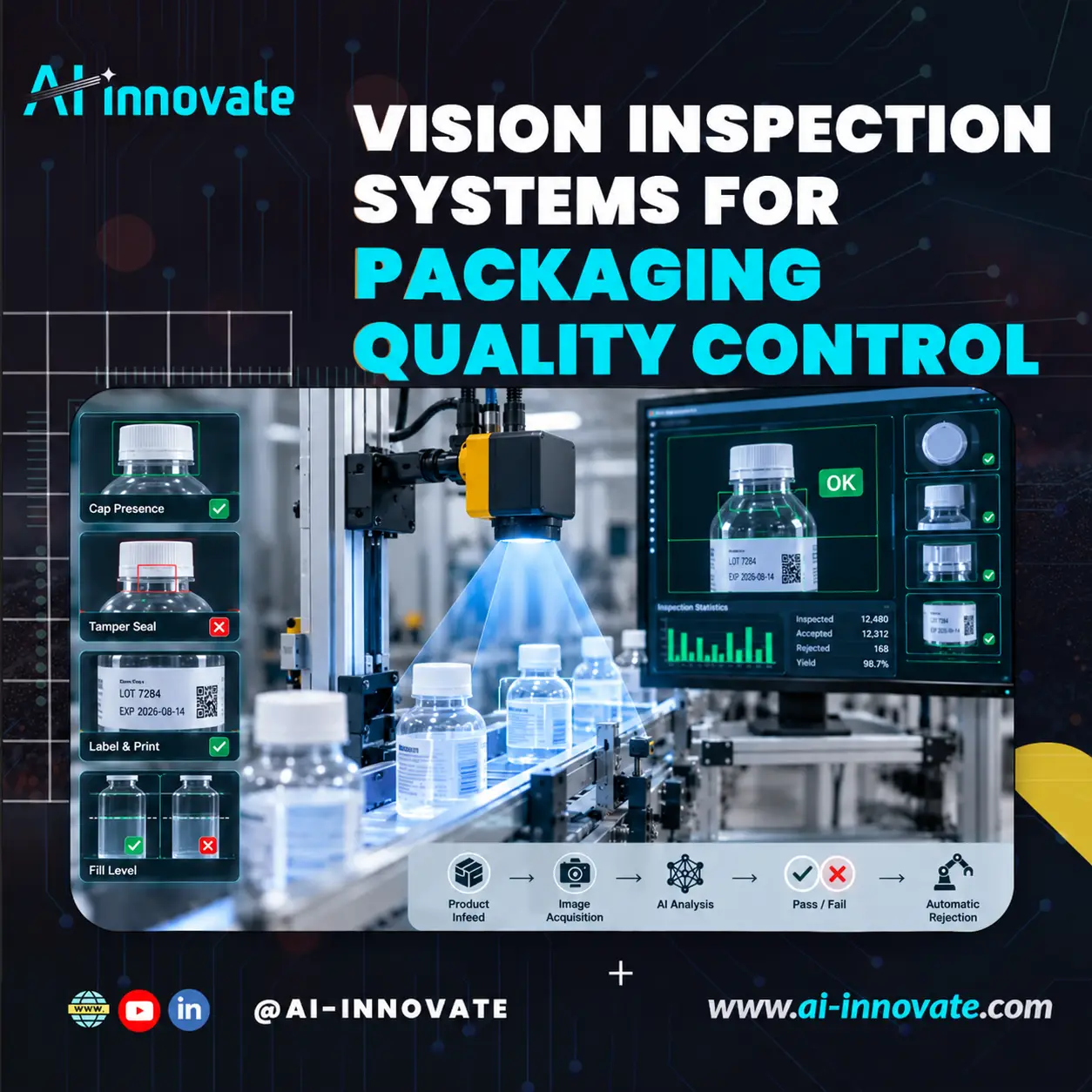
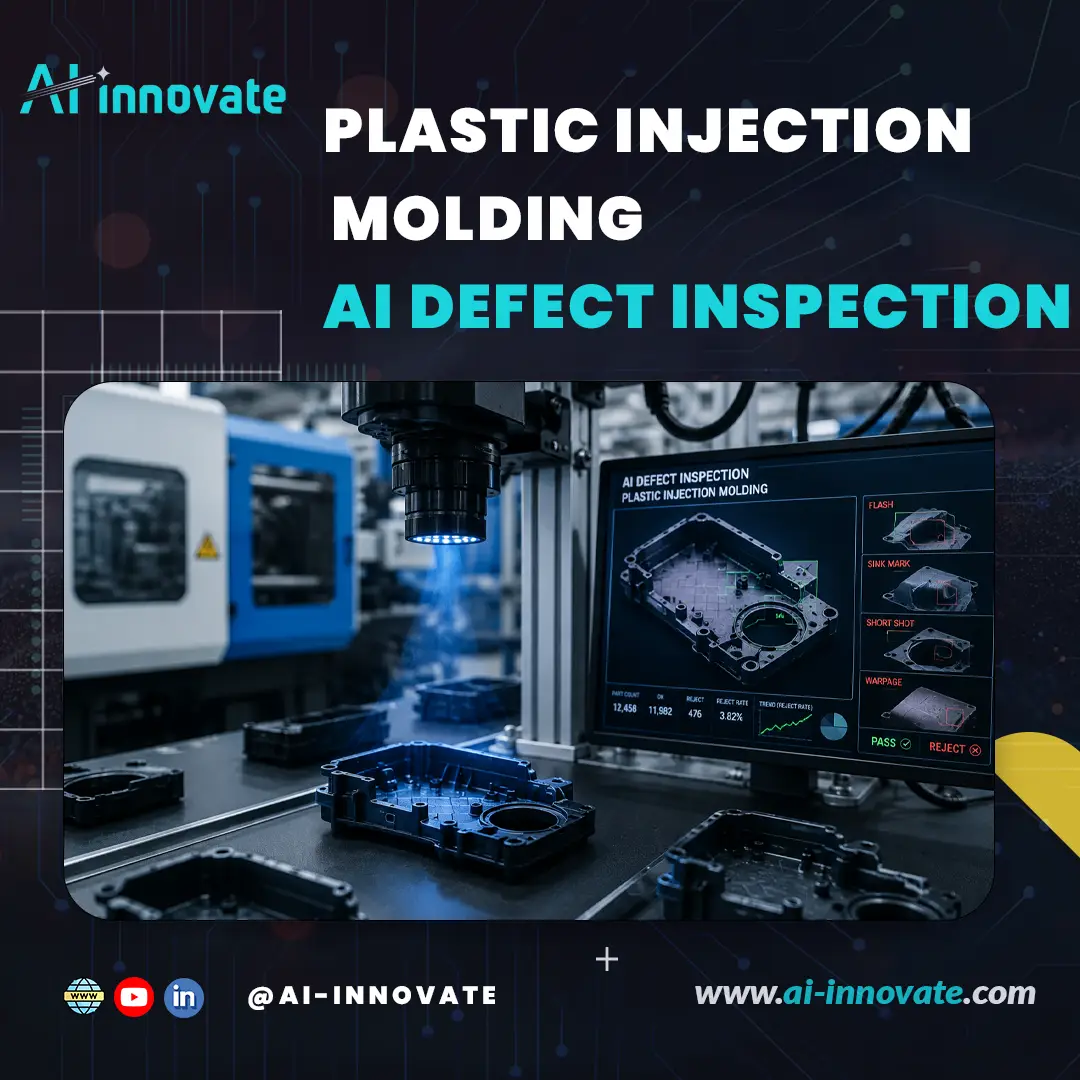
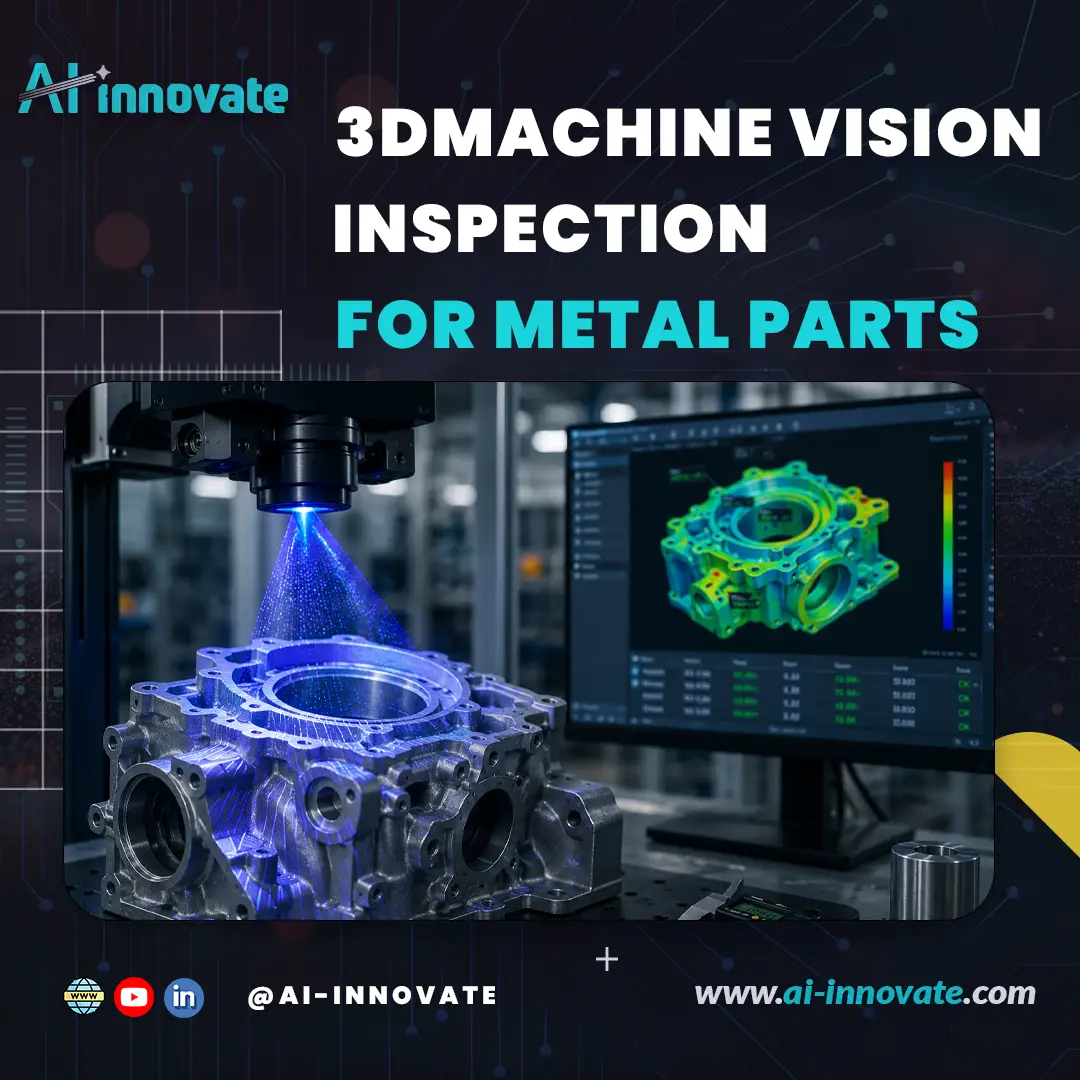
- Quality Assurance at Scale: High-resolution imaging paired with computer vision models can identify microscopic defects in materials or products instantly, ensuring consistent quality without slowing production lines.
- Supply Chain Forecasting: By analyzing historical sales, market signals, and supplier data, predictive models improve demand planning, optimize inventory, and mitigate bottlenecks before they ripple through operations.
- Process Automation in Logistics: Autonomous decision systems route shipments, allocate warehouse space, and prioritize tasks in real time, adapting to sudden changes in demand or supply constraints.
Each of these examples underscores the shift from isolated prototypes to integrated, business-critical systems. The enduring success of machine learning in production lies in its seamless fusion with operational realities, delivering measurable outcomes that matter most to the enterprise.
Designing for Trust and Resilience
A truly production-grade system must not only perform; it must be dependable, equitable, and resilient. Trust is built on transparency and fairness, while resilience is the ability of the system to handle unexpected inputs and inevitable model errors gracefully.
This advanced stage of Machine Learning in Production moves beyond functionality to focus on responsibility and robustness, ensuring the system can be relied upon in critical applications. Building this requires a deliberate focus on several key engineering principles:
- Implement Robust Fail-safes: Design the system with non-ML backup mechanisms that can take over or trigger an alert if the model’s predictions are out of bounds or its confidence is too low.
- Audit for Bias: Proactively test the model for performance disparities across different data segments to identify and mitigate potential biases that could lead to unfair or inequitable outcomes.
- Ensure Operational Transparency: Maintain comprehensive logs and implement interpretability techniques that allow stakeholders to understand why a model made a particular decision, especially in cases of failure.
Conclusion
Machine learning is transforming how manufacturers understand and manage their operations in production. By converting large amounts of operational data into predictive and prescriptive insights, organizations can improve quality, reduce downtime, and enhance overall performance. These systems support smarter planning, faster problem resolution, and more consistent output across production lines.
In my experiences working with data-driven manufacturing systems, the most significant shift brought by machine learning is increased visibility. When teams can clearly see patterns and risks in their processes, they gain the confidence to proactively improve them. As these tools become more accessible and easier to integrate, machine learning will continue to play a central role in creating adaptive, resilient, and competitive manufacturing environments.
Note: Some graphics and visuals in this post were produced using AI-generated content.