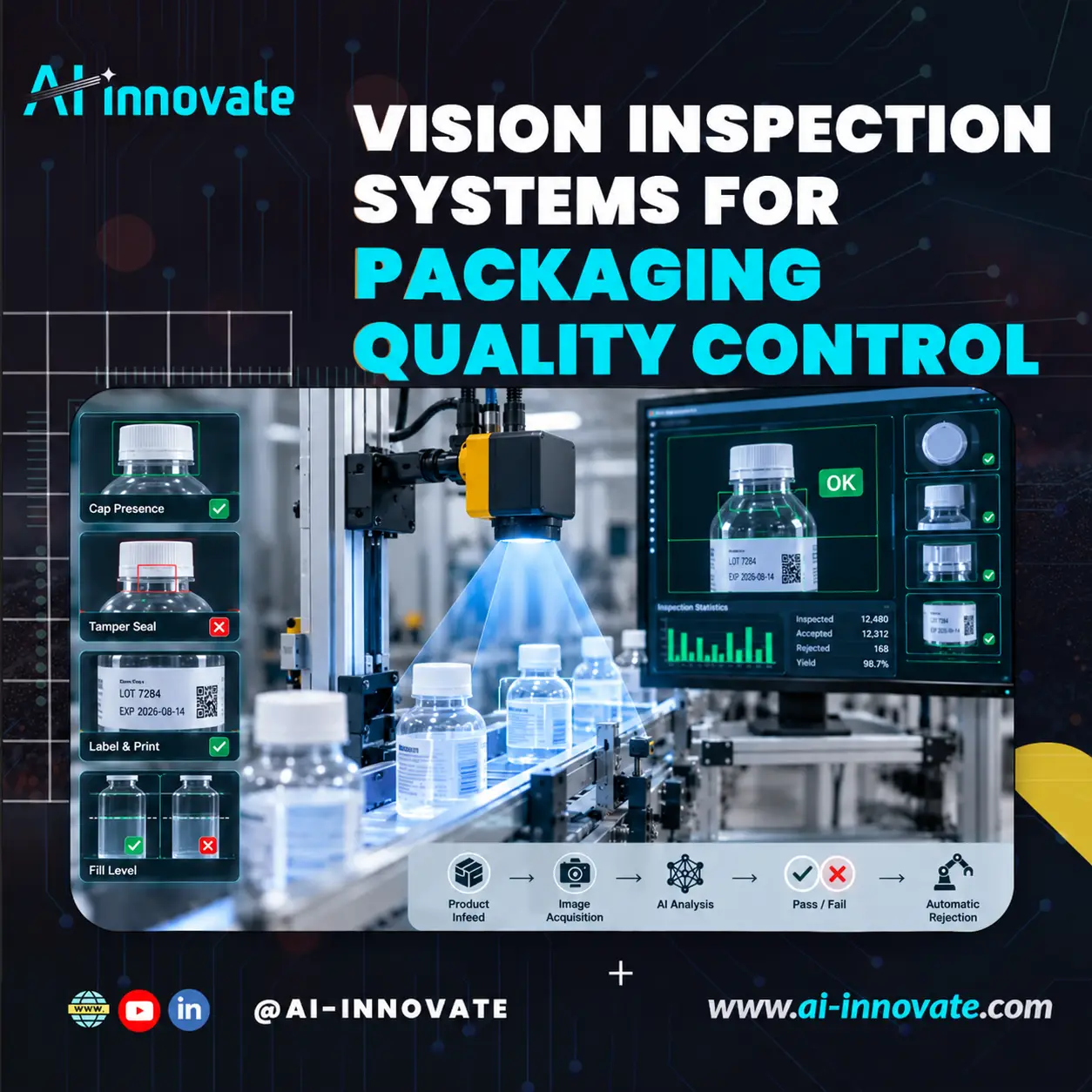





In today’s competitive manufacturing landscape, even the smallest defect can lead to major financial losses. Studies show that product quality issues cost manufacturers billions every year due to recalls, rework, and production downtime. Traditional manual inspection, while valuable, struggles to keep up with modern production speeds and the complexity of materials and assemblies.
Machine learning in quality control is transforming how factories maintain precision and consistency. By combining computer vision, predictive analytics, and real-time data processing, manufacturers can detect defects earlier, optimize their processes, and achieve higher efficiency with lower waste. At AI-innovate, we build practical, AI-driven systems like AIxEye and AIxCam that help manufacturers achieve intelligent, adaptive, and scalable quality control.

What Is Machine Learning in Quality Control?
Machine learning in quality control refers to the use of algorithms that learn from production data to detect, classify, and prevent defects automatically. Unlike rule-based systems that follow static parameters, machine learning continuously adapts to new patterns in data, improving accuracy over time.
These models analyze images, sensor readings, and process parameters to understand what defines a “good” product versus a defective one. They can identify subtle variations, predict potential failures, and even recommend process adjustments. The result is a data-driven, proactive approach that ensures consistent quality, minimizes recalls, and optimizes production efficiency.
✅So in short : In quality control, machine learning uses algorithms that learn from production data to automatically detect, classify and prevent defects.
How Quality Control Evolved: From Human Eyes to Smart Machines
Quality control has come a long way since the days when the fate of every finished product rested in the hands of a single craftsman. Back then, quality depended entirely on human skill and attention. Production speed and individual discernment set the limits. As manufacturing scaled up, factories introduced manual spot checks and post-production inspections. However, these methods were slow and reactive.
The advent of Statistical Quality Control (SQC) was a turning point. Tools such as X-bar and R control charts and acceptance sampling plans allowed manufacturers to monitor process stability and identify “out-of-control” conditions before they escalated into serious issues. However, SQC was largely retrospective; problems were flagged after they appeared, leaving manufacturers to trace defects back through batches a painstaking and time-consuming task.
Today’s production environment, characterized by high-speed lines, interconnected machines, and massive streams of data, has outgrown traditional statistical methods. Detecting subtle, complex defects in real time demands a smarter, predictive approach. Enter machine learning in quality control, a dynamic, data-driven solution capable of learning from vast, high-dimensional datasets, anticipating defects, and advancing quality assurance.
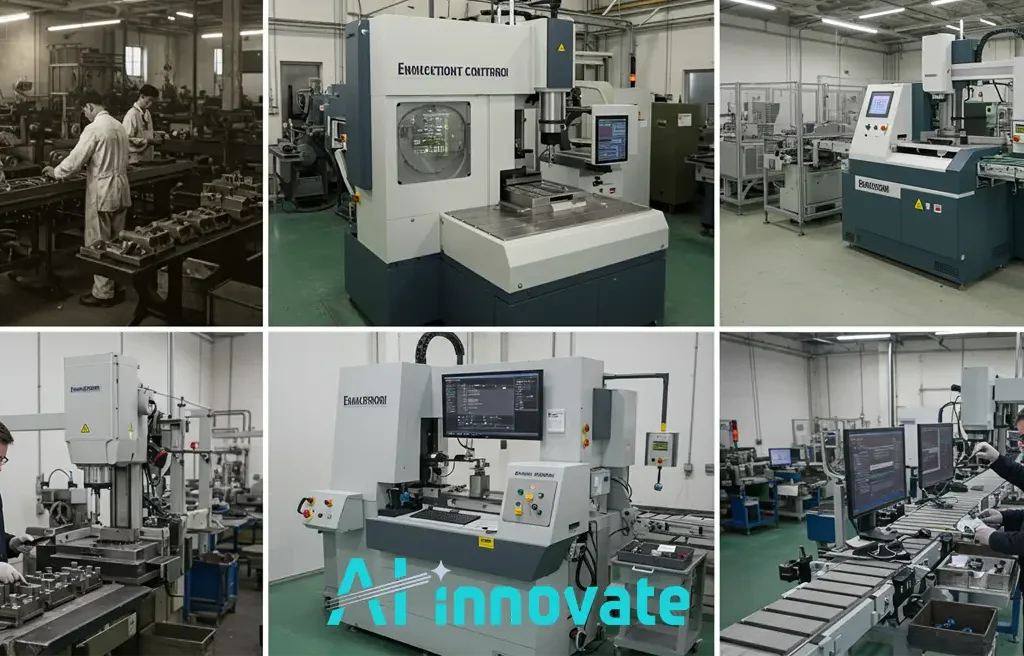
How Machine Learning Works in Quality Control
- Data Collection: Cameras and sensors gather images, temperature, vibration, and other data from the production line.
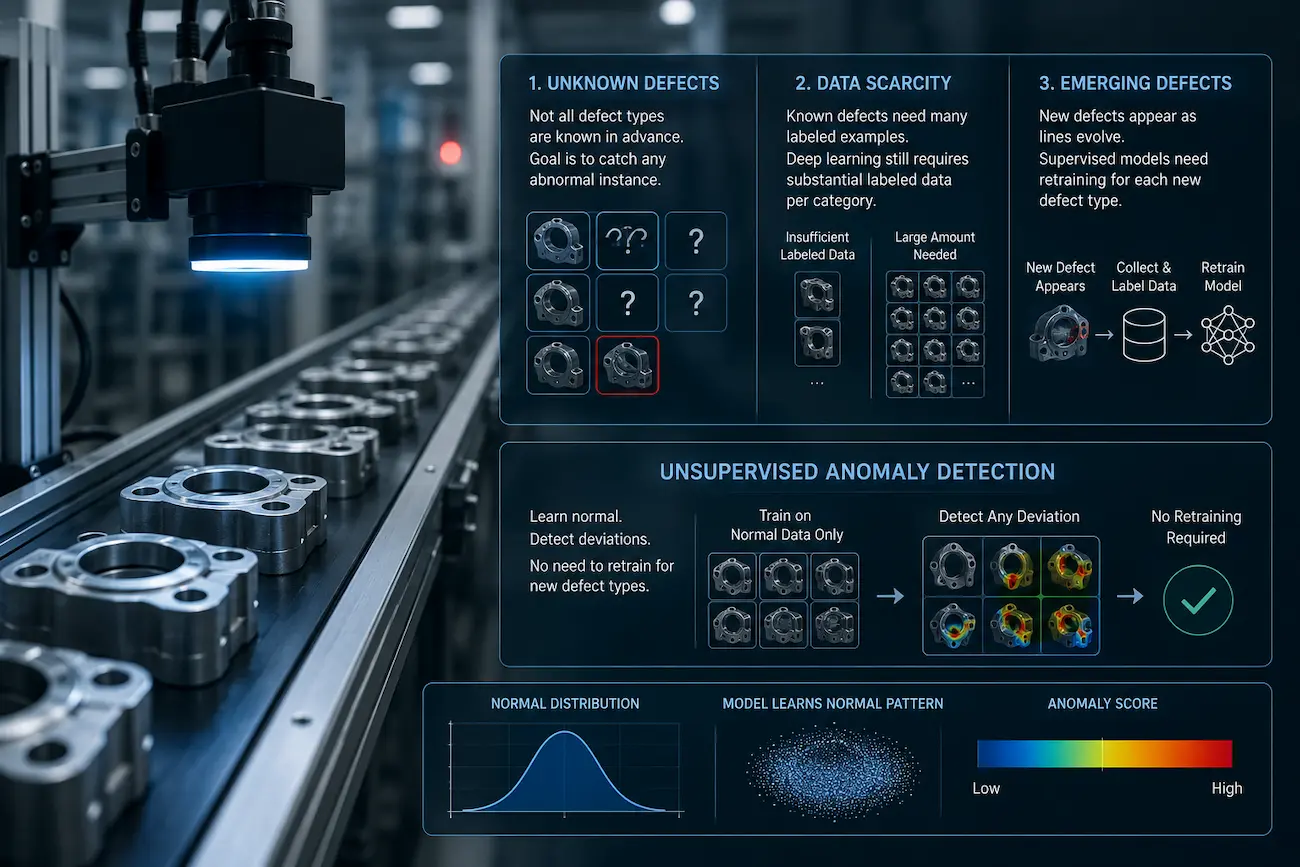
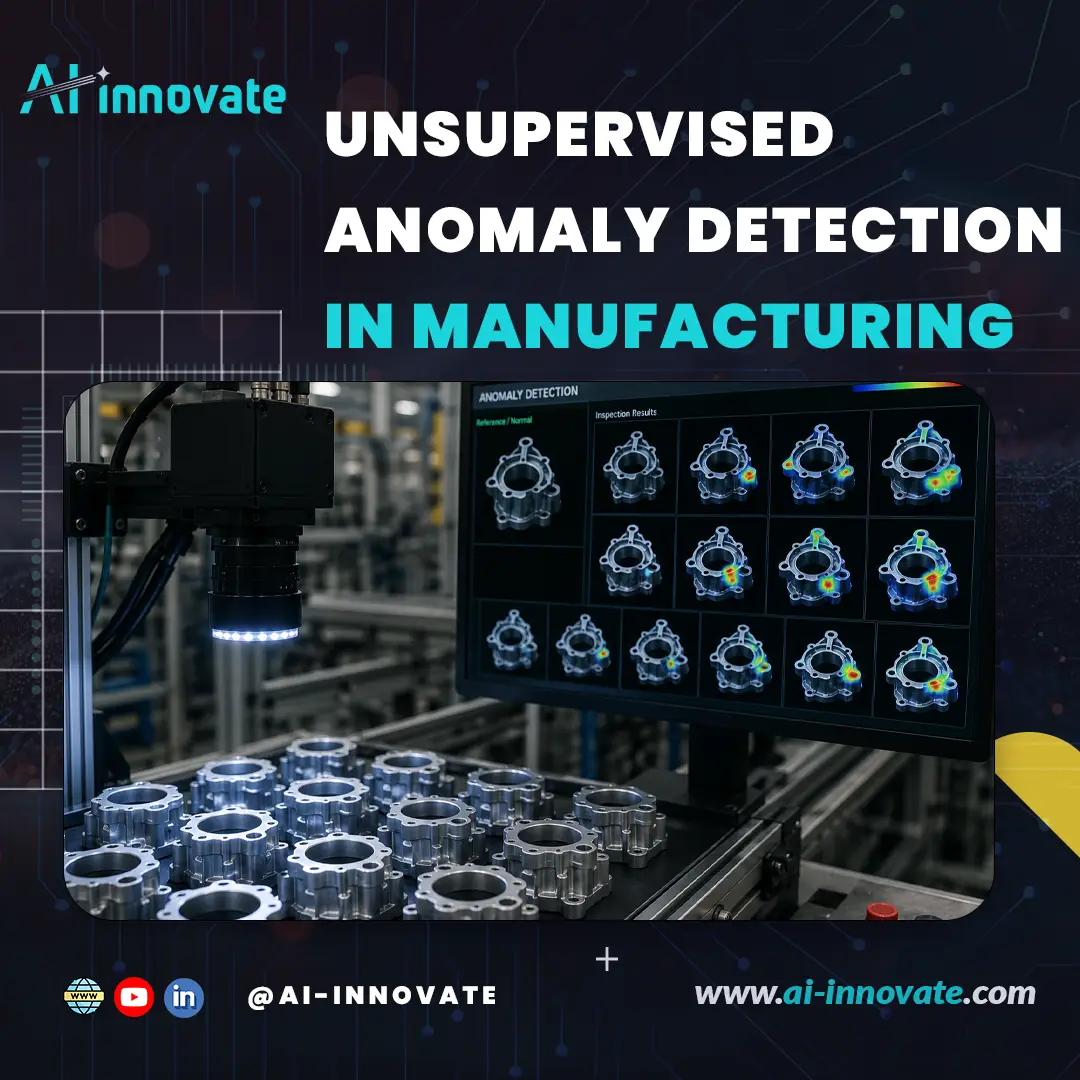
- Model Training: Deep learning models learn to identify normal patterns and flag anomalies based on this data.
- Real-Time Analysis: Once deployed, the model analyzes every item in milliseconds, spotting defects as they occur.
- Continuous Learning: Feedback from operators and new production data refines the system’s performance.
- Decision Output: The AI system integrates with factory control systems to automate sorting, flagging, or line adjustments.
This step-by-step process ensures manufacturers gain a real-time, adaptive inspection system that continuously improves as production evolves.

Key Applications of Machine Learning in Quality Control
Defect Detection Using Computer Vision
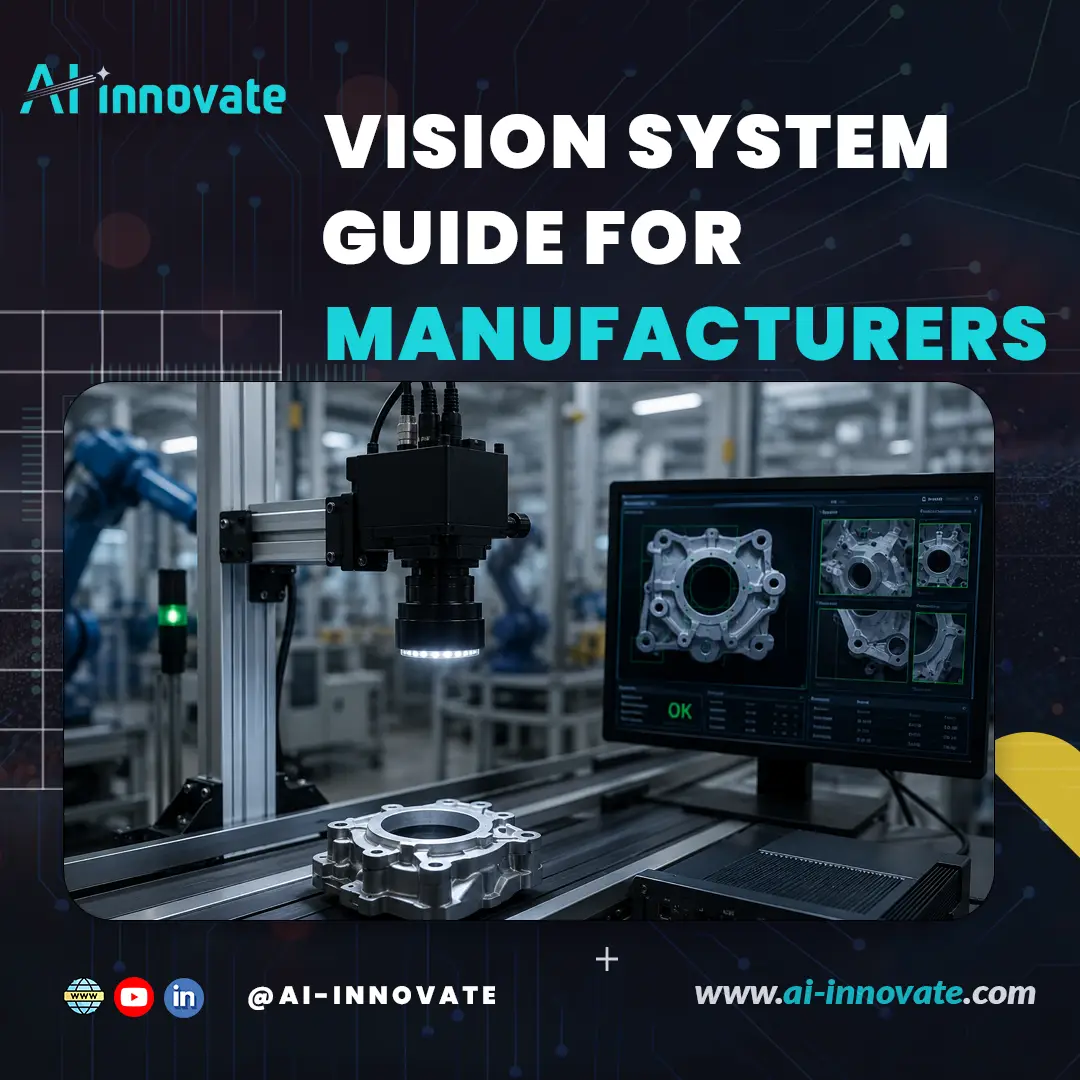
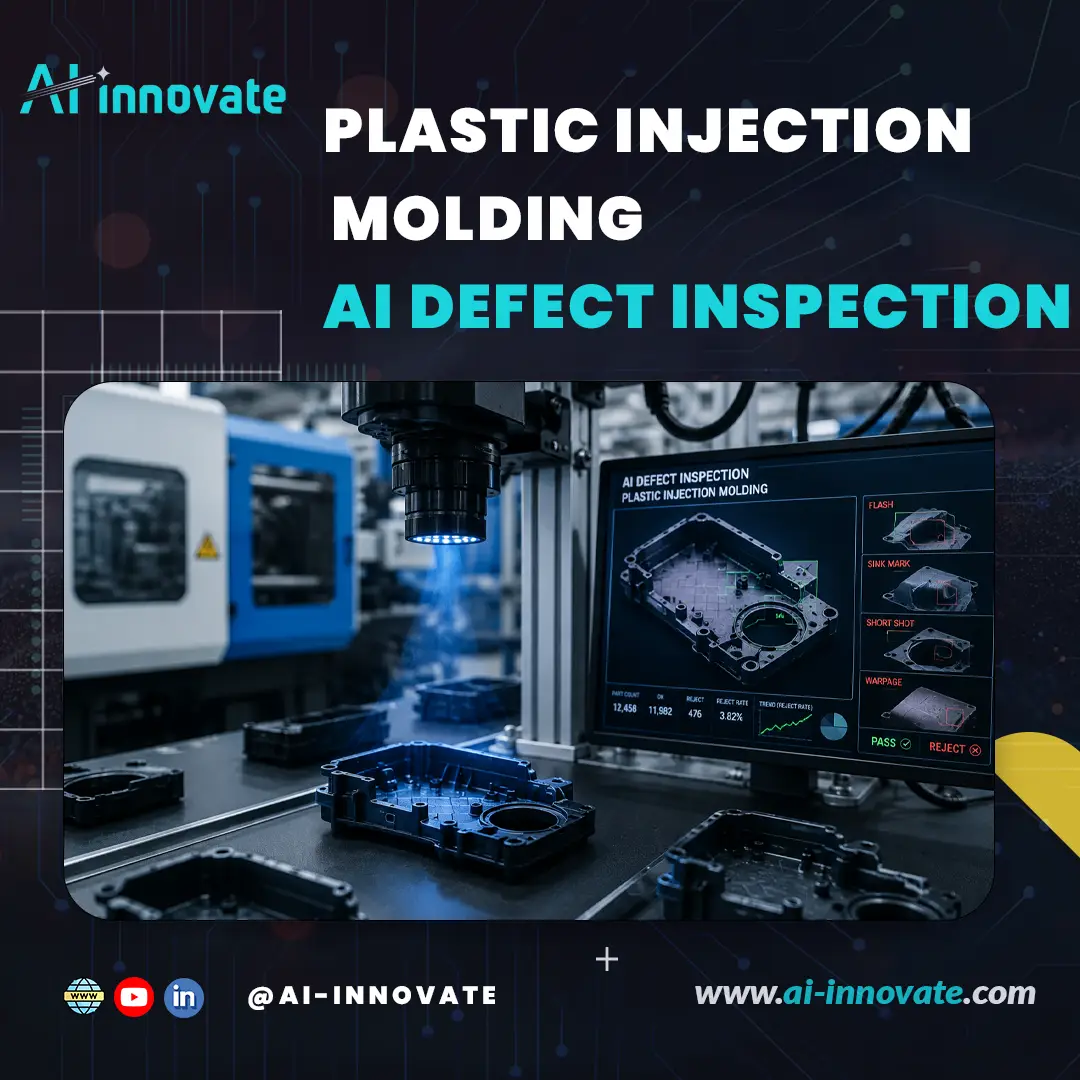
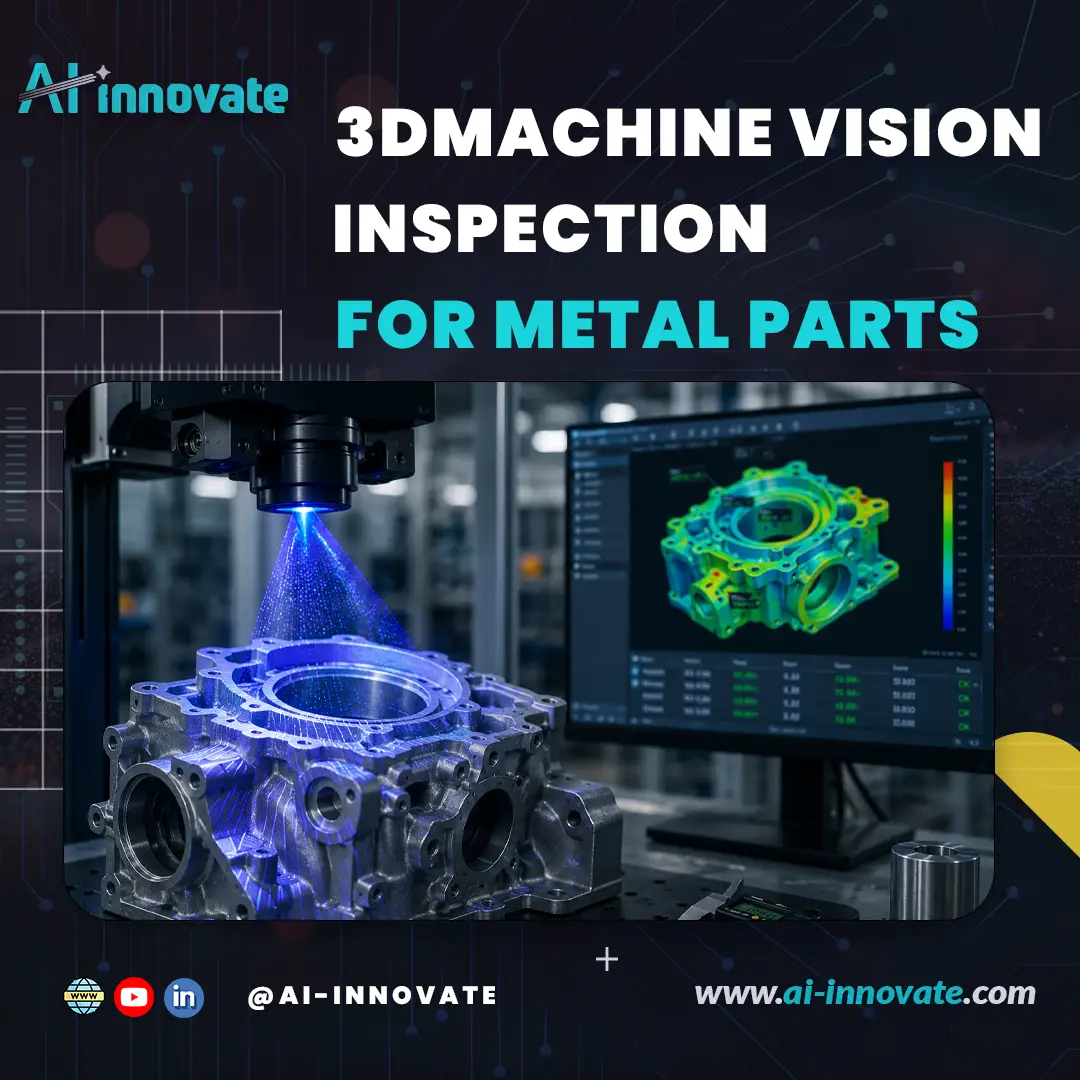
Machine learning-based computer vision systems analyze high-resolution images to identify surface flaws, misalignments, or texture variations. These models detect issues invisible to the human eye, ensuring precision across fast-moving production lines.
Predictive Maintenance for Quality Assurance
ML algorithms monitor machine performance and identify early signs of wear or malfunction, preventing quality drift and unplanned downtime.
Real-Time Process Optimization
By analyzing sensor data on variables like temperature, speed, and pressure, ML systems automatically fine-tune production parameters to maintain optimal product quality.
Automated Root Cause Analysis
When a defect occurs, machine learning tools trace its origin by correlating data from across the production process. This reduces downtime and prevents similar issues in future batches.
Implementation Journey Stumbles
Successfully deploying ML solutions in industrial quality control requires careful planning and navigating several potential challenges that extend beyond algorithmic development itself.
Data Pipeline Challenges
Gathering, annotating, and managing the massive, diverse datasets needed to train accurate models for tasks like anomaly detection or defect classification presents a significant technical and logistical hurdle. Ensuring data consistency and quality from heterogeneous industrial sensors is complex.
System Integration
Integrating modern ML software platforms with existing, potentially aged or proprietary, industrial automation hardware (sensors, PLCs, robotic arms) and enterprise systems (MES, ERP) demands deep technical understanding of communication protocols and requires careful orchestration to ensure smooth data flow and coordinated operations.
Ongoing Model Validation and Retraining
Deployed ML models require continuous monitoring and periodic retraining. Factors like component wear, slight shifts in raw material properties, or process modifications can lead to ‘model drift,’ degrading performance over time. Establishing processes for regular validation against new data and implementing retraining strategies is essential to maintain accuracy.
Benefits and Challenges
Benefits of Machine Learning in Quality Control
- Increased defect detection accuracy
- Real-time monitoring and data visualization
- Enhanced efficiency and reduced downtime
- Predictive insights for process improvement
- Consistent, objective inspection results
Challenges and Considerations
- Data Availability and Quality: Machine learning models require large, well-labeled datasets to perform effectively.
- Integration with Legacy Systems: Many older production environments need system upgrades for AI compatibility.
- Continuous Training and Adaptation: Models must be retrained as products, processes, or materials evolve to maintain accuracy and relevance.
Empowering Development Trajectories
For engineering teams tasked with building and refining sophisticated vision-based inspection systems leveraging machine learning, the iterative development process is often encumbered by the necessity of accessing and configuring physical camera setups representative of varied production environments.
Testing machine vision algorithms and ML models requires capturing diverse images, which, when tied to physical hardware, introduces delays related to equipment procurement, setup time, calibration, and coordination across dispersed development teams.
Specialized software tools offer a potent solution by creating a layer of abstraction. Consider the capabilities of a tool like AI-innovate’s aixcam:
- It functions as a software-based ‘camera emulator,’ allowing developers to simulate outputs from numerous industrial camera models.
- Diverse imaging conditions variations in resolution, noise levels, focus, or lighting (e.g., simulating different light sources or reflections) can be reproduced digitally.
- Developers can test their algorithms and models against synthetic or recorded data simulating realistic conditions without needing the physical camera present.
- This simulation significantly accelerates the iterative process of tuning models for precision and robustness, facilitating AI for quality assurance development.
- It bypasses delays and costs associated with physical hardware management, empowering technical teams with increased flexibility and speed in innovation.
Conclusion
Machine learning is reshaping the future of quality control, making inspections smarter, faster, and more consistent. Rather than reacting to problems, manufacturers can now predict and prevent them, thereby achieving operational excellence and cost efficiency.
In my opinion, machine learning’s true value lies in its ability to convert raw production data into actionable insights. Machine learning doesn’t just detect defects; it redefines how manufacturers achieve precision, efficiency, and reliability in every product that leaves the production line.
Note: Some graphics and visuals in this post were produced using AI-generated content.