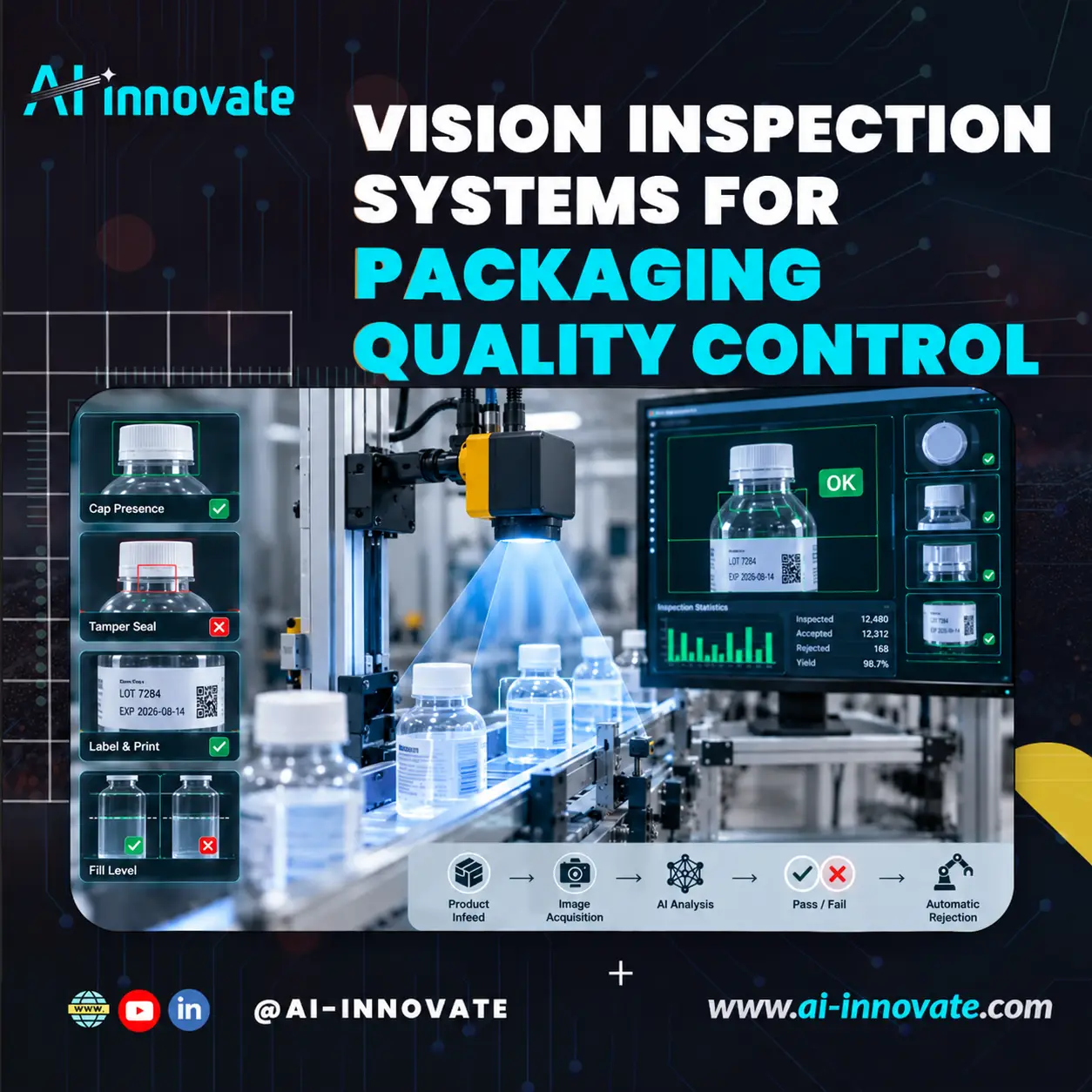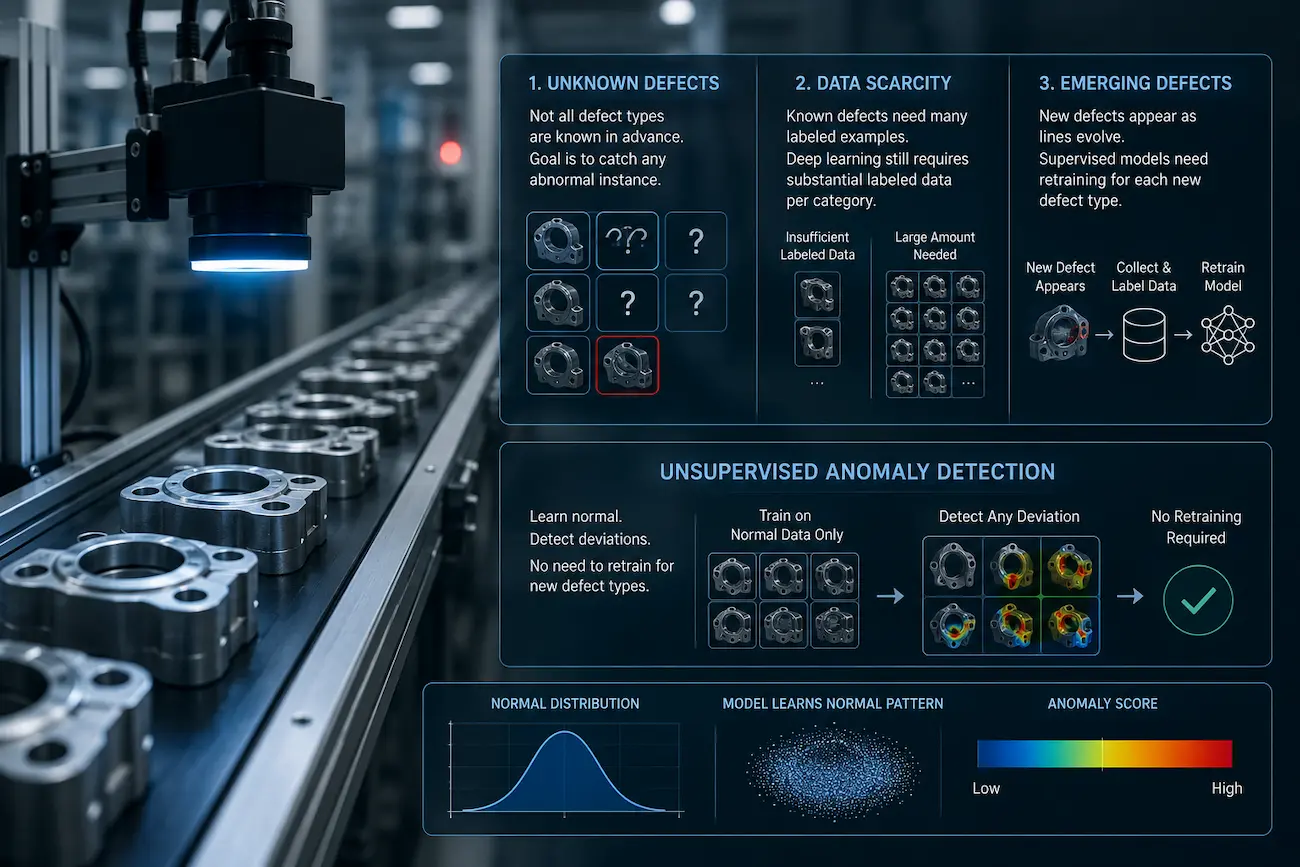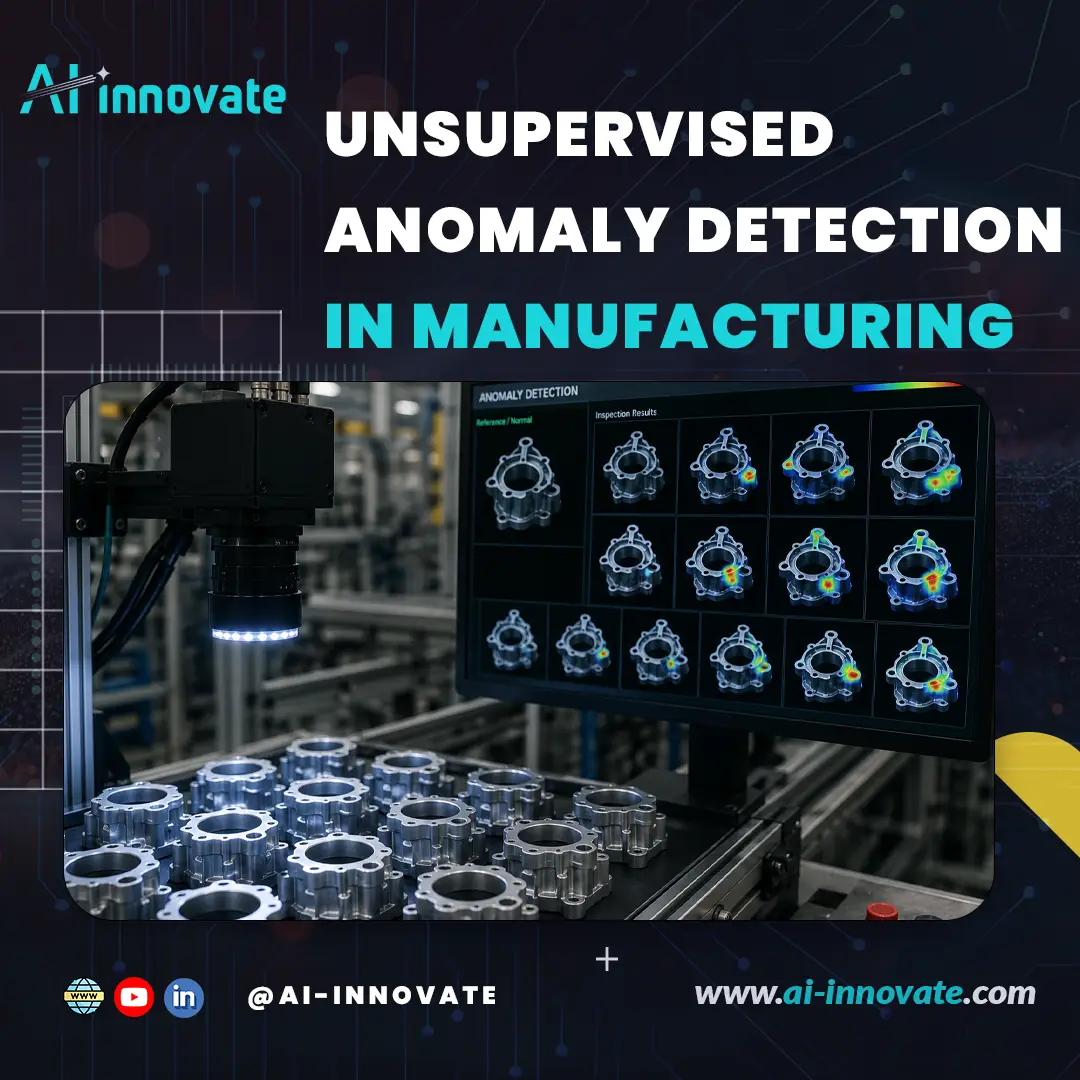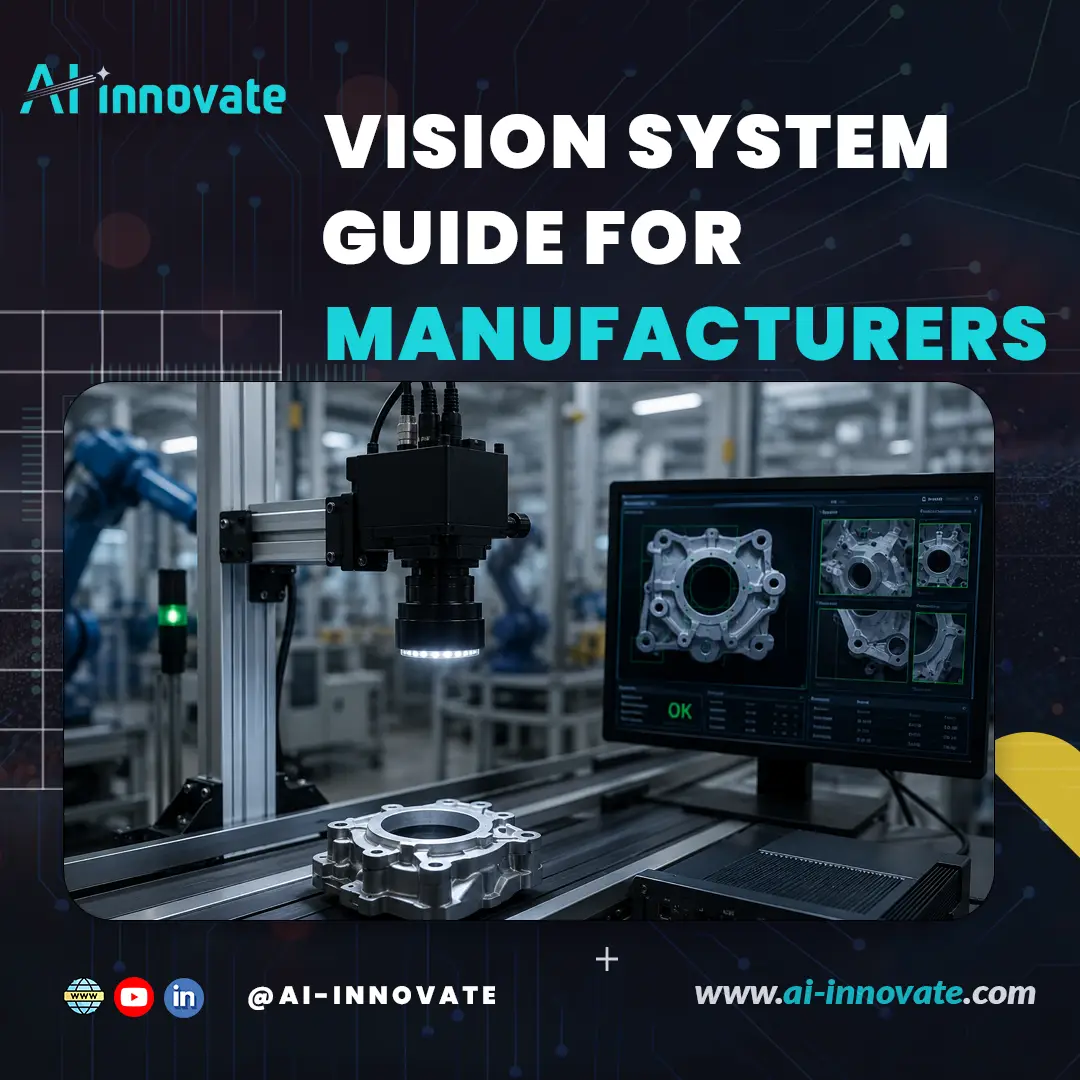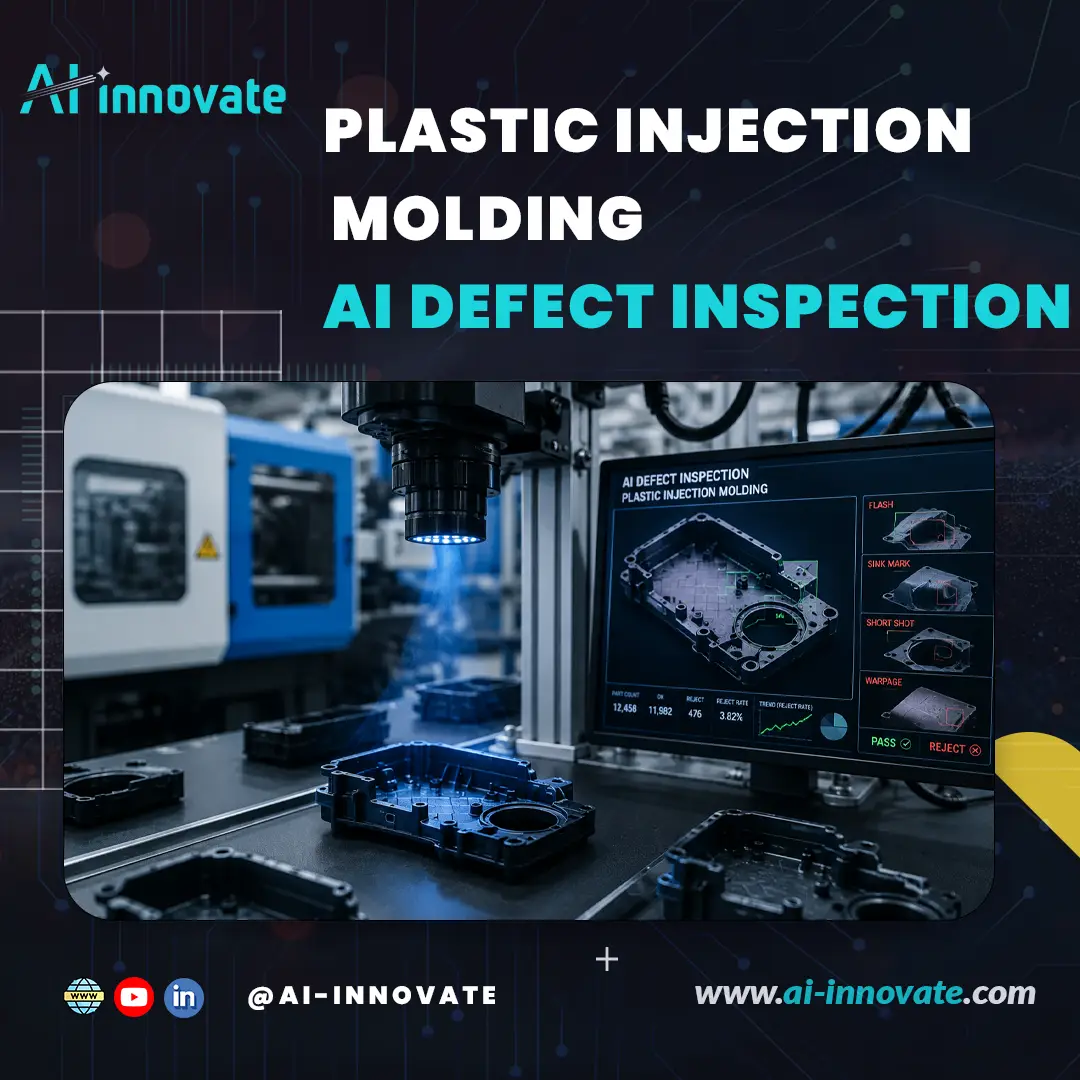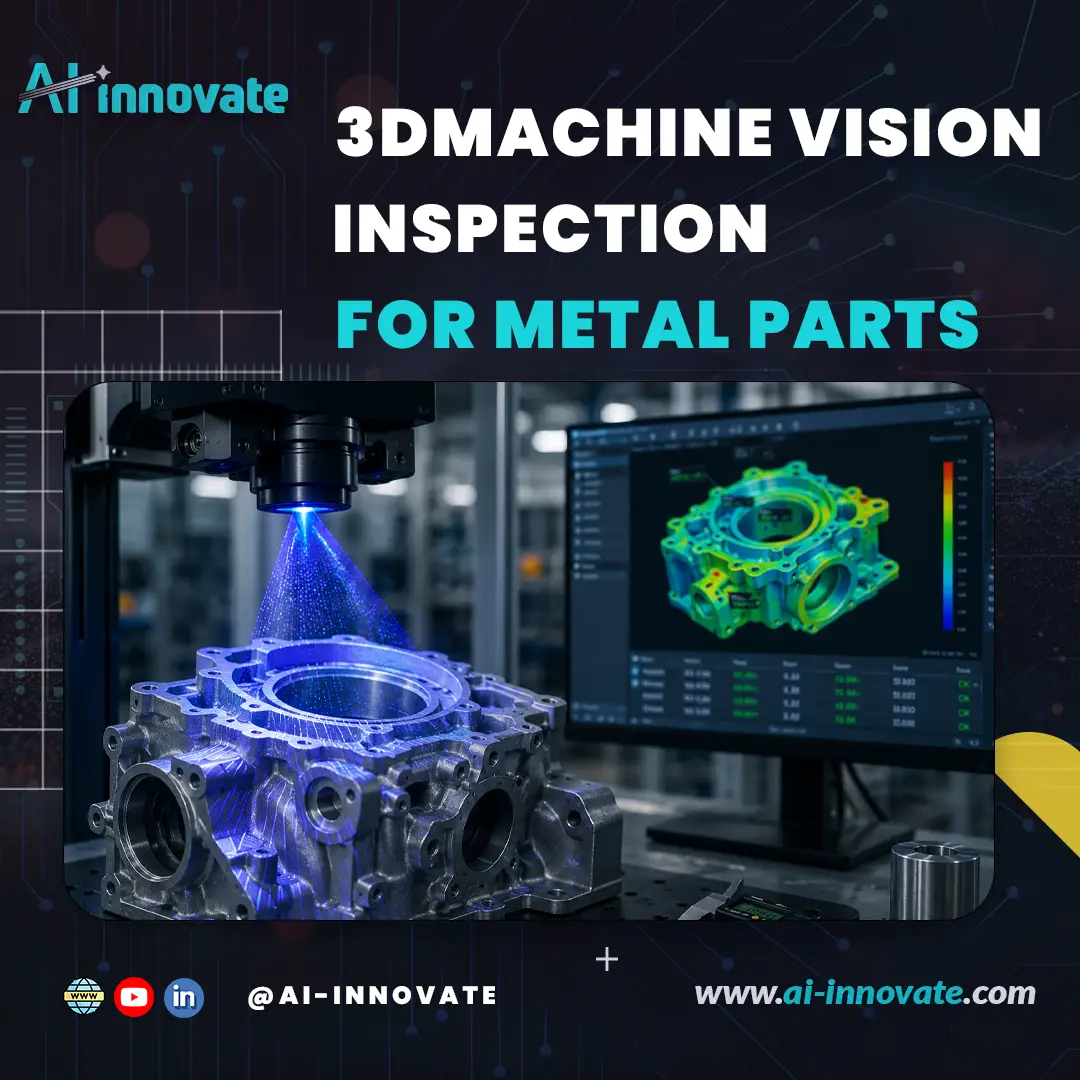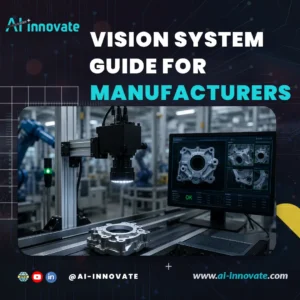





Quality control has long relied on the human eye, a remarkable yet limited tool that is prone to fatigue and inconsistency. As production accelerated, rule-based machine vision offered automation, yet it lacked the adaptability that real-world inspection demands. At AI-innovate, we are developing a new generation of visual intelligence systems powered by deep learning. These systems can see and understand subtle defects, textures, and patterns with unmatched precision. This article explores the principles behind deep learning in automated visual inspection, revealing how it surpasses traditional methods and enables manufacturers to achieve consistent, zero-defect production in the era of intelligent automation.

Quantifying the Accuracy Leap
The transition from theory to practice is substantiated by measurable performance gains. Across multiple industries, the data confirms a transformative improvement in quality control metrics. When models are well trained, their ability to surpass traditional methods and even augment human expertise is exceptional.
The impact of Deep Learning in Automated Visual Inspection is certain. To provide a concrete perspective on these advancements, the following table summarizes key performance indicators drawn from various industrial studies and reports:
| Metric | Performance Uplift |
| Overall Defect Detection | Up to 90% increase in accuracy |
| False Reject Reduction | 65% of false rejections correctly identified |
| Human Inspector Limitation | Humans typically identify only 50 to 70% of fabric defects |
| Print Industry Accuracy | Attained a 98.4% classification rate |
Cross Industry Implementation Cases
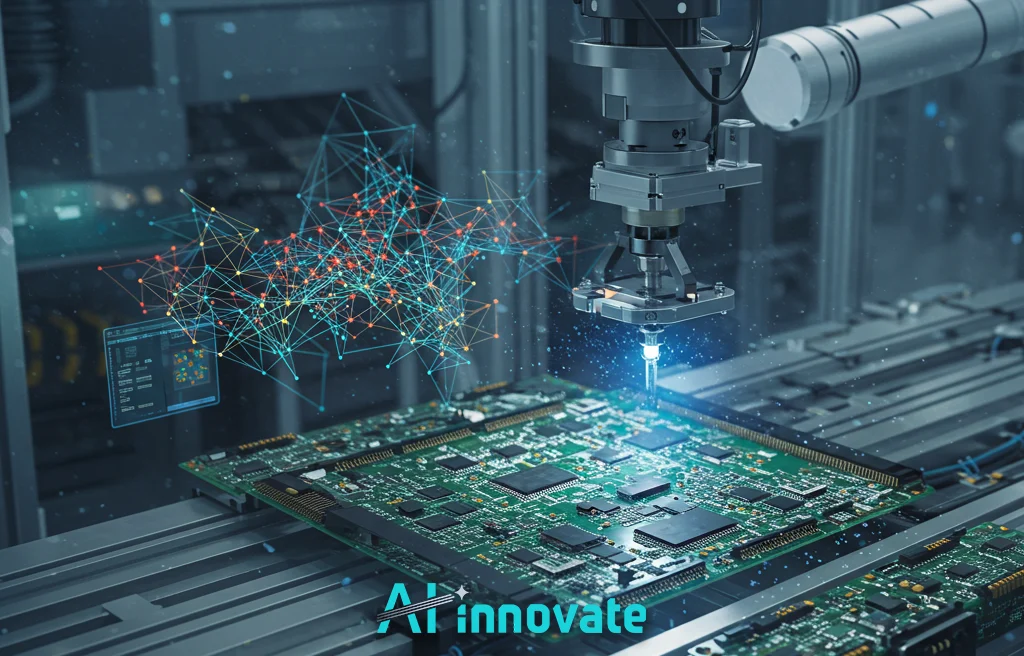
The application of this technology is not restricted to one sector; its adaptability has produced transformative results across a wide array of industries. Below are several examples from the real world that illustrate its practical impact.
• Pharmaceuticals: In sterile manufacturing, AI models are used to substantially reduce the false rejection rate of perfectly safe vials, improving operational trust and throughput without compromising safety.
- Textiles: To move past the limitations of manual inspection, which proceeds at roughly 20 meters per minute, automated systems are being developed to match production speeds of 42 meters per minute, effectively removing a critical bottleneck.
- Packaging: Moving far beyond the high failure rates of older methods, deep learning systems in packaging inspection now register accuracy levels of 99.97%, ensuring product integrity and regulatory compliance.
- Printing: A DNN based sensor designed for the printing industry recorded a 98.4% classification accuracy, automating a meticulous process and dramatically reducing inspection costs and time.
- Metals: For identifying surface defects in steel and other metals, models are frequently benchmarked against public datasets like the NEU surface defect database to ensure high performance
Accelerate Vision from Concept to Production
The path from a theoretical model to a system ready for production can seem imposing, especially when facing the challenges of data collection and hardware investment. At AI-innovate, we have engineered our solutions to directly resolve these hurdles and simplify the journey for both developers and industrial leaders. For technical teams contending with project delays due to hardware dependencies, our ai2cam acts as a powerful camera emulator. It lets you prototype, test, and validate your machine vision applications in a flexible virtual environment. For operations directors and QA managers seeking a comprehensive and robust solution, our ai2eye system brings advanced intelligence directly to the factory floor. It is designed for seamless integration, offering defect detection and process optimization to reduce waste. Let us help you bridge the gap from concept to reality.

Conclusion
Using AI for visual inspection is essential for every manufacturing operation. With rising production speeds, the high cost of errors, and the limitations of human inspection, traditional methods are becoming increasingly unsustainable. Deep learning and other AI-driven approaches offer unmatched accuracy, consistency, and efficiency, transforming quality control into a scalable, reliable process. However, the benefits of AI depend on how it is implemented. Careful consideration of architectures, training strategies, and integration into existing workflows is critical to maximizing performance, minimizing risks, and realizing the full potential of intelligent inspection systems.
Note: Some graphics and visuals in this post were produced using AI-generated content.