




Imagine being able to test, monitor, and improve your production line without stopping a single machine or risking a single batch of material. That is the promise digital twins bring to modern manufacturing. As production environments become faster and more complex, traditional inspection methods struggle to keep up with the demand for consistency and precision. Manual checks, delayed feedback, and fragmented data often leave manufacturers reacting to defects instead of preventing them. This gap affects product quality, operational costs, and customer trust. Digital twins, combined with AI-powered inspection systems, offer a way to bridge this gap by connecting physical processes with intelligent virtual models. In this article, you will learn how digital twins support defect detection, how they integrate with AI vision systems, and how manufacturers can use them to build more reliable and data-driven quality workflows.

Understanding Defect Detection
Defect detection is the process of identifying product imperfections that do not meet design or quality standards. This manual approach, traditionally handled by human inspectors, is prone to fatigue, inconsistency, and late-stage error detection, which often leads to waste and costly rework.
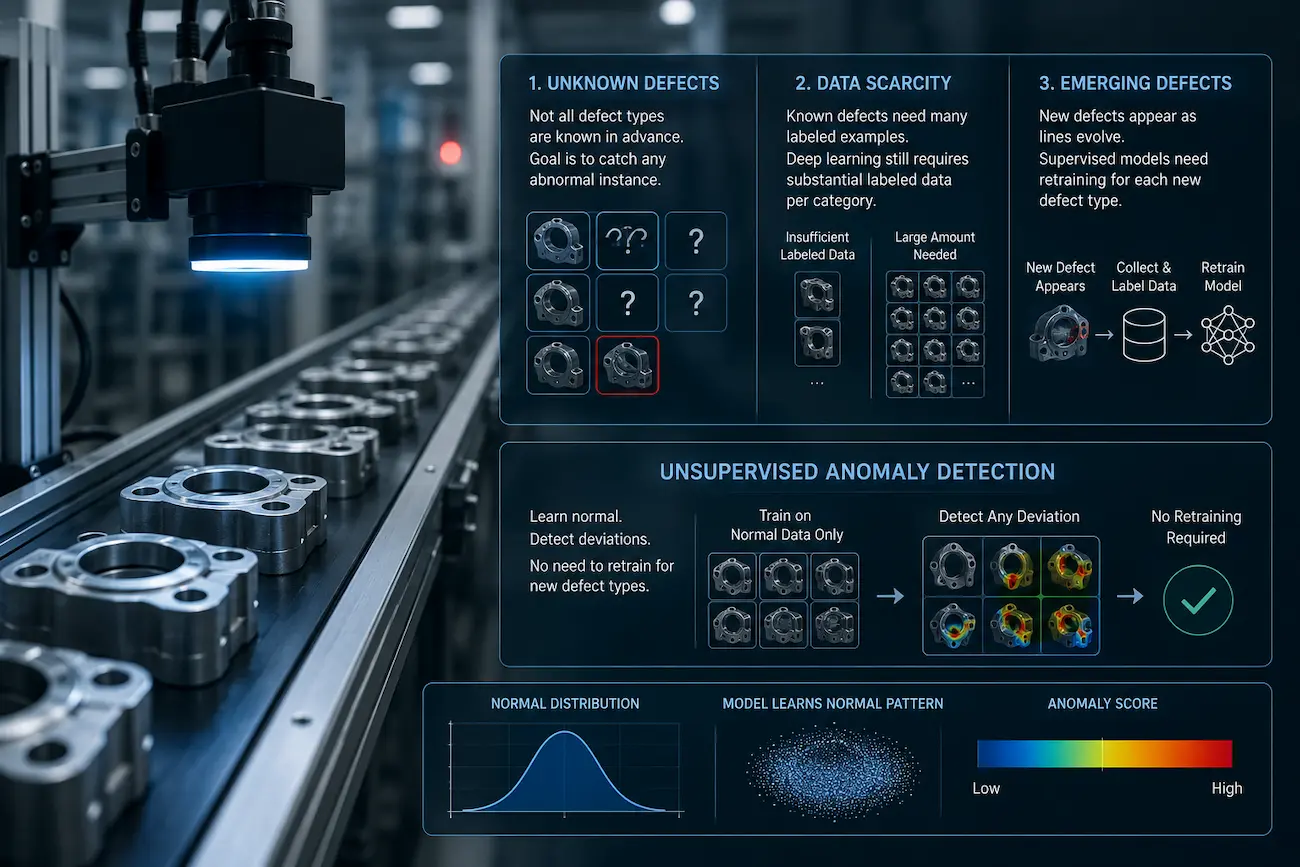
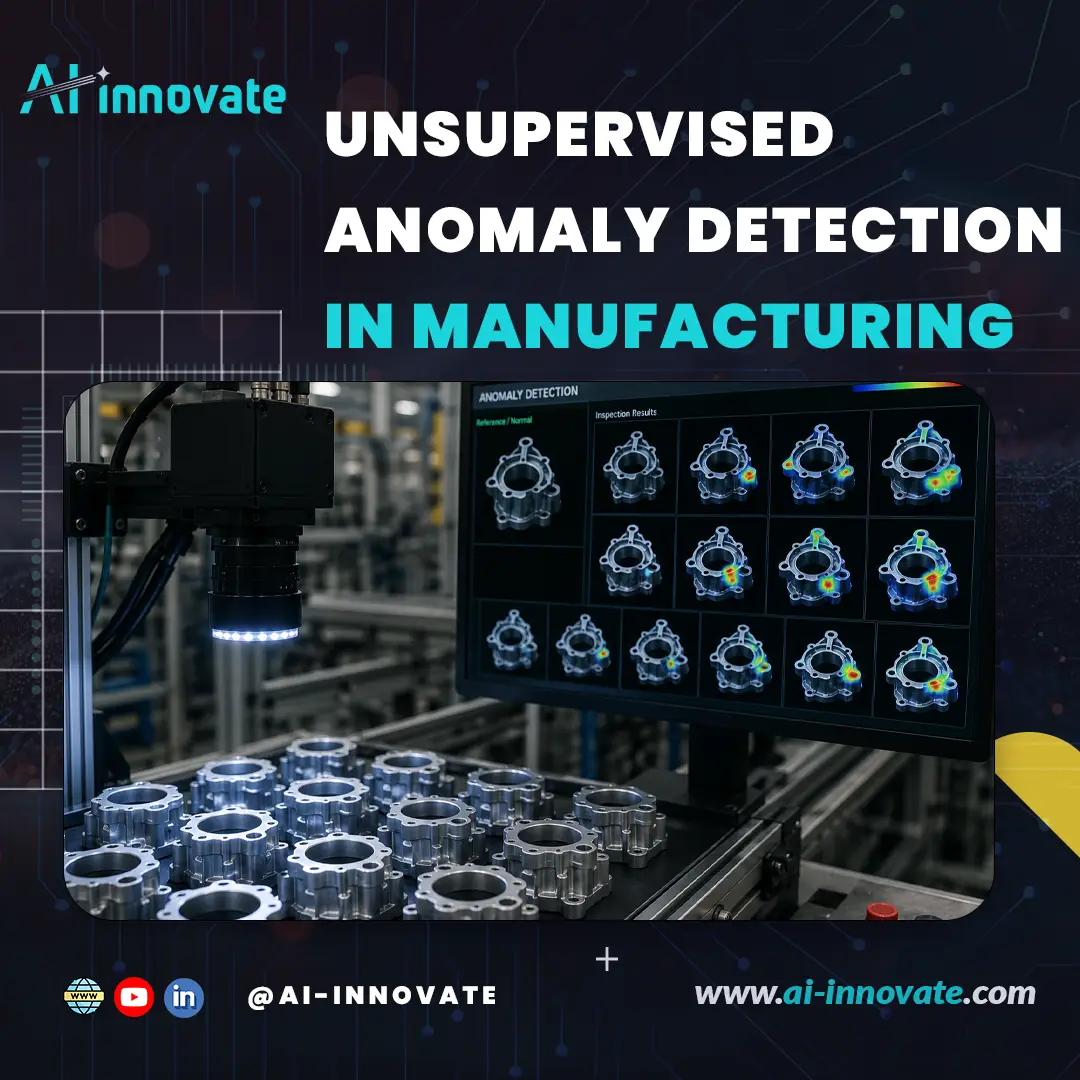
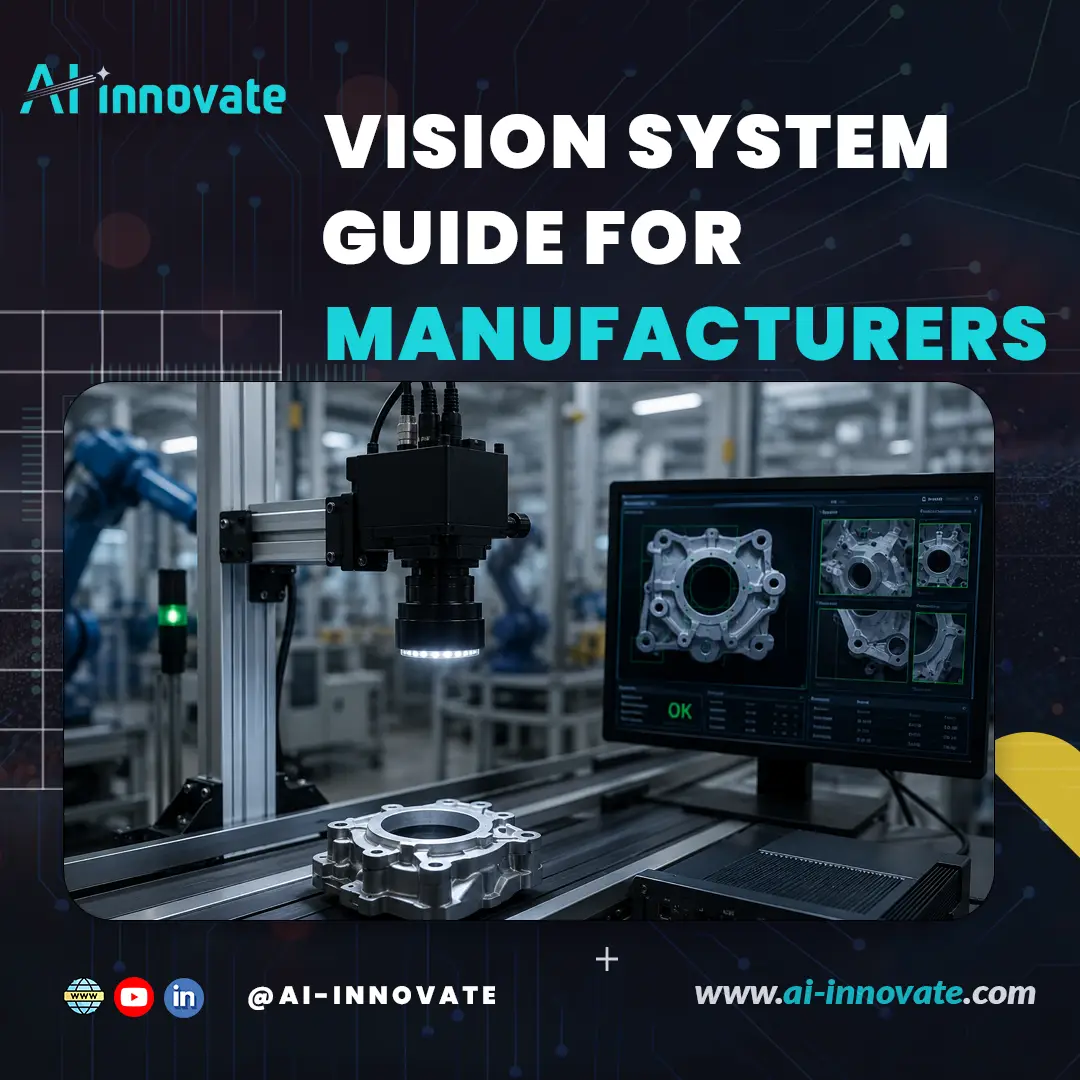
Today, however, the field is shifting toward automated, AI-driven inspection. Powered by machine vision, these systems operate continuously, detecting defects in real time and analyzing process data to identify root causes. They deliver precision, consistency, and efficiency far beyond human capability.
Role of Digital Twins in Defect Detection
A digital twin is not merely a static 3D model. It is a living, virtual representation of a physical object or process, synchronized in real-time with data from operational sensors. This creates a digital counterpart that mirrors the precise condition and behavior of its real world twin.
The continuous stream of information allows the digital model to simulate outcomes, predict behavior, and analyze performance with exceptional fidelity. The role of a digital twin is to pivot defect detection from a reactive measure to a predictive strategy. Instead of inspecting a physical product for flaws, we can run simulations on its digital version to anticipate quality issues before they ever arise.
By processing both historical and live operational data, the capability of Digital Twins for Defect Detection is their unique ability to recognize minute deviations from optimal parameters. This often allows the system to flag a potential flaw hours or even days before it would manifest as a critical failure.
Core Mechanisms of Digital Twin–Based Defect Detection
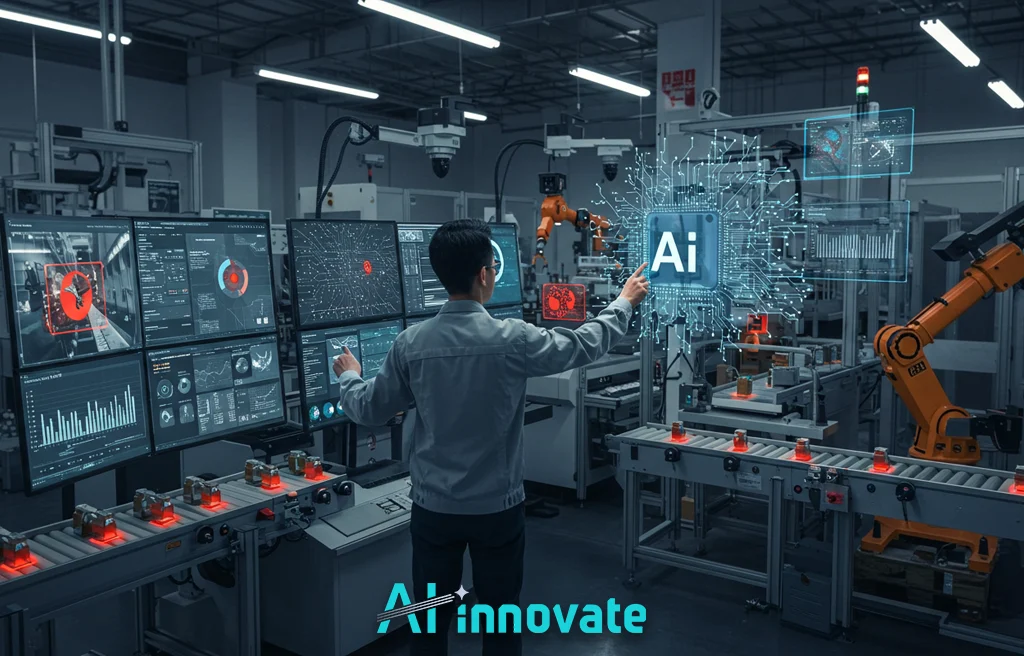
The power of a digital twin emerges from the fluid integration of several key technologies operating in unison. This synergy establishes a strong feedback loop between the physical factory floor and its virtual counterpart, facilitating intelligent, automated quality assurance. The entire mechanism is best appreciated by examining its distinct operational stages.
- Data Acquisition: The process originates with information. IoT sensors, industrial cameras, and laser profilometers are situated on the production line to gather a continuous flow of data. This includes vital metrics such as temperature, vibration patterns, component dimensions, and detailed images collected from the physical asset.
- Virtual Modeling: This incoming data is channeled to the digital twin, which updates its own state to accurately reflect the real-world object. This virtual model functions as a perfect benchmark, embodying the product’s ideal condition and specifications.
- AI-Powered Analysis: Here, intelligence comes into play. Machine learning algorithms perform a continuous comparison between the live data stream and the virtual model’s ideal parameters. The system is trained to identify complex patterns and anomalies that indicate specific defect types, from hairline surface cracks to minute printing irregularities.
- Real-time Feedback: Upon detecting a significant deviation, the system immediately flags the potential issue. It can also initiate automated corrective measures or alert operators for manual intervention, effectively closing the quality control loop.
Read Also: Real-time Defect Analysis – Precision at Production Speed
Accelerating Development with Simulation
Developing and refining these intricate detection systems demands considerable effort, and prototyping with physical equipment is often a slow and costly endeavor. This is precisely where simulation offers a distinct advantage. Our ai2cam software confronts this bottleneck with a “camera emulator,” empowering engineers to build and test their machine vision programs within a virtual space.
By simulating an array of industrial cameras and operational scenarios, development teams can shorten innovation cycles, minimize hardware expenses, and perfect their detection algorithms before a single physical camera is installed. This function is vital for efficiently constructing robust Digital Twins for Defect Detection systems.
Use Cases Across Industries
The application of digital twins in quality assurance is not a futuristic concept; it is currently yielding measurable results across a spectrum of industries. The technology’s adaptable nature enables it to be tailored to the distinct challenges of varied production settings. We can observe its influence in several important examples:
- Advanced Manufacturing: Corporations such as Hitachi employ digital twins to trace product defects back to their origin point on the assembly line with remarkable swiftness. This virtual supervision helps expose and rectify systemic process errors, leading to a marked improvement in final product quality.
- Automotive Production: In the automotive world, where exactness is crucial, one implementation of a digital twin system achieved a 37% decrease in defect rates within six months of going live. This directly translates into major savings on raw materials and labor.
- Energy Sector: For offshore wind turbines, digital twins actively monitor the structural health and condition of components like blades. These systems can identify developing problems hours before they might become critical failures, preventing expensive outages and improving operational safety.
- 3D Printing: In fused deposition modeling (FDM) printing, a digital twin can check the actual printed structure against the perfect 3D design file layer by layer, in real-time. This mechanism permits the detection and measurement of flaws like over-extrusion as they occur.
Read Also : Digital Twins and 3D Printing AI
Benefits of Using Digital Twins in Defect Detection
Incorporating this technology elevates quality control from a necessary expense to a source of strategic advantage. The benefits are wide-ranging and interconnected, paving the way for more intelligent and durable operations. The principal advantages of Digital Twins for Defect Detection go well beyond finding imperfections. They encompass the following critical points:
- Significant Waste Reduction: Identifying flaws at their earliest stage allows manufacturers to decrease the volume of scrap material and rejected products, fostering more sustainable and financially sound operations.
- Enhanced Predictive Maintenance: The digital twin monitors both the product and the machinery. By assessing equipment performance, it anticipates potential failures, thereby minimizing unplanned downtime.
- improved Product Quality and Consistency: Uninterrupted, data-supported monitoring ensures every item conforms to the highest quality benchmarks. This boosts customer confidence and defends brand integrity.
- Accelerated Development Cycles: Through virtual prototyping and simulation, the time needed to design, validate, and launch new products or production lines is considerably reduced.
Future Outlook
The path forward for digital twin technology points toward deeper integration and greater operational autonomy. We are progressing from passive monitoring to creating self-governing systems.
In these advanced setups, a digital twin will not only find a potential issue but also independently modify machine settings to prevent its recurrence. The growing use of edge and cloud computing will enable faster data analysis directly on-site, making real-time adjustments even more responsive.
Additionally, validating the accuracy of the digital models will become paramount, ensuring these systems function with absolute reliability.
Final Word
Digital twins are reshaping how manufacturers approach defect detection by turning inspection into a continuous, predictive process rather than a reactive task. By connecting physical production systems with intelligent virtual models, organizations gain deeper visibility into quality risks, process variations, and performance gaps. When paired with AI-driven vision and edge intelligence, digital twins enable faster decision-making and more consistent outcomes across industries.
From my experience working with industrial AI and inspection systems, the real value of digital twins lies in their ability to turn data into practical insight. As these technologies mature, I believe they will become a standard foundation for quality assurance, helping manufacturers move from isolated inspections to fully connected, self-improving production environments.
Note: Some graphics and visuals in this post were produced using AI-generated content.