




Manufacturing processes rarely fail all at once. Most of the time, small changes start without anyone noticing. There’s a slight change in temperature, a very slight vibration change, and a surface irregularity that appears on and off. If these problems are not noticed, they can lead to costly repairs, loss of productivity, or even safety problems.
Traditional monitoring systems rely on predefined thresholds and rule-based alerts. They are good at dealing with known problems, but not so good at dealing with new problems or complicated production environments. As production systems generate more data than ever before, the challenge is no longer collecting information. It is about spotting important changes over time.
AI-powered anomaly detection changes how manufacturers monitor operations. Instead of waiting for predefined limits to be exceeded, anomaly detection models learn what normal behavior looks like and highlight deviations early on. This change means that they can respond more quickly, check the quality of their products better, and make sure their production systems are more stable.

What Is Anomaly Detection in Manufacturing?
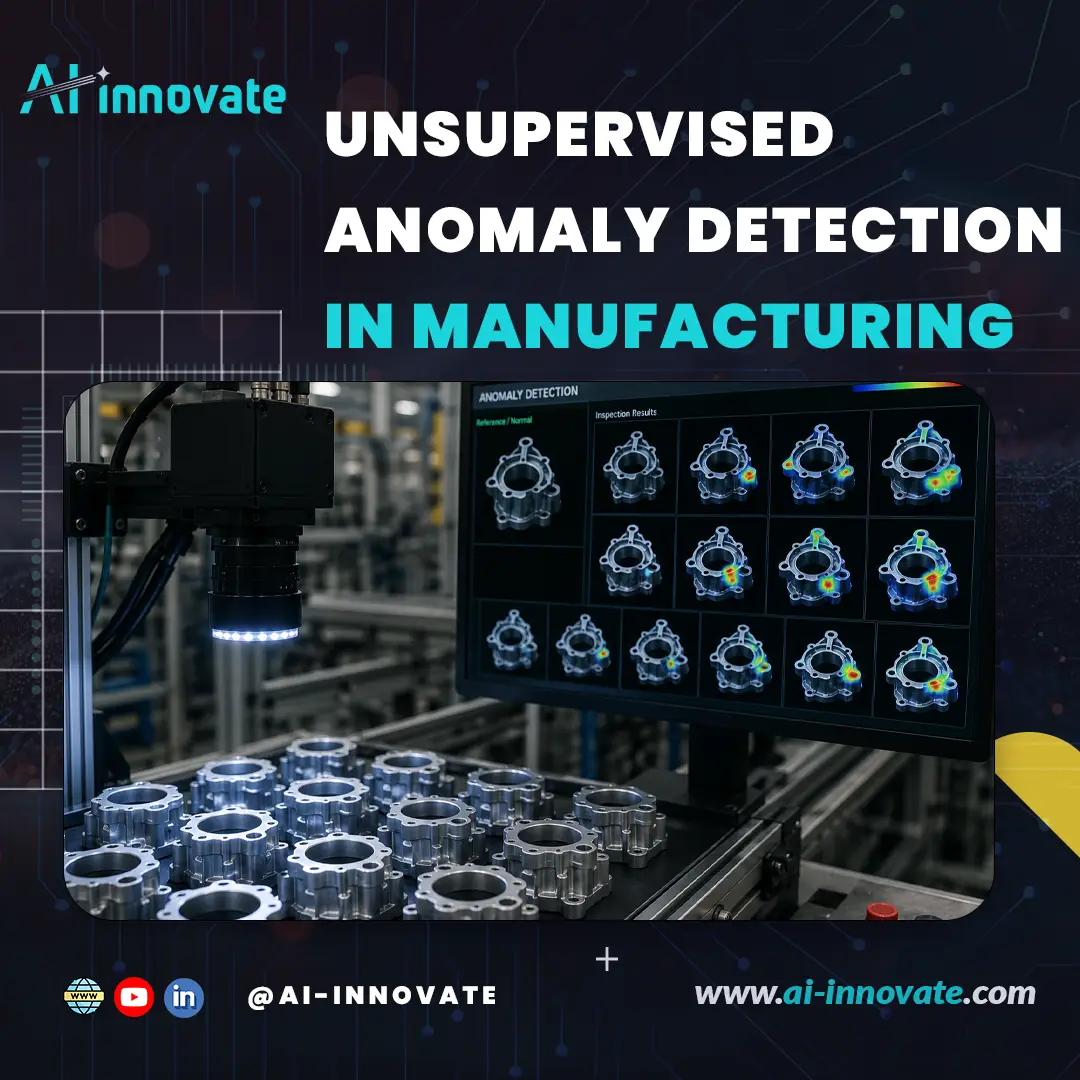
Anomaly detection is the process of finding data patterns that are very different from normal behavior. In manufacturing, problems may appear in things like visual inspection data, sensor readings, process parameters, equipment signals, or production metrics.
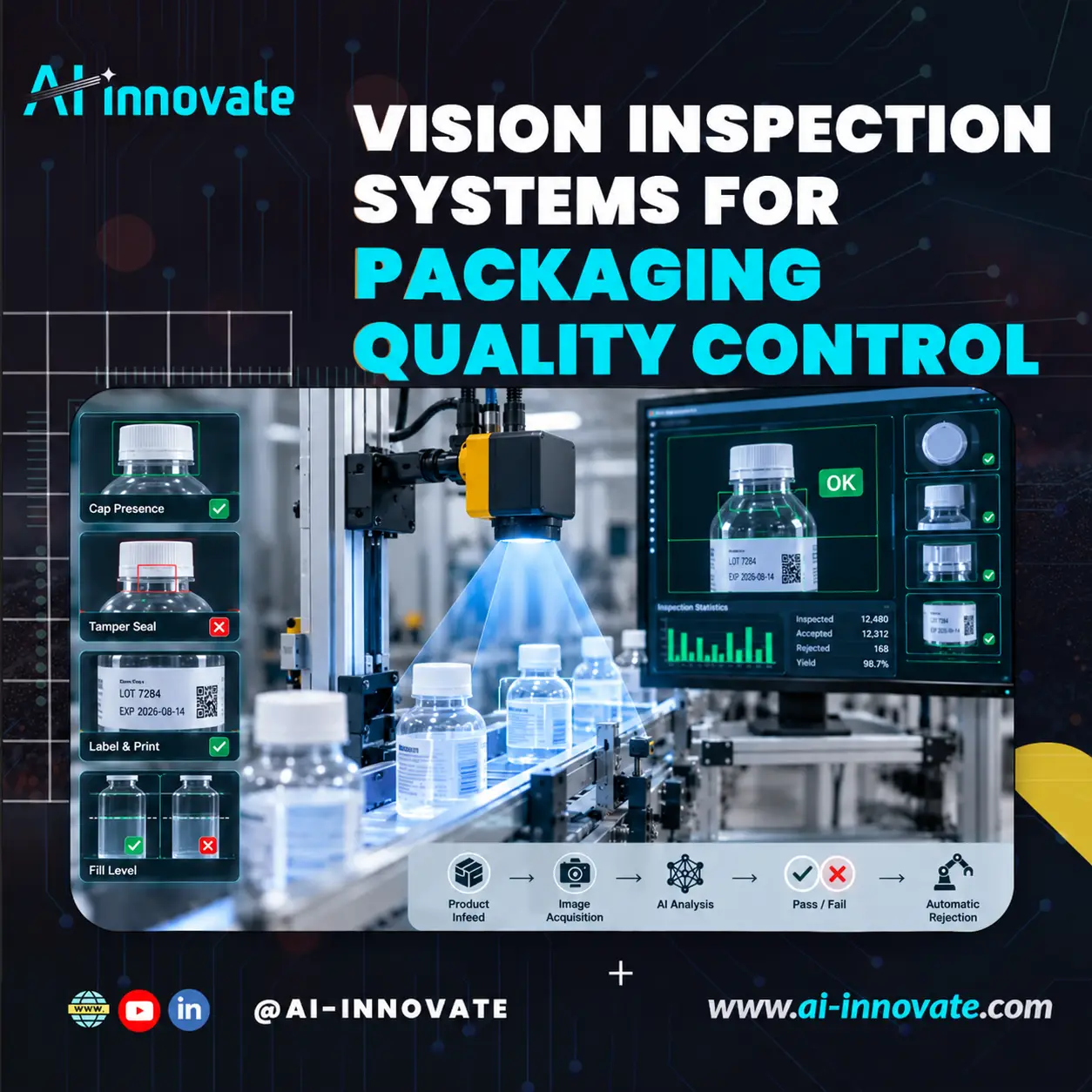
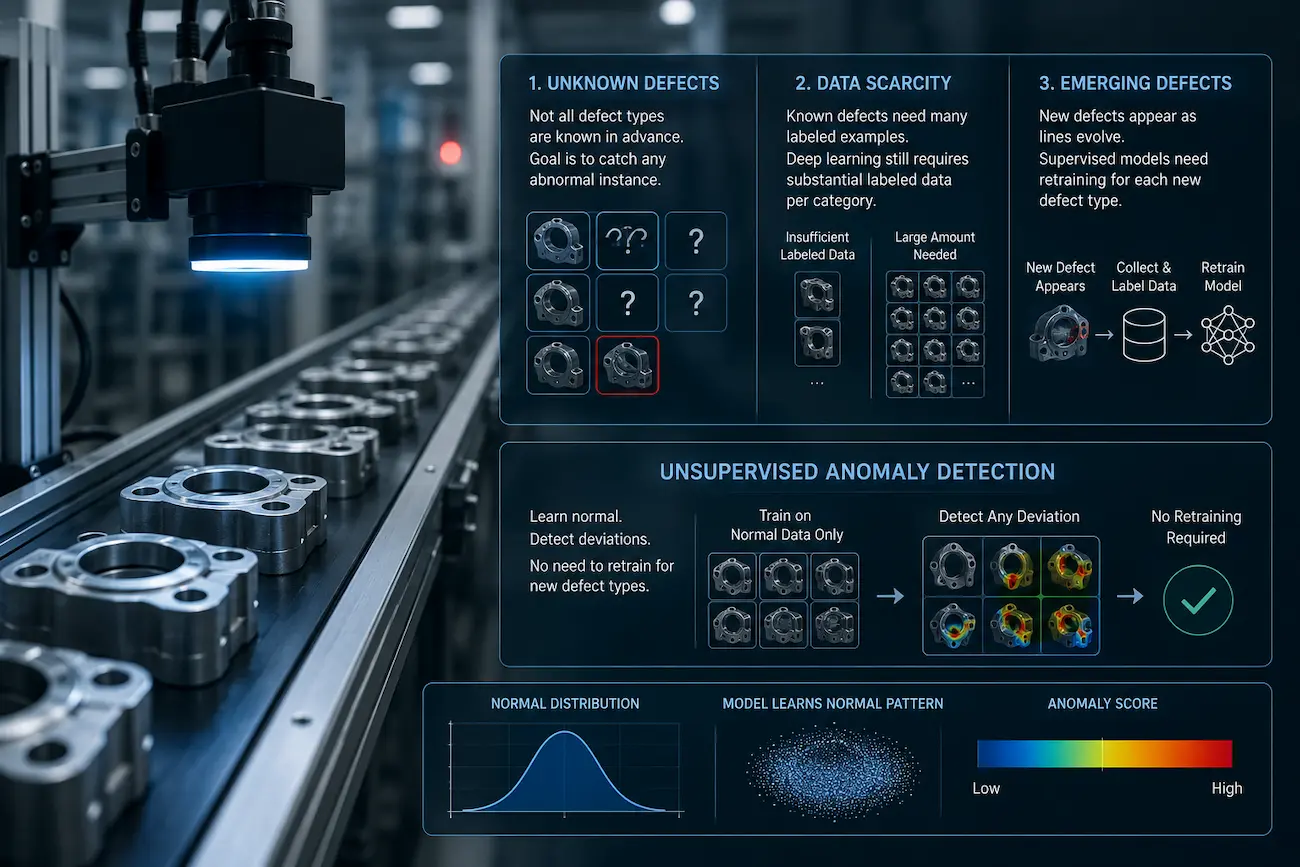
Traditional defect detection looks for known flaws. Anomaly detection looks for unexpected behaviour. This makes it especially useful when:
- There are hardly any defects and the labels are not clear.
- New problems are also cropping up.
- Processes are always changing.
- Complex systems don’t always behave in a simple way.
By learning the typical patterns, AI models can spot small changes before they become big problems.
Core Detection Methodologies
Identifying these critical deviations requires a robust set of technical approaches that have evolved significantly. While each serves a distinct purpose, they collectively form a powerful toolkit for engineers and data scientists. Understanding these core methodologies is the first step toward building a resilient production environment. The main categories are:
Supervised & Unsupervised Learning
Supervised methods are highly effective when historical data is well-labeled, allowing the model to be trained on known examples of both normal and anomalous behavior. However, the most dangerous anomalies are often the ones never seen before.
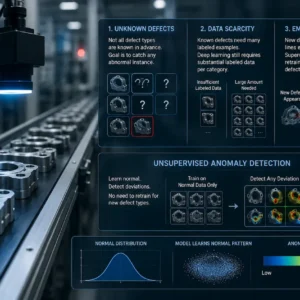
This is where unsupervised learning excels. By learning the intricate patterns of normal operation, these algorithms can flag any deviation from that learned state as a potential anomaly, making them indispensable for discovering novel failure modes.
Semi-Supervised Approaches
This hybrid method offers a practical middle ground, ideal for scenarios where only data from normal operations is abundant and reliable for training. The model builds a strict definition of normalcy and flags anything outside those boundaries.
The Power of Deep Learning
For processing the high-dimensional and complex data streams common in modern factories, such as machine vision feeds or multi-sensor arrays, deep learning models like Autoencoders are transformative. They can learn sophisticated data representations and identify subtle, non-linear patterns that are invisible to traditional statistical methods.
Where Anomaly Detection Adds the Most Value
Anomaly detection is particularly good at spotting problems in situations where things are always changing and it is hard to list all the ways something could go wrong.
Common uses include:
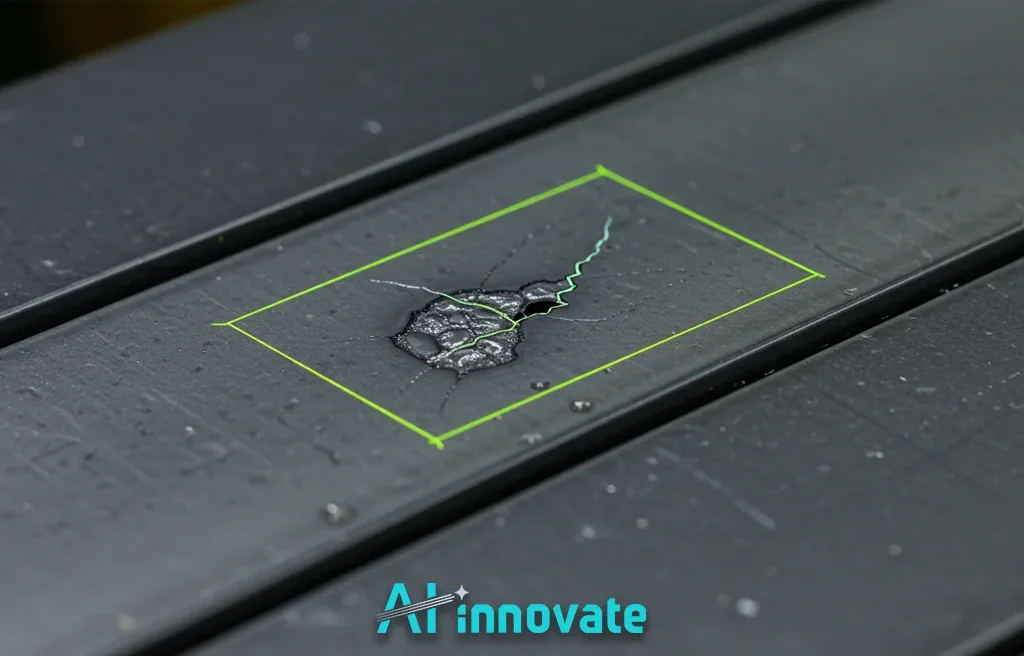
- Checking the surface of plastics, fabrics and metal defect detection.
- Predictive maintenance uses vibrations and temperature signals to identify problems.
- Keeping an eye on the process when making things by molding, pushing materials through a pipe, and putting parts together.
- Keeping track of how well electronics and pcb manufacturing is working
- Making the best use of energy and resources
In these situations, if we spot the problem early, we can stop it from getting worse and deal with it quickly.
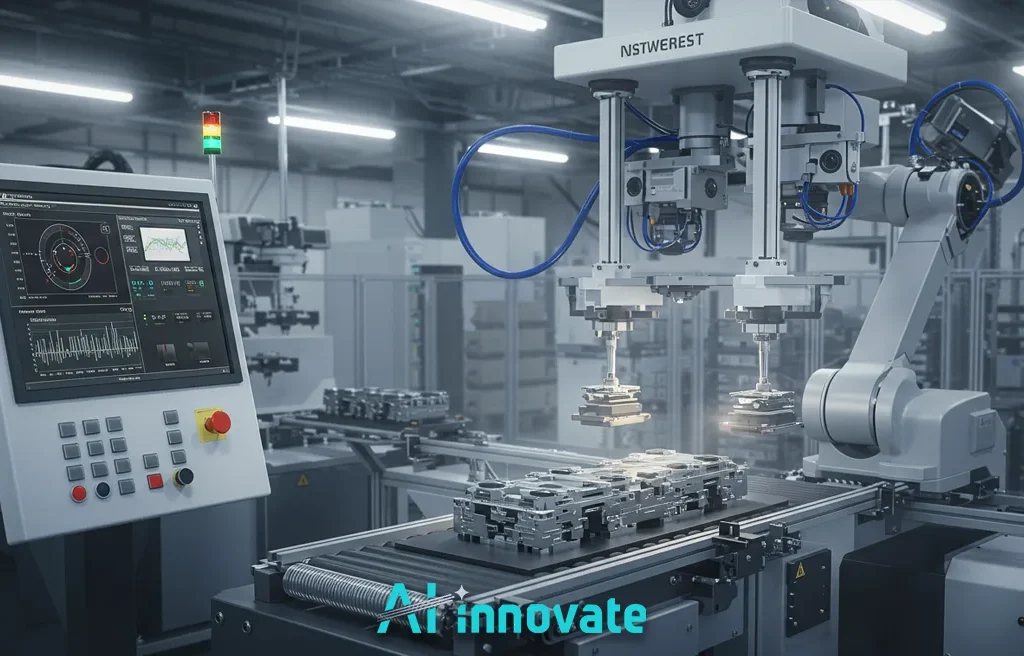
How AI Models Learn “Normal”
Anomaly detection models are usually trained on data collected during stable production. The idea is not to teach the system every possible problem. It is to define what a healthy operation looks like.
Here are some common approaches:
- Finding out what the normal distributions of features are in visual data
- Using something called an ‘autoencoder’ to work out how far off the mark something is
- Looking at how things change over time
- Keeping an eye out for differences between learned embeddings
The most important thing is that they represent what they are supposed to. The data we start with has to show how things actually work in real life, not how they would work in an ideal lab. If the model is trained on data that is too clean, it will think that natural differences are unusual.
Deployment Realities and Considerations
Anomaly detection is useful, but it must be used carefully.
If the starting data is unclear, the systems will generate too many false positives. If you don’t include alerts in your workflow, they will be ignored. If you don’t keep an eye on your models, drift can make them less reliable over time.
To make sure that your deployment is effective, you need to:
- A clear definition of what the system is supposed to do.
- Checking that the model is working correctly
- Making sure that the processes for quality and maintenance are in place.
- Information about what is happening in the background that helps to understand unusual activity
Anomaly detection should help operators make decisions, not confuse them.
From Monitoring to Stability: Where AI Innovate Fits
Anomaly detection becomes most valuable when it is connected directly to production context and decision workflows.
AI Innovate enables this by:
- Providing real-time visual and process anomaly detection across production lines
- Linking anomaly events to time, machine state, and production parameters
- Supporting edge-level intelligence for low-latency decision support
- Enabling scalable deployment across multiple lines and facilities
When anomaly detection is treated as production intelligence rather than isolated monitoring, it strengthens long-term quality control and operational resilience.
Conclusion
Manufacturing now looks for problems not visible to the human eye, such as instability, which can be identified earlier. By learning how things are usually made and spotting small changes, AI systems can tell manufacturers before there are any problems.
From experience, the real strength of anomaly detection is its ability to reveal process behavior that is otherwise invisible. It helps manufacturers understand how systems change over time, how small changes can build up, and how these changes can spread through production. If you include anomaly detection in your quality assurance and process monitoring, it will become less about alarms and more about stability, planning for the future, and controlled production growth.
Note: Some graphics and visuals in this post were produced using AI-generated content.