




When you’re up in the air, what you care about the most is how well the airplane’s going to hold up under pressure. The way manufacturers guarantee this is through the quality control process in aerospace materials manufacturing. Any defects in this type of material can cause many risks and problems, and components are expected to perform reliably under extreme stress, temperature changes, and long service cycles, so thorough inspection is extremely important.
This is why AI quality control in aerospace materials manufacturing is very much essential.
In this blog, we’re going to discuss how AI surface defect detection works for aerospace aluminum materials, and what it does for detection of corrosion in aluminum sheets in the aerospace industry.

What Is Aluminum Sheet Corrosion and Why Early Detection Matters in Aerospace
Aluminum sheets can rust when they come into contact with moisture, oxygen or contaminants, which causes the metal to gradually deteriorate. Aluminum has a natural protective oxide layer, but sometimes, things can happen that break that down and lead to localized corrosion.
In the aerospace industry, where aluminum sheets are used in important structural parts, it’s crucial to spot corrosion early on. Even small defects can weaken the material and impact long-term safety and reliability.
Before AI improved quality control for aerospace manufacturing, many accidents happened because of deficient inspection and maintenance programs.
One example is the Aloha Airlines Flight 243, which had a large section of the roof torn off after takeoff, consisting of the entire top half of the aircraft skin extending from just behind the cockpit to the fore-wing area due to metal fatigue exacerbated by crevice corrosion.
Read More : How AI Improves Aluminum Anodizing
AI-Based Surface Inspection for Aerospace Aluminum Alloys
Aluminum alloys from the 6000 and 7000 series are used in the aerospace industry because they have low weight but high strength along with good corrosion resistance. Despite this, surface defects can still happen.
Comparing Aerospace Aluminum 6000 and 7000 Series Alloys
| Feature | 6000 Series (Al-Mg-Si) | 7000 Series (Al-Zn-Mg-Cu) |
| Primary Advantage | Balance of strength, corrosion resistance, and workability. | Ultra-high strength-to-weight ratio for critical loads. |
| Key Property | Excellent weldability and formability. | Highest strength of all commercial aluminum alloys. |
| Durability | Natural self-healing oxide layer provides high corrosion resistance. | Susceptible to stress corrosion cracking; often requires specialized coatings. |
| Cost | Generally more cost-effective and easier to machine. | More expensive due to higher alloy content and complex processing. |
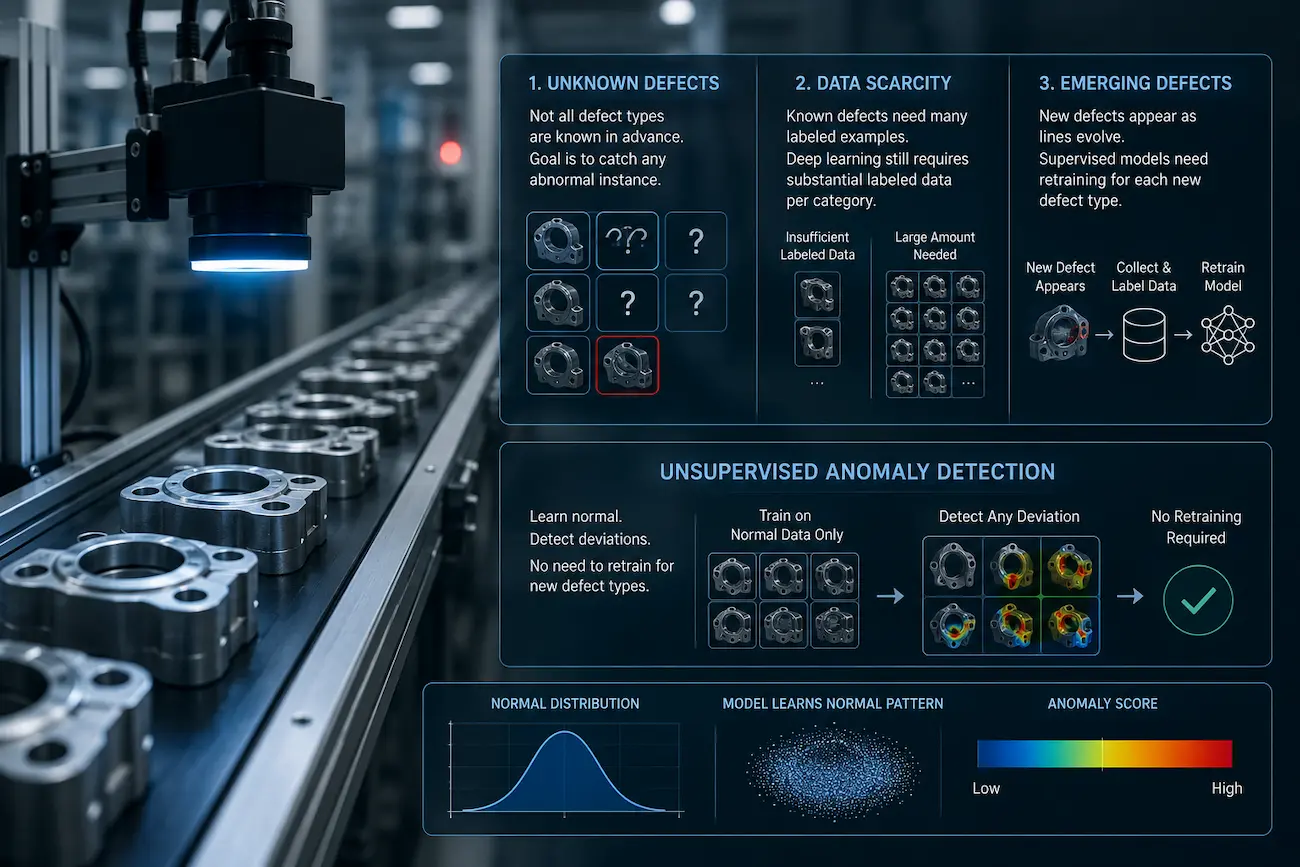
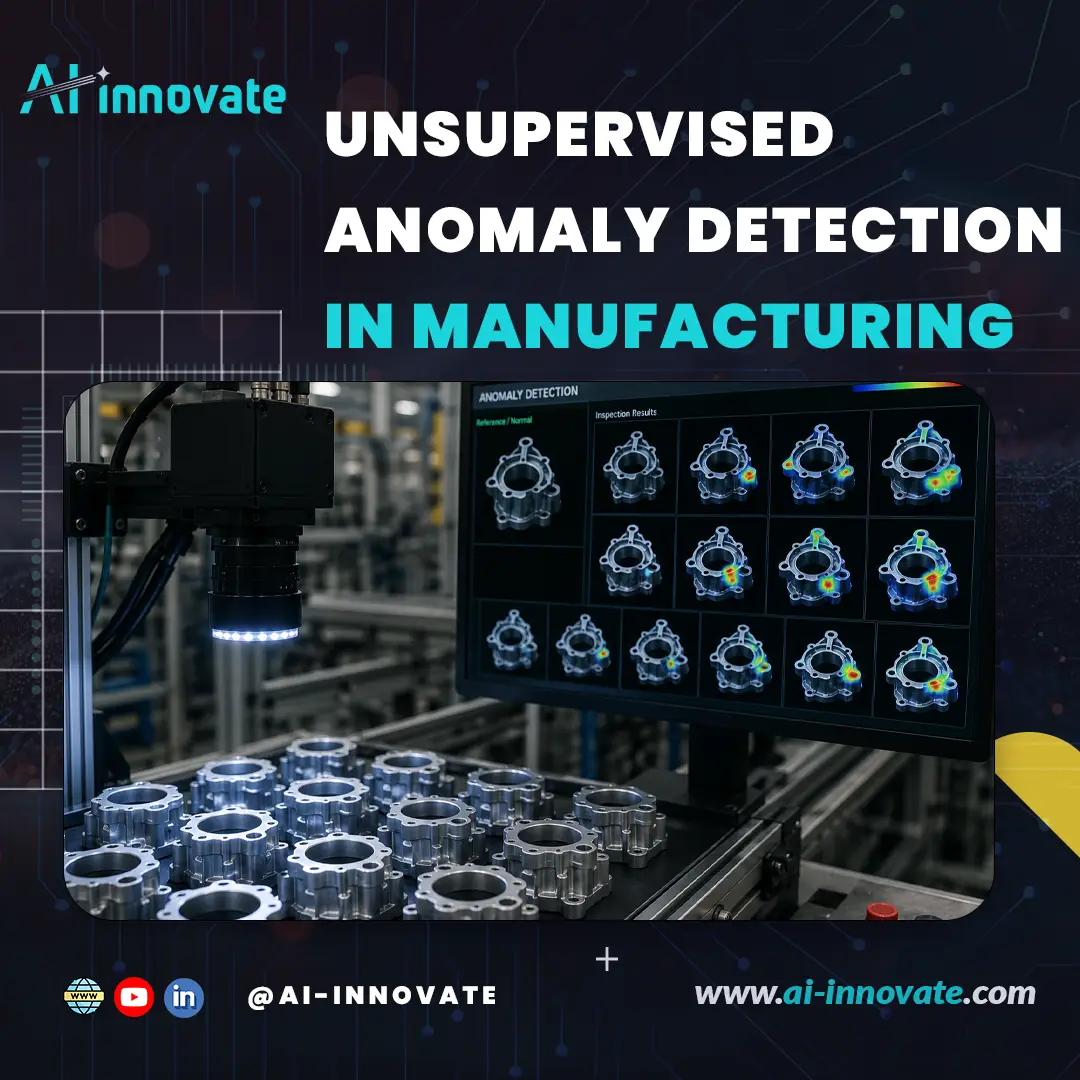
To detect surface defects, AI uses some systems to learn what counts as a deviation and when to flag them. AI can:
- Use high-resolution imaging combined with deep learning models to examine aluminum surfaces in detail
- Learn what acceptable surface conditions look like instead of relying on fixed inspection rules
- Identify deviations from normal surface patterns that may signal defects
- Detect issues such as scratches, dents, surface inclusions, rolling marks, and irregular textures
When it comes to aerospace-grade aluminum, consistency is really important. AI inspection helps keep things consistent, even when the lighting changes.
It also means you can get consistent results when you’re checking large amounts of material. When they’re integrated into production lines, these systems can support real-time decision-making and reduce the risk of defective material moving further downstream.
How AI Identifies Localized Corrosion and Defects in Aerospace Aluminum
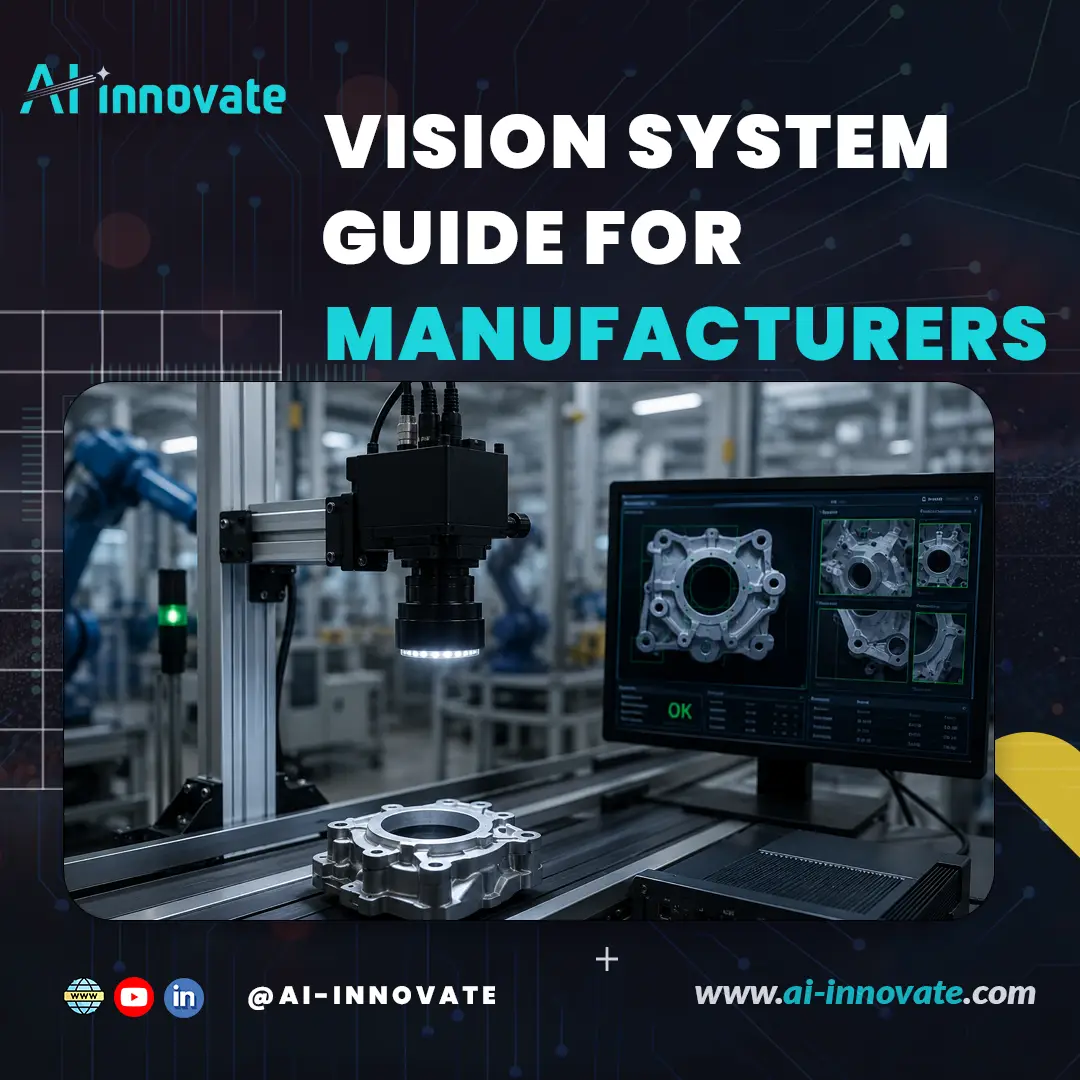
These inspection systems use advanced computer vision and learning models to detect surface defects and localized corrosion by recognizing subtle visual and structural patterns that are difficult to capture with manual inspection alone. Key capabilities include:
- Distinguishing defects in 6000 vs. 7000 series aluminum
AI models are trained to account for alloy-specific behavior. For 7000 series aluminum, which is more prone to stress corrosion cracking and exfoliation, models focus on characteristic surface swelling and layered degradation patterns. For 6000 series alloys, inspection emphasizes defects such as surface scratches, extrusion-related texture variations, and formability-related surface irregularities. - Improved detection accuracy in aerospace materials
By analyzing high-resolution visual data consistently, AI can detect small cracks and surface anomalies that are difficult to identify with the naked eye.
AI-Driven Detection of Localized Corrosion in Aluminum Sheets
Localized corrosion is a big problem for aerospace aluminum components, especially thin sheets used for structural applications. Some of these corrosions can be difficult to detect early on, especially when they’re subtle:
- Pitting
- Crevice corrosion
- Filiform corrosion
- Exfoliation corrosion
AI-based inspection systems are great for this. By looking at surface texture, changes in how reflective things are, and visual patterns over time, AI models spot early signs of corrosion. In some setups, optical data is combined with other sensing methods to improve sensitivity and reduce false detections.
Intelligent corrosion detection helps with preventative maintenance and better material qualification. Instead of just relying on regular checks, manufacturers can keep an eye on aluminum sheets during production or inspection stages. This helps with:
- Improving traceability across materials, batches, and inspection
- stages
- Ensuring that only materials meeting strict aerospace standards move forward in production
- Supporting long-term reliability goals by identifying issues early
- Providing a proactive way to manage corrosion risk using AI for quality control in aerospace materials manufacturing
Challenges of AI in Quality Control of Aerospace Materials and How to Overcome Them
AI offers many benefits to the aerospace industry. However, it’s not without downsides. Integrating AI may come with issues such as:
Data Quality and Availability
AI systems need large sets of examples to learn what defects look like. In aerospace manufacturing, defects like corrosion or micro-cracks can be rare, hard to spot and can vary a lot. This makes it hard to get balanced training data.
To get around this, manufacturers often mix historical inspection data with controlled defect samples and keep updating models as new data comes in.
Variability in Materials and Surface Conditions
The thing with aerospace aluminum sheets is that they can vary depending on the alloy composition, heat treatment, surface finish, or processing method. These variations can sometimes confuse AI models.
This issue is usually sorted by training AI systems on all sorts of acceptable surface conditions and checking performance across different production batches.
Integration With Existing Inspection Workflows
A lot of aerospace manufacturing environments use tried-and-tested inspection standards and certification processes.
AI systems need to be checked carefully and used with traditional methods, rather than replacing them. A phased rollout, where AI supports inspectors instead of working independently, helps to build trust and reliability.
Explainability and Certification
Aerospace standards say that you have to be able to show why you’ve made an inspection decision. AI outputs have to be something that engineers and auditors can trace and understand.
That’s why a lot of systems are designed to highlight defect regions and provide confidence scores rather than making hidden decisions.
Applying AI Inspection in Aerospace Manufacturing
Adopting AI for surface defect and corrosion detection in aerospace requires inspection tools that are accurate, scalable, and compatible with strict quality and compliance requirements. AI Innovate supports this approach by providing solutions that help manufacturers:
- Detect surface defects and localized corrosion consistently using AI-powered visual inspection capabilities, supported by tools such as AI2Eye
- Build and validate high-quality inspection datasets to train and refine AI models, enabled through visual data management and testing workflows like AI2Cam
- Deploy AI inspection in real production environments with industrial edge computing platforms such as AIxCore, allowing real-time processing and seamless system integration
Conclusion
AI is now crucial for checking and approving materials used in aerospace. From finding surface defects in aluminum 6000 and 7000 series alloys to spotting early localized corrosion, AI-based quality control grants more consistent and detailed insights than many traditional methods.
I believe that if these systems are used properly and backed up by the right data and integration, they can make materials more reliable and help manufacturers meet the high standards of the aerospace industry.