




With the aluminum anodizing market set to exceed $3.5 billion by 2025, AI is transforming the way manufacturers optimize their anodizing processes. Traditional anodizing methods may be inefficient, inconsistent, and can be dependent on manual monitoring. In industries where aluminum anodizing is crucial, AI refines this process by reducing waste, improving precision, and enhancing cost-efficiency. In this guide, we’ll discuss the real-world use cases and the benefits of integrating AI into the aluminum anodizing process in greater detail.

AI in the Aluminum Anodizing Process
When exposed to the environment, aluminum forms a thin aluminum oxide layer, which erodes over time. Anodizing is an electrochemical process that forms a protective oxide layer on aluminum, increasing corrosion resistance, durability, and aesthetic qualities.
Anodized aluminum is widely used everywhere, which means optimized production is essential to meet the market demand. Implementing AI into the process is a good solution to this problem, as it transforms how we work with aluminum anodizing. AI spots patterns using smart algorithms to find bottlenecks in the process. This makes inspection faster and more precise, leading to better quality as the outcome.
How AI Optimizes the Aluminum Anodizing Process
AI is becoming an important part of modern aluminum anodizing, helping manufacturers run more efficient and consistent operations. Some of the key ways AI is improving the anodizing process is mentioned below.
- Predictive Maintenance: AI provides predictive insights. It can identify potential defects or equipment issues before they occur, allowing operators to take corrective action proactively.
- Data Collection: AI systems draw data from sensors that track factors such as voltage, temperature, and chemical concentrations
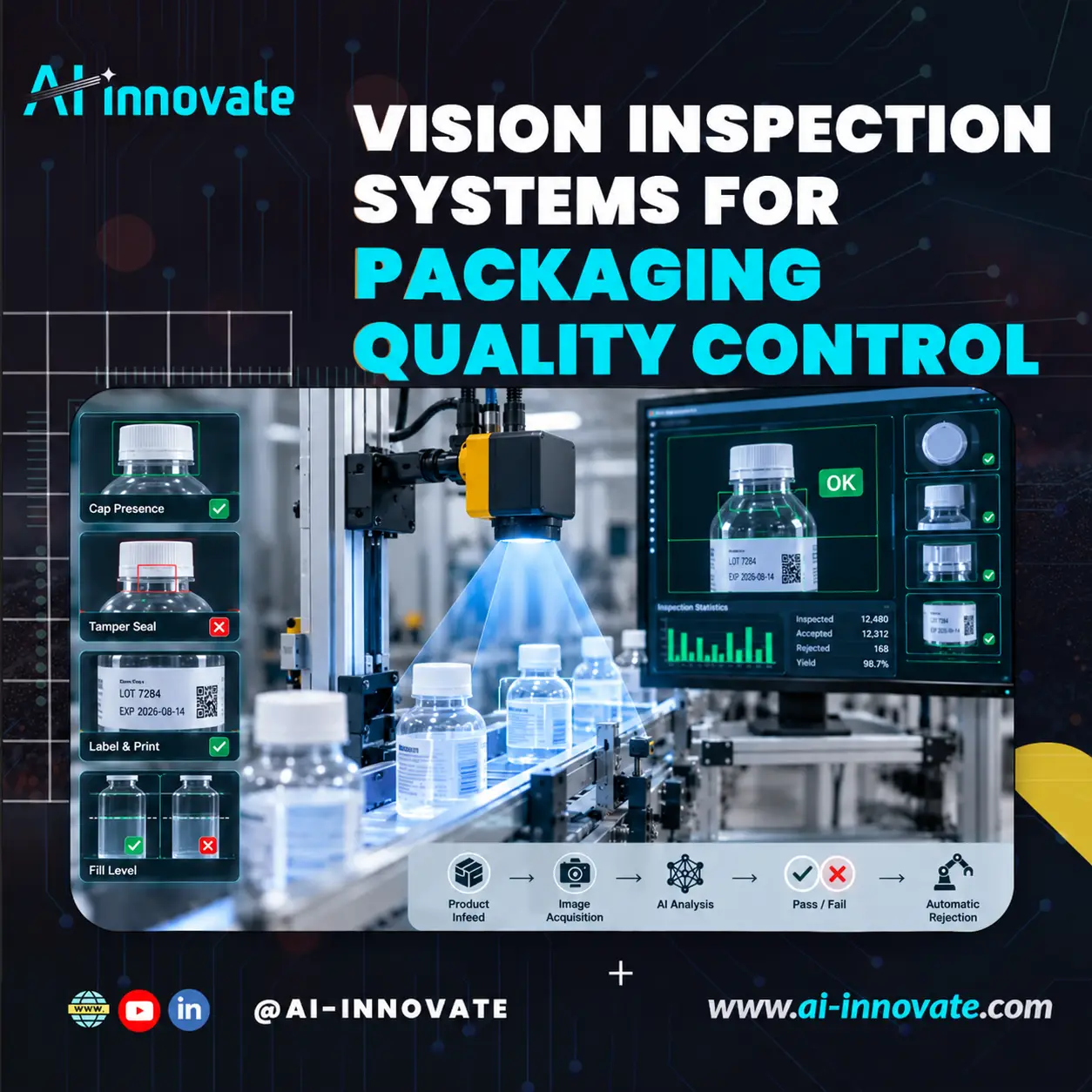
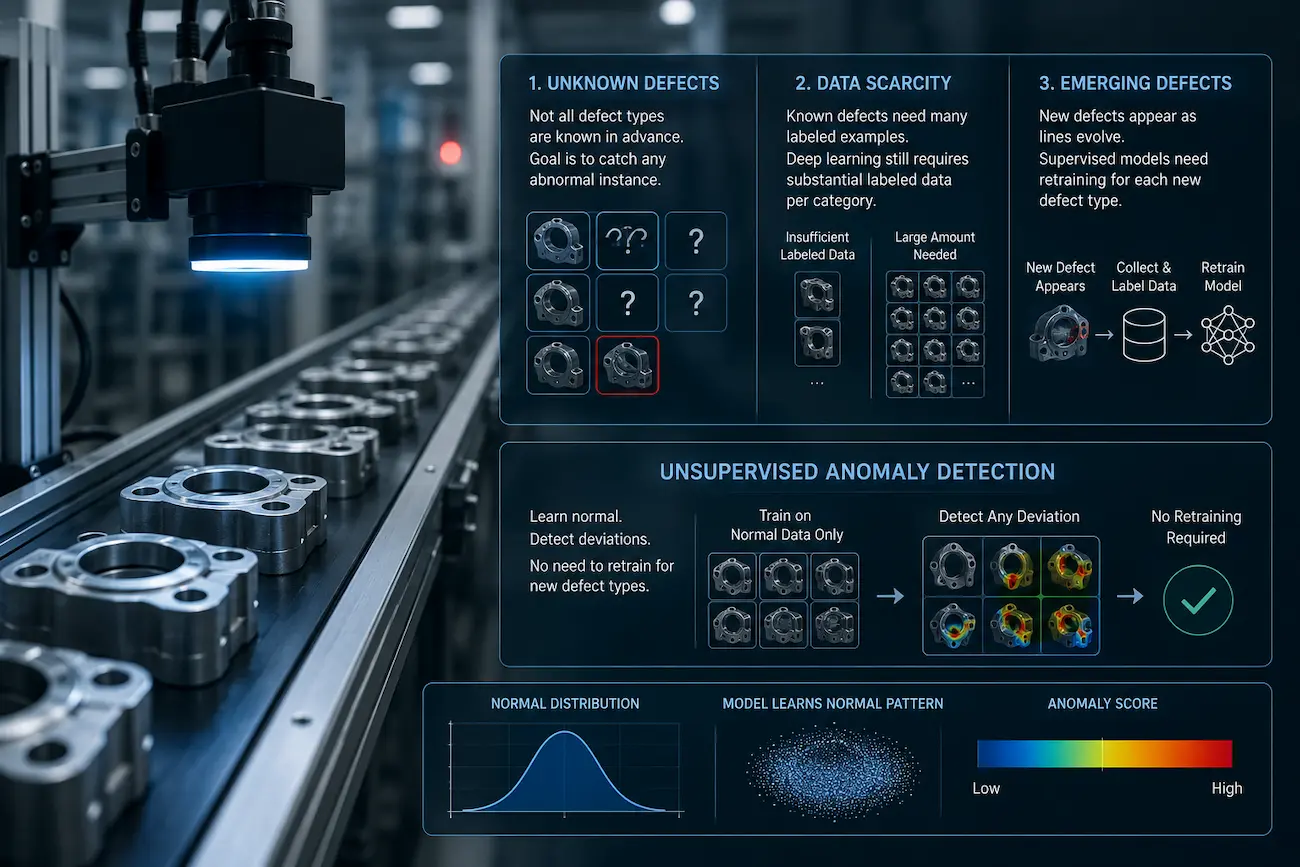
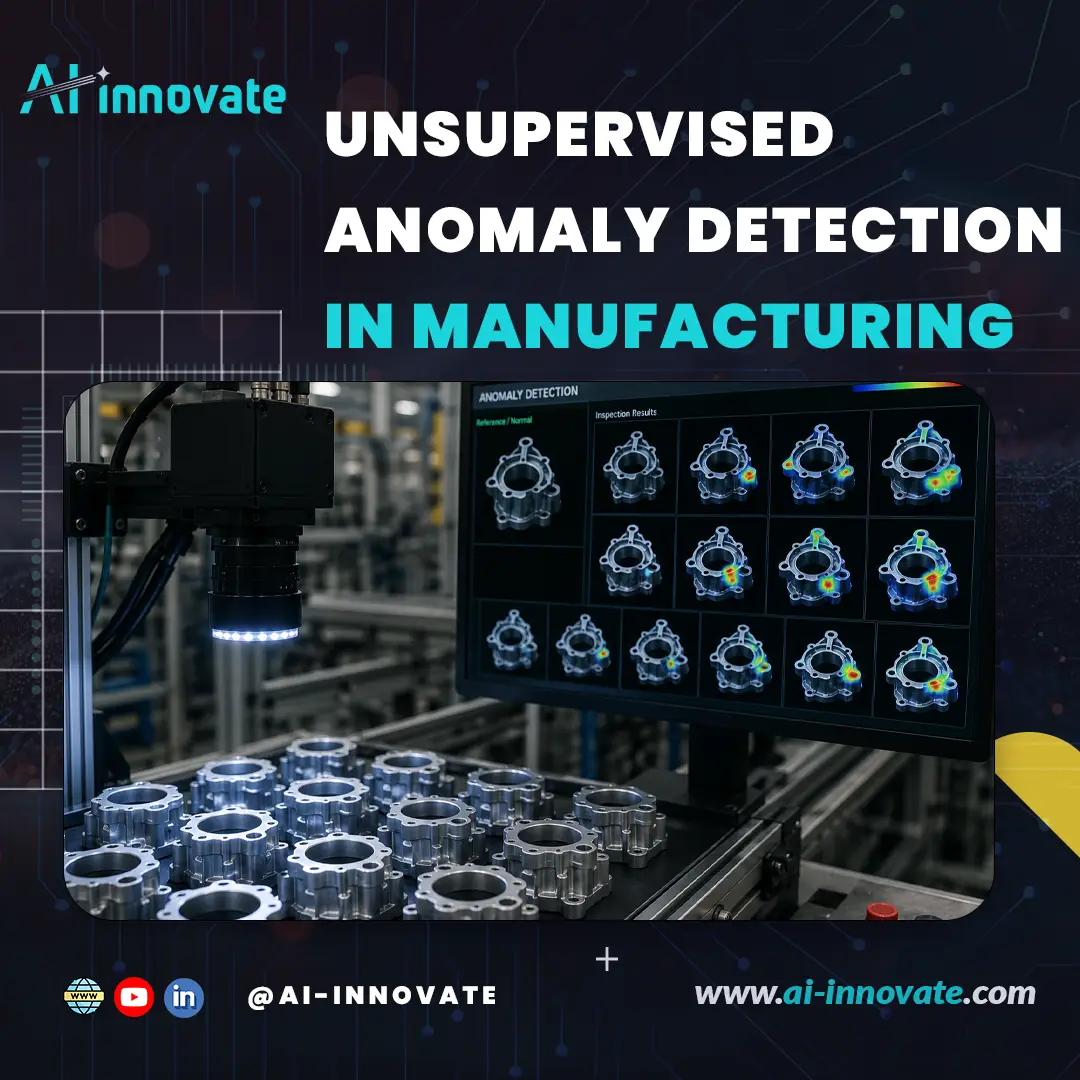
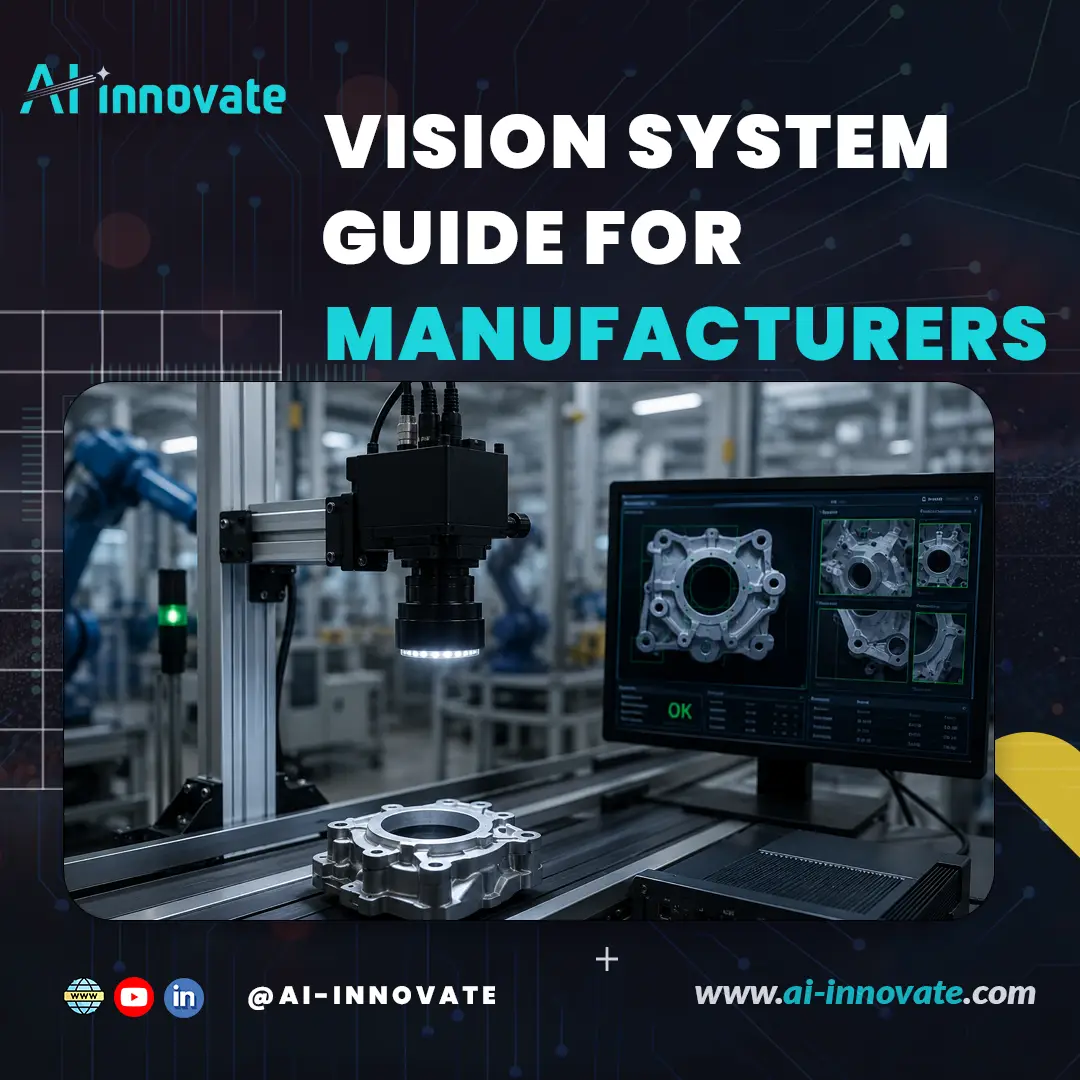
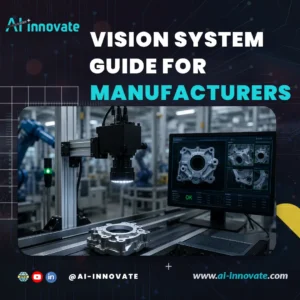
- Visual Inspection: High-resolution cameras capture surface images, detecting any inconsistencies in the anodized aluminum as they appear.
- Instant Alerts and Corrections: The system then sends alerts for quick corrective action.
- Real-Time Adjustments: AI can automatically adjust process settings in real time to maintain optimal conditions. This helps keep production on schedule, improve throughput, and reduce variability between batches.
- Process Optimization: AI and machine learning are applied to enhance the aluminum anodizing process by improving control, consistency, and overall efficiency.
By analyzing data and monitoring the process in real time, AI can detect issues early, make automatic adjustments, and keep production running smoothly. It supports better quality control, reduces waste, and helps teams make faster, more informed decisions.
Where AI-optimized Aluminum Anodizing is Used
- Automotive and Aerospace: Anodized components need to meet tight standards for durability and consistency. AI-driven process control certifies that every batch maintains the same hardness and corrosion resistance.
- Industrial Anodizing Plants: AI systems track current draw patterns and bath conductivity trends. This lets operators spot early signs of wear in rectifiers or electrode plates and schedule maintenance.
- Architectural Applications: In architectural anodizing, where large volumes of aluminum are treated for building materials, AI monitoring minimizes chemical waste by predicting the ideal time to refresh acid baths.
- Consumer Electronics: AI-powered visual inspection tools can check millions of anodized units, ensuring perfectly uniform tones across entire product lines while reducing the need for manual quality checks.
- Marine and Aerospace Engineering: AI simulates how anodized coatings will hold up under harsh conditions like salt spray and temperature cycling. This helps engineers choose the best treatment process early on.
Benefits and Limitations of AI-Enhanced Aluminum Anodizing
Although AI brings huge advantages to the aluminum anodizing process, there are some notable downsides to it as well. To get a clearer picture, take both into consideration.
Benefits of AI in Aluminum Anodizing
- Increased Efficiency: AI streamlines the anodizing process by analyzing data and adjusting parameters. It reduces downtime and minimizes manual intervention.
- Improved Quality: With AI monitoring every step, consistency becomes the new standard. This leads to higher-quality finishes, fewer rejects, and greater customer satisfaction.
- Cost Reduction: Fewer defects mean less rework while predictive maintenance prevents costly equipment failures. Over time, these improvements lower overall operating costs.
- Sustainability: AI reduces waste and chemical consumption. Smarter energy management further cuts emissions, helping anodizing plants meet sustainability targets.
Our AI2Eye software is an example of an AI tool providing real-time defect detection and process optimization. Our AI2Cam also advances inspection and design capabilities by enhancing machine vision development and inspection.
Limitations of AI-improved Aluminum Anodizing
- Data Quality: AI is only as good as the data it receives. Inconsistent sensor readings or poorly calibrated equipment can lead to inaccurate predictions or false defect detections.
- Complexity and Skill Gaps: Operators may need additional training to understand how AI decisions are made or how to interpret its recommendations.
- Continuous Training: AI models need continuous updates to adapt to new materials. If AI models aren’t retrained regularly with new data, their accuracy can decline.
- Overreliance on Automation: Skilled operators often catch context-specific issues that automated systems might misinterpret. Depending too heavily on AI increases the chance of such misinterpretations.
Conclusion
AI is changing the ways of aluminum anodizing by making processes faster, more precise, and more cost-effective. With AI, manufacturers can produce high-quality products while reducing waste and unnecessary cost. As AI continues to improve, companies that adopt these technologies will be better positioned to keep up with the ever-increasing demand.