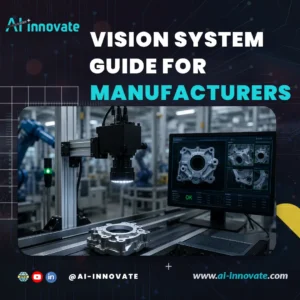





The scale with which manufacturing operates today was nothing short of a dream around a decade ago. The key factor that played a central role in this achievement was automation. Automation technology continues to evolve, and its most recent addition is AI.
When industries like automotive vehicles become more complex and customer expectations continue to rise, manufacturers are under constant pressure to improve quality while controlling costs. This is where AI is playing an increasingly important role with introducing AI-driven quality control and inspection.
In this blog, we’ll explore the evolution of AI in the automotive manufacturing world.
AI in Automotive Manufacturing Driving Smarter Production.
From quality inspection to predictive maintenance, AI is transforming automotive manufacturing. Improve efficiency, ensure consistent quality, and accelerate innovation across every stage of vehicle production.

The Important Role of AI in Car Manufacturing
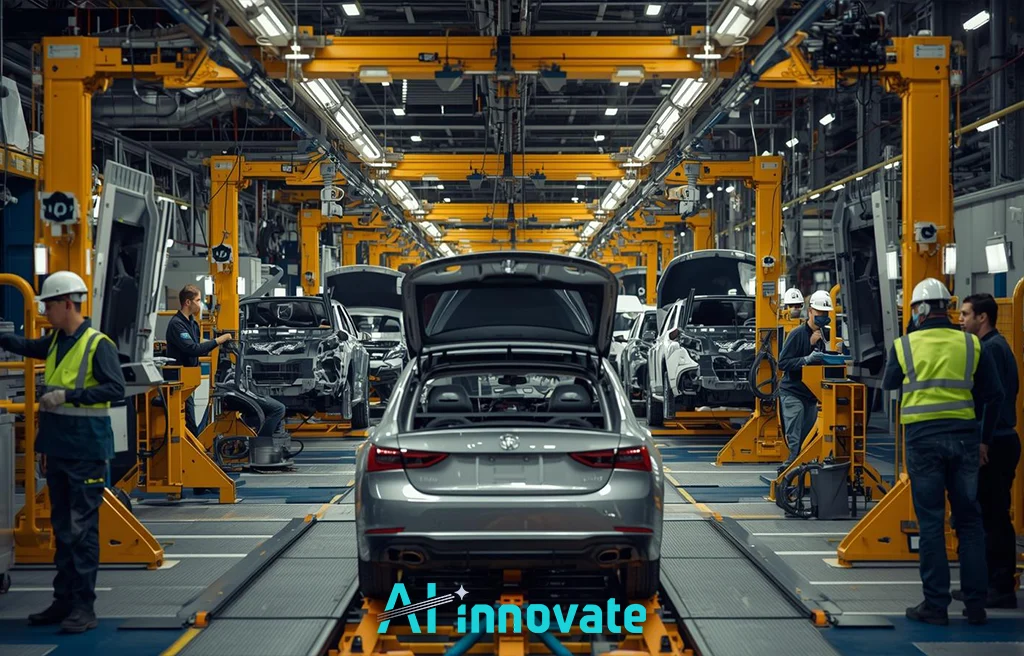
Automotive manufacturing is complicated in many ways. There are thousands of components that need metal defect detection, multiple production stages, and extremely tight tolerances.
The major role that AI plays in the manufacturing process itself is by continuously analyzing production data to detect patterns, anomalies, and inefficiencies through machine learning, computer vision, and advanced analytics.
Traditional automation methods faced difficulties because of the level of perception needed. AI has been a revolution in the industry. Key areas where AI is now central include:
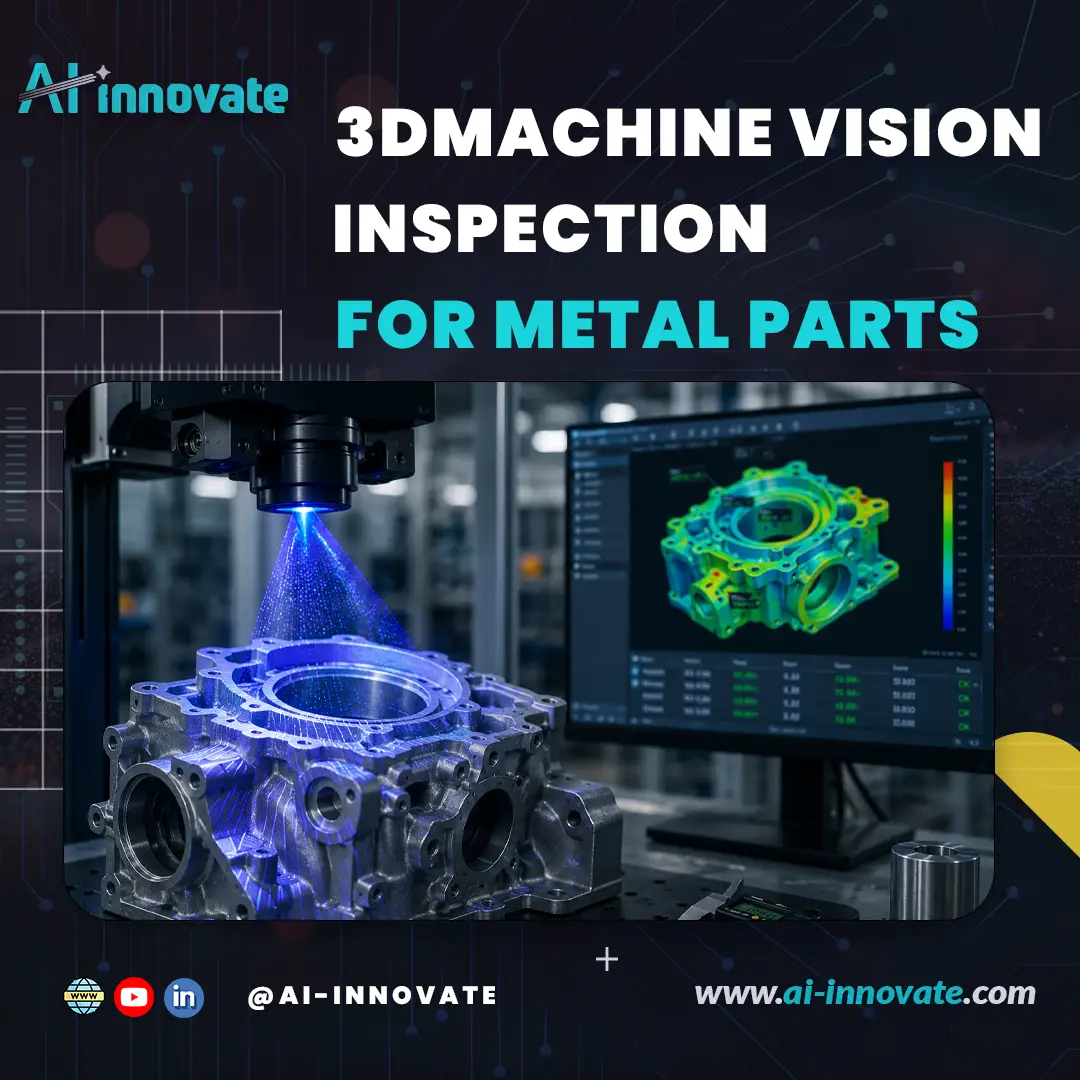
- AI-driven quality control across stamping, welding, painting, and final assembly, metal defect detection on body panels, frames, castings, and machined parts.
- Enhancing safety with features like automatic emergency braking, lane-keeping assist, and adaptive cruise control.
- Autonomous driving is mainly driven by AI, using machine learning and deep learning models to analyse live data from sensors and cameras.
Unlike traditional systems, AI adapts over time. The more data is collected, the more accurate the models become and the better they are at dealing with differences in materials, lighting and how the processes are carried out. This adaptability is especially important in car factories that make different models on the same production line.
Beyond the Factory Floor: AI in the Vehicle
What might be noticeable the most to the drivers is the AI features added to vehicles beyond the manufacturing part:
- Autonomous Driving: AI is the technology that makes self-driving cars work. It uses different types of sensors (cameras, LiDAR, radar) and learns how to understand the environment and plan the car’s route.
- Advanced Driver-Assistance Systems (ADAS): AI is used in important safety features like automatic emergency braking, lane-keeping assist, and adaptive cruise control. These features help drivers avoid accidents and make driving safer.
- Personalized In-Car Experience: AI-driven systems learn what drivers like and don’t like, so they can automatically change seat positions, climate control and infotainment settings to make driving easier and more comfortable.
- Predictive Diagnostics: AI checks the health of vehicles as they drive, telling drivers when something might be wrong and helping them fix the vehicle quickly and save money.
How AI Is Changing the Automotive Industry
AI is reshaping the automotive industry beyond isolated inspection tasks. It’s driving a shift toward smarter factories with AI for industrial process control, more resilient operations, and data-driven decision-making across manufacturing, logistics, and retail.
Smart Factories and Production Lines
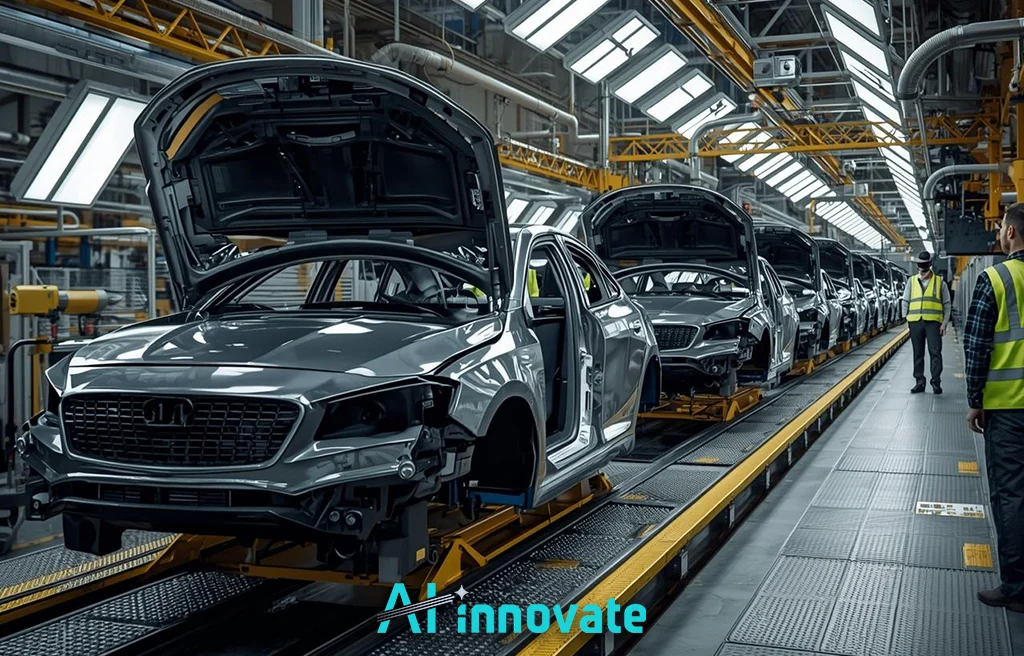
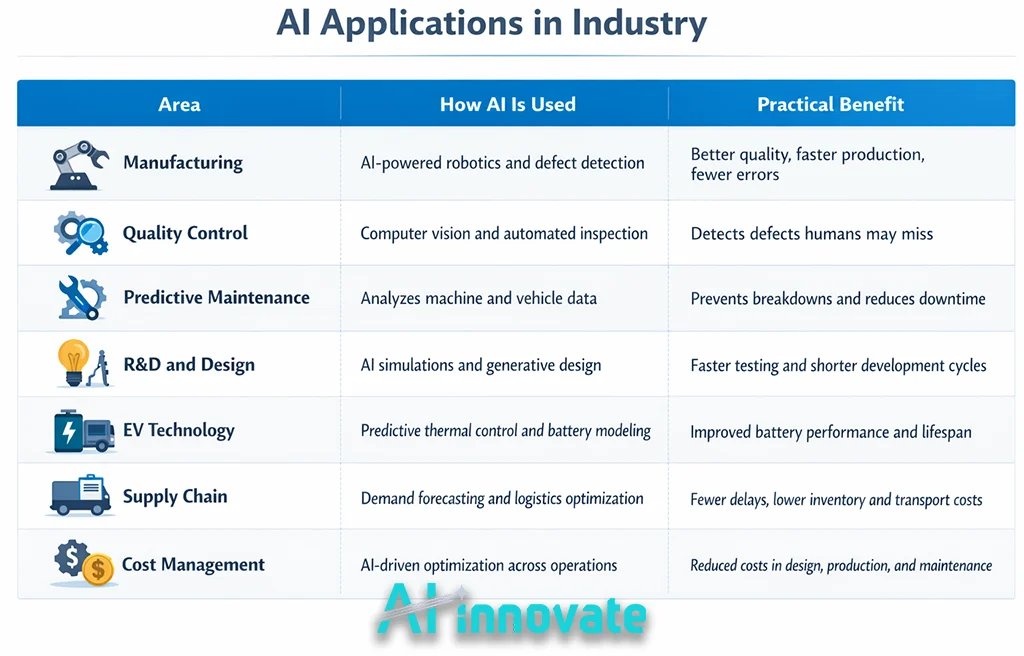
AI is a key part of making smart factories. Robots and automation systems driven by AI can make production faster and reduce human error on assembly lines. These systems can adapt to changes in models, components, or the amount of production.
Quality Control and Inspection
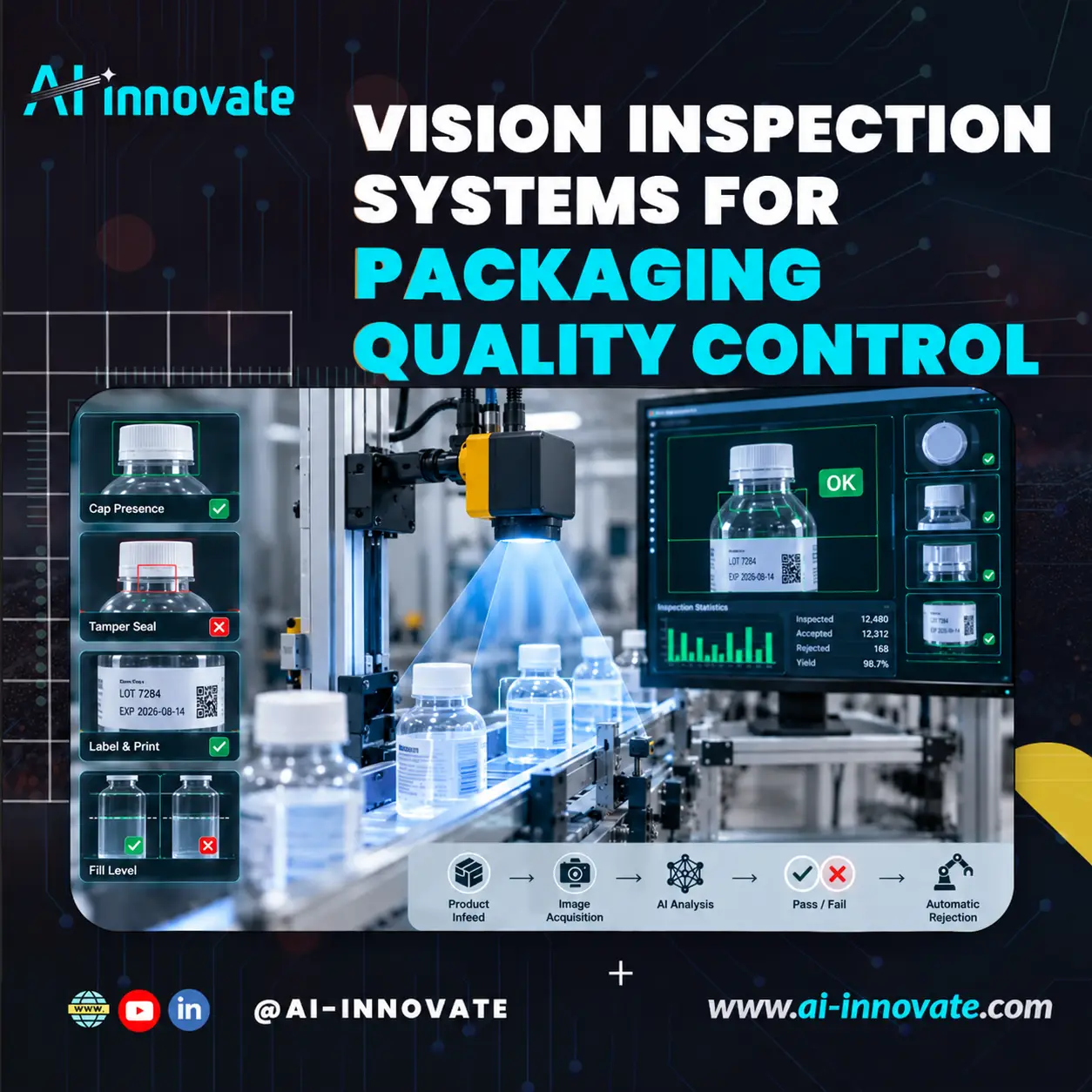
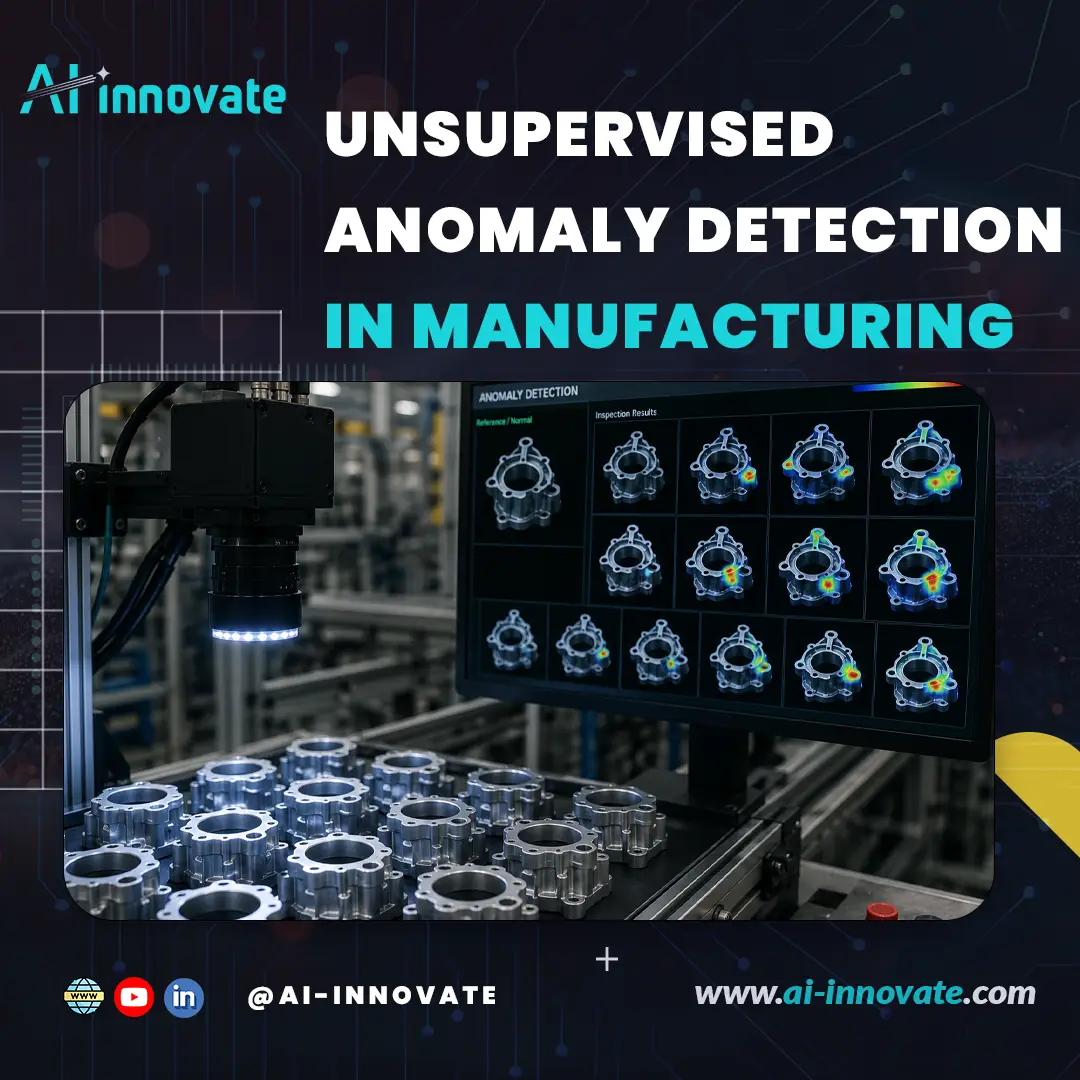
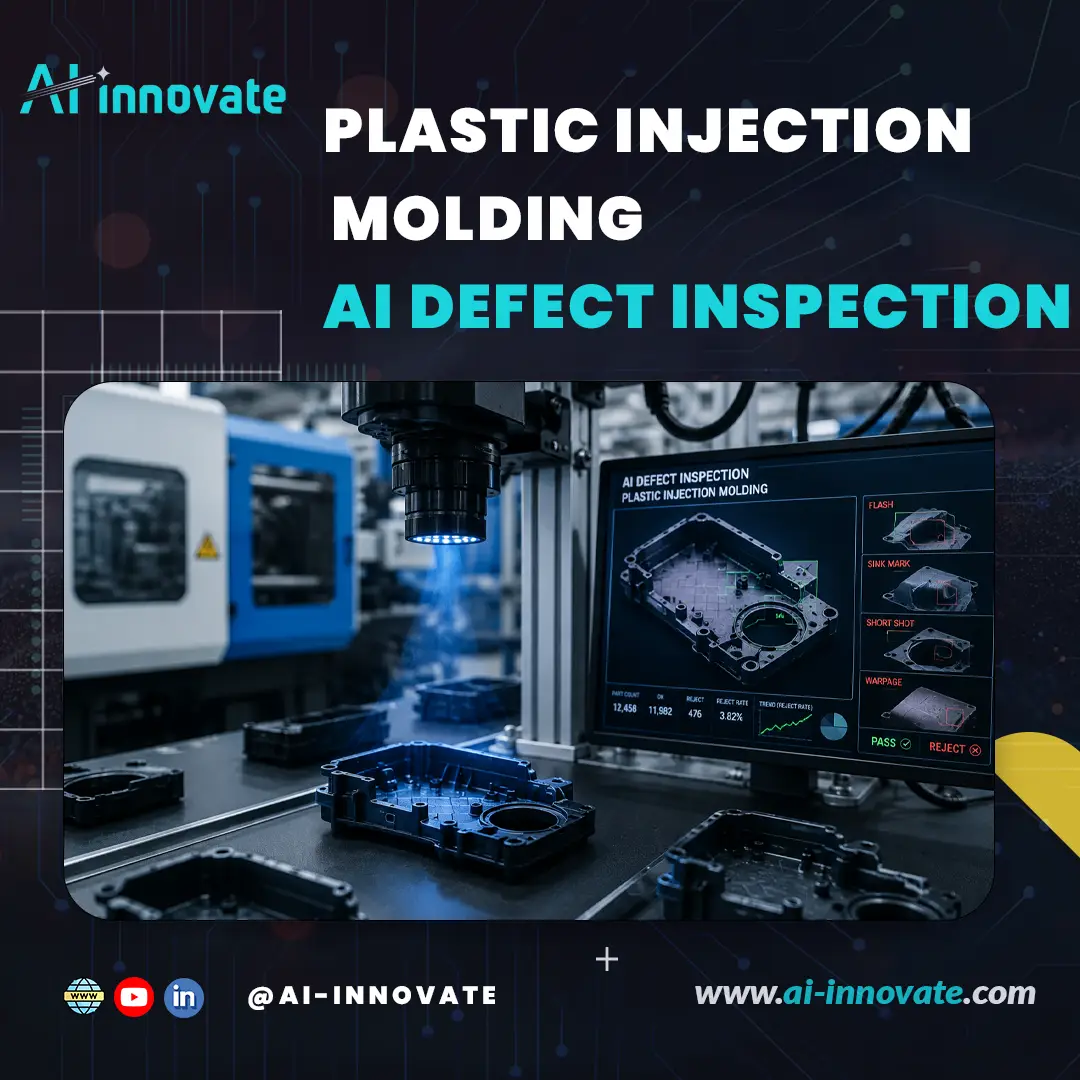
AI-driven quality control has seen one of the biggest changes. Computer vision systems that use AI can find very small defects that are hard or even impossible for a person to spot. By spotting problems on the surface, problems with how things are lined up, and differences in the materials early on, AI can make vehicles better overall and reduce the need for extra work and waste.
Predictive Maintenance
AI is also changing how equipment is maintained. Instead of relying on fixed maintenance schedules, AI models analyse machine data to predict failures before they happen.
This approach to maintenance means you won’t have any unexpected downtime, your equipment will last longer, and you’ll avoid costly production interruptions.
Generative Design and Engineering
In design and engineering, AI supports generative design by evaluating thousands of design variations based on safety, performance and efficiency requirements.
This helps car manufacturers make cars that are lighter, safer, and more efficient that take less time to make.
AI in Operations and Retail
In supply chains, AI keeps track of parts as they are being sent out, predicts how many will be needed, and spots problems before they cause delays.
This makes sure that customers get their orders more often, and it also means that the company doesn’t have to spend as much money on storing goods or on delivering them.
The Role of AI in the Automotive Industry: Trends, Benefits, and Use Cases in 2026
In 2026, AI is expected to be a core part of how cars are designed, built, and supported. Instead of being used only for inspection or automation, AI will connect engineering, manufacturing, and operations across the entire industry.
Key Trends to Watch
AI is becoming especially important in electric vehicles and advanced manufacturing. Some new trends include:
- Predictive thermal control, which can manage heat in EV batteries and propulsion systems, improving performance and extending component life.
- Battery design is sped up by AI-enabled platforms by running simulations that would normally take months.
- AI-powered digital twins and generative simulations allow companies to test designs and production changes virtually before making physical adjustments.
- Read Also:
How Companies Leverage AI in Automotive Manufacturing
When it comes to a good demonstration of how AI fits into automotive manufacturing, BMW and Toyota show how AI supports zero-defect manufacturing in real factories very well.
- BMW uses AI-based visual inspection to spot surface and assembly defects early, which improves consistency and reduces manual checks.
- Toyota applies AI for monitoring production processes, using machine learning to detect small deviations before they turn into larger quality issues.
Notice that in both cases, AI supports engineers and operators rather than replacing them.
Benefits of AI in Automotive Manufacturing
AI helps manufacturers work smarter at every stage, from design to production to maintenance.
How AI-innovate Supports AI in Automotive Manufacturing
AI-innovate supports automotive manufacturers across inspection, production, and quality control by providing AI-driven products designed for complex, high-volume manufacturing environments. Our product ecosystem helps with:
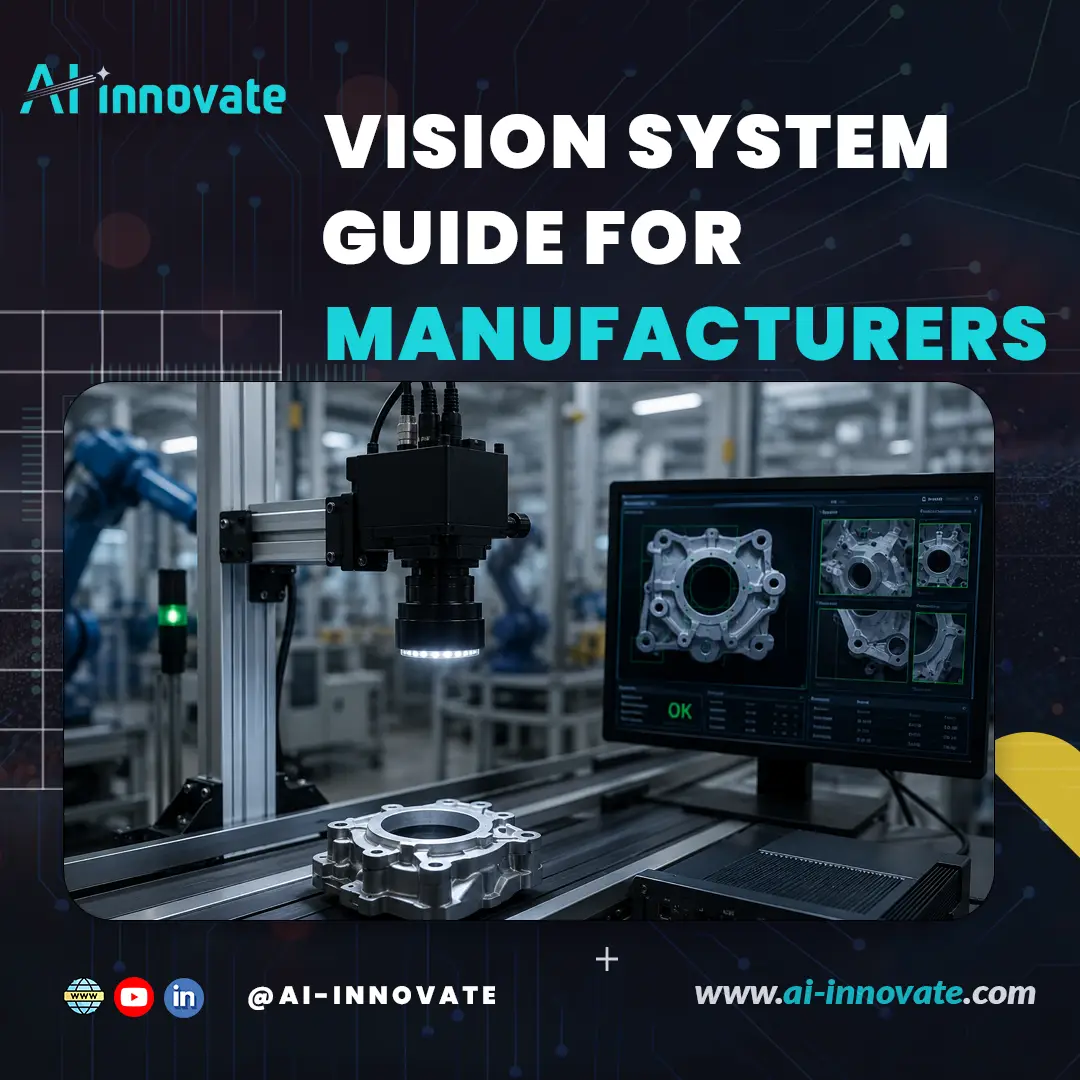
- AI-powered visual inspection and defect detection using AI2Eye, enabling consistent quality control across stamping, welding, painting, and final assembly lines
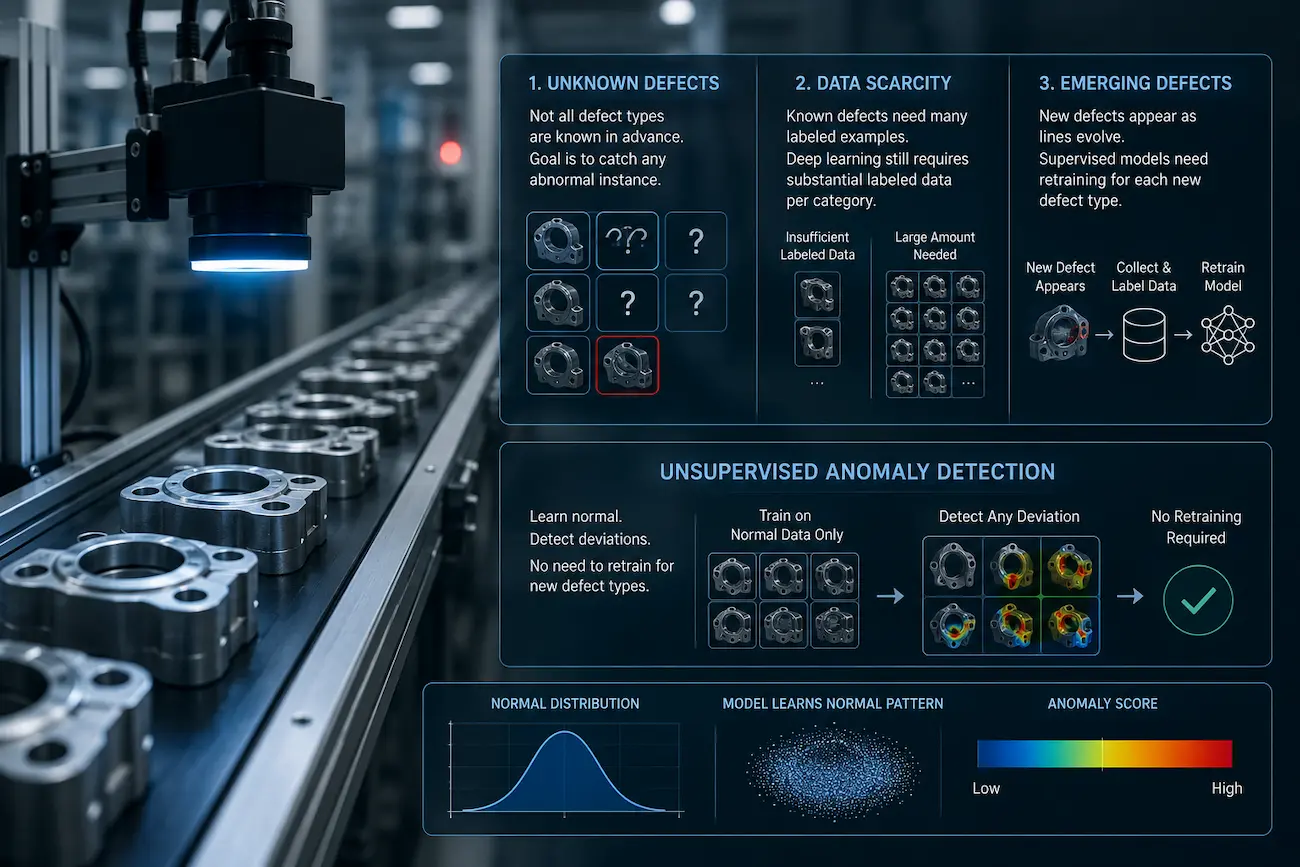
- Synthetic data generation, simulation, and validation through AI2Cam, supporting robust model training when real defect data is limited or production conditions vary
- Scalable deployment and integration of AI workflows powered by AIxCore, allowing AI systems to connect with existing cameras, sensors, robotics, and production software
- Real-time inspection feedback and process monitoring, helping automotive teams reduce rework, prevent downstream defects, and maintain stable production at scale
Whether manufacturers are managing multiple vehicle models on shared production lines, working toward zero-defect goals, or preparing for advanced EV and smart factory initiatives, AI-innovate’s products help apply AI in automotive manufacturing with flexibility, reliability, and seamless integration into existing operations.
Conclusion
Today, AI is a key part of modern automotive manufacturing. With AI driven quality control and metal defect detection, and real-time monitoring, its impact is already transforming how vehicles are built and inspected.
I believe as the industry moves, AI will play an even greater role in making manufacturing processes more efficient, helping to create smarter factories and more resilient production systems. In practice, the most successful ones combine advanced technology with strong process knowledge and human judgment.
Confused About Where to Start with AI?
Our specialists help you identify the right AI approach based on your process, data, and goals.
Sources
Ai-Innovate uses only high-quality sources, including peer-reviewed studies, to support the facts within our articles.
- AdvancedTech. (n.d.). AI in Automotive Manufacturing. Explores how artificial intelligence is being applied to streamline automotive production processes, improve quality control, and boost overall efficiency on the assembly line. Retrieved from https://www.advancedtech.com/blog/ai-in-automotive-manufacturing/
- Salesforce. (n.d.). AI in the Automotive Industry: Use Cases and Trends. Highlights key ways AI is reshaping automotive manufacturing, supply chain management, customer experience, and connected car technologies. Retrieved from https://www.salesforce.com/in/automotive/artificial-intelligence/guide/ (Salesforce)
- NeuralConcept. (2025). Artificial Intelligence in Car Manufacturing. Covers practical applications of AI across automotive design, production optimization, robotic automation, and defect detection. Retrieved from https://www.neuralconcept.com/post/artificial-intelligence-in-car-manufacturing (Neural Concept)
- IBM Think. (2025). AI in the Automotive Industry. Discusses how machine learning, computer vision, and generative AI are transforming vehicle design, production, predictive maintenance, and future software-defined vehicles. Retrieved from https://www.ibm.com/think/topics/ai-in-automotive-industry (IBM)
- S&P Global Automotive Insights. (2025). AI in the Automotive Industry: Trends, Benefits & Use Cases. Provides an industry perspective on AI adoption across design, manufacturing, autonomous systems, and operational efficiencies. Retrieved from https://www.spglobal.com/automotive-insights/en/blogs/2025/07/ai-in-automotive-industry (spglobal.com)
FAQ
What is the primary role of AI in automotive manufacturing today?
AI is used to automate production processes with robotics, enhance quality control, and reduce human error. It shifts manufacturing from simple mechanical automation to cognitive automation, where plants act as self-optimizing ecosystems.
What is a "Digital Twin" in manufacturing?
A digital twin is a virtual replica of a physical production line or vehicle. In 2026, these are used to run “what-if” simulations, testing process changes virtually to avoid expensive real-world mistakes.
What are the biggest risks of using AI in vehicles?
The leading concerns in 2025 are cybersecurity (vulnerability to hacking) and data privacy regarding the massive amounts of sensor and driver data collected. There are also significant ethical and legal questions regarding accident liability when an autonomous system fails.
How much does it cost to implement AI?
Costs vary significantly based on scope. Smaller, localized implementations may start at a few thousand dollars, while large-scale, factory-wide systems can cost millions of dollars.