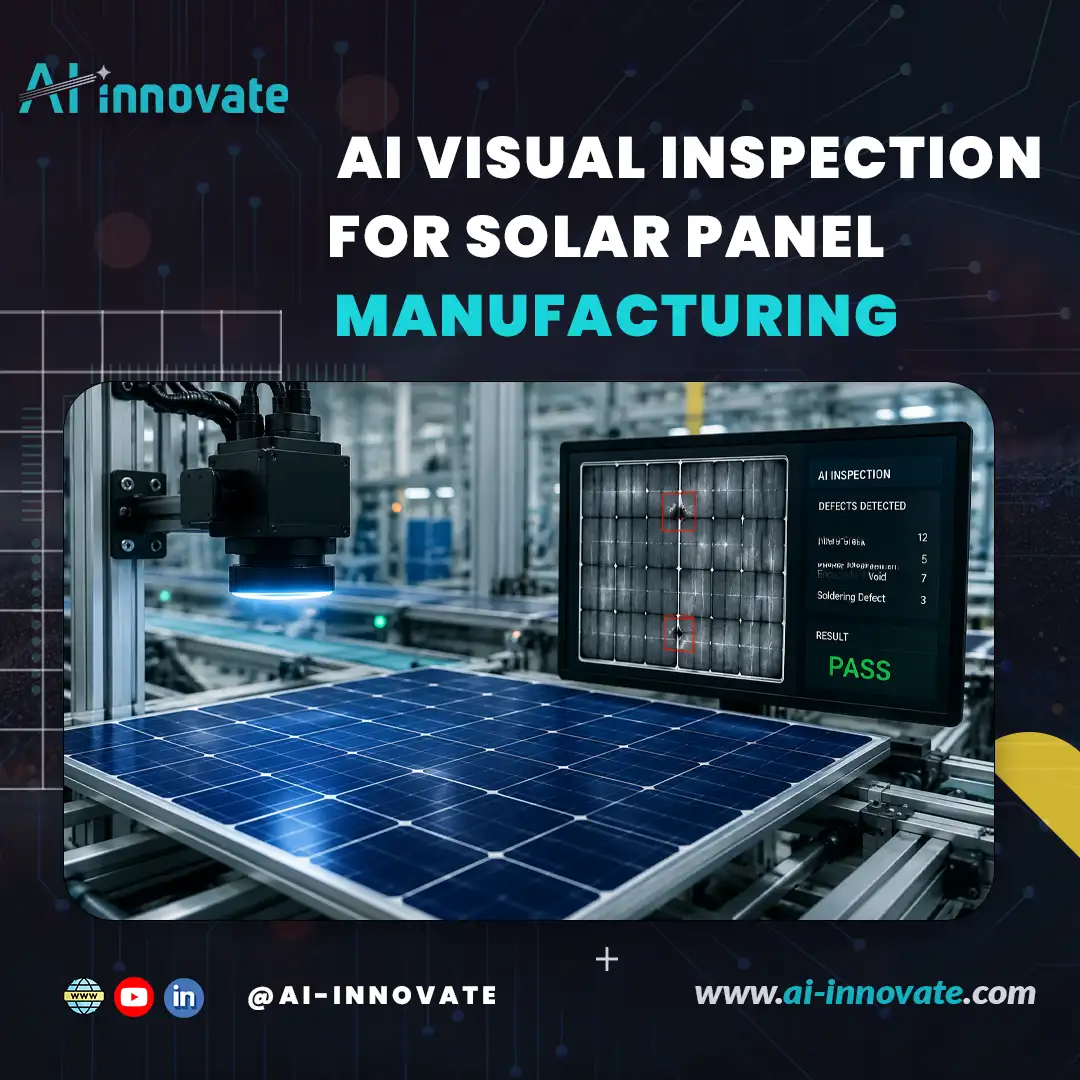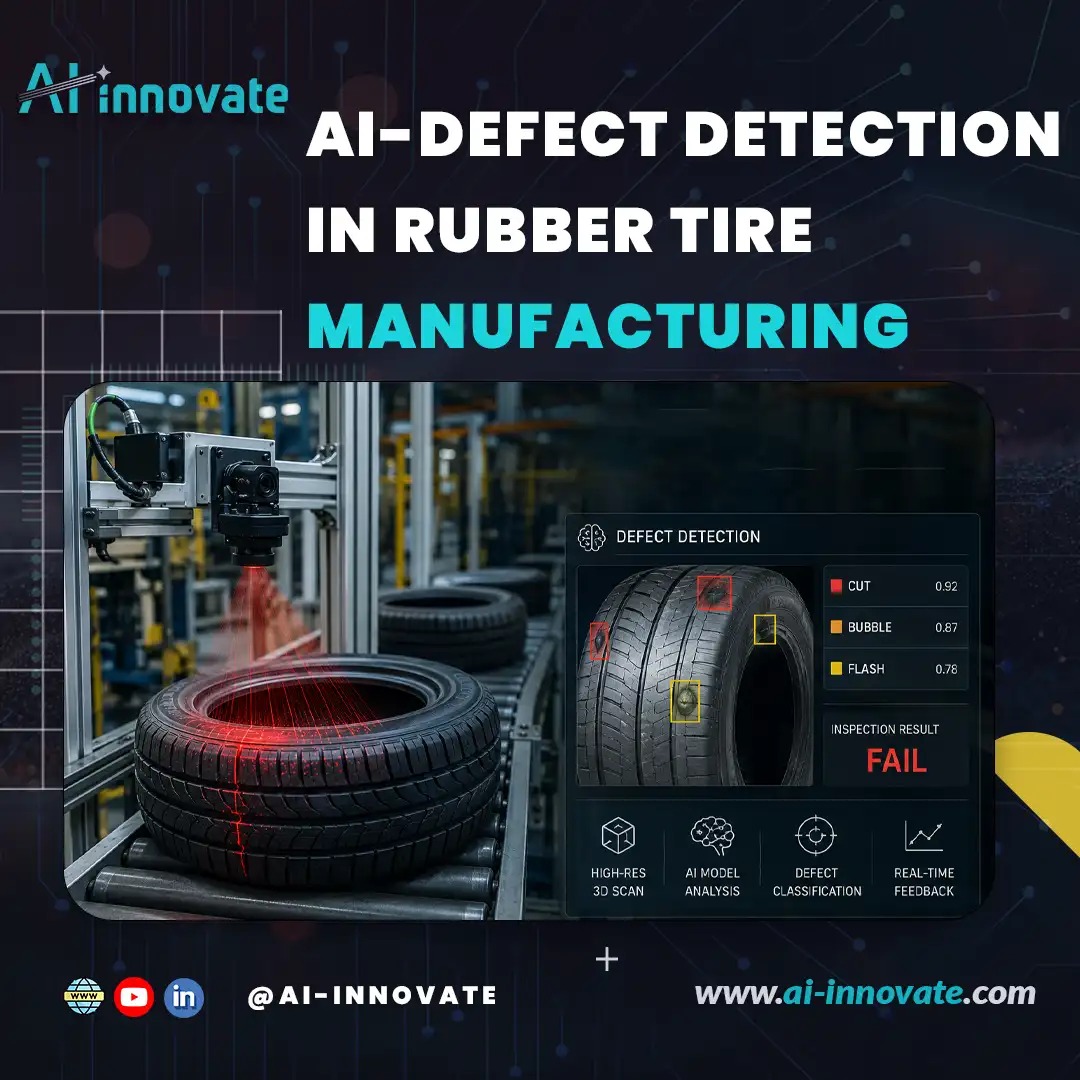





In a world of high-speed production, relying on human sight alone constitutes a significant operational risk. This challenge is precisely where Automated AI Defect Classification creates a definitive competitive edge, replacing subjective guesswork with objective, machine-driven precision. Here at AI-innovate, we engineer intelligent vision systems that confront these industrial challenges directly. This guide will walk you through the core principles of this technology, explaining how it moves quality control from a cost center to a strategic asset.

Why Traditional Inspection Methods Fail
For many years, manufacturers depended on human inspectors for quality control. While this approach has its merits, it also has inherent weaknesses. Human focus wanes over long shifts, and individual judgment can be inconsistent, which leads to unreliable results.
- Human inspection accuracy averages around 85%, which is insufficient for high-volume, competitive manufacturing operations.
- Automated optical inspection (AOI) systems were developed to address this issue. These systems use cameras and rule-based software to detect product defects. However, they lack flexibility and require 6–12 months of reprogramming for new products or unforeseen defects.
- This rigidity results in high false positive rates of up to 35%, which forces operators to manually re-verify parts. This diminishes the efficiency benefits of automation.
Overview of the shift from Manual to Automated Systems
The move from manual checks to automated quality control is a significant development in modern manufacturing. The first step was the adoption of AOI technology, which introduced greater speed and consistency. These systems could operate continuously, and by replacing manual labor for repetitive inspections, they helped reduce operational costs by as much as 20%. Still, they largely acted as simple gauges that only provide a pass or fail result, flagging an issue without offering deeper context.
The true evolution came with the integration of Artificial Intelligence. This next phase of automation introduced systems capable of both detecting and classifying a defect. Instead of just flagging a problem, AI-powered systems can identify its specific nature, such as a crack, a scratch, or a discoloration, in real time. This functionality generates much richer data, allowing engineers to diagnose the root cause of production failures and turning quality control into a proactive tool for ongoing process refinement.
Read Also : Automated Quality Control vs Manual Inspection
Advantages of AI in Enhancing Accuracy and Efficiency
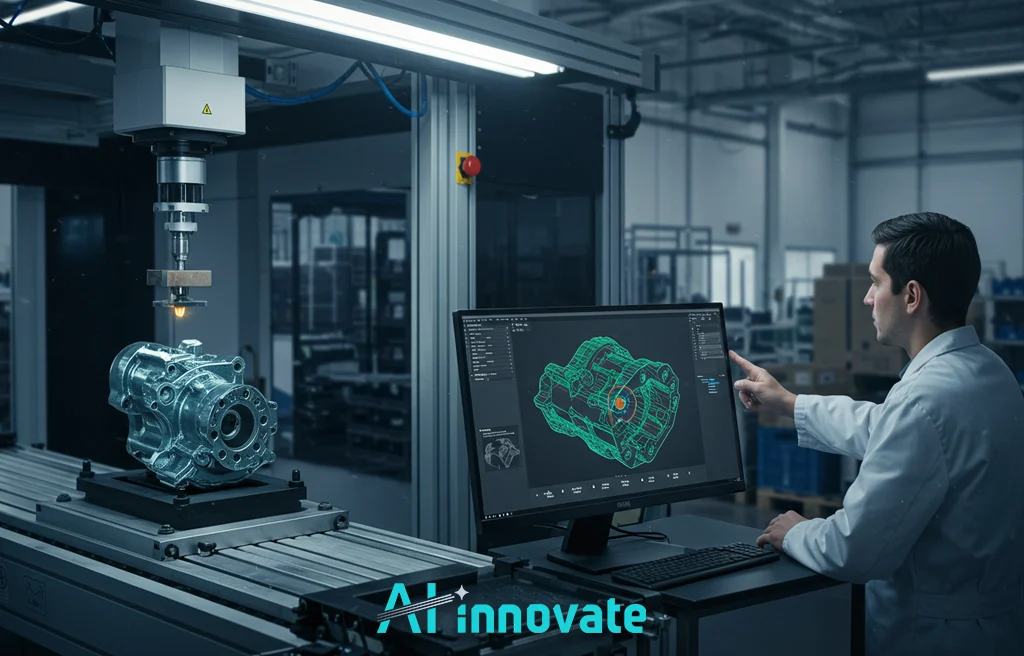
Integrating artificial intelligence into quality control provides substantial advantages that directly improve profitability. It overcomes the fundamental weaknesses of prior methods by introducing a new degree of intelligence to the manufacturing process. We have seen how this technology adds value, especially in these key areas.
- Exceptional Accuracy: AI models that use deep learning can perceive tiny defects that are nearly invisible to the human eye. This increases inspection accuracy from the 85% typical of manual work to over 98%. This sharp drop in escaped defects translates to higher-quality products and increased customer trust.
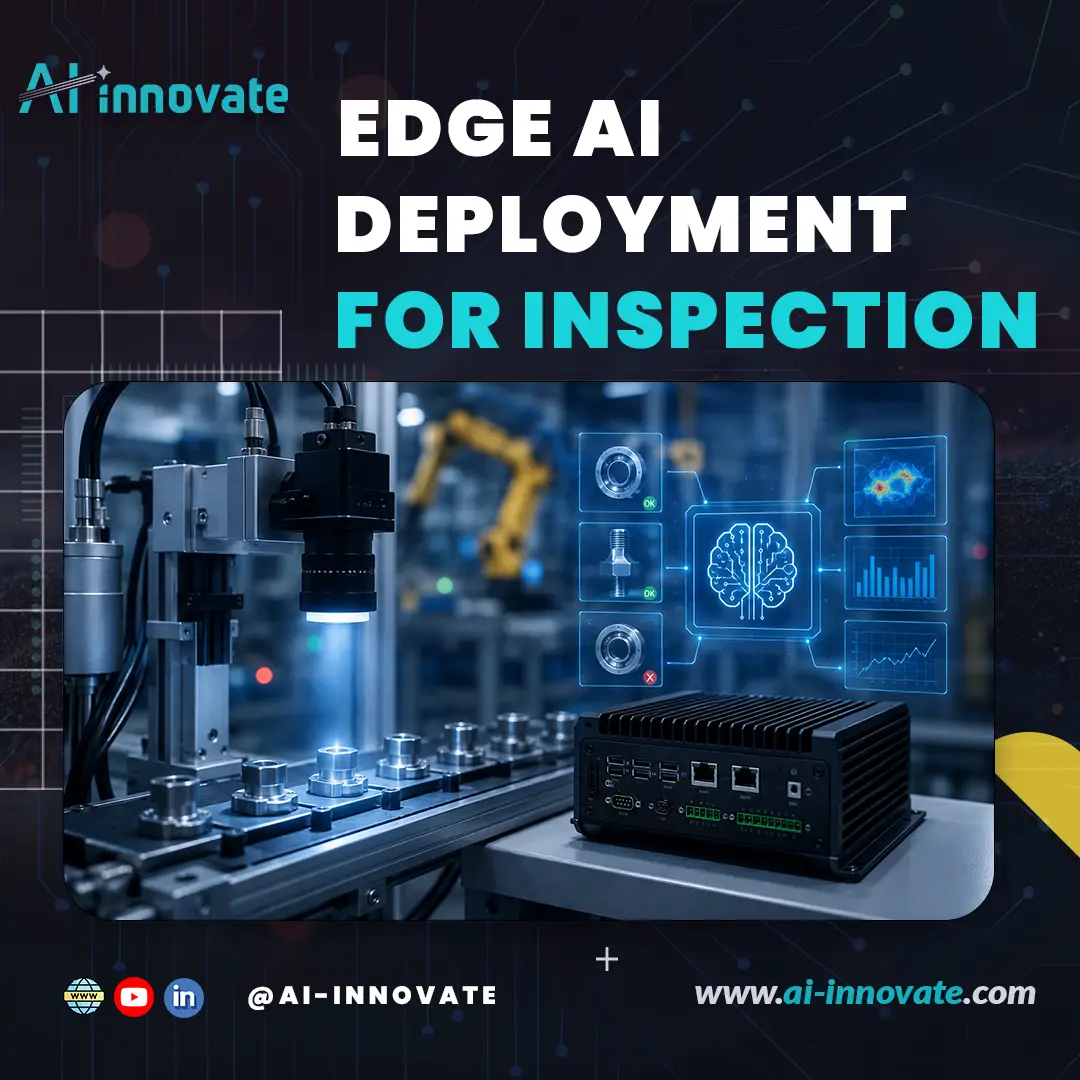
- Significant Waste Reduction: By identifying flaws at the earliest possible stage, manufacturers can greatly reduce material scrap and rework expenses. Our ai2eye system is designed specifically for this, deploying advanced AI onto the factory floor to make production smarter and more resourceful.
- Superior Speed and Scale: A single AI inspection system can examine more than 2,200 parts per hour, a rate that is physically impossible for a human team to match. This capability allows quality checks to sync with high-speed production, removing bottlenecks and improving throughput. This represents a true Automated AI Defect Classification system at scale.
How ADC Technology Works
Understanding how an AI-based defect classification system functions reveals its power. The system works through a logical sequence of hardware and software steps, converting raw visual data into useful information. It can be separated into four distinct stages that work in sequence to produce a final result.
Image Acquisition
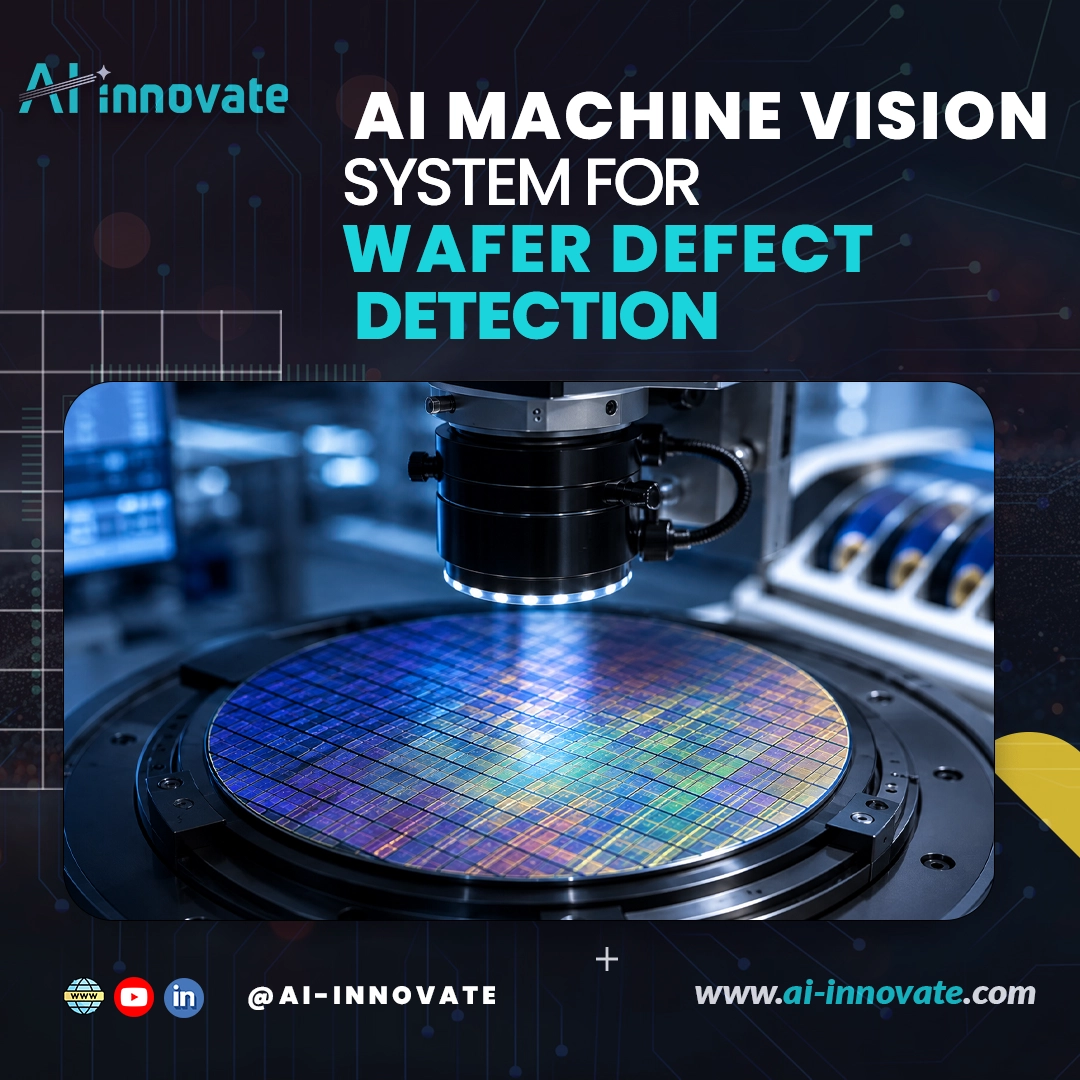
The process begins when a high-resolution industrial camera captures sharp images of each product as it passes through the inspection point. The quality of these initial images is paramount because the AI model’s performance is entirely dependent on the data it is given.
Preprocessing & Data Enhancement
Raw images from a camera feed are seldom perfect. They often include digital noise or lighting variations. In the preprocessing stage, the images are algorithmically cleaned and standardized. Methods such as filtering and contrast normalization are used to clarify the features of any potential defects, which prepares the data for analysis.
Deep Learning Analysis Engine
This stage is the system’s brain. A deep learning model, usually a Convolutional Neural Network (CNN), analyzes each prepared image. The model is first trained on a large reference dataset containing thousands of images of both good products and products with specific, labeled defects, teaching it to recognize the patterns that signal a problem.
Real-Time Defect Detection & Classification
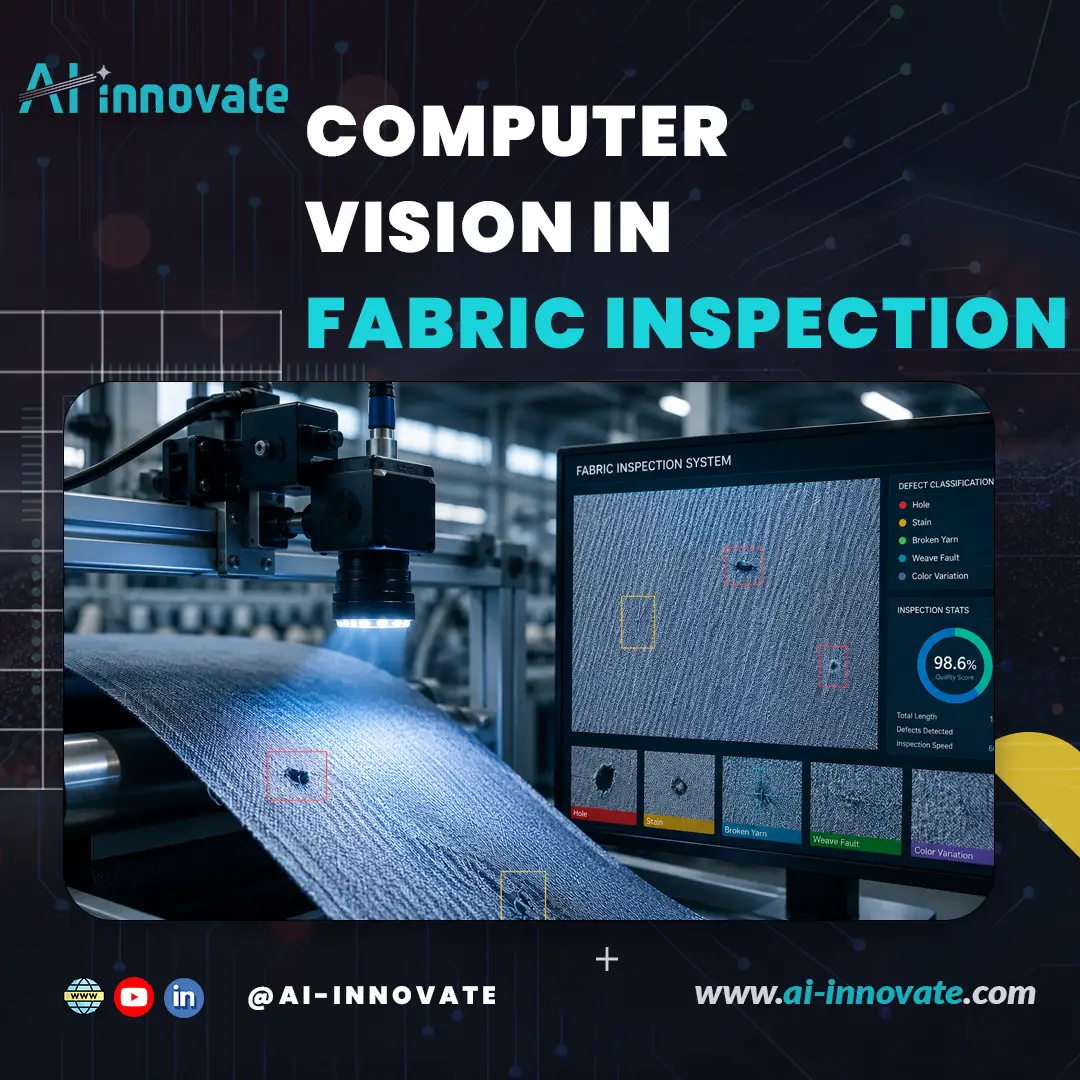
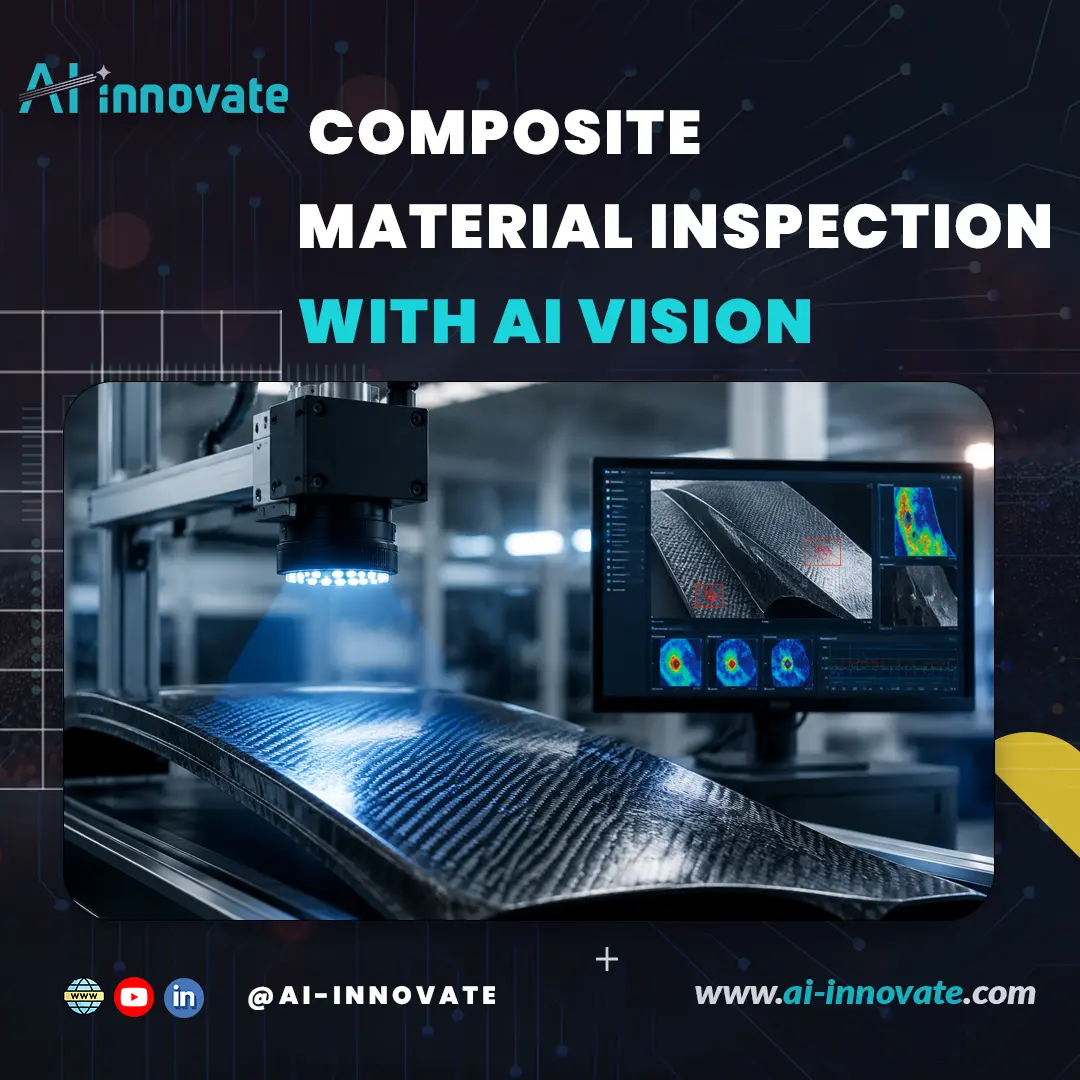
Finally, the system produces its finding. The AI engine identifies and classifies any defects in milliseconds, with some systems processing an image in just 20ms. This immediate feedback enables on-the-spot sorting and process corrections. This is Automated AI Defect Classification in action, delivering immediate and reliable results.
Computer Vision for Optical Defect Detection
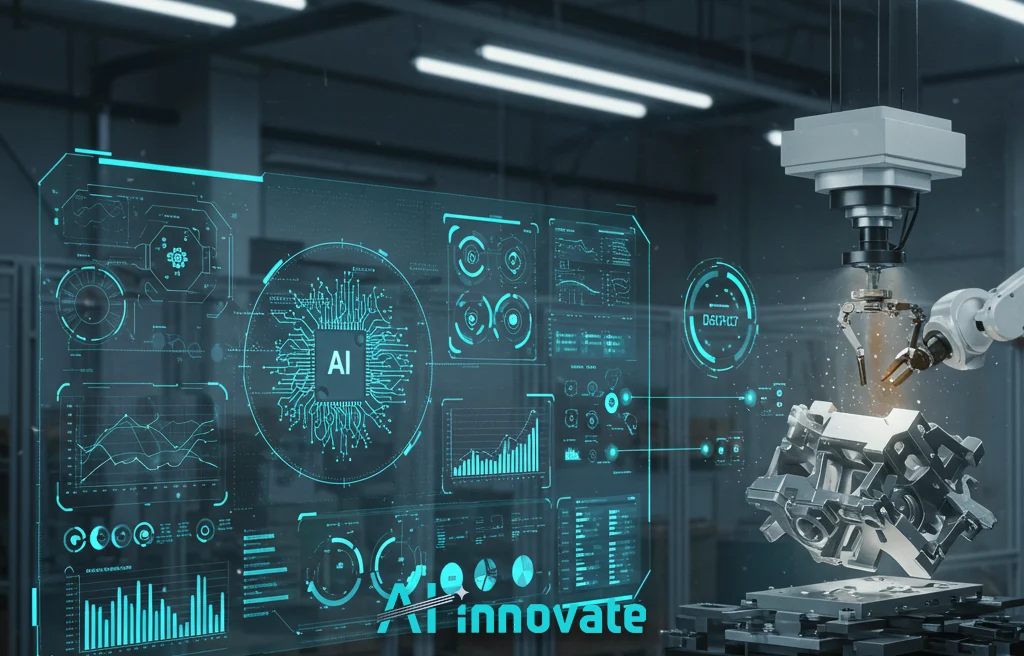
The core technology enabling these advanced inspection systems is computer vision, a branch of artificial intelligence that gives machines the ability to interpret and understand visual information. It provides the foundation for intelligent automation in manufacturing. Let’s look closer at how it operates.
What is computer vision?
Computer vision is the science of teaching computers to extract meaningful information from digital images and videos. In manufacturing, its purpose is to automate tasks that have traditionally required human sight. Instead of being programmed with inflexible rules, the system learns from visual examples, which allows it to recognize and adapt to variations.
How does it work?
The process is data-centric. An AI model is trained using a large, curated set of labeled images showing both perfect products and items with specific flaws. Through this training, the underlying neural network learns the distinct visual characteristics of each category. It then uses this acquired knowledge to make accurate predictions on new images from the production line.
Read Also : Computer Vision Applications in Industry – Smarter Output
Looking Ahead: The Future of ADC
AI-driven defect classification is an evolving field. The technology is rapidly progressing beyond simple detection and toward a more predictive and integrated role in manufacturing. We anticipate that the next five years will be defined by a shift toward predictive quality analytics, where systems will forecast and prevent defects from happening by analyzing live production data.
This move from reaction to prediction will create new opportunities for efficiency. At AI-innovate, we help accelerate this future with tools like ai2cam. This software, a virtual camera emulator, gives engineers the power to prototype machine vision applications without expensive hardware.
By shortening development timelines and facilitating remote teamwork, we give teams the freedom to innovate more effectively, which will make the benefits of Automated AI Defect Classification more accessible to all.
Conclusion
We have seen the progression from the limits of human sight to a new standard of intelligent, automated quality assurance. This shift empowers manufacturers to reach unparalleled levels of precision, minimize waste, and streamline their operations. Adopting Automated AI Defect Classification is more than a technical upgrade; it is a fundamental business decision that safeguards your brand’s commitment to excellence.
Note: Some graphics and visuals in this post were produced using AI-generated content.