Industry 5.0 is not a replacement for Industry 4.0 but its strategic evolution, shifting the focus from pure automation to nuanced human-machine collaboration. This new industrial paradigm places human ingenuity and well-being at the core of manufacturing processes, empowered by intelligent systems.
At
AI-innovate, our mission aligns with this transformation by creating practical AI tools that solve critical challenges on the factory floor. This article moves beyond general concepts to provide a technical and data-driven analysis of The Role AI in Industry 5.0, exploring its tangible impacts on operations, innovation, and the workforce.
The Human-Centric Industrial Evolution
The foundational distinction of Industry 5.0 is its deliberate pivot toward human-centricity. As defined by European policy frameworks, this approach prioritizes the worker’s well-being within the production process, using technology not to replace, but to augment human capabilities.
The goal is to create a collaborative environment where the creativity and problem-solving skills of humans are amplified by the precision and endurance of machines, achieving a “1+1>2” effect. This marks a significant paradigm shift from automation for its own sake to a more synergistic and value-driven collaboration. To clarify this evolution, the table below highlights the core differences:
| Aspect |
Industry 4.0 |
Industry 5.0 |
| Core Focus |
Automation & Efficiency |
Collaboration & Well-being |
| Primary Driver |
Technology-centric |
Human-centric |
| Objective |
Profitability |
Value, Sustainability, Resilience |
| Technology’s Role |
To replace manual tasks |
To assist and augment humans |
Read Also : Machine Learning in Industry 4.0 – Transforming Operations
Algorithmic Precision in Manufacturing
The practical execution of Industry 5.0 hinges on the seamless convergence of Information Technology (IT) and Operational Technology (OT), a process orchestrated by artificial intelligence. AI algorithms are capable of analyzing vast datasets from the factory floor in real-time, enabling a level of precision and predictive insight previously unattainable. The technical engine driving this transformation is a powerful mechanism known as the data feedback loop.

The Data Feedback Loop
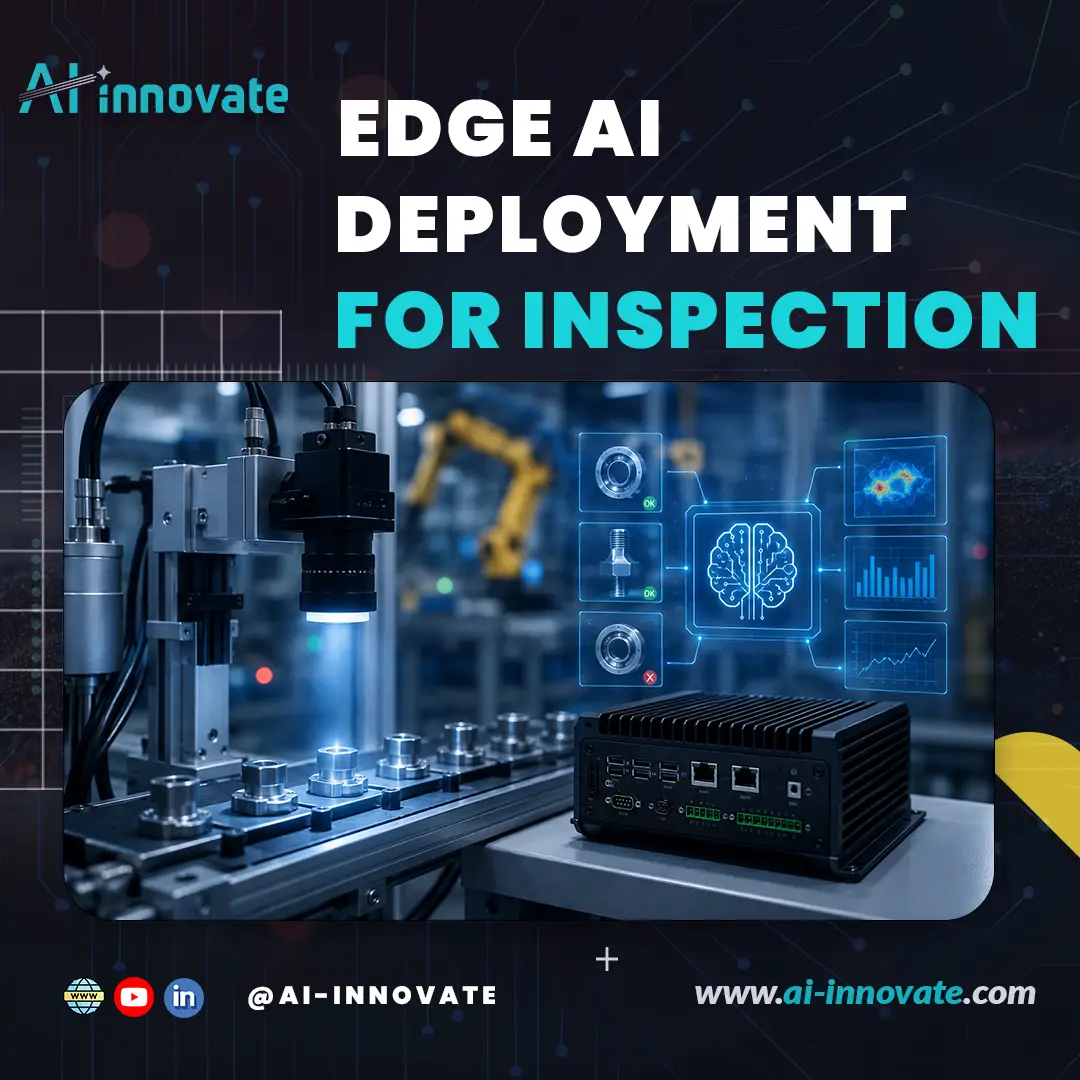
This convergence creates a powerful feedback cycle: OT systems, such as sensors and cameras on the production line, generate massive volumes of operational data. IT systems powered by our AI algorithms in the cloud or at the edge, process this data to uncover patterns and prescribe actions.
These insights are then fed back to the OT layer, allowing machinery to make autonomous, real-time adjustments. This virtuous cycle of data generation, analysis, and action is the technical cornerstone of the modern smart factory.
From Insight to Action (Key Applications)
This closed-loop system enables several critical applications that drive operational excellence. Below are some of the important ones:
- Predictive Maintenance: AI models analyze sensor data from machinery to forecast potential failures, allowing maintenance to be scheduled before a breakdown occurs, minimizing downtime.
- Supply Chain Optimization: Algorithms dynamically adjust logistics and inventory levels based on real-time production data and market demand, creating a more resilient and efficient supply chain.
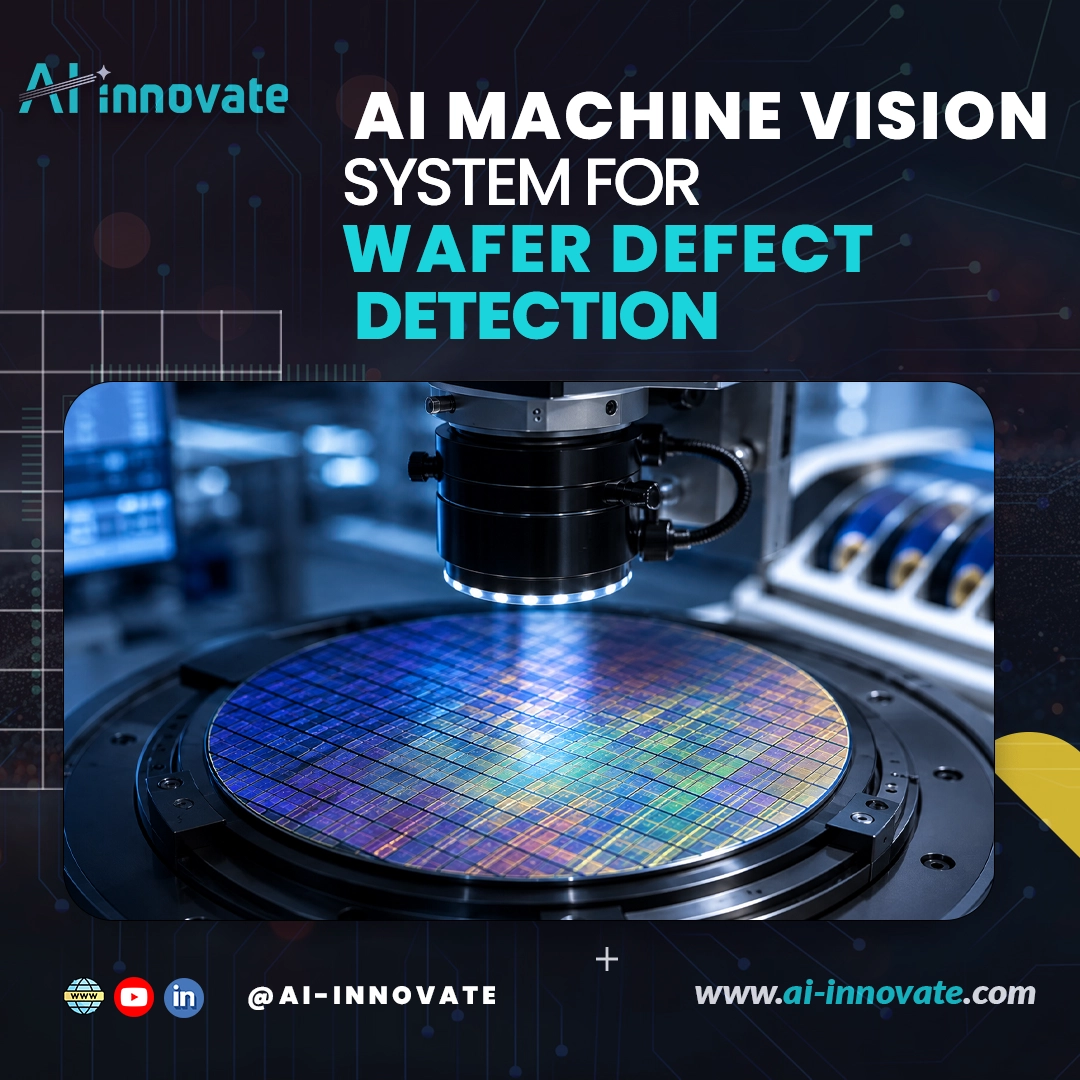
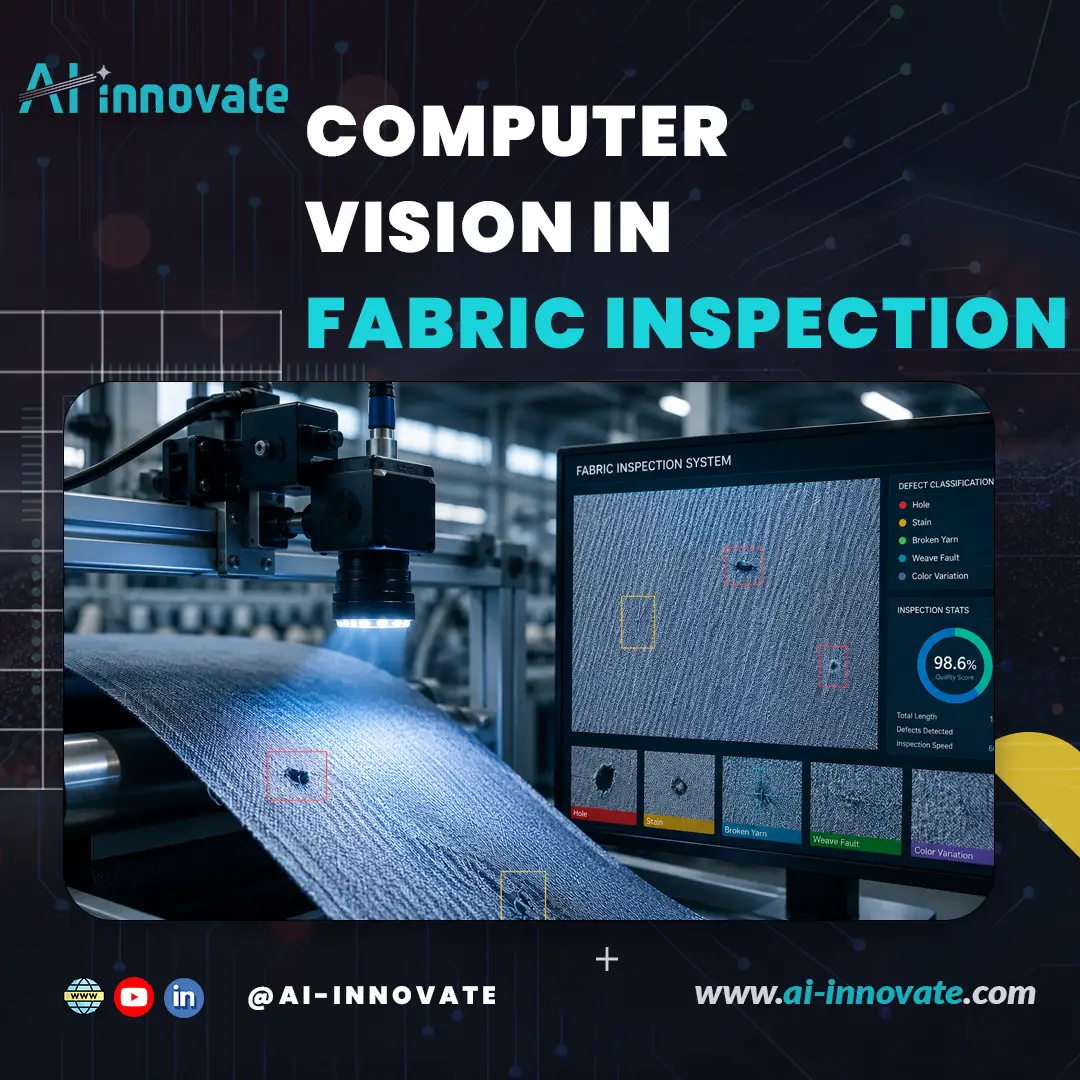
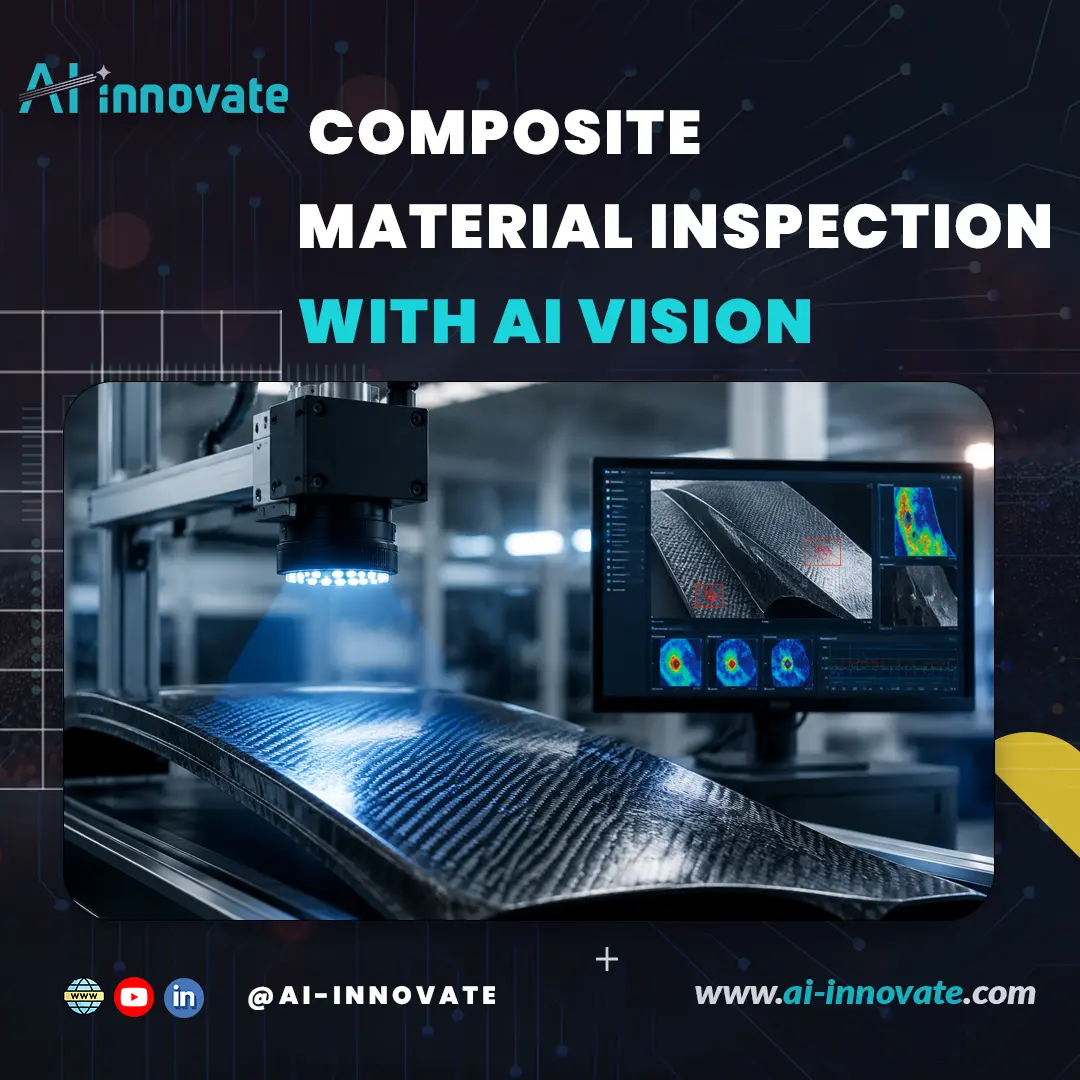
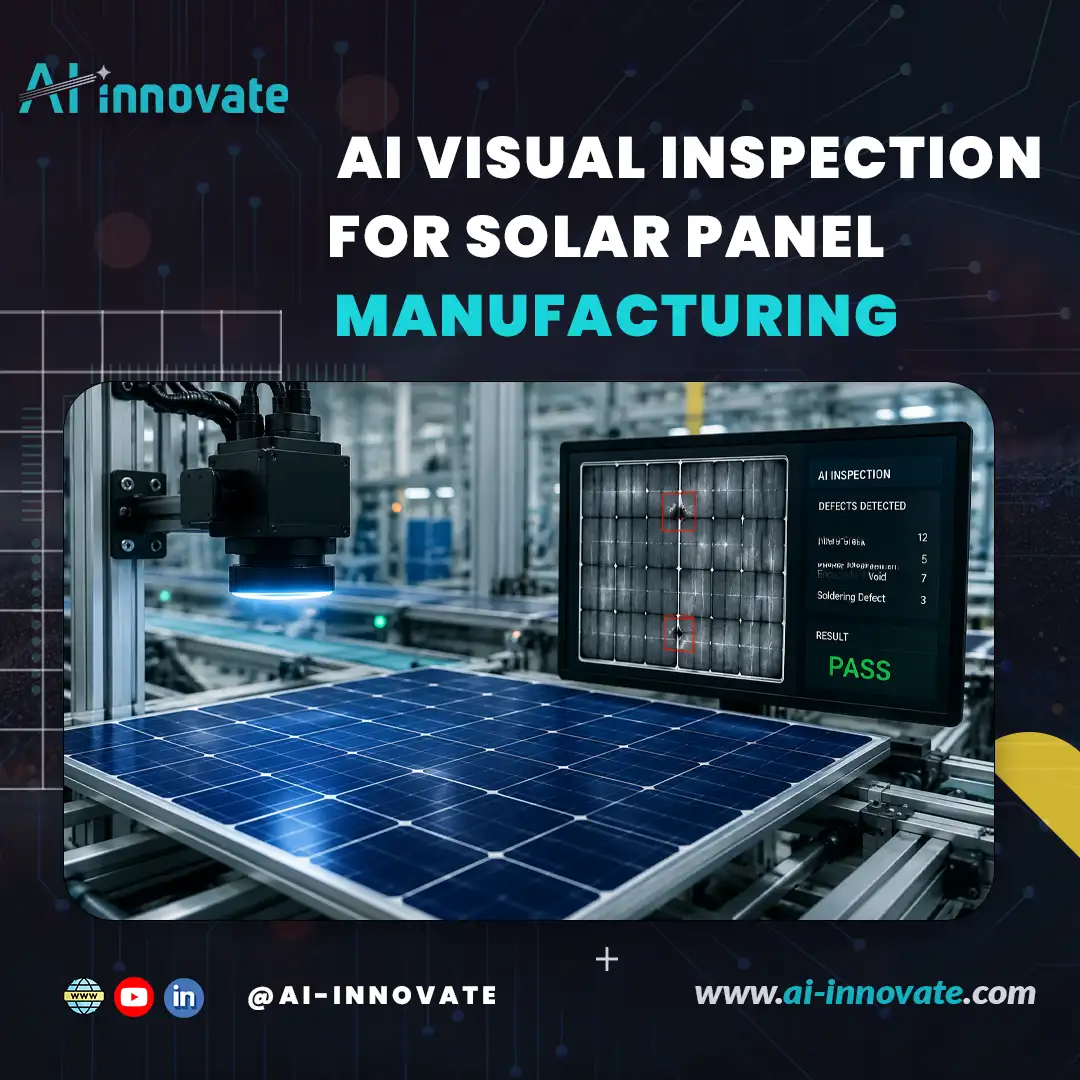
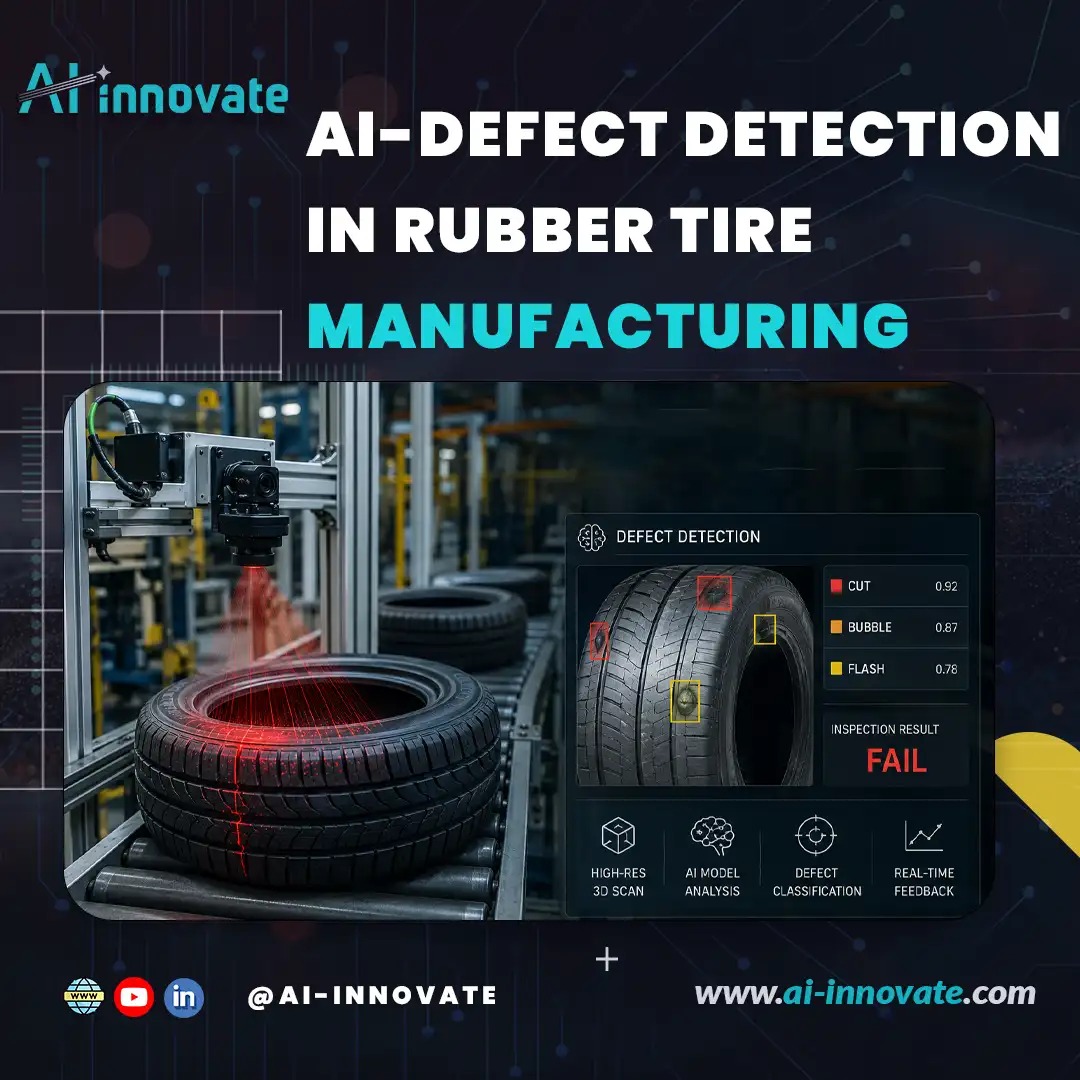
- Real-Time Quality Control: Machine vision systems powered by AI can detect microscopic deviations or surface defects on a production line—a task that requires superhuman precision and is central to our work with tools like AI2Eye.
Quantifying AI’s Industrial Impact
For industrial leaders, the value of Industry 5.0 must be reflected in measurable outcomes. The adoption of AI-driven collaborative systems is not a theoretical exercise; it delivers substantial and quantifiable returns on investment.
The financial and operational gains are clearly documented in recent industry analyses, painting a clear picture for strategic decision-making. Here are some of the key metrics that demonstrate this impact:
| Metric |
Recorded Impact |
| Reduction in Production Downtime |
30% – 50% |
| Reduction in Quality-Related Costs |
10% – 20% |
| Improved Operational Efficiency |
82% of companies report significant improvement |
| Market Growth Projection (CAGR) |
Over 31.5% annually through 2032 |
Turning Data into Dividends
The figures presented above are not merely abstract statistics; they represent tangible solutions to persistent operational challenges. For context, a survey involving over 300 manufacturing specialists revealed that one-third of them contend with significant operational delays multiple times per week.
Therefore, a 30-50% reduction in downtime isn’t just an efficiency gain, it’s a fundamental solution to a chronic industry bottleneck. Similarly, the 10-20% drop in quality-related costs is a direct result of enhanced algorithmic precision, with other industry reports confirming that 76% of companies implementing AI-powered inspection achieve superior accuracy.
This ground-level operational impact is what fuels the massive market growth, with multiple analysts projecting the smart manufacturing sector to soar past $990 billion by 2032, cementing its role as a primary driver of economic value.
Simulating Reality with Generative AI
Beyond optimization, AI is a powerful catalyst for innovation, particularly through the use of Generative AI to enhance Digital Twins. A Digital Twin is a virtual replica of a physical system, but its effectiveness depends on the quality of data used.
This is where Generative AI provides a breakthrough, creating vast amounts of realistic synthetic data to simulate complex scenarios without needing physical hardware. For developers and ML engineers, this means perfecting algorithms before they encounter a single physical product. This capacity for advanced simulation defines The Role AI in Industry 5.0 as an accelerator of innovation.
Accelerated Prototyping
Developers can test machine vision models under thousands of simulated conditions—different lighting, angles, and camera models—drastically reducing the development lifecycle. Our AI2Cam emulator is built on this very principle, offering a virtual environment for rapid iteration.
De-risking Innovation
By testing new processes or quality control algorithms in a risk-free virtual space, companies can identify potential flaws and optimize solutions before committing to expensive capital investments, ensuring a higher probability of success.
Navigating the New Labor Landscape
A primary concern for any industrial transformation is its effect on the workforce. The narrative of automation often centers on job displacement, but data suggests a more complex reality of job evolution.
The shift toward a collaborative, AI-integrated workplace redefines roles rather than simply eliminating them, placing a premium on new skills. A 2020 World Economic Forum report projected that while automation might displace 85 million jobs by 2025, it is also expected to create 97 million new roles across 26 countries.
This transition necessitates a focus on upskilling and reskilling employees to manage, interpret, and work alongside intelligent systems. The future factory floor requires a workforce adept at human-AI teaming, where technology handles repetitive analysis, and humans apply critical thinking and strategic oversight.
From Theory to the Factory Floor
Bridging the gap from strategic vision to tangible results requires specialized tools designed for the challenges of Industry 5.0. Translating concepts like real-time quality control and virtual prototyping into operational reality is precisely where we focus our expertise.
Our solutions directly embody The Role AI in Industry 5.0 by delivering practical, intelligent tools tailored to the needs of both industrial leaders and technical developers. For Operations Directors and QA Managers grappling with the high costs of manual inspection, our AI2Eye system offers a powerful solution.
It leverages machine vision to automate defect detection with unparalleled accuracy, reducing waste and boosting efficiency in industries from textiles to metals. For Machine Learning Engineers and R&D Specialists facing hardware-related project delays, our
AI2Cam camera emulator provides an essential software tool.
It eliminates the reliance on physical cameras for testing, enabling faster prototyping and remote collaboration. To explore how these solutions can be integrated into your operations, we invite you to connect with our specialists.
Conclusion
The transition to Industry 5.0 represents a move toward a more resilient, sustainable, and human-centric industrial model. Embracing this transformation is no longer a choice but a strategic imperative for competitive advantage. For industry leaders, The Role AI in Industry 5.0 is about fundamentally reshaping our industrial future to be more intelligent, collaborative, and prepared for the challenges ahead.
Note: Some graphics and visuals in this post were produced using AI-generated content.