




For a long time, people have accepted a “good enough” yield as a cost of doing business that can’t be avoided. This is now the biggest obstacle to achieving maximum performance and profit. At AI-innovate, we challenge this outdated mindset by providing AI tools that make near-perfect efficiency an achievable reality, not just an aspiration. The hidden costs of acceptable waste are shocking.
This Blog post gives you a clear plan for achieving ambitious goals in Yield improvement in manufacturing. It empowers you to move beyond old limitations and redefine what’s possible for your production line.

What “Yield” Means Today?
For decades, “yield” was a simple metric, defined as the ratio of usable products to the total number of units that began the production process. However, this simple definition can be misleading. For example, a final yield of 98% might seem impressive, but it could obscure critical inefficiencies if a large portion of the products required costly rework to meet quality standards.
Modern manufacturing demands a more sophisticated understanding. That’s why industry leaders now focus on more granular metrics that reveal the true health of the production line. Here are a couple of key concepts:
- First Time Yield (FTY): This measures the percentage of products that pass a specific process step perfectly the first time, without any need for rework or scrap. It provides a transparent view of a single stage’s efficiency.
- Rolled Throughput Yield (RTY): This is the probability that a unit will pass through all process steps without a single defect. Calculated by multiplying the FTY of each step, RTY offers an honest, cumulative view of the entire line’s quality performance, highlighting the compound impact of small, recurring issues.
What Is Manufacturing Yield?
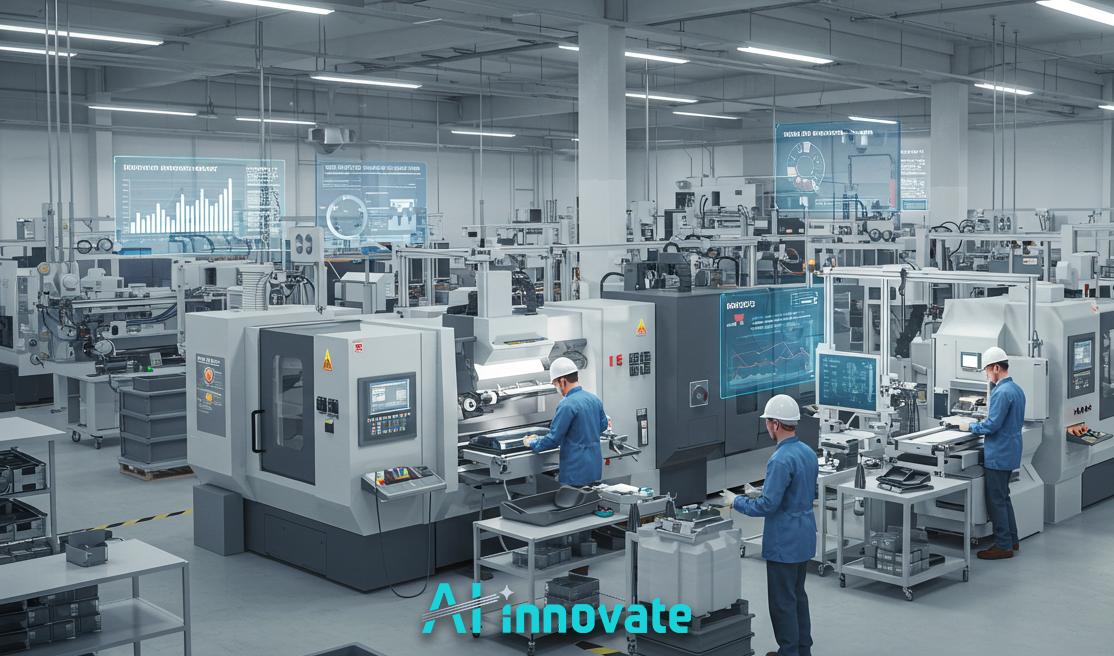
Manufacturing yield is a key performance indicator (KPI). It measures the percentage of products that are made correctly the first time. These products meet quality standards. They do not require rework, repair, or rejection. It shows how efficiently a manufacturing process converts raw materials into finished products that are ready for delivery to customers.
Manufacturing yield is calculated by comparing the number of acceptable products with the total number of units produced. A higher yield shows that production processes are stable, consistent, and efficient. It also shows that materials are used efficiently and that manufacturing costs are lower. Many industries, like the automotive, electronics, food and beverage, pharmaceuticals, plastics, semiconductor manufacturing, and medical device production industries, depend on yield as one of the most important ways to measure how well they are doing.
Improving manufacturing yield helps reduce scrap, minimize rework, increase production efficiency, lower operating costs, and improve customer satisfaction. Modern manufacturers use a combination of AI-powered quality control, machine vision, predictive analytics, Industrial IoT (IIoT), and real-time process monitoring to identify quality issues before they affect production.
Key Drivers of Yield Loss in 2025
As production environments become more complex, the factors contributing to yield loss evolve as well. While traditional issues like machine wear and tear persist, new challenges in 2025 are driven by speed and data.
- Inconsistent Machine Performance
Small variations in machine efficiency can lead to defects, impacting yield and requiring rework. - Deviations in Raw Material Quality
Even slight quality issues in raw materials can affect the final product, causing waste and inefficiency. - Human Error in Manual Assembly
Mistakes in manual stages of production can result in defects and lower yield. - Shortening Product Lifecycles & Customization Demands
As product lifecycles shorten and customization increases, inefficiencies become more costly, leading to waste. - Increased Pressure from Speed and Data
The growing need for faster production and data management requires a shift to proactive, predictive control to prevent yield loss before it happens.
How to Calculate Production Yield
Production yield helps measure how efficiently a manufacturing process produces quality items. The basic formula is:
Production Yield = (Number of Conforming Units / Total Units Started) × 100%
For example, imagine a metal sheet manufacturing plant that starts with 1,000 metal sheets. After processing, 950 of them meet the quality standards. The yield would be 95%, indicating good production efficiency.
To understand the process better, Rolled Throughput Yield (RTY) tracks performance at each step. For example:
- Step 1 (cutting the sheets): 90% yield
- Step 2 (shaping the sheets): 85% yield
- Step 3 (finishing the edges): 98% yield
- The RTY would be 0.90 × 0.85 × 0.98 = 0.799, or 79.9%. Despite the high final yield, a lower RTY shows hidden inefficiencies, like cutting or shaping issues, which reduce overall profitability.
How to Improve Yield in Manufacturing
Moving from simply measuring yield to actively improving it requires a paradigm shift. Instead of relying on manual inspection and after-the-fact analysis, leading manufacturers are adopting AI-driven technologies to create intelligent, self-correcting systems. At AI-innovate, we build the tools that make this transition possible. Let’s explore some of the most effective strategies that leverage AI to elevate production outcomes.
Read Also : AI Use Cases in Manufacturing – Turn Data into Power
Managing Defect Density with AI
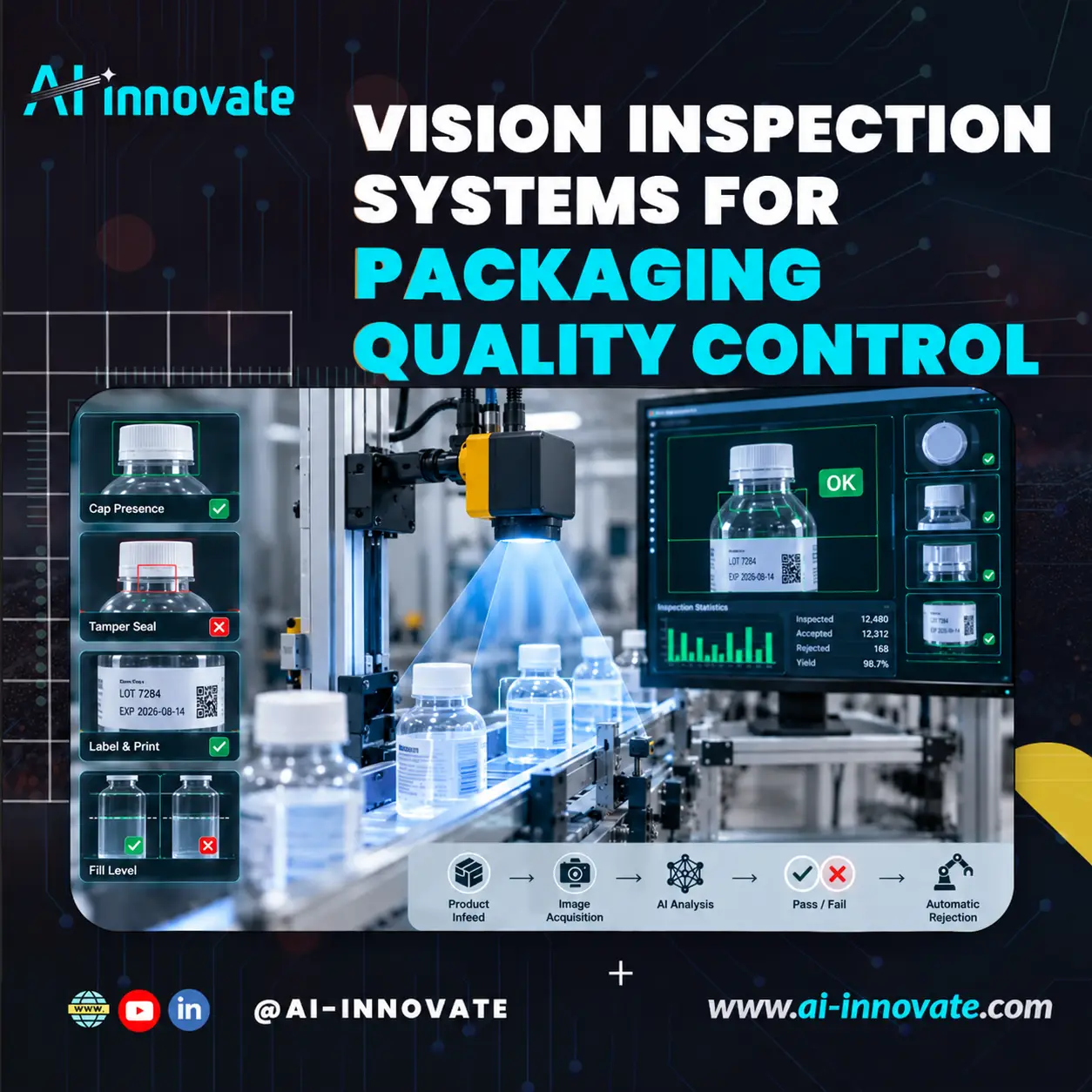
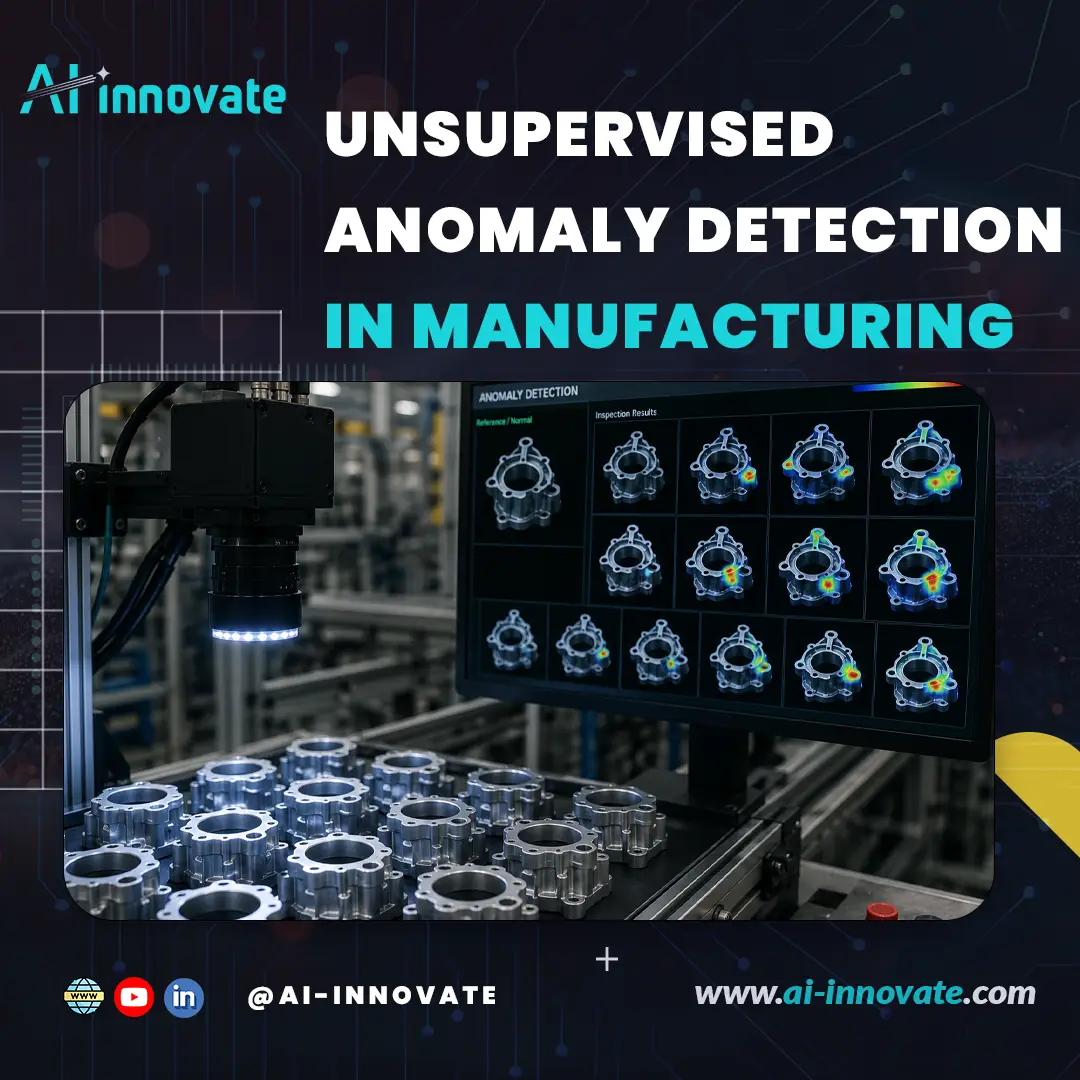
One of the fastest ways to improve yield is to detect defects as soon as they occur. AI-powered automated optical inspection (AOI) systems are revolutionizing this field. Unlike human inspectors, who are prone to fatigue, these systems can analyze 100% of products with superhuman accuracy.
Some AI systems, for example, have been shown to improve AI defect detection rates by up to 90% compared to manual checks. Our AI2Eye system is a prime example of this technology in action.
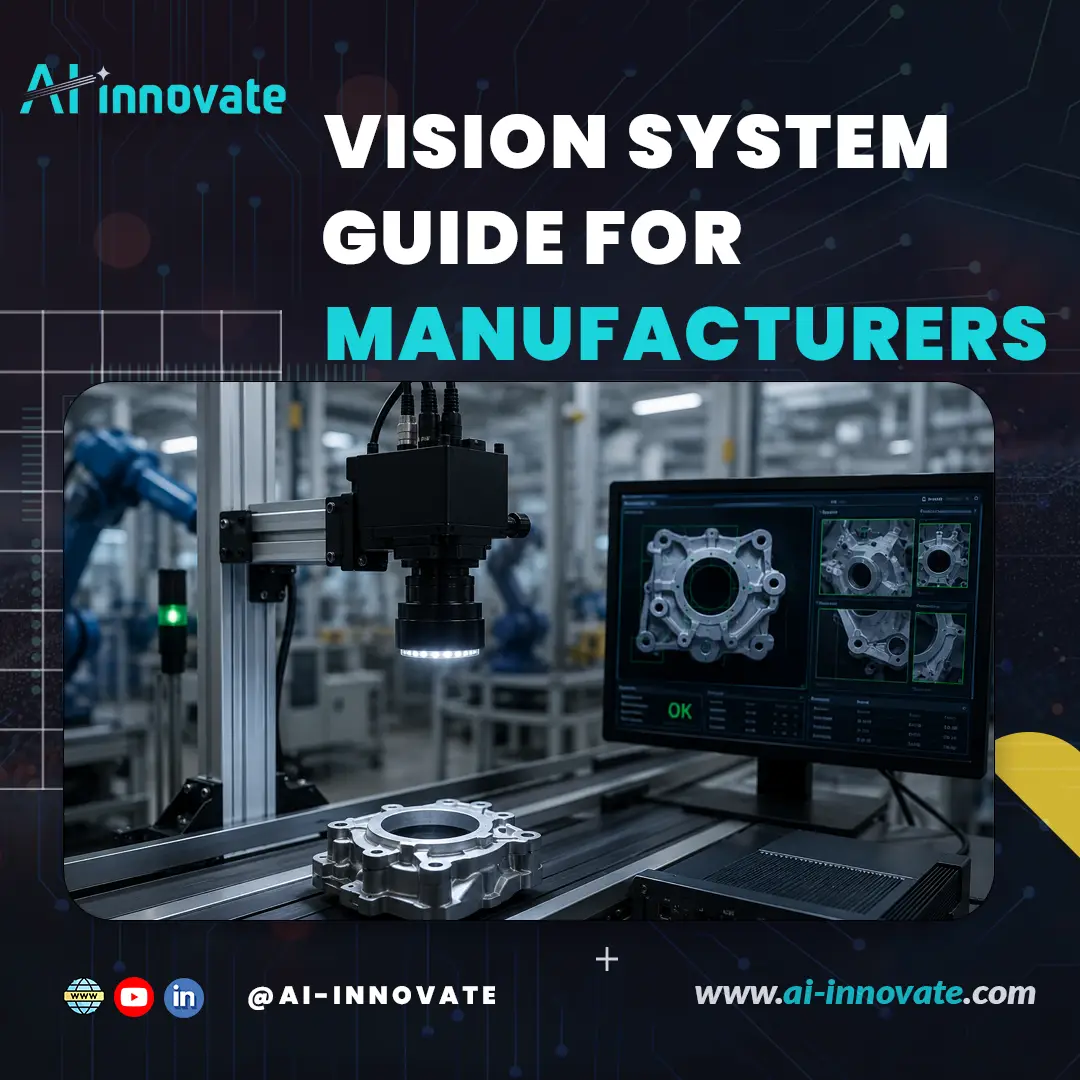
It acts as a set of tireless, superpowered eyes on your production line, identifying subtle surface defects and imperfections in real time. By identifying flaws early on, AI2Eye significantly reduces scrap material and ensures that only high-quality products proceed to the next stage.
Reducing Process Variability
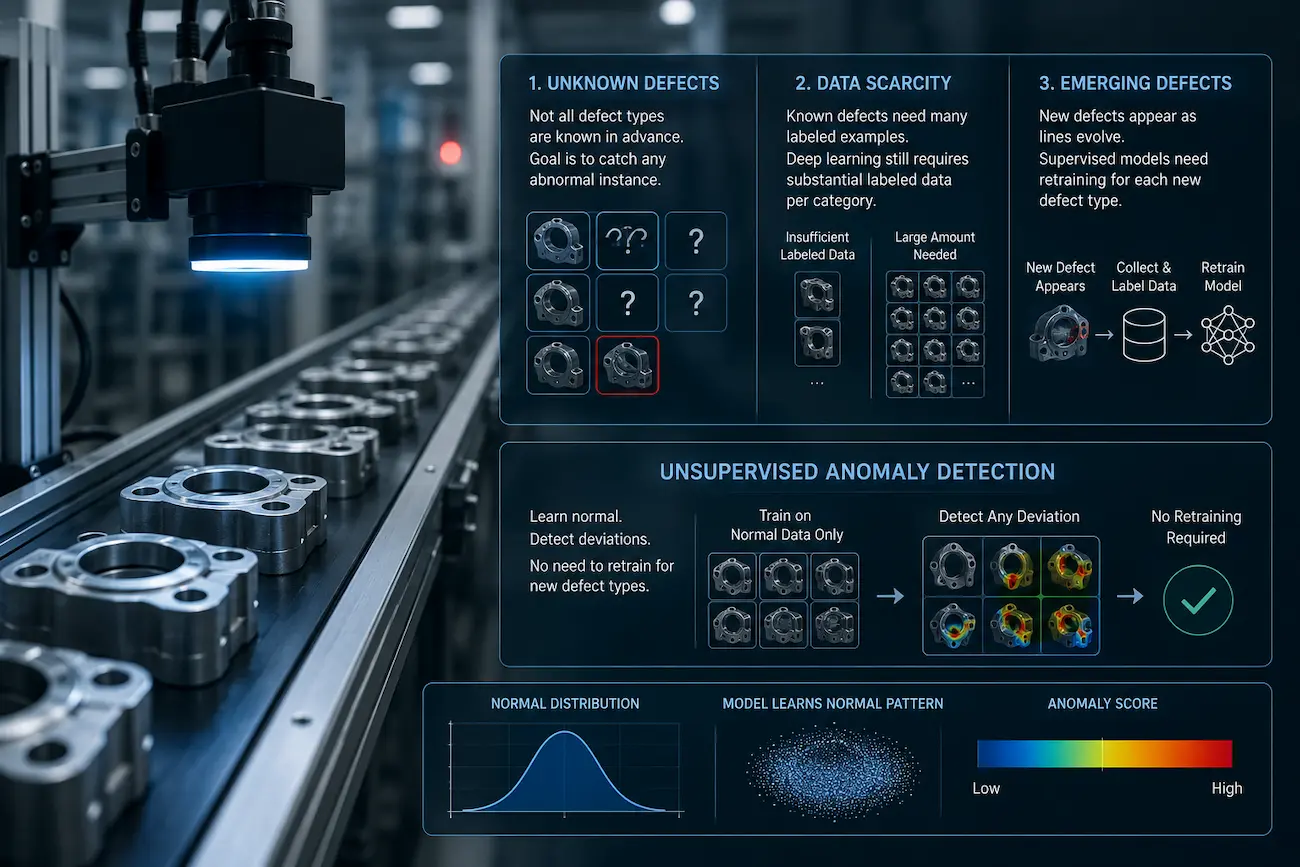
Yield loss is often caused by small, invisible deviations from optimal process parameters. AI excels at identifying these patterns in large amounts of sensor data. AI algorithms can monitor operations in real time by creating a “digital twin,” or a virtual replica of the production process. This allows them to detect and correct minuscule variations before they result in a defective product.
This constant, automated oversight stabilizes the production environment, ensuring consistent, high-quality output. This level of proactive control is what truly yields improvement in manufacturing.
Implementing AI-Driven Real-Time Feedback Loops
The most advanced manufacturing systems don’t just find problems; they learn from them. An AI-driven feedback loop is a continuous cycle of improvement. When a system like our AI2Eye detects a new type of defect, it doesn’t just flag it. This is where Defect Detection in Manufacturing is important. It helps systems find problems early in the process.
The data is analyzed right away to find the main problem in the production line. This information helps the system suggest ways to improve the production line. It’s a change from predictive maintenance to a factory that can optimize itself.
2025 Manufacturing Pressures
The pressure to innovate is growing, especially since the industrial AI market is expected to surge. Manufacturers must develop and deploy new technologies faster than ever before. A major bottleneck in this process is the development and testing of machine vision applications, which have traditionally required expensive and inflexible physical camera hardware. This challenge is further complicated by the growing demand for higher-quality outputs and faster production times.
To address these challenges, we developed AI2Cam, a camera emulator designed to streamline the prototyping and testing processes. AI2Cam allows developers and R&D teams to simulate any camera model, lighting condition, or production scenario, thereby accelerating development cycles and reducing hardware costs. AI2Cam also supports AI-driven quality control, enhancing product quality and enabling remote collaboration for global teams.
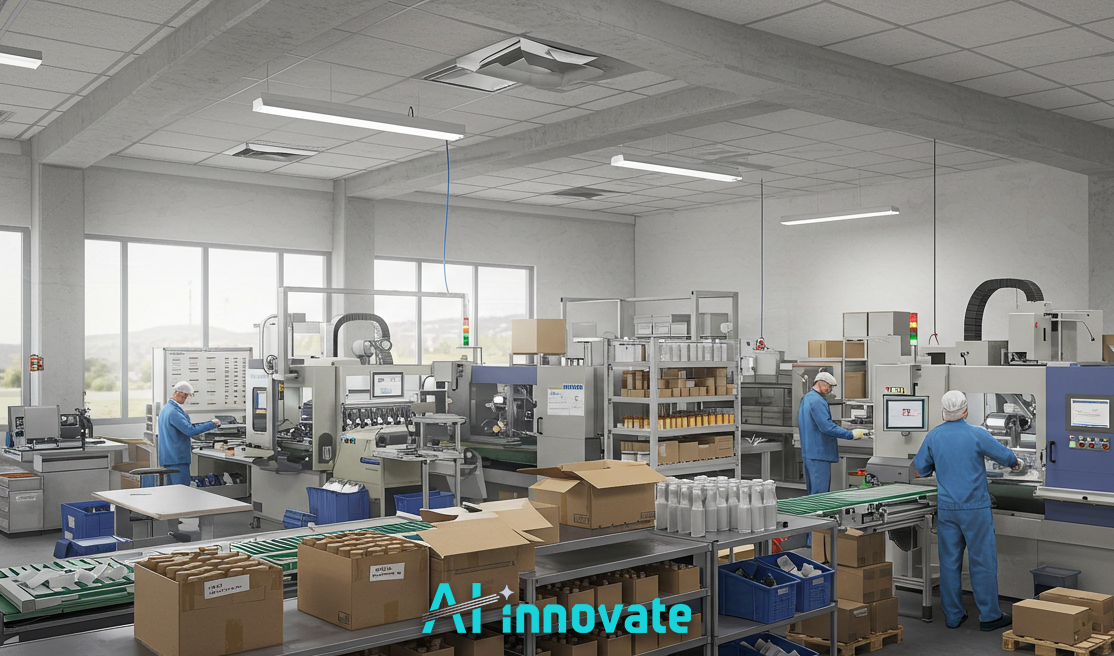
Examples of yield improvement in production
The theoretical benefits of AI are compelling, but real-world results are what truly matter. The data speaks for itself across multiple industries. Consider these documented successes:
- A leading pharmaceutical company implemented an AI solution and increased its annual product yield by 1.5%, which translated to a value creation of over $10 million per year.
- In the highly precise world of electronics, technology giant Micron used AI to analyze its vast datasets (30 terabytes daily) and achieved a 22% reduction in scrap material.
- One semiconductor factory was able to maintain a stable and impressive 95% yield by deploying an AI vision platform to monitor its manual assembly processes, catching human errors before they became defects.
Conclusion
The path to a zero-defect, high-efficiency manufacturing facility has become clear, thanks to intelligent tools. We’ve entered a new era of manufacturing, where we leverage yield metrics like RTY and apply AI for real-time control. Technologies like AI2Eye and AI2Cam are transforming smart factory solutions and how production lines operate, enabling faster innovation and more efficient development. Embracing continuous yield improvement is essential for building an agile, resilient enterprise prepared to lead the way into the next industrial age.
Note: Some graphics and visuals in this post were produced using AI-generated content.