





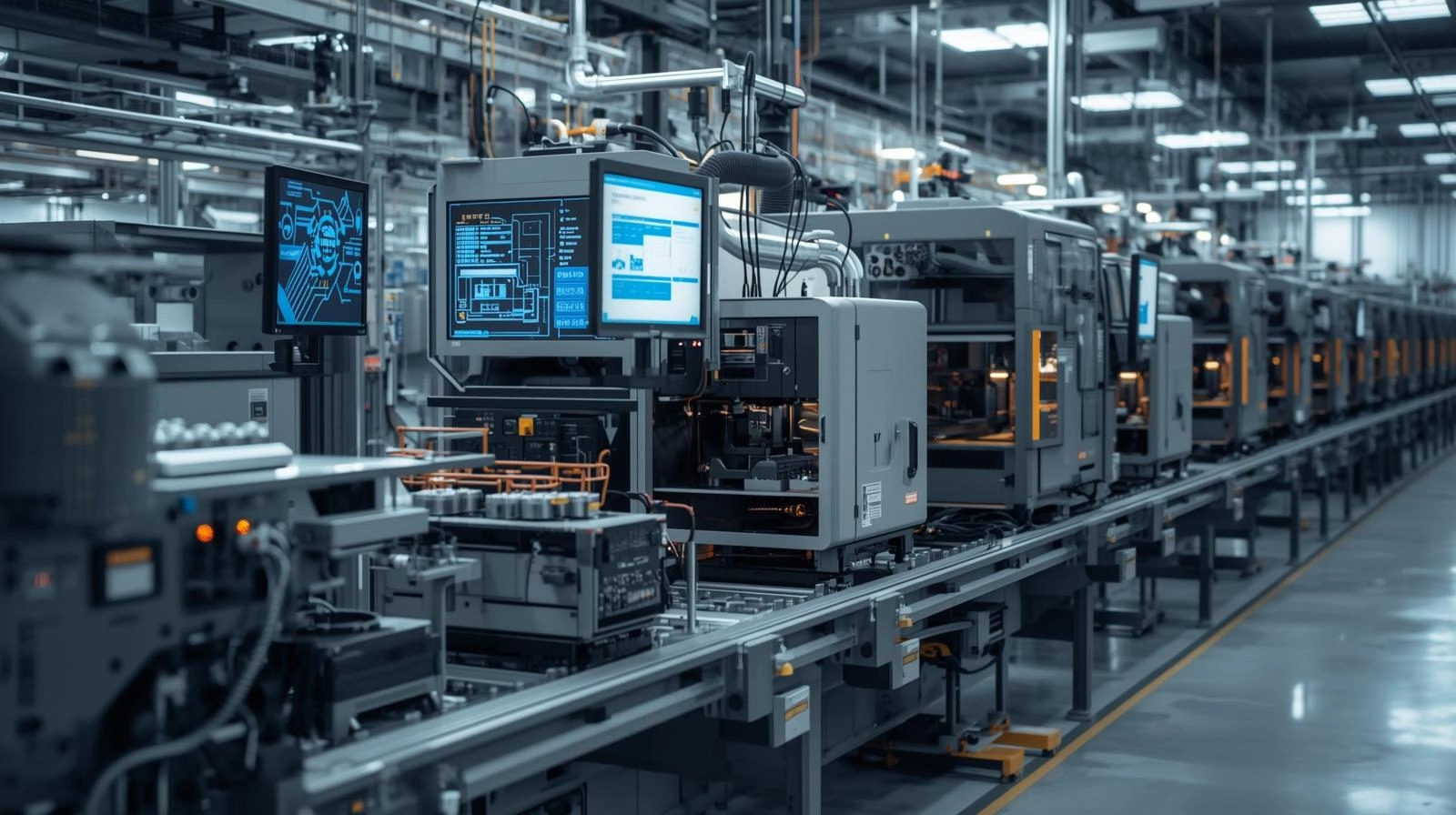
Real-time AI inspection to catch defects faster and maintain uncompromising quality.


AI defect detection is an automated quality inspection technology that uses artificial intelligence, computer vision, and machine learning to identify product defects during manufacturing. Unlike traditional inspection methods, AI-powered systems can analyze visual data in real time, detect complex defect patterns, and adapt to production variations.
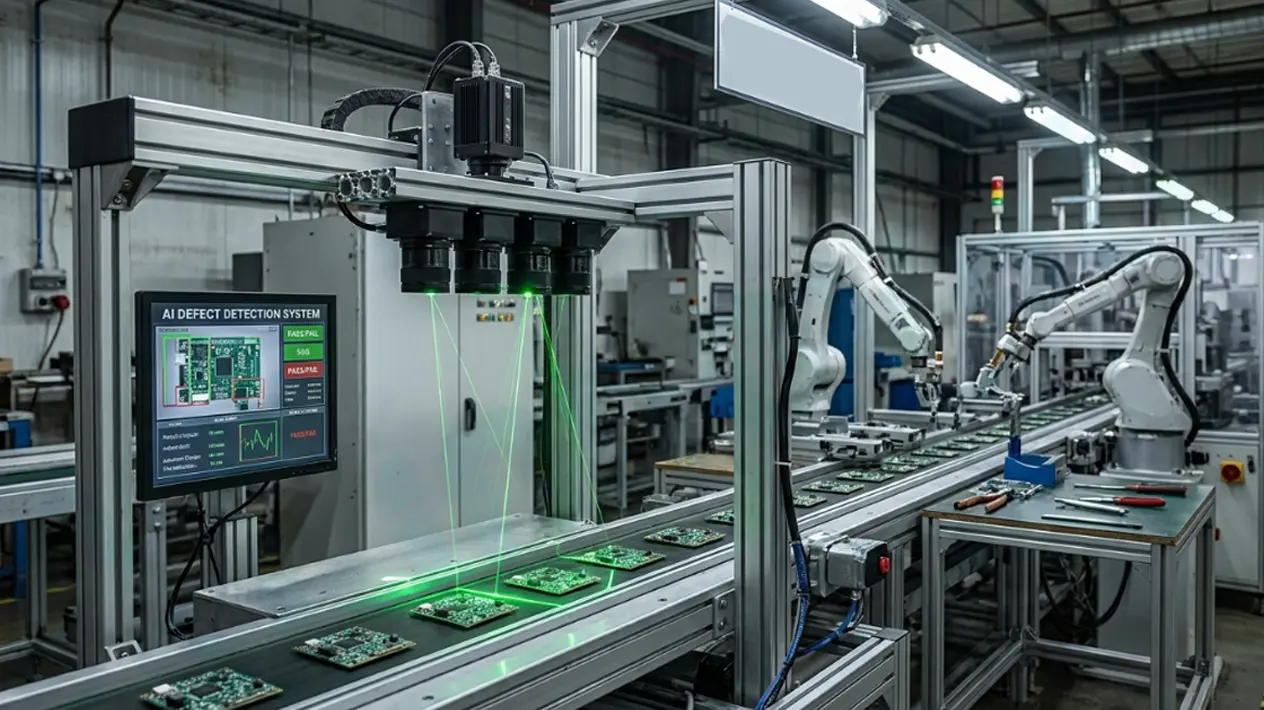
By integrating industrial cameras and AI models, AI defect detection helps manufacturers improve quality control, reduce scrap, and automate visual inspection processes across modern production lines.
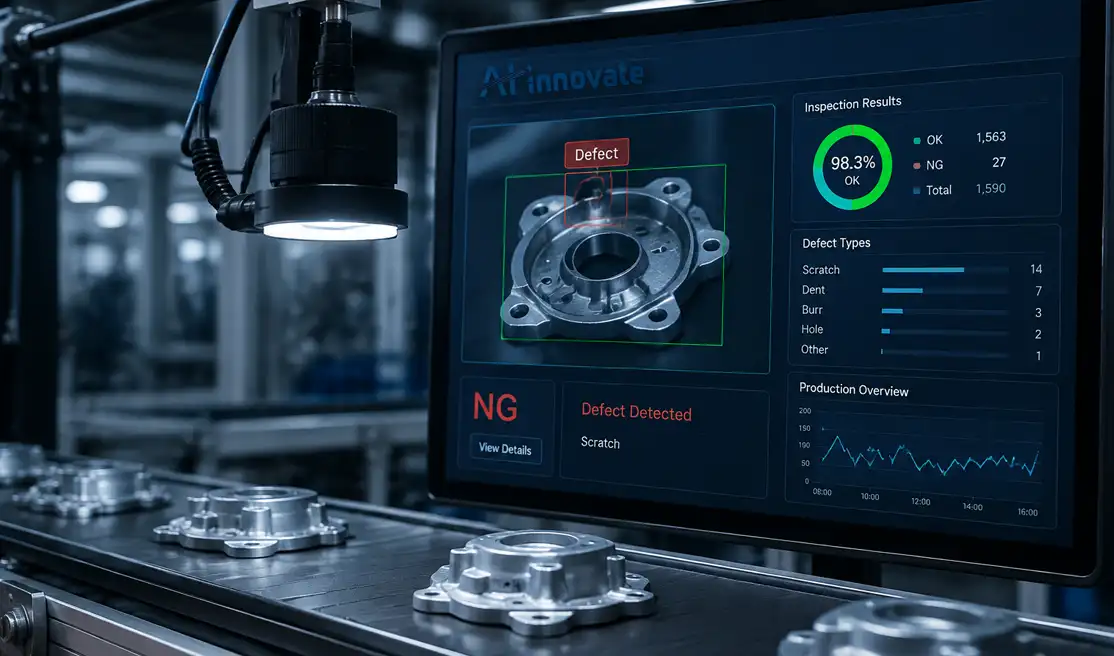
AI defect detection solutions use machine learning and computer vision to automatically identify defects directly on the production line.
These systems inspect every unit in real time, flagging defects with high accuracy while production continues at full speed.
Traditional defect detection was designed for slower lines, simpler products, and lower quality pressure. That reality no longer exists.
Manual inspection:
AI Innovative provides production-ready AI defect detection for your production line that performs where the old methods fail.
Designed for high-speed and high-variation environments, our solutions deliver consistent accuracy without constant tuning.
Detects surface, structural, and pattern
defects in real time at line speed
Improve accuracy over time without
constant reprogramming
Deploys on existing production lines with
minimal disruption

AIXCore manages the inspection logic and adapts your defect detection rules as products change, keeping your quality process steady and consistent.
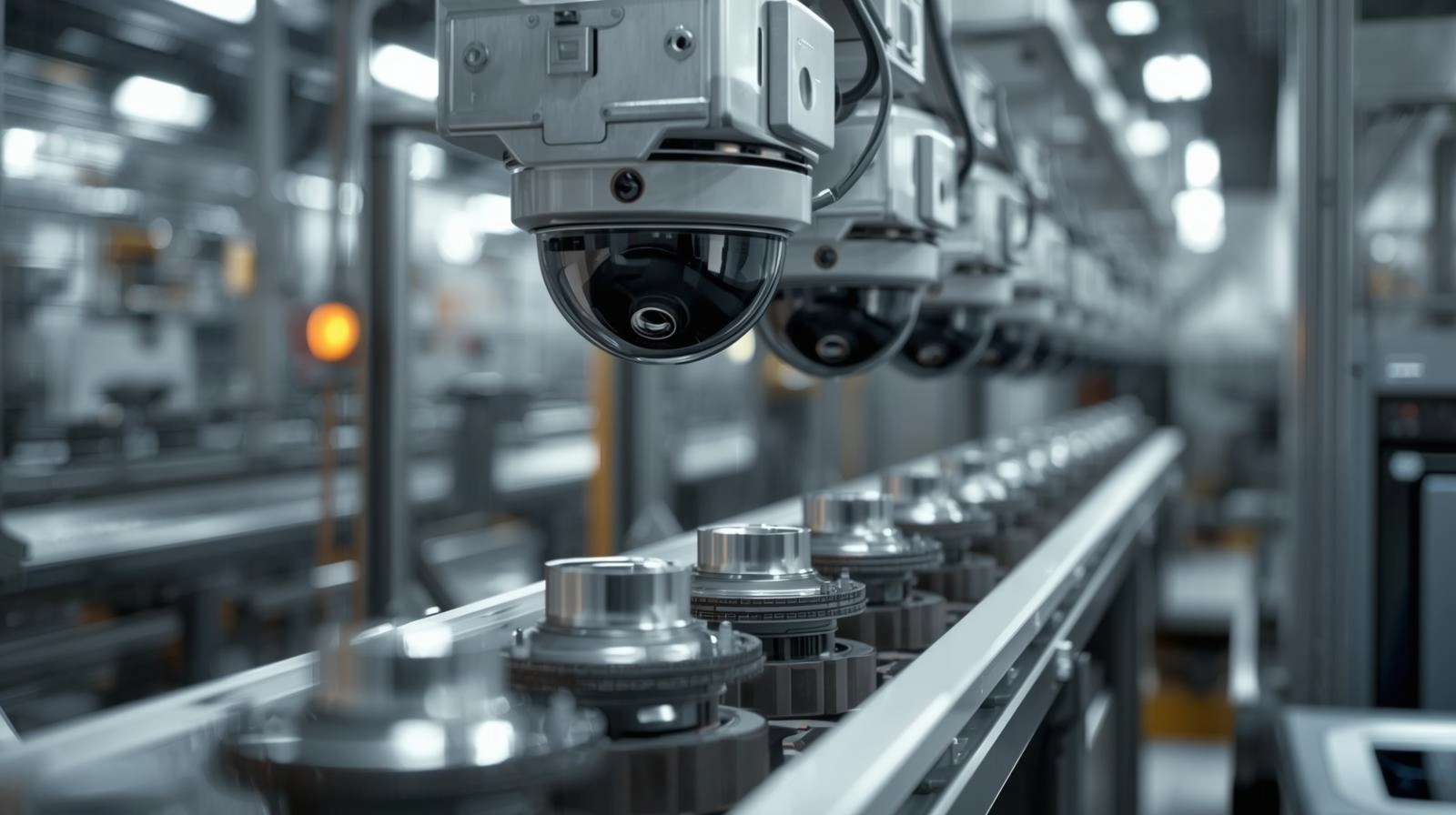
AIxCam captures clean, reliable images across different materials and lighting conditions, giving your inspection process the clarity needed for accurate detection.
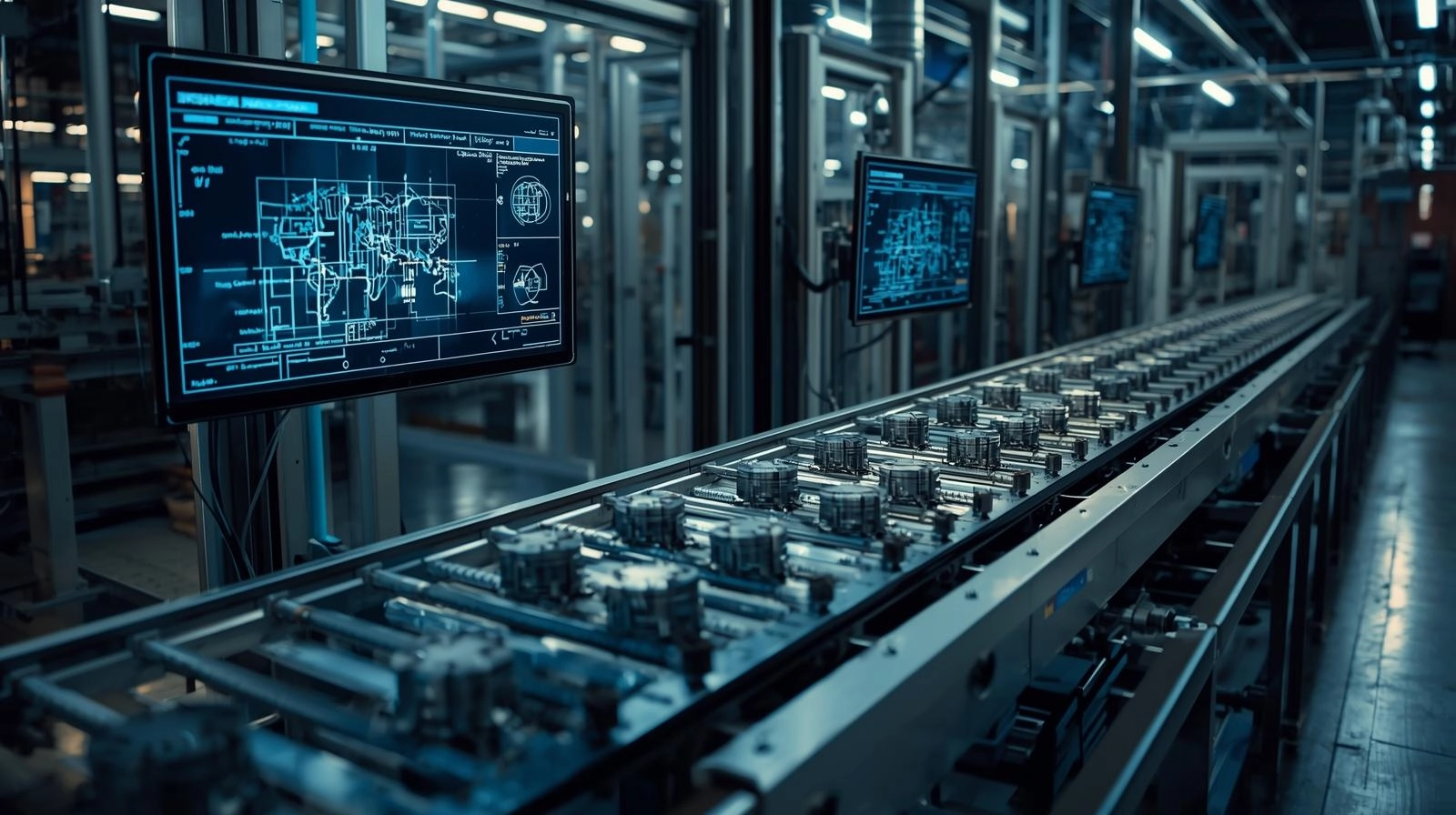
AIxEye analyzes visual data in real time, recognizing subtle changes and defects quickly to keep your production flow efficient and problem-free.
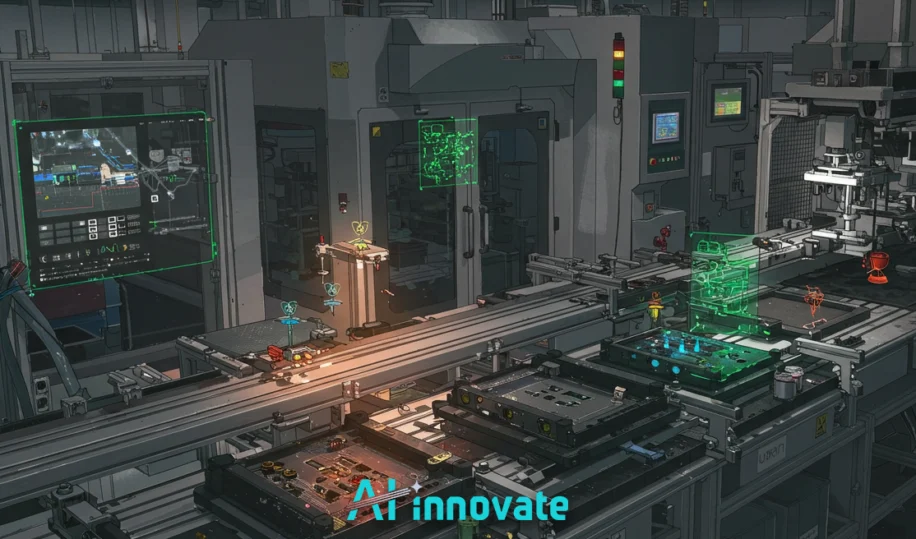
Human inspection inherently limits manufacturing efficiency due to its inconsistency and inability to keep pace with automated lines. Computer vision systematically overcomes these constraints with a tireless, objective alternative. This technology operates through a structured workflow designed for precision. Here is a breakdown of that three-stage process:
schedule a demo to experience the Ai-Innovate advantage!
To deliver this level of performance, a robust system relies on a sophisticated and layered technological stack. Each component plays a distinct role in creating a solution that is both powerful and adaptable to unique manufacturing environments.
The foundational technology that enables machines to "see" and interpret the physical world from images and videos.
The brain of the operation, using algorithms that learn from data to recognize complex defect patterns that are too subtle for traditional rule-based systems.
Highly effective for image analysis, ideal for identifying surface-level defects like scratches, dents, and stains.
Used for analyzing sequential data, crucial for processes where consistency over time is key, such as inspecting rolled textiles or extruded plastics.
A powerful tool for anomaly detection, capable of identifying novel defects the system has never been explicitly trained on.
Expanding beyond visible light to include thermal or X-ray imaging for detecting internal flaws or temperature inconsistencies.
The computational power to analyze data and make decisions in milliseconds, essential for keeping pace with high-speed production.
AI-powered defect detection adapts to different inspection needs by analyzing various types of visual data. This flexibility allows manufacturers to detect surface, internal, and thermal defects using the most effective imaging method for each application.

Detects surface defects, color variations, and visual inconsistencies using standard camera images for reliable quality control.
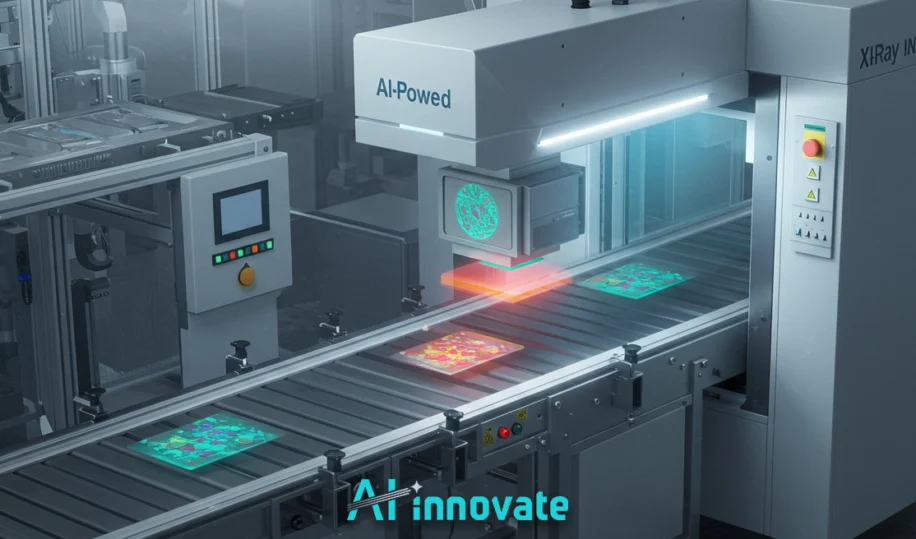
Identifies internal cracks, voids, and hidden structural defects that are not visible from the surface.
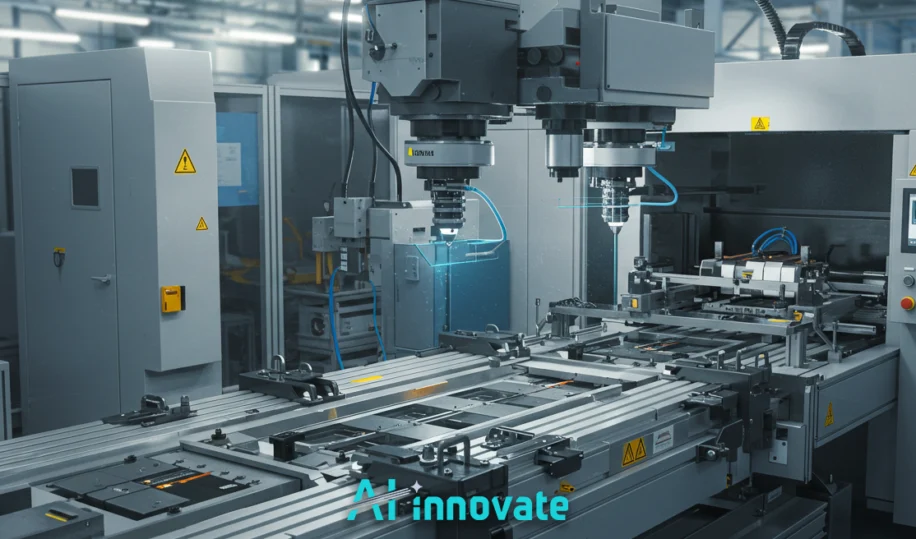
Uses high-precision imaging to detect scratches, alignment issues, and fine surface irregularities in real time.
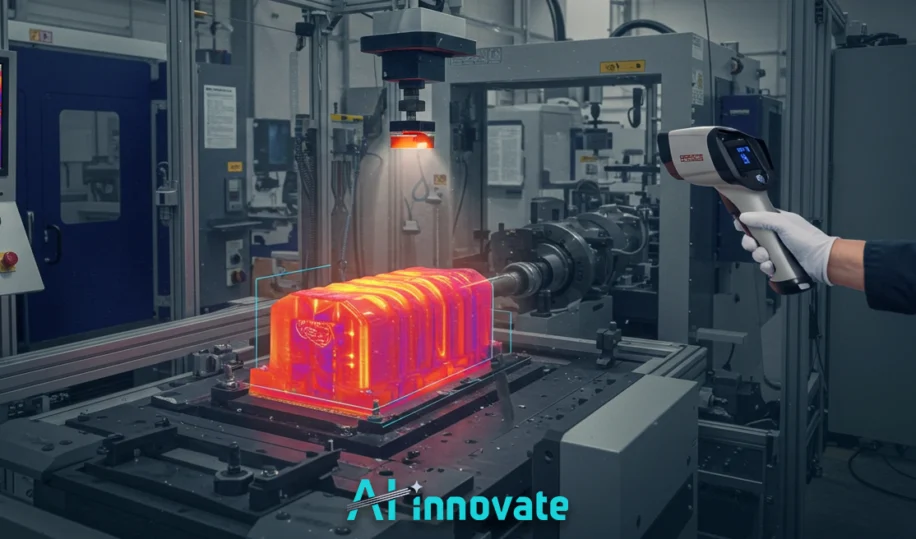
Analyzes heat patterns to uncover welding flaws, coating issues, and thermal anomalies during production.
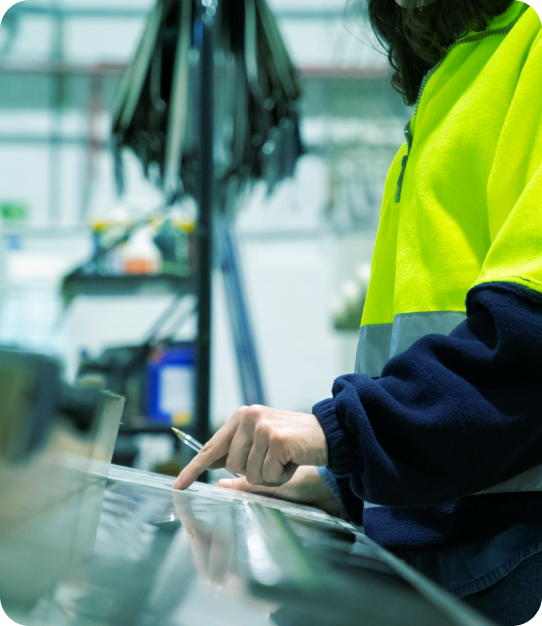
AI defect detection systems can identify a wide range of manufacturing defects by analyzing product images, surface conditions, and production data in real time. Using computer vision and machine learning models, AI can detect visible and complex defects across different materials, components, and industries, helping manufacturers improve quality control and reduce production losses.
| Defect Category | Common Defects Detected | Manufacturing Applications |
|---|---|---|
| Surface Defects | Scratches, cracks, dents, corrosion, stains, discoloration, and surface contamination. | Metal inspection, automotive parts, electronics, and finished product inspection. |
| Dimensional Defects | Incorrect measurements, shape variations, alignment issues, and tolerance deviations. | Machining, precision components, assembly verification, and industrial manufacturing. |
| Assembly Defects | Missing components, incorrect positioning, improper assembly, and connection errors. | Automotive, electronics, and complex product assembly lines. |
| Material Defects | Cracks, voids, inclusions, porosity, and structural irregularities. | Metal processing, casting, plastics, and composite manufacturing. |
| Coating and Finishing Defects | Uneven coating, paint defects, bubbles, peeling, and surface finish inconsistencies. | Painted components, automotive coatings, and industrial finishing processes. |
| Packaging Defects | Incorrect labels, damaged packaging, missing seals, and printing errors. | Food and beverage, pharmaceutical, and consumer goods industries. |
| Textile Defects | Holes, stains, weaving errors, pattern inconsistencies, and fabric damage. | Textile production, fabric inspection, and apparel manufacturing. |
| Electronics Defects | Soldering issues, PCB defects, missing components, and surface mounting errors. | Electronics assembly and semiconductor manufacturing. |
Delivers defect detection at line speed, lowering escapes & false rejects in real manufacturing environments.
The system adapts as products and conditions change, reducing waste and ongoing manual adjustments.
Deploy AI inspection quickly on existing lines and start seeing measurable quality improvements within weeks.
We have answered all your questions
Most projects move from pilot to production in a few weeks, depending on product complexity, data availability, and line configuration.
Yes. The system adapts as products change. AIxCore manages inspection logic so new variants can be introduced without rebuilding rules from scratch.
Success is measured using production-level metrics such as defect escape rate, false reject rate, inspection coverage, and overall impact on quality and efficiency.
Modern AI defect detection systems have evolved far beyond merely identifying visual flaws. Today, these solutions form the foundation of intelligent manufacturing ecosystems, where every detected imperfection provides insight for continuous process improvement.
By integrating machine vision with advanced analytics, AI systems can trace recurring defects back to their source, whether it be a specific machine, material, or process parameter. Rather than treating inspection as an isolated quality checkpoint, this approach transforms it into a closed feedback loop that enhances production efficiency and consistency.
Through real-time data correlation, manufacturers can anticipate issues before they escalate, adjust processes dynamically, and reduce material waste. This proactive capability makes AI-driven defect detection a strategic instrument for operational optimization, not just a ai-driven quality control tool.
In industries where precision and reliability are paramount, such as semiconductor and automotive manufacturing, this convergence of detection and intelligence ensures higher yields, faster throughput, and sustainable competitiveness.
AI defect detection delivers high accuracy and automation, but its performance depends on data quality, system design, and operating conditions. Understanding these constraints is essential for reliable deployment.
AI models do not operate effectively without domain-specific training. They must learn from labeled examples of your products and defect types.
AI systems are inherently pattern recognition models, not generalized reasoning systems.
Detection capability is directly tied to imaging technology.
System design must align with the physical characteristics of the defects.
Model performance depends on consistent and accurate labeling.
Real-world conditions significantly impact inspection performance.
Successful deployment requires both environmental control and system calibration.
Complete the form below and our team will aim to be in touch within 1 business day.
Hello 👋
I’m the AI-innovate assistant.
How can I help you today?