




In textile manufacturing, quality control in fabric production is the process of inspecting, testing, and monitoring fabrics throughout manufacturing to identify defects, maintain consistency, and ensure materials meet performance, durability, and customer standards. From raw fiber inspection to final roll approval, quality control helps textile manufacturers reduce waste, prevent costly production issues, improve operational efficiency, and protect customer trust.
A single missed defect can lead to rejected shipments, expensive returns, and large-scale production losses. That’s why modern textile mills increasingly combine traditional inspection methods with AI-powered inspection systems, machine vision cameras, and real-time production monitoring to detect issues before they spread across an entire production run.
In this guide, we’ll explain how quality control works in fabric production, the most common textile inspection methods, the technologies transforming textile manufacturing, and how AI-driven inspection systems are improving modern fabric quality assurance.
Why Quality Control Matters in Textile Manufacturing
Quality control plays a critical role in textile manufacturing because even small defects can affect fabric performance, appearance, and commercial value. Problems like uneven dyeing, broken yarns, weaving inconsistencies, and surface contamination can quickly reduce product quality or make entire fabric batches unusable.
- Effective textile quality control helps manufacturers:
- Reduce production waste and material losses
- Improve consistency across fabric batches
- Detect defects earlier in production
- Lower customer complaints and returns
- Maintain compliance with quality standards
- Improve production efficiency and reliability
As production lines become faster and more automated, many manufacturers are also adopting AI-driven quality control systems to improve inspection accuracy and maintain consistency at scale.
The Three Main Stages of Fabric Quality Control
Quality control in fabric production is not limited to a final inspection at the end of manufacturing. Modern textile mills use multiple inspection checkpoints throughout production to identify issues as early as possible.
1.Pre-Production Quality Control
Pre-production inspection is often the most cost-effective stage of quality control because detecting issues before manufacturing begins prevents defective fabric from being produced at scale.
At this stage, manufacturers typically:
- Inspect raw fibers and yarn for contamination or inconsistencies
- Test fiber composition and fabric weight
- Evaluate shrinkage and dimensional stability
- Verify materials meet customer specifications
- Review supplier quality and consistency
Strong supplier audits and incoming material inspections help reduce downstream production problems later in weaving, knitting, dyeing, and finishing.
2.In-Line Production Inspection
In-line inspection happens while fabric is actively being produced. Instead of waiting until production is complete, manufacturers monitor quality in real time to detect issues immediately.
Common in-line quality checks include:
- Monitoring yarn tension and alignment
- Detecting weaving or knitting defects
- Verifying pattern and color consistency
- Inspecting surface irregularities during production
- Monitoring machinery for operational deviations
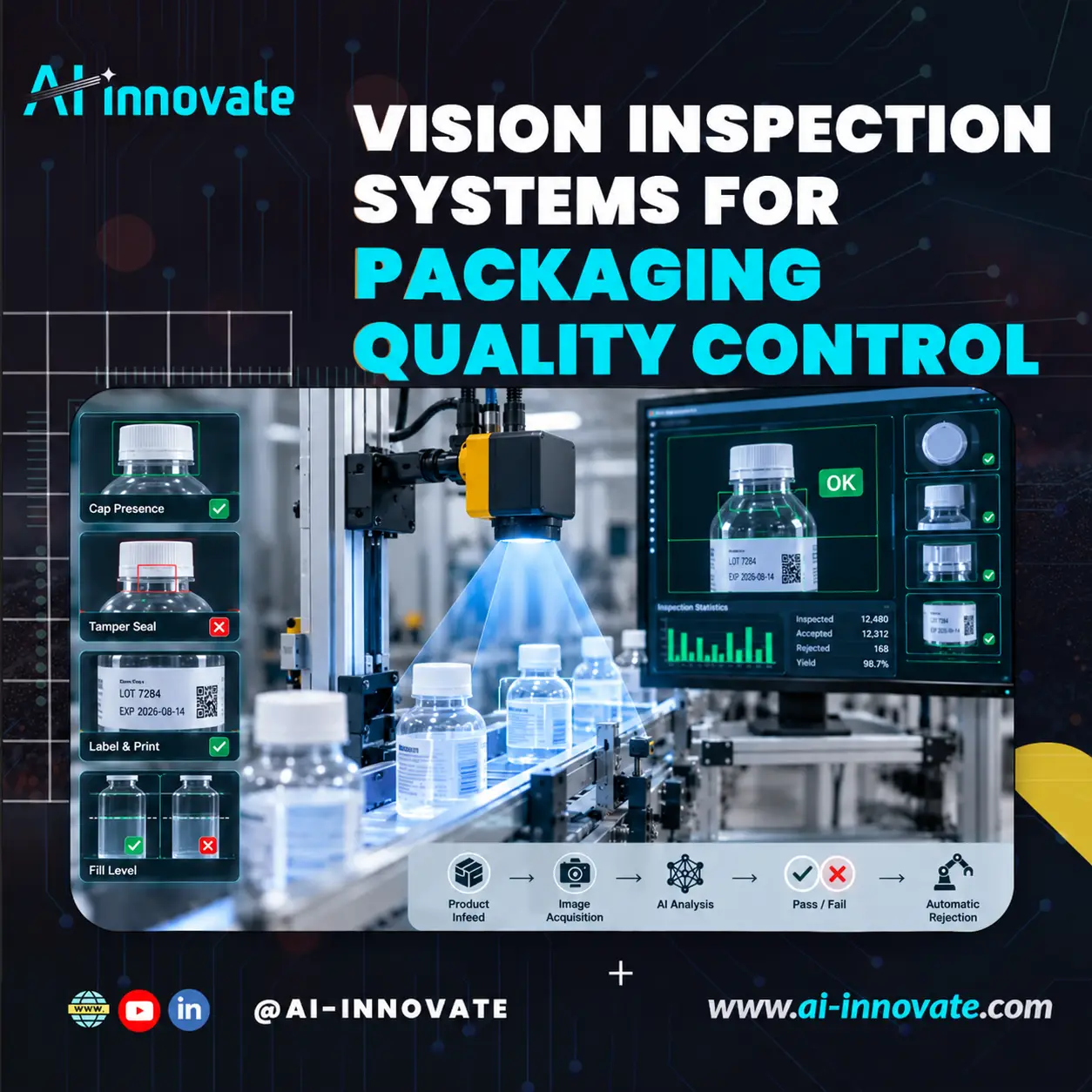
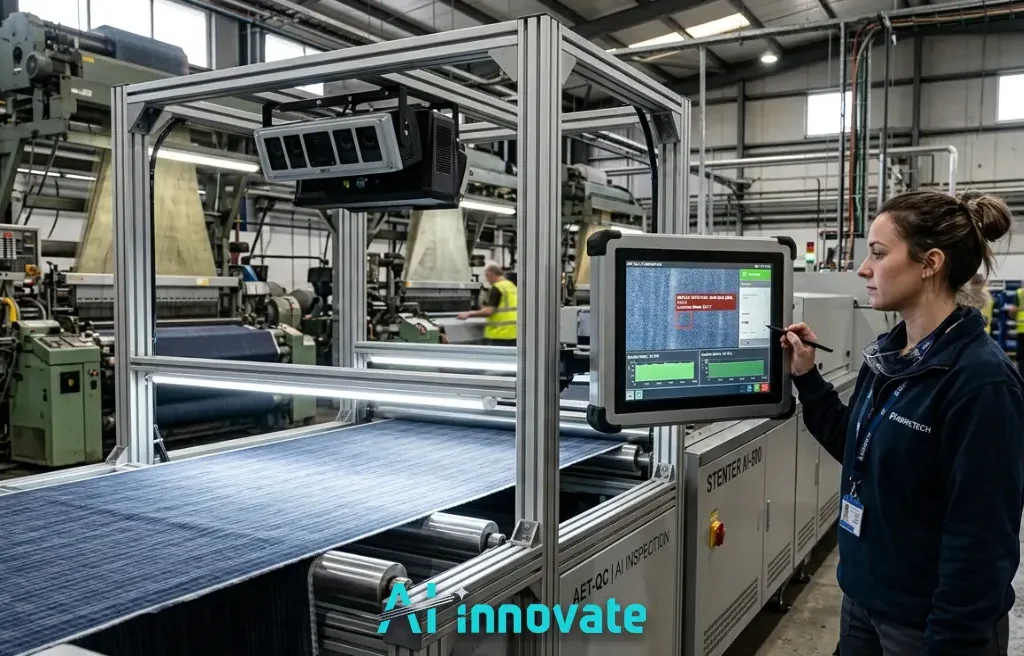
Many textile manufacturers now use Automated visual inspection systems powered by AI and machine vision because they can inspect continuously at high production speeds without operator fatigue.
2.In-Line Production Inspection
In-line inspection happens while fabric is actively being produced. Instead of waiting until production is complete, manufacturers monitor quality in real time to detect issues immediately.
Common in-line quality checks include:
- Monitoring yarn tension and alignment
- Detecting weaving or knitting defects
- Verifying pattern and color consistency
- Inspecting surface irregularities during production
- Monitoring machinery for operational deviations
Many textile manufacturers now use Automated visual inspection systems powered by AI and machine vision because they can inspect continuously at high production speeds without operator fatigue.
2.In-Line Production Inspection
Quality control plays a critical role in textile manufacturing because even small defects can affect fabric performance, appearance, and commercial value. Problems like uneven dyeing, broken yarns, weaving inconsistencies, and surface contamination can quickly reduce product quality or make entire fabric batches unusable.
- Effective textile quality control helps manufacturers:
- Reduce production waste and material losses
- Improve consistency across fabric batches
- Detect defects earlier in production
- Lower customer complaints and returns
- Maintain compliance with quality standards
- Improve production efficiency and reliability
As production lines become faster and more automated, many manufacturers are also adopting AI-driven quality control systems to improve inspection accuracy and maintain consistency at scale.
3.Final Fabric Inspection
Final inspection acts as the last quality checkpoint before finished fabric rolls are approved for shipment.
Inspectors evaluate:
- Surface defects like holes, stains, oil marks, and misweaves
- Fabric width, weight, and dimensional accuracy
- Color consistency against approved standards
- Roll labeling and packaging accuracy
- Overall compliance with customer specifications
Many mills use the industry-standard 4-Point Fabric Inspection System during final inspection to classify defect severity and determine whether fabric meets acceptable quality levels.
Core Quality Control Methods Used in Textile Manufacturing
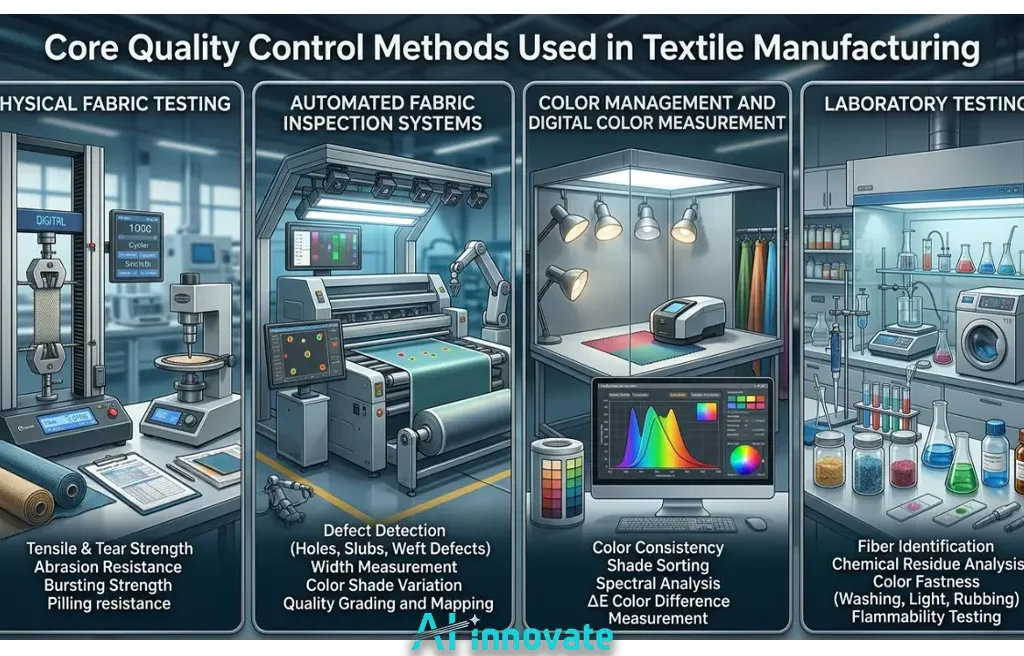
Different textile defects require different inspection and testing methods. Most manufacturers combine physical testing, laboratory analysis, automated inspection, and process monitoring to build a complete quality control system.
Physical Fabric Testing
Physical testing measures how fabric performs under stress and real-world usage conditions.
Common textile performance tests include:
- Tensile strength testing
- Tear resistance testing
- Elasticity evaluation
- Fabric density measurement
- Abrasion resistance testing
These tests help verify fabric durability, strength, and structural consistency.
Laboratory Testing
Laboratory testing evaluates the chemical and performance characteristics of textile materials.
Typical laboratory tests include:
- Fiber composition analysis
- Colorfastness testing
- Shrinkage testing
- Dimensional stability analysis
- Chemical resistance evaluation
- Wash performance testing
Many textile manufacturers follow recognized testing standards such as ASTM, ISO, and AATCC methods to maintain consistent quality control procedures.
Color Management and Digital Color Measurement
Color consistency is one of the biggest challenges in textile manufacturing because even slight variations between dye lots can create major quality issues.
To improve color accuracy, mills use spectrophotometers and digital color management systems to:
- Measure color precisely
- Compare batches against approved references
- Reduce shade variation between production runs
- Maintain consistency across facilities and suppliers
Digital measurement tools provide significantly more reliable color verification than visual inspection alone.
Automated Fabric Inspection Systems
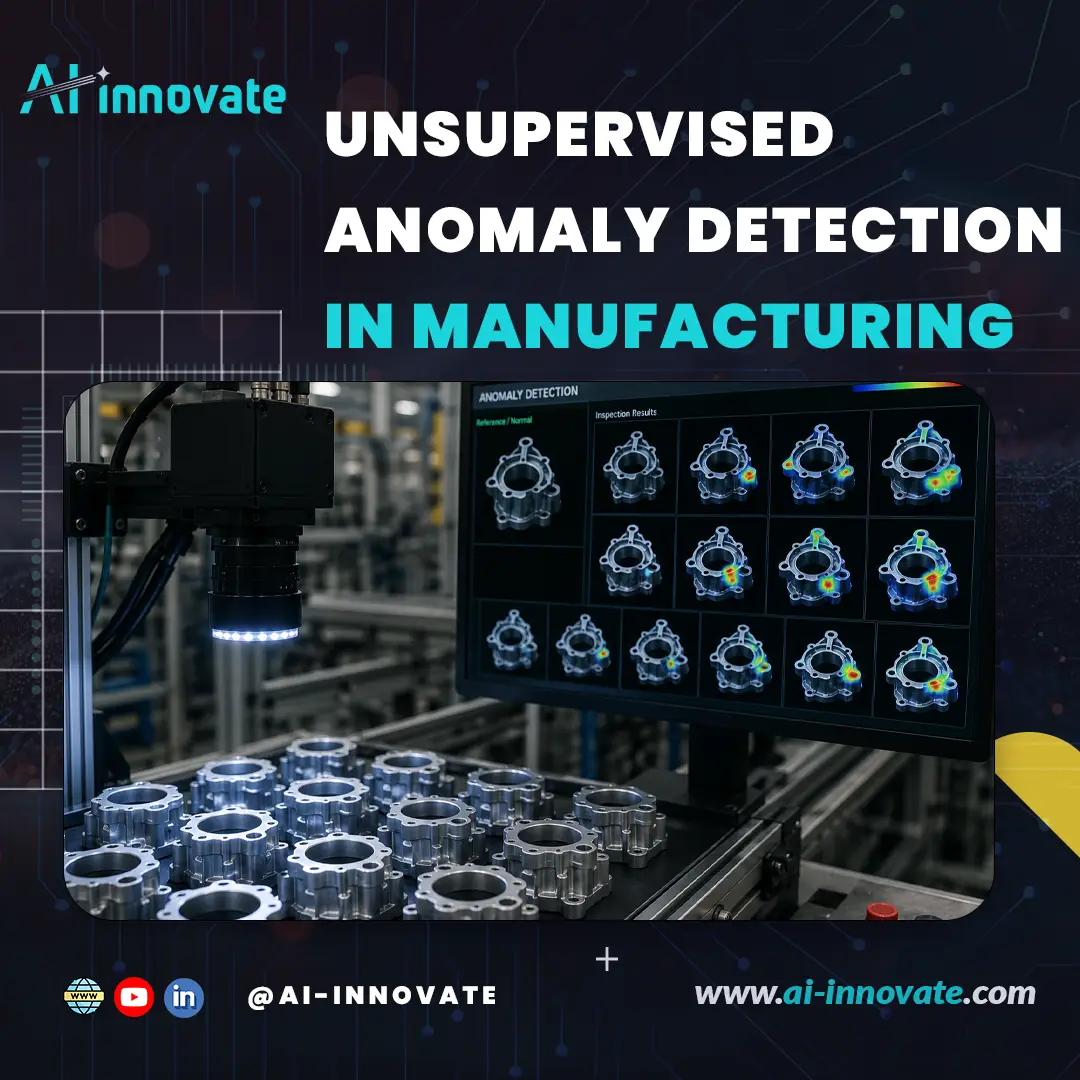
Automated inspection systems use AI, computer vision, and high-resolution imaging to detect defects in real time during production.
These systems can identify:
- Holes and tears
- Misweaves and broken yarns
- Stains and contamination
- Pattern inconsistencies
- Surface irregularities
- Color variations
Modern Textile Defect Detection systems are especially valuable in high-speed textile manufacturing environments because they maintain consistent inspection accuracy without fatigue.
Modern Technologies Transforming Fabric Quality Control
Textile manufacturing is increasingly adopting AI-driven technologies to improve inspection accuracy, reduce manual workloads, and strengthen production traceability.
AI Defect Detection in Textile Manufacturing
AI-powered defect detection systems are trained using thousands of fabric images to recognize both major and subtle textile defects.
These systems can identify:
- Misaligned yarn patterns
- Small holes and tears
- Dye inconsistencies
- Surface contamination
- Structural weaving defects
Unlike manual inspection, AI systems maintain stable detection performance throughout long production shifts.
Machine Vision Fabric Inspection
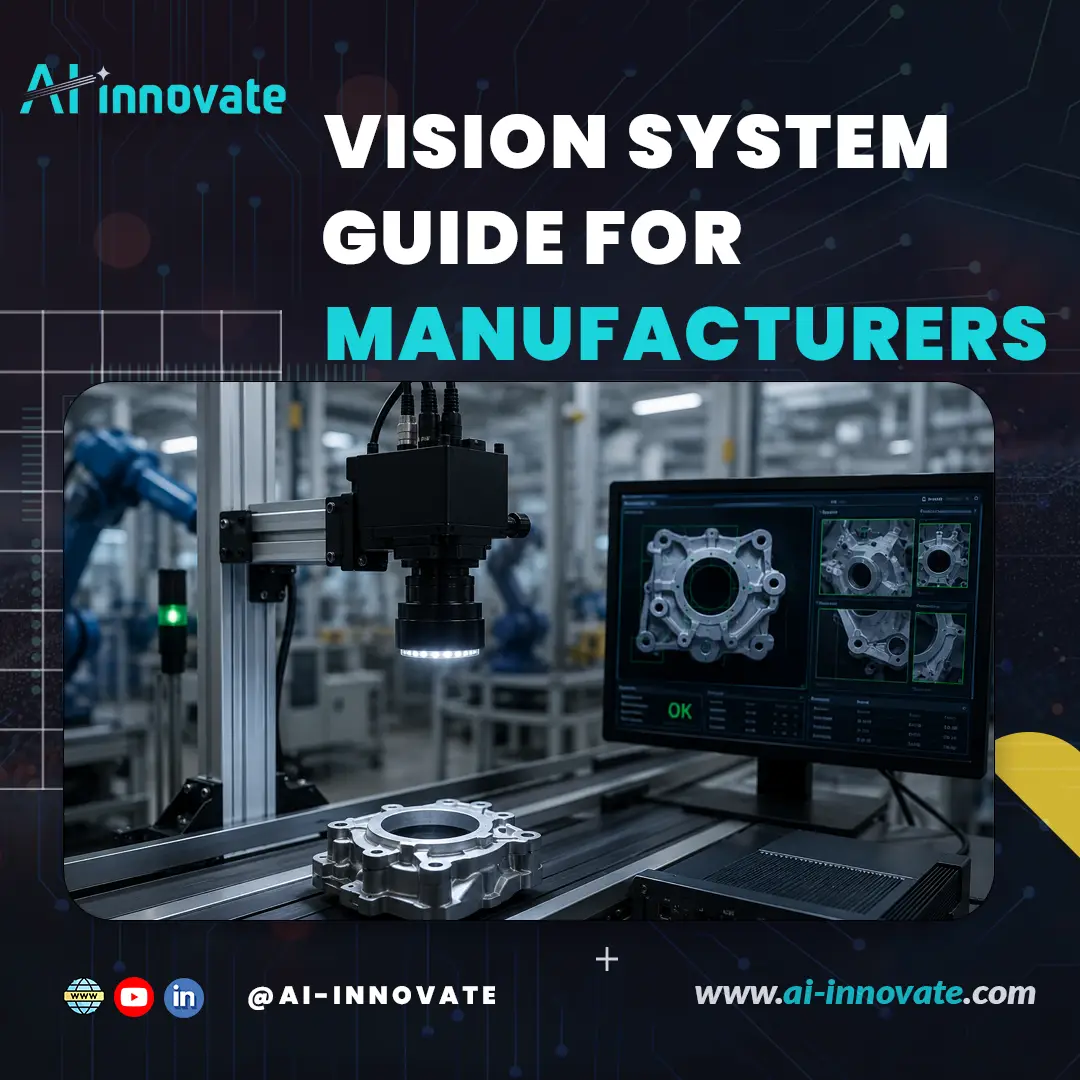
Machine vision systems combine industrial cameras with AI software to inspect moving fabric continuously during manufacturing.
These systems help manufacturers:
- Detect defects in real time
- Reduce inspection delays
- Improve consistency across production lines
- Prevent defective batches from progressing downstream
Machine vision technology is now widely used in weaving, knitting, dyeing, and finishing operations.
Automated Tension Monitoring
Yarn tension directly affects fabric quality, appearance, and structural consistency.
Automated tension monitoring systems continuously track tension levels during production and alert operators when deviations occur. This helps reduce:
- Surface irregularities
- Structural inconsistencies
- Fabric distortion
- Weaving defects
Real-time monitoring improves production stability and reduces preventable quality issues.
What Does a Typical Textile Quality Control Workflow Look Like?
A structured quality control workflow helps textile manufacturers maintain consistent inspection standards throughout production.
A typical textile quality assurance process includes:
1. Raw Fiber Inspection
Incoming fibers are inspected for cleanliness, consistency, strength, and contamination before processing begins.
2. Yarn Testing
Manufacturers test yarn count, twist consistency, and tensile strength before weaving or knitting operations begin.
3. In-Line Fabric Monitoring
Machine vision systems, AI inspection cameras, and tension sensors monitor production in real time to identify defects early.
4. Greige Fabric Inspection
Unfinished greige fabric is inspected before dyeing and finishing to catch structural defects before additional processing costs are added.
5. Dyeing and Finishing Verification
Textile mills perform colorfastness testing, shade verification, and finishing inspections after dyeing is complete.
6. Laboratory Performance Testing
Physical and chemical laboratory tests verify that finished fabric meets performance specifications and customer requirements.
7. Final Roll Inspection
Inspectors evaluate every fabric roll for visible defects, dimensions, packaging accuracy, and labeling compliance.
8. Shipment Approval
Approved fabric rolls are documented, packaged, and released for shipment.
Common Fabric Defects in Textile Manufacturin
Some of the most common textile defects include:
- Broken warp or weft yarns
- Misweaves and skipped stitches
- Oil stains and contamination
- Uneven dye distribution
- Fabric puckering
- Holes and tears
- Color inconsistencies
- Surface irregularities
These issues are often caused by machine malfunctions, improper tension control, poor raw material quality, or inconsistent production conditions.
Bringing AI-Powered Quality Control to Fabric Production
Modern textile production lines generate massive amounts of fabric every day, making manual inspection alone difficult to scale consistently. To improve inspection accuracy and reduce production losses, manufacturers are increasingly adopting AI-powered fabric inspection systems built for real-time quality control.
At AI-innovate, we help textile manufacturers modernize inspection workflows using AIxEye, our AI-powered visual inspection platform designed for industrial environments.
AIxEye helps manufacturers:
- Detect fabric defects in real time
- Identify holes, stains, wrinkles, and misweaves
- Improve inspection consistency across production lines
- Reduce waste and rework costs
- Support scalable textile quality control operations
By combining machine vision, edge AI, and automated inspection, manufacturers can improve fabric quality while maintaining high-speed production efficiency.
Can AI Replace Human Fabric Inspectors?
AI-powered fabric inspection systems can detect many visual defects faster and more consistently than manual inspectors, especially on high-speed production lines.
However, human expertise still plays an important role in textile quality control.
Human inspectors remain essential for:
- Evaluating tactile fabric qualities
- Reviewing borderline quality decisions
- Verifying customer-specific requirements
- Managing complex inspection scenarios
- Supervising production quality strategies
In practice, most textile manufacturers use AI systems to support human inspection rather than fully replace inspectors.
Conclusion
Quality control in fabric production has evolved from a final inspection step into a continuous manufacturing strategy integrated throughout textile production. Modern textile manufacturers now combine physical testing, laboratory analysis, color management, automated inspection systems, AI-driven defect detection, and real-time monitoring to improve fabric consistency and reduce production losses.
While technology continues to improve textile quality assurance, the core objective remains the same: detect defects as early as possible, maintain consistent manufacturing standards, and continuously improve production quality through better data and process visibility.
Manufacturers that invest in modern textile quality control systems are better positioned to reduce waste, improve operational efficiency, protect customer trust, and remain competitive in increasingly demanding textile markets.
Confused About Where to Start with AI?
Our specialists help you identify the right AI approach based on your process, data, and goals.
Frequently Asked Questions
What is quality control in fabric production?
Quality control in fabric production is the process of inspecting, testing, and monitoring textile materials throughout manufacturing to identify defects, maintain consistency, and ensure fabrics meet performance and customer standards. Textile manufacturers use physical testing, laboratory analysis, visual inspection, and AI-powered inspection systems to maintain fabric quality from raw fiber intake to final shipment.
Why is quality control important in textile manufacturing?
Quality control helps textile manufacturers reduce defects, minimize material waste, improve production efficiency, and maintain customer satisfaction. Effective quality assurance also lowers product returns, protects brand reputation, and ensures fabrics meet durability, color, and performance requirements before reaching customers.
What are the main stages of fabric quality control?
Fabric quality control typically happens across three stages:
- Pre-production inspection of raw fibers and yarns
- In-line production monitoring during weaving, knitting, dyeing, or finishing
- Final fabric inspection before shipment
Each stage helps manufacturers detect defects earlier and prevent larger production losses.
What are the most common defects in fabric production?
Common textile defects include:
- Broken yarns
- Misweaves
- Skipped stitches
- Oil stains
- Holes and tears
- Uneven dyeing
- Fabric puckering
- Surface contamination
- Color inconsistencies
These issues are often caused by machine malfunctions, improper tension control, poor raw material quality, or inconsistent production conditions.
What is the 4-Point System in fabric inspection?
The 4-Point System is a standardized fabric grading method used in textile manufacturing. Inspectors assign penalty points based on the size and severity of defects found in fabric rolls. If a roll exceeds 40 points per 100 square yards, it is generally classified as second-quality fabric.
How does AI improve fabric inspection?
AI-powered fabric inspection systems use computer vision and machine learning models to detect defects automatically during textile production. These systems can identify holes, stains, misweaves, pattern inconsistencies, and color variations faster and more consistently than manual inspection alone.
AI inspection also helps manufacturers reduce inspection fatigue and improve quality consistency on high-speed production lines.
What is colorfastness testing in textiles?
Colorfastness testing measures how well fabric retains its color during washing, rubbing, sunlight exposure, or chemical contact. Textile manufacturers perform colorfastness testing to ensure fabrics maintain appearance and quality throughout their intended use.
How do textile manufacturers reduce fabric defects?
Manufacturers reduce fabric defects by:
- Inspecting raw materials before production
- Monitoring yarn tension continuously
- Using AI-powered inspection systems
- Performing laboratory testing
- Maintaining machinery properly
- Training production operators
- Implementing standardized quality control workflows
Early surface defect detection is critical for reducing production waste and maintaining consistent textile quality.
Sources
Ai-Innovate uses only high-quality sources, including peer-reviewed studies, to support the facts within our articles.
Industry Standards & Textile Quality References
ASTM International. (n.d.). Textile Standards.
ASTM provides internationally recognized textile testing standards used to evaluate fabric durability, tensile strength, dimensional stability, and material performance in textile manufacturing.
ISO. (n.d.). ISO 9001: Quality Management Systems.
ISO 9001 outlines globally accepted quality management principles used by manufacturers to improve operational consistency, process control, and product quality.
ISO 9001 Quality Management Standards
AATCC. (n.d.). American Association of Textile Chemists and Colorists.
AATCC develops textile testing methods and standards related to colorfastness, fabric appearance, chemical performance, and textile quality evaluation.
Textile Manufacturing & Fabric Inspection Sources
OneSilq. (2026). Textile Quality Control: What High-End Brands Can’t Afford to Get Wrong.
Explains textile inspection workflows, fabric quality benchmarks, and quality control strategies used in modern textile manufacturing.
OneSilq Textile Quality Control Guide
ACCREDIT. (2024). Quality Control in Fabric Production.
Provides an overview of fabric inspection methods, defect prevention strategies, and quality assurance processes in textile manufacturing.
ACCREDIT Fabric Quality Control Guide
Tetrai Inspection. (2024). Quality Control in Clothing Manufacturing.
Covers apparel inspection procedures, textile quality standards, and garment production monitoring processes.
Tetrai Inspection Quality Control Guide
AI, Machine Vision & Automated Inspection References
NVIDIA. (n.d.). Industrial Inspection and Automation with Edge AI.
Explains how edge AI, computer vision, and real-time inspection technologies improve automated industrial quality control and defect detection.
NVIDIA Industrial Inspection Solutions
IBM. (n.d.). What is Computer Vision?
Provides foundational information about computer vision, AI-powered image analysis, and machine vision technologies used in industrial inspection systems.
MDPI Sensors. (2023). Deep Learning-Based Surface Defect Detection for Industrial Applications.
Academic research discussing deep learning models and AI-based surface defect detection techniques used across manufacturing industries.
MDPI Surface Defect Detection Research