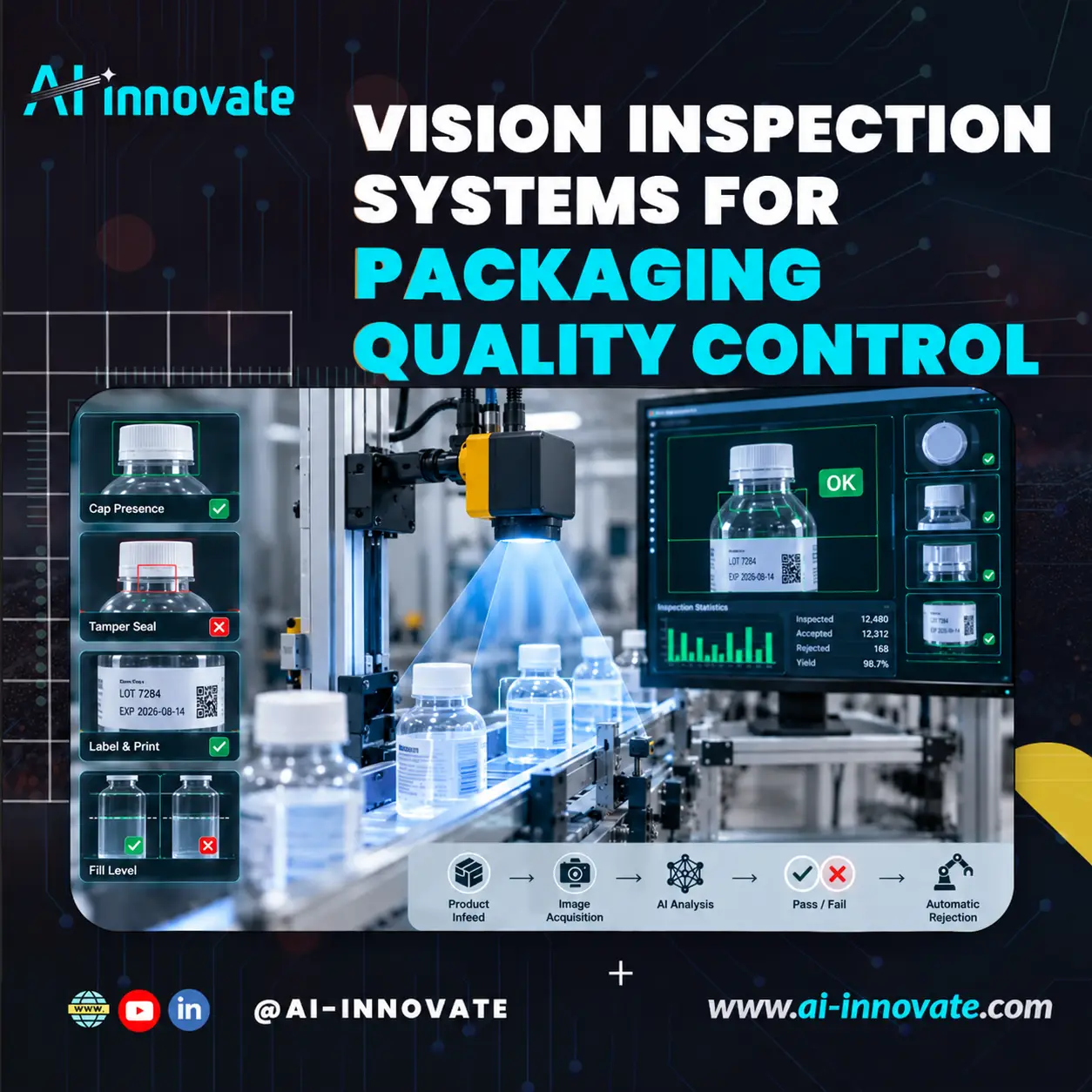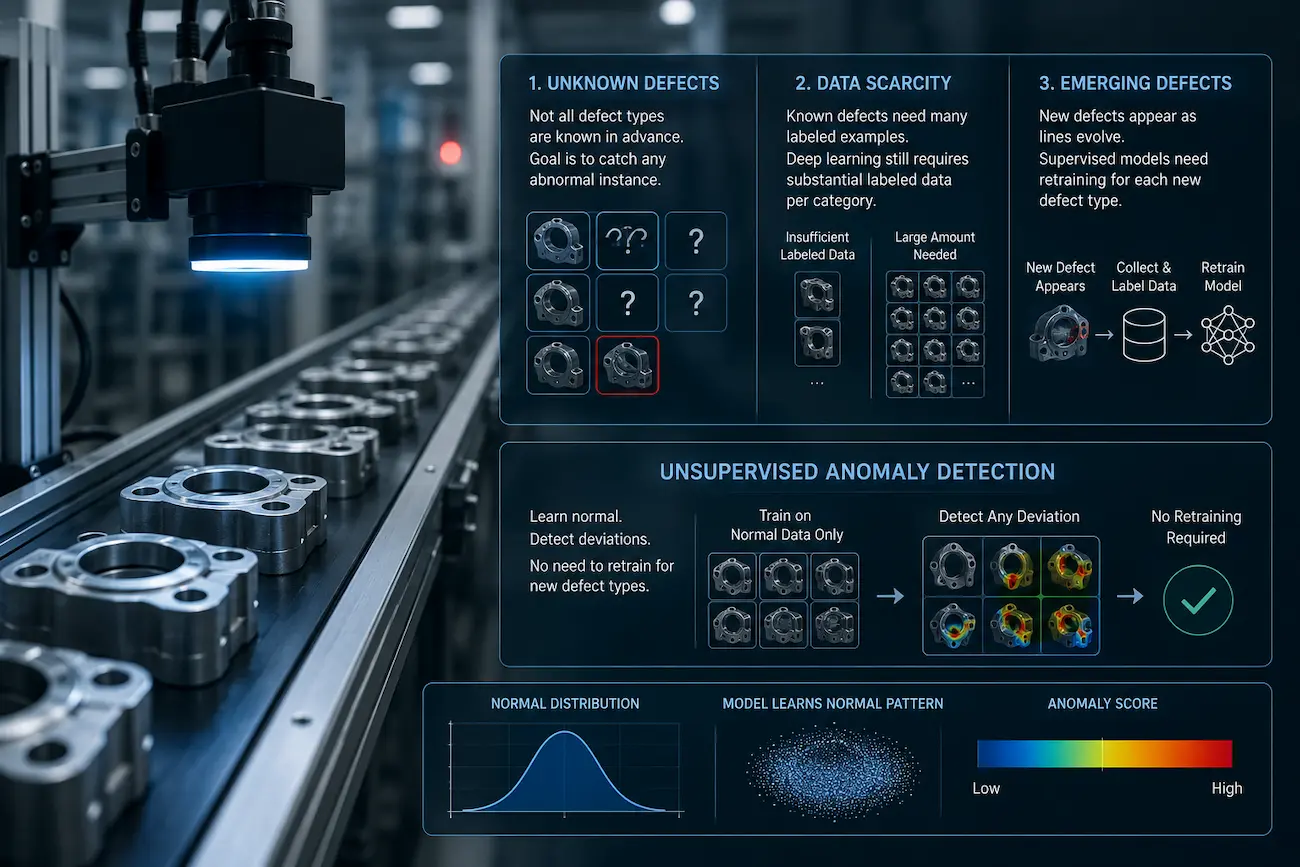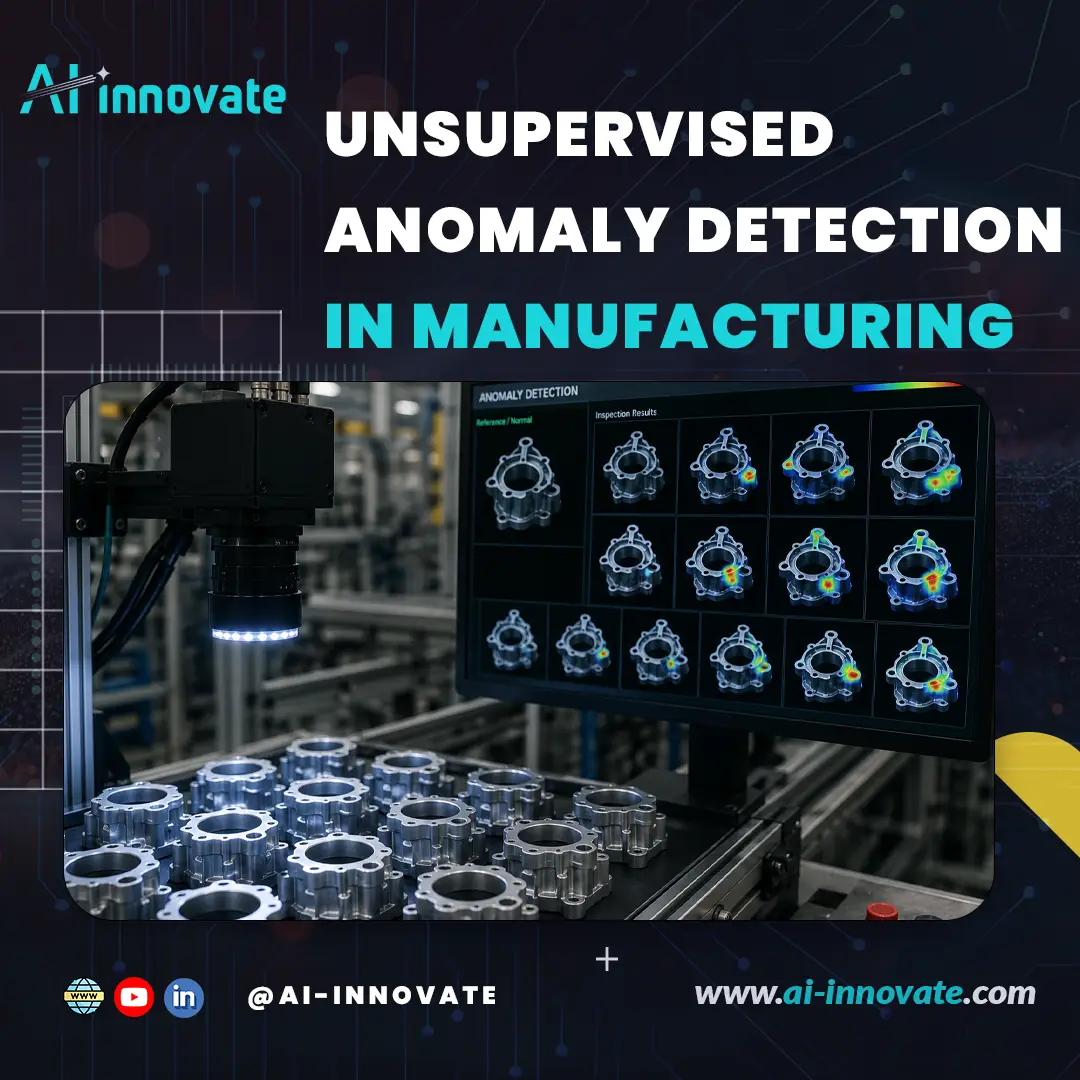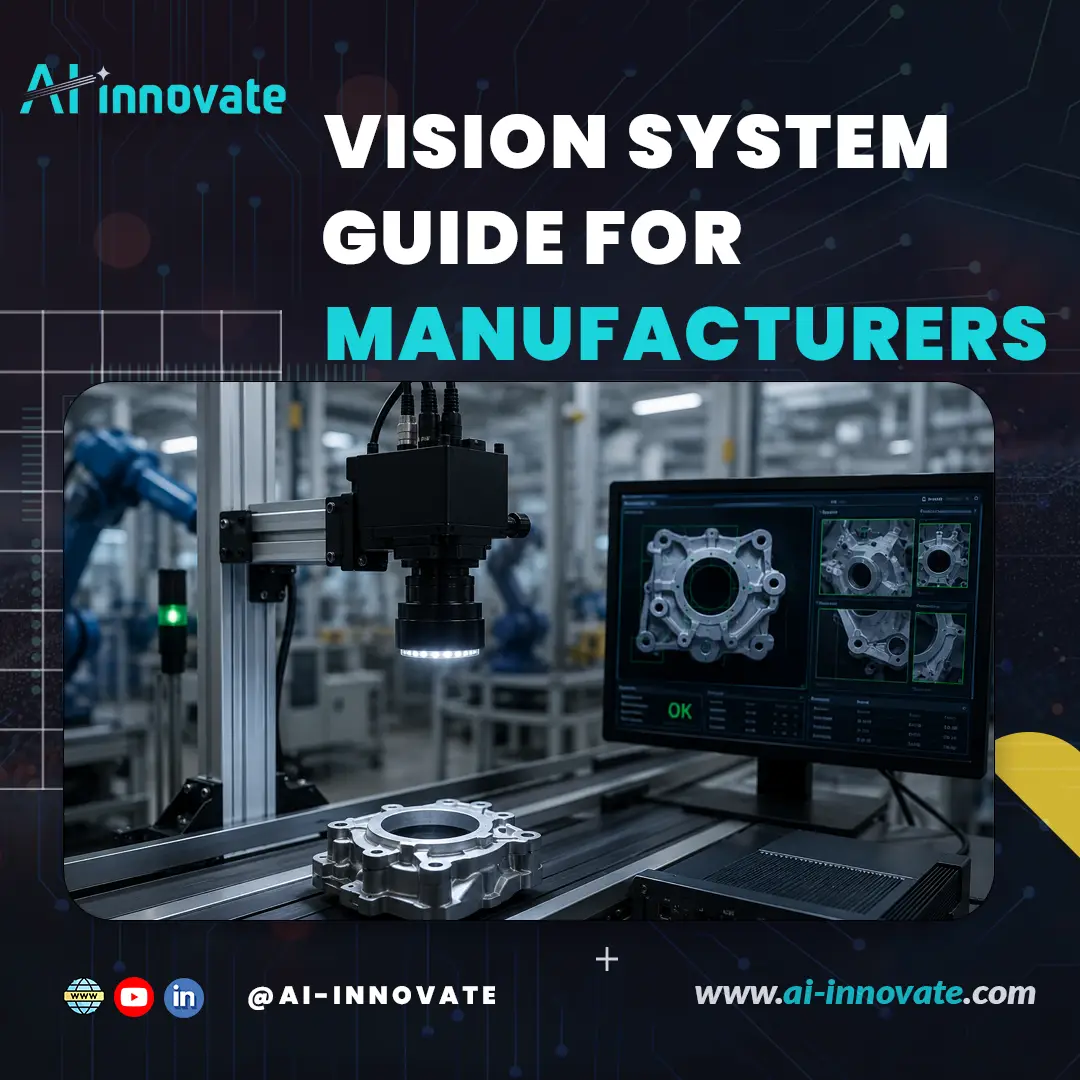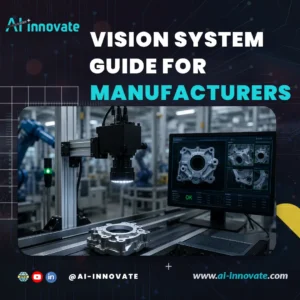





Manufacturing is nearly impossible without visual inspection, so it’s no question that a good visual inspection process is worth investing in. Customer expectations are ever-increasing, regulatory requirements are as tight as ever, and production lines have never been faster. That’s why many manufacturers are taking a closer look at automated visual inspection.
The big question isn’t whether the technology works, but whether the investment makes financial sense. So in this guide, we’ll break the discussion into what automated visual inspection brings, what it costs to implement, and how those costs translate into measurable returns.
Automated Visual Inspection ROI. Value That Pays Off.
Understand the true cost and value of automated visual inspection. Learn how AI-powered inspection delivers measurable ROI through reduced defects, lower labor costs, higher yield, and faster production.

Why Should You Invest in Automated Visual Inspection?
If the initial costs are high, what are you getting in return? The answer lies in all the differences an automated visual inspection process brings: decisions based on data, real-time inspection, AI defect detection and all the more.
One of the biggest advantages is inspection consistency. Manual inspection can vary from shift to shift or operator to operator. Automated systems apply the same rules every time, which leads to more stable quality outcomes.
There’s also a strong data advantage. Automated visual inspection systems record information about every unit produced. Over time, this data can be used to spot trends, recurring defects, and weak points in the process that are not always visible through manual inspection alone.
Other key benefits include:
- Real-time defect detection without slowing down the line
- Immediate feedback that allows issues to be addressed early
- Reduced reliance on subjective human judgment
- Continuous inspection instead of sample-based checks
Initial Costs of Integrating Automated Visual Inspection
If you want to invest in business process optimization tools, note that like any manufacturing technology, automated visual inspection requires an upfront investment. These costs are usually divided into visible upfront expenses and less obvious ongoing costs.
Upfront costs
The cost of automated visual inspection depends a lot on how complicated the application is. Here are some of the typical costs you will have to pay upfront:
- Industrial cameras and lenses selected for resolution and speed
- Lighting systems designed to create consistent image conditions
- Computing hardware such as industrial PCs or edge AI devices
- Visual inspection software or AI model licenses
As well as buying the equipment and software, it often costs a lot of money to combine all the different parts of the system. The inspection system must be connected to the production equipment, programmable logic controllers (PLCs), robots, or manufacturing execution systems that are already in place. This needs a lot of work and testing to make sure it works properly.
Customization can also add to upfront costs. Different products and defect types may need special inspection logic or training. If there’s more variety in products, more initial configuration is usually needed.
Training is also important. Operators, quality engineers, and maintenance teams need time to learn how the system works, how to understand the results, and how to respond when defects are detected.
Hidden costs
Some costs aren’t immediately noticeable when evaluating automated visual inspection ROI, but they still matter. Here are some common hidden or ongoing costs:
- Periodic model updates as products or defect patterns change
- Maintenance of cameras and lighting to preserve image quality
- Software updates and cybersecurity management
- System monitoring and performance validation
During the early stages, manufacturers may also do manual inspection as well as an automated one. This temporary overlap can increase short-term costs, but is often necessary to build confidence in the system. While these costs shouldn’t be ignored, they’re usually easy to predict and manage if you plan well.
The Real Value and ROI of Automated Visual Inspection
Looking beyond the numbers, the value of automated visual inspection becomes clear from the return. The ROI often comes from multiple areas working together rather than a single cost-saving metric.
Reduced Scrap and Rework
One of the most immediate sources of ROI is reduced scrap. When defects are detected early, faulty products don’t move further down the line where additional value has already been added. Early detection leads to:
- Lower material waste
- Fewer rework operations
- Reduced disposal and handling costs
Labor Efficiency and Better Use of Skills
Automated visual inspection doesn’t eliminate labour, but gives it a new task. Instead of performing repetitive visual checks, skilled workers can focus on higher-value activities such as:
- Root-cause analysis
- Process optimization
- Preventive quality planning
This shift improves overall productivity and addresses labor shortages, which are becoming more common across manufacturing sectors.
Downtime Reduction and Process Stability
Inspection systems highlight process drift on top of finding defects. Subtle changes in alignment, temperature, or material quality often show up in inspection data before a failure occurs.
Reducing even a small amount of downtime can have a major financial impact, especially in continuous or high-throughput operations.
By identifying these issues early, manufacturers can:
- Prevent unplanned downtime
- Avoid major equipment failures
- Schedule maintenance more effectively
Compliance, Traceability, and Risk Reduction
In regulated industries, using cameras to check things visually can be very useful. This documentation helps to avoid problems and can be very useful if any problems do arise later on. Sometimes, avoiding one recall or customer complaint can make the whole investment worthwhile. Systems create reliable, time-stamped inspection records that support:
- Customer audits
- Regulatory compliance
- Product traceability
Faster and More Confident Decision-Making
Automated visual inspection also helps you make decisions more quickly. Quality teams don’t need to wait for manual reports or subjective assessments. You can see the pass or fail results and all the supporting data right away.
This helps manufacturers to react faster, solve problems more quickly and make decisions based on facts instead of guesses.
This Topic might also interest you :
How AI-innovate Supports Automated Visual Inspection ROI
AI-innovate helps manufacturers maximize the return on automated visual inspection by providing AI-driven products designed to balance implementation cost with long-term value. Our product ecosystem supports ROI-focused inspection strategies by helping with:
- AI-based visual inspection and defect detection using AI2Eye, enabling consistent, real-time quality decisions that reduce scrap, rework, and downstream costs
- Data generation, simulation, and validation through AI2Cam, lowering model training costs and reducing dependence on large volumes of rare defect samples
- Scalable deployment and system integration powered by AIxCore, allowing inspection systems to integrate smoothly with existing cameras, production lines, and manufacturing software
- Actionable inspection data and traceability, supporting compliance, audit readiness, and faster decision-making across quality and operations teams
Whether manufacturers are evaluating the financial case for automated visual inspection or scaling existing systems across production lines, AI-innovate’s products help turn inspection investments into measurable, long-term value across quality, efficiency, and operational stability.
Conclusion
When evaluating automated visual inspection ROI, it’s important to look beyond the initial equipment cost. While it is true that there are upfront costs involved, they’re only one side of the story. I think the long-term benefits come from better quality, less waste, more efficient use of workers, and lower risk of potential operational problems.
In the end, automated visual inspection doesn’t end with defect detection. The aim is to make manufacturing stronger, more efficient and competitive. The idea is that quality should be a benefit rather than a problem.
Sources
Ai-Innovate uses only high-quality sources, including peer-reviewed studies, to support the facts within our articles.
- Averroes.ai. (2025). Visual Inspection System Cost Breakdown. Breaks down the key cost components of implementing visual inspection systems, including hardware, software, integration, and ongoing maintenance. Retrieved from https://averroes.ai/blog/visual-inspection-system-cost-breakdown
- Akridata.ai Blog. (2025). The ROI of Automated Inspection in Manufacturing. Explores how automated inspection systems deliver return on investment through reduced defects, improved throughput, and lower labor costs. Retrieved from https://akridata.ai/blog/the-roi-of-automated-inspection-in-manufacturing/
- Clarifai. (2025). How to Calculate the ROI of Automated Visual Inspection. Provides a practical framework for quantifying cost savings and efficiency gains from visual inspection automation. Retrieved from https://www.clarifai.com/blog/how-to-calculate-the-roi-of-automated-visual-inspection
- JLI Vision. (2025). The Cost and ROI of an Automated Surface Inspection System. Discusses typical investment costs, implementation factors, and financial benefits associated with deploying automated surface inspection technology. Retrieved from https://www.jlivision.com/blog/the-cost-and-roi-of-an-automated-surface-inspection-system
FAQ
What is the typical timeframe to see a return on investment (ROI) for automated inspection?
Most manufacturers achieve a full ROI within 12 to 24 months. In high-volume or high-risk sectors like steel or pharmaceuticals, some case studies report much faster paybacks, with one instance showing a 280% ROI in just over 4 months.
Is AVI better than manual inspection for variable products (e.g., food)?
Yes. Modern AI-based AVI is specifically designed to handle “organic” variability. While traditional rule-based systems struggle with slight changes, AI models can be trained to recognize that a product is “good” even if components (like toppings on a pizza) are in slightly different spots, provided they meet quality standards.
Can AVI integrate with my existing legacy equipment?
Yes, but it is a common challenge. Integration often requires building custom APIs or middleware layers to bridge the gap between modern AI real-time workflows and older ERP or MES systems that may only process data in batches.
Will AVI replace my human inspectors?
Not necessarily. In many 2026 deployments, AVI is used to augment rather than replace staff. It handles 100% of high-speed primary inspections, while human experts are reallocated to higher-value tasks, such as investigating the root causes of flagged defects or reviewing “borderline” cases to fine-tune the AI.