


AI-driven optical inspection that detects defects in real time at full production speed, with 95-99% accuracy


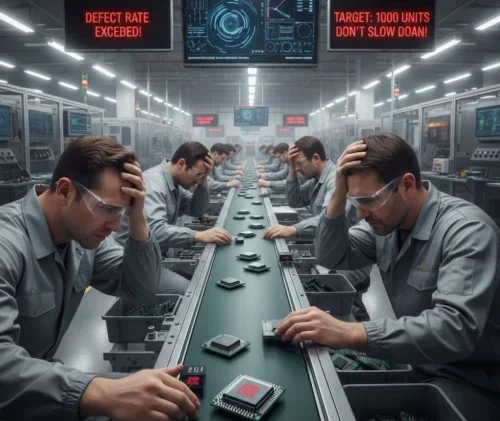
Manufacturers today face increasing pressure to deliver flawless products while working faster and more efficiently. Manual inspection can’t keep up with rising complexity, and traditional tools often miss subtle defects that lead to rework, delays, and customer complaints. Companies need a dependable way to detect issues early and maintain consistent quality at scale.
Automated Optical Inspection (AOI) is a method of inspecting products with cameras and AI to detect defects automatically, without human intervention. The system captures high-resolution images of each unit and analyzes them against learned quality standards, identifying visual defects, dimensional differences, incorrect assembly, missing parts, contamination, and surface abnormalities in real time. Unlike manual inspection, which samples only a portion of output, AOI examines 100% of production at line speed with consistent accuracy.
AI Innovate delivers reliable, production-ready optical inspection engineered for accuracy and consistency across industries. Our systems combine advanced AI imaging with flexible integration, so they fit into your existing lines, cameras, and software rather than forcing a rebuild. The result is faster deployment, fewer escaped defects, and measurable quality improvements from the first production runs.


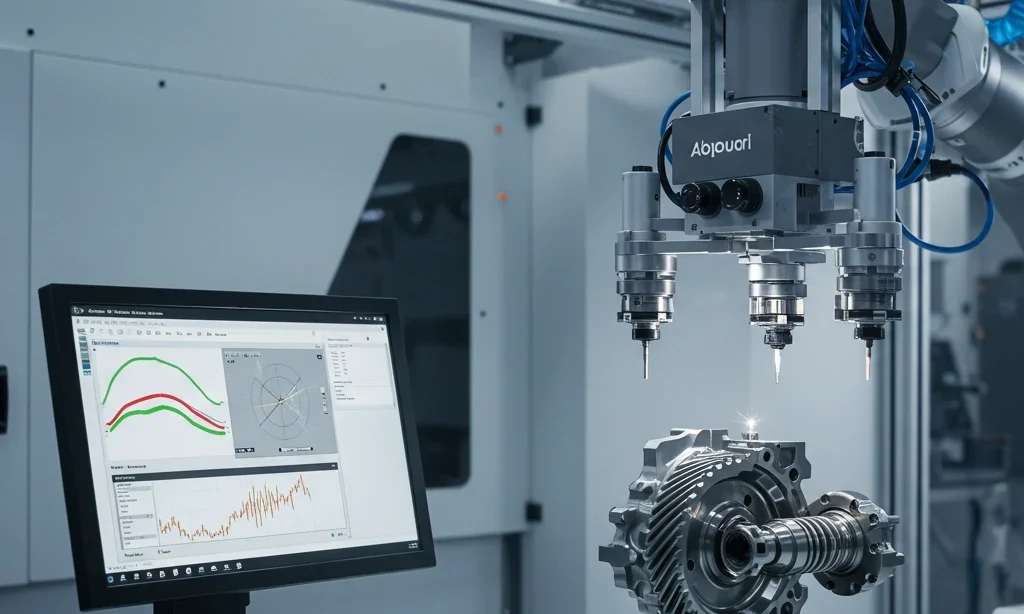
Include screenshots showing defect heatmaps, classification UI, analytics dashboard.
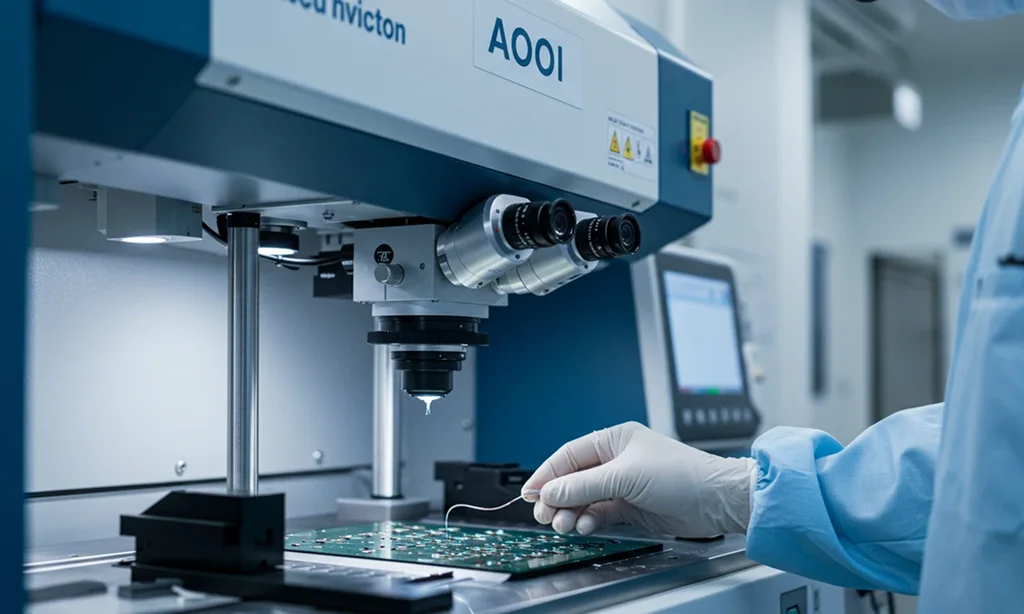
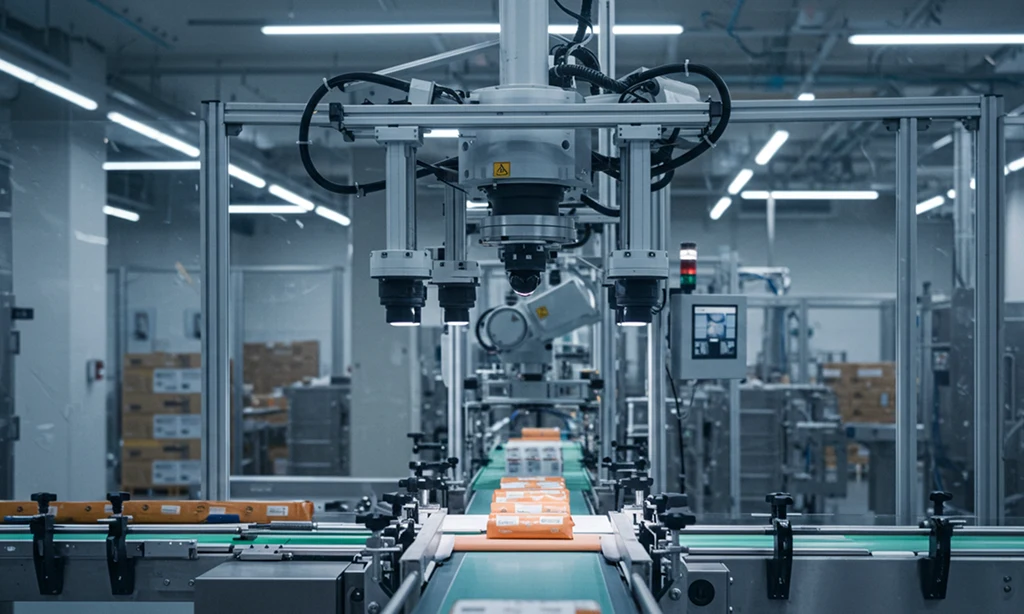
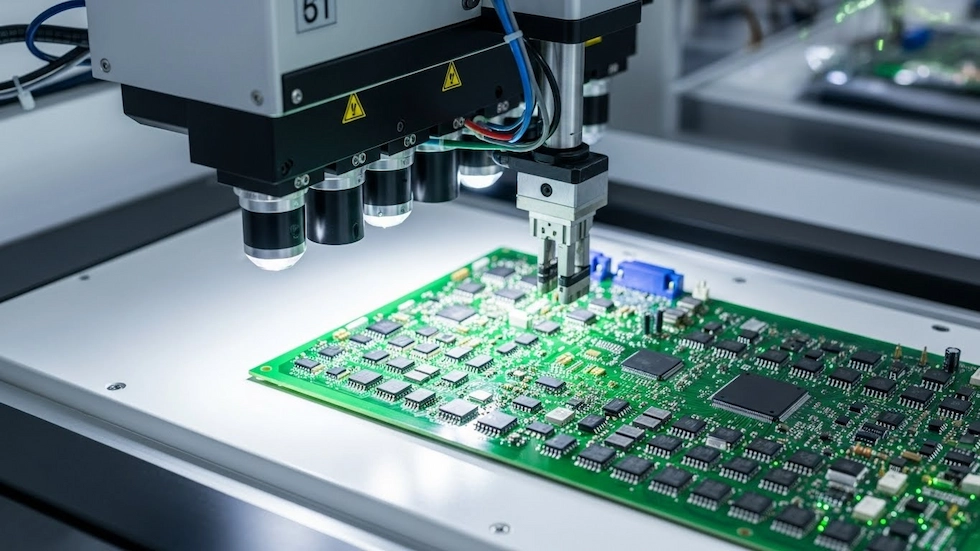
Automated optical inspection (AOI) machines use high-resolution cameras and lighting systems to capture detailed images of products as they move through production lines. These systems automatically detect surface defects, assembly mistakes, and quality deviations that are difficult or impossible to catch during manual inspection.
AOI is valuable because it lets manufacturers inspect every product at production speed, catching defects immediately instead of discovering them through field failures, customer complaints, or costly returns. This shift from sampling to complete inspection moves quality assurance from reactive to proactive.
✅ In short, AOI machines use cameras and AI to automatically detect product defects at production speed, replacing slower manual inspection.
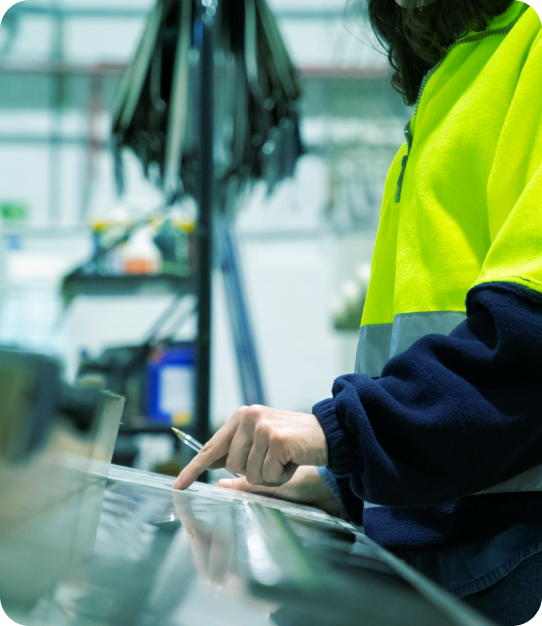
Traditional inspection relies on human operators checking a sample of products, which means accuracy varies between people and shifts, and many defects slip through at high production speeds. AOI machines inspect 100% of output in real time with consistent accuracy, and they record every result for full traceability. The difference is not just speed but reliability: where manual inspection typically catches 70-80% of defects, a well-configured AOI system holds detection rates of 95-99% without fatigue or variation.
AOI can pick up most issues that are visible on the surface. This includes things like scratches, dents, missing parts, incorrect labels, slight shape variations, and other irregularities that stand out in an image. With AI involved, it can also notice subtle changes that people often miss during manual checks.
An automated optical inspection machine is a system that uses cameras and AI to inspect products for defects automatically, without human intervention. It captures high-resolution images as products move through production and flags flaws like scratches, dents, missing parts, misalignment, and surface irregularities in real time.
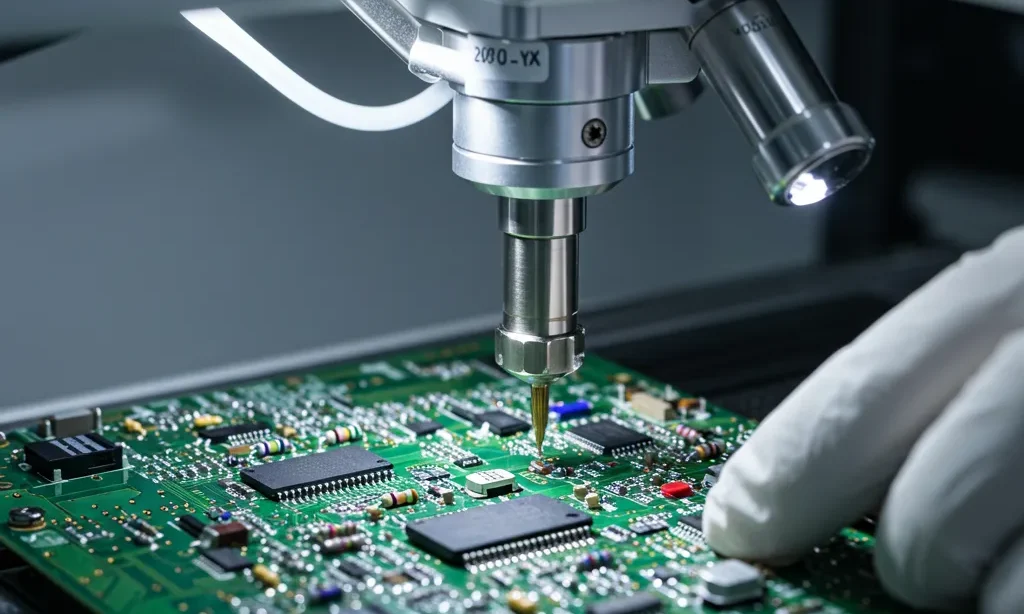
An AOI machine detects defects by photographing each unit under controlled lighting, then comparing the image against learned quality standards using computer vision and machine learning. When a product deviates from the accepted reference, the system classifies the defect and makes an instant accept or reject decision.
AOI machines inspect surface defects, dimensional accuracy, assembly completeness, component placement, labels, and contamination. They are commonly used to check PCBs and SMT assemblies, automotive components, medical devices, and packaging.
The main difference is coverage and consistency: an AOI machine inspects 100% of production at line speed with consistent accuracy, while manual inspection samples only a portion and typically catches 70-80% of defects due to fatigue and human variation. AOI also records every inspection for traceability, which manual checks cannot.
A well-configured AOI machine typically achieves 95-99% defect detection rates and holds that accuracy across every shift and lighting condition. Accuracy depends on camera quality, lighting control, and how well the system is trained on your specific products and defects.
Most AOI systems can be installed and validated within a few weeks to a few months, depending on line complexity, integration needs, and product variety. The process includes setup and calibration, creating reference standards, tuning inspection parameters, and a pilot run before full deployment.
Complete the form below and our team will aim to be in touch within 1 business day.
"*" indicates required fields