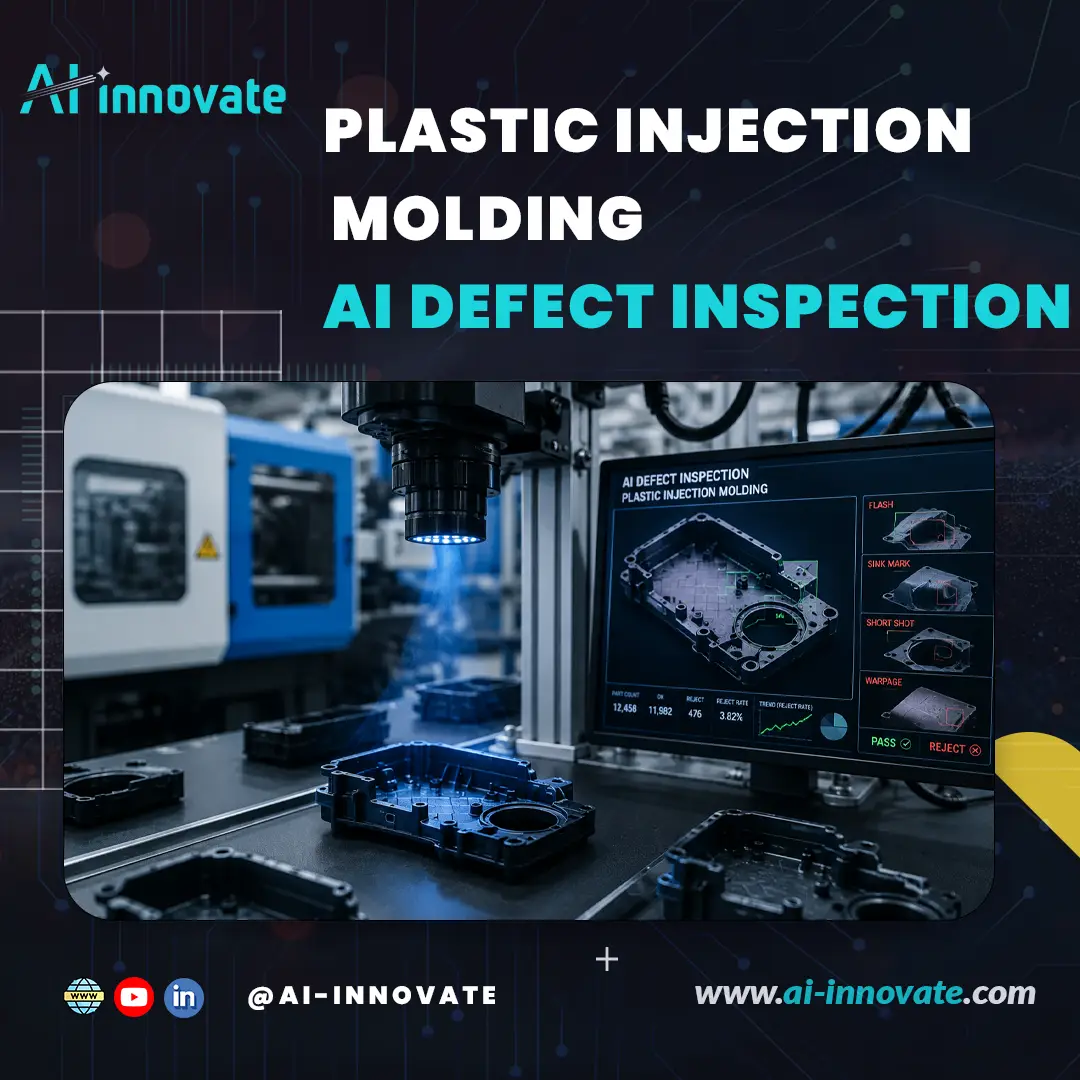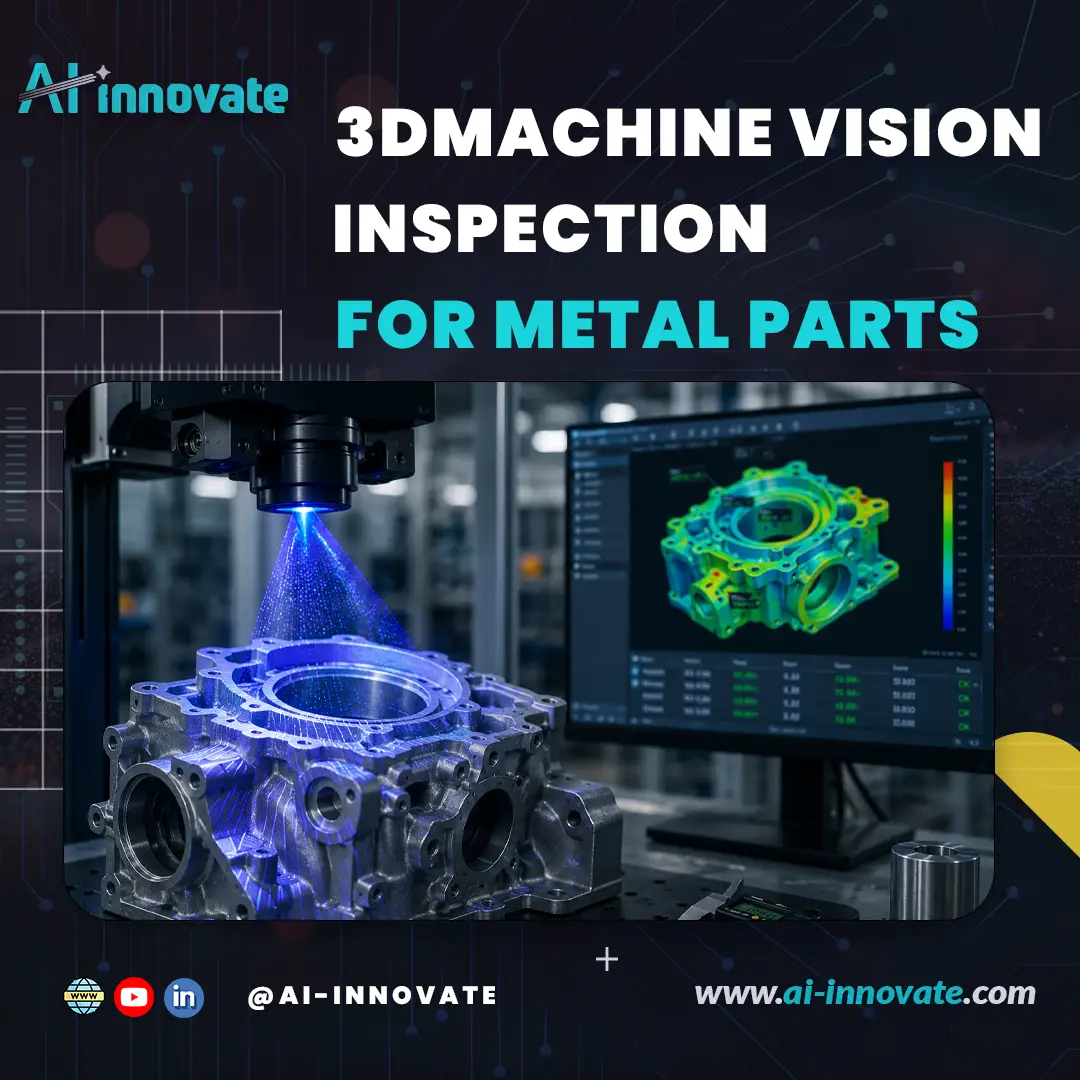





A single defect that escapes the line can cost a manufacturer far more than the part itself. It can mean a recall, a lost contract, or a customer who never orders again. For decades, catching those defects fell to human inspectors checking samples by eye, a method that was honest, skilled, and fundamentally unable to keep pace with modern production speeds. Even the best inspectors catch only 70 to 80 percent of defects, because fatigue, judgment, and the sheer volume of output make 100 percent manual coverage impossible.
That gap is exactly where AI for quality assurance in manufacturing has changed the rules. Instead of relying on human judgment and fixed inspection rules, manufacturers can now use systems that learn from production data, see every product through industrial cameras, and flag defects in real time without ever tiring. The stakes are high because quality is now a competitive battleground: rising costs, thinner margins, and customers who expect zero defects leave little room for the limitations of manual checking.
This guide explains what AI quality assurance in manufacturing actually is, how it works, where it delivers value, and how to deploy it in a real production environment, drawn from hands-on experience building and integrating these systems on the factory floor.
AI in Quality Assurance Consistency You Can Trust.
AI-powered quality assurance systems monitor production, detect defects, and validate processes in real time. Discover how intelligent QA improves reliability, reduces waste, and delivers consistent excellence across modern manufacturing operations.

What Is AI for Quality Assurance in Manufacturing?
AI for quality assurance in manufacturing is the use of machine learning and computer vision to inspect products, detect defects, and validate processes automatically and in real time. Rather than following fixed rules, these systems learn what good output looks like from production data, then flag any deviation continuously, at full line speed, without fatigue. The result is a shift from periodic, reactive sampling to always-on, intelligent quality control.
The change runs deeper than automation. Traditional inspection asks, “Did this sample pass?” AI-driven quality assurance asks, “Is this entire process behaving the way it should, and where is it about to drift?” That is the difference between checking quality and managing it.
Key Takeaways
AI makes quality assurance a living system that learns, adapts, and protects product integrity across every stage of modern manufacturing.
When it's done with good leadership and clear steps, smart inspection can lead to new ideas, consistency, and trust in how things are done.
How Does AI Quality Assurance Work?
Three technologies do the work, and they are far stronger together than apart.
Machine learning
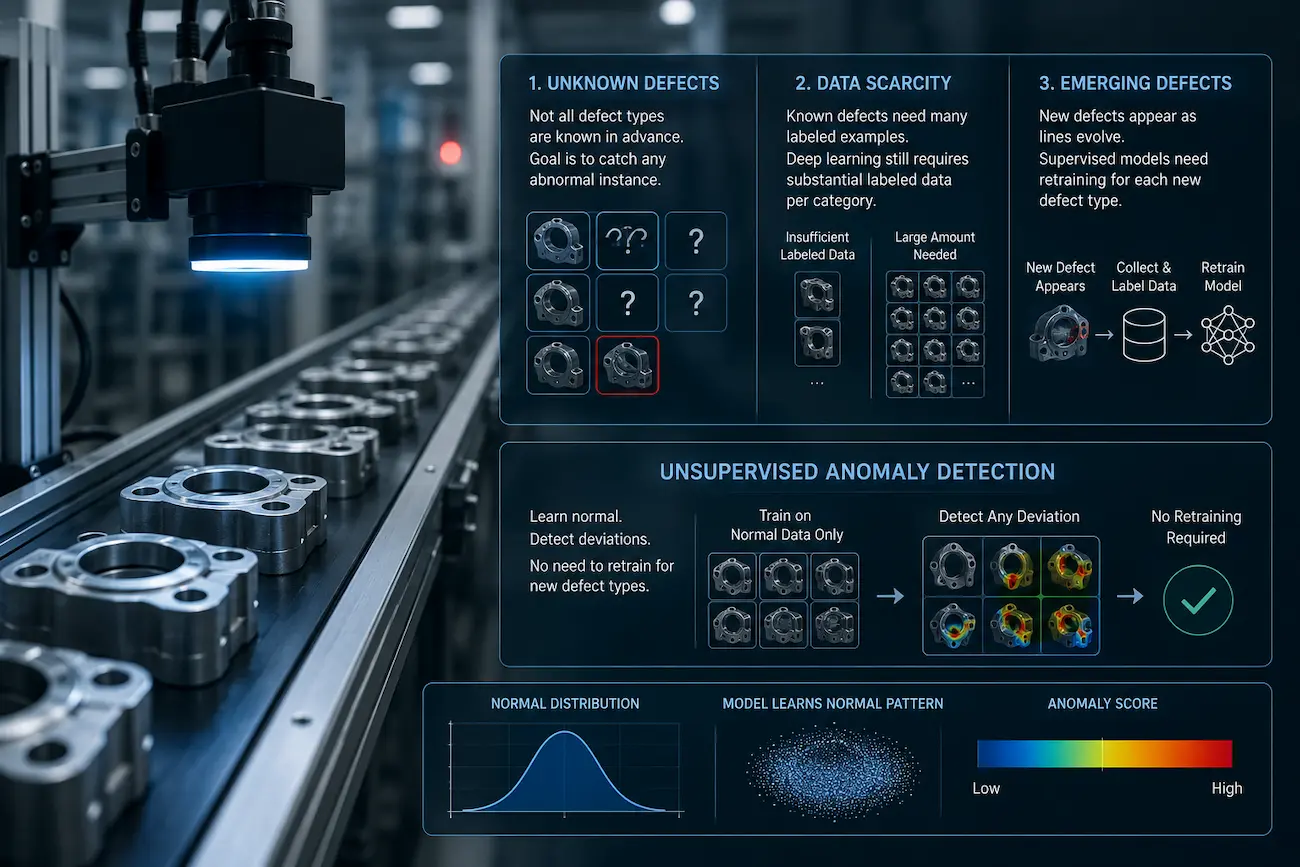
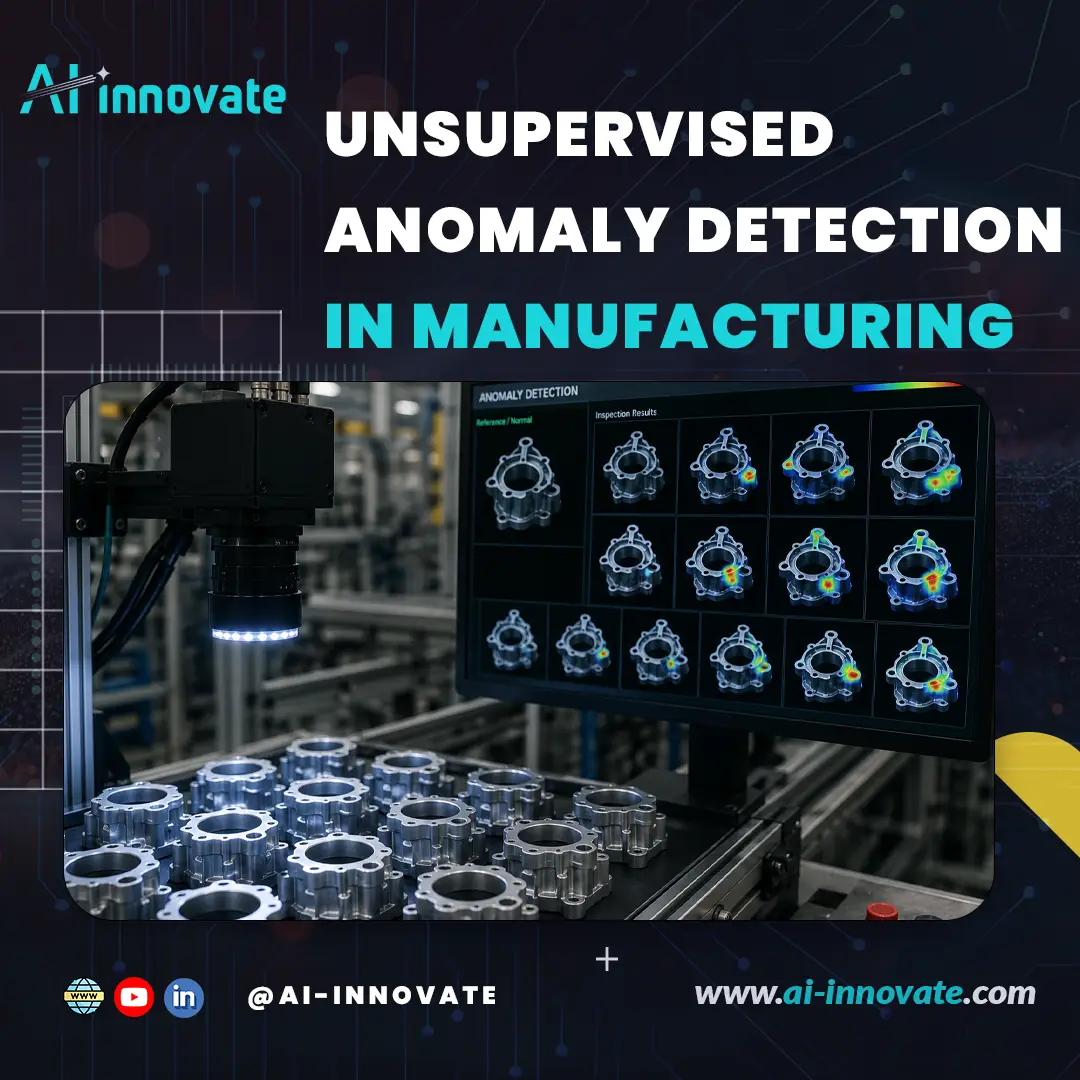
Machine learning involves studying historical production data until the machine can distinguish between normal, high-quality output and subtle patterns that indicate a defect or an unstable process.
Computer vision
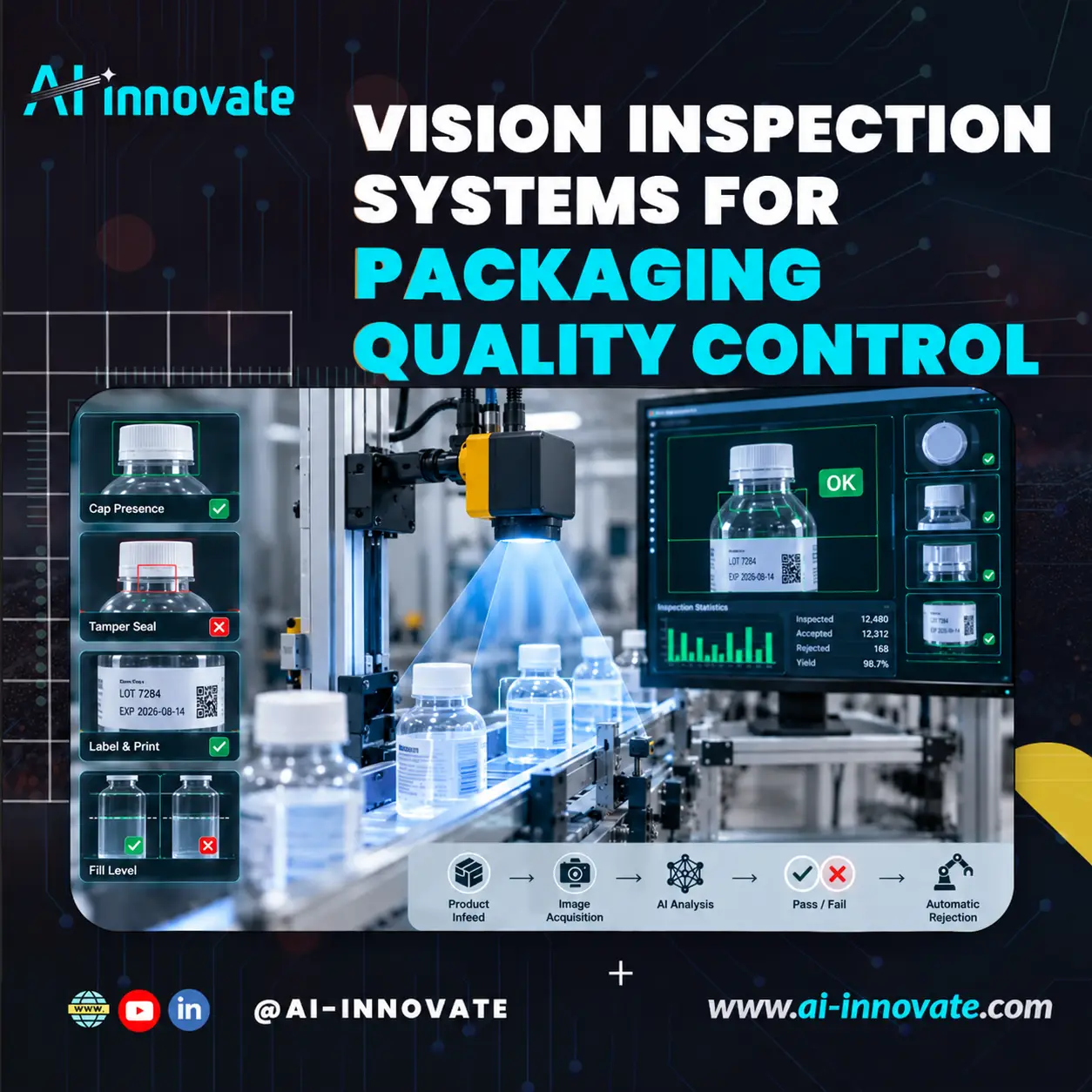
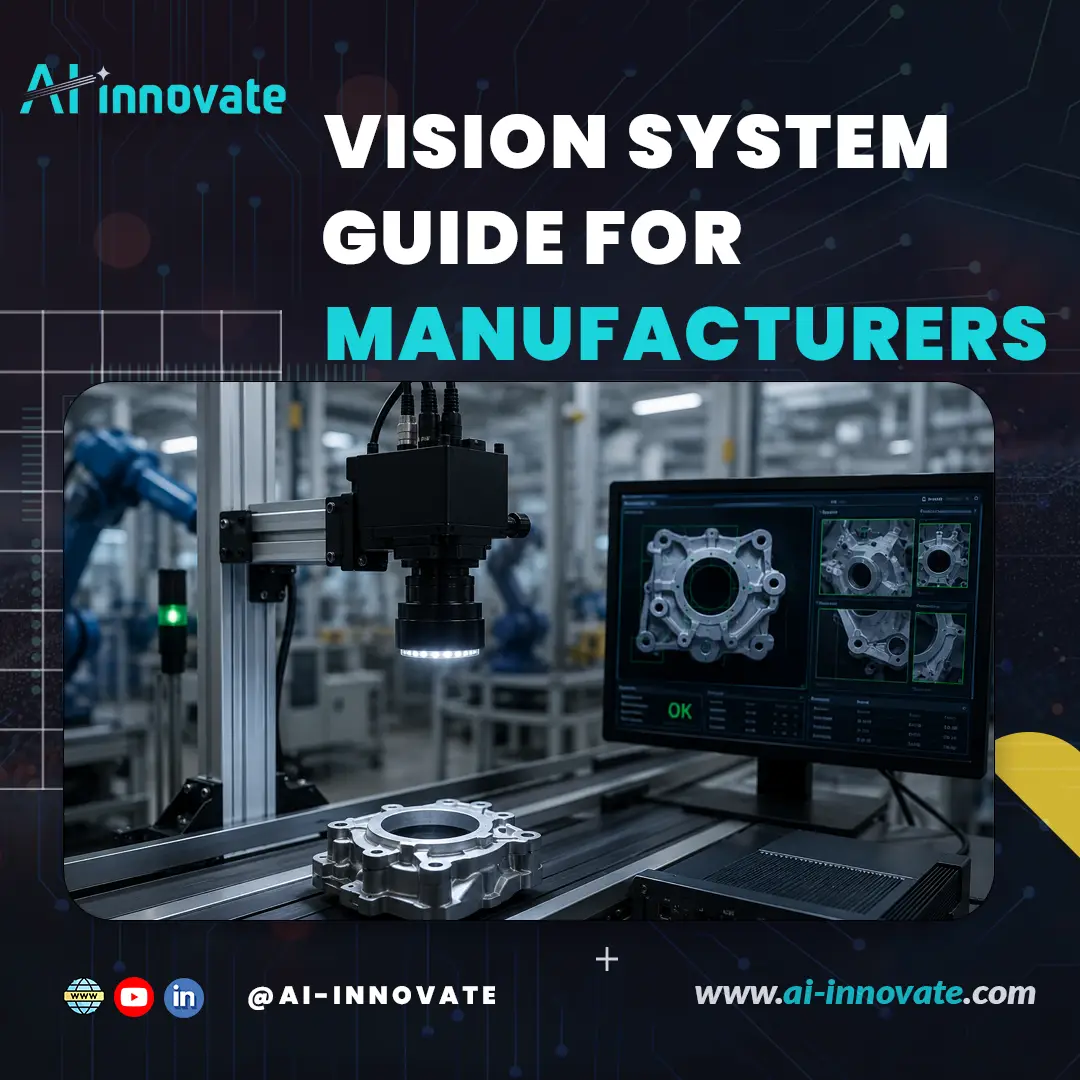
Computer vision gives the system its eyes. Through industrial cameras, it instantly reads surfaces, shapes, colors, and textures, catching flaws that humans would miss at production speed. This is the same principle behind modern machine vision for defect detection.
Advanced analytics
Advanced analytics links visual data to sensor and process readings. This reveals hidden trends and early warning signs before defects occur. It also enables real-time analysis of defects across the line.
Together, these turn quality assurance into a living process driven by real production data instead of a static checklist.
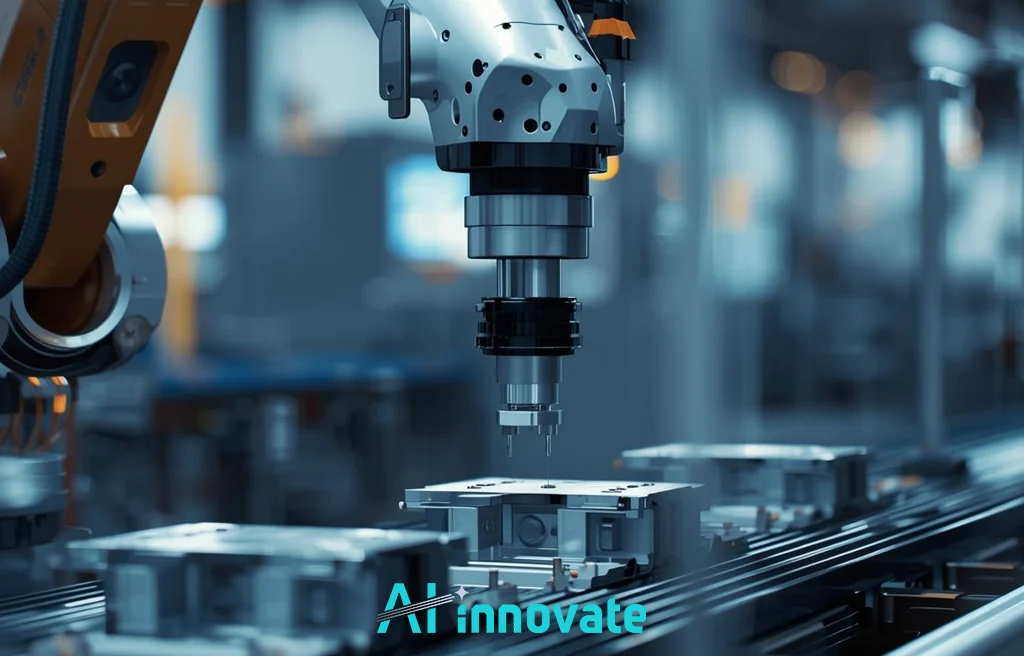
Core Technologies Behind AI Quality Assurance Systems
AI quality assurance systems combine multiple technologies to automate inspections, analyze production data, and improve manufacturing quality. Each technology contributes to faster defect detection, greater inspection accuracy, and better process visibility, helping manufacturers achieve more consistent quality while reducing waste, rework, and production costs.
| Core Technology | Role in AI Quality Assurance | Manufacturing Benefit |
|---|---|---|
| Machine Learning | Analyzes historical and real-time production data to recognize defect patterns and continuously improve inspection accuracy. | Reduces false positives while increasing defect detection reliability. |
| Deep Learning | Processes complex visual information to identify subtle defects that conventional inspection systems may overlook. | Improves inspection accuracy for complex products and surface defects. |
| Computer Vision | Interprets production images to detect defects, verify dimensions, and inspect product quality automatically. | Enables fast, accurate, and scalable visual inspection. |
| Machine Vision | Captures high-quality images using industrial cameras, lenses, lighting systems, and optical sensors. | Provides consistent image quality for reliable AI inspection. |
| Industrial IoT (IIoT) | Collects operational data from connected equipment, sensors, and production systems for continuous monitoring. | Improves process visibility and supports real-time quality decisions. |
| Edge AI | Runs AI models directly on industrial devices located near the production line for immediate analysis. | Delivers real-time inspection with minimal latency. |
| Predictive Analytics | Evaluates quality trends and production data to identify process deviations before defects occur. | Helps reduce scrap, rework, and unexpected production disruptions. |
| Digital Twins | Creates virtual models of manufacturing processes to simulate quality improvements before implementation. | Supports data-driven optimization with lower operational risk. |
What Can AI Quality Assurance Do That Manual Inspection Cannot?
Modern AI quality assurance platforms have a few core capabilities that set them apart from traditional inspection.
Automated visual inspection
Computer vision models scan images and video for surface defects, missing parts, and assembly errors, and they perform identically regardless of lighting or line speed, where older methods lost accuracy the moment conditions changed. This is the engine behind automated visual inspection systems.
Real-time decision support
Because inspection data is processed the instant it is captured, the system can act immediately, rejecting a faulty unit, adjusting a machine parameter, or alerting an operator.
Predictive quality analytics
By reading long-term trends, AI forecasts when a process is drifting toward out-of-spec, enabling preventive intervention instead of after-the-fact scrap.
Scalable deployment
Once a model is validated, it runs across many lines and facilities, holding quality steady whether you operate a single line or a multi-plant operation.
How Does AI Quality Assurance Compare to Manual Inspection?
The core difference is coverage and consistency: AI inspects every unit at line speed with steady accuracy, while manual inspection samples only a portion and varies between people and shifts.
| Factor | Manual Inspection | AI Quality Assurance |
|---|---|---|
|
⊕
Coverage
|
◔
Samples a subset of production output
|
✓
Inspects 100 percent of production at line speed
|
|
✓
Accuracy
|
◔
Around 70 to 80 percent, varies by operator
|
✓
Consistent 95 to 99 percent detection rate
|
|
↻
Consistency
|
◔
Affected by fatigue, judgment, and shift changes
|
✓
Identical performance across every shift
|
|
⬡
Data
|
◔
Little or no inspection record
|
✓
Full traceability with images and classification
|
|
⚡
Response
|
◔
Defects found after the fact
|
✓
Flagged and acted on instantly
|
The practical payoff is not just catching more defects. It is catching them earlier, recording why they happened, and preventing the next batch from repeating the mistake.
Where Is AI Quality Assurance Used in Manufacturing?
AI-driven quality assurance adapts to very different materials and environments while improving accuracy and consistency in each.
- Automotive: Vision systems inspect weld seams, painted surfaces, and assembled components for structural and cosmetic defects in real time.
- Electronics: Intelligent inspection verifies solder joints, component placement, and circuit-board integrity with high precision.
- Metal and steel: AI handles metal defect detection, identifying cracks, corrosion, and rolling imperfections during production.
- Textiles and fabric: AI analyzes weaving patterns and textures to catch stains, holes, and alignment issues at high speed, the focus of fabric defect detection using image processing.
Across all of them, the underlying discipline is the same: reliable defect detection in manufacturing built on consistent data and well-trained models.
How Do You Implement AI Quality Assurance in Manufacturing?
Successful adoption is structured, not all at once.
- Define your quality priorities. Identify the defects that cost you the most in money, delays, or compliance risk, and target those first.
- Prepare reliable data and imaging. Install stable cameras and sensors, and make sure images and data are clear, consistent, and well-organized, since AI performs only as well as its inputs.
- Start with a focused pilot. Choose one line or inspection point with recurring problems, prove value there, then refine before scaling.
- Choose the right computing setup. Use edge devices for fast, on-floor inspection and cloud platforms for training and long-term trend analysis. Combining both usually delivers the best results.
- Integrate with existing systems. Connect AI to your manufacturing, quality, and reporting tools so inspection results actually inform decisions across teams.
- Train and support your teams. Teach operators, engineers, and quality managers how the system works, how to review its output, and when human judgment takes over. Oversight remains essential.
Key Manufacturing Metrics Improved by AI Quality Assurance
AI quality assurance helps manufacturers improve the performance indicators that matter most. By combining automated inspection, machine learning, and real-time production monitoring, AI reduces quality variation and provides measurable improvements across manufacturing operations
First Pass Yield (FPY)
AI identifies process deviations before defects spread through production, allowing more products to pass inspection the first time.
Higher production efficiencyDefect Detection Rate
Machine vision and AI inspect every product with greater consistency than manual inspection, improving defect detection accuracy.
Better product qualityScrap and Rework
Early defect detection reduces material waste and minimizes costly rework by correcting quality issues during production.
Lower manufacturing costsOverall Equipment Effectiveness (OEE)
Continuous quality monitoring reduces production interruptions and helps equipment operate more efficiently.
Improved equipment utilizationProduction Yield
Stable production processes and consistent quality increase the percentage of products that meet specifications.
More saleable productsCustomer Satisfaction
Delivering consistent product quality reduces warranty claims, returns, and customer complaints while strengthening brand trust.
Greater customer confidenceWhat Are the Benefits and Challenges?
Benefits:
- More reliable detection of even subtle flaws that slip past manual checks
- Lower material waste and rework, because defects are caught early
- Faster root-cause identification through structured defect analysis techniques
- Higher customer trust and a stronger brand reputation built on consistent quality
Challenges:
- Upfront investment in hardware, software, and training before returns appear
- Compatibility with legacy equipment, which may need added sensors or interfaces
- Limited access to high-quality labeled data, which takes time to build
None of these is a dealbreaker. Each is a planning item, and the manufacturers who succeed treat them as such from the start.
How AI-innovate Powers Quality Assurance in Manufacturing
AI for quality assurance only creates value when it is deployed with the right hardware, data, and decision-making behind it. AI-innovate builds a connected product ecosystem designed for exactly that, helping manufacturers move from isolated inspection stations to scalable, production-floor quality control.
- AIxEye delivers AI-based visual inspection and defect detection, enabling consistent, real-time quality decisions that reduce scrap, rework, and downstream cost. It anchors our approach to AI-driven quality control.
- AIxCam handles data generation, simulation, and validation, lowering model training cost and reducing dependence on large volumes of rare defect samples.
- AIxCore powers edge deployment and system integration, allowing inspection to connect smoothly with existing cameras, production lines, and manufacturing software.
- AIxAm detects surface and geometry defects on 3D objects by analyzing multi-view images and depth data in real time.
Together, these turn inspection investment into measurable, long-term value across quality, efficiency, and operational stability, whether you are evaluating the financial case for automated inspection or scaling existing systems across plants.
Final Thoughts
AI for quality assurance in manufacturing replaces slow, sampling-based inspection with continuous, learning systems that catch defects in real time, hold accuracy steady across every shift, and turn quality data into better decisions across the whole operation.
In my experience working with industrial teams, the real advantage is not just higher inspection accuracy. It is the confidence that comes from seeing your process clearly for the first time. Once hidden patterns become visible, improvement stops being guesswork and starts being deliberate, and that shift from reacting to defects to preventing them is what separates manufacturers who simply pass inspection from those who build lasting quality into everything they make.
Sources
Ai-Innovate uses only high-quality sources, including peer-reviewed studies, to support the facts within our articles.
- Cumbajin, E., Rodrigues, N., Costa, P., Miragaia, R., Frazão, L., Costa, N., Fernández-Caballero, A., Carneiro, J., Buruberri, L. H., & Pereira, A. (2023). A Systematic Review on Deep Learning with CNNs Applied to Surface Defect Detection. Journal of Imaging, 9(10), 193. https://www.mdpi.com/2313-433X/9/10/193
- A systematic review of deep learning approaches for surface defect detection in industrial applications. (2023). Engineering Applications of Artificial Intelligence, 130. https://www.sciencedirect.com/science/article/abs/pii/S0952197623019012
- Patrashko, D. Y., & Gurau, V. (2026). Machine Learning-Powered Vision for Robotic Inspection in Manufacturing: A Review. Sensors, 26(3), 788. https://www.ncbi.nlm.nih.gov/pmc/articles/PMC12899094/
- Sharp, M., Ak, R., & Hedberg, T. (2018). A Survey of the Advancing Use and Development of Machine Learning in Smart Manufacturing. National Institute of Standards and Technology (NIST). https://www.nist.gov/publications/survey-advancing-use-and-development-machine-learning-smart-manufacturing
- National Institute of Standards and Technology. Augmented Intelligence for Manufacturing Systems (AIMS). NIST. https://www.nist.gov/programs-projects/augmented-intelligence-manufacturing-systems-aims
- International Organization for Standardization. (2015). ISO 9001:2015 — Quality management systems: Requirements. ISO. https://www.iso.org/standard/62085.html
FAQ
What is AI in quality assurance?
AI in quality assurance is the use of computer vision and machine learning to inspect products, detect defects, and validate processes automatically in real time. Unlike fixed-rule inspection, these systems learn what good output looks like from production data and flag deviations continuously, without fatigue.
What is AI for quality assurance in manufacturing?
AI for quality assurance in manufacturing is the use of computer vision and machine learning to inspect products, detect defects, and validate processes automatically in real time. These systems learn what good output looks like from production data and flag deviations continuously, at full line speed, without fatigue.
How accurate is AI quality inspection compared to manual inspection?
AI quality inspection typically achieves 95 to 99 percent defect detection, while skilled manual inspection catches only 70 to 80 percent due to fatigue, inconsistent judgment, and the impossibility of checking every unit at line speed. AI also holds that accuracy steady across every shift and lighting condition.
Does AI replace human quality inspectors in manufacturing?
No, AI augments inspectors rather than replacing them. It handles repetitive, high-speed checking, freeing engineers to interpret defect trends, validate edge cases, and make the strategic quality decisions that require human judgment and domain knowledge.
How long does it take to deploy AI quality assurance?
Most pilot systems go live within three to six months, depending on data availability and integration needs. Starting with a single high-defect line lets manufacturers prove value quickly before scaling across the facility.
What industries use AI for quality assurance?
AI quality assurance is widely used in automotive, electronics, metal and steel, food production, and textile manufacturing. Applications range from inspecting weld seams and solder joints to detecting surface cracks and fabric defects at full production speed.
Can AI quality assurance work with existing production equipment?
Yes, AI inspection integrates with most existing lines, though older machines may need added sensors or interfaces to connect. Integration with manufacturing, quality, and reporting systems ensures inspection results inform decisions across teams.
Can AI quality assurance work with existing production equipment?
Yes, AI inspection can integrate with most existing lines, though older machines may need added sensors or interfaces to connect. Integration with your manufacturing, quality, and reporting systems ensures inspection results actually inform decisions.
What is the difference between AI inspection and traditional machine vision?
Traditional machine vision follows fixed, pre-programmed rules and struggles when conditions change, while AI inspection learns from data and adapts to new defects, materials, and environments. This makes AI more flexible and more reliable on complex or variable products.
Can AI quality assurance integrate with existing manufacturing systems?
Yes. Modern AI quality assurance platforms integrate with Manufacturing Execution Systems (MES), Enterprise Resource Planning (ERP) software, SCADA systems, programmable logic controllers (PLCs), Industrial IoT devices, and machine vision systems. This enables manufacturers to improve quality management without replacing existing production infrastructure.