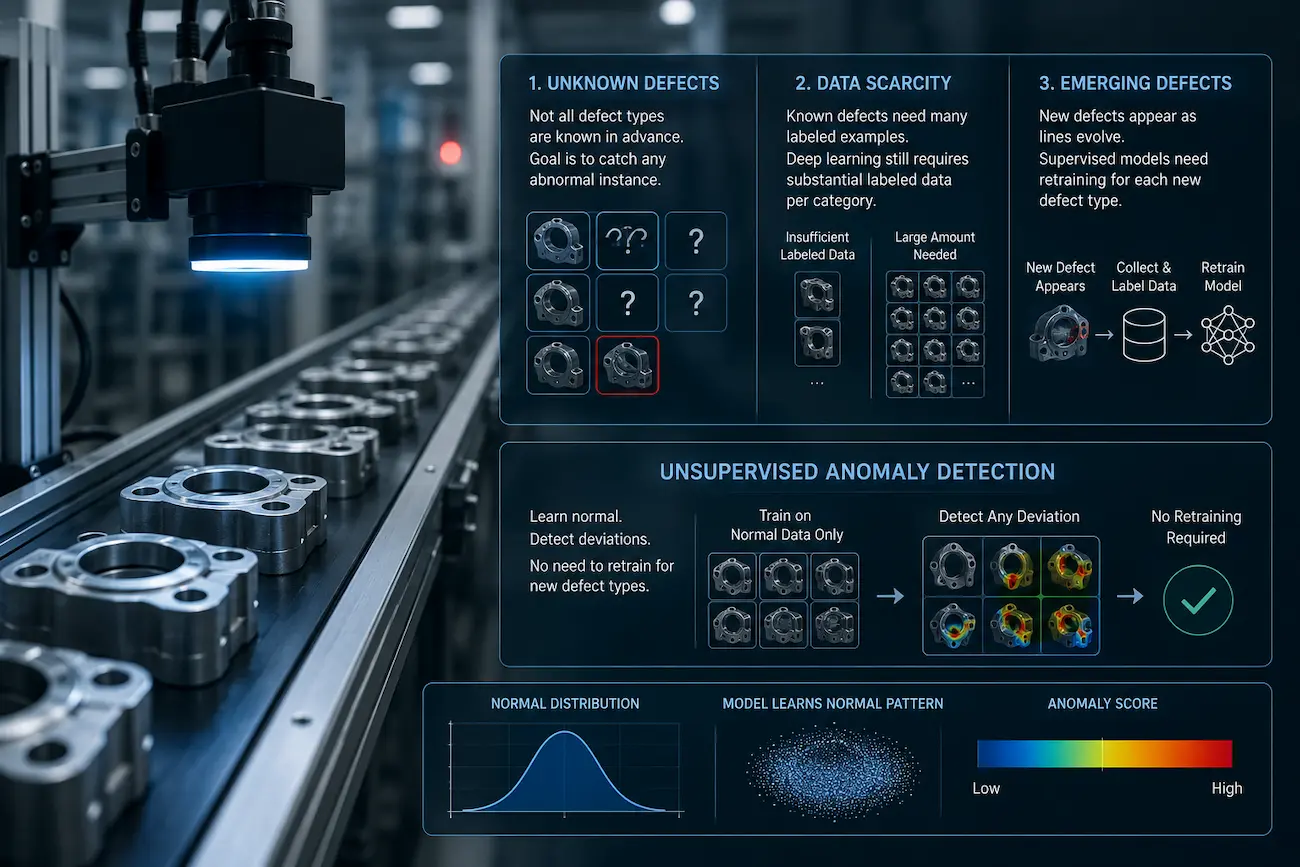





Even the most advanced manufacturing lines produce imperfections, but the best companies don’t just find defects, they learn from them. Without systematic methods to detect and understand flaws, manufacturers face recurring failures, costly recalls, and products that fail to meet quality standards.
Defects drain profits, damage reputations, and in critical sectors, threaten safety. Catching problems early costs far less than fixing them after production.
👉In this blog, you’ll learn how defect analysis techniques work, why they matter, and how applying the right methods can transform everyday inspection into a powerful system for precision, prevention, and continuous improvement.
Understanding Modern Defect Analysis and Its Core Techniques
Defect analysis is a systematic process used to identify, characterize, and understand the root causes of defects in materials, components, or systems.
Defect analysis techniques are methods used to detect flaws in products. These range from simple visual inspections to highly technical like microscopy and non-destructive testing. Together, they form the foundation of modern quality control and continuous improvement. They matter because with their help, manufacturers identify the real causes behind product flaws, not just the visible symptoms.
✅ Simply put, defect analysis techniques help teams move from fixing problems to preventing them entirely.

Foundations of Causal Investigation
The initial step in mature defect analysis is resisting the urge to implement a quick, superficial fix. The goal is to traverse the chain of causality down to its ultimate source. This requires a structured approach to questioning, a principle embodied by the 5 Whys technique.
It is a deceptively simple yet powerful iterative tool designed to uncover the deeper relationships between cause and effect, forcing a team to look beyond the immediate failure and identify the process or system breakdown that allowed it to occur. As we explore more complex scenarios, you’ll see how this foundational mindset becomes indispensable. The process is straightforward:
- Step 1: State the specific problem you have observed.
- Step 2: Ask “Why?” the problem occurred and write down the answer.
- Step 3: Take that answer and ask “Why?” it occurred.
- Step 4: Repeat this process until you arrive at the root cause, the point at which the causal chain can truly be broken.
Common Defect Analysis Techniques
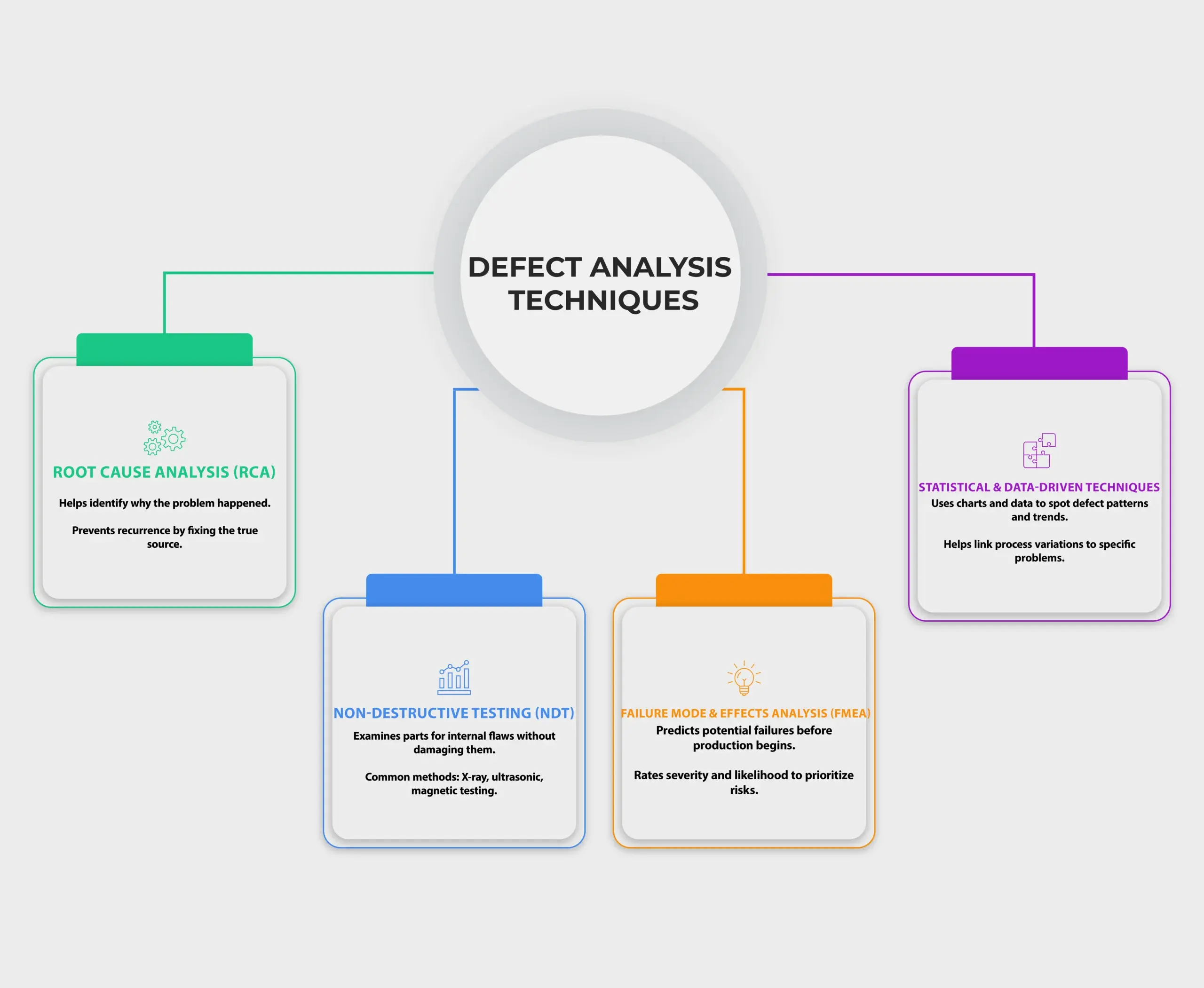
Different products and materials require different methods of analysis. Below are the most widely used techniques across industries.
- Root Cause Analysis (RCA)
• What it is: A systematic investigation after a problem occurs to find its deep, underlying cause. This goes beyond the surface-level symptom.
• Purpose: To find the real reason a problem happened, so you can fix the source and prevent it from happening again.
• Key benefit: Stops recurring problems by addressing the fundamental issue, not just the symptoms. - Non-Destructive Testing (NDT)
• What it is: Testing a part for internal flaws without breaking or damaging it. Examples include using X-rays or sound waves (ultrasonic testing).
• Purpose: To find hidden flaws inside a product, such as voids or weak spots, especially in safety-critical parts.
• Key benefit: Checks a product’s integrity without destroying it, so the part can still be used if it passes. - Failure Mode and Effects Analysis (FMEA)
• What it is: A planning tool where a team thinks about all the ways a product could fail before it happens. They score how bad each failure would be.
• Purpose: To find and prevent potential problems in the design or manufacturing process before a product is made.
• Key benefit: It saves time and money by fixing design flaws early. - Statistical and Data-Driven Techniques
• What it is: Using charts, graphs, and data to find patterns and trends in defects.
• Purpose: To understand how process variations are related to defects, which helps you predict and prevent future issues.
• Key benefit: Moves you from a reactive approach to a proactive one by identifying the key sources of problems based on data.
Structuring the Analytical Process
When a problem’s origins are not linear and involve multiple contributing factors, more comprehensive tools are required to organize the investigation. These frameworks help visualize complex interactions and prevent cognitive biases from overlooking potential causes.
They provide a shared map for teams to navigate the intricacies of a failure, turning unstructured brainstorming into a systematic examination. Here, we delve into two of the most effective structural Defect Analysis Techniques.
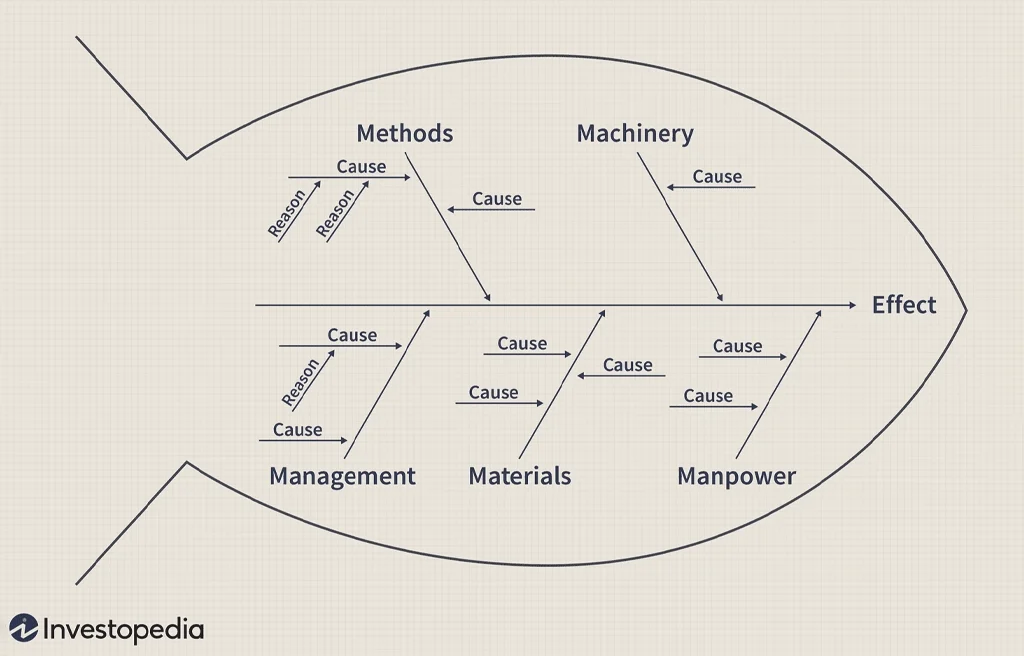
The Ishikawa Diagram
Also known as the Fishbone Diagram, this tool provides a visual method for categorizing potential causes of a problem to identify its root causes. By organizing ideas into distinct categories, it helps teams brainstorm a wide range of possibilities in a structured way. Key categories typically include:
- Manpower: Human factors and personnel issues.
- Methods: The specific processes and procedures being followed.
- Machines: Equipment, tools, and technology involved.
- Materials: Raw materials, components, and consumables.
- Measurements: Data collection and inspection processes.
- Mother Nature: Environmental factors.
Failure Mode and Effects Analysis (FMEA)
FMEA is a proactive technique used to identify and prevent potential failures before they ever happen. Instead of analyzing a defect that has already occurred, FMEA involves reviewing components, processes, and subsystems to pinpoint potential modes of failure, their potential effects on the customer, and then prioritizing them for action to mitigate risk.
Harnessing Data for Diagnostic Precision
While qualitative investigation points you in the right direction, quantitative data provides the validation needed for confident decision-making. Relying on intuition or anecdotal evidence alone can be misleading.
A data-driven approach transforms defect analysis from guesswork into a precise diagnostic science. This is where the Pareto Principle, or 80/20 rule, becomes invaluable. Pareto analysis helps teams focus their limited resources on the vital few causes that are responsible for the majority of problems.
For instance, by charting defect frequency, a team might discover that 80% of customer complaints stem from just two or three specific types of flaws, allowing them to prioritize corrective actions with maximum impact. To leverage this, a robust system for logging, categorizing, and tracking defects is non-negotiable, as this data feeds the entire diagnostic engine.
Evolving from Manual to Automated Inspection
For decades, manufacturing has relied on human visual inspection, a process inherently limited by operator fatigue, inconsistency, and high operational costs. The human eye, no matter how trained, cannot maintain perfect vigilance over thousands of products moving at high speed.
This is the critical bottleneck where minor defects are missed, leading to waste and potential brand damage. The industry is now moving toward AI-driven quality control as the definitive solution to these challenges. We are now entering an era where sophisticated Defect Analysis Techniques are embedded directly into the production line itself.
Analytical Logic Inspires Robust Evaluation, Zeroing Anomalies. Proactive Judgment ensures defects are caught early, reducing waste and strengthening quality assurance across production lines.
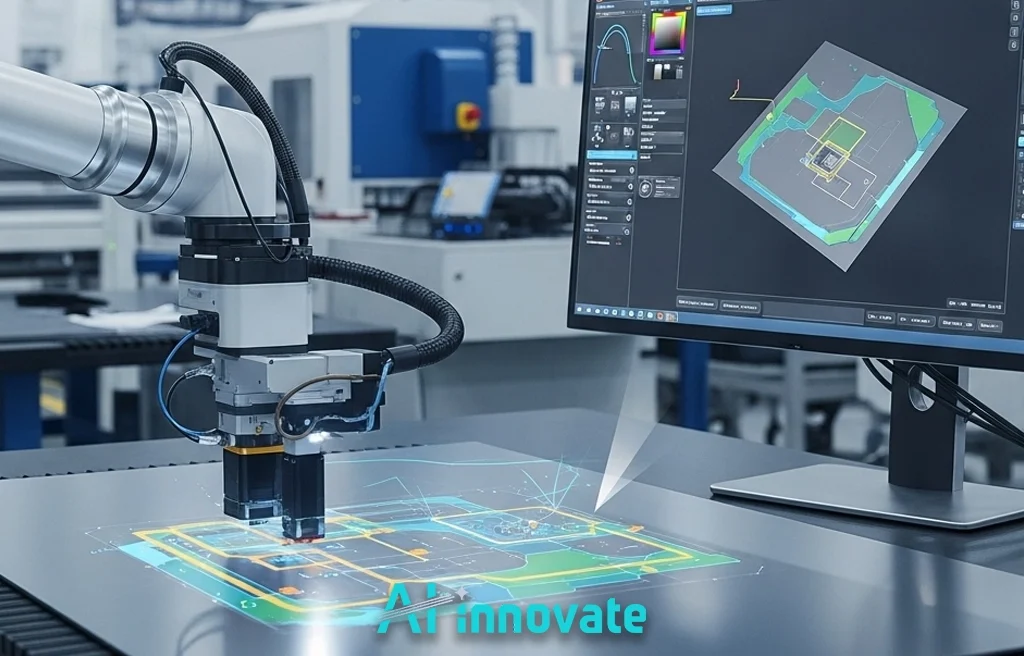
This evolution is embodied by AI-innovate’s AIXEye, an advanced system that integrates intelligent real-time defect analysis into the factory floor. It automates defect detection in manufacturing by using advanced machine vision to spot surface imperfections, contamination, or assembly errors that are invisible to the human eye. Discover how it transforms your operations:
- Drastically Reduces Waste: Catches defects the moment they occur, preventing the accumulation of scrap material and faulty goods.
- Maximizes Efficiency: Identifies production bottlenecks by analyzing defect data, offering insights to streamline the entire process.
- Guarantees Unwavering Quality: Ensures a consistently high standard of product, strengthening customer trust and brand reputation.
For QA Managers and Operations Directors aiming to eliminate the high costs and error rates of manual inspection, implementing an intelligent system like AIxEye delivers a clear and immediate return on investment.
Operationalizing Root Cause Analysis
Possessing a robust toolkit of analytical methods is only the first step. True organizational maturity emerges when these techniques are embedded within a supportive operational framework. Without standardized processes and a culture that champions transparency, even the most powerful tools cannot deliver their full potential.
Aligning Leadership, Innovation, and Responsibility empowers Zero-defect Ambitions. Performance Justification becomes clear and actionable when teams adopt consistent analysis practices.
This approach involves creating a systematic workflow that ensures every significant defect is not merely corrected, but also becomes a valuable learning opportunity. As operations continue to evolve, teams gain clarity on which methodologies best address their specific challenges. Below is a practical roadmap for implementation:
- Standardize Defect Reporting: Create a clear, detailed, and mandatory process for logging all defects, capturing crucial data from the outset.
- Prioritize for Impact: Classify defects based on severity, frequency, and business impact to ensure analytical efforts are focused where they matter most.
- Establish Cross-Functional Teams: Involve stakeholders from different departments (e.g., engineering, operations, QA) to gain diverse perspectives.
- Document and Share Findings: Maintain a central, accessible knowledge base of all RCA investigations to prevent recurring issues and institutionalize learnings.
- Foster a Blameless Culture: Frame defect analysis as a collective effort to improve processes, not to assign individual blame.
Synergizing Tools and Talent
The ultimate goal of implementing any technology is not to replace human expertise, but to augment it. In the realm of quality control, success is found in the synergy between skilled professionals and powerful analytical tools.
Even the most advanced automated system achieves its full potential when guided by experienced managers and engineers who can interpret its findings, make strategic decisions, and drive continuous improvement.
Investing in modern platforms for AI for quality assurance is a critical step, but it must be paired with an investment in training your talent. When your teams understand both the “why” behind the analytical methods and the “how” of using modern instruments, they transform from reactive problem-solvers into proactive architects of quality.
This powerful combination of human intellect and machine precision creates a resilient quality ecosystem and maximizes the ROI of your technological investments in Defect Analysis Techniques.
Practical Tools for Root Cause Analysis
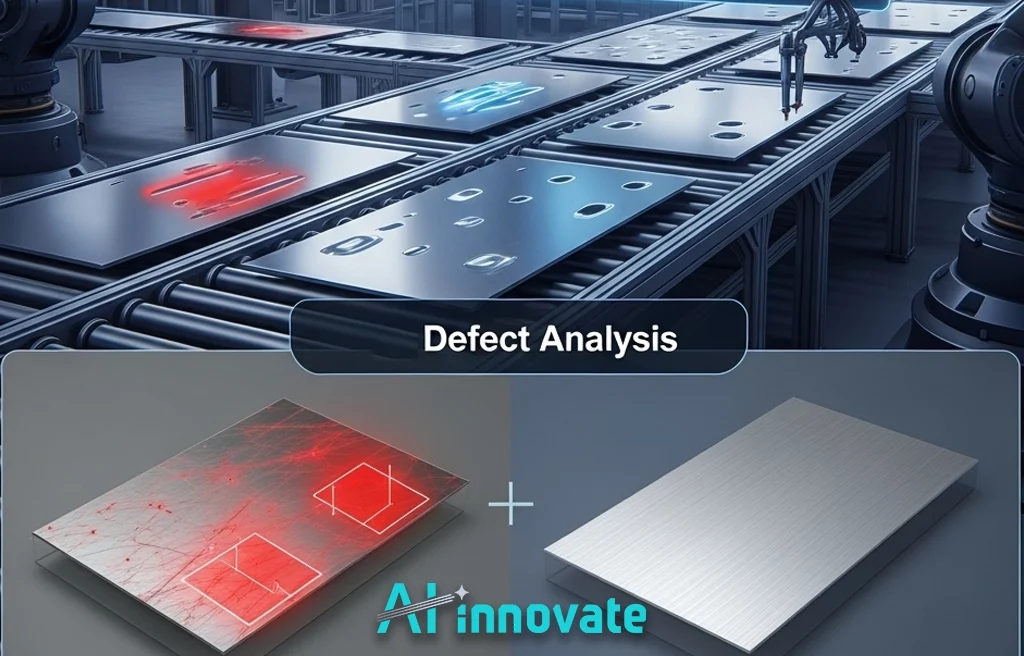
Defect detection must be paired with effective root cause analysis (RCA) to deliver lasting improvements. Some widely used tools include:
- Fishbone Diagram (Ishikawa): Visualizes potential defect causes across categories such as people, processes, tools, and environment.
- Whys Analysis: A lightweight method for drilling down into a defect by repeatedly asking “why” until the underlying cause is revealed.
- Kepner-Tregoe (KT) Analysis: A structured framework for complex problems, emphasizing definition, cause determination, risk evaluation, and resolution.
- Microsoft Power BI RCA: Enables data-driven RCA through customizable dashboards, integrating defect trends from MES, JIRA, or other sources.
- TapRooT® RCA Software: Enterprise-ready platform with guided workflows, compliance features, and incident tracking for large-scale operations.
Real Use Cases of Defect Analysis
Defect analysis techniques are used across industries where precision matter.
- Automotive: Identify production flaws and assembly issues before vehicles reach customers.
- Pharmaceutical and Medical Devices: Maintain regulatory compliance and product safety standards.
- Electronics and Semiconductors: Detect micro-defects, solder faults, and material inconsistencies that affect performance and yield.
- Energy and Infrastructure: Identify fatigue, corrosion, or weld defects in components to prevent costly maintenance or failures.
✅ No matter the field, the goal remains the same: to understand why defects occur, prevent them from repeating.
Real-World Use Case: Solving Smartphone Battery Failures
A smartphone manufacturer received complaints about overheating batteries. Initial checks found swollen batteries, prompting a replacement plan. However, engineers used microscopic analysis and discovered tiny copper particles in the battery separator. The root cause: a worn assembly-line cutting tool created metal shavings that caused internal short circuits. Without this defect analysis, millions of defective batteries would have continued production. Instead, they fixed the tool, preventing potential fires and saving their brand reputation.