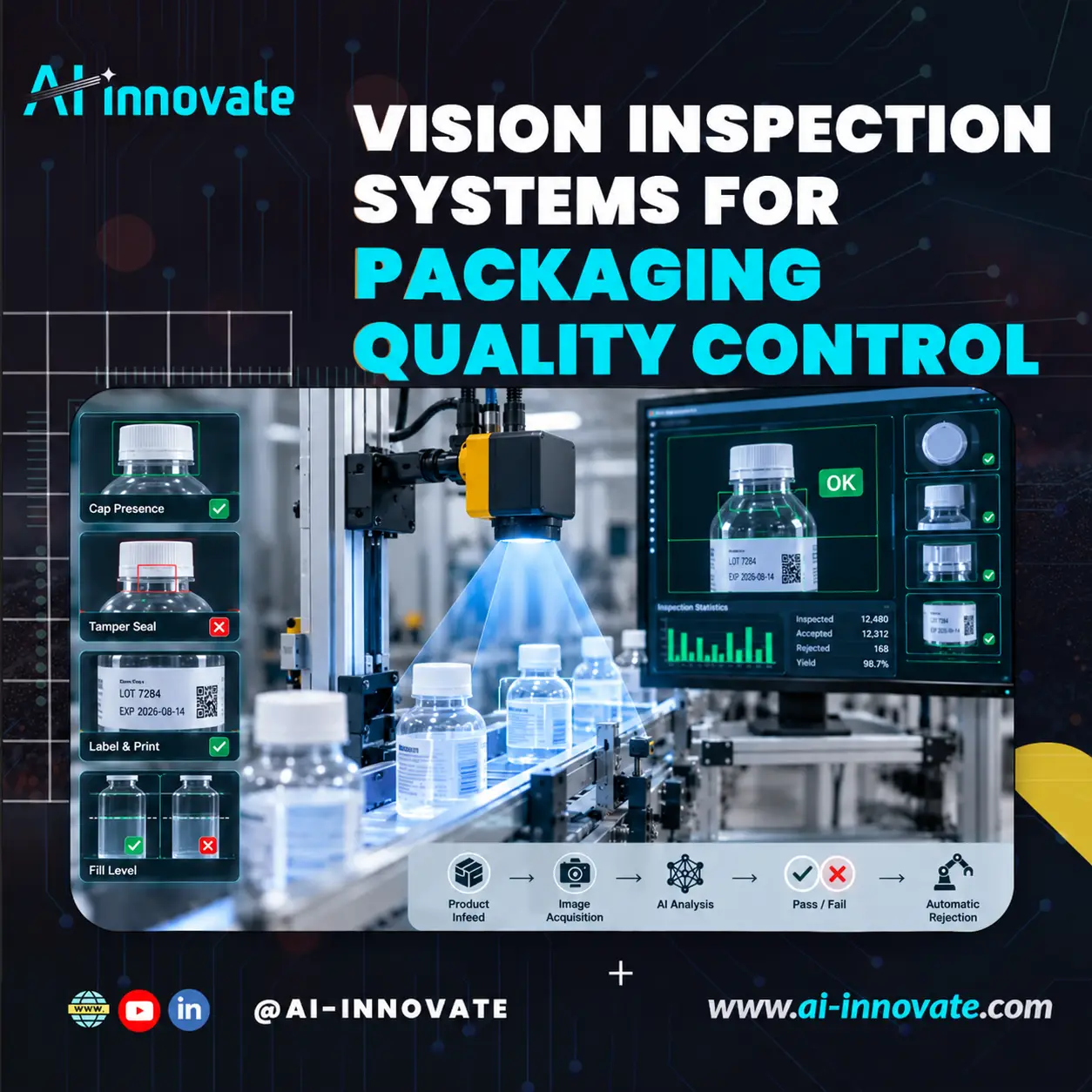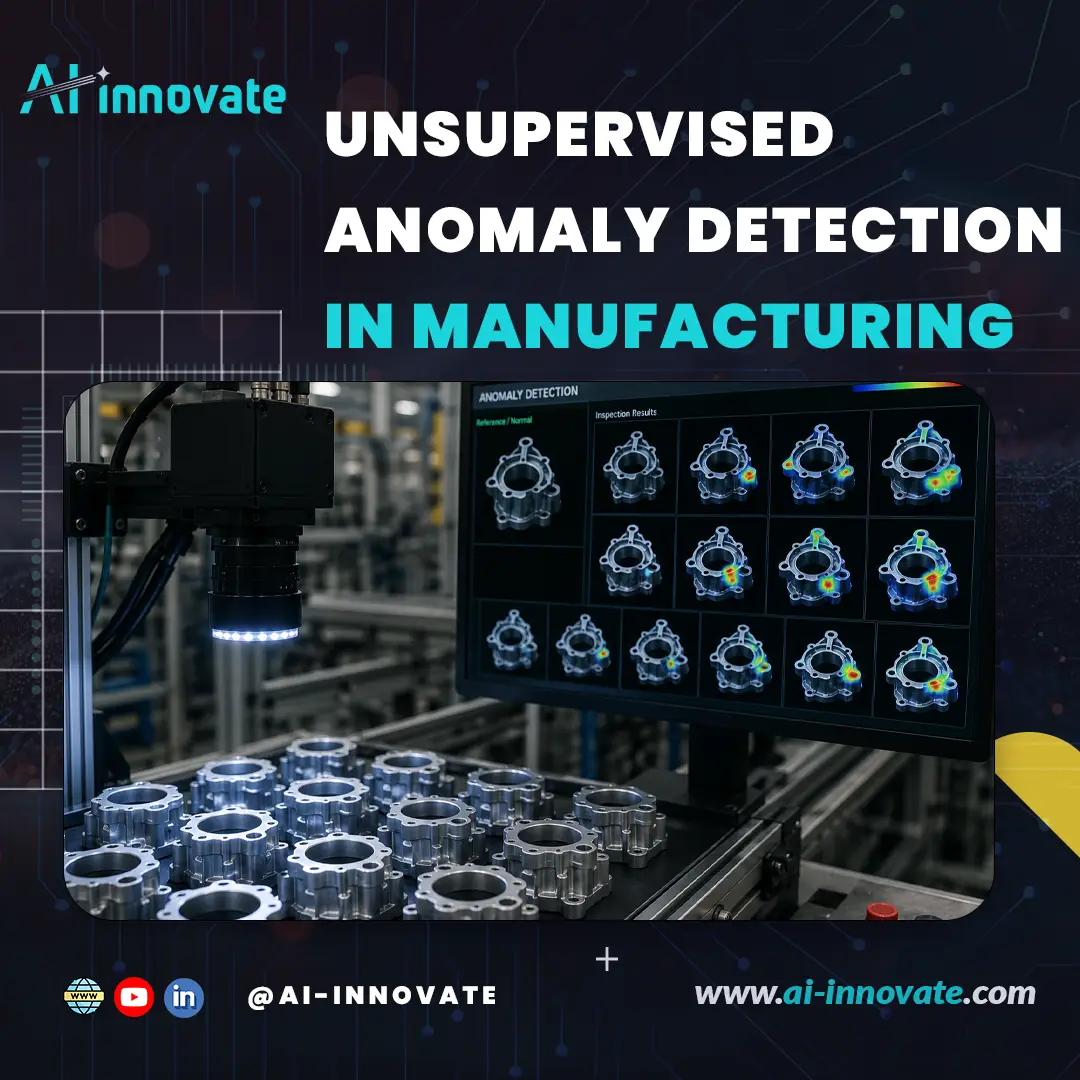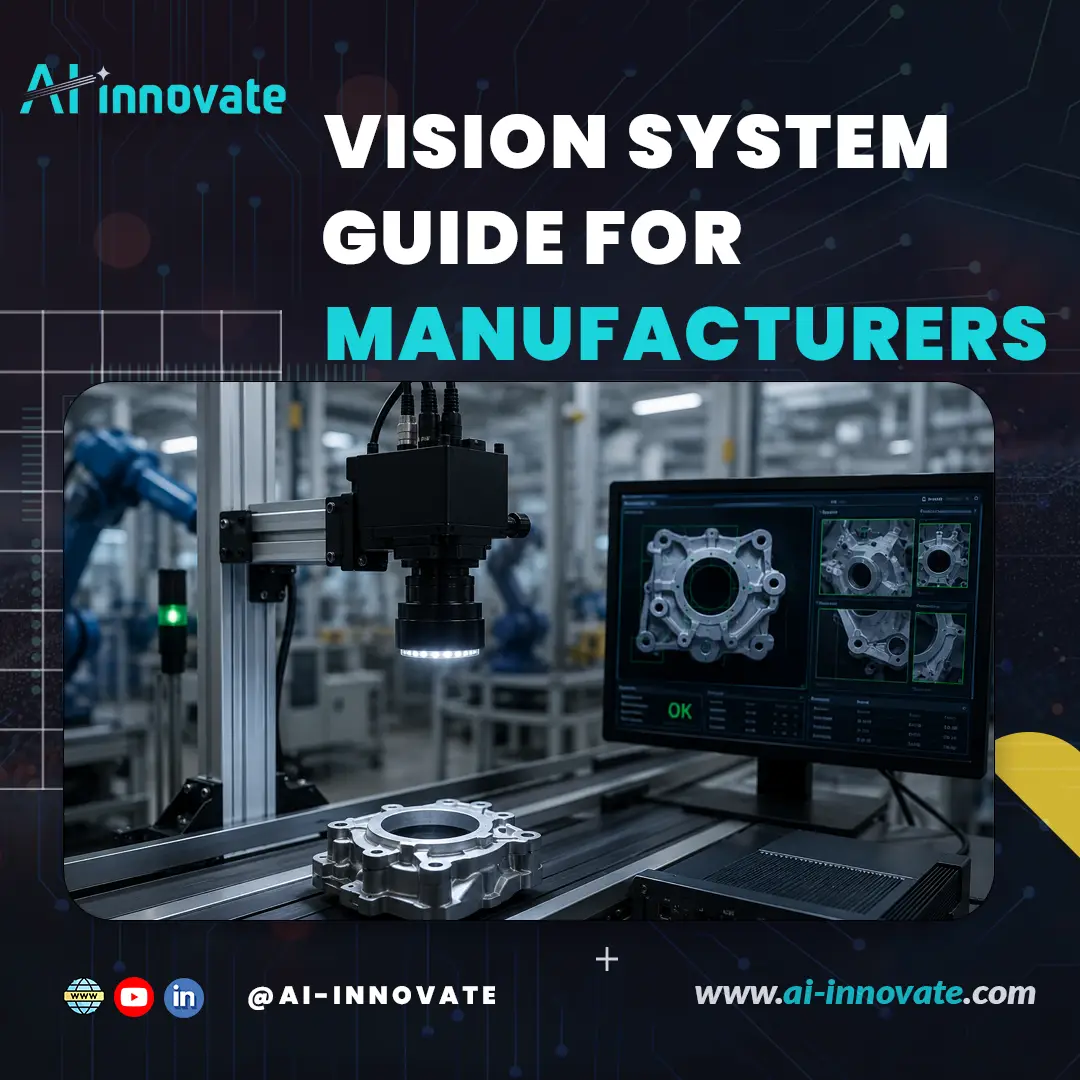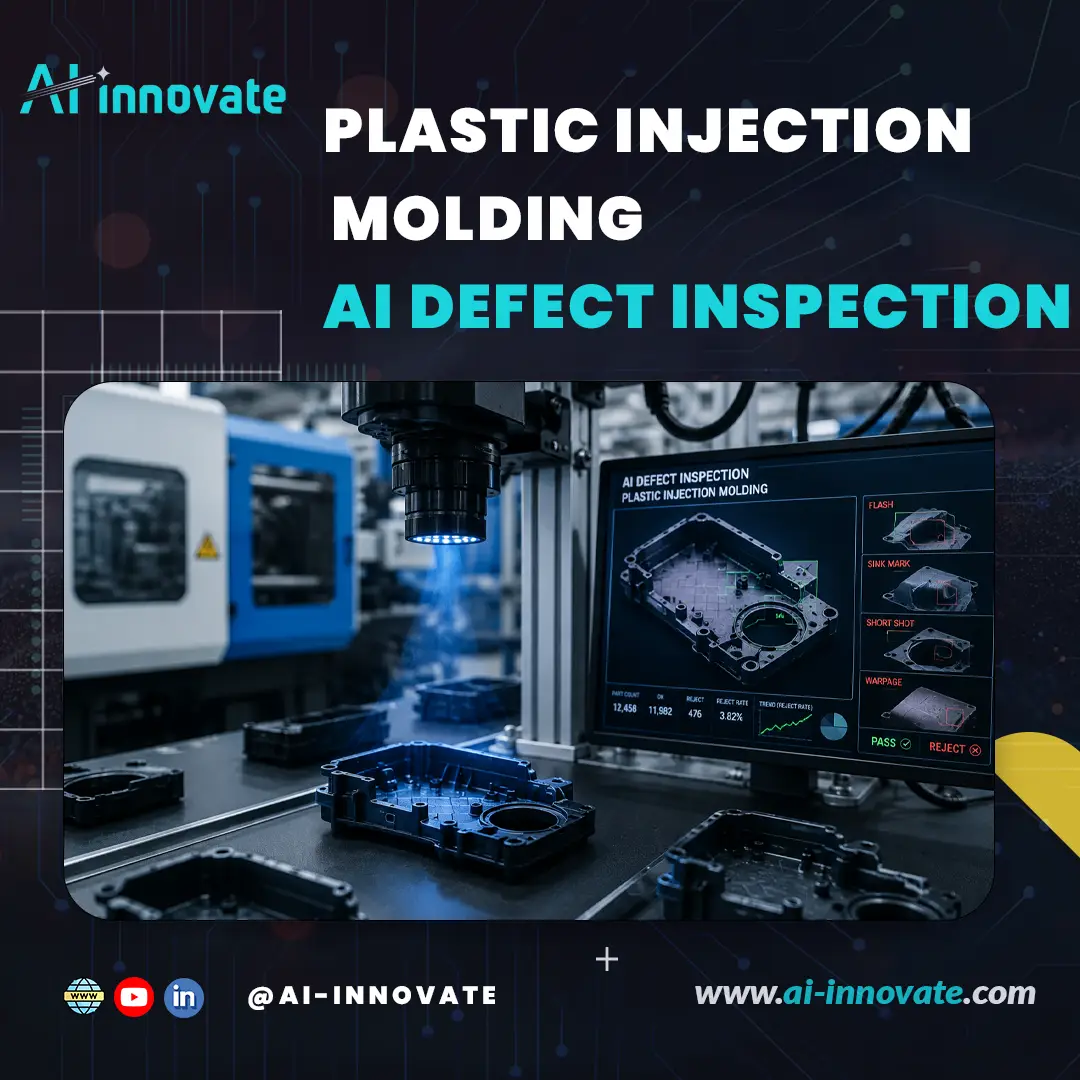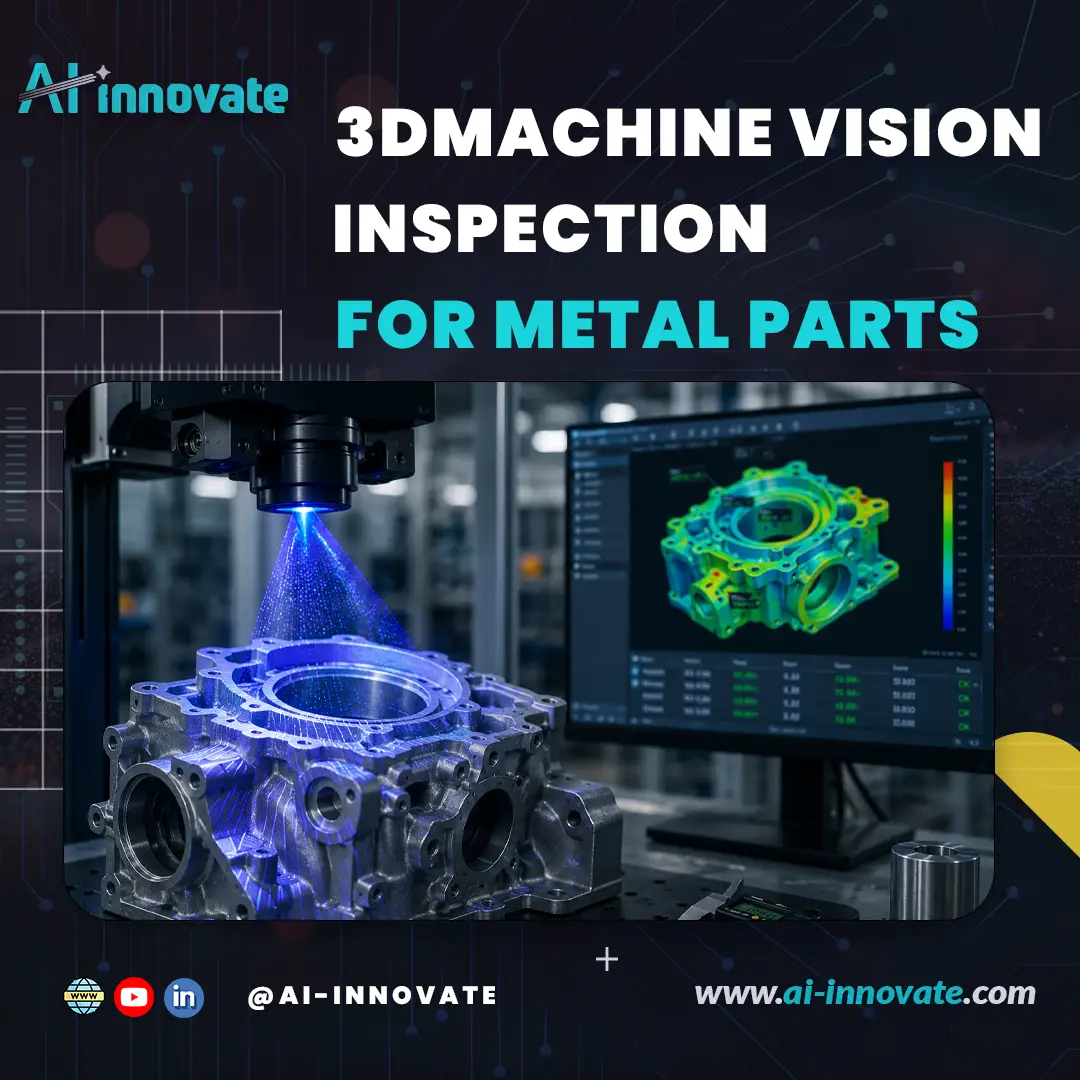





The global AI industrial defect detection market is projected at roughly 2.66 billion USD in 2025. Every undetected metal flaw represents real cost and real risk. Manual inspection is slow, inconsistent, and cannot keep pace with high-speed production. In safety-critical sectors like automotive and aerospace, missed defects threaten lives, damage brand trust, and erode margins.
👉This guide will provide a comprehensive overview of metal defect detection, the transformative impact of AI, real-world industrial applications, and the process of implementing advanced inspection systems like AI2Eye.

What Is Metal Defect Detection?
Metal defect detection is the process of finding flaws in metal parts or materials, whether on the surface or inside the structure. Methods range from manual visual checks and classic non-destructive testing to fully automated AI inspection.
Manufacturers are rapidly shifting towards higher quality, tighter traceability, and zero-defect goals. Flawless materials guarantee reliability, regulatory compliance, and healthier margins. Consistent, data-backed inspection is now a competitive requirement.
✅In a Nutshell Metal defect detection involves identifying surface or internal flaws in metal components using AI-based methods. This ensures reliability, traceability and zero-defect quality in modern manufacturing.
How AI-Based Metal Defect Detection Works
AI-driven metal defect detection uses computer vision, machine learning, and automation to create a fast, precise, and adaptive quality control system. The process follows five essential steps:
Data Acquisition
High-resolution cameras and sensors capture detailed images of metal surfaces on the production line. Specialized lighting exposes surface flaws like scratches, while 3D and thermal imaging detect warping, voids, or internal cracks.
Data Preprocessing
Captured images are enhanced through noise filtering, contrast adjustment, and segmentation, allowing the AI to focus on the most relevant areas of each part.
Model Training
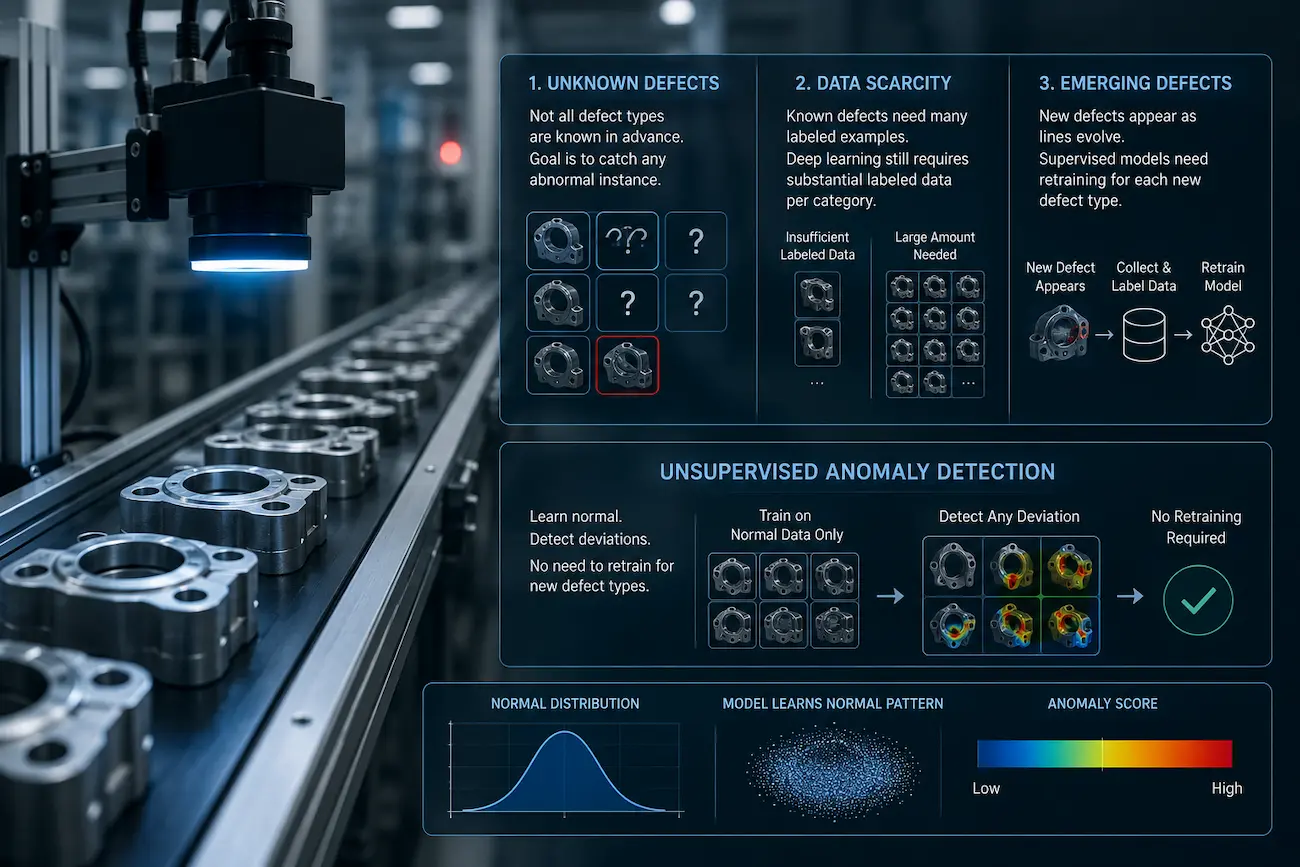
Deep learning models such as CNNs, YOLOv8, or MobileNetV2 are trained on labeled images to recognize different defect patterns. The model learns subtle differences in texture, color, and shape that signal a flaw.
Real-Time Detection
During production, the AI system analyzes each image instantly, identifying, classifying, and locating defects. It automatically decides whether a part passes inspection or requires review.
Reporting and Improvement
Inspection data is stored for analysis, helping engineers trace recurring issues and refine models. Continuous learning allows the system to adapt over time, improving accuracy and consistency with every production cycle.
Real Use Cases of Metal Defect Detection
Automotive Manufacturing
AI-powered metal defect detection systems inspect engine components, welds, and painted surfaces with remarkable precision. From brake discs to body panels, automated vision ensures structural safety, surface quality, and reduced recalls across production lines.
Aerospace and Aviation
AI and ultrasonic imaging work together to identify surface cracks, voids, and corrosion in aircraft wings, engines, and landing gear. These intelligent systems uphold strict safety standards while streamlining inspections and maintenance cycles.
Oil and Gas
AI-enhanced ultrasonic and radiographic testing monitor pipelines, tanks, and drilling equipment for corrosion and stress damage. Early detection prevents failures, environmental risks, and costly downtime.
Manufacturing and Construction
Across production plants and infrastructure projects, AI-integrated Non-Destructive Testing identifies flaws in raw materials, welds, and structural steel, ensuring consistent quality and long-term reliability.

Benefits and Limitations
Metal defect detection improves quality, safety, and efficiency, but it also creates technical and operational challenges. Knowing what it’s good at and where it’s weak helps manufacturers find the right balance between accuracy, cost, and how well it can be used in large production.
Key Advantages
- Higher Quality and Reliability: Detects cracks, inclusions, and porosity early to ensure products meet strict quality standards.
- Lower Waste and Cost: Reduces scrap and rework by identifying defects before assembly or shipping.
- Improved Safety: Prevents equipment failure and accidents by catching structural flaws in critical components.
- Faster Throughput: Automated inspection systems analyze parts in real time, increasing production efficiency.
- Data-Driven Insights: Generates detailed defect data for root cause analysis and process optimization.
Main Challenges
- Technical Limitations: Some methods struggle with deep or irregular defects and complex geometries.
- Environmental Sensitivity: Lighting, reflections, and vibration can affect image accuracy.
- High Setup Costs: Advanced inspection systems and sensors require significant initial investment.
- Skill Dependency: Trained operators are needed to interpret complex inspection data.
Tools, Models, or Methods
- YOLOv5 v8 v9 high-speed single-stage detectors suited to production lines where latency matters
- Faster R-CNN two-stage detector with strong localization when precise bounding is critical
- Deformable Convolutional Networks DCN helpful on irregular shapes and complex textures
Benchmark numbers vary by dataset, optics, and hardware. Evaluate models on your own images and constraints.
Positioned among these options, AI2Eye provides an adaptive inspection stack that pairs model selection with practical needs like camera configuration, simulation, and deployment workflows.
How to Get Started using AI2Eye
- Define your quality goals and defect classes such as cracks, pits, inclusions, scratches, seams.
- Gather and label representative samples across finishes, alloys, lots, lighting, and severities.
- Test models with AI2Cam to simulate sensors, reflectivity, and lighting before touching the line.
- Deploy AI2Eye on the production line and connect vision, inference, alerts, and a feedback loop for operators and engineers.
- Track ROI and iterate by monitoring accuracy, false alarms, uptime, and impact on scrap and throughput.
Final Thoughts
Metal defect detection has evolved from manual inspection to intelligent, AI-driven automation. In 2025, manufacturers will achieve true precision and zero-defect goals through real-time data, predictive insights, and consistent quality control. This transformation improves efficiency, reduces waste, and strengthens safety across industries.
As an AI and computer vision expert, I believe the real breakthrough lies in how AI learns from every detection. Each insight refines the process, making factories smarter and more resilient. AI2Eye is the solution that will help manufacturers move from reacting to defects to preventing them. This will set a new standard for quality, sustainability, and operational excellence.
Note: Some graphics and visuals in this post were produced using AI-generated content.