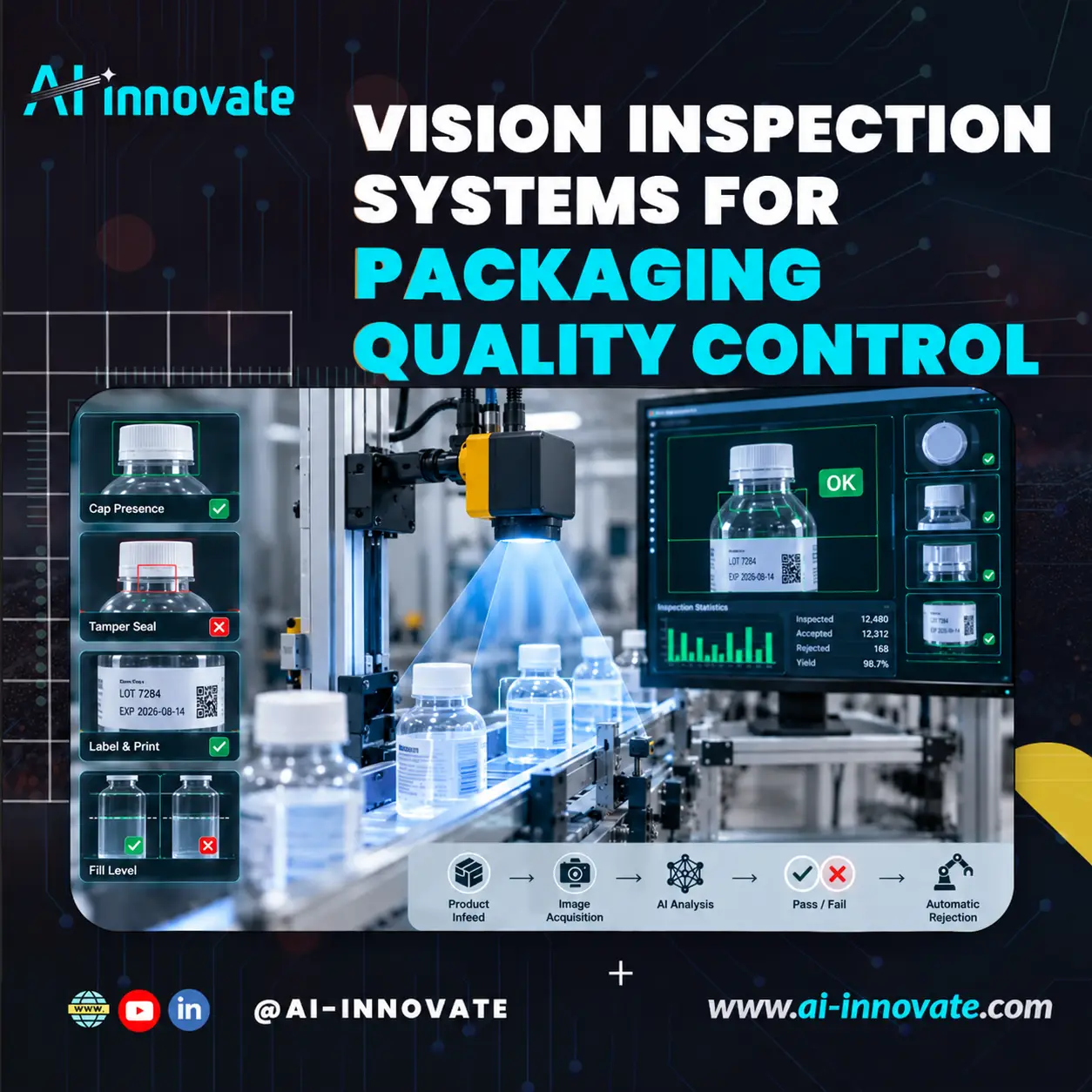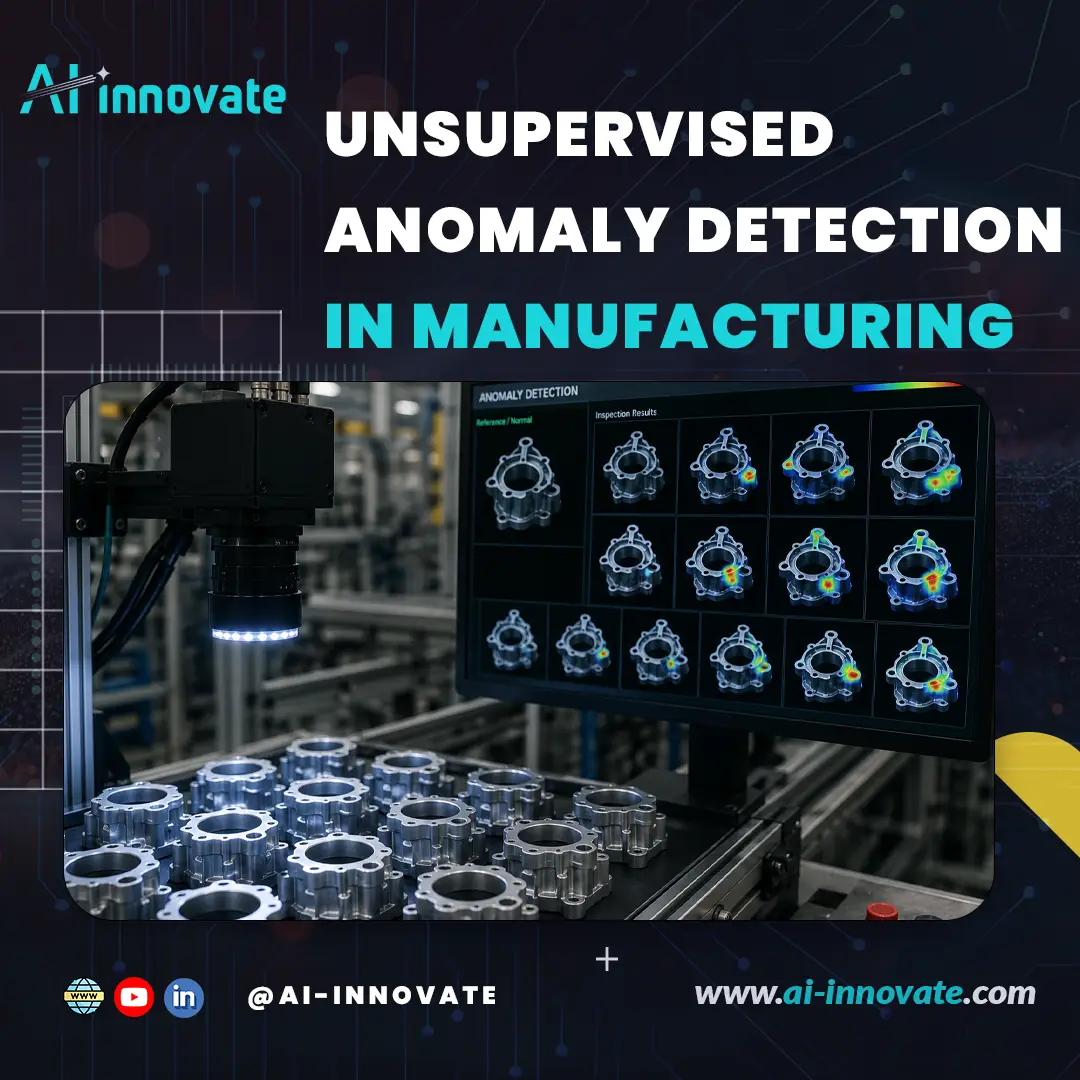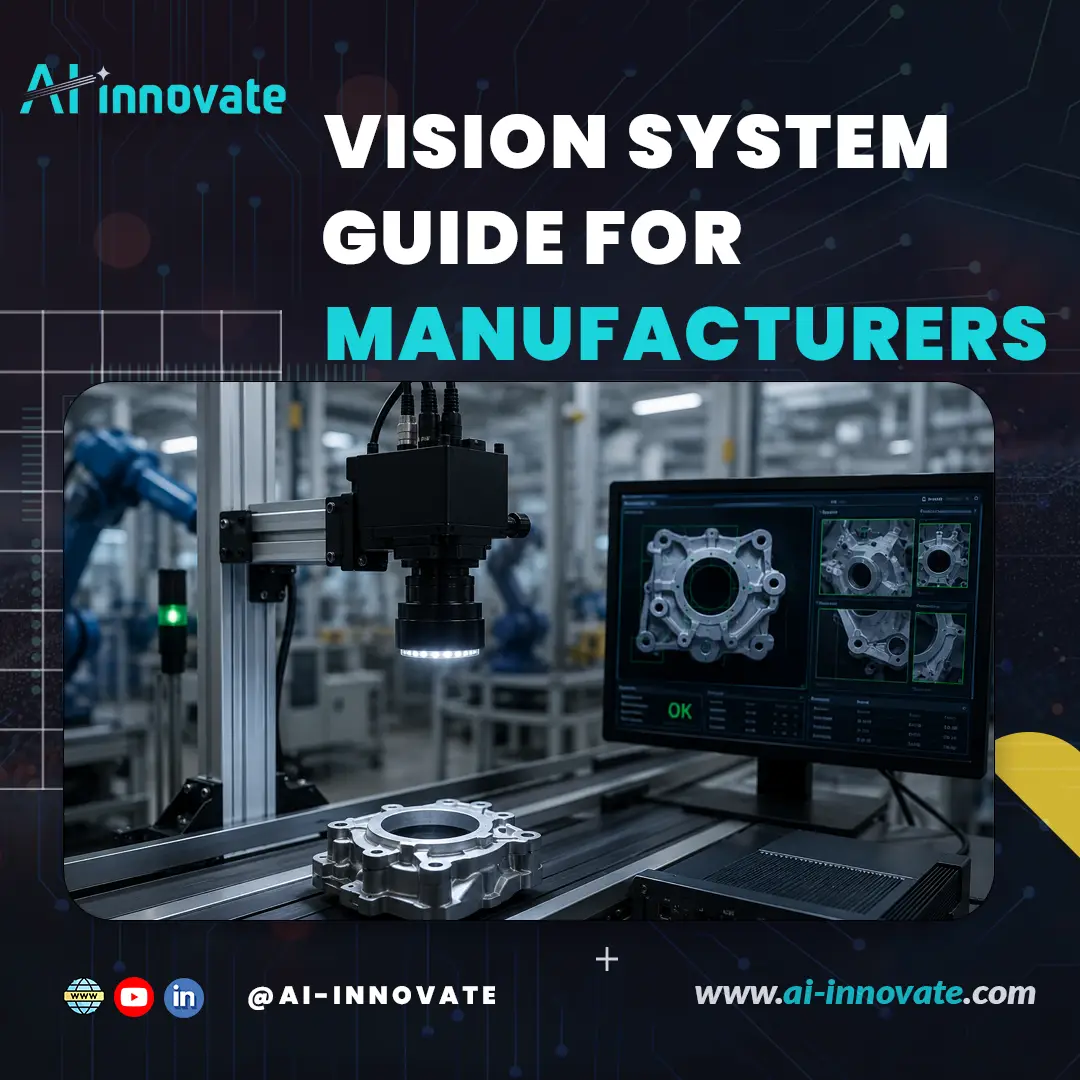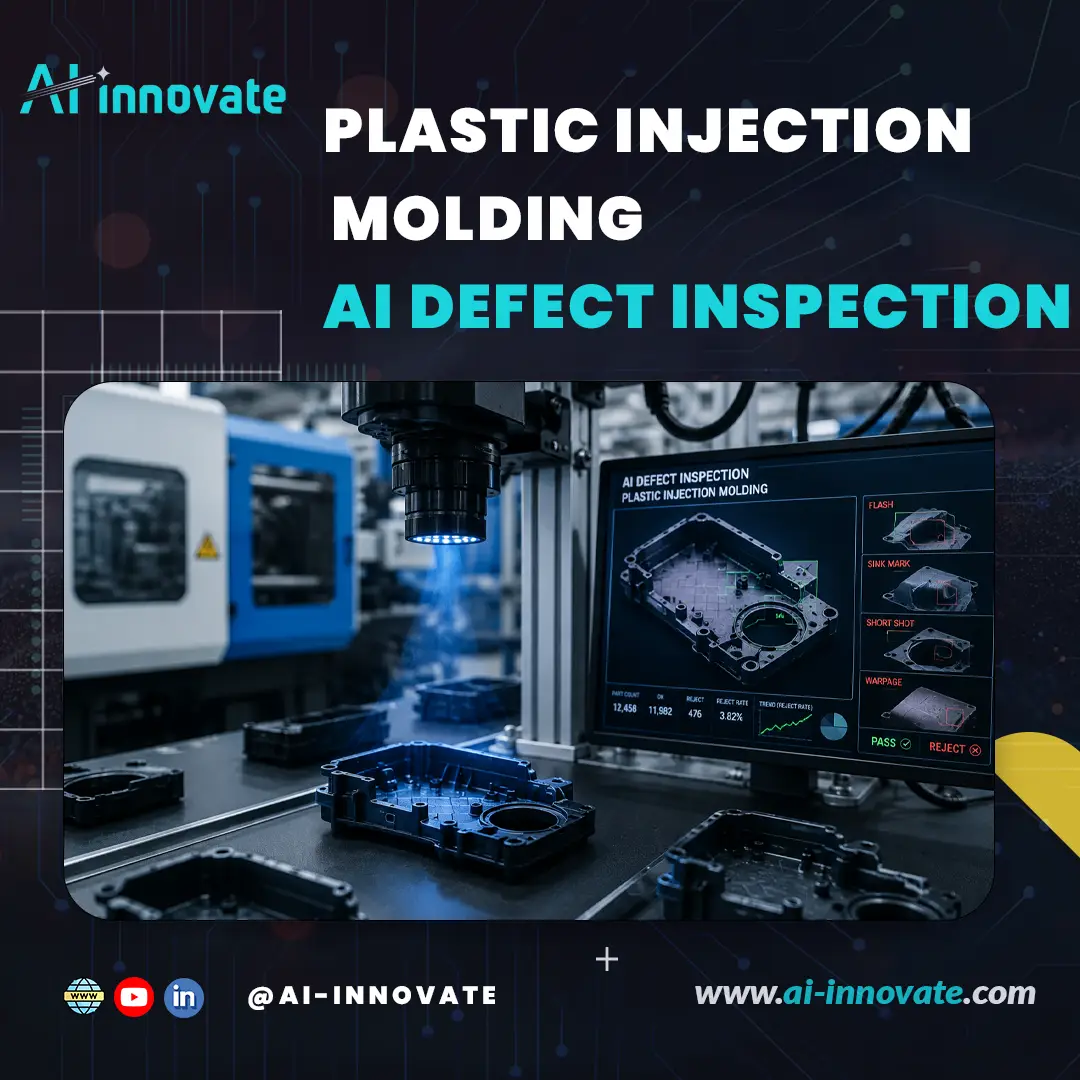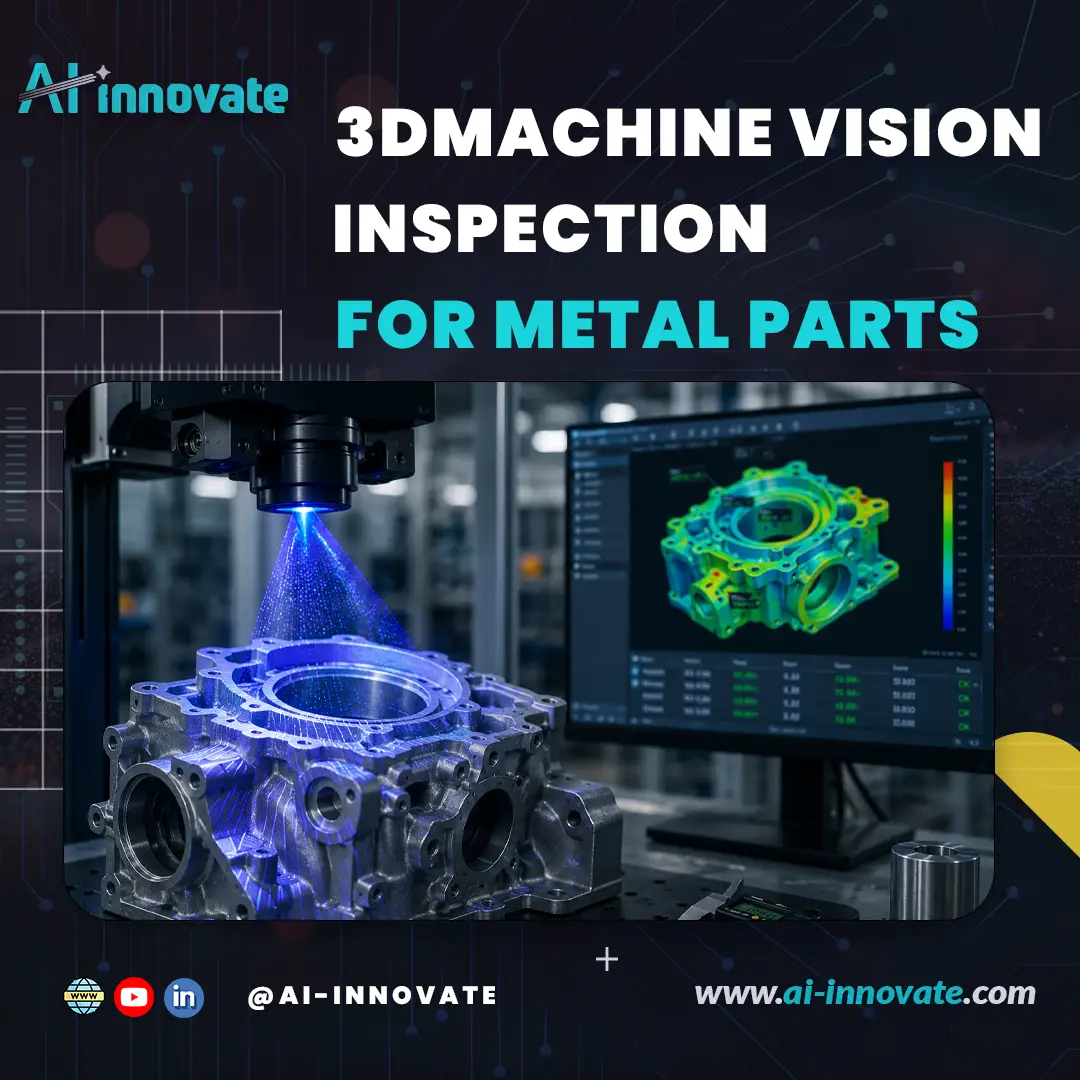





Pipelines and industrial piping systems are often hidden behind walls, buried underground, or embedded within complex facilities. Yet these systems play a critical role in ensuring safety, improving efficiency, and ensuring long-term reliability. If they go unnoticed, small defects such as micro-cracks, corrosion spots, weld flaws, or coating damage can quietly develop into major failures.
Traditional inspection methods rely heavily on periodic manual checks and specialised testing, which can be time-consuming and difficult to scale up. As infrastructure networks expand and operational demands increase, these limitations become more apparent. Artificial intelligence is now transforming the way piping systems are monitored and maintained. By combining machine vision, sensor data, and intelligent analytics, AI enables continuous, objective defect monitoring.
This article will explain how AI can support piping inspections, where it can deliver the most value, the challenges it can address, and how organisations can use it to improve safety, compliance and operational performance.

How AI Enhances Defect Detection and Monitoring in Piping
Pipe defect detection is the process of identifying flaws, damages, or irregularities in pipelines that transport water, oil, gas, or other substances, using inspection methods and AI-based technologies. A defect or anomaly refers to any deviation from the pipeline’s original condition, such as a reduction in wall thickness from metal loss, a deformation in the pipe wall, or the presence of a crack.
How AI is Applied to Defect Detection in Piping
AI is applied in pipeline defect control to automate inspections, enhance accuracy, and enable predictive maintenance. By using technologies like machine learning, AI can analyze inspection footage, non-destructive testing results, or radiographic images to detect and classify defects. These applications not only accelerate the inspection process and minimize manual labor but also monitor long-term pipeline degradation, facilitating proactive maintenance planning.
- Visual Inspection: AI analyzes CCTV or drone footage to detect and categorize defects in pipelines automatically. This process is often combined with human review to verify findings and ensure accuracy.
- Non-destructive Testing (NDT): AI algorithms process data from techniques such as ultrasonic testing or acoustic emission, interpreting signals to identify anomalies. This reduces the reliance on manual analysis while supporting accurate assessment of pipeline conditions.
- Radiographic and Weld Inspection: AI models examine radiographic images to detect weld defects quickly and precisely, improving the efficiency of inspections while maintaining safety standards.
- Manufacturing: AI can predict and optimize production parameters during pipe manufacturing, helping to reduce the occurrence of defects and produce higher-quality output.

How AI Works in Defect Control in Piping
AI follows a process in defect detection. Here’s the simplified steps to the process:
- Data Collection: AI needs data to detect defects. This data comes from various inspection sources, such as cameras mounted on robots, drones, or crawlers, capturing images and videos inside pipes.
- Data Preprocessing: Raw data can be messy, so it needs cleaning before AI can analyze it. Defect analysis techniques are in various forms, it could includes removing noise like blurry frames or flickering light, enhancing images for better visibility, labeling defect regions, and normalizing data across sensors or inspection sessions.
- AI Model Training: Cleaned data is used to train deep learning models. Common approaches include CNNs for image recognition, YOLO or Faster R-CNN for real-time video detection, U-Net or SegNet for pixel-level defect segmentation, and LSTM or Transformer models for analyzing time-series sensor data like pressure or acoustic signals.
- Real-Time Detection: Once trained, AI models can be deployed on inspection devices or cloud servers to analyze data in real time defect analysis during inspections.
- Predictive Analytics: AI can also predict future failures by analyzing trends in defect growth, pressure changes, or corrosion rates. This supports predictive maintenance, allowing issues to be addressed before they cause a failure.
- Visualization and Reporting: The results are presented in intuitive dashboards, making it easy to track defects and maintenance priorities.
Benefits and Limitations of AI for Defect Control in Piping
AI has become a game-changer in many fields, and defect detection is no exception. Here are a few ways AI enhances this process:
Proven Benefits
- Increased Speed: AI can analyze large volumes of data much faster than manual inspection.
- Improved Accuracy: AI is able to detect subtle defects that humans might miss.
- Predictive Maintenance: By analyzing historical data, AI can predict future pipe degradation and potential failure points, leading to better strategic maintenance planning.
- Reduced Costs: AI decreases the labor required for manual inspection and reduces waste in the manufacturing process.
At AI-innovate, we’ve created AI2Eye and AI2Cam to enhance manufacturing efficiency. AI2Eye uses AI for real-time defect detection and process optimization, while AI2Cam emulates GigE Vision cameras for cost-effective testing and development. Together, they simplify workflows and accelerate innovation.
Possible Limitations
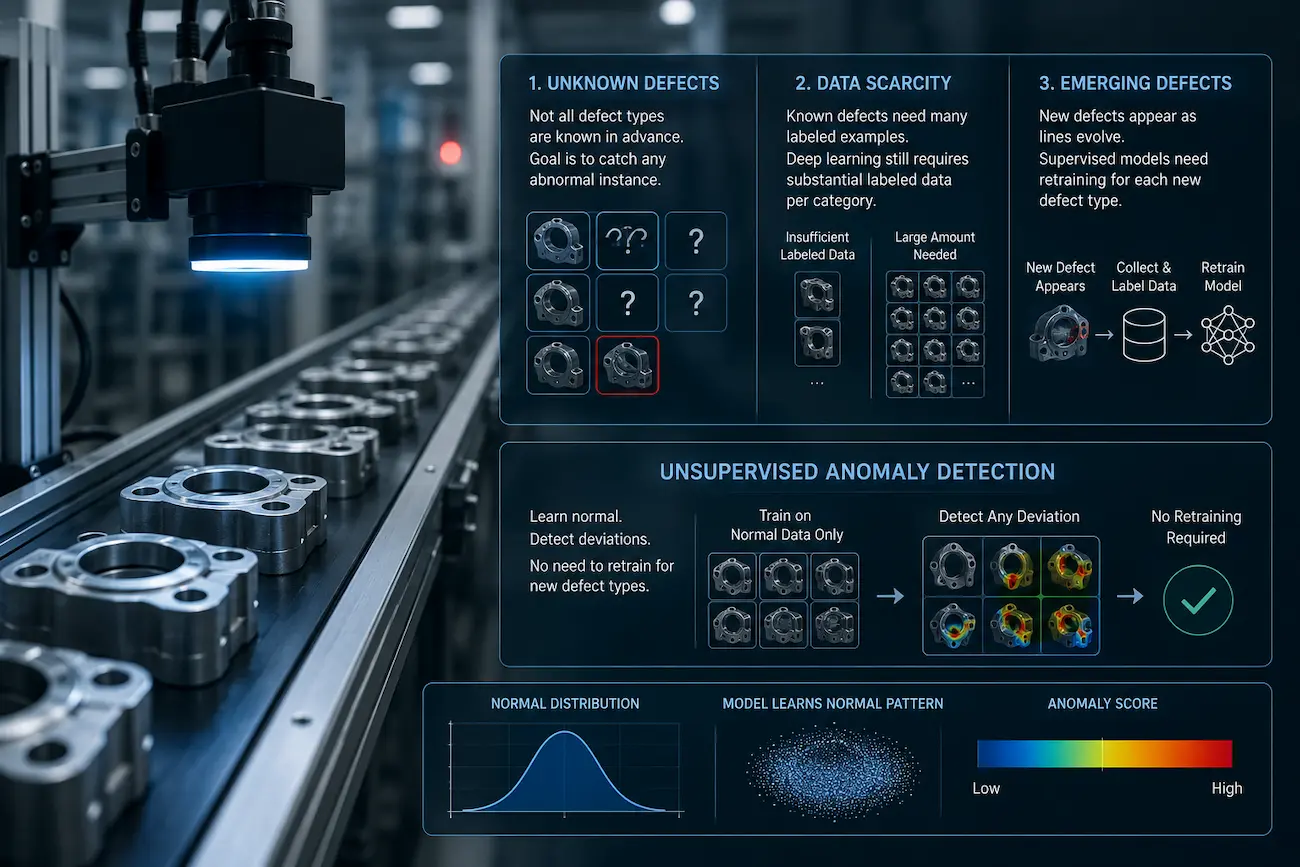
- Limited Data: The effectiveness of AI depends on the quality and quantity of training data. Getting large, diverse, and labeled datasets of pipe defects is difficult.
- Poor Generalization: AI models trained on one specific pipeline system may not work on another.
- False Positives and False Negatives: AI may falsely detect defects (false positives) or miss subtle ones (false negatives). Both of which lead to unnecessary maintenance or missed failures.
- Limited Detection of Certain Defect Types: Subsurface or micro-defects may not show up in camera data. AI relying only on vision may lead to missing internal corrosion, unless combined with active sensing.
Conclusion
AI-driven quality control is transforming the way industries manage the integrity of piping systems. By automating inspection analysis and integrating real-time monitoring, organisations can gain earlier visibility of developing risks and achieve greater consistency in quality assessment. These capabilities help to reduce unplanned downtime, extend asset life and strengthen regulatory compliance. When combined with modern sensing technologies, AI can transform inspections from periodic tasks into continuous safety and performance functions.
From my experience of working with industrial inspection and automation systems, I would say that the greatest value of AI in piping control lies in prevention. When teams can detect problems before they escalate, they can transition from reactive maintenance to strategic asset management. As infrastructure networks become increasingly complex, AI-based inspection will be essential for ensuring reliable and resilient operations.
Note: Some graphics and visuals in this post were produced using AI-generated content.