




AI for Material Defect Identification: Improving Product Reliability and Manufacturing Efficiency Inspecting every square inch of incoming material is physically impossible for human operators but ignoring this reality means defective materials enter production lines daily, waiting to cause failures. Artificial intelligence is transforming this important stage of manufacturing.
These systems combine computer vision, deep learning to detect micro-defects and inconsistencies in real time. This enables earlier intervention, higher yield, and more consistent quality.
👉 In this article, you’ll discover how AI for material defect identification works, the technologies behind it, its cross-industry applications, and how AI2Eye and AI2Cam simplify its deployment in modern factories

Understanding AI for Material Defect Identification
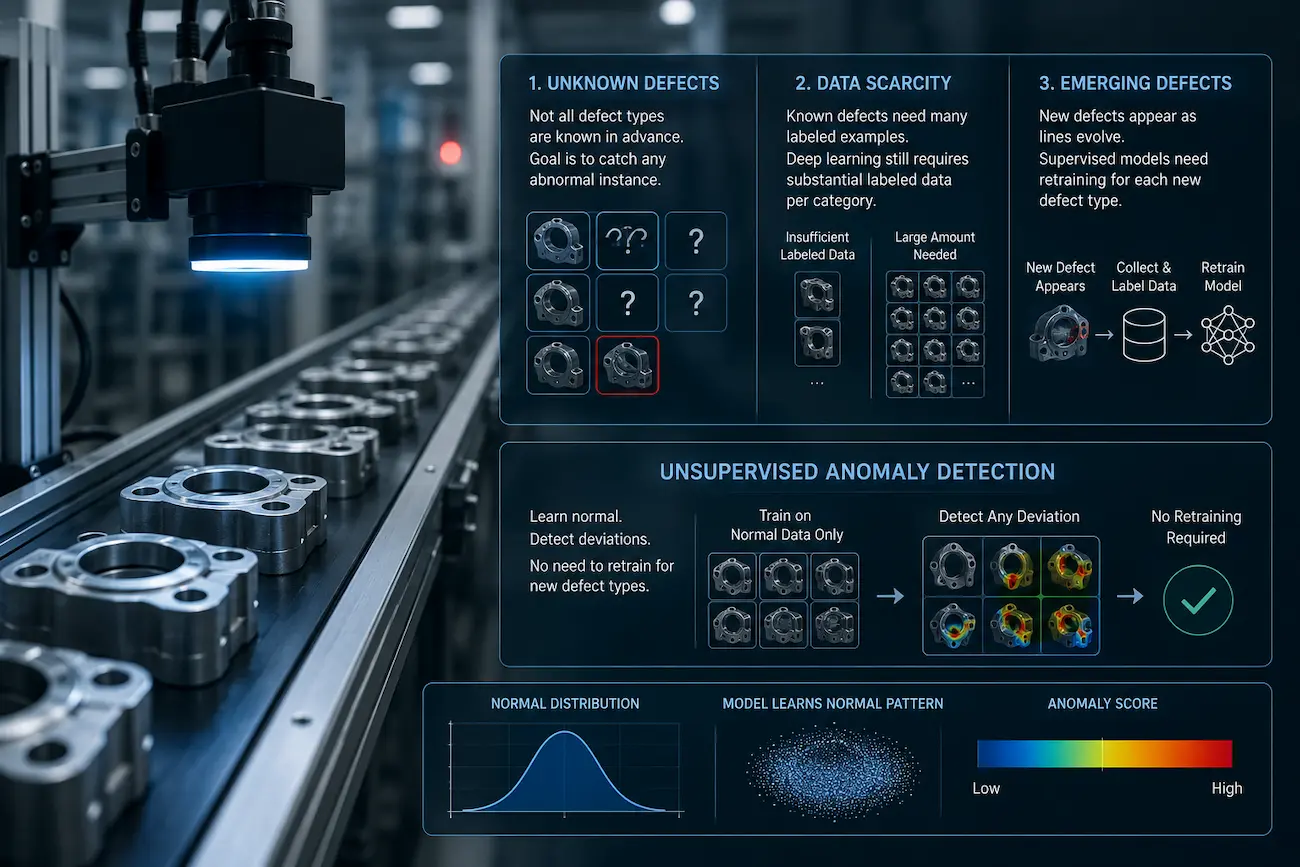
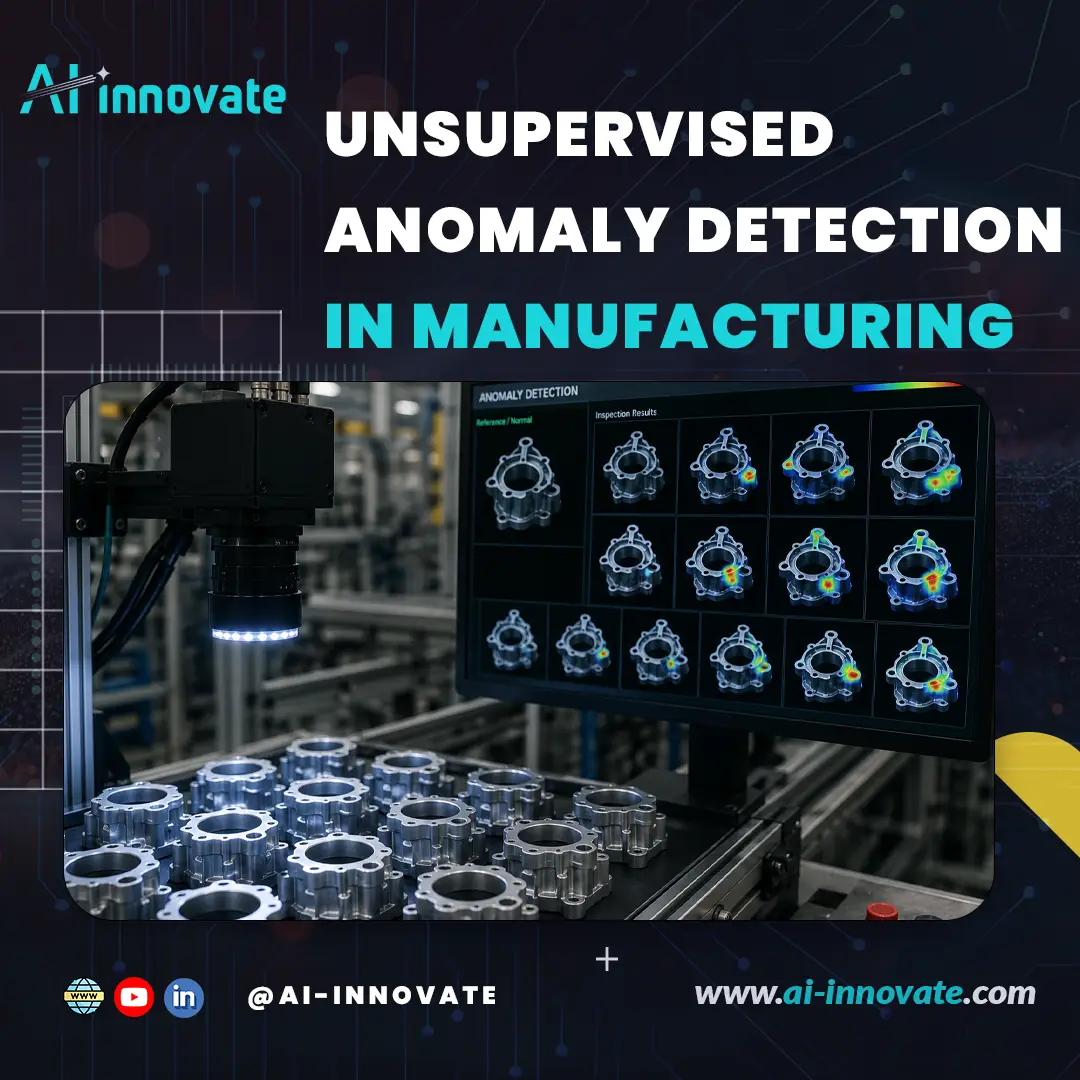
AI-powered material defect identification uses machine learning algorithms and advanced imaging to detect flaws and structural anomalies in raw materials and finished products. Unlike traditional inspections, which depend on human judgment, AI learns from thousands of examples to recognize defect patterns across different materials, like metals, composites, plastics and textiles.
This is important because material defects often appear as subtle variations that are invisible to human eye or basic sensors. AI can identify these issues before defective materials enter production or reach customers.
✅AI uses machine learning and advanced imaging to detect material flaws invisible to human inspection, preventing defective materials from entering production.
Inside the Process: How AI works in Material Defect Identification
AI transforms material inspection from subjective assessment into data-driven analysis. The process operates through four integrated stages:
How AI Detects Material Defects
Data Acquisition
- What it is: The process of collecting images, videos, or sensor data from materials using cameras, scanners, or non-destructive testing (NDT) equipment.
- Purpose: To capture both surface and internal characteristics of materials under production in order to identify potential flaws early.
- Key benefit: Ensures high-quality, consistent input data that enables precise and reliable defect detection.
Data Preprocessing
- What it is: The step where raw image and sensor data are cleaned, standardized, and labeled for AI model training.
- Purpose: To improve data quality by enhancing visibility, balancing lighting, and accurately marking defects for supervised learning.
- Key benefit: Produces a robust, uniform dataset that helps the AI model learn defect patterns more effectively.
Model Training and Validation
- What it is: The stage where deep learning models, often CNNs, learn to recognize defects by analyzing labeled examples of good and faulty materials.
- Purpose: To teach the AI system how to differentiate between normal variations and true defects, then validate performance using unseen data.
- Key benefit: Builds an accurate, reliable model capable of detecting real-world defects with minimal human oversight.
Real-Time Inspection and Action
- What it is: Deployment of the trained machine learning in production lines to automatically inspect materials in real time.
- Purpose: To detect, classify, and locate defects instantly during manufacturing and trigger automated actions such as alerts or product removal.
- Key benefit: Enables continuous, high-speed inspection that reduces downtime, eliminates human error, and prevents defective products from advancing in the process.

Advantages & Limitations
AI delivers accurate, fast defect detection that reduces waste and costs but requires significant investment, quality data, and ongoing system maintenance.
Key Advantages
- Superior Accuracy: AI detects microscopic flaws invisible to human inspectors, achieving 95-99% detection rates with consistent, objective analysis unaffected by fatigue or subjective judgment.
- Production-Speed Inspection: Systems analyze sensor data in real-time at line speed, enabling continuous monitoring across high-volume processes without creating bottlenecks or slowing throughput.
- Cost Reduction: Early defect detection prevents expensive rework, material waste, and product recalls while reducing inspection labor costs and warranty-related losses significantly.
- Proactive Process Improvement: AI analyzes defect patterns to identify root causes, enabling manufacturers to refine processes and adjust parameters before issues become systemic quality problems.
Challenges & Constraints
Training Data Requirements: Effective AI models demand extensive labeled datasets. Rare defect types create data scarcity that complicates model training and increases development costs.
- Implementation Investment: Deployment requires high-resolution imaging, specialized sensors, and processing infrastructure—upfront costs that challenge smaller manufacturers with limited capital budgets.
- Integration Complexity: Connecting AI systems with legacy equipment and existing control software often demands custom engineering solutions that extend implementation timelines and costs.
- False Detection Management: False positives increase unnecessary reinspection overhead while false negatives allow defective materials to pass undetected—both compromising system reliability and efficiency.
How to Get Started with AI-Driven Material Inspection
Manufacturers can deploy AI-based inspection in a phased, data-driven approach:
- Define Quality Objectives: Identify critical material defects that most affect safety or yield.
- Collect and Curate Data: Gather representative samples using optical, X-ray, or thermal imaging.
- Use AI2Cam for Simulation: Virtually emulate camera setups and lighting to generate training data faster.
- Train and Test Models: Use AI2Eye to analyze defect patterns and classify material irregularities.
- Deploy Inline: Integrate AI2Eye with production systems for real-time defect detection and alerting.
Iterate for Continuous Improvement: Use new defect data to retrain models and improve long-term accuracy.
By combining AI2Cam’s synthetic imaging with AI2Eye’s real-time inspection, manufacturers can dramatically accelerate deployment and validation of AI-based inspection systems.
Intelligent Inspection Becomes Manufacturing Standard
Material defects don’t wait for convenient detection; they hide in plain sight until production investment or field failures amplify their cost or consequences. AI-powered identification transforms this reality by detecting flaws when intervention provides the greatest value with the least disruption.
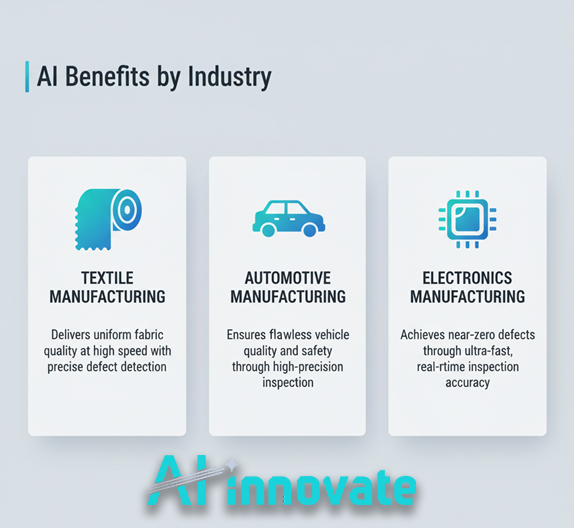
From fabric defect detection to automotive weld integrity, manufacturers that implement intelligent material inspection build quality into their supply chain instead of hoping that defects will stay hidden until someone else discovers them. The technology exists, the business case is proven, and the performance gap between AI-enabled and traditional inspection is widening daily. Deploy AI-powered automated visual inspection technology strategically, or perpetually explain why your competitors catch defects you miss.
Note: Some graphics and visuals in this post were produced using AI-generated content.