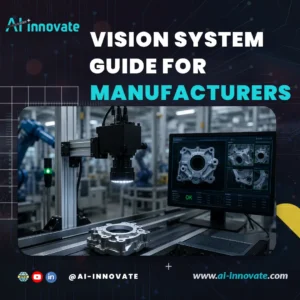





The world of plastic manufacturing is moving quickly, and it’s only natural that as the most important part, quality control in plastic manufacturing is changing as well. For many years, quality control in plastic relied on human inspection and manual sample checks.
These methods have served the industry well, but are increasingly going out of fashion since they’re too limited for modern production needs. This is where AI-based quality control systems step in to transform the process.
In this blog, we’ll explore what AI quality control means for plastic manufacturing, how these systems work, and what benefits and challenges come with adopting AI in the production environment.

What AI Adds to Quality Control in Plastic Manufacturing
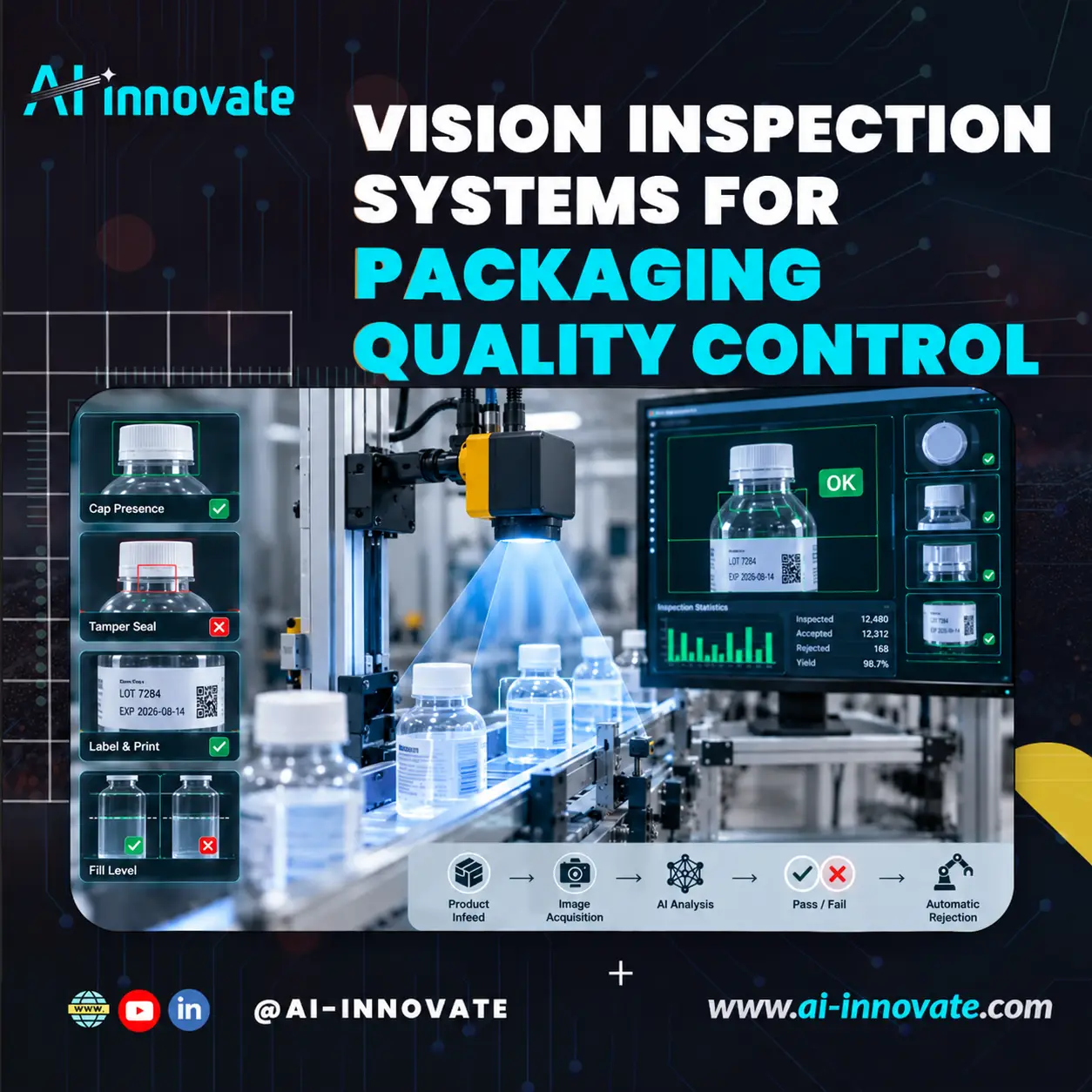
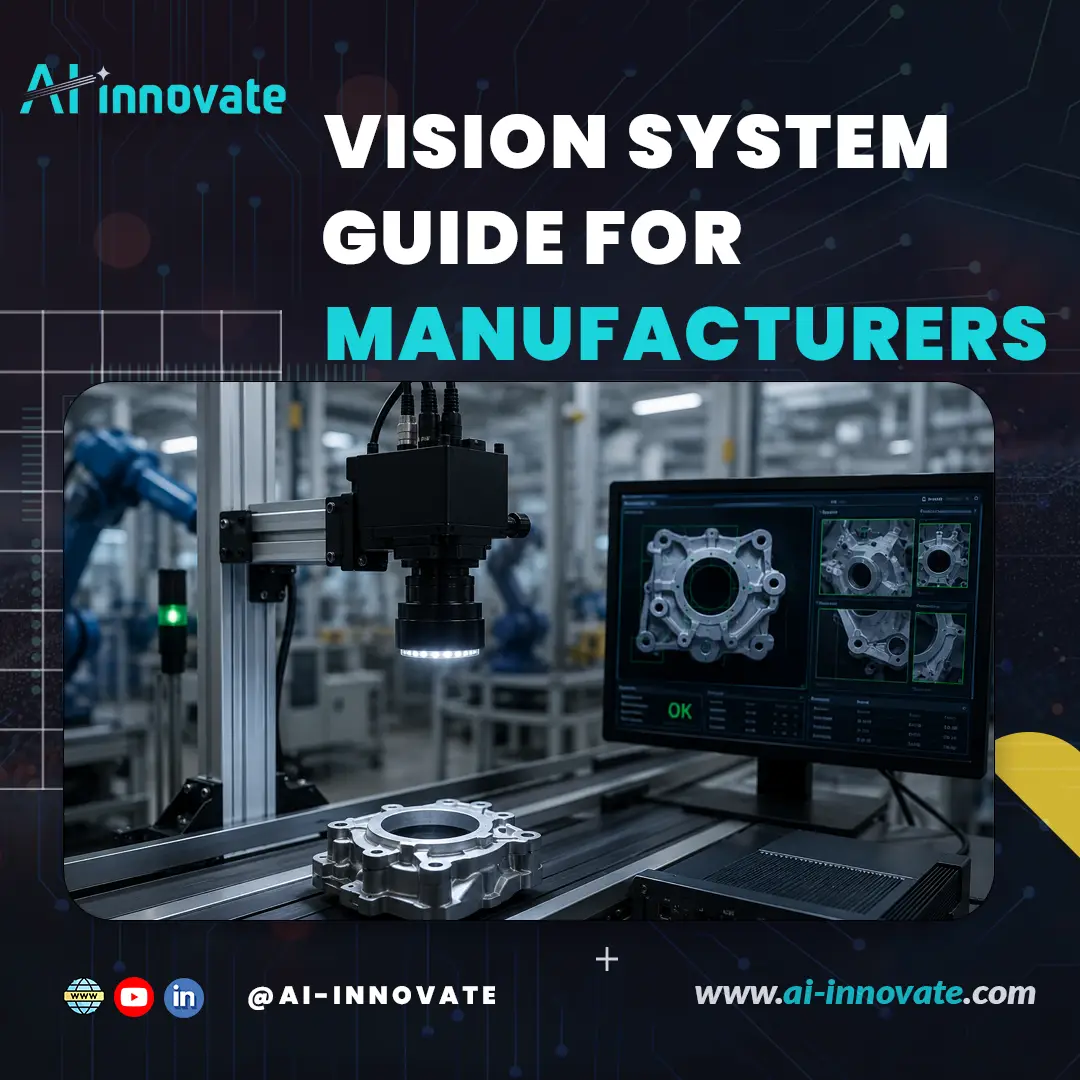
AI-powered quality control leverages machine vision, deep learning models, and real-time data analytics to automatically inspect plastic parts. The system uses cameras and sensors to monitor products and equipment, then processes the data through advanced algorithms that can detect defects. AI evaluates every part that moves across the line and flags any defects on the spot.
AI-driven quality control can detect issues such as:
- Warping
- Short shots
- Burn marks
- Scratches
- Contamination
- Color variation
- Die lines
- Thickness inconsistencies
- Surface defects
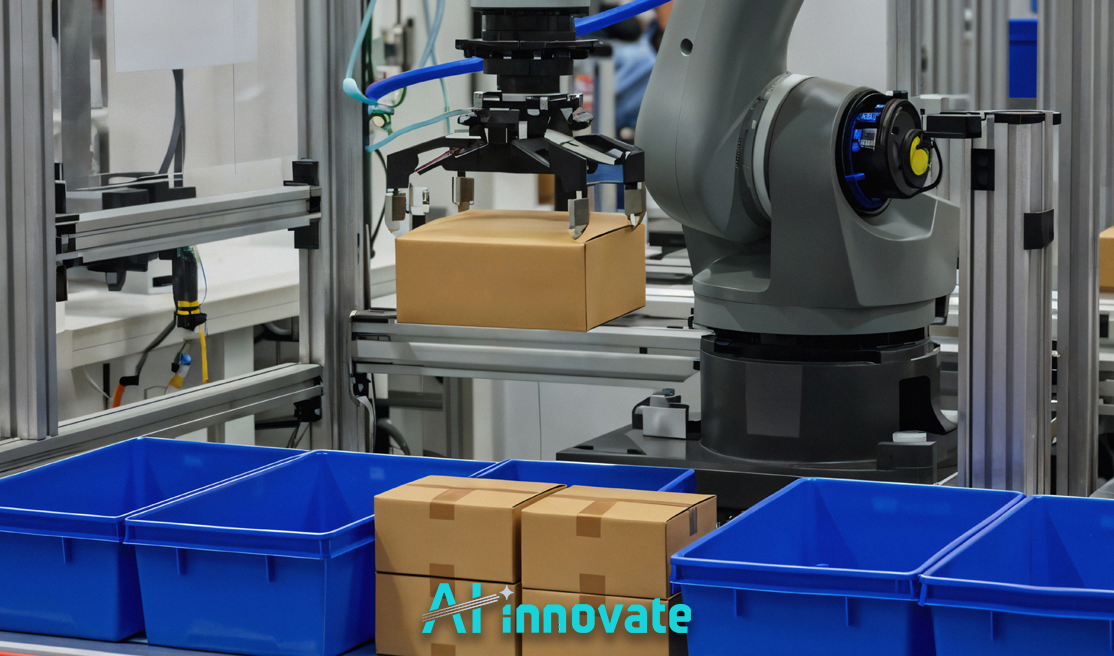
How AI Quality Control in Plastic Manufacturing Works
AI driven quality control systems for plastic manufacturing are made up of several important components, and each one has its own role:
- High-Resolution Cameras: Depending on the application, manufacturers use area-scan cameras for part inspection or line-scan cameras for continuous materials like films and sheets. These cameras can capture details like micro scratches or small variations in texture.
- Advanced Lighting: Lighting is just as important as the camera setup because it highlights the features the AI needs to analyze. The type of lighting used depends on the defect types.
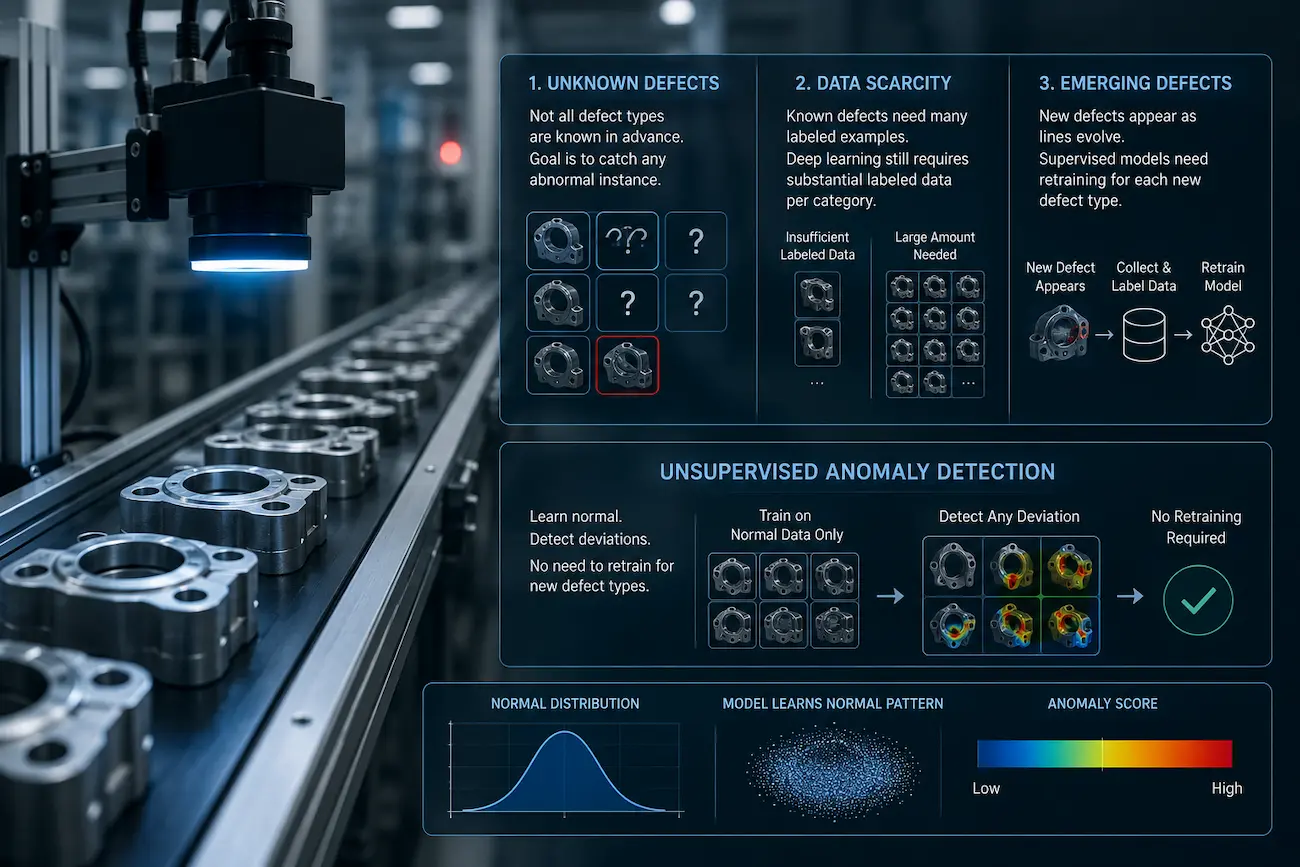
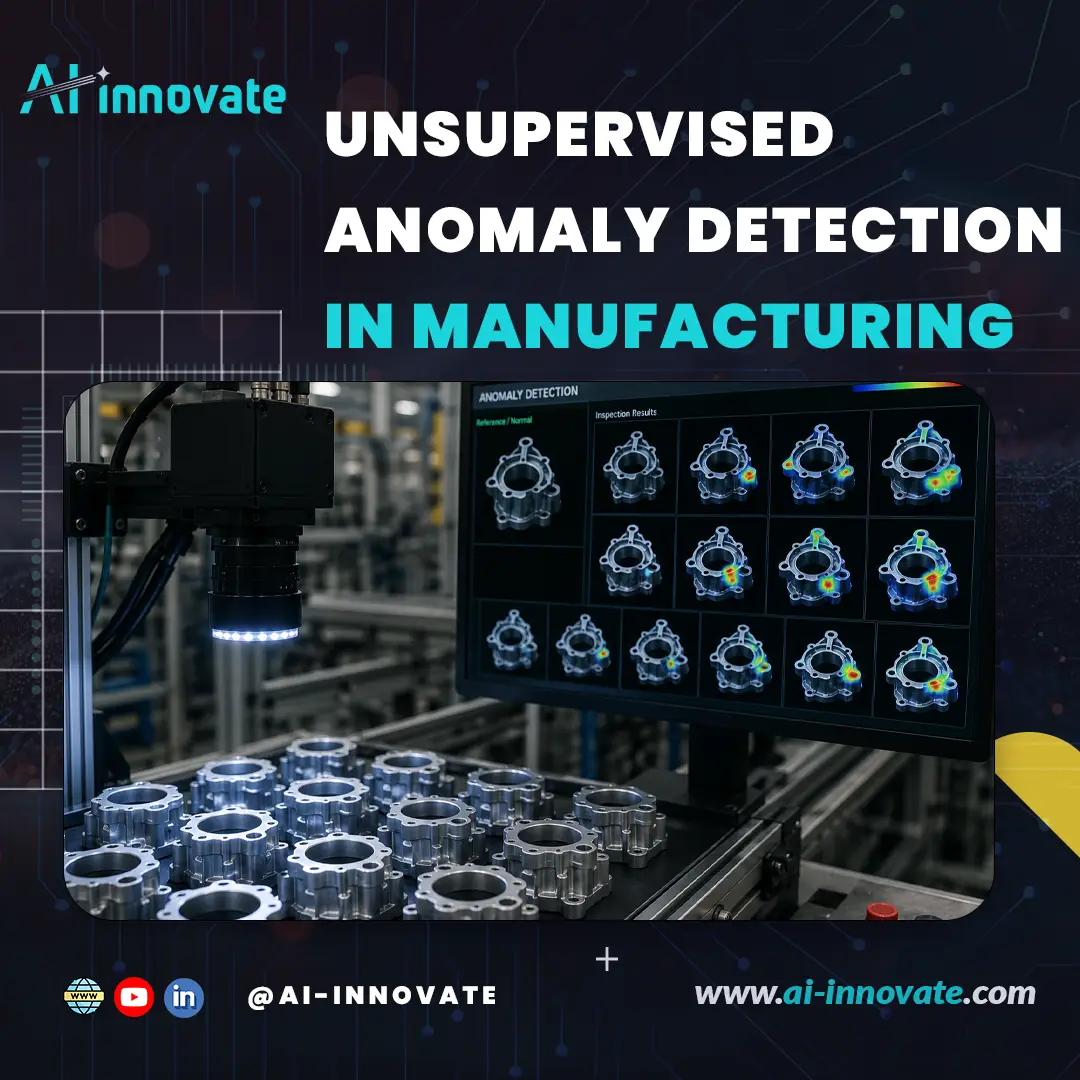
- Real-Time AI Processing: A machine vision software powered by AI evaluates the captured images and identifies defects. Deep learning models can recognize both simple issues, such as missing material, and more complicated ones, such as subtle warping or small regions of uneven gloss.
- Classification and Reporting: The results are sent to dashboards or directly to production control systems. Operators can instantly see what is happening and take action if need be.
- Closed-Loop Control: If the system detects that a mold cavity is producing repeated short shots, it can send feedback to adjust the injection pressure or material temperature. This creates a self-correcting production line.
Where AI Quality Control Is Used in Plastic Manufacturing
AI-powered quality control is seen across many areas of the plastic industry. Here are some examples:
Injection Molding
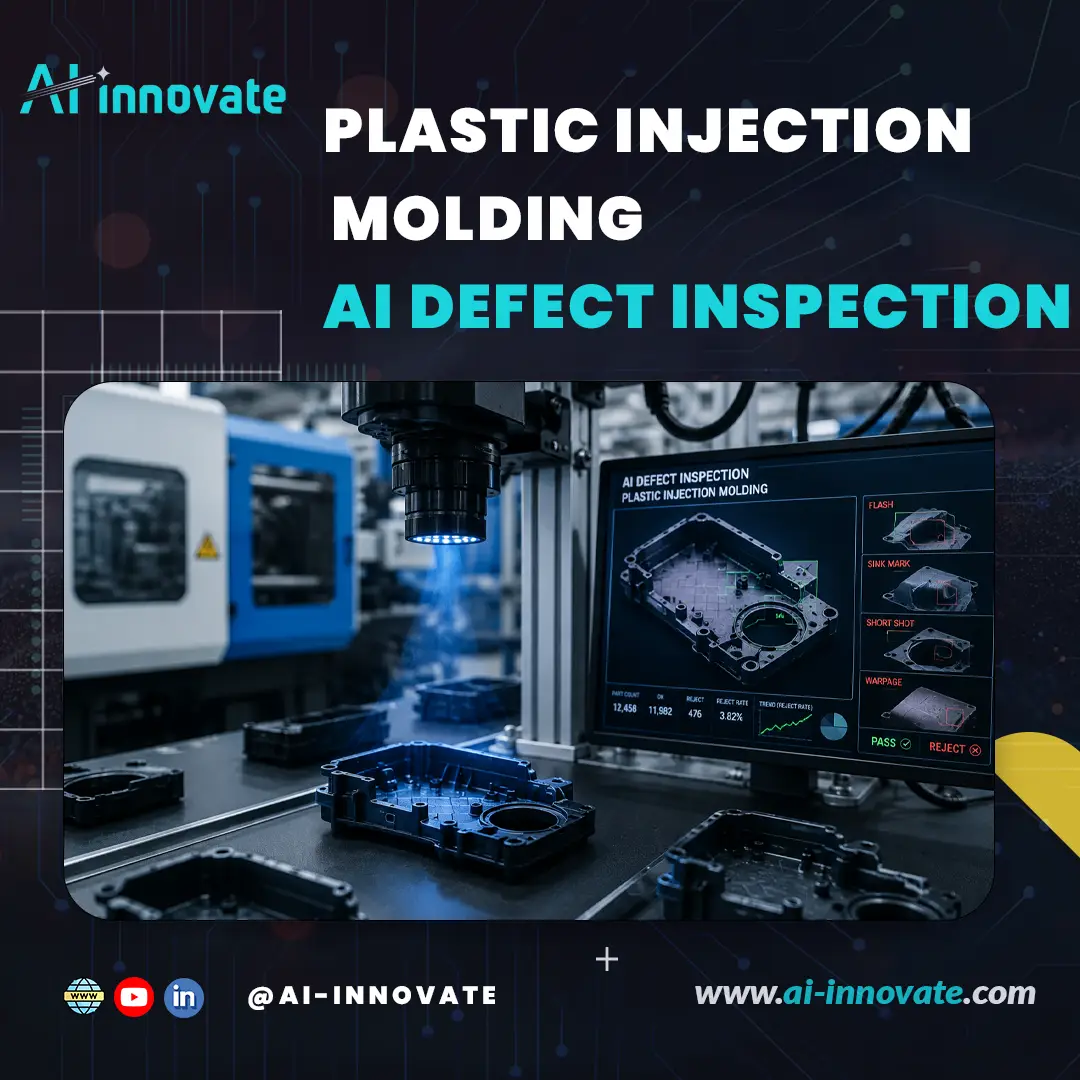
Injection molding is used to make millions of complex parts for cars, electronics, medical devices, and consumer goods. AI systems check each molded part for problems like sink marks, flow lines, warping, incomplete fills, burns, and contamination. Since injection molding machines work in rapid cycles, AI helps find defects immediately before large batches are wasted.
Extrusion
Extrusion lines run continuously, which means problems can add up quickly if they aren’t found early. AI checks the surface quality, the thickness of the material, how evenly it melts, any streaks in the die, and any contamination in pipes, profiles, films, and sheets.
Blow Molding
AI inspects the walls and neck areas of blow-molded bottles and containers to detect changes in thickness, problems with how things are shaped, and weak spots that affect how well the product works.
Thermoforming and Packaging
AI makes sure that formed trays, lids, and containers are the right shape and size. It also checks the film quality before forming to avoid problems later.
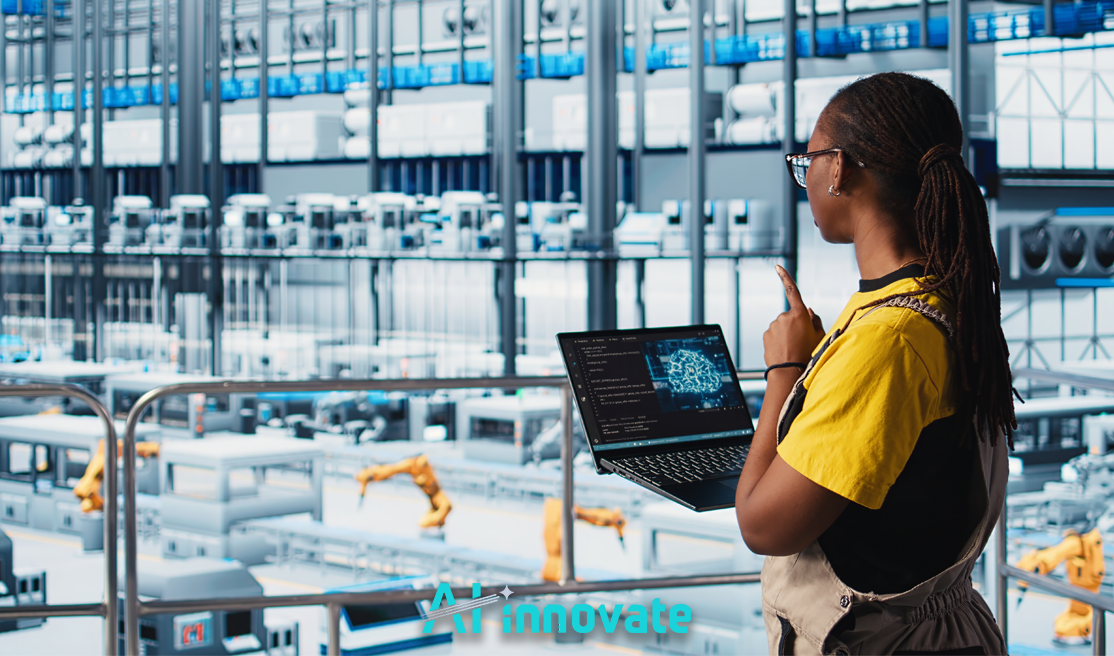
Benefits and Challenges of AI Quality Control in Plastic Manufacturing
AI brings many advantages to plastic manufacturing, but it also comes with certain challenges. It’s good to know both.
Benefits
- Improved Accuracy and Consistency: Since AI eliminates human error, it naturally brings objective quality assessments. Another point is that AI doesn’t experience fatigue, and it can go on with the same level of precision and consistency.
- Increased Efficiency and Speed: When systems are automated, less time is wasted. And that’s exactly what AI does: automating quality control.
- Cost Savings: The earlier the defects are detected, the less scrap and rework. This leads to reduced material, energy, and labor costs.
- Enhanced Traceability and Compliance: AI systems keep digital records of inspections, which are important for following rules and figuring out what caused problems.
Challenges
- High Implementation Costs: Using AI requires investing in hardware (like sensors, cameras, and computers) and software, as well as expertise. This can be a big problem for small and medium-sized manufacturers.
- Legacy System Integration: Many existing factories use older, “heritage” systems that can’t be updated to use modern AI technology. It can be hard and expensive to add new AI systems to this existing infrastructure.
- Algorithm Bias: If the data used to train the AI model doesn’t represent all the different types of products and environments, the model might learn biased ways of thinking. This can lead to unfair and inconsistent quality checks.
- Talent and Upskilling: There aren’t enough skilled data scientists and AI experts to develop, implement, and maintain these systems. Also, existing employees need training to work with AI technologies, which takes a lot of resources.
Conclusion
In plastic manufacturing, or any other sector for that matter, quality control is of utmost importance. In today’s competitive world, leveraging AI for quality assurance and quality control is a big advantage that manufacturers mustn’t miss. Even with the present challenges, the technology continues to evolve, and AI quality control in plastic manufacturing will become even more advanced and common across all sectors of the industry.
Note: Some graphics and visuals in this post were produced using AI-generated content.