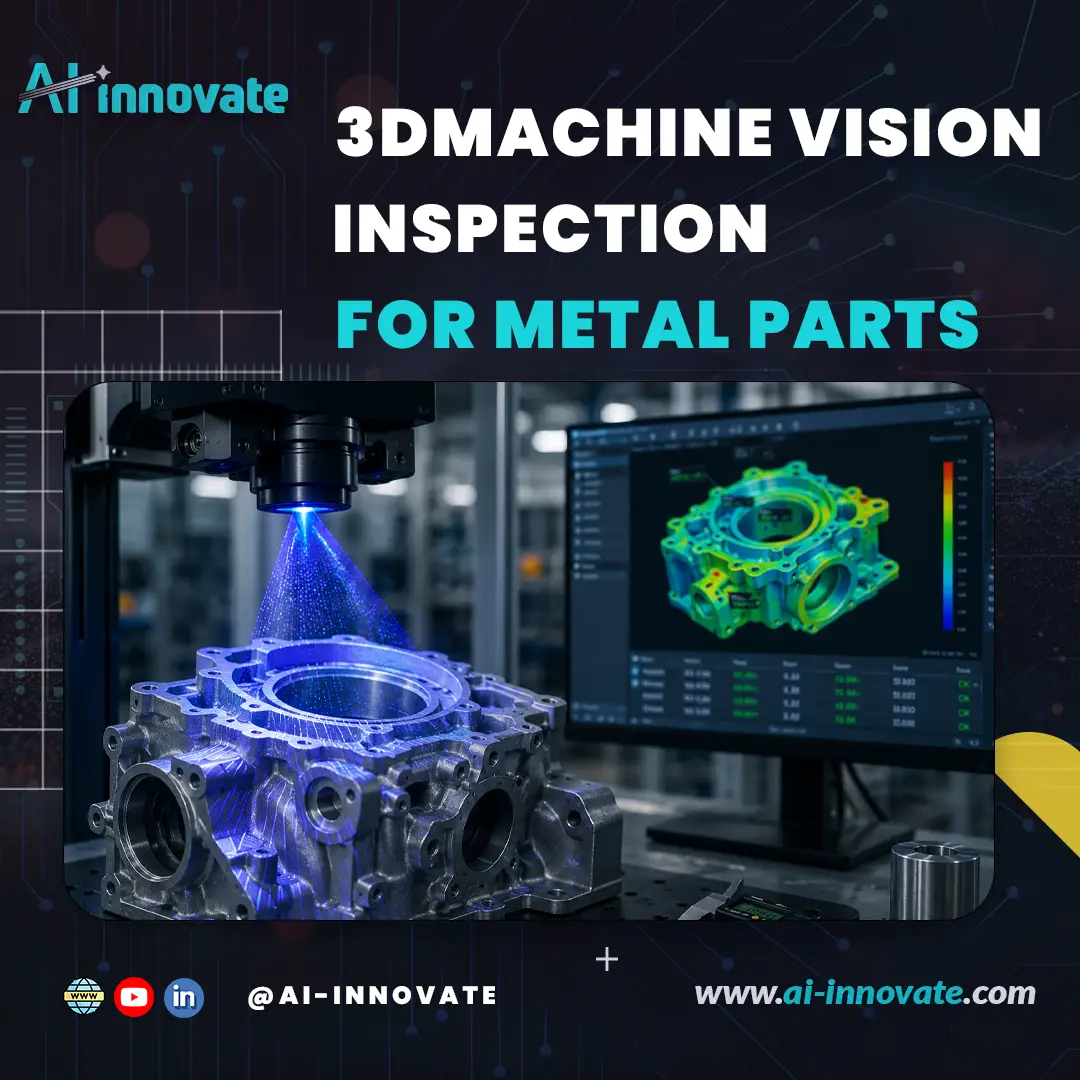





As manufacturing lines speed up, inspection systems are being put to the test. What was good enough at moderate speeds often doesn’t work when cycle times get shorter and part volumes go up. In these environments, defects are just as likely to happen. They just become harder to see.
High-speed production makes it hard to ensure quality. Inspection must keep pace without sacrificing accuracy, consistency, or coverage. Traditional cameras and manual checks can’t handle these conditions well. This can lead to defects being missed or the number of inspections being reduced.
This is important because inspection is more than just checking that things are up to standard. It is a very important way to understand how processes work, especially in automated and data-driven manufacturing environments.
In this article, we explore how high-speed imaging enables automated visual inspection at production speed, where it delivers the most value, what technical considerations matter most, and how manufacturers can use it to improve defect detection and process understanding.
High-Speed Imaging Inspection Without Slowdowns.
High-speed imaging enables automated inspection at full production speed capturing defects in milliseconds without disrupting throughput. Discover how advanced cameras and AI vision ensure precision, consistency, and real-time quality control on fast-moving lines.

What High-Speed Imaging Means in Automated Inspection
High-speed imaging uses cameras that can take many pictures very quickly. These cameras also take good pictures, which helps with defect detection in manufacturing. In automated inspection, this capability allows every part, feature, or surface to be checked without slowing down production.
High-speed cameras are different from standard imaging systems. They are designed to freeze motion, capture transient events, and operate reliably in continuous, high-throughput environments. This makes them great for checking things quickly, even when they’re moving fast and you don’t have much time.
When line speeds are higher, conventional inspection systems have several limitations.
Motion blur makes it hard to see small problems in an image. The system can’t inspect continuously because the frame rate is limited. The time the camera is open (exposure time) can make it hard to see the difference between light and dark colors, especially on surfaces that are shiny or have texture.
These limitations mean that we have to make some compromises. Inspection zones are reduced, defect criteria are simplified, or inspection is moved downstream. Each time you make a compromise, there’s a higher chance that you’ll miss defects and delays in fixing them.
High-speed imaging solves these problems by matching the ability to inspect with the reality of production.
How High-Speed Imaging Enables Automated Inspection
Freezing Motion Without Sacrificing Detail
You can take clear, blur-free pictures of fast-moving objects if you use a high frame rate and a short exposure time. This is important for surface defect detection, like imperfections or size differences.
Maintaining Full Inspection Coverage
High-speed imaging lets you check every unit instead of just checking some of them every so often. This helps make consistent decisions about quality and reduces the need to guess about where defects are located.
Supporting Real-Time Processing
When paired with edge processing, high-speed imaging feeds inspection results directly into automated decision-making. Defects can be identified, rejected, or related to the process conditions without stopping production.

Integration With Automated Inspection Systems
High-speed imaging does not work alone. Its value depends on how well it works with the overall inspection system.
Lighting must be timed perfectly to make sure the image quality stays the same. The trigger and timing must be in sync with the part’s position and movement. Data pipelines must handle large image volumes without adding delay.
When these elements are in place, high-speed imaging becomes a key part of automated inspection, instead of slowing things down.
Role of AI in High-Speed Inspection Environments
High-speed imaging creates a lot of data. It’s not practical to define inspection rules manually for every situation.
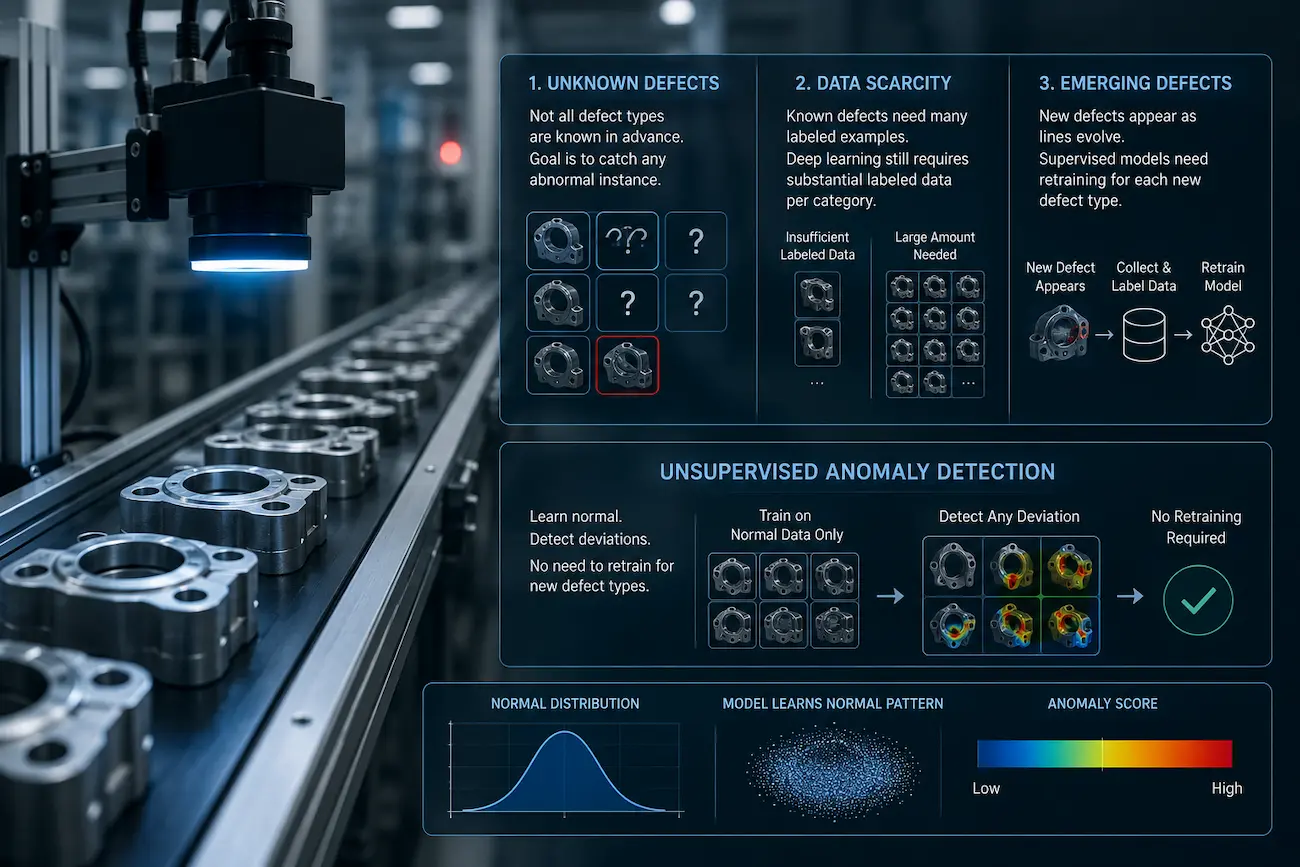
AI-based inspection systems deal with this challenge by learning patterns from data instead of just using fixed thresholds. Machine learning models can adapt to different surfaces, materials, and production conditions, making them suitable for high-speed environments.
In these systems, high-speed imaging provides the raw visibility, while AI provides the interpretive layer that turns images into useful information.
This Topic might also interest you :
Applications Across Manufacturing Industries
High-speed imaging is particularly valuable in environments where inspection windows are short and defect costs are high.
Common applications include:
- Surface inspection in metal defect detection
- Web inspection for textiles, paper, and films
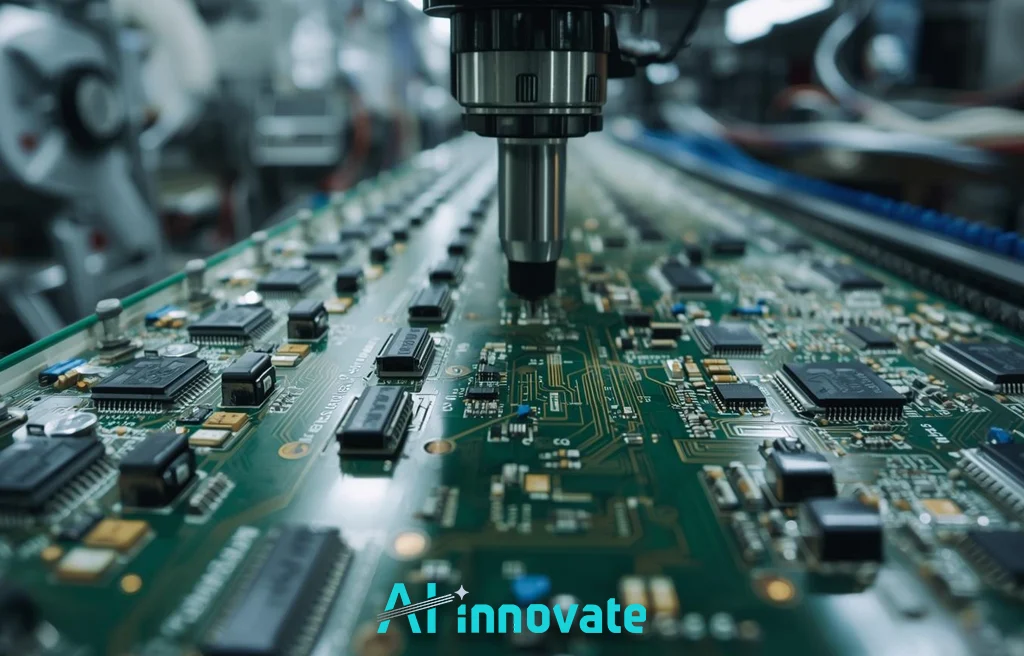
- Electronics and PCB inspection at assembly speed
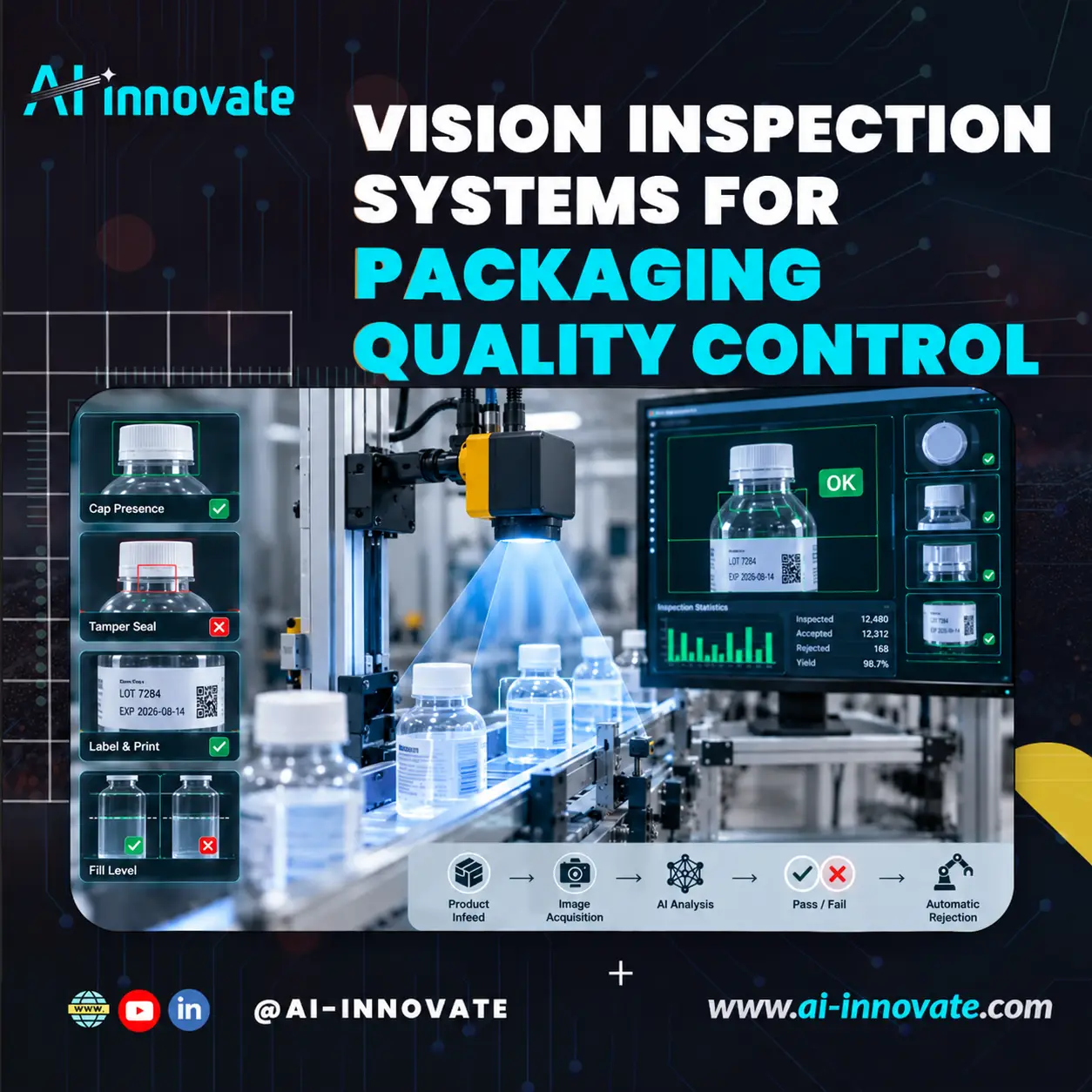
- Packaging inspection for labeling, sealing, and alignment
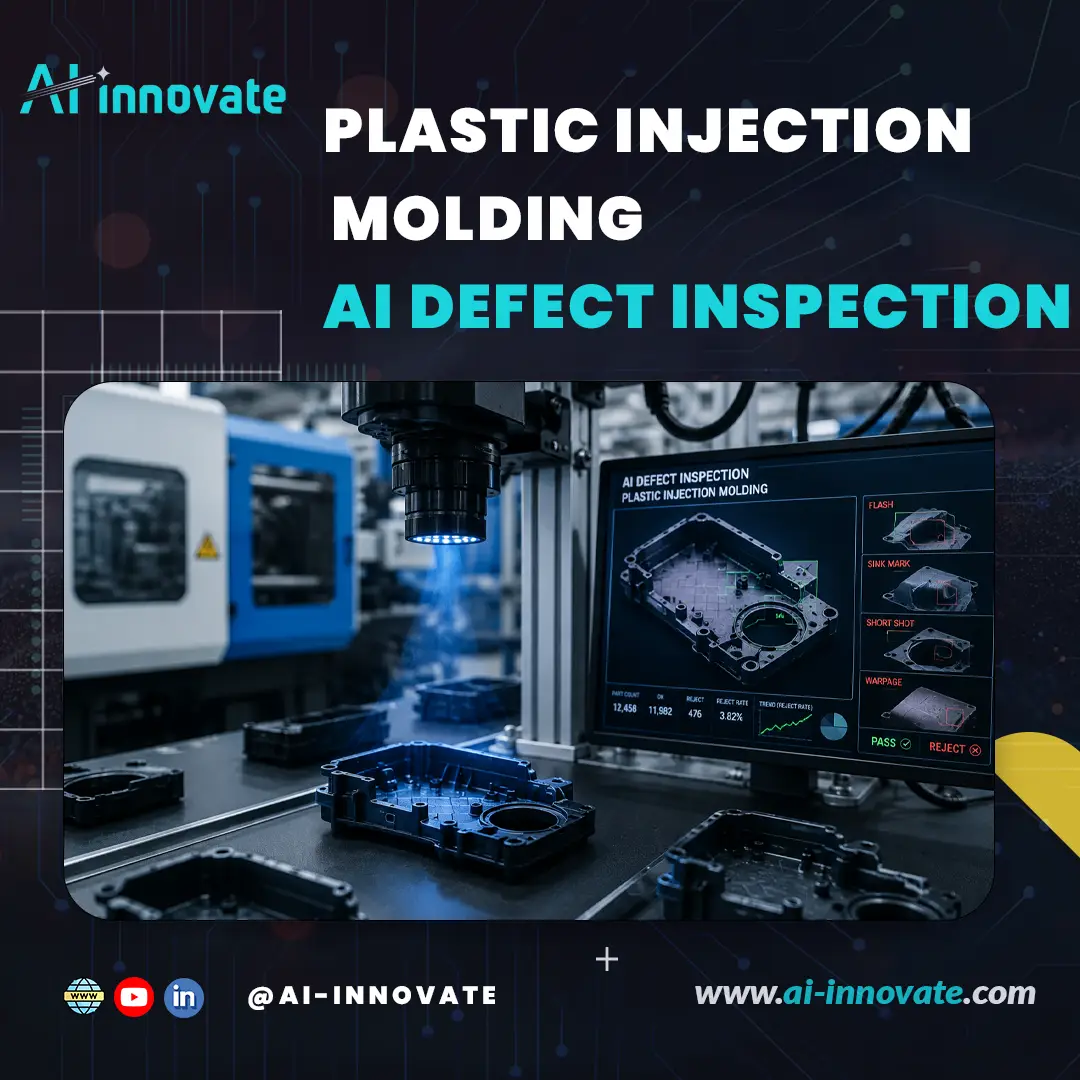
- High-throughput component inspection in automotive and aerospace manufacturing
Across these use cases, the goal is the same. Detect defects without slowing production or reducing coverage.
How AI Innovate Supports High-Speed Automated Inspection
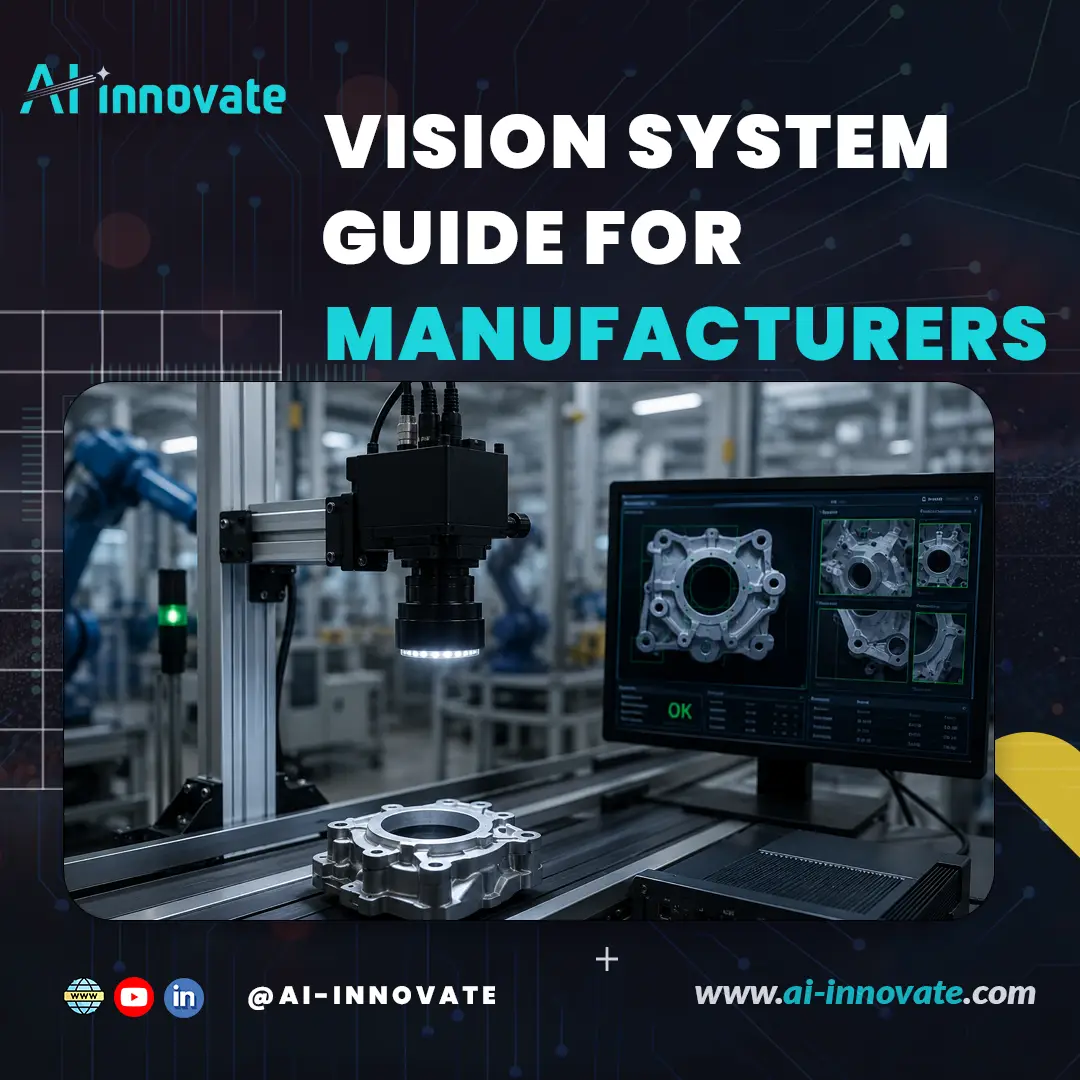
High-speed imaging is only valuable when inspection results can be interpreted and acted on in real time. AI Innovate helps manufacturers turn high-speed visual data into usable insight by connecting imaging, intelligence, and process context.
- AI2Cam allows teams to simulate high-speed cameras, lighting conditions, and defect scenarios during development, making it easier to validate inspection performance before deployment on fast-moving lines.
- AI2Eye enables real-time, inline inspection using AI-powered vision, allowing defects to be detected and classified at production speed without reducing coverage or accuracy.
- AIXCore provides edge-level intelligence that processes high-speed inspection data locally, correlates defects with process conditions, and supports rapid response without relying on cloud latency.
Together, these tools help manufacturers deploy high-speed inspection systems that not only keep up with production, but also support deeper understanding of defect behavior and process stability.
Conclusion
High-speed imaging is very important for automated inspection at modern production speeds. It gets rid of motion blur, keeps everything in view, and lets you make decisions right away. This makes it easy to use quality control with automation.
In my view the most value of high-speed inspection systems comes when they are used as part of a larger plan to improve quality and process intelligence. When high-speed imaging is combined with smart analysis and used in production workflows, it can catch defects earlier. It can also help manufacturers understand why defects occur. This understanding is essential for maintaining quality as manufacturing continues to accelerate.
Confused About Where to Start with AI?
Our specialists help you identify the right AI approach based on your process, data, and goals.
Sources
Ai-Innovate uses only high-quality sources, including peer-reviewed studies, to support the facts within our articles.
- Government of Canada. (2024). Advanced Manufacturing and Automation Technologies
Overview of high-speed automation, inspection systems, and digital technologies supporting modern manufacturing environments.
Retrieved from canada.ca - Innovation, Science and Economic Development Canada. (2023). Artificial Intelligence in Industrial Automation
Explains how AI and advanced imaging systems are applied to real-time inspection and production monitoring.
Retrieved from ised-isde.canada.ca - National Research Council Canada. (2023). Digital Manufacturing and Intelligent Inspection Systems
Discusses research and industrial applications of high-speed sensing, machine vision, and data-driven inspection.
Retrieved from nrc.canada.ca
FAQ
What is high-speed imaging in automated inspection?
High-speed imaging in automated inspection uses specialized industrial cameras. These cameras can capture hundreds or thousands of images per second. They inspect products moving at high production speeds. Combined with machine vision and AI, it enables manufacturers to detect defects, measure dimensions, and verify product quality in real time without slowing down the production line.
How does high-speed imaging work?
A high-speed imaging system captures images as products move through an inspection station. Industrial lighting freezes motion while a trigger sensor synchronizes image capture. AI-powered software then swiftly analyzes each image to identify defects, classify products, and communicate inspection results to production equipment in real time.
What is the difference between high-speed imaging and machine vision?
High-speed imaging refers to the rapid capture of high-quality images using specialized cameras, while machine vision is the complete inspection system that combines cameras, lighting, software, AI algorithms, and industrial controls to analyze images and automate quality decisions.
Does high-speed imaging reduce inspection accuracy due to shorter exposure times?
Not when properly designed. With synchronized lighting and correct camera selection, high-speed imaging can improve accuracy by eliminating motion blur and capturing consistent images at speed.
Is high-speed imaging only useful for surface inspection?
No. While surface inspection is a common use case, high-speed imaging is also valuable for alignment checks, assembly verification, packaging inspection, and capturing short-duration process events.
What are the benefits of high-speed imaging over manual inspection?
High-speed imaging is superior to manual inspection. It offers faster inspection speeds, higher consistency, improved accuracy, continuous 24/7 operation, reduced labor costs, and better traceability through automated image recording and data analysis.
When is high-speed imaging necessary for automated inspection?
High-speed imaging becomes necessary when production speed exceeds the capture capability of standard cameras, leading to motion blur, reduced inspection coverage, or missed transient defects.