




Up to 30% of production downtime is preventable, yet most factories struggle to identify problems promptly. Factories today face rising costs and relentless competition. Unplanned downtime not only slows production but also drives up costs and can affect product quality. But, through machine learning, systems can study past and current data to identify patterns and optimize operations, which is precisely what makes it important in manufacturing.
👉In this guide, we’ll understand what role machine learning plays in manufacturing in greater detail.

Machine Learning in Manufacturing: Understanding Its Role and Applications
Machine learning (ML) allows systems to learn from data and make predictions, detect patterns, or recommend actions. When applied to manufacturing, it uses algorithms and data-driven models to improve and automate various processes.
✅Basically, Machine learning helps manufacturing systems learn from data to predict, detect patterns, and automate processes.
Key use cases of machine learning in manufacturing include:
- Predictive Maintenance: Planning maintenance ahead of time cuts down on the risks and costs of unexpected breakdowns.
- For example, vibration sensors on motors can catch unusual patterns early on.
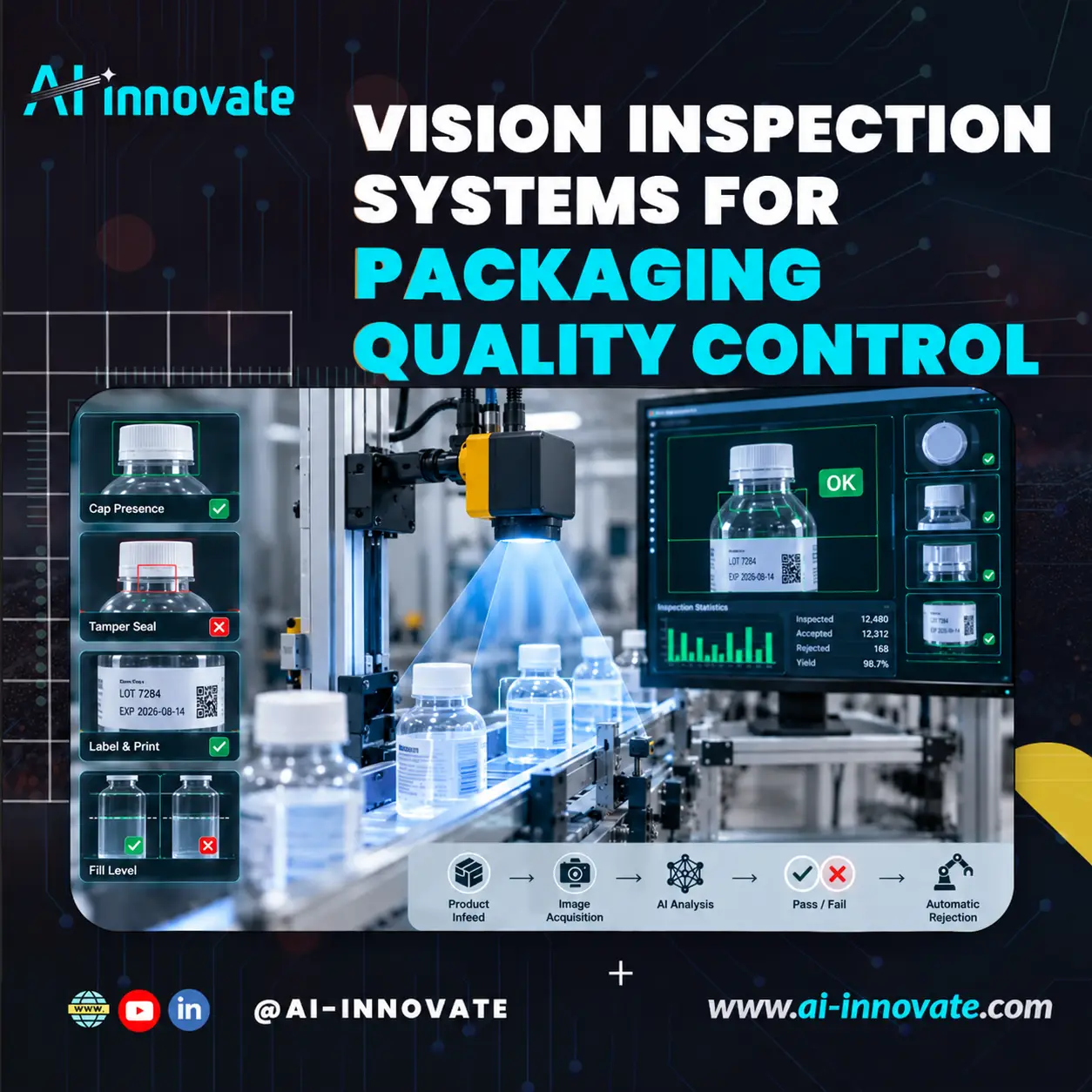
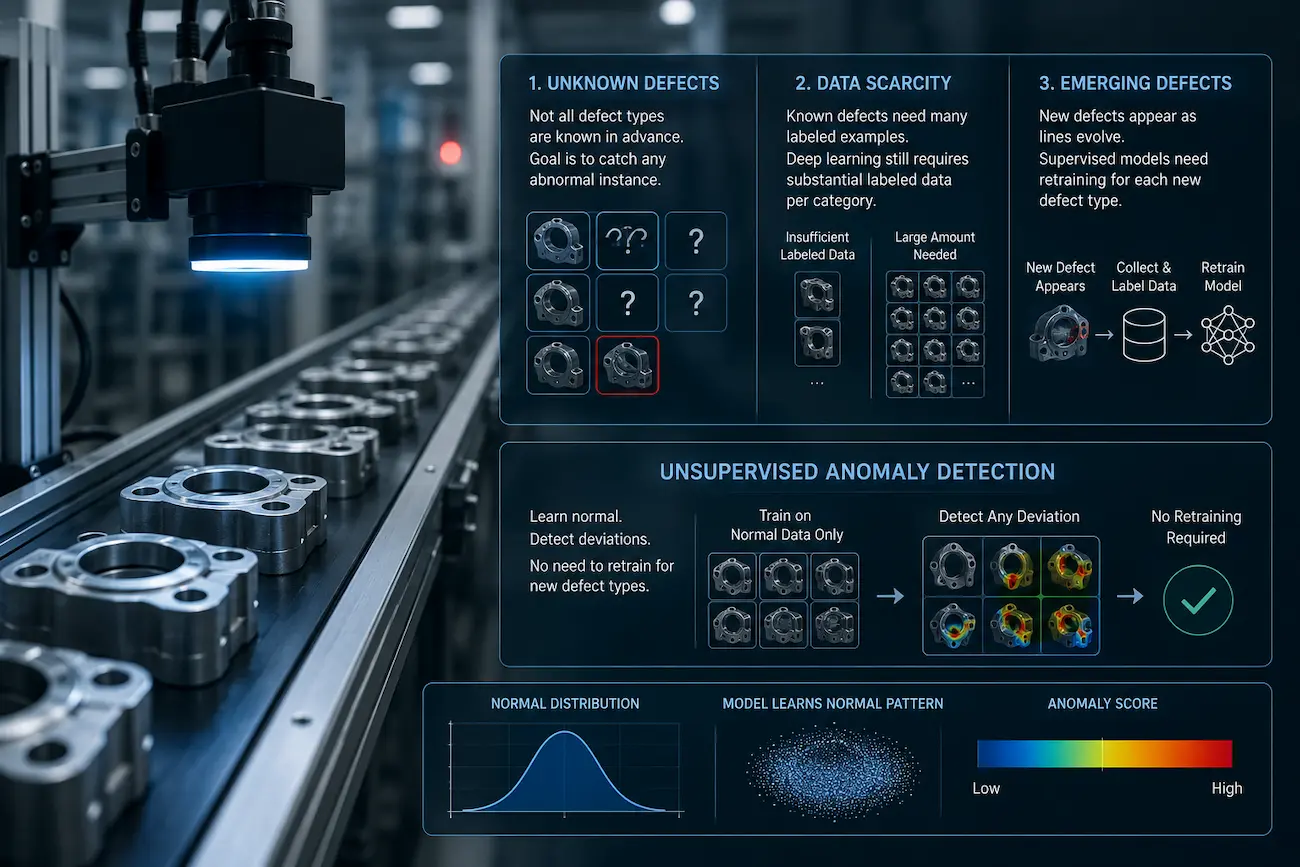
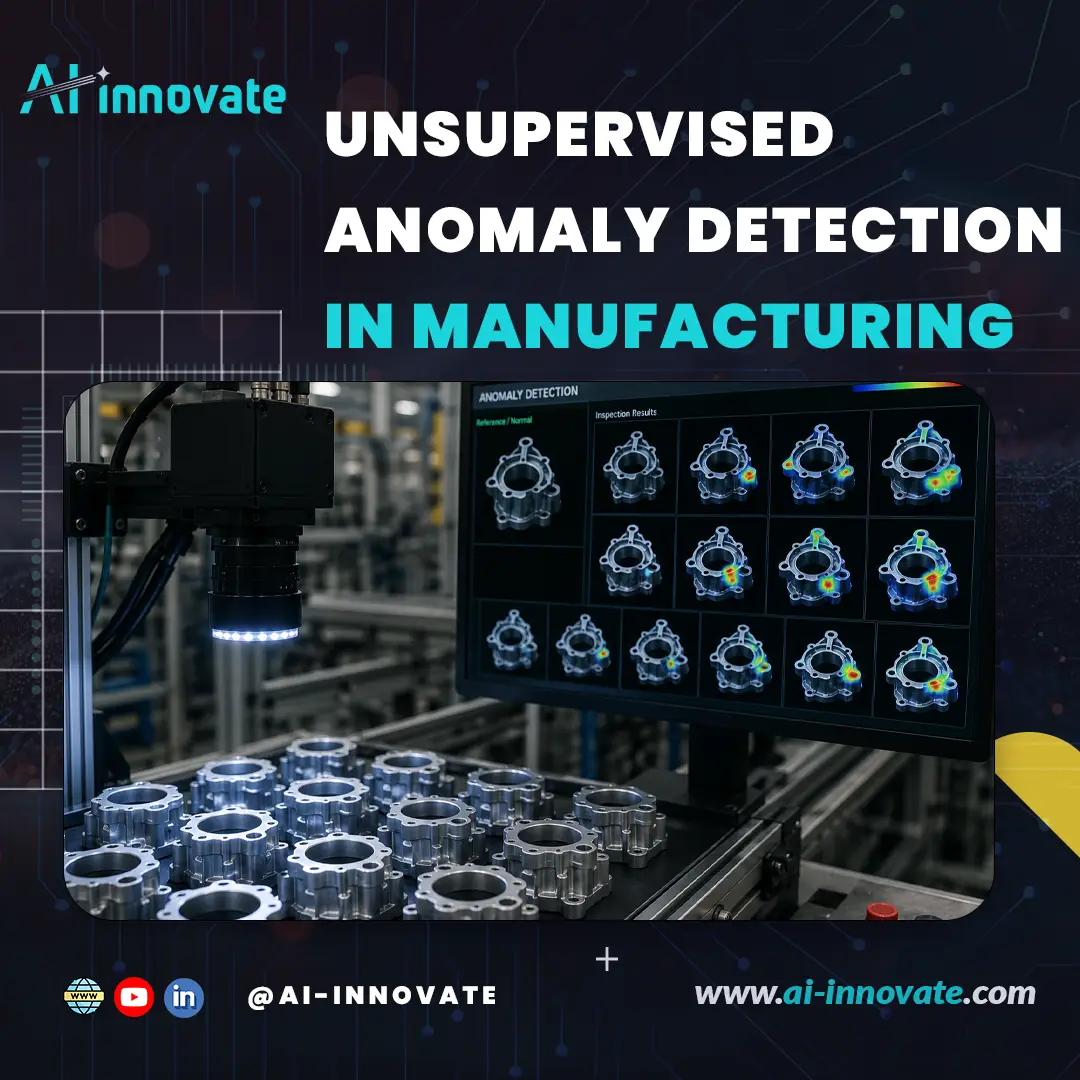
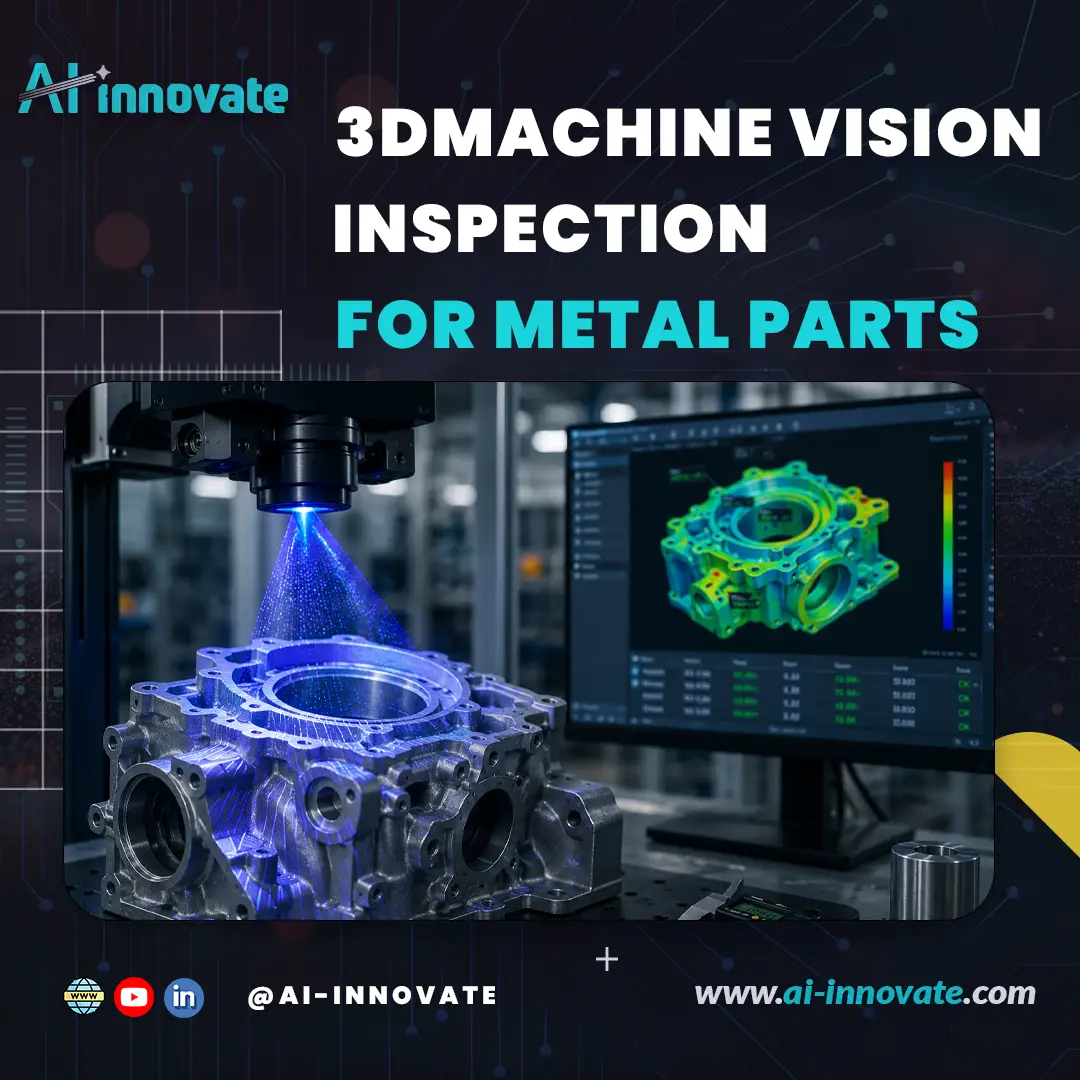
- Quality Control: Visual checks and data analysis are used to quickly spot defects. Machine learning may scan production data for defects, while computer vision can automatically detect tiny cracks in metal parts on the assembly line.
For example, these systems can do automatic surface defect detection in metal parts on the assembly line, reducing manual inspection time.
- Demand Forecasting: ML uses market data to accurately predict future product demand.
- For instance, if ML anticipates higher demand for a product during a specific season, production can be increased to meet that demand.
- Product Development: Machine learning speeds up product development by analyzing customer feedback and performance data. It shortens creation time and enhances features, while also suggesting design changes.
- So, algorithms can highlight which product features users value most, guiding design improvements and shortening development cycles.
- Production Optimization: ML finds the best ways to operate machines and resources. It also automatically adjusts machine settings based on sensor data to optimize material usage.
- By analyzing sensor data in real time, the system can automatically adjust machine settings to minimize waste and energy consumption.
- Digital Twin: It’s a virtual version of a physical system that uses data and ML to simulate operations. It predicts outcomes and tests changes without impacting actual production.
- Engineers can simulate process changes on the digital twin to predict performance outcomes without interrupting production.
Transforming Manufacturing with Machine Learning: Real-World Applications and Impact
Machine learning is used across manufacturing sectors in various processes, such as:
- Food Manufacturing: Computer vision automatically sorts food products by size, shape, or quality. ML can also analyze data to determine the ripeness of fruits and vegetables quickly and accurately, and clean equipment without full disassembly.
- Automotive Manufacturing: ML boosts self-driving cars by detecting objects, making decisions, and predicting outcomes. It improves the driving experience by understanding driver commands and emotions, and also catches manufacturing defects.
- Semiconductors & Computer Manufacturing: ML detects microscopic defects in semiconductor wafers during production and optimizes chip architecture, design layouts, and testing.
- Plastic Products Manufacturing: ML sorts recyclable plastics automatically based on type and color and predicts the ideal molding parameters (temperature, pressure, and cycle time) to minimize defects and material waste.
Manufacturing Companies Successfully Using Machine Learning
Some of the world’s leading manufacturers are already seeing results from machine learning, using it to improve their operations. For instance:
- ZF Group applies ML in the automotive parts industry to predict equipment failures and maintain product quality.
- Siemens also uses its MindSphere IoT platform to combine predictive maintenance, quality control, and digital twin technology.
- General Motors (GM) uses ML in predictive maintenance and generative design, cutting downtime by 15% and saving about $20 million annually.
- VEO Robotics focuses on industrial automation. Their systems use predictive analytics to improve safety, reduce manual labor, and boost productivity.
Together, these companies demonstrate how ML is helping manufacturers operate smarter and stay competitive in a rapidly changing industry.
Machine Learning-Based Technologies Used in Manufacturing
As previously mentioned, the right machine learning technology is essential to getting the desired results. Amongst your options are predictive analytics, IPA, and computer vision. Here’s how each one works:
- Predictive Analytics: Predictive analytics use data, statistical algorithms, and ML to forecast future outcomes based on historical and real-time information.
- Intelligent Process Automation (IPA): IPA combines Robotic Process Automation (RPA) with AI and ML to automate complex tasks. Unlike traditional automation, IPA can adapt and make decisions based on data.
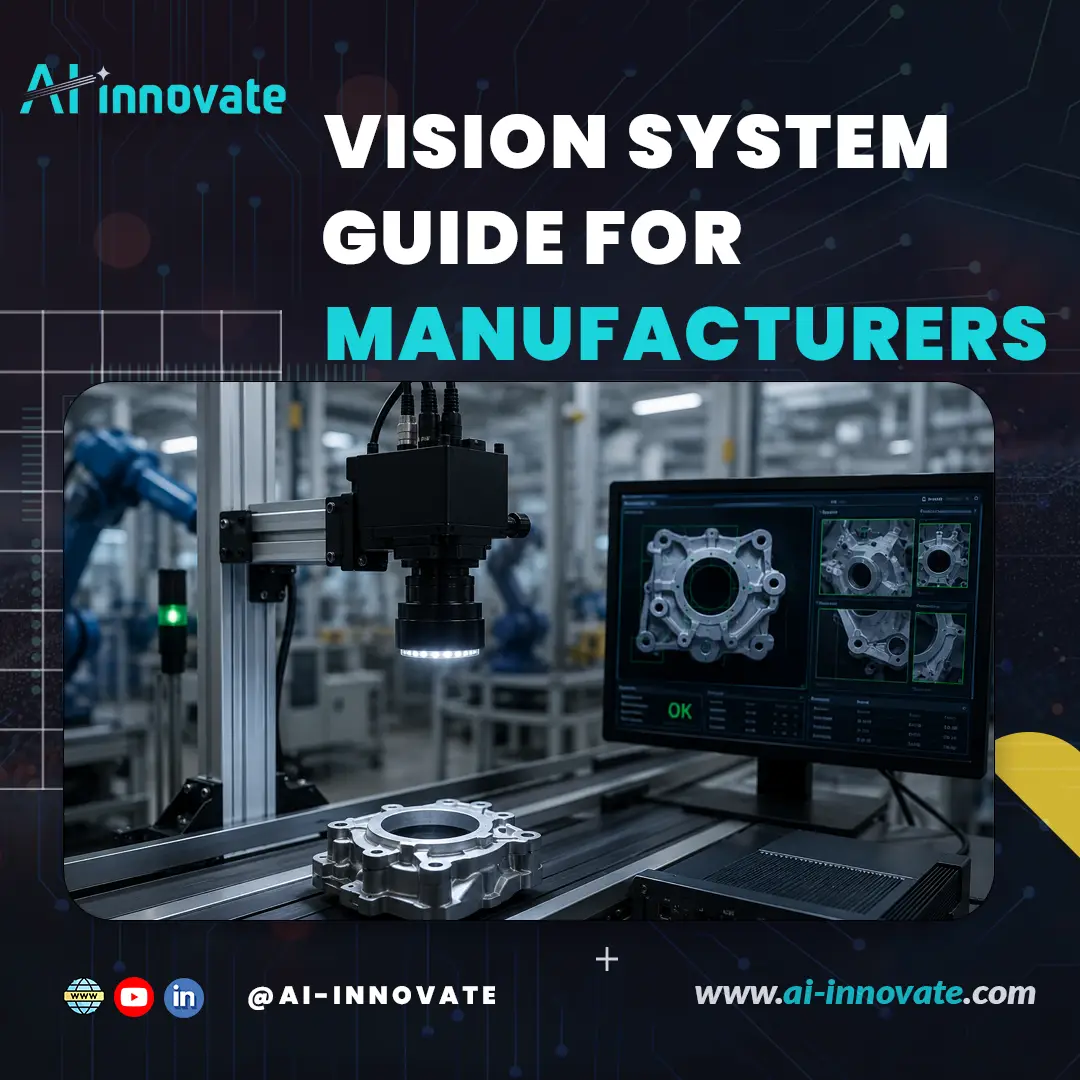
- Computer Vision (CV): CV is a branch of AI that allows computers and machines to see, interpret, and make decisions based on visual data.
Pros and Cons
As with everything, leveraging ML in manufacturing comes with many benefits and potential limitations. To see the bigger picture better, let’s go through the advantages and disadvantages.
Pros
Some of the benefits of integrating machine learning in manufacturing are:
- Improved Decision Making: Using ML makes it easier to make decisions by using data. The real-time gathering and processing of data makes it all the more convenient.
- Energy Efficiency: ML predicts energy needs and optimizes machine operation times to lower peak energy usage, which reduces energy consumption and environmental impact.
- Cost Reduction: Using ML means reduced waste, rework, and downtime. By using predictive analytics, better material usage and maintenance is achieved.
- Quality Assurance: ML can reliably detect faults and eliminate the potential for human error, which means improved overall product quality.
At AI-innovate, we’re using machine learning with AIxEye and AIxCam to make manufacturing smoother. AIxEye helps keep an eye on things in real time, spotting problems early and making sure quality stays consistent. Meanwhile, AIxCam lets teams play around with camera setups before they go live, which boosts data collection and model accuracy. Together, these tools make integrating machine learning in manufacturing a lot easier and more effective.
Cons
Using ML in manufacturing may come with some challenges:
- Data Requirements: ML needs large amounts of high-quality data to operate effectively. Incomplete, inconsistent, or poor-quality data can lead to unreliable predictions and outcomes.
- Data Security and Privacy Risks: Increased connectivity of devices and networks may lead to more cyber-attack opportunities in ML-based manufacturing systems.
- Unclear ROI (Return on Investment): Benefits of ML may take time to show. Companies may struggle to measure immediate returns compared to costs.
- Integration Challenges: Combining ML systems with existing equipment or production software can be complicated.
Global Companies Successfully Using Machine Learning in Manufacturing
Leading manufacturers across the world are adopting machine learning (ML) to improve production efficiency, enhance quality control, and enable predictive decision-making across industrial operations.
These real-world implementations demonstrate how ML is transforming manufacturing from reactive systems into intelligent, data-driven environments.
ZF Group
ZF Group uses machine learning to strengthen quality control and predictive maintenance across its global manufacturing facilities.
Their AI-driven systems analyze real-time sensor data from production equipment to:
- Detect early signs of machine wear
- Reduce unplanned downtime
- Maintain consistent product quality across plants
This enables ZF Group to shift from reactive maintenance to predictive, data-driven operations.
Siemens
Siemens integrates machine learning into its MindSphere industrial IoT platform, enabling advanced industrial analytics and automation.
Machine learning is used to:
- Predict equipment failures before they occur
- Optimize energy consumption across production systems
- Automate complex manufacturing workflows
This results in improved operational efficiency and reduced industrial operating costs at scale.
General Motors (GM)
General Motors applies machine learning across its production and engineering processes to improve both manufacturing efficiency and product design.
Key applications include:
- Real-time monitoring of production lines for defect detection
- Advanced analytics for quality assurance
- Early-stage design optimization using manufacturing data
ML enables GM to detect issues earlier in the production lifecycle and improve overall vehicle quality.
Veo Robotics
Veo Robotics uses machine learning and computer vision to improve human-robot collaboration in industrial environments.
Their systems enable:
- Real-time detection of human presence in robotic workspaces
- Safer interaction between operators and industrial robots
- Continuous productivity without compromising safety standards
This application is particularly important in high-speed assembly environments where safety and efficiency must coexist.
Conclusion
Machine learning is becoming an essential part of modern manufacturing. It helps factories use data effectively to predict maintenance needs, improve quality, and optimize production.
It’s safe to say that machine learning is shaping a smarter and more connected future for the entire manufacturing industry. As global competition grows and production systems become more complex, the ability to learn from data is no longer optional. Machine learning is quickly moving from a valuable advantage to a critical necessity for manufacturers that want to stay efficient, adaptable, and sustainable in the years ahead.
Note: Some graphics and visuals in this post were produced using AI-generated content.