




Picture this: a batch of 10,000 units rolls off your production line, ships to customers, and then the recalls begin. The cost? Not just the immediate financial hit, but the lasting damage to your brand reputation that took years to build.
Manufacturing leaders face an unforgiving reality. Even a 1% defect rate can translate into millions in lost revenue and eroded customer trust. Manual inspection methods simply cannot keep pace with modern production speeds or deliver the consistency that global markets demand.
This guide will provide you with all the information you need about quality control in manufacturing. We will explore the basic processes, proven techniques, common challenges, and how modern AI for quality assurance is transforming quality control to protect your bottom line.

What Is Quality Control in Manufacturing?
Quality control (QC) in manufacturing is a process of inspecting and testing products to ensure they meet predetermined standards and customer requirements. It involves identifying and correcting defects during production through inspections, testing, and monitoring to prevent flawed products from reaching the customer, thereby maintaining brand reputation and ensuring safety and compliance. The Importance of Quality Control in Manufacturing Quality control is vital in manufacturing because it ensures products meet standards, leading to customer satisfaction, brand loyalty, and increased profits through reduced waste and costs. By catching defects early, quality control minimizes costly recalls and lawsuits, safeguards brand reputation, and helps companies comply with regulations and remain competitive.Quality Control Process in Manufacturing
The quality control process involves several key stages that work together to ensure product excellence:- Define Quality Standards: Establish clear, measurable criteria based on customer expectations and regulatory requirements
- Select a Quality Control Method: Choose inspection approaches that match your production environment and product characteristics
- Train Employees: Educate staff on standards, inspection methods, and documentation procedures
- Conduct Inspections and Testing: Implement regular checks at critical control points throughout production
- Analyze and React: Review inspection data and respond quickly with containment actions when issues arise
- Continuously Improve: Use quality data to drive ongoing enhancements in processes and procedures
Quality Control Techniques in Manufacturing You Can Use
Modern manufacturers have access to multiple proven methodologies for managing quality. Each approach brings unique strengths to different production environments:Six Sigma
A data-driven methodology that reduces variation and targets defect rates of 3.4 per million opportunities using the DMAIC (Define, Measure, Analyze, Improve, Control) framework.Statistical Quality Control
Applies statistical methods to monitor processes through sample analysis, control charts, and capability studies while managing inspection costs effectively.Just in Time (JIT)
Integrates quality control into production flow, emphasizing defect prevention through smaller batches and rapid feedback loops that catch issues immediately.Total Quality Management (TQM)
Creates a company-wide culture where every employee takes responsibility for quality through customer focus, continuous improvement, and team engagement.Inspection
Provides verification through manual or automated systems. Modern approaches increasingly leverage machine vision and AI for superior speed and accuracy that human inspectors cannot match.What Types of Quality Control Are Used in Manufacturing?
Effective quality control programs incorporate multiple inspection types at strategic points throughout the production process:Materials Inspection
Verifies incoming raw materials and components meet specifications before entering production. This gatekeeper function prevents defective inputs from compromising finished products and includes dimensional checks, material certifications, and sample testing.In-Process Inspection
Catches defects during manufacturing at critical control points. By monitoring production in real time, you identify process drift or equipment problems before they generate large quantities of defective products, minimizing waste and rework costs.Final Inspection
Provides the last verification checkpoint before products ship to customers. This comprehensive examination confirms all specifications are met and products function as intended, acting as your final defense against returns.
What Are the Responsibilities of Quality Control in Manufacturing?
Quality control professionals shoulder significant responsibilities that extend well beyond simple pass or fail decisions on products. Their role encompasses multiple critical functions:- Inspecting and Testing: Systematic examination using appropriate measurement tools and procedures
- Documentation and Reporting: Maintaining detailed inspection records and quality metrics
- Non-Conformance Management: Identifying and segregating defective products appropriately
- Root Cause Analysis (RCA): Investigating underlying causes rather than just symptoms
- Implementing Corrective and Preventive Actions (CAPA): Developing and verifying improvements
- Monitoring Processes and Compliance: Ensuring ongoing adherence to standards and regulations
- Equipment Calibration and Maintenance: Keeping measurement tools accurate and reliable
- Providing Feedback and Training: Communicating trends to production teams
- Continuous Improvement Participation: Contributing expertise to enhancement projects
Benefits of Using Quality Control in Manufacturing
Implementing comprehensive quality control delivers measurable advantages that impact every aspect of manufacturing operations:- Advanced Product Quality: Identifies defects early, reducing returns and complaints
- Increased Customer Satisfaction: Builds trust through consistent performance and reliability
- Reduced Costs: Prevents rework, minimizes waste, and lowers overall production expenses
- Improved Compliance: Meets regulatory standards while avoiding penalties
- Advanced Reputation: Strengthens industry standing through reliable products
- Higher Efficiency: Streamlines operations and improves resource allocation
- Data-Driven Decisions: Enables informed improvements through performance insights
Quality Control Issues in Manufacturing
Even with the best intentions, manufacturing organizations face significant challenges in maintaining effective quality control programs:- Human Error and Lack of Training: Inspector fatigue and inconsistent standards lead to missed defects
- Supply Chain Variability and Supplier Quality: Material variations impact product quality
- Balancing Cost-Efficiency with Quality: Finding optimal balance between thorough inspection and competitive pricing
- Evolving Regulatory Compliance: Adapting to new regulations and changing standards
- Resistance to Change: Overcoming reluctance to adopt improved methods and technologies
How to Get Started to Implement Quality Control in Manufacturing with AI-innovate
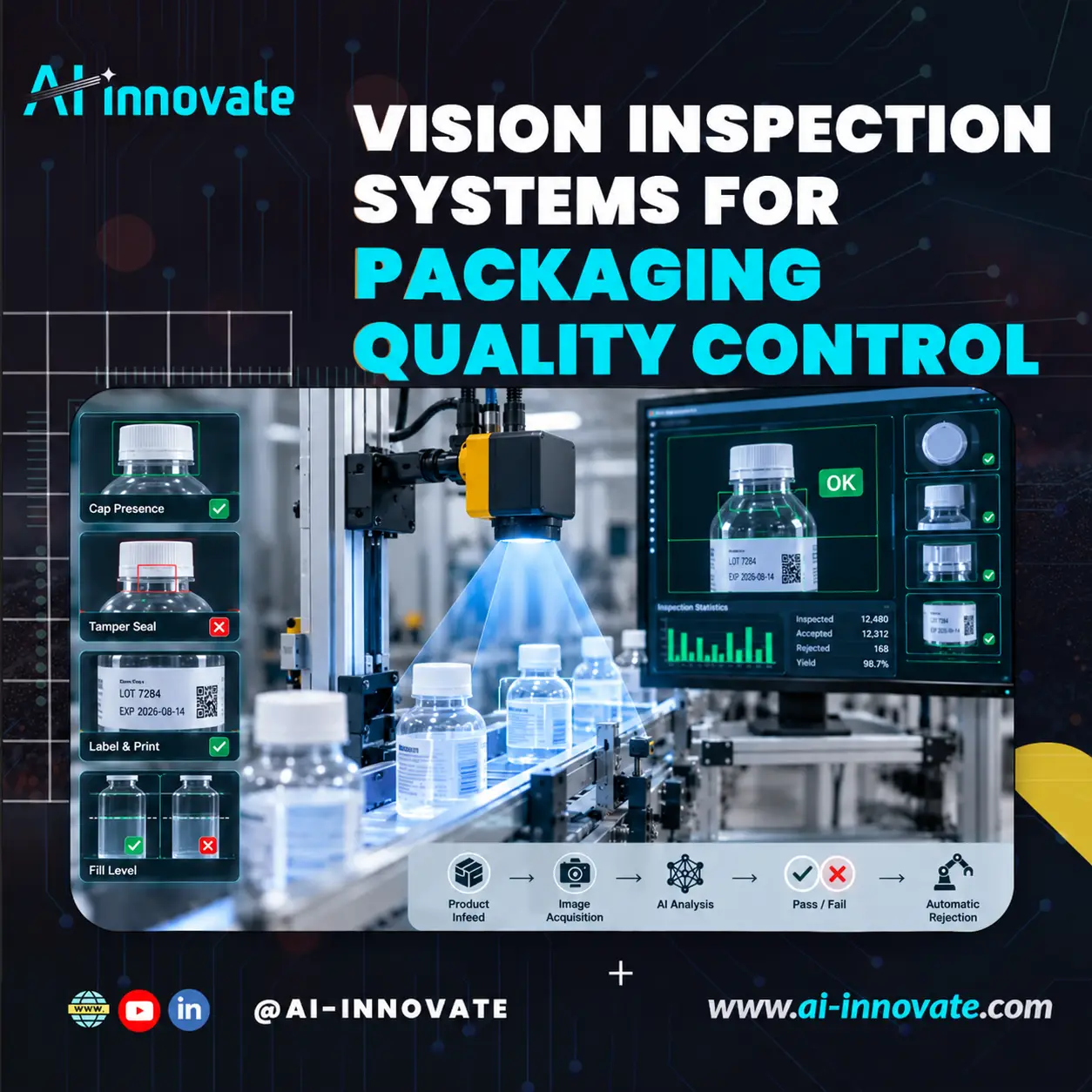
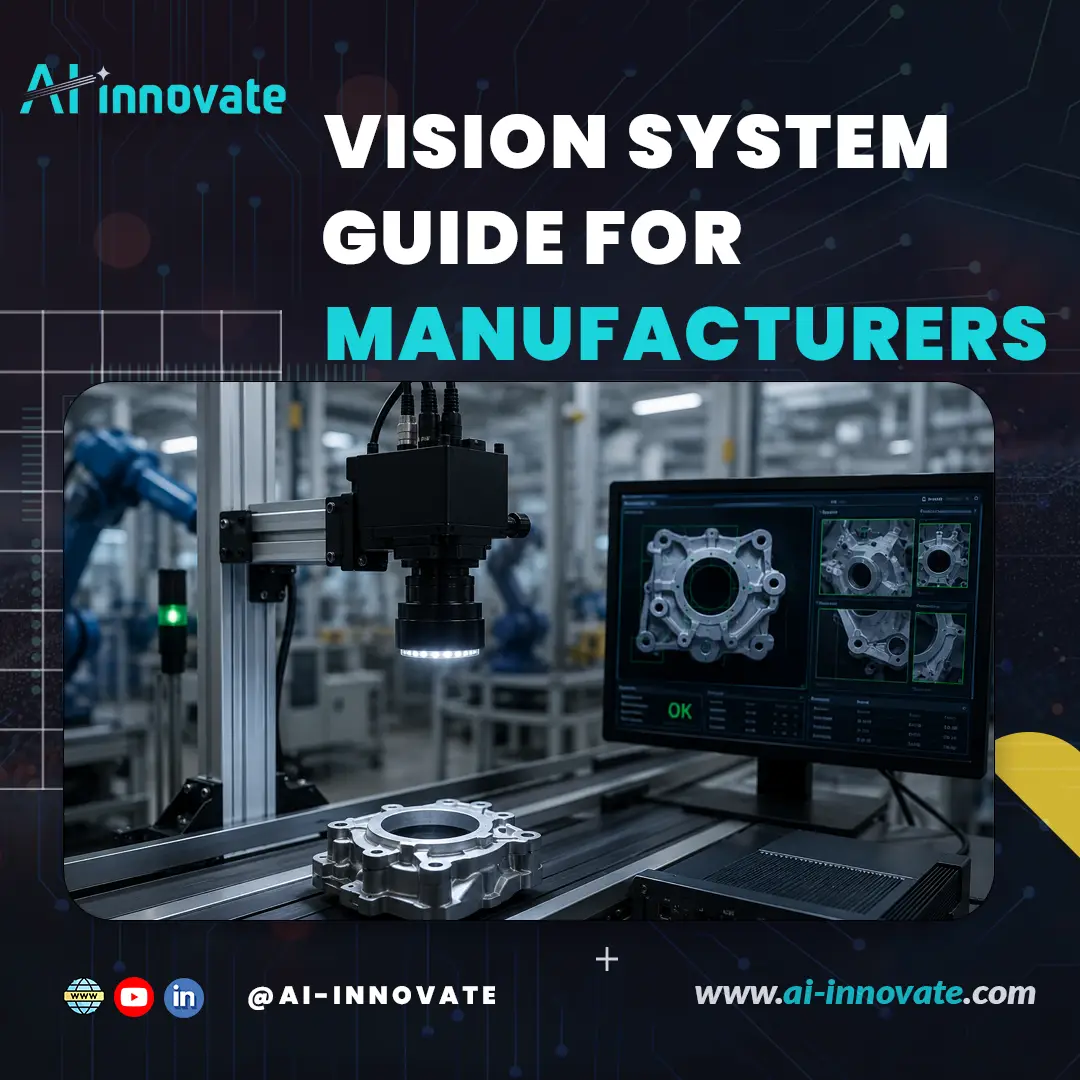
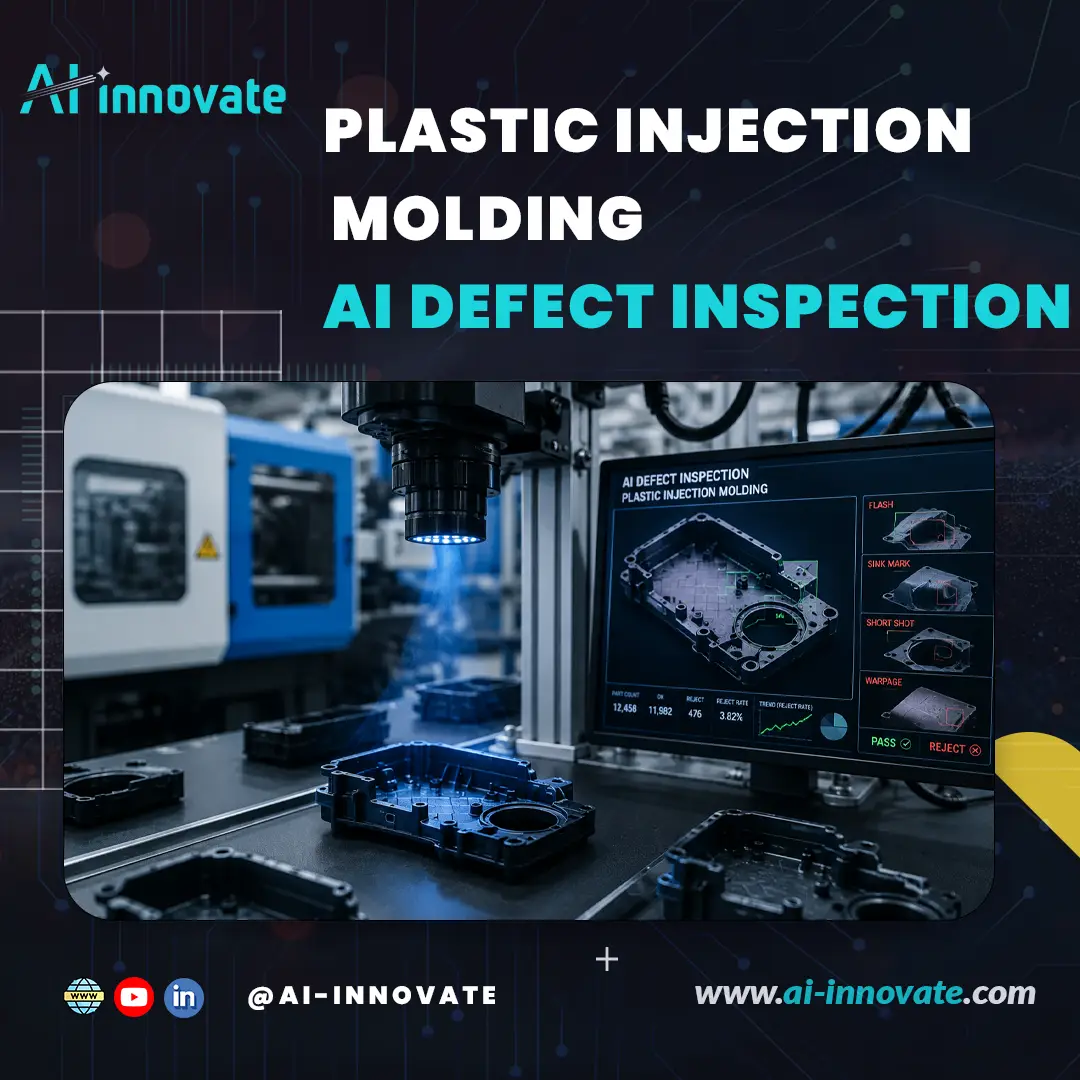
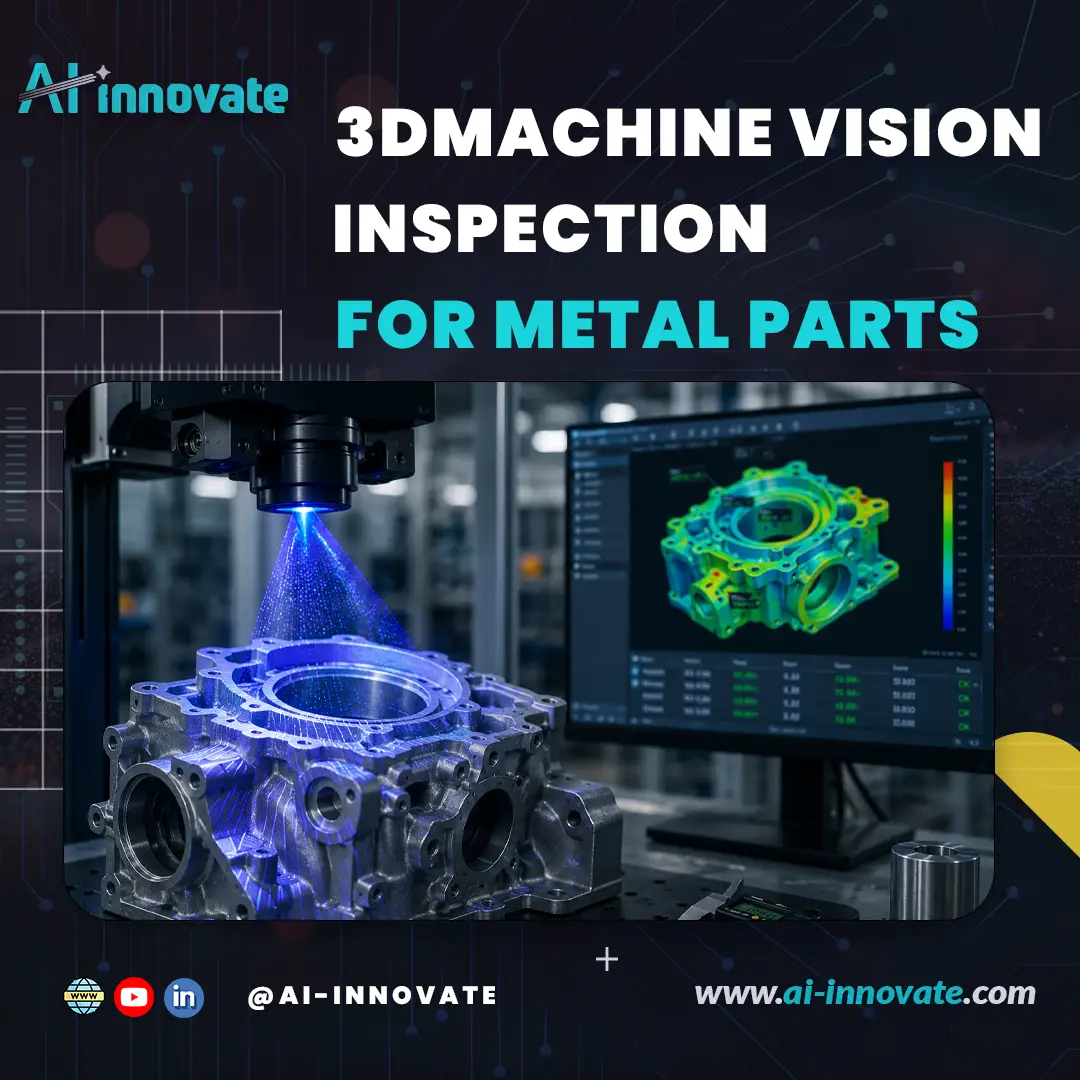
AI-innovate‘s AI2Eye brings advanced machine vision and artificial intelligence directly to your production line, learning your specific quality standards and adapting to your environment. Unlike traditional inspection methods that rely on human vigilance, this AI-driven quality control solution delivers consistent, accurate defect detection around the clock.How AI2Eye Works
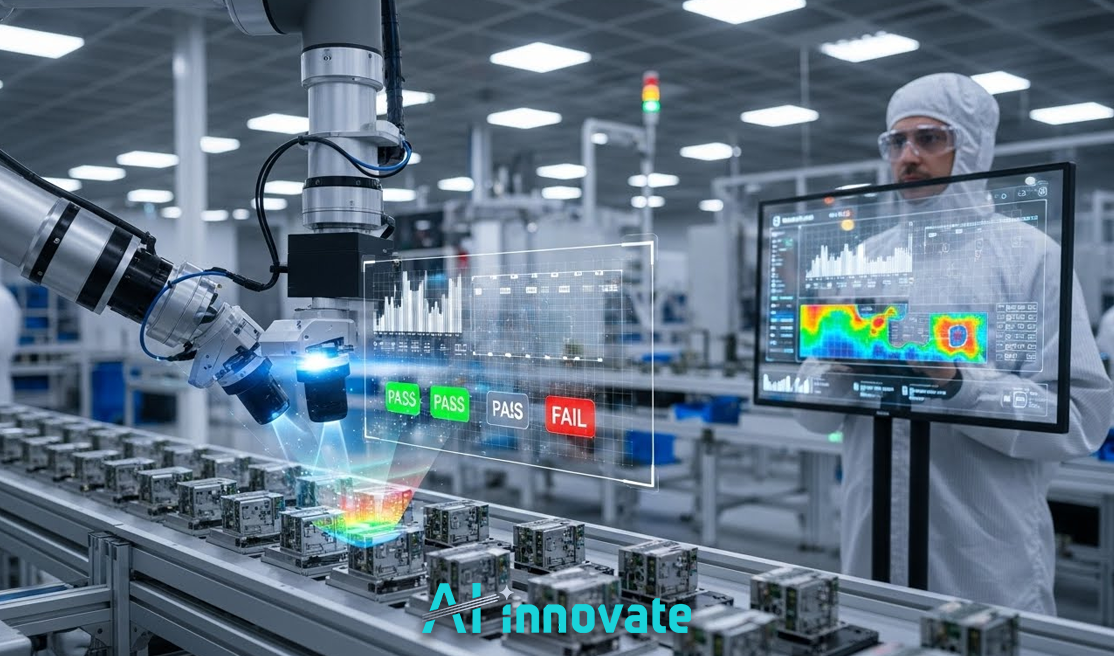
- Image Capture: High-resolution cameras capture detailed product images in real time as items move through production
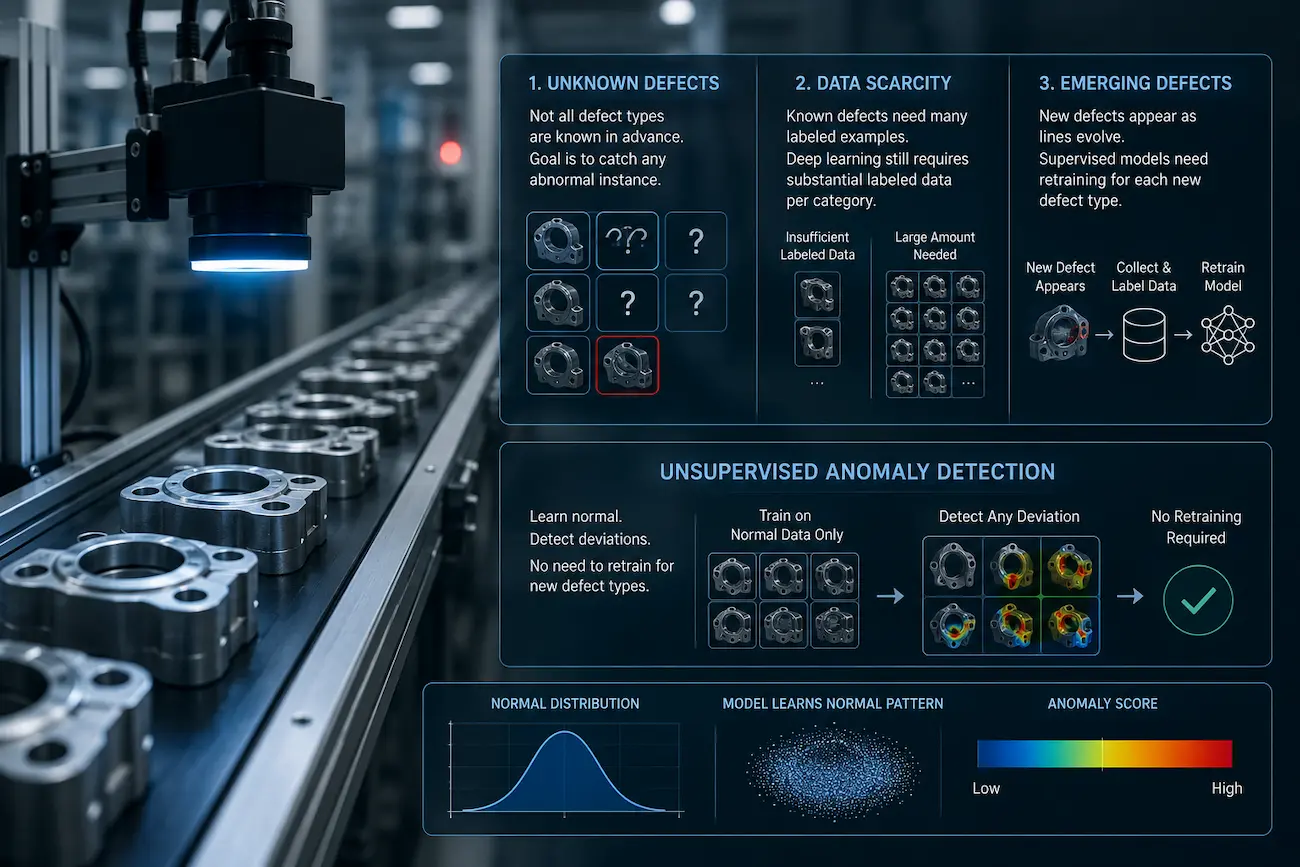
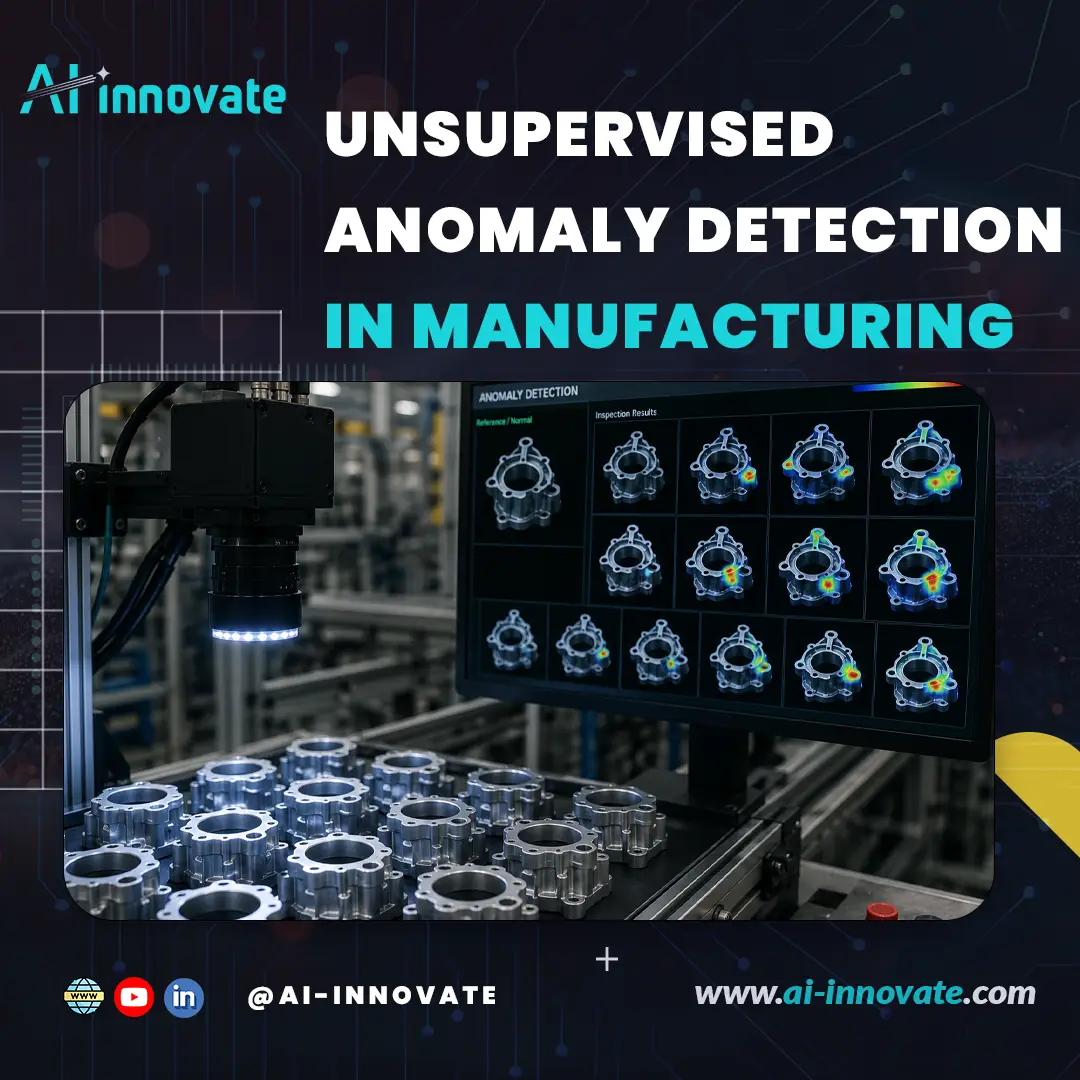
- AI Analysis: Advanced algorithms analyze images and detect defects with accuracy surpassing human capabilities
- Defect Identification: System identifies surface imperfections, dimensional variations, color inconsistencies, and assembly errors
- Instant Alerts: Real-time feedback enables immediate corrective action before defects multiply
- Continuous Learning: Machine learning in manufacturing improves accuracy over time across metals, polymers, textiles, leather, and packaging
Key Advantages
- Cost Reduction: Up to 35% lower quality control costs while improving defect detection rates through machine learning in quality control
- 24/7 Operation: Consistent standards across all shifts without breaks or performance degradation
- Seamless Integration: Minimal disruption to existing production lines with quick implementation
- Comprehensive Documentation: Detailed records for compliance and continuous improvement initiatives