Scrap and Rework
Material, labor, and machine time are consumed without producing saleable output.

Every missed defect, false reject, manual check, and repeated
production issue adds cost somewhere in the operation.
AI-innovate helps manufacturers automate inspection, upgrade
existing production infrastructure, and turn defect data into operational
insight.
A defect detected too late can trigger rework, production
delays, additional inspection, downgraded output, or customer
claims.
But the visible defect is often only the beginning.
IDENTIFIED CONSTRAINTS & LOSSES
Operational losses are not always visible in one report.
They may be spread across:
Material, labor, and machine time are consumed without producing saleable output.

People remain tied to repetitive inspection and secondary verification.
Issues move further through production or reach the customer before they are discovered.
Acceptable products are removed, downgraded, or inspected again.
Sampling leaves part of production uninspected.
Teams react after losses accumulate because production and inspection data are disconnected.
Reduce false rejects, scrap, and rework to improve yield and recover margin from the same production volume.
Detect defects without creating a manual inspection bottleneck or unnecessarily slowing production.
Reduce repetitive manual inspection and secondary verification, allowing labor to focus on higher-value work.
Identify problems earlier to limit additional processing, material consumption, downgrades, returns, and claims.
Connect defect patterns with production conditions to focus investigations and shorten the time spent searching for contributing factors.
AIxEye and AIxAm provide end-to-end machine vision inspection for production applications. Depending on the product and process, the system can combine imaging, lighting, sensors, AI processing, and production-line integration to inspect products as they move through the operation.
An existing inspection system may still be usable, even when one component limits its performance. AI-Innovate can upgrade individual components of your existing visual inspection infrastructure with AIxLight for optimized lighting, AIxCore for enhanced processing, and AIxSpectra for sensing beyond conventional imaging.
Inspection data should support operational decisions, not remain inside individual machines. AIxInsight organizes defect records, images, trends, and production context into a shared performance view, while AIxCause links recurring defect patterns to associated operating conditions, helping teams focus their investigations.
Older equipment, limited space, complex products, challenging
defects, or the need for hands-on support should not prevent you
from exploring AI inspection.
Backed by a strong innovation network, our engineering team has
already delivered inspection solutions around complex
applications, existing equipment, and real production constraints.
Case Study
Helping textile manufacturers automate quality inspection, reduce manual QC effort, and gain real-time insight into defect formation and production trends.
Case Study
Helping aluminum manufacturers automate surface inspection, classify defects, and connect quality issues to process conditions in real time.
Case Study
Helping polymer manufacturers automate visual inspection, detect surface anomalies, reduce manual QC effort, and improve production planning through AI-powered quality intelligence.
Case Study
Helping metal coating manufacturers detect surface defects, reduce manual QC effort, and connect coating quality issues to suppliers, raw materials, and production conditions.
Case Study
Helping high-volume 3D printing operations detect major defects, identify early-stage failures, reduce waste, and improve production efficiency.
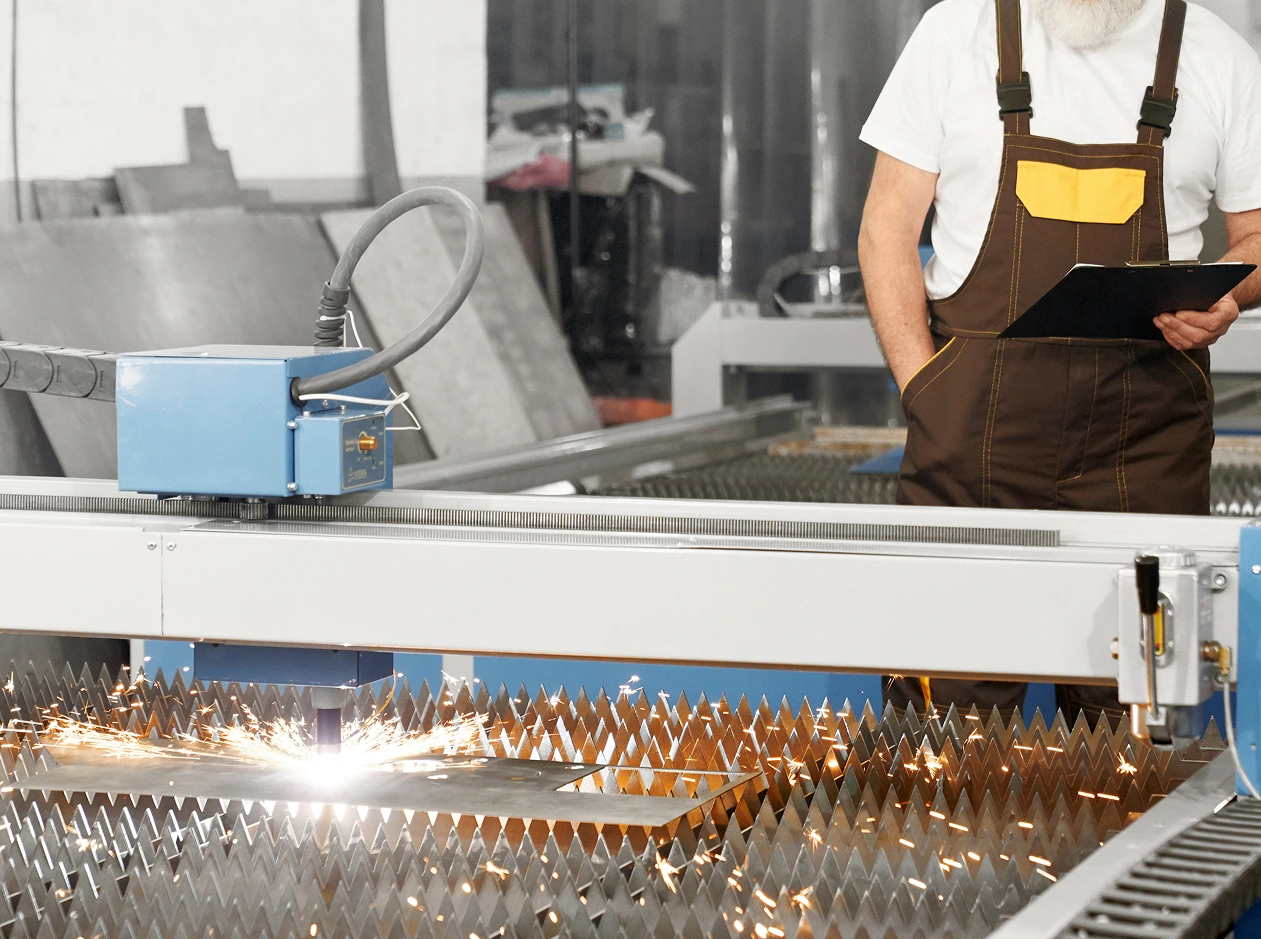
Each industry has unique inspection demands. AI-innovate
configures every system accordingly.
Continuous inspection for scratches, dents, cracks, corrosion, weld defects, and surface imperfections.
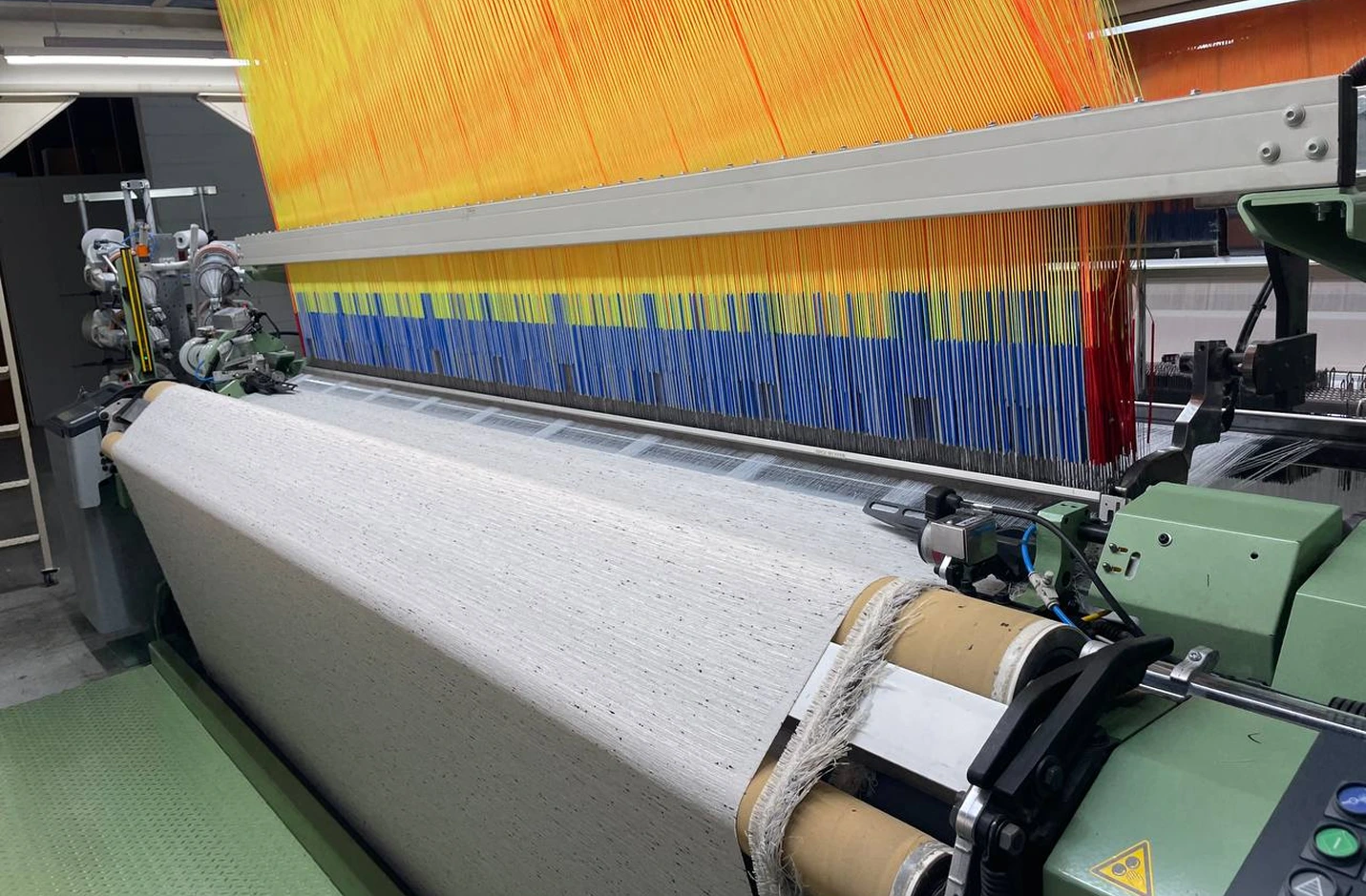
Continuous inspection for fabric defects, loose threads, pattern irregularities, and surface variations.
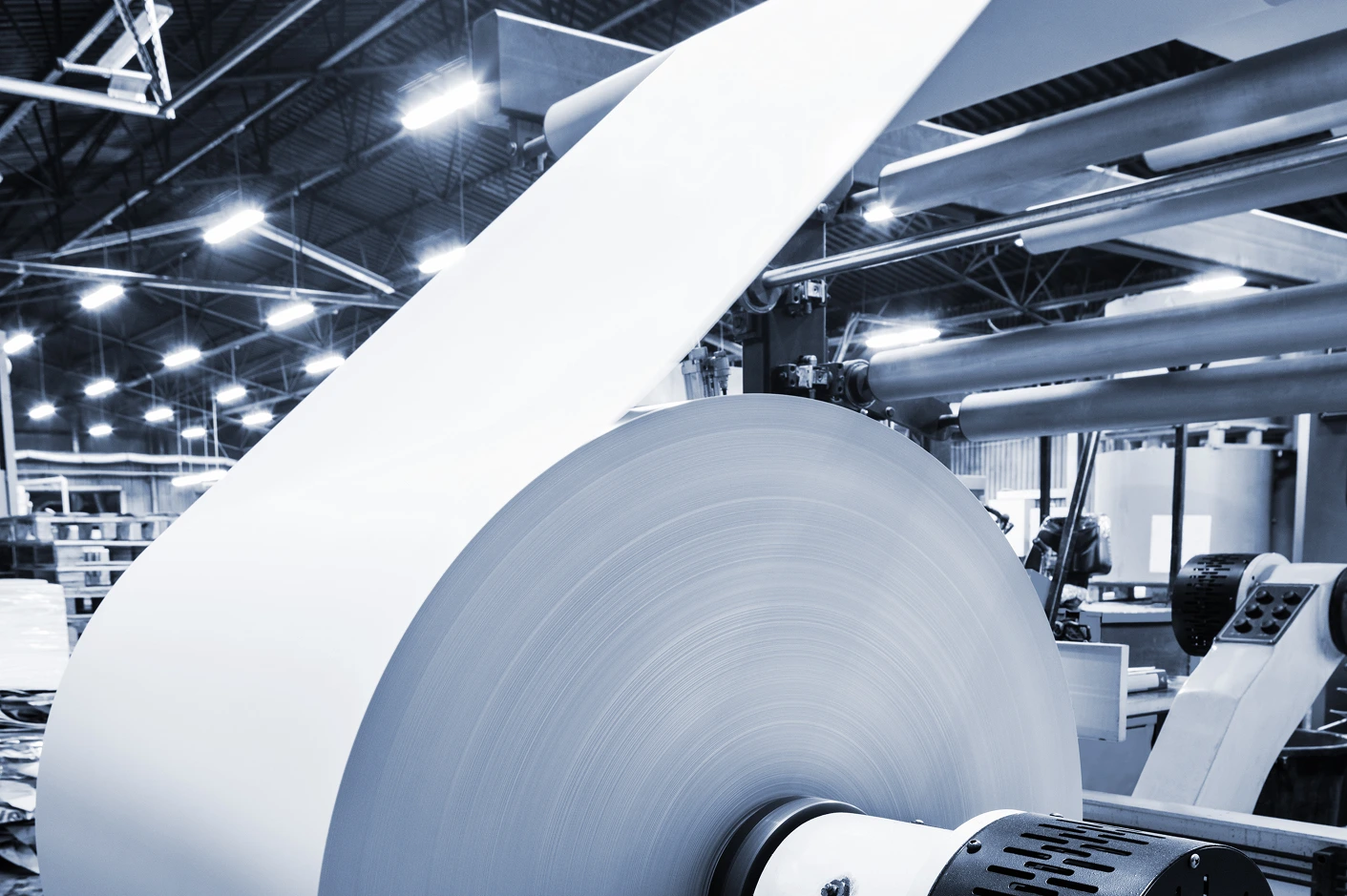
Continuous inspection for tears, wrinkles, holes, stains, coating defects, and edge cracks.
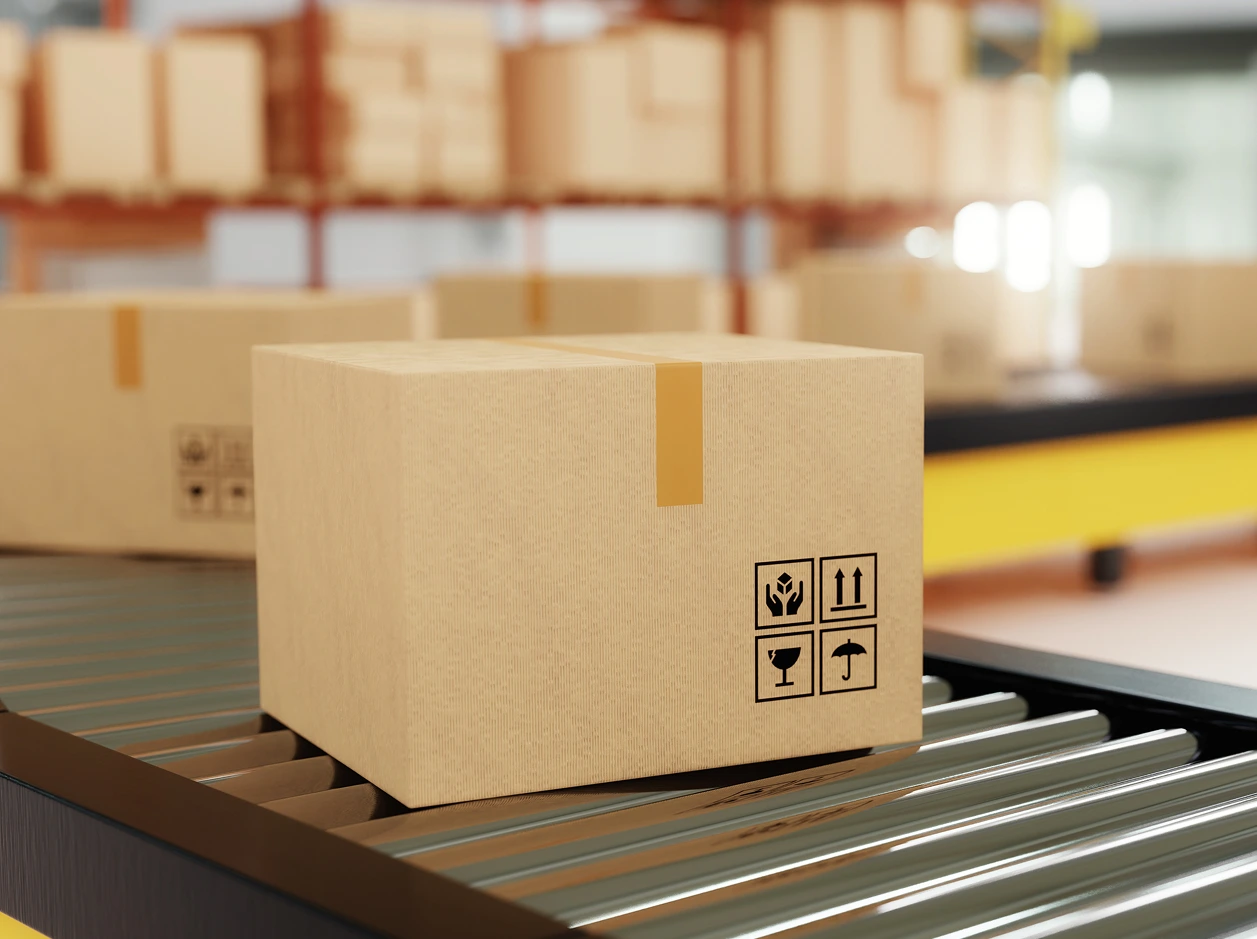
Continuous inspection for label errors, seal defects, damaged packages, barcode verification, and missing items.
Identify the defect and its operational impact.
Review the product, process, speed, environment,
and existing infrastructure.
Determine the required imaging, sensing, processing,
and integration approach.
Evaluate the solution using actual products,
representative defects, and production conditions.
Test technical fit and operational value before wider
deployment.
Use the pilot evidence to decide whether to refine,
deploy, or scale the system.
If scrap, rework, inspection labor, missed defects, or recurring quality issues are affecting your
operation, start by defining where the loss occurs.
AI-innovate can help determine whether the right next step is an end-to-end inspection system, a
modular infrastructure upgrade, or better use of existing inspection data.
Tell us what you manufacture, what needs to be inspected, and where the current process is costing you.
Hello 👋
I’m the AI-innovate assistant.
How can I help you today?