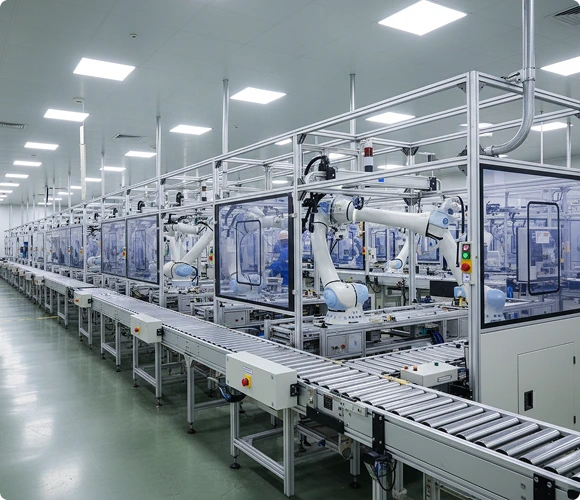
Was every
required product
inspected?


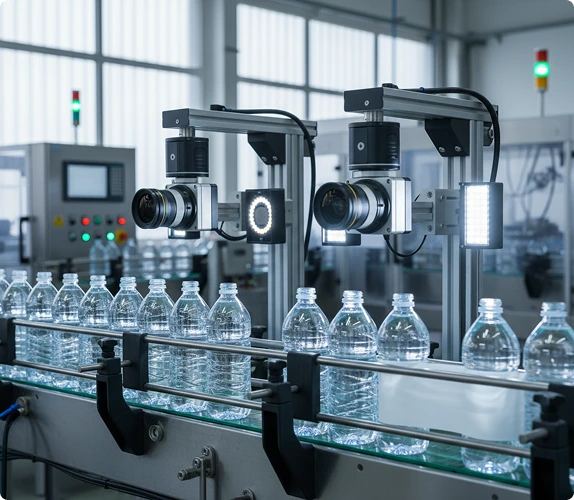
AIxEye and AIxAm
Inspect Consistently
AIxEye and AIxAm provide end-to-end machine vision
inspection for different production applications.
THE INSPECTION APPROACH IS DEVELOPED AROUND:
- Product characteristics
- Defined defect criteria
- Required inspection coverage
- Defect size and visibility
- Line speed
- Product variation
- Production environment
- Existing infrastructure
The objective is to apply the defined inspection criteria more consistently and create a usable record of what the system detects.
AIxInsight
See the Quality Picture
AIxInsight turns inspection results into a shared quality-
performance view.
QUALITY TEAMS CAN REVIEW:
- Affected products and SKUs
- Reject and scrap results
- Production lines and locations
- Available production context
- Shifts and operators
- Batches and production runs
- Trends over time
- Defect frequency and severity
- Defect records and images
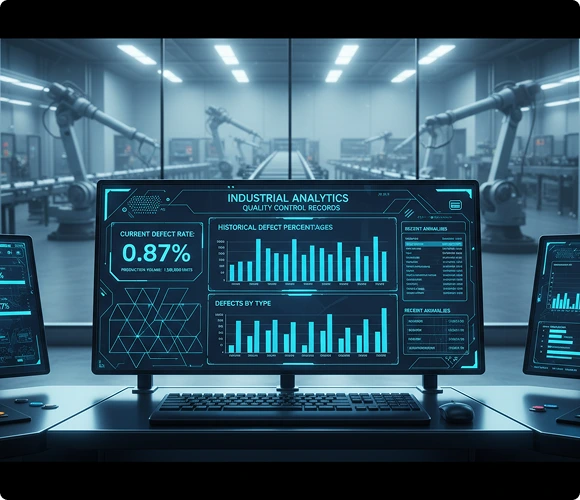
Instead of reviewing isolated incidents, teams can see where defects concentrate and how quality performance changes.
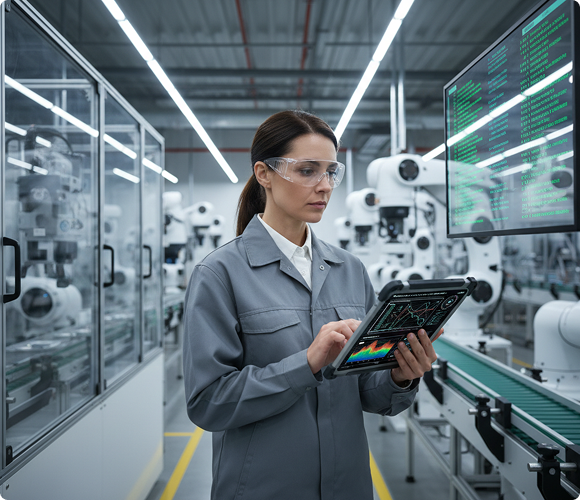
AIxCause
Focus the Investigation
AIxCause links recurring defect patterns with associated production conditions.
DEPENDING ON THE DATA AVAILABLE, TEAMS CAN EXAMINE RELATIONSHIPS WITH:
- Machine settings
- Line speed
- Temperature and humidity
- Product or SKU
- Shift and operator
- Raw-material batch
- Supplier
- Maintenance events
- Process measurements
AIxCause surfaces correlations to focus the investigation. Quality and engineering teams then validate whether the associated conditions contributed to the defect.
MODULAR UPGRADES
Strengthen the Inspection Point
An inspection system may be limited by one component rather than the complete setup.
AI-Innovate can upgrade existing visual inspection infrastructure using:
AIxLight
Optimized illumination tailored to highlight specific material and geometrical characteristics
AIxCore
Enhanced processing unit with high-frequency AI hardware for instant defect classification
AIxSpectera
Sensing beyond conventional imaging, using specialized multi-spectral wavelengths
Industrial cameras
Ultra-resolution digital sensors delivering clean frames at intense production speeds
PLC and encoder integration
Seamless line integration ensuring accurate reject timing and tracking
This allows quality teams to address inspection limitations while retaining compatible infrastructure.

 Case Study
AI-Powered Textile Defect Detection
Helping textile manufacturers automate quality inspection, reduce manual QC effort, and gain real-time insight into defect formation and production trends.
Industry
Textile Manufacturing
Application
Defect Detection
Technology
Machine Vision | Edge AI | Computer Vision
Deployment
Continuous Production Line
Case Study
AI-Powered Quality Assurance for Aluminum Strip Production
Helping aluminum manufacturers automate surface inspection, classify defects, and connect quality issues to process conditions in real time.
Industry
Aluminum / Metal Manufacturing
Application
Surface Quality Inspection and Process Optimization
Technology
Machine Vision | Edge AI | Computer Vision | Data Analytics
Deployment:
Production Line
Case Study
AI-Powered Polymer Surface Inspection
Helping polymer manufacturers automate visual inspection, detect surface anomalies, reduce manual QC effort, and improve production planning through AI-powered quality intelligence.
Industry
Polymer / Plastics Manufacturing
Application
Surface Defect Detection and Quality Assurance
Technology
Machine Vision | Edge AI | Computer Vision | Data Analytics
Deployment
Continuous Production Line
Case Study
AI-Powered Inspection for Continuous Metal Coating
Helping metal coating manufacturers detect surface defects, reduce manual QC effort, and connect coating quality issues to suppliers, raw materials, and production conditions.
Industry
Metal Coating / Manufacturing
Application
Coating Defect Detection
Technology
Machine Vision | Edge AI | Computer Vision | Data Analytics
Deployment
Continuous Production Line
Case Study
AI-Powered Quality Assurance for 3D Printing
Helping high-volume 3D printing operations detect major defects, identify early-stage failures, reduce waste, and improve production efficiency.
Industry
Additive Manufacturing / 3D Printing
Application
Defect Detection and Process Monitoring
Technology
AI | Machine Vision | Sensor Analytics | Time-Series Analysis
Deployment
Multi-Printer Production Environment
Drag to browse
•
1
/
5
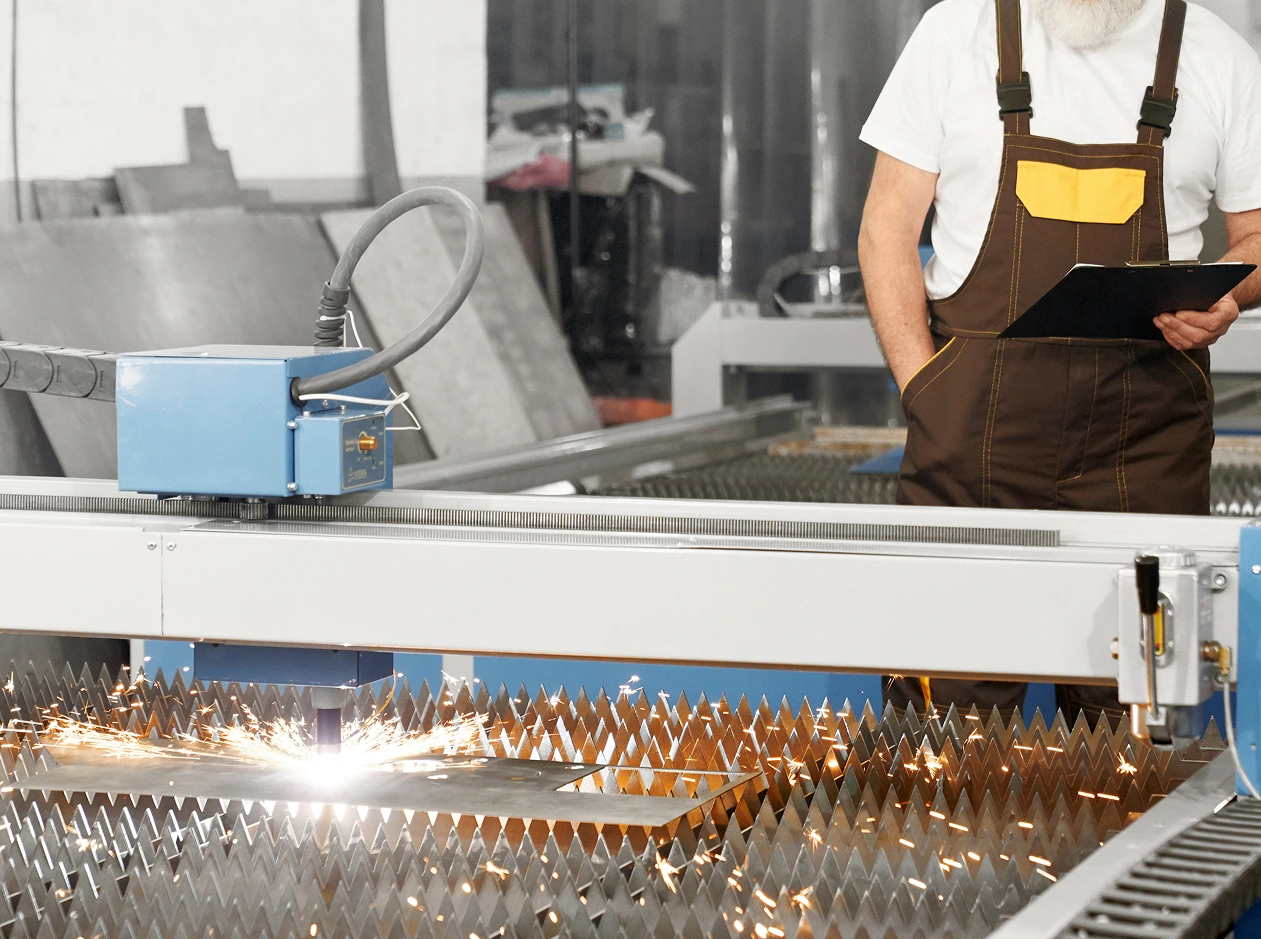
Metal Manufacturing
Continuous inspection for scratches, dents, cracks, corrosion, weld defects, and surface imperfections.
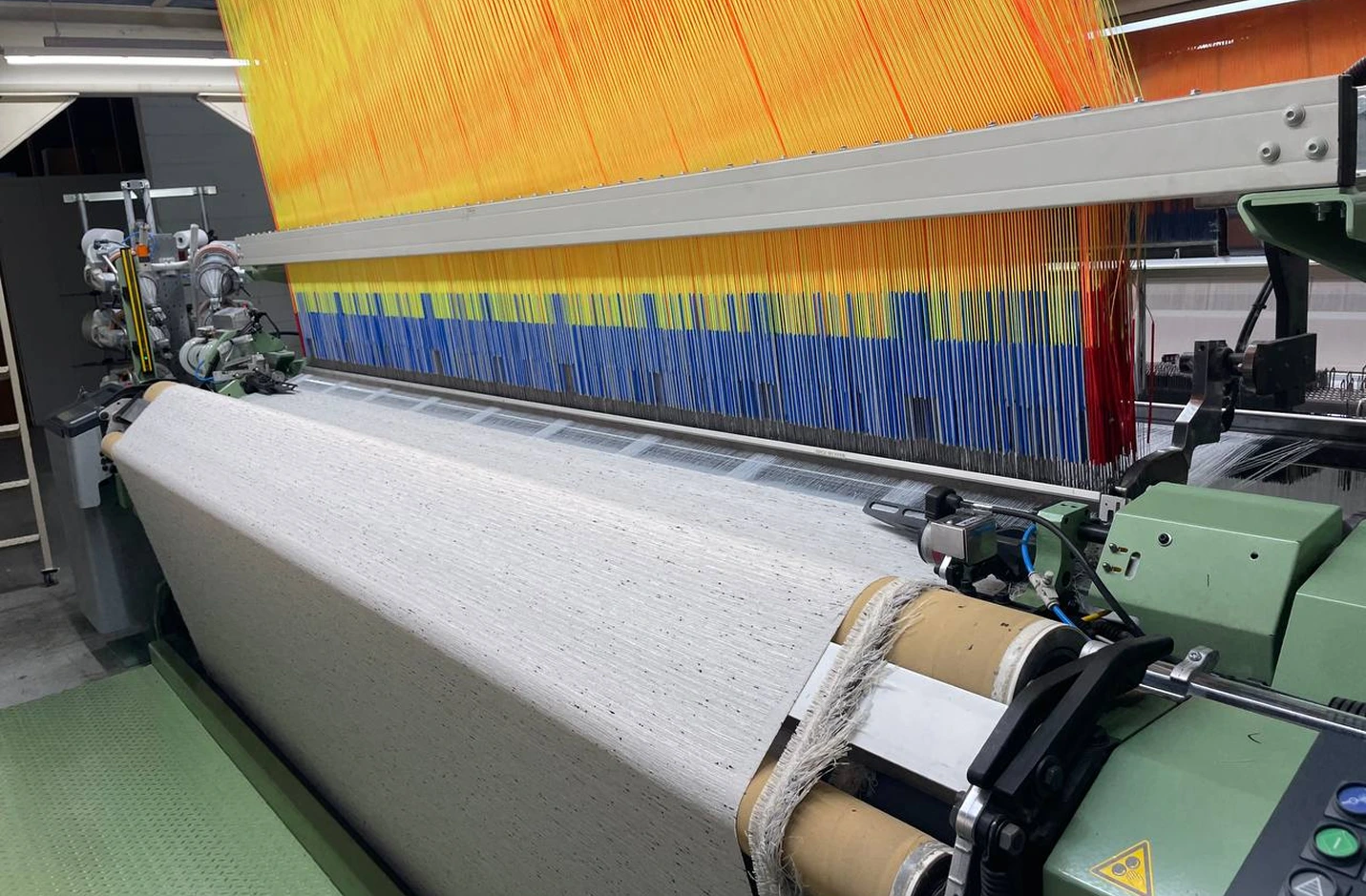
Textile Manufacturing
Continuous inspection for fabric defects, loose threads, pattern irregularities, and surface variations.
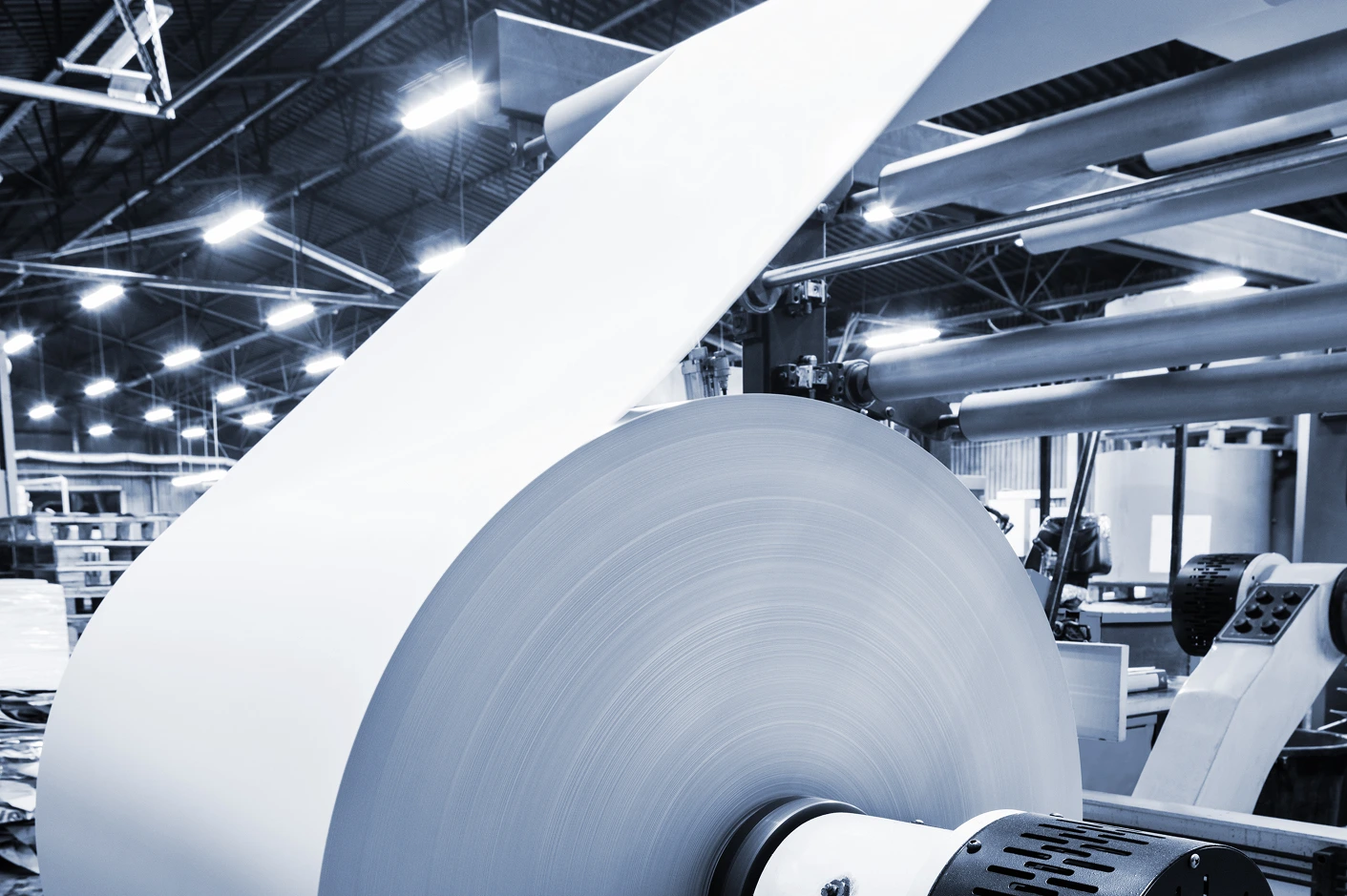
Paper Manufacturing
Continuous inspection for tears, wrinkles, holes, stains, coating defects, and edge cracks.
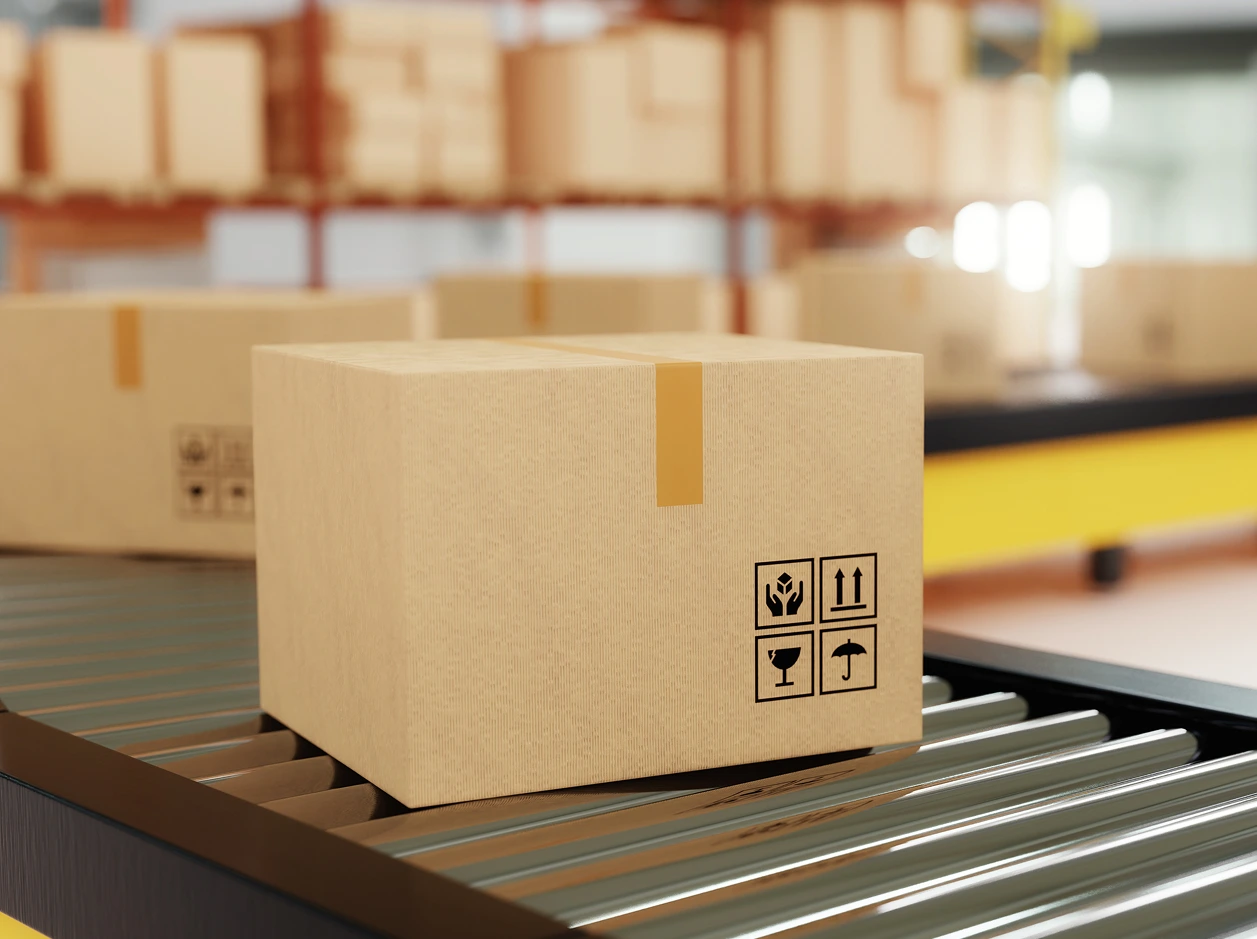
Packaging & Logistics
Continuous inspection for label errors, seal defects, damaged packages, barcode verification, and missing items.
Your Criteria Define the Inspection
AI should not decide what quality means for your product.
YOUR TEAM DEFINES:
- Which defects matter
- What constitutes an acceptable product
- Which variations are permitted
- What must be recorded
- When operator review is required
- How rejected products should be handled
- Which quality and compliance requirements apply

Built for Real Production Conditions
Inspection performance depends on more than an algorithm.
WE ASSESS:
- Product presentation and variation
- Lighting and reflections
- Camera position and resolution
- Line speed
- Vibration, dust, and environmental conditions
- Available installation space
- Existing controls and infrastructure
- Operator review requirements
- Data available for quality analysis