01
Can AI inspect every type of textile defect?
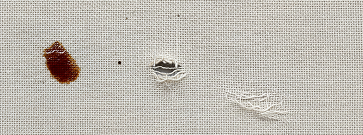
No. Visible surface, pattern and appearance defects are evaluated through machine
vision. Non-visual quality characteristics require dedicated sensing, measurement
or laboratory testing. First define what needs to be observed or measured.
02
Can AI inspection be used for both yarn and fabric?
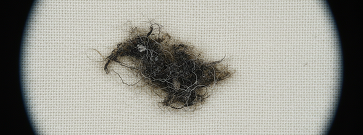
Yes, but the method is different. For yarn, define whether the requirement is
optical inspection, dedicated measurement or specialised sensing. Visible fabric
defects use controlled imaging and automated visual inspection.
03
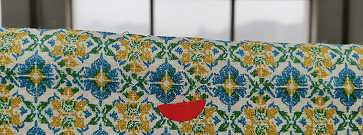
Can one inspection system handle different fabrics, colours and patterns?
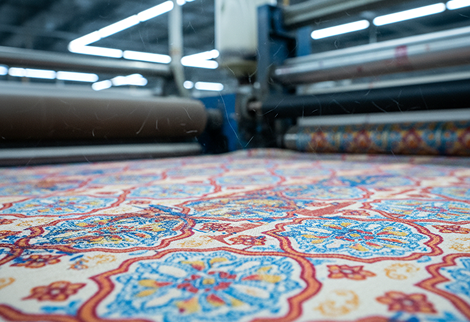
The system is designed around the actual range of product variation, including
colour, texture, pattern, material, batch and production-run changes.
04
Do we need to replace our existing cameras or inspection equipment?
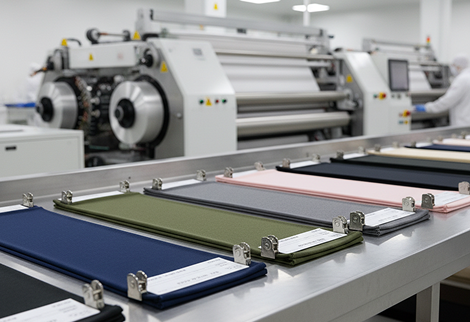
No. Existing cameras, PLCs, machines and inspection components are assessed first.
Replacement is considered only where a current component limits imaging,
processing, detection, sensing or integration.
05
Can textile defects be inspected while the material is moving?
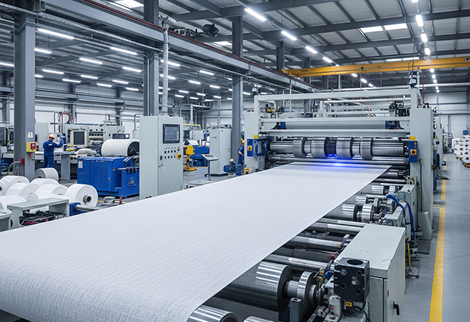
Yes, when the defect is visually observable and imaging is designed around line
speed, web width, defect size, resolution, lighting and processing requirements.
06
What about silk, transparent or reflective fabrics?
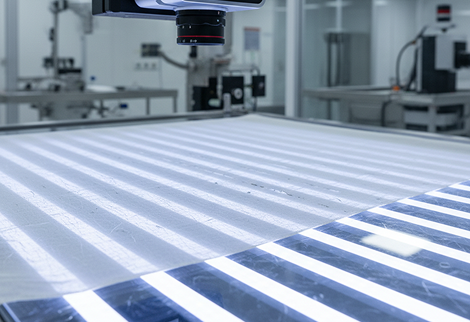
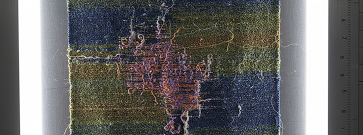
These materials are evaluated with representative samples under controlled imaging
conditions. Lighting, background, optics and defect visibility are established
before system design.
07
Can AI detect colour or shade variation?
Colour and appearance inspection requires controlled lighting, calibration and a
defined acceptance condition before colour-related decisions are automated.
08
Can AI identify the root cause of a recurring textile defect?
AI inspection detects, records and trends defect events. AIxInsight and AIxCause
connect inspection data with machine, material, environmental and process
information. Correlation is not proof of root cause and requires engineering or
human validation.
09
What do we need to start a Smart Demo?
Provide representative product images. Where available, include acceptable
examples, examples showing the quality issue, material information, production
stage and a short defect description.
10
What happens after Smart Demo?
The next step is selected from Full Demo, Technical Assessment, Pilot or
Technical Consultation. Not every project needs every stage.