




Businesses waste billions each year due to inefficiencies in their daily workflows. Delays, rework, and inconsistent procedures quietly drain productivity and profit. In fast-moving industries like manufacturing, these hidden issues lead to missed deadlines, reduced output, and lost opportunities for innovation.
Traditional process management methods are no match for today’s demands. They often rely on manual oversight, fragmented data, and reactive adjustments. In today’s intensely competitive market, organizations need intelligent systems that can see, analyze, and optimize processes in real time.
Business process optimization is the key to success. It combines data analytics, automation, and artificial intelligence to transform complex operations into efficient, adaptive systems. The result is faster decision-making, fewer errors, and workflows that continuously improve without constant manual intervention.
👉This article explains how process optimization tools empower organizations to enhance performance, reduce waste, and sustain long-term growth in a digital-first economy.

What Is Business Process Optimization?
Business process optimization (BPO) is the systematic improvement of an organization’s workflows to achieve greater efficiency, reliability, and alignment with business goals. It identifies bottlenecks, eliminates redundancies, and guarantees that each step in a process adds real value to the final outcome. Optimization is about working smarter. It combines analysis, innovation, and technology to make processes more effective while using fewer resources.
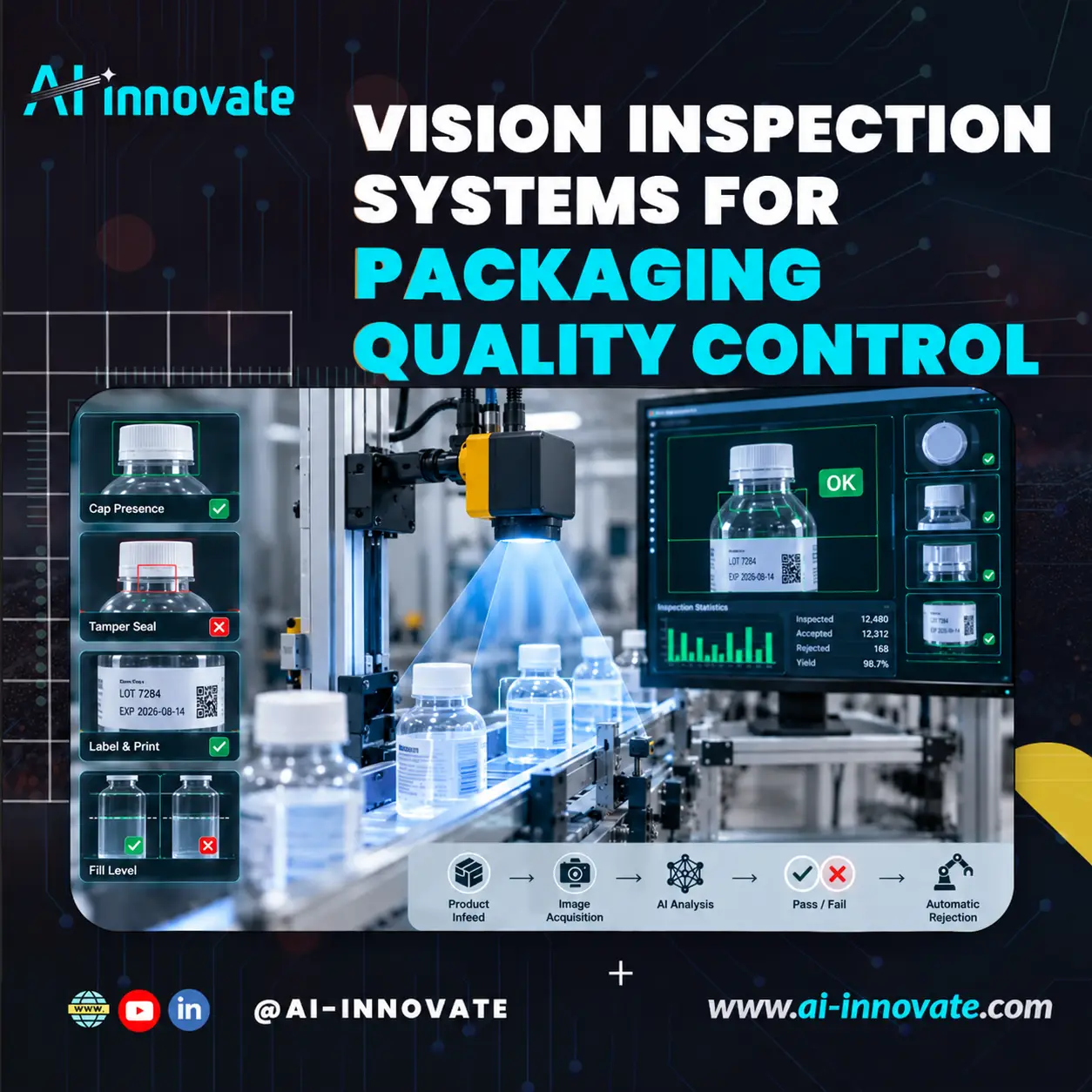
For example, imagine a manufacturing facility struggling with frequent production delays due to manual inspection and inconsistent reporting. The facility can identify issues earlier, schedule maintenance more accurately, and balance workloads based on real-time data by introducing automated quality checks and predictive analytics. The result is undeniable: smoother production flow, reduced waste, and higher customer satisfaction.
Business process optimization is essential for every aspect of an organization, from production and logistics to finance and customer service. When implemented effectively, it improves efficiency, empowers employees, and establishes the foundation for long-term operational excellence.
✅So Basically, Business process optimization improves productivity and reliability by streamlining workflows, removing inefficiencies, and leveraging data and technology.
Why Business Process Optimization Matters
Optimization is not just about improving efficiency; it’s about creating smarter, more resilient organizations that can thrive in any environment.
Customer-Centered Efficiency
Streamlined operations lead to faster delivery, fewer delays, and more consistent service experiences. Customers benefit from reliability, and businesses build stronger trust and loyalty.
Agility and Competitiveness
In a rapidly changing market, optimized workflows help companies respond faster to new challenges. Better use of data allows teams to make quicker, more informed decisions.
Error Reduction and Waste Control
Automation reduces human error and ensures consistent quality. It also helps uncover resource waste, saving both time and cost across departments.
Together, these advantages position business process optimization as a core driver of competitiveness and long-term growth.
Steps to Optimize Business Processes
The most effective optimization strategies follow a structured, repeatable process:
Identify and Prioritize Processes
Focus on workflows that have measurable inefficiencies or major cost implications.
Map and Analyze Current Workflows
Use process mapping tools and analytics to visualize each step, find bottlenecks, and assess impact.
Design and Test Improvements
Simulate process changes with AI-driven models or digital twins to predict performance outcomes before implementation.
Implement and Monitor
Deploy new workflows supported by automation, then monitor key metrics in real time.
Continuously Improve
Machine learning models analyze feedback and operational data to refine workflows automatically over time.
Core Benefits of Business Process Optimization Tools
Business process optimization tools offer clear benefits, including:
Increased Efficiency and Productivity
Automation eliminates repetitive tasks and redundant steps, allowing workflows to move faster and with fewer delays. Employees can focus on high-value activities such as innovation, strategy, and customer engagement instead of routine administrative work.
Reduced Operational Costs
By streamlining processes and optimizing resource allocation, businesses cut unnecessary expenses and reduce waste. Over time, these savings compound, resulting in leaner operations and stronger profitability.
Improved Quality and Consistency
Standardized workflows help ensure that every product or service meets the same high standard. Errors are minimized, variations are reduced, and quality becomes both predictable and repeatable.
Enhanced Customer Satisfaction
Efficient processes lead to faster response times, more consistent service, and fewer errors. Customers notice the difference immediately, and that reliability builds long-term trust and brand loyalty.
Core Tools and Techniques for Business Process Optimization
Modern process optimization combines technology, automation, and collaboration. The most effective tools include:
- AI and Machine Learning Platforms: Predict inefficiencies and improve operations automatically.
- Process Modeling and Flowcharting Tools: Visualize workflows to identify and correct weak points.
- Robotic Process Automation (RPA): Take over repetitive, rule-based tasks.
- Data Analytics Dashboards: Deliver visibility into key performance indicators.
- Collaboration Tools: Connect teams and departments through transparent workflows.
- Monitoring Systems: Track KPIs in real time and alert teams to anomalies.
Together, these tools transform complex operations into streamlined, intelligent systems that adapt to changing conditions.
Applications of Process Optimization Across Industries
The impact of AI-driven optimization spans multiple sectors:
- Manufacturing: Machine learning for manufacturing process Optimizes assembly lines, minimizes downtime using IoT sensors, and applies Lean principles to reduce waste while improving overall production quality.
- Healthcare: Streamlines patient registration and billing, reduces wait times, and ensures efficient resource allocation for improved care and operational flow.
- Finance: Automates invoice approvals and reconciliations, enhances accuracy, and uses analytics to detect fraud while ensuring faster financial reporting and compliance.
- Logistics: Improves delivery efficiency through route optimization, automates warehouse operations, and applies predictive analytics to manage inventory and meet demand effectively.
How to Get Started with AI-Driven Optimization (AI-innovate Solutions)
Success in business process optimization starts with the right strategy and tools.
- Assess Current Performance: Identify inefficiencies, bottlenecks, and high-cost areas.
- Collect and Label Data: Build clean, accurate datasets to train AI effectively.
- Simulate with AI2Cam: Test and refine models using AI2Cam to emulate real-world production environments.
- Deploy AI2Eye for Real-Time Monitoring: Detect inefficiencies as they occur and trigger automated improvements.
- Refine and Scale: Use continuous feedback to retrain AI models and expand optimization across departments.
Ready to elevate your operations?
Discover how AIxEye and AIxCam can help you achieve real-time process intelligence and lasting efficiency gains.
Conclusion
AI-powered process optimization is redefining how businesses operate. It replaces static management systems with intelligent, adaptive ecosystems that learn, predict, and improve continuously.
By using AI and automation, organizations not only cut costs but also unlock opportunities for innovation and agility.
In my experience, the greatest strength of AI lies in its ability to uncover inefficiencies we could never see before. Once those hidden patterns are revealed, improvement becomes not just possible but inevitable.
Note: Some graphics and visuals in this post were produced using AI-generated content.