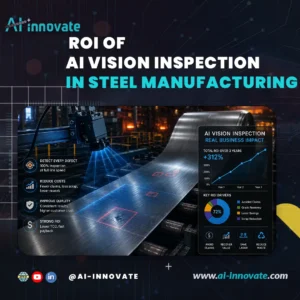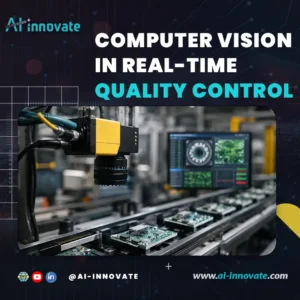





In a smart factory, every machine, sensor, and workstation contributes to a continuous stream of operational data. However, without proper analysis, this information can quickly become overwhelming rather than useful. Many manufacturers still rely on fragmented monitoring tools that provide delayed or incomplete insights into production performance.
This makes it difficult to identify inefficiencies, quality risks, or emerging equipment issues before they escalate. Artificial intelligence (AI) is transforming production monitoring by turning raw data into meaningful, real-time insights. Through pattern recognition and adaptive learning, AI systems help organizations understand how their processes behave under different conditions.
This article will explain how AI-driven monitoring systems work in smart manufacturing environments, the problems they solve, and how they enable manufacturers to maintain stability, improve productivity, and build more resilient operations.

AI Technologies in Real-Time Data Monitoring
Artificial intelligence is not a single entity but a suite of powerful technologies working in concert to interpret the complex language of your production line. These tools analyze vast amounts of data from sensors, cameras, and machinery in milliseconds, providing insights that were previously impossible to capture. To fully appreciate this transformation, let’s explore the core technologies driving this shift and the immediate operational advantages they provide.
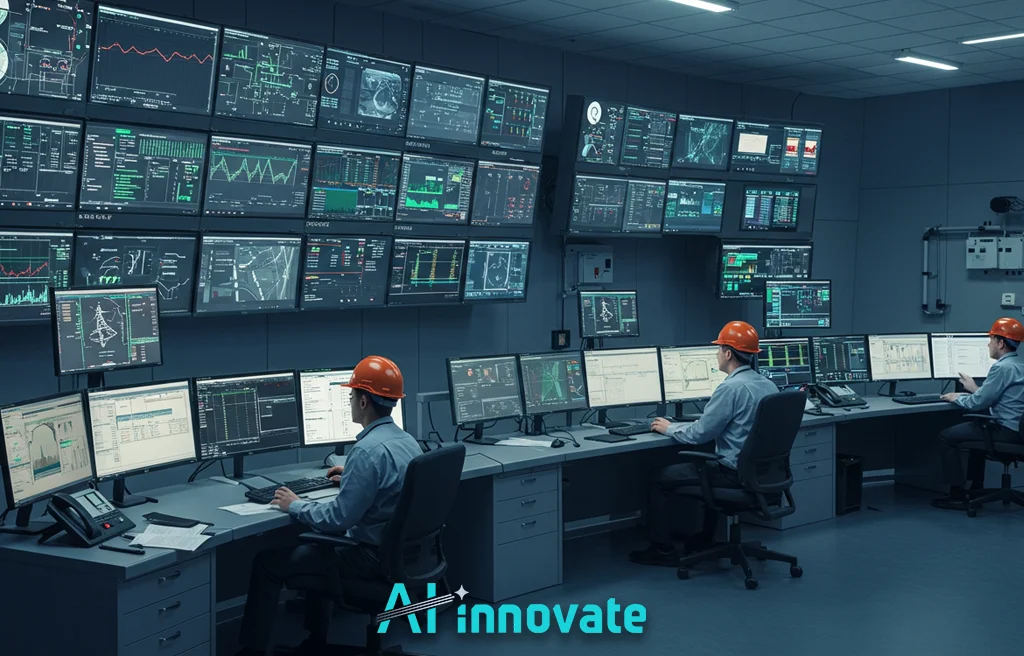
Real-Time Visibility into Operations
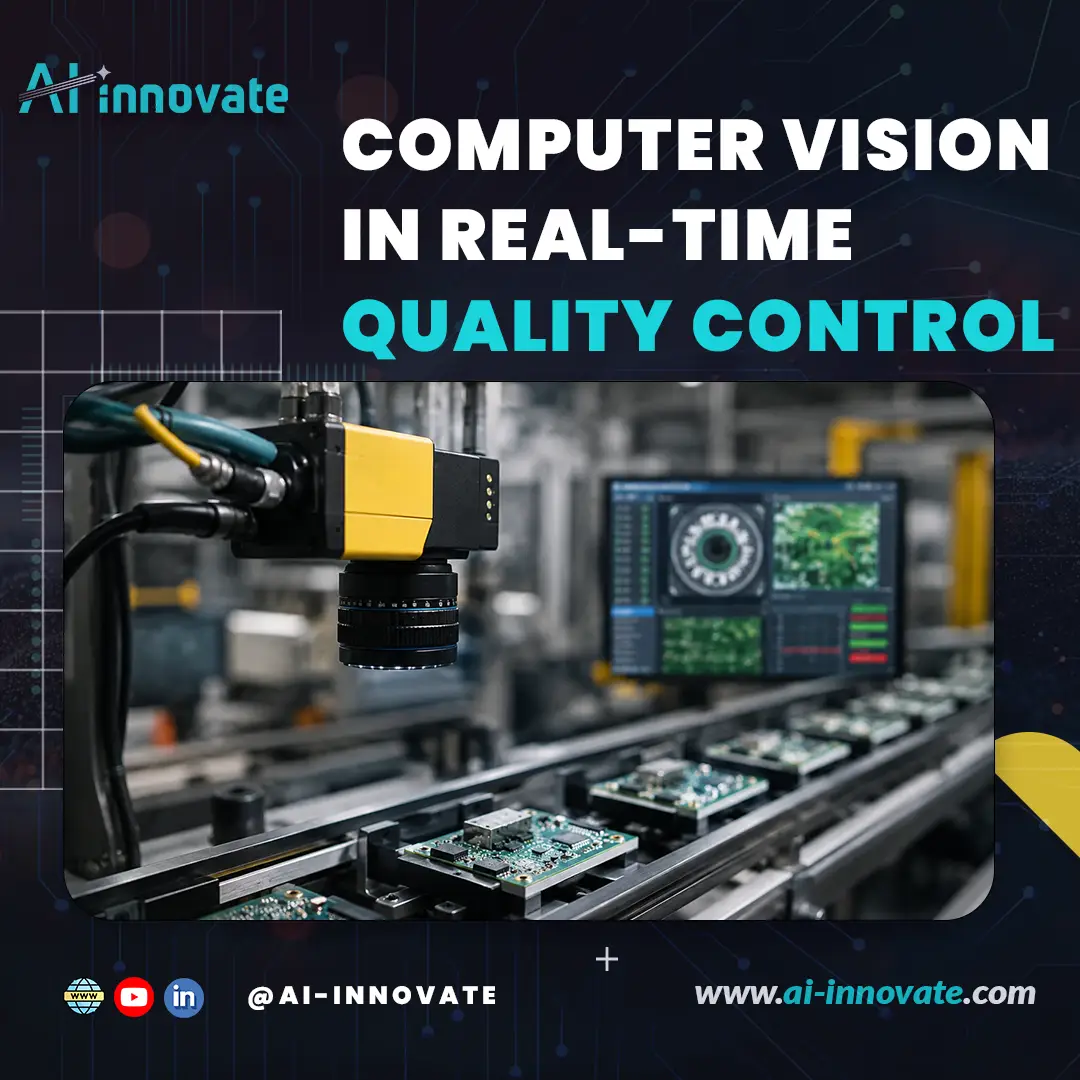
At its core, AI-powered monitoring grants unprecedented, real-time visibility. By deploying advanced models like You Only Look Once (YOLO) for object detection and sophisticated tracking algorithms, our systems create a dynamic, digital twin of your production environment.
This means every component, process, and station is monitored continuously. You are no longer managing based on yesterday’s reports but on live, actionable intelligence, turning raw data into a clear view of your operations as they happen.
Operational Efficiency Through Streamlined Processes
Visibility naturally leads to efficiency. AI systems excel at identifying patterns and anomalies that signal production bottlenecks or inefficiencies. For example, by analyzing cycle times and material flow, the system can pinpoint the exact stage where delays occur, allowing for targeted process improvements.
This data-driven approach removes guesswork, helping you streamline workflows, balance production loads, and maximize the output of every single machine and operator on the floor.
Eliminating Manual Reporting
Manual data collection and reporting are notoriously time-consuming and prone to human error. AI systems automate this entire process. Key Performance Indicators (KPIs) like production counts, cycle times, and defect rates are generated automatically and with complete accuracy.
This frees your team from tedious administrative tasks, reduces the risk of inaccurate data influencing decisions, and ensures that everyone from the operations director to the QA manager has access to a single, reliable source of truth.
Benefits of Real-Time AI Monitoring in Manufacturing
Understanding the technology is one thing; witnessing its tangible impact on your bottom line is another. Implementing AI for Proactive Defect Prediction moves beyond theoretical gains and delivers measurable improvements in quality, speed, and reliability.
These benefits create a powerful ripple effect across the entire manufacturing value chain. Let’s delve into three of the most significant advantages that real-time AI monitoring brings to the factory floor.
Read Also : Real-time Defect Analysis – Precision at Production Speed
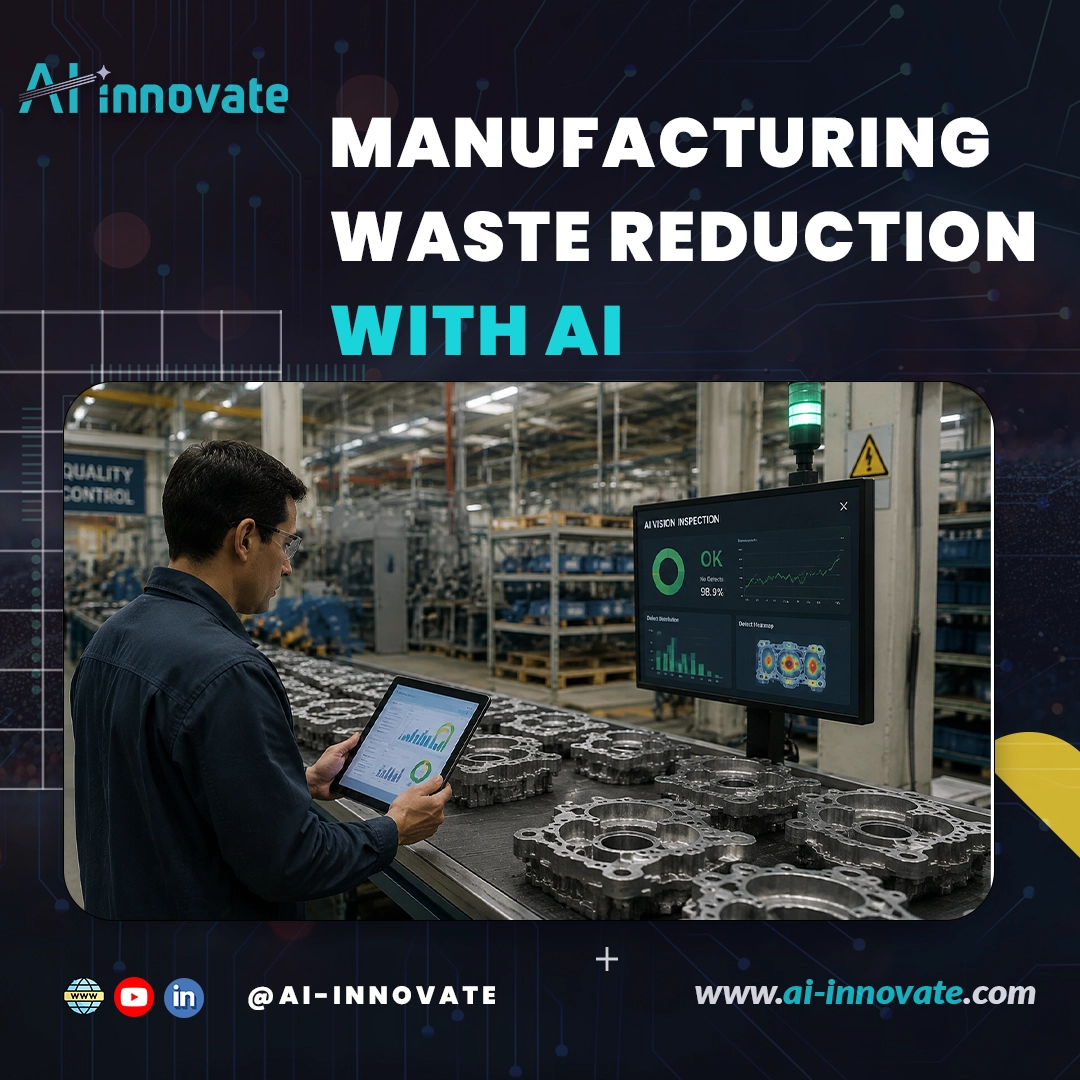
Quality inspection and error detection
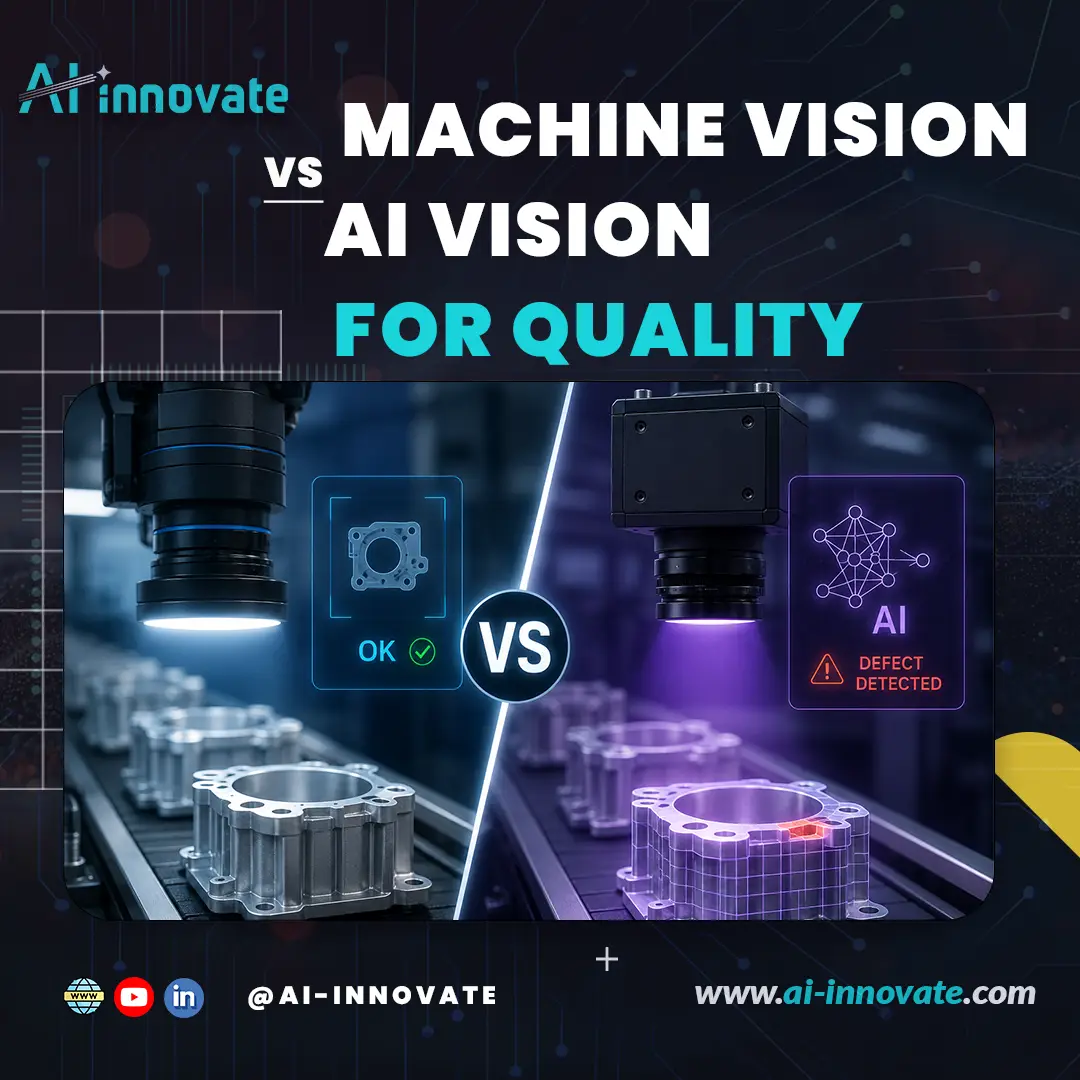
Even the most skilled human inspector can experience fatigue or miss microscopic defects. Our ai2eye system acts as a super-powered, vigilant set of eyes on your production line, using advanced computer vision to inspect every single product in real-time.
It can detect subtle surface imperfections, assembly errors, or material inconsistencies with a level of precision that is simply superhuman. By catching these defects the moment they occur, you drastically reduce waste, minimize rework, and ensure only the highest quality products reach your customers.
Optimizing Operations Through Smarter Production Planning
Beyond simple defect detection, AI analyzes production data to enable smarter, more agile planning. By understanding the intricate relationships between different machines and processes, these systems help optimize scheduling and resource allocation.
For example, the industrial solutions provider Grundfos reduced its energy consumption by 15% by using AI to control and monitor its systems. This same principle applies to managing inventory, anticipating demand shifts, and ensuring a smoother, more cost-effective production cycle.
Intelligent Maintenance and Automated System Recovery
Unexpected equipment failure is one of the costliest disruptions in manufacturing. AI-powered intelligent maintenance shifts the paradigm from reactive repairs to predictive intervention.
By analyzing sensor data like temperature and vibration, algorithms can predict when a machine is likely to fail and schedule maintenance before a breakdown occurs. Some studies show this approach can reduce production downtime by as much as 70%, maximizing the lifespan and reliability of your critical assets.
Implementation Strategies
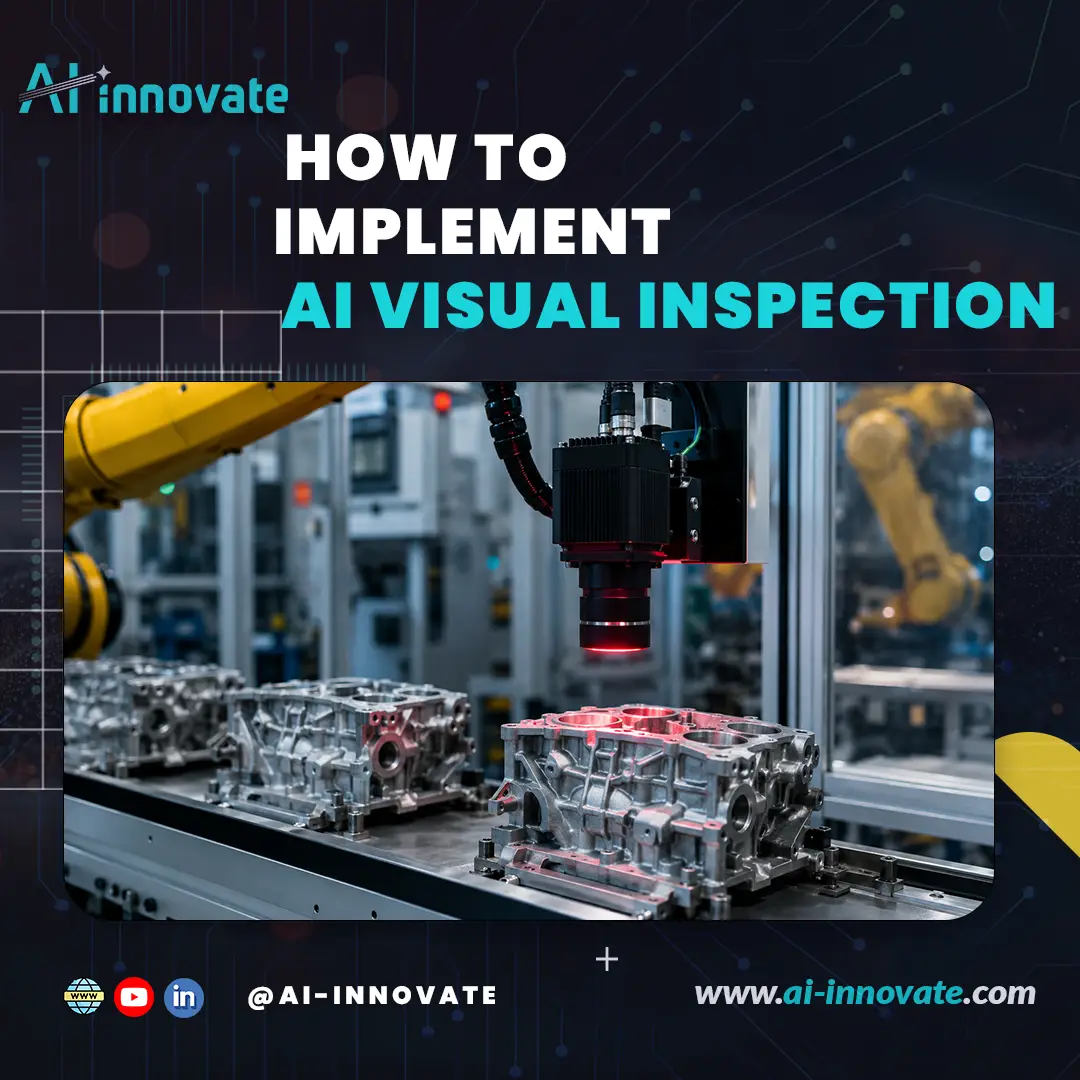
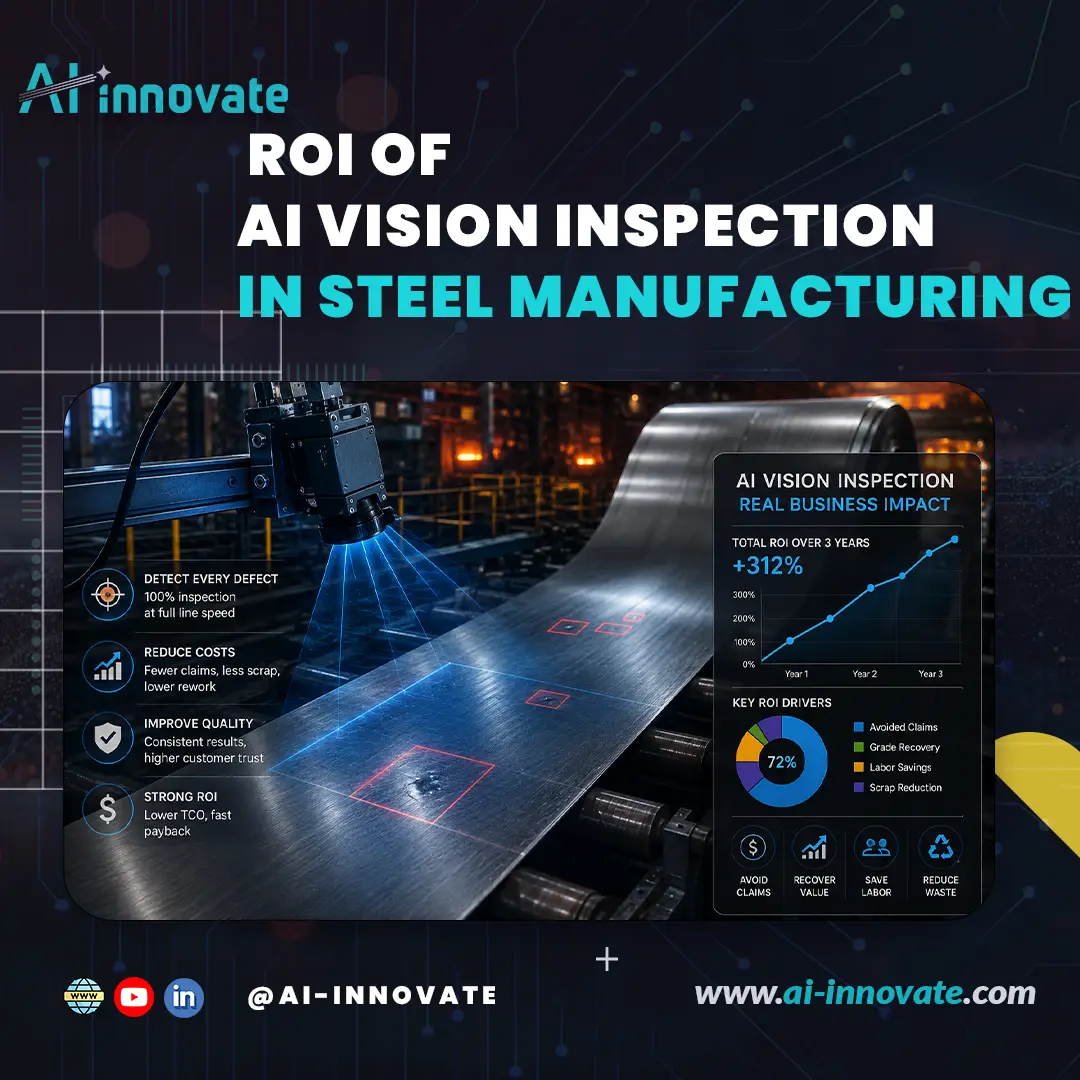
Adopting these powerful systems requires a clear and phased strategy to ensure a successful integration with your existing workflows. The goal is to build a solution that solves specific challenges and delivers a clear return on investment.
With the right approach, implementing a system for AI for Proactive Defect Prediction becomes a manageable and highly rewarding process. We guide our clients through a few essential steps.
Define Clear Objectives
We begin by identifying your most critical pain points. Is it reducing a specific type of defect? Or perhaps minimizing downtime on a key production line? A focused goal ensures the AI solution is tailored to deliver measurable results.
Establish a Robust Data Infrastructure: High-quality data is the lifeblood of any AI system. This involves ensuring your sensors and Industrial Internet of Things (IoT) devices are capturing clean, relevant information for the AI models to analyze.
Leverage Agile Development and Prototyping
The development and testing phase can often be slowed by hardware dependencies. To solve this, our ai2cam virtual camera emulator allows your engineers to rapidly prototype and validate machine vision applications without needing a single piece of physical camera hardware. This accelerates innovation, reduces upfront costs, and allows for extensive testing in a flexible, virtual environment.
Start with a Pilot and Scale
We recommend launching a pilot project on a single line or process. This allows your team to validate the technology, measure its impact, and build confidence before scaling the solution across your entire facility.

Real-Life Applications
The power of these systems is best seen in action, where AI for Proactive Defect Prediction is already revolutionizing diverse industries. It is not a future-facing technology but a proven solution delivering value today. Here are just a few examples of how it’s being applied:
In the Textile Industry
automated visual inspection systems scan fabrics at high speeds to detect weaving defects, color inconsistencies, and other flaws that are nearly impossible to spot with the naked eye.
For Metal Fabrication
AI algorithms analyze images to identify microscopic cracks or surface blemishes on components, ensuring structural integrity and safety in critical applications like automotive and aerospace.
Read Also : Metal Defect Detection – Smart Systems for Zero Defects
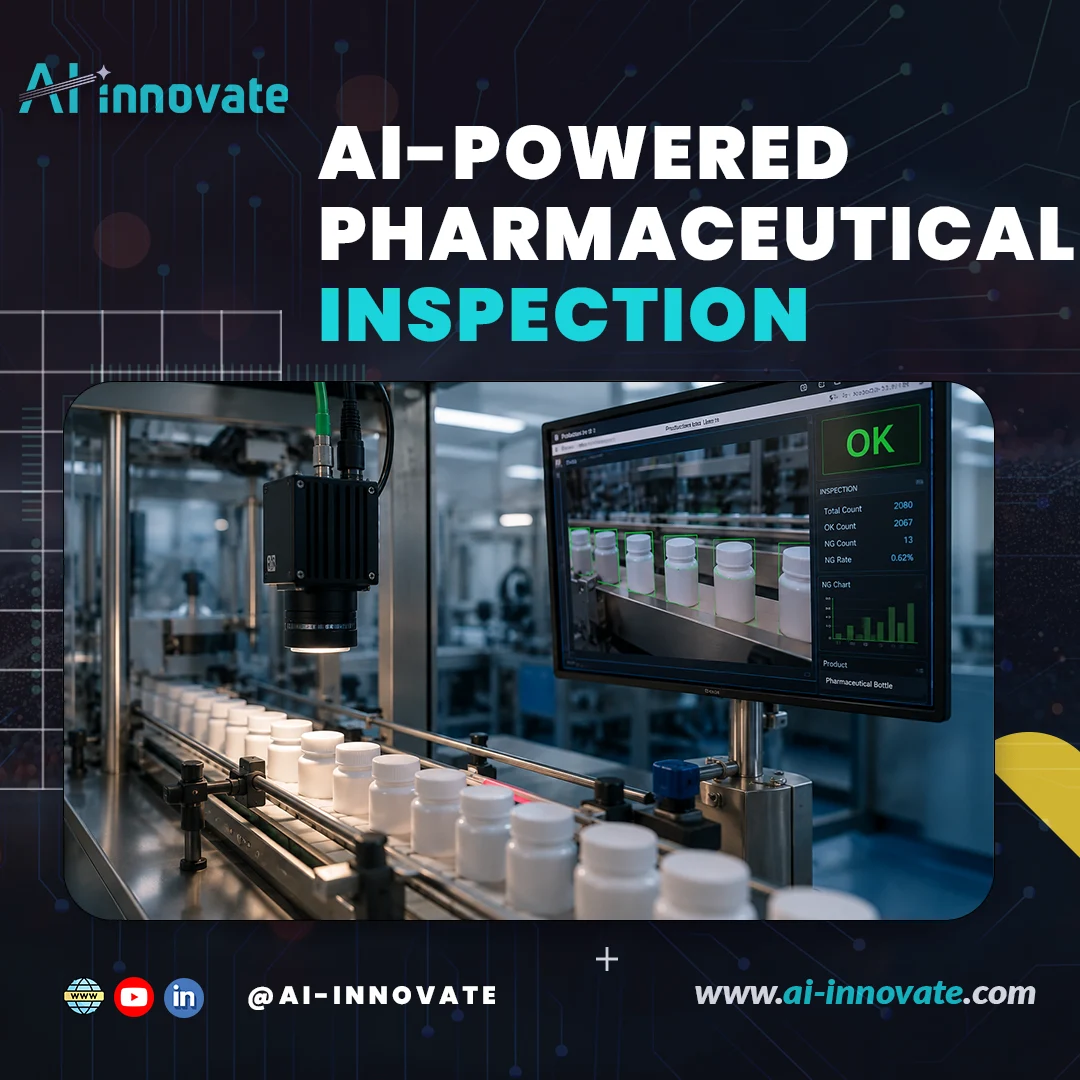
In Packaging and Bottling
systems monitor filling lines to verify correct liquid levels, ensure proper cap sealing, and check for label accuracy and placement, all at a rate of hundreds of units per minute.
Manufacturing Industry Outlook and Impacts
The integration of AI is not a passing trend but a fundamental shift redefining the competitive landscape of manufacturing. The numbers tell a compelling story: the market for AI-powered machine vision is projected to grow from $4.1 billion in 2020 to $15.2 billion by 2025.
Furthermore, Gartner predicts that over 50% of large manufacturing enterprises will be using AI platforms for operational optimization by 2027. This rapid adoption signals that AI is becoming a baseline competency, empowering companies to achieve unparalleled levels of efficiency, quality, and innovation.
Conclusion
AI-powered production monitoring systems are becoming a central pillar of smart manufacturing. These platforms convert real-time data into predictive and prescriptive insights, helping manufacturers improve process stability, reduce waste, and enhance operational performance. Their ability to continuously learn enables them to adapt as conditions change, supporting long-term reliability and scalability.
In my view, the greatest advantage of AI monitoring is situational awareness. When teams understand how their operations behave at every stage, they can proactively optimize rather than react defensively. As smart factories evolve, AI-driven monitoring will play a pivotal role in creating efficient, transparent, and self-improving production environments.
Note: Some graphics and visuals in this post were produced using AI-generated content.