
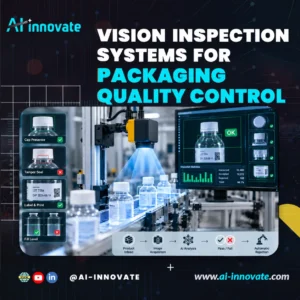
Vision Inspection Systems for Packaging Quality Control
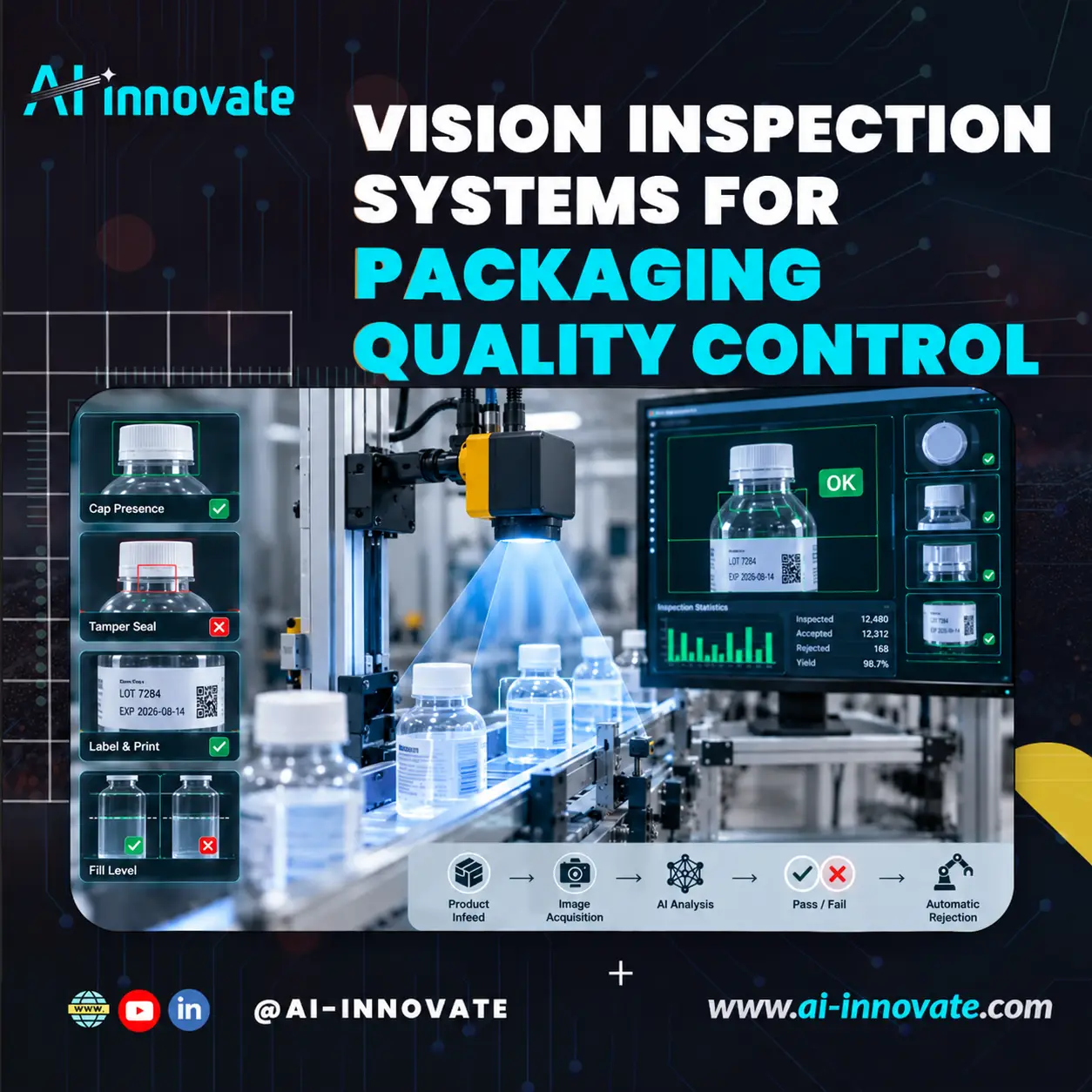
On a packaging line moving 300 to 600 units a minute, a human inspector pulling one sample every few minutes


Unlock Up To 40% Support For Your Industrial AI Project – Read More
Government support can help reduce the financial risk of adopting Industrial AI up to 40% REIMBURSEMENT – Read More
Author of (Topics) : Advanced Materials Processing, Strip Casting, Additive Manufacturing, Process Optimization, Big Data Analytics in Engineering, Sustainable Manufacturing, Machine Learning in Manufacturing
Role at AI-innovate: Data Analyst
“I chose to pursue my doctorate in Materials Engineering because I want to be at the forefront of developing the next generation of tools for manufacturing, to help reduce waste and improve efficiency at scale. AI is a powerful tool emerging from its infancy into everyday use, and it can be leveraged to make big impacts in engineering challenges, including waste reduction, quality assurance and process optimization.”
Mary Gallerneault is a PhD candidate in the Department of Mechanical & Materials Engineering at Queen’s University, where she specializes in the integration of artificial intelligence and big data analytics into advanced manufacturing processes. Her research focuses on developing predictive models that optimize production workflows in strip casting and additive manufacturing. Her technical foundation was established through her undergraduate studies in Materials Engineering at McMaster University and her master’s research in Chemical Engineering at Queen’s University, providing her with cross-disciplinary expertise that bridges materials science, machine learning, and industrial engineering.
Prior to pursuing her doctorate, Mary worked in several industries: INVISTA, the National Research Council of Canada, Rivian, and various STEM start-ups. This diverse industry background provided her with practical insights into the challenges facing modern manufacturing and inspired her transition back to academia to develop research-driven solutions with real-world applications. Her doctoral research develops predictive models that provide real-time feedback to production processes, enabling manufacturers to optimize efficiency, reduce waste, and improve quality assurance at scale.
Her research philosophy centers on the practical application of emerging AI technologies to solve longstanding challenges in manufacturing. Beyond her research contributions, Mary volunteers with several STEM outreach and education organizations. Her mission is to advance both the technical capabilities of modern manufacturing and the accessibility of engineering education to diverse communities.
On a packaging line moving 300 to 600 units a minute, a human inspector pulling one sample every few minutes
Every machine vision project starts with the same question, and rarely lands on the same answer twice: does this problem
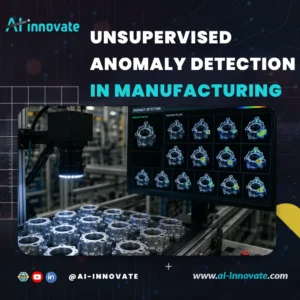
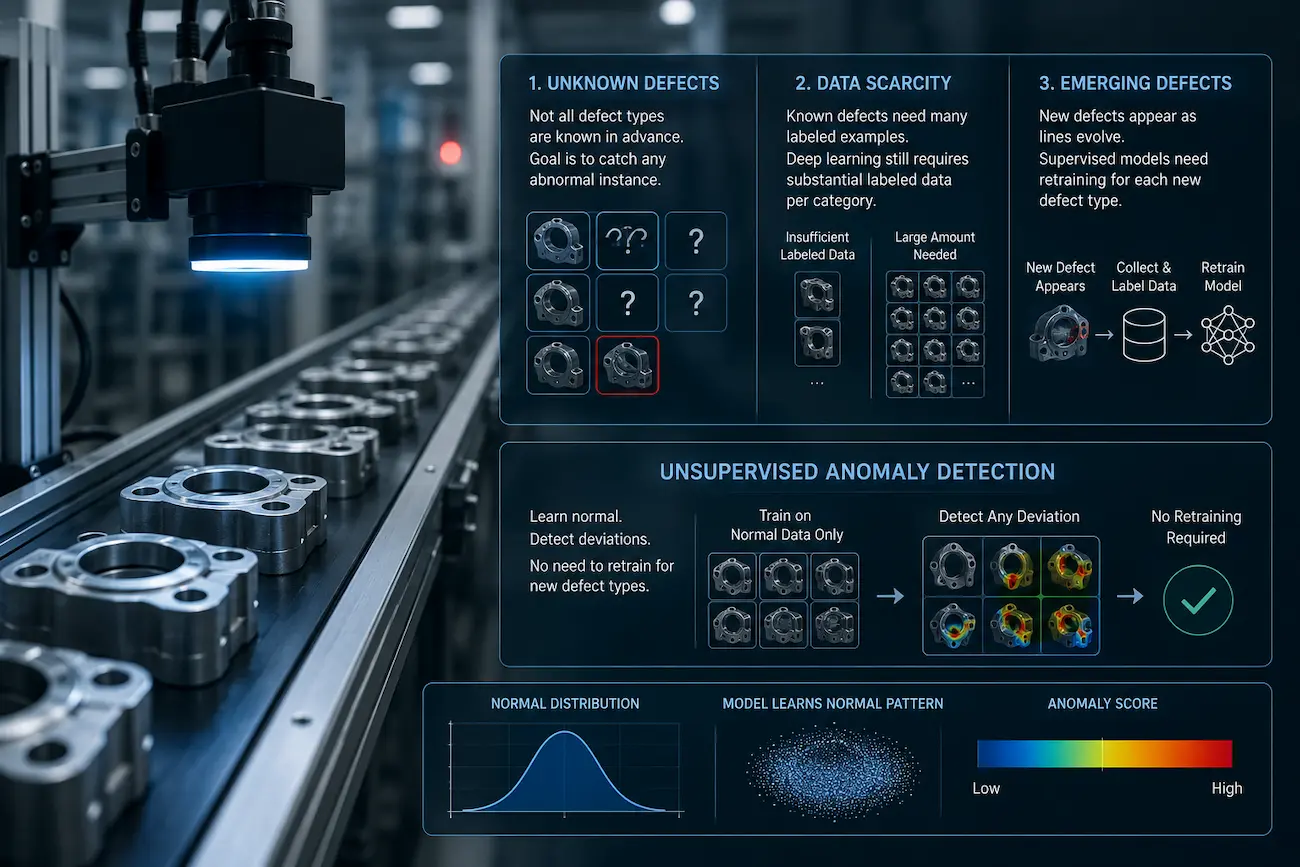
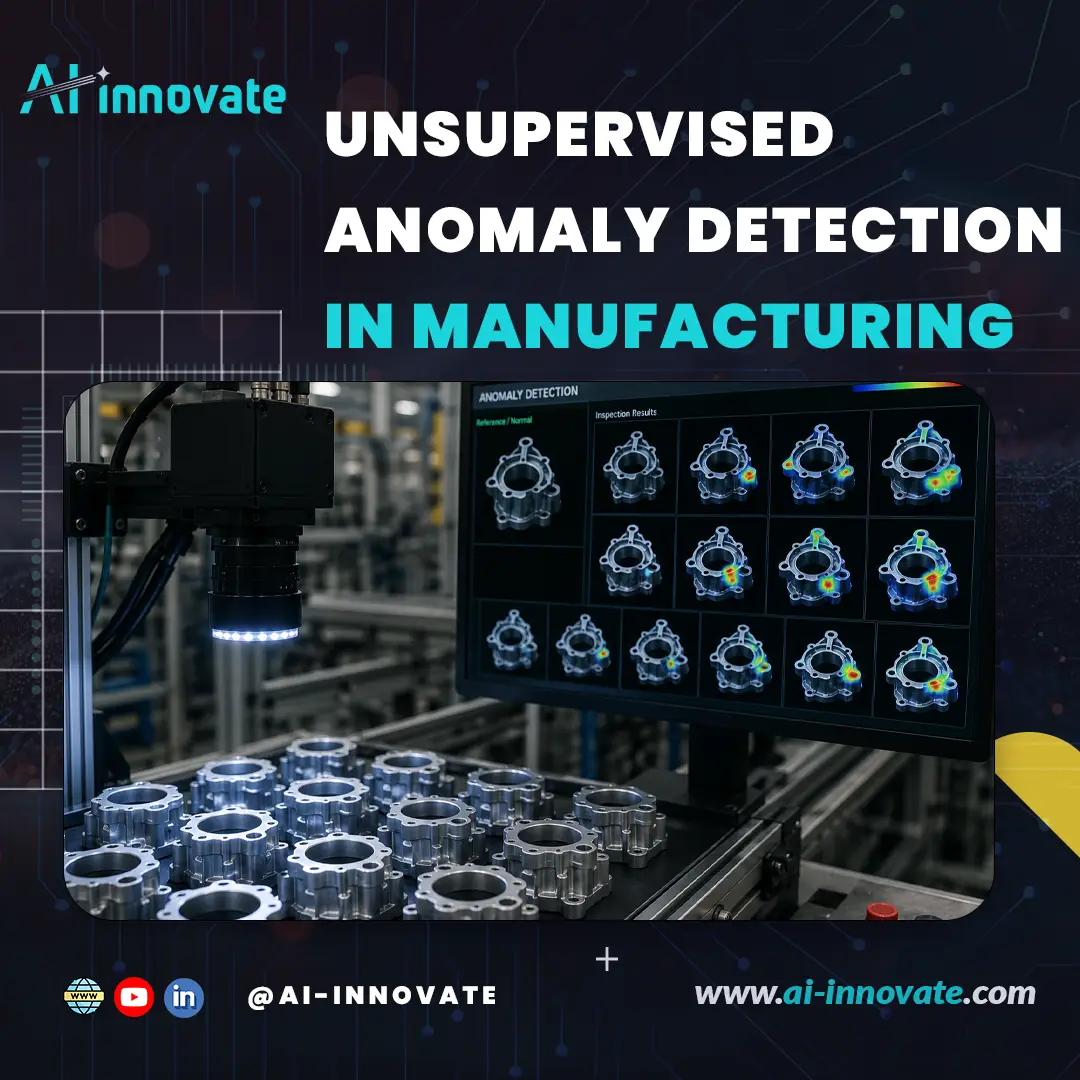
Every supervised defect detection model shares the same hidden assumption: you already know what the defect looks like. You collected
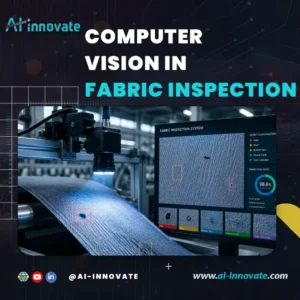
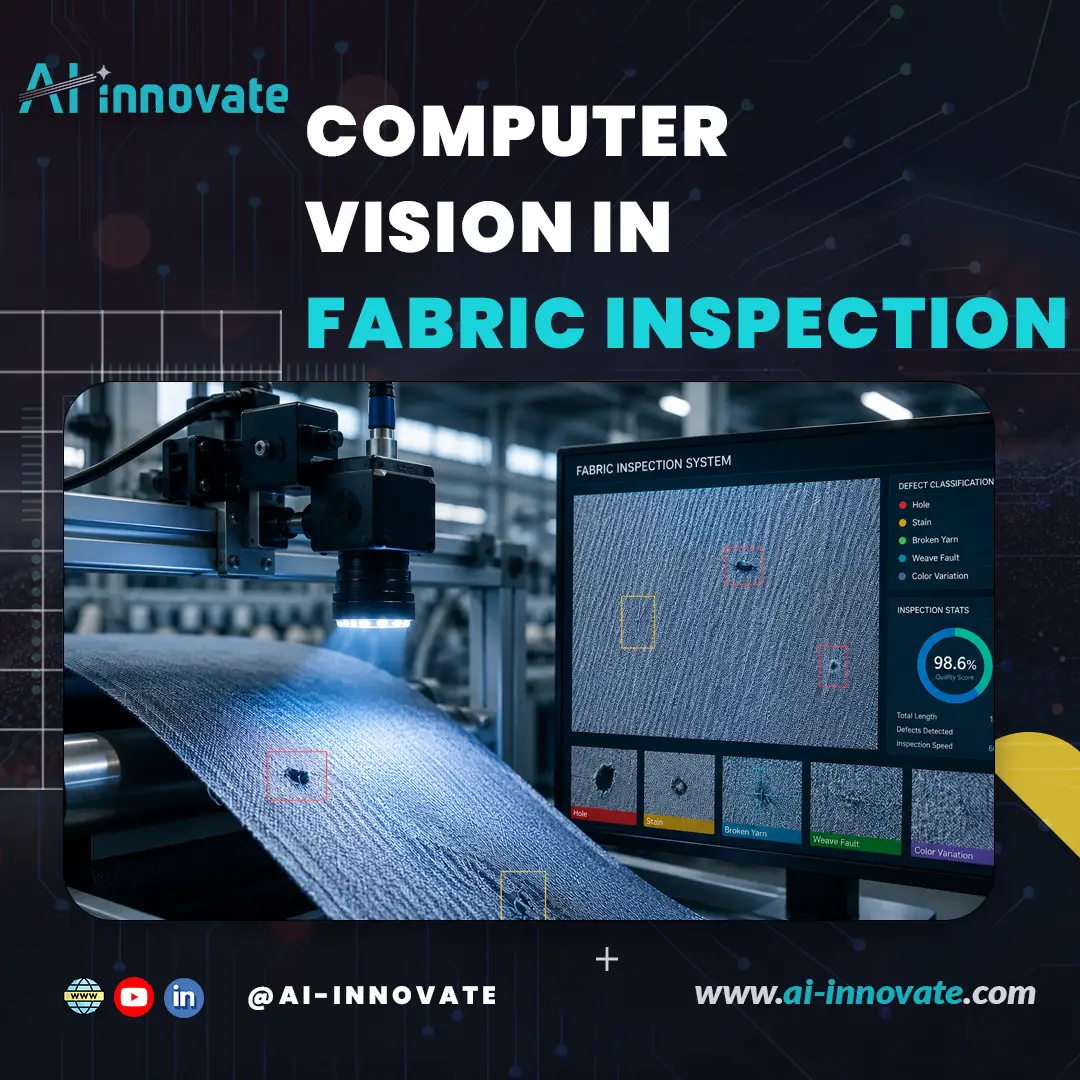
A defect in a roll of fabric can cut its market price by 45 to 64 percent. Traditional visual inspection,
AI-INNOVATE CAMPAIGN

Hello 👋
I’m the AI-innovate assistant.
How can I help you today?