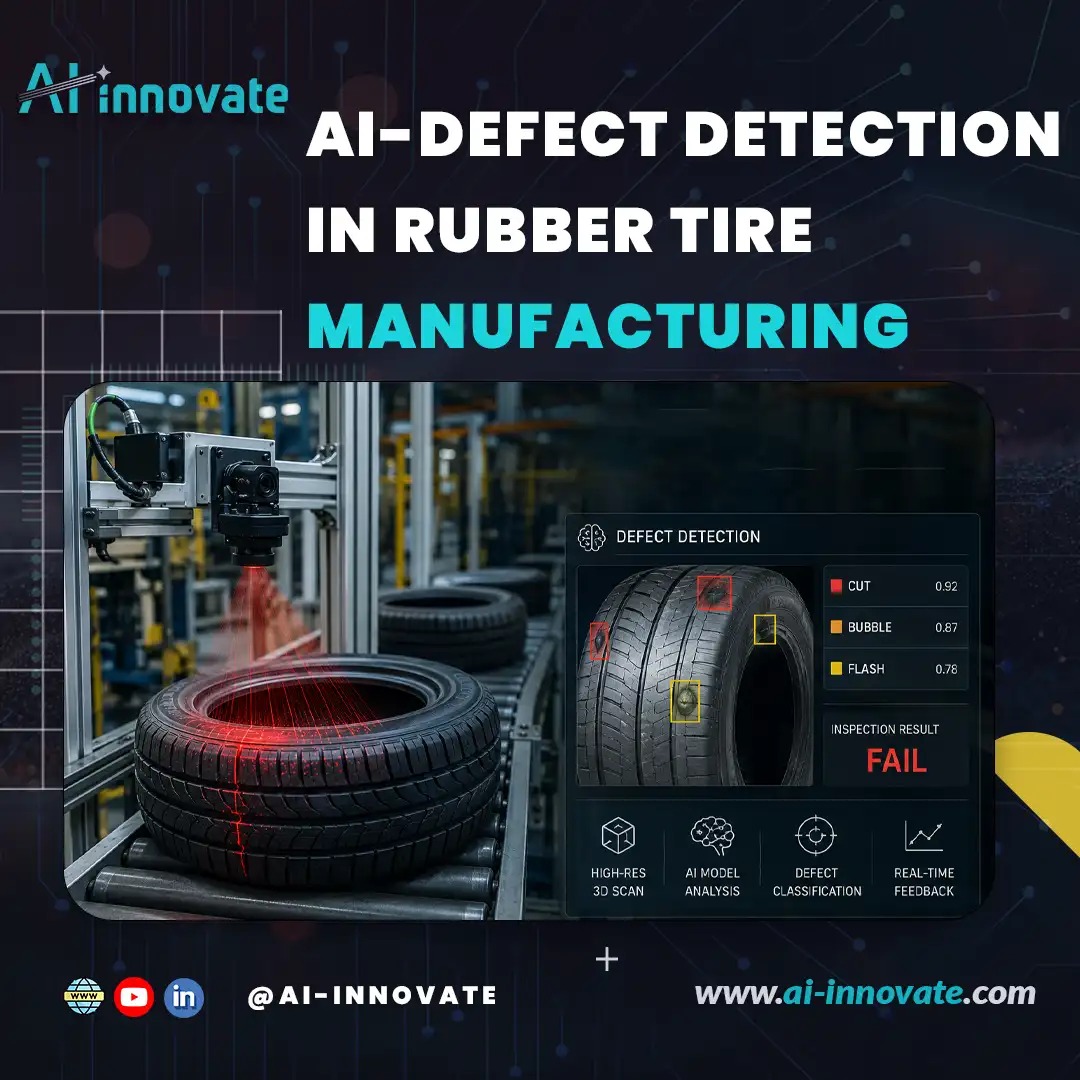

Manufacturing defects are often seen as separate problems, but they are actually signs of bigger problems in the process. A defect rarely appears without warning. More often, problems develop over time from small inconsistencies. These inconsistencies go unnoticed until something goes wrong.
It is essential to understand the main causes of defects to improve reliability, reduce waste, and maintain stable production. If you don’t understand this, your inspection process will be passive. You’ll focus on finding defective parts instead of preventing them.
This article explains what usually causes problems in manufacturing. It also explains how these problems develop in production systems. Finally, it discusses why it is important to see these problems early on so that they can be dealt with and the manufacturing process can be made better over time.
Build and Test Machine Vision Without Hardware
Simulate, validate, and optimize vision systems faster using hardware-free AI-powered emulation.
Understanding the Root Causes of Manufacturing Defects
Defects usually come from the interaction of many different variables, not just one problem. Stable systems can handle changes. Unstable systems make it worse.
When the ways we check things out don’t show us how things actually work, problems are seen as results instead of causes. This limits the effectiveness of Quality Control in Manufacturing and makes it unclear when problems should be fixed. If manufacturers understand the root causes of problems, they can find ways to improve their products continuously.
Process Variability and Instability
One of the most common causes of manufacturing defects is process variation, meaning that the process is not controlled. Changes in temperature, pressure, speed, alignment, or timing can all have a negative impact on quality, even when they seem insignificant.
When processes are close to their limits, small changes can cause results to go beyond what is considered acceptable. These changes often go unnoticed if they’re not checked regularly. This is where AI for process monitoring and machine learning for manufacturing process optimization become important. They help identify drift before defects spread throughout production.
Material Inconsistency and Quality Issues
Another common reason for defects is variations in the raw materials used. Things like how it’s made, how thick it is, how the surface looks, or who made it can all have a big impact on how it works later on.
Traditional inspection systems often assume that materials are the same, which makes them not very good at finding small differences. This is especially true in surface-critical applications, where surface defect detection and AI for material defect identification must adapt to natural variability rather than fixed expectations.
Equipment Wear and Calibration Drift
Manufacturing equipment usually gets worse over time instead of breaking down all at once. Things like tool wear, sensor drift, mechanical fatigue, and misalignment can add up to small changes over time.
If you don’t keep an eye on these changes, you won’t know about them until your defect rates start to increase. Periodic maintenance helps reduce risk, but it does not replace AI for industrial process control supported by data-driven monitoring. If we track how the equipment is behaving all the time, we can find out early if there are any problems with the mechanical parts or the calibration.
From Insight to Implementation
See how AI-driven inspection and machine vision systems are deployed in real industrial environments
From Insight to Implementation
See how AI-driven inspection and machine vision systems are deployed in real industrial environments
See how AI-driven inspection and machine vision systems are deployed in real industrial environments
Human Factors and Manual Intervention
When people are involved, things can vary because of fatigue, differences in judgment, and inconsistent execution. Even experienced operators are affected by workload, environment, and shift changes.
When there are a lot of items to inspect, or when the defects are hard to see, it’s easy to miss something. This is why many manufacturers compare automated quality control to manual inspection and evaluate machine vision to human inspection as production scales.
Inadequate Inspection Strategies
Many defects persist not because processes fail, but because inspection systems are not designed to detect early-stage problems.
Sampling-based inspection means that defects are evenly distributed. Rule-based systems depend on predefined thresholds that can’t handle variation. This makes inspection reactive instead of preventive.
Modern automated visual inspection, supported by machine vision for defect detection, enables continuous analysis at production speed. When paired with automated optical inspection machine architectures and Deep Learning in Automated Visual Inspection, inspection shifts from simple pass or fail decisions to pattern recognition and trend analysis.
This Topic might also interest you :
Why Identifying Defect Causes Matters More Than Catching Defects
Finding defects is important, but it doesn’t stop them from happening again. Making things better in a way that can be maintained in the long term depends on understanding and controlling the things that cause problems to form.
Manufacturers that focus on finding the root cause of problems can improve their productivity, make their processes more stable, and reduce long-term costs. This is where yield improvements in manufacturing and AI for predicting defects become important for business strategy instead of just technology.
How AI Innovate Helps Manufacturers Understand the Causes of Defects
Understanding why defects occur requires more than detecting them. It requires connecting inspection results with process behavior over time. AI Innovate supports this by enabling manufacturers to observe, analyze, and interpret defect patterns within their production systems.
AI2Cam helps teams simulate cameras, lighting conditions, and defect scenarios during development, making it easier to understand how different defect types appear and how inspection sensitivity affects detection consistency.
AI2Eye provides real-time, inline inspection that captures defects as they form, allowing manufacturers to correlate defect occurrence with specific production stages and operating conditions.
AIXCore connects inspection outputs with process data at the edge, enabling trend analysis, temporal correlation, and deeper insight into how process drift, equipment behavior, or environmental factors contribute to defect formation.
Together, these tools help manufacturers move beyond defect detection toward systematic root cause understanding, reducing recurrence and supporting more stable, predictable production.
Conclusion
Manufacturing defects rarely happen because of just one problem. They come from the interaction between processes, materials, equipment, people, and inspection systems. Defects that are missed are usually the result of a lack of visibility, not because the work is done poorly.
In terms of how they operate, the best quality strategies are all about finding problems early, keeping an eye on things, and making improvements based on what they see. As these systems improve, they can do more than just find defects early on. They can also show how processes change over time. This insight is key to protecting quality, improving yield, and ensuring profitability.
Confused About Where to Start with AI?
Our specialists help you identify the right AI approach based on your process, data, and goals.
Sources
Ai-Innovate uses only high-quality sources, including peer-reviewed studies, to support the facts within our articles.
- Government of Canada. (2024). Advanced Manufacturing and Digital Technologies
Overview of how data-driven systems, automation, and digital inspection support quality improvement and process understanding in manufacturing.
Retrieved from canada.ca - Innovation, Science and Economic Development Canada. (2023). Artificial Intelligence in Manufacturing and Industrial Systems
Explains how AI supports process monitoring, defect analysis, and operational decision-making in modern manufacturing environments.
Retrieved from ised-isde.canada.ca - National Research Council Canada. (2023). Digital Manufacturing and Industrial Quality Technologies
Covers applied research on inspection, sensing, and data integration for understanding defect formation and improving manufacturing quality.
Retrieved from nrc.canada.ca
FAQ
Why do defects keep repeating even after inspection catches them?
Because inspection alone identifies outcomes, not causes. If the underlying process conditions are not understood and adjusted, the same defect will continue to reappear.
What data is needed to understand why defects occur?
Manufacturers need inspection images, time-based process data, and contextual information such as equipment state or environmental conditions. The value comes from linking these data sources, not viewing them separately.