The visual inspection market is advancing toward a profound shift, with forecasts suggesting a valuation beyond $12 billion by 2033. This expansion is not about marginally faster cameras; it is about embedding intelligence directly into the manufacturing line.
At AI-innovate, our purpose is to pioneer these practical, intelligent systems that resolve real industrial challenges. This article moves past conventional discussions to offer a detailed, yet understandable, look at how explainable AI is reshaping production standards, transforming quality control into a refined application of AI for Time Series Anomaly Detection, and clarifying what this means for the factory of 2025.
The 2026 Imperative for Automated Inspection
By 2025, AI’s role in quality control will no longer be a topic of innovation but one of operational necessity. Gartner’s analysis indicates that by that year, more than half of all manufacturing companies will use AI in their quality processes, reflecting the technology’s established impact.
High volume sectors, particularly automotive manufacturing, already show this transition with custom AI systems like BMW’s GenAI4Q, which creates unique inspection protocols for each vehicle produced.
This swift adoption stems directly from the tangible and pressing constraints of traditional manual inspection, a method that cannot satisfy modern production speeds. We can see why this change is essential when we examine the following points:
- Persistent Operational Costs: Manual inspection is a labor intensive activity where the costs tied to human error, from wasted materials to product recalls, directly erode profitability. A study from Deloitte notes that businesses deploying AI for quality can achieve up to a 25% reduction in operational expenses in their first year.
- The Factor of Human Error: Even highly skilled inspectors experience fatigue and inconsistency, which leads to overlooked defects. In contrast, AI systems provide objective and continuous analysis, significantly lifting defect detection rates.
- Production Line Bottlenecks: Manual quality checks are fundamentally slower than automated ones. In today’s “fast paced” manufacturing world, relying on human inspectors creates considerable delays that impede the entire production cycle and postpone market entry.
Deep Learning Beyond Pixel-Perfect Matching
The genuine capability of modern
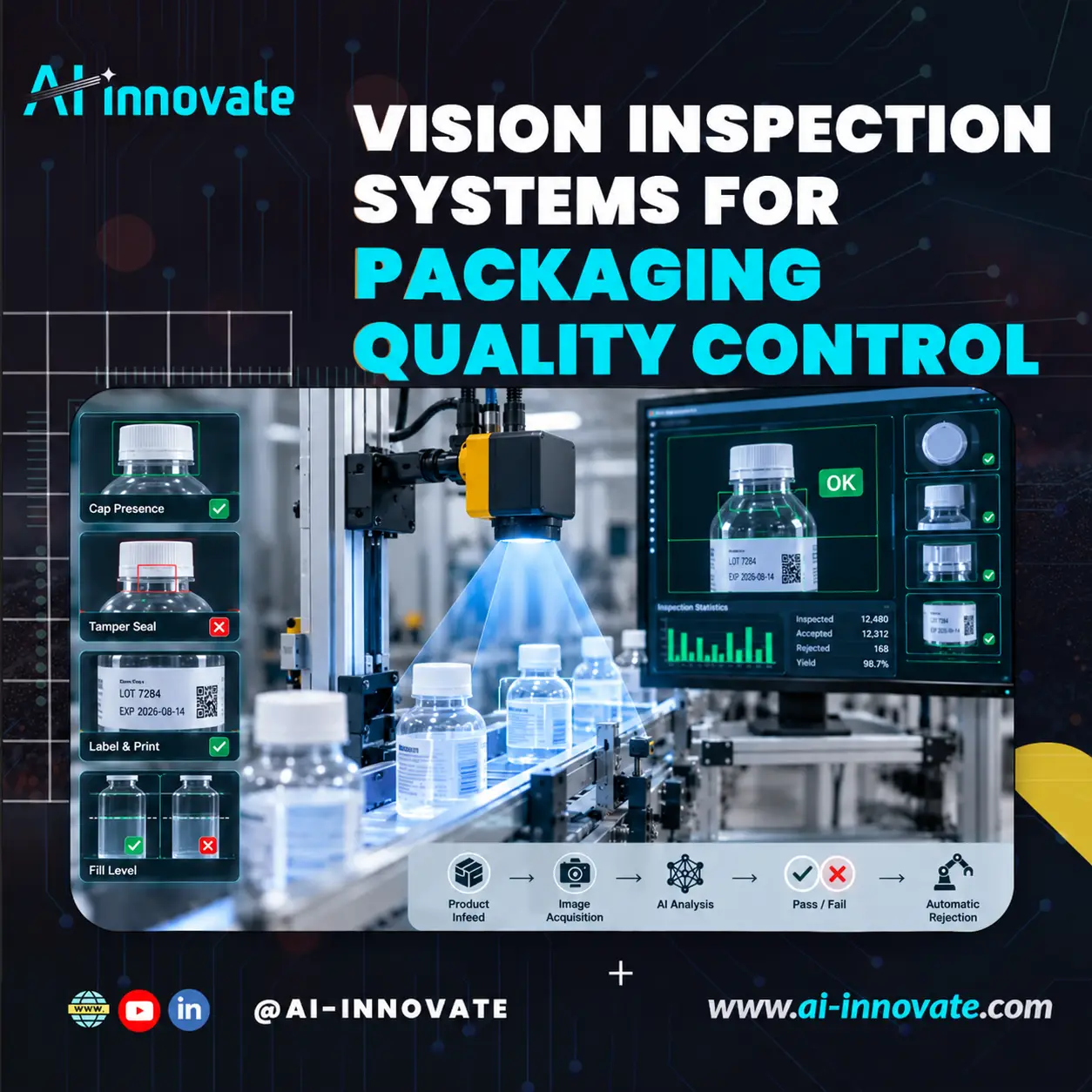
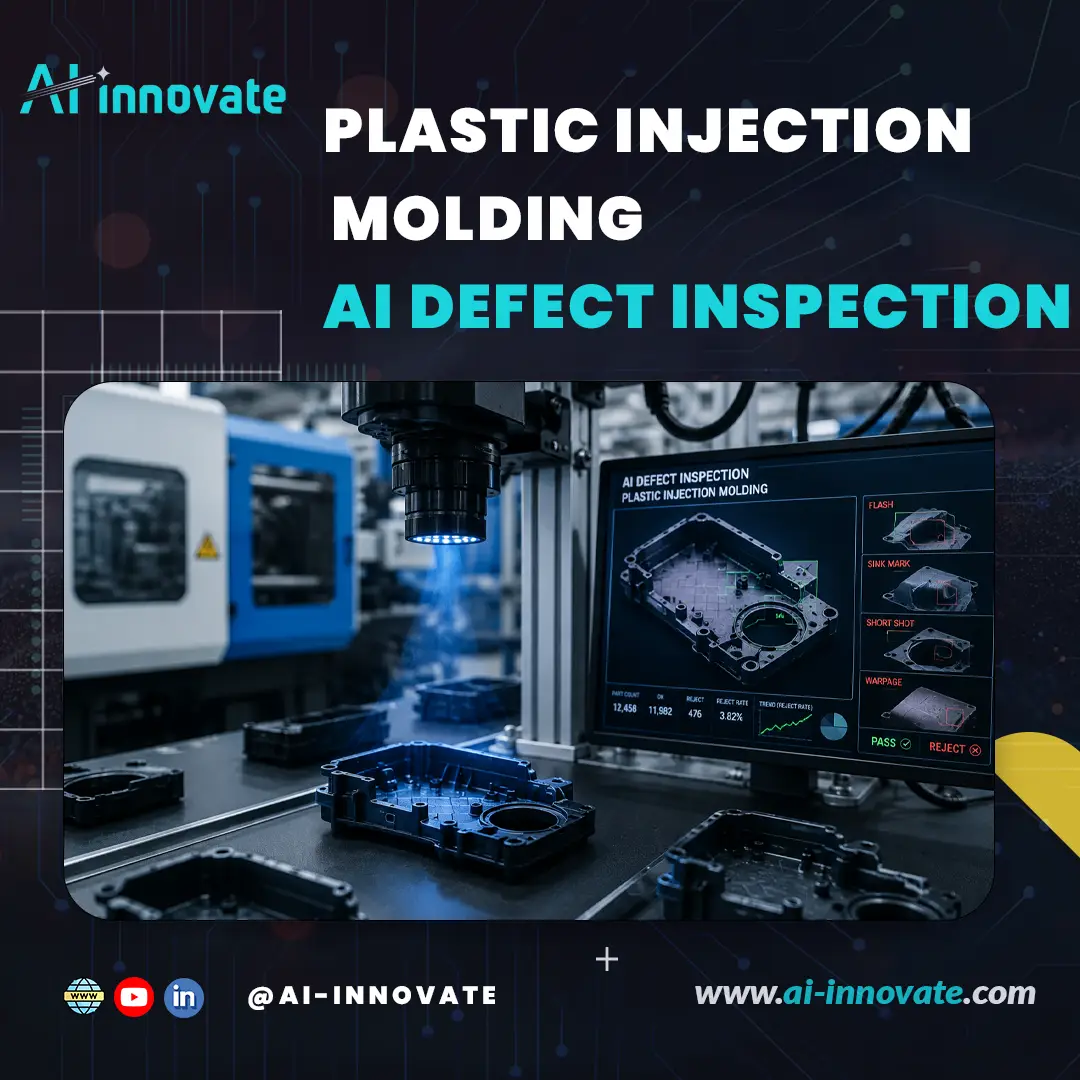
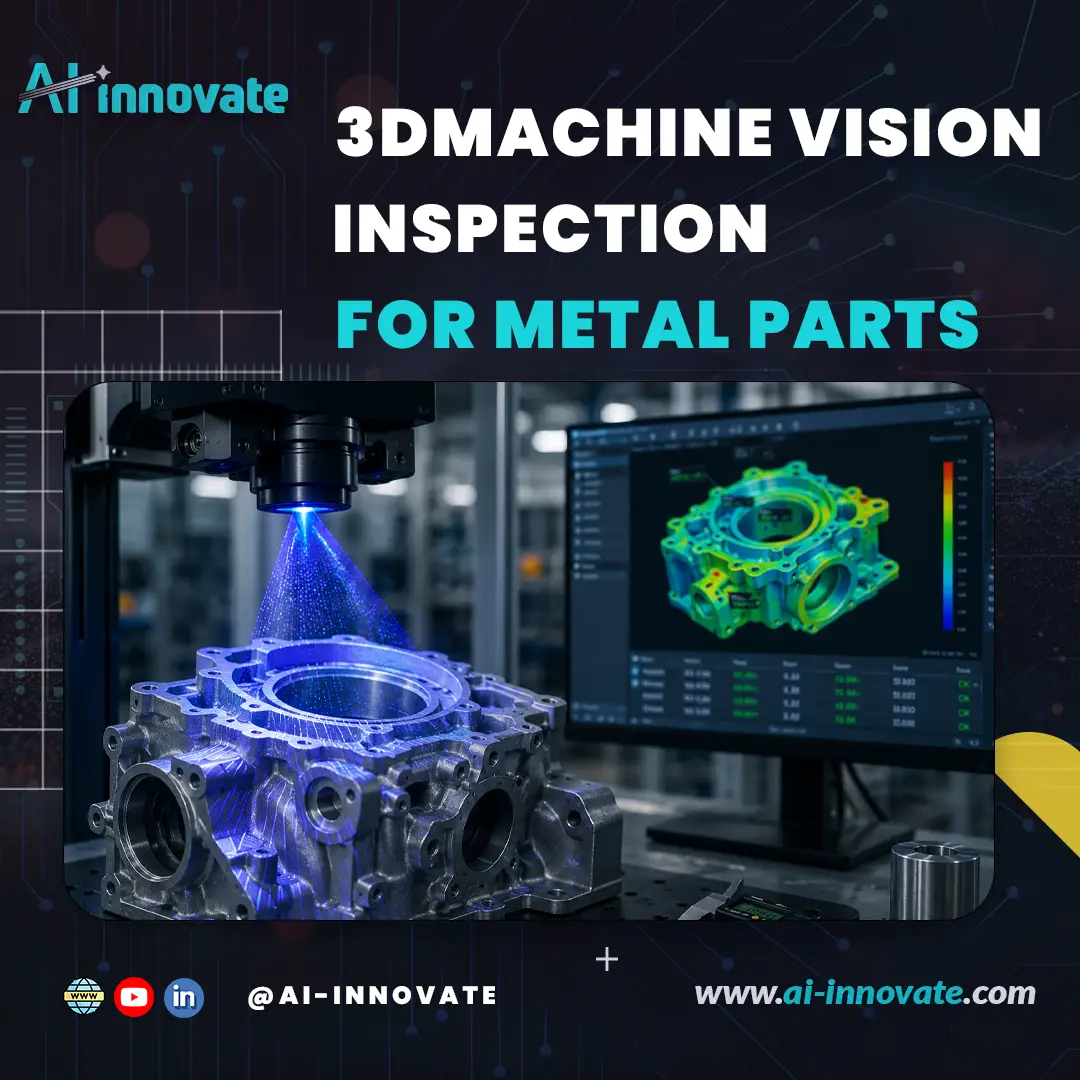
automated visual inspection is found in deep learning systems that function well beyond simple “pixel matching” techniques. Unlike older machine vision technology that depended on comparing an image to an ideal template, deep learning models are trained to perceive context, texture, and minute variations.
This lets them identify complicated defects, including faint scratches, minor discolorations, or structural inconsistencies, which are often missed by the human eye or primitive algorithms. These systems perform with incredible speed, identifying and flagging a problem in less than 200 milliseconds, which confirms that quality checks do not interfere with production flow.
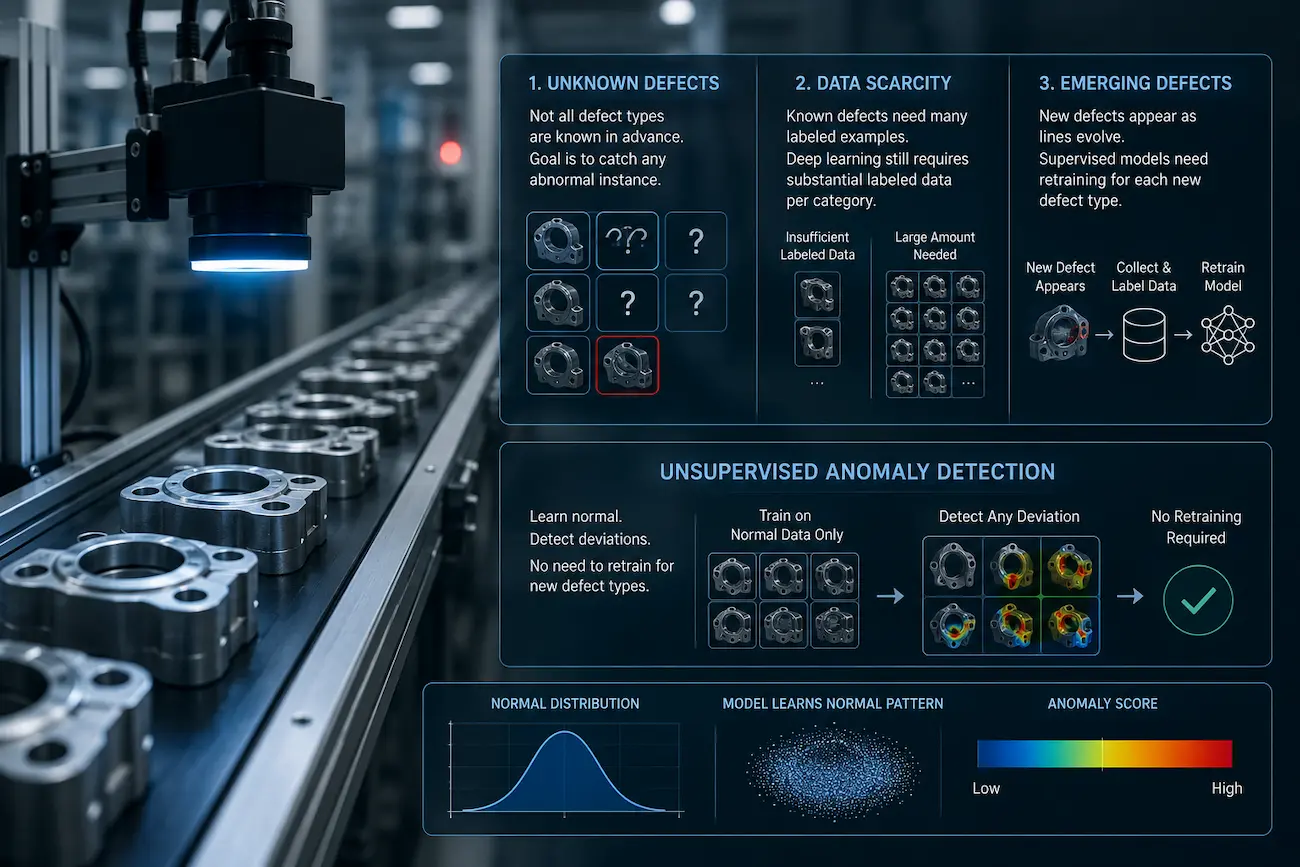
A significant hurdle in building such dependable models is the limited availability of defect data. Collecting thousands of examples for every possible flaw is not feasible. Here, creative thinking offers a strong solution. Research, including studies from institutes like Fraunhofer IKS, confirms that using synthetically generated data can successfully train these deep learning networks.
By producing realistic virtual instances of defects, we can construct exceptionally precise models with up to 96% detection accuracy, even with minimal real world data. This technique addresses the data shortage and also turns the factory’s visual stream into a critical use of
AI for Time Series Anomaly Detection, with every product acting as an essential data point.
Unboxing AI Decisions in Manufacturing
For any technology to find acceptance on the factory floor, it must first be trusted. An opaque “black box” AI that flags a product as defective without explaining the reason is a significant barrier to adoption. This lack of transparency erodes confidence and stops operators from correcting the root cause of a quality issue. The evidence firmly supports this view.
“According to Gartner, 65% of organizations identify a ‘lack of explainability’ as a primary obstacle to AI adoption.” For this reason,
Explainable AI (XAI) provides the foundational trust needed for modern quality assurance. It is a discipline focused on creating systems that can state the logic behind their conclusions.
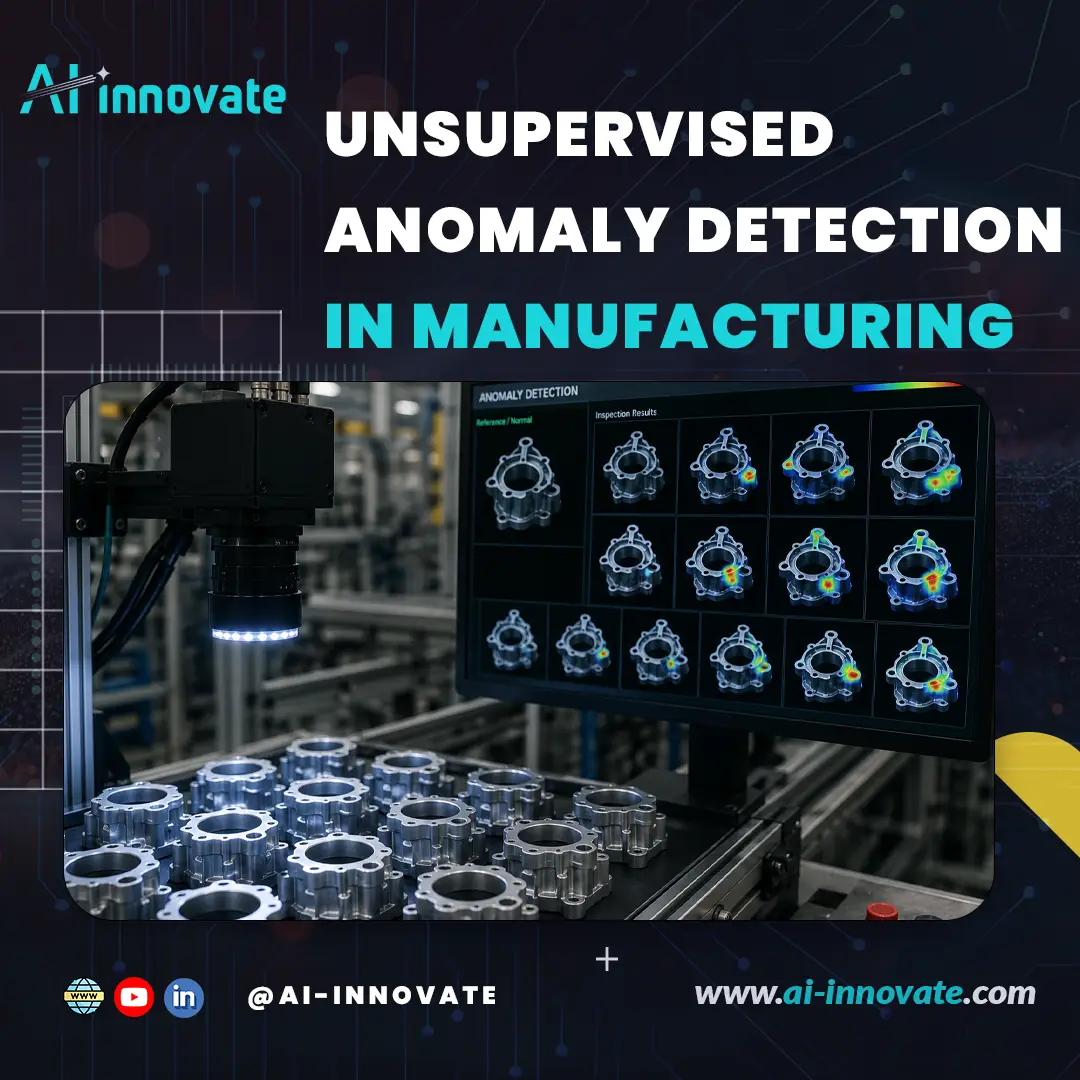
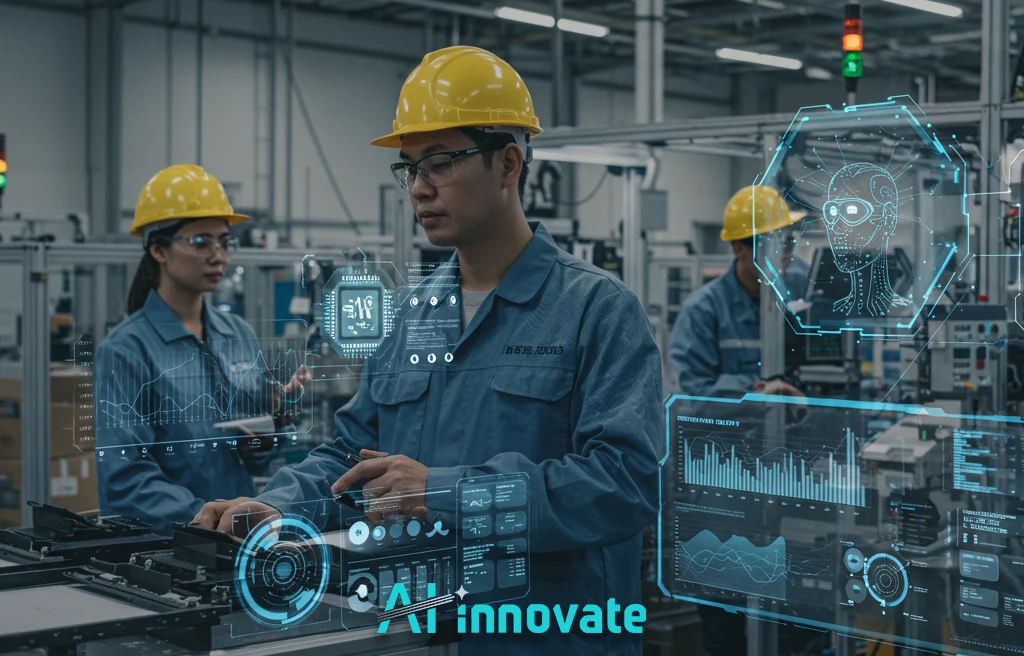
Instead of receiving a simple pass or fail judgment, an “XAI driven” system can pinpoint the specific pixels, textures, or features on a product that it identified as an anomaly. This clarity is a key goal of research efforts like the “Constructing Explainability” project, which works toward human centric AI.
For a Quality Assurance Manager, this means they can not only trust the system but also use its findings to trace a defect back to a specific machine or process, allowing for precise fixes and preventing future problems.
Projecting the Global “AI QMS” Market Trajectory
To grasp the full scope of this industrial change, examining the economic forecasts for AI-driven Quality Management Systems (AI QMS) is necessary. The numbers show a market experiencing substantial growth, fueled by the tangible returns these technologies offer.
This is not a speculative curiosity but a worldwide economic progression with serious financial backing. The remarkable figures projected underscore the value that organizations place on reliable systems, including sophisticated AI for Time Series Anomaly Detection. The table below combines key forecasts from several reputable sources to present a complete picture of the market’s path forward:
| Market Projection |
Region/Sector |
Forecasted Value |
(Source) |
| AI Vision Inspection |
Global |
$196.53 Billion by 2034 |
Industry Report |
| AI’s Economic Contribution |
Global |
$15.7 Trillion by 2030 |
PwC Analysis |
| Industrial Quality Inspection |
China |
¥64.9 Billion by 2025 |
Market Research |
| AI Powered Quality Control |
Global |
Over $5.2 Billion by 2027 |
Industry Report |
Synthesizing Data to Overcome Hardware Barriers
For the skilled Machine Learning Engineers and R&D Specialists advancing this field, one of the greatest obstacles in creating automated inspection systems is the dependence on physical equipment. Acquiring, configuring, and sustaining expensive industrial cameras for prototypes often leads to project delays and financial overruns.
A physical setup is also restrictive, making it hard to test a model’s performance under varied lighting, with different lenses, or on new product designs. This particular challenge is where simulation and synthetic data generation create profound opportunities.
By shifting the first phases of development to a virtual setting, we can separate software progress from hardware limitations, yielding clear benefits that speed up the entire endeavor. Here is how this method transforms the development lifecycle:
Accelerated Innovation
Developers can rapidly build and refine their models without waiting for hardware to arrive. Concepts can be evaluated in hours instead of weeks.
Significant Cost Reduction
The expense of buying and maintaining numerous cameras for development is removed, freeing up funds. Creating realistic data also allows engineers to rigorously train models for AI for Time Series Anomaly Detection without needing physical items.
Enhanced Flexibility
A virtual space gives engineers the power to simulate countless conditions, from dim factory lighting to diverse camera positions, making sure the AI model is durable and effective before its first use on a production line.
Bridge Simulation to Reality with AI-innovate
Understanding the gap between development and deployment is what guided us to build a seamless and connected toolkit. This led us to create
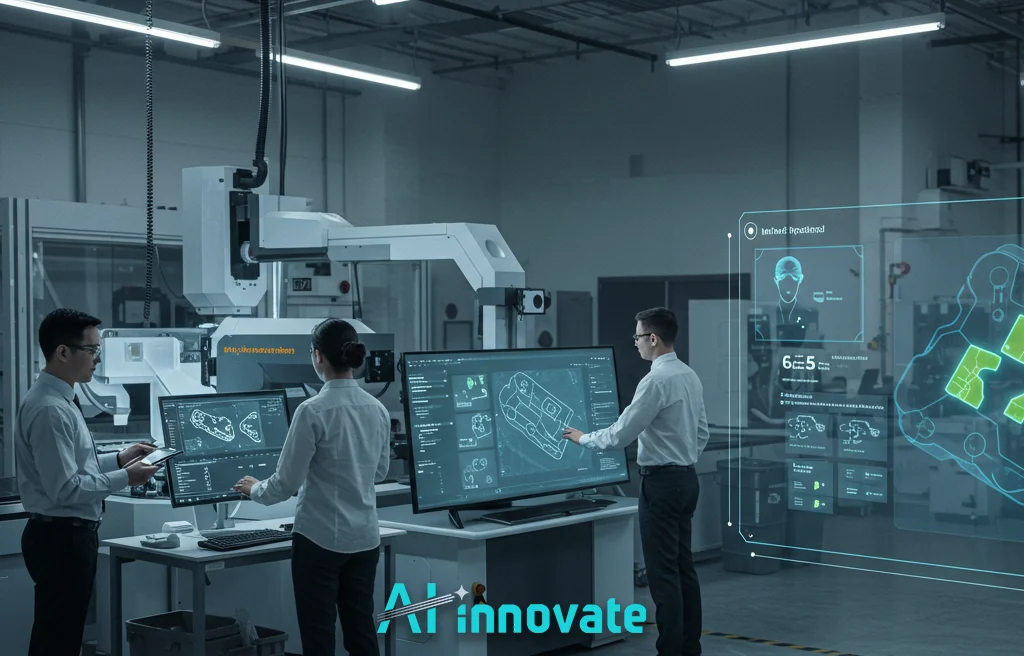
AI2Cam, our virtual camera emulator. It allows developers and researchers to design, test, and polish their machine vision applications completely in a simulated space, freeing them from physical hardware constraints.
The result is faster innovation and lower development expenses. Of course, a model refined in a virtual world must perform in the real one. Once your algorithm is tuned with AI2Cam, our
AI2Eye system takes that intelligence and applies it directly to the production line.
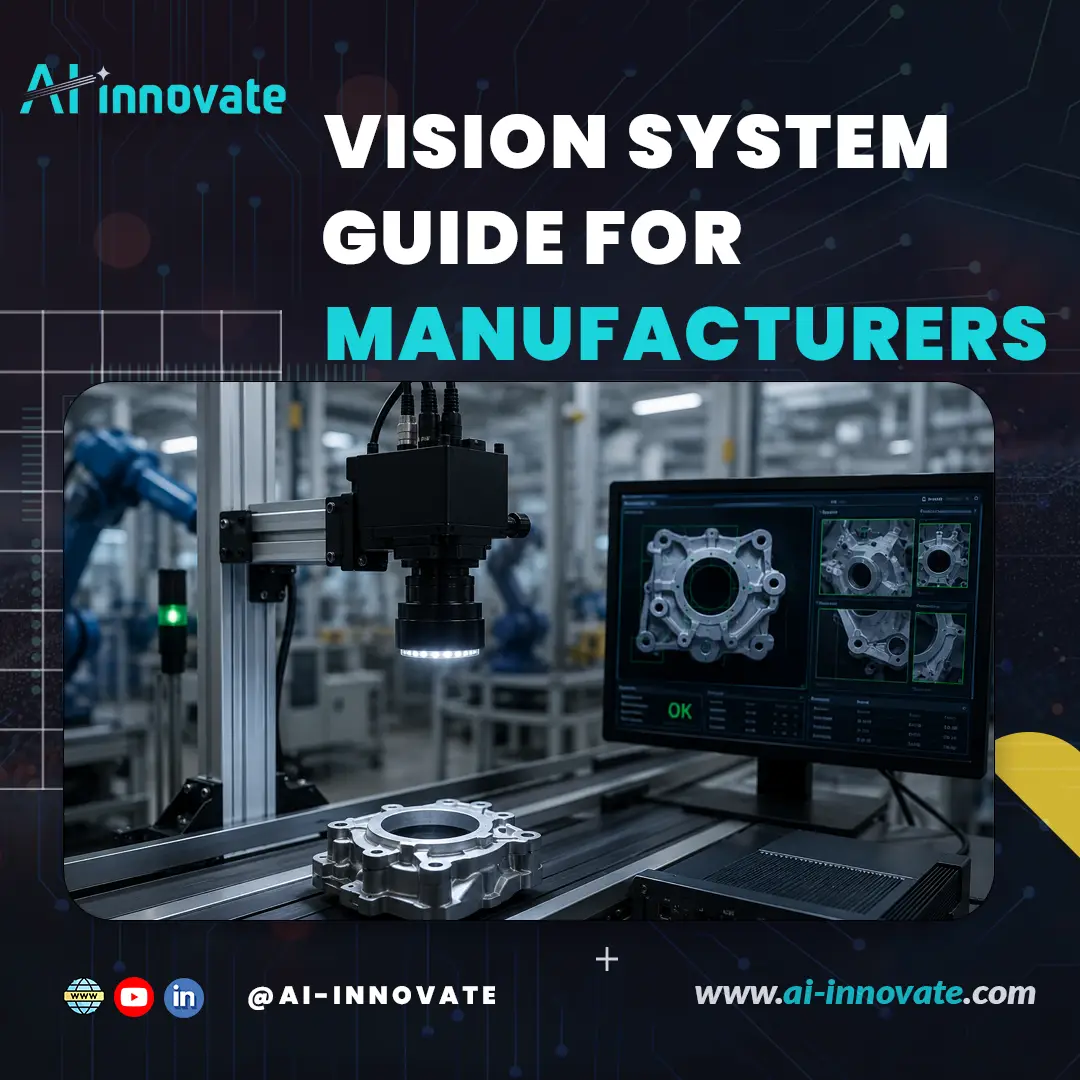
This is a complete solution that moves your project from simulation to live, “in line” inspection, spotting surface defects and process shortcomings with superior speed and precision. Ready to shorten your development cycle and improve your production quality? Contact us to see how our intelligent systems can be adapted to your unique needs.
Conclusion
Bringing explainability to quality control systems signifies a crucial move from simple automated detection to authentic intelligent insight. Looking toward 2025, the important question is no longer whether AI can find a defect, but whether we can trust and act on its findings to create better production workflows. Successfully using AI for Time Series Anomaly Detection in this environment depends on collaborating with specialists who can connect concept to reality, a principle we stand behind at AI-innovate.
Note: Some graphics and visuals in this post were produced using AI-generated content.