




Building a data-driven culture has become something to strive for in the manufacturing world. There’s no doubt that this culture has changed manufacturing for the better, but with the addition of AI-driven quality control and AI defect detection, sometimes the amount of data is overwhelming to deal with. Sending all big data architecture to the cloud isn’t always practical. Machines generate massive amounts of information, and in many cases, decisions need to happen instantly. That’s where edge AI in manufacturing comes in. Keep reading for a better understanding of edge AI, how it’s used in manufacturing, and the tools that enable it, and where it stands regarding cloud AI.
Edge AI in Smart Factories Faster Decisions, Real-Time Control.
Discover how Edge AI enables smart factories to process data instantly at the source. Reduce latency, improve responsiveness, and make faster, data-driven decisions that optimize production, quality, and efficiency.

What Makes Edge AI Special?
You may be wondering how edge AI differs from “normal” AI. The difference lies in how they deal with data:
What Is Cloud AI?
normal” AI usually works like this:
- A device collects data (images, video, sensor readings, etc.)
- The data is sent over the internet to a cloud server
- The AI model processes the data
- Results are sent back to the device
This means it relies heavily on internet connectivity and centralized computing power.
- Read Also:
What Is Edge AI?
With Edge AI, the AI model runs locally on:
- Cameras
- Smartphones
- Drones
- IoT sensors
- Industrial machines
- Embedded systems (like NVIDIA Jetson, Raspberry Pi, or smart chips)
The data is processed on the device itself, often in real time, without needing to leave the device.
How Edge AI Is Powering Smart Manufacturing
Edge AI is becoming a key part of smart factory solutions because it brings intelligence straight to the production line. Some of the most common applications include:
Real-Time Quality Inspection
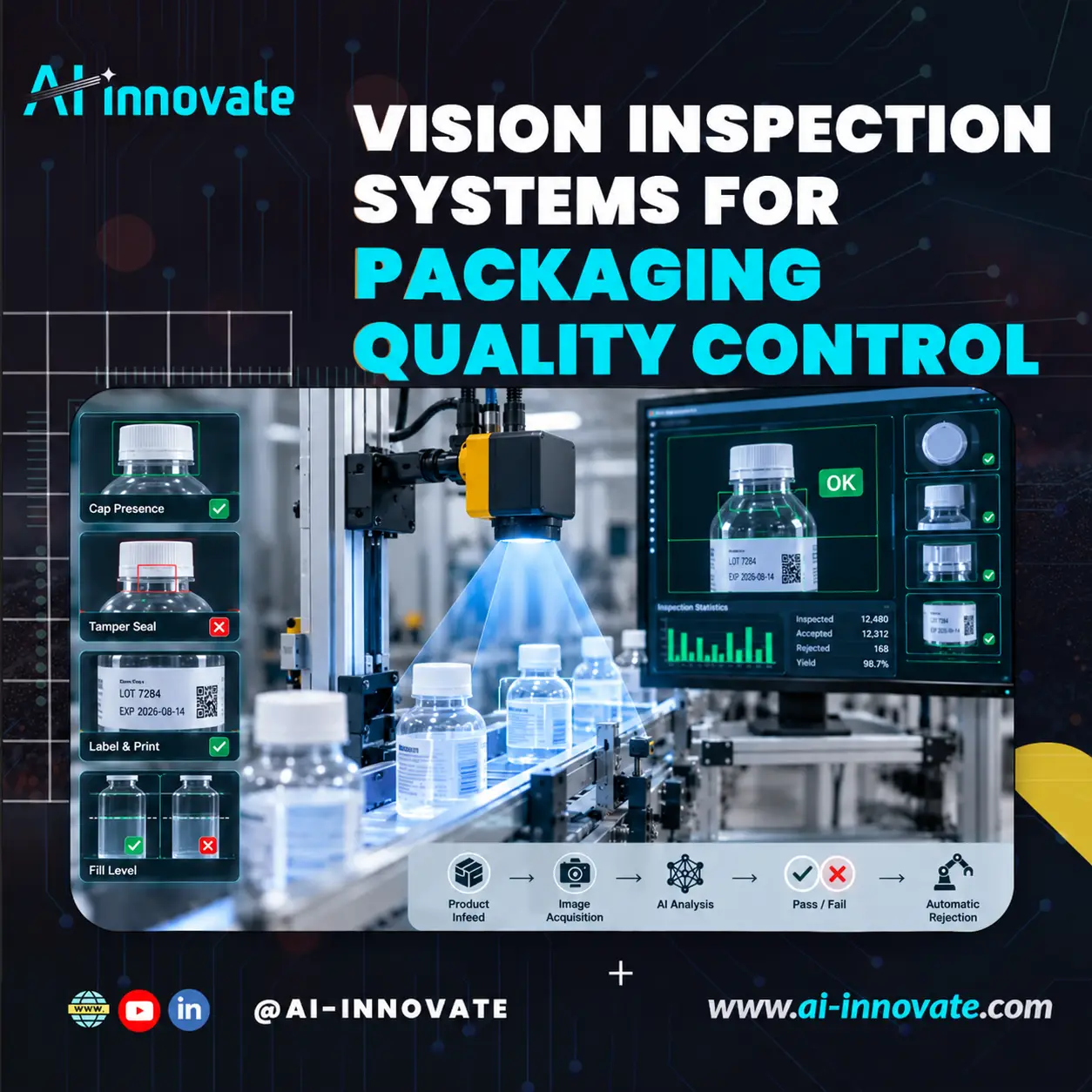
Edge AI systems can analyze images or sensor data as products move down the line. Any problems are spotted right away, so faulty items can be taken out before they cause bigger problems.
Predictive Maintenance
By monitoring vibration, temperature, or sound data from machines, edge AI can spot early signs of wear or failure. This means that maintenance teams can fix problems before they happen, which means less downtime.
Process Optimization
Edge AI can adjust machine settings as and when they need to, based on the current situation. This helps make sure the quality stays the same and there’s less waste without human intervention.
Safety Monitoring
Cameras and sensors that use AI can spot dangerous situations. You can set up alerts to trigger instantly, which helps prevent accidents.
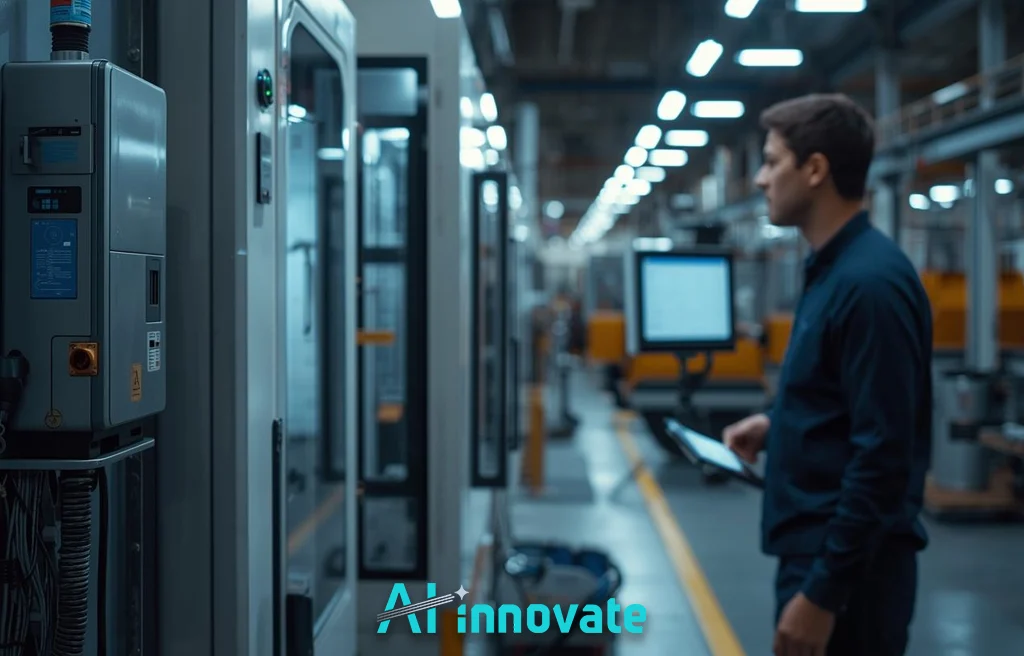
Edge AI Platforms and Tools for Smart Manufacturing
Edge AI in manufacturing relies on a combination of hardware and software working together.
The hardware side includes:
- Industrial PCs
- Edge gateways
- Embedded systems
- AI-enabled cameras.
These devices are designed to operate in harsh environments and handle real-time data processing close to the source.
The software side includes:
- Model deployment tools
- Data pipelines
- Monitoring systems.
These platforms allow AI models to run efficiently on limited hardware while still being updated and managed centrally.
Many modern platforms support a hybrid approach, where models are trained in the cloud and then deployed to edge devices. This setup combines the strengths of both environments and makes edge AI easier to scale across multiple production lines or facilities.
Where edge AI is used and where cloud AI is used in manufacturing
While edge AI and cloud AI may sound similar as concepts, their applications and where they’re leveraged in manufacturing is actually different.
Edge AI handles real-time, on-the-floor decisions where speed and reliability matter most:
- Visual quality inspection: It enables defect detection for defects such as scratches, misalignments, or missing parts directly on production lines.
- Robot guidance & control: Edge AI runs close to robots for instant path correction and object detection.
- Predictive maintenance (local): It can monitor vibration, heat, sound, or pressure sensors to flag anomalies before failure.
- Safety systems: Detects human presence near machines and triggers emergency stops instantly.
- Offline operation: Since it doesn’t rely on internet connection to send data, it can keep the line running even if network connectivity drops.
Cloud AI can analyze, optimize and provide long-term intelligence across machines, lines and factories:
- Model training & improvement: It can train large AI models by using historical production data.
- Cross-factory optimization: Could AI is able to compare performance across multiple plants.
- Trend & root-cause analysis: It’s particularly excellent at finding patterns that aren’t visible on a single machine.
- Production forecasting & planning: Predicts output, downtime, and material needs.
- Centralized reporting & dashboards: It gives managers and engineers a big-picture view of the overall condition of the processes.
How AI-innovate Supports Edge AI in Smart Manufacturing
AI-innovate supports manufacturers adopting edge AI in manufacturing by providing AI-driven products designed for real-time decision-making on the production floor. Our product ecosystem helps with:
- Real-time defect analysis and visual inspection at the edge using AI2Eye, enabling fast, low-latency quality control directly on production lines
- Data generation, simulation, and validation through AI2Cam, supporting reliable model training and testing before deployment to edge devices
- Deployment and management of scalable edge AI workflows powered by AIxCore, allowing AI models to run on industrial PCs, edge gateways, and embedded systems while remaining centrally managed
- Hybrid edge–cloud AI architectures, enabling manufacturers to process time-critical data locally while using the cloud for model training, optimization, and long-term analysis
Whether manufacturers are implementing real-time inspection, predictive maintenance, or safety monitoring, AI-innovate’s products help apply edge AI in manufacturing with speed, reliability, and seamless integration into existing smart factory environments.
Conclusion
Edge AI is changing how manufacturers work by making machines and processes more intelligent. By reducing delays and making things more reliable, edge AI in manufacturing helps to make decisions faster, improve quality control and create safer working environments.
I believe while cloud AI is still very important for large-scale analysis and coordination, edge AI is best for situations where speed and responsiveness are key. Together, these elements form the foundation of truly smart manufacturing systems that are built for efficiency, resilience, and real-world performance.
Confused About Where to Start with AI?
Our specialists help you identify the right AI approach based on your process, data, and goals.
Sources
Ai-Innovate uses only high-quality sources, including peer-reviewed studies, to support the facts within our articles.
- InGenerO Blog. (2025). Edge AI in Manufacturing. Explains how deploying AI at the edge (on devices and local controllers) enhances real-time decision-making, reduces latency, and improves quality control on the factory floor. Retrieved from https://ingenero.com/blog/edge-ai-in-manufacturing/
- Edge Impulse Blog. (2025). Revolutionizing Smart Manufacturing with Edge AI. Discusses how embedded AI models at the edge are transforming smart manufacturing use cases, including predictive maintenance, anomaly detection, and automated inspection. Retrieved from https://www.edgeimpulse.com/blog/revolutionizing-smart-manufacturing-with/
- ScienceDirect / Elsevier. (2023). Industrial Internet of Things and Edge Computing for Quality-Aware Manufacturing. Presents research on combining IIoT, edge computing, and AI to enable quality-aware manufacturing systems with low latency and high reliability. Retrieved from https://www.sciencedirect.com/science/article/pii/S0030399223013166 (scienceDirect.com)
- Springer — Cluster Computing. (2024). Optimizing Industrial Systems with Edge Intelligence: Architectures and Applications. Reviews state-of-the-art edge AI architectures in industrial environments, highlighting performance gains and use cases in smart factories. Retrieved from https://link.springer.com/article/10.1007/s10586-024-04686-y
FAQ
Can Edge AI work without an internet connection?
Yes. Once an AI model is deployed to an edge device, it can perform inference (analysis and decision-making) entirely offline. This ensures operational continuity even during network outages.
Can it be integrated with older (legacy) machinery?
Yes. Manufacturers typically use middleware or custom interfaces to retrofit legacy machines. Adding external sensors and edge gateways allows older equipment to benefit from AI without a full “rip-and-replace”.