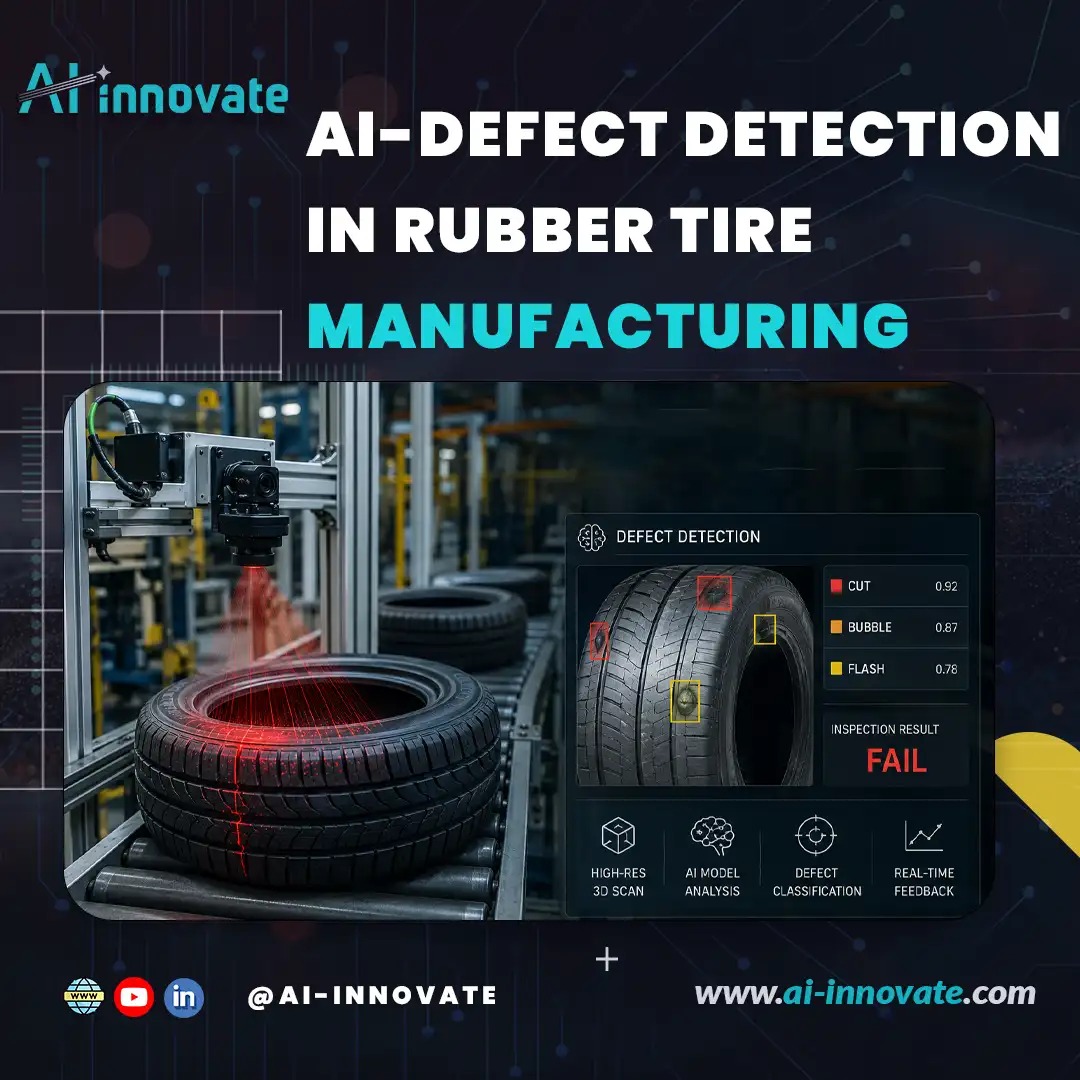





AI systems do not make a noise when the data quality is poor. They fail quietly. Predictions become less and less accurate, and decisions become less reliable long before obvious errors appear. By 2026, as AI becomes a key part of manufacturing, automation, and quality control, data quality will be one of the most important and least visible risk factors.
Many organisations focus a lot on choosing models and performance measurements, thinking that data problems can be fixed later. In practice, poor-quality data affects AI systems at every stage, from training and validation to deployment and long-term operation. The more independent and adaptable AI systems become, the more sensitive they are to differences in the quality of the data.
This is important because AI is used more and more to help make decisions that affect how much things cost, safety, and how well things work. When the quality of data gets worse, AI does not just become less accurate. It becomes less trustworthy.
This article looks at the main problems with the quality of data for AI systems in 2026 and gives some useful tips for building, looking after, and managing data pipelines that make sure that AI works well.
AI Data Quality Clean Data in 2026 Smarter Decisions.
High-quality data is the foundation of successful AI systems. Explore the key challenges facing manufacturers in 2026 and learn best practices for data governance, validation, and monitoring to ensure reliable, scalable AI performance.

What AI Data Quality Really Means
The quality of AI data is about more than just whether it is correct or complete. It refers to how well data represents real operating conditions, how consistently it is collected, and how reliably it supports learning over time.
High-quality AI data is:
- This shows how things can be different in the real world.
- It has been caught and labelled several times.
- Linked to time, the process, or the system’s current state.
- Kept up to date as things change.
At first, poor data quality might seem OK, but it will show its weaknesses when the system is used more or the environment changes.
Why Data Quality Is Becoming More Critical in 2026
By 2026, AI systems will be more adaptable, more independent, and more closely linked to how operations are done. This means they have to get used to working with data that is always changing, instead of data that doesn’t change.
There are several reasons why data quality is important:
- More and more people are using real-time and edge AI.
- More and more people are relying on AI to help them make decisions and control things.
- More complicated production environments where things are more inconsistent.
- The lives of AI systems are getting longer, which means they need to keep learning.
This means that making sure the data is good is something you have to think about every time you train a model. It is a responsibility that is still in place.

Common AI Data Quality Challenges
Common AI Data Quality Challenges
Many AI systems are trained on data that reflects ideal or limited operating conditions. Rare events, edge cases, and failure scenarios are often underrepresented, leading to blind spots in real-world deployment.
Inconsistent Data Collection
In supervised learning, unclear definitions of what constitutes a defect, anomaly, or acceptable variation lead to inconsistent labels. Over time, this reduces model reliability and confidence.
Labeling Errors and Ambiguity
In supervised learning, unclear definitions of what constitutes a defect, anomaly, or acceptable variation lead to inconsistent labels. Over time, this reduces model reliability and confidence.
Data Drift Over Time
Processes evolve, materials change, and equipment ages. When data pipelines do not account for these shifts, AI models gradually lose relevance without obvious failure signals.
- Read Also:
The Hidden Cost of Poor AI Data Quality
Bad data can end up costing more than you might think.
Models need to be retrained more often. If a system detects something that isn’t there (a false positive) or doesn’t detect something that is there (a missed detection), this can create more operational noise. People start to trust the results of AI less and less, and this leads to teams bypassing or overriding the systems. In regulated environments, poor data quality can also create compliance and traceability risks.
The most important thing to know is that poor data quality stops AI from working well.
Establishing Trustworthy AI Data Foundations in 2026
Design Data Pipelines With AI in Mind
Data collection systems should be designed to support AI from the start. This includes things like making sure the system is stable, keeping track of different versions of software, and having clear rules about who owns the data.
Standardize Labeling and Review Processes
Clear labelling guidelines, regular audits, and team reviews reduce ambiguity and keep things consistent as teams and conditions change.
Maintain Strong Contextual Linkage
Connecting data to information about how things are done, the time it happened, the equipment’s state, and the outside conditions can make it easier to understand and find the reason for problems.
Treat Data Quality as a Shared Responsibility
The quality of AI data is not just a concern for data scientists. It needs the efforts of operations, quality, engineering, and IT to keep working well over time.
How AI Innovate Helps Manufacturers Build Reliable AI Data Pipelines
High-quality AI outcomes depend on more than accurate models. They depend on data that is consistent, representative, and continuously aligned with real production conditions. AI Innovate supports manufacturers by helping them establish data pipelines that remain reliable as processes, materials, and environments evolve.
- AI2Cam helps teams generate and validate high-quality visual data by simulating cameras, lighting conditions, and defect scenarios, reducing data gaps before AI models are deployed.
- AI2Eye captures consistent, real-time inspection data directly from production lines, ensuring that AI systems are trained and updated using data that reflects true operating conditions.
- AIxCore – AI-innovate enables edge-level data processing and contextualization, linking inspection data with time, process parameters, and system state to support traceability, drift detection, and long-term data governance.
Together, these tools help manufacturers move from fragmented datasets to reliable, production-aligned data foundations that support trustworthy AI decision-making.
Conclusion
The quality of data from AI is now a top concern. It is very important for deciding whether AI systems will be useful or not. In 2026, the most successful AI projects are those that use data pipelines that are representative, consistent, and actively managed.
From experience, we know that organisations that invest early in data quality practices see more reliable models, faster iteration, and greater trust in AI-driven decisions. As AI becomes more independent and a bigger part of operations, the quality of the data will become more important in deciding whether intelligence is effective and avoids risk.
Sources
Ai-Innovate uses only high-quality sources, including peer-reviewed studies, to support the facts within our articles.
IBM Think. (2024). Data Quality for AI: Why It Matters More Than Ever
Explains how data quality directly impacts AI reliability, trust, and long-term performance across industrial and enterprise applications.
Retrieved from https://www.ibm.com/think/topics/data-qualityInnovation, Science and Economic Development Canada. (2023). Artificial Intelligence and Data Governance
Discusses data governance, quality, and trust considerations for AI systems deployed in industrial and operational environments.
Retrieved from https://ised-isde.canada.caNational Research Council Canada. (2023). Trusted AI and Data Foundations for Industrial Systems
Covers applied research on data quality, traceability, and reliability for AI-driven manufacturing and automation.
Retrieved from https://nrc.canada.ca
FAQ
What is the typical timeframe to see a return on investment (ROI) for automated inspection?
There is no fixed amount. Smaller datasets that accurately represent real variation and edge cases are often more valuable than large volumes of poorly contextualized data.
What is the biggest data quality risk for AI systems in production?
The biggest risk is silent degradation. When data quality issues go unnoticed, AI systems may continue operating while gradually producing less reliable outputs.
How often should AI data pipelines be reviewed or updated?
Data pipelines should be reviewed continuously through monitoring and formally evaluated whenever processes, materials, or operating conditions change.