




A company’s reputation is built on the promise of quality, and a single product defect can break that trust. Traditional quality control acts as a last line of defense, but it is an imperfect one, often failing to stop flawed products from reaching the customer. This not only incurs direct costs but erodes brand loyalty. At AI-innovate, we believe quality should be proactive, not reactive. We engineer solutions that embed certainty into the production process itself. In this article, we delve into AI for Proactive Defect Prediction, a transformative approach for safeguarding your brand promise.

Why Defect Prediction Matters
Modern AI defect detection does more than identify flaws; it also drives continuous improvement across production. These systems combine machine vision and analytics to detect defects and pinpoint their root causes in real time.
This transforms inspection from a reactive task into a proactive, data-driven process that improves quality, reduces waste, and optimizes performance. Manufacturers can trace issues back to specific machines or process parameters, enabling faster adjustments and preventing recurrence.
In precision-driven industries such as automotive, electronics, and metals, AI defect detection solutions provide consistent accuracy, higher yields, and better process control, making quality assurance a measurable and scalable advantage.
Elevating Quality Control Through Machine Learning
Machine learning provides the computational power for this industrial shift, allowing manufacturers to attain new levels of precision. These intelligent systems assess immense datasets collected from sensors and machinery to reveal insights hidden from human analysis.
At AI-innovate, we utilize this capability to create a dynamic, self-improving quality assurance framework. Let us examine the primary functions that machine learning introduces to the factory floor.
Read Also : AI-Driven Quality Assurance in Modern Manufacturing
Predictive Defect Detection
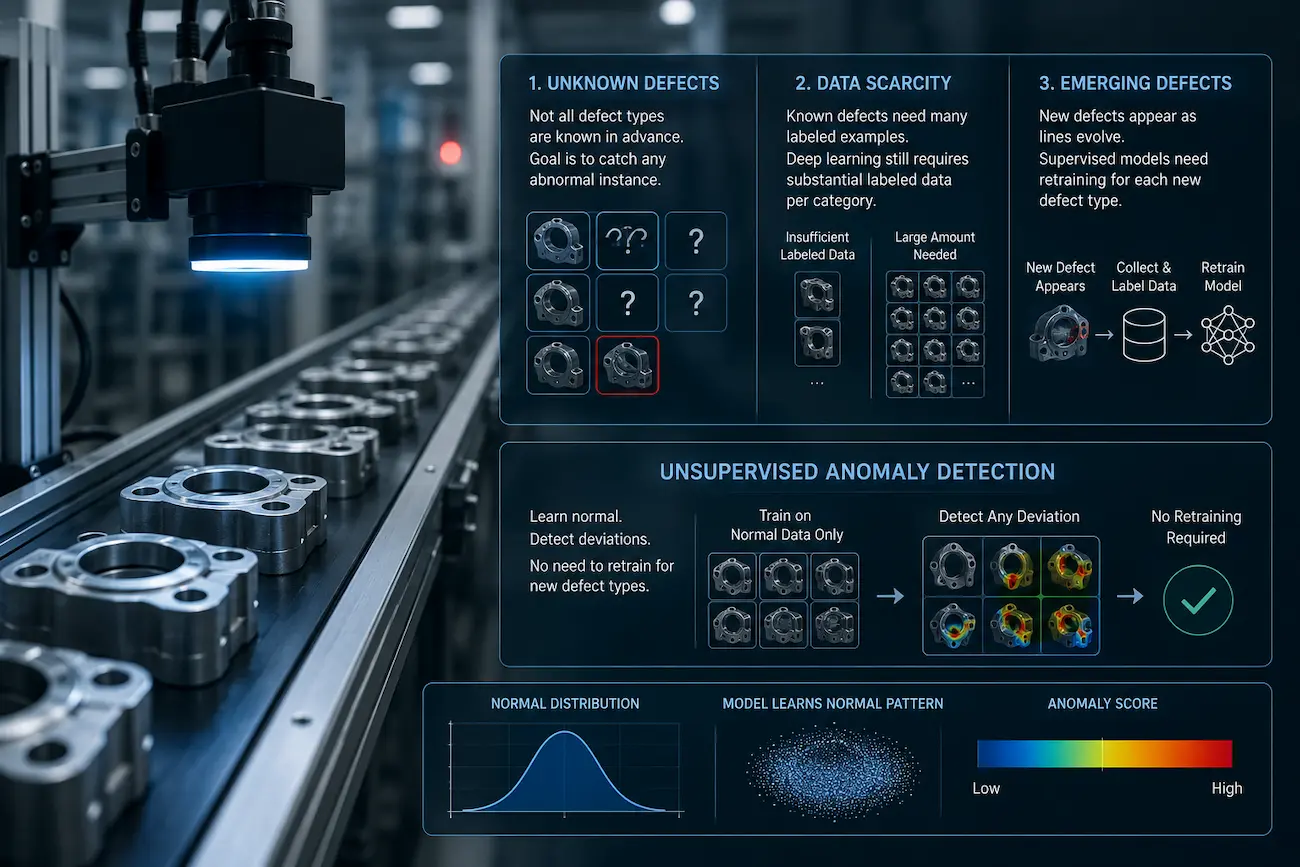
This predictive function is the foundation of the modern quality approach. Algorithms are trained using historical production information, which lets them learn the distinct digital signatures of conditions that precede a defect.
This training enables them to forecast potential quality issues with high accuracy. This advanced application of AI for Proactive Defect Prediction converts quality assurance from a cost center into a strategic, value generating operation. Our solutions give managers the tools for data informed decisions that stop flaws from ever developing.
Real-Time Defect Detection
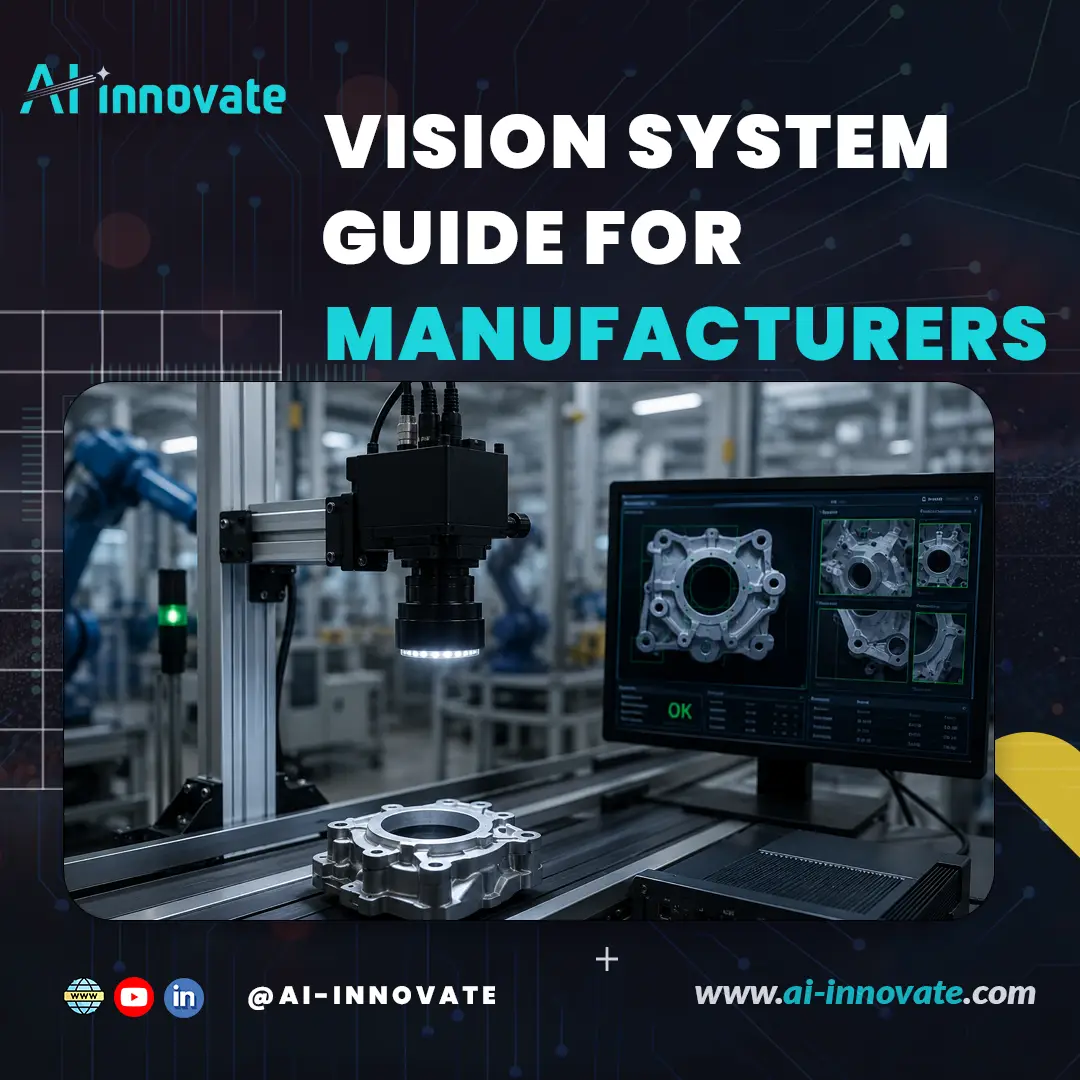
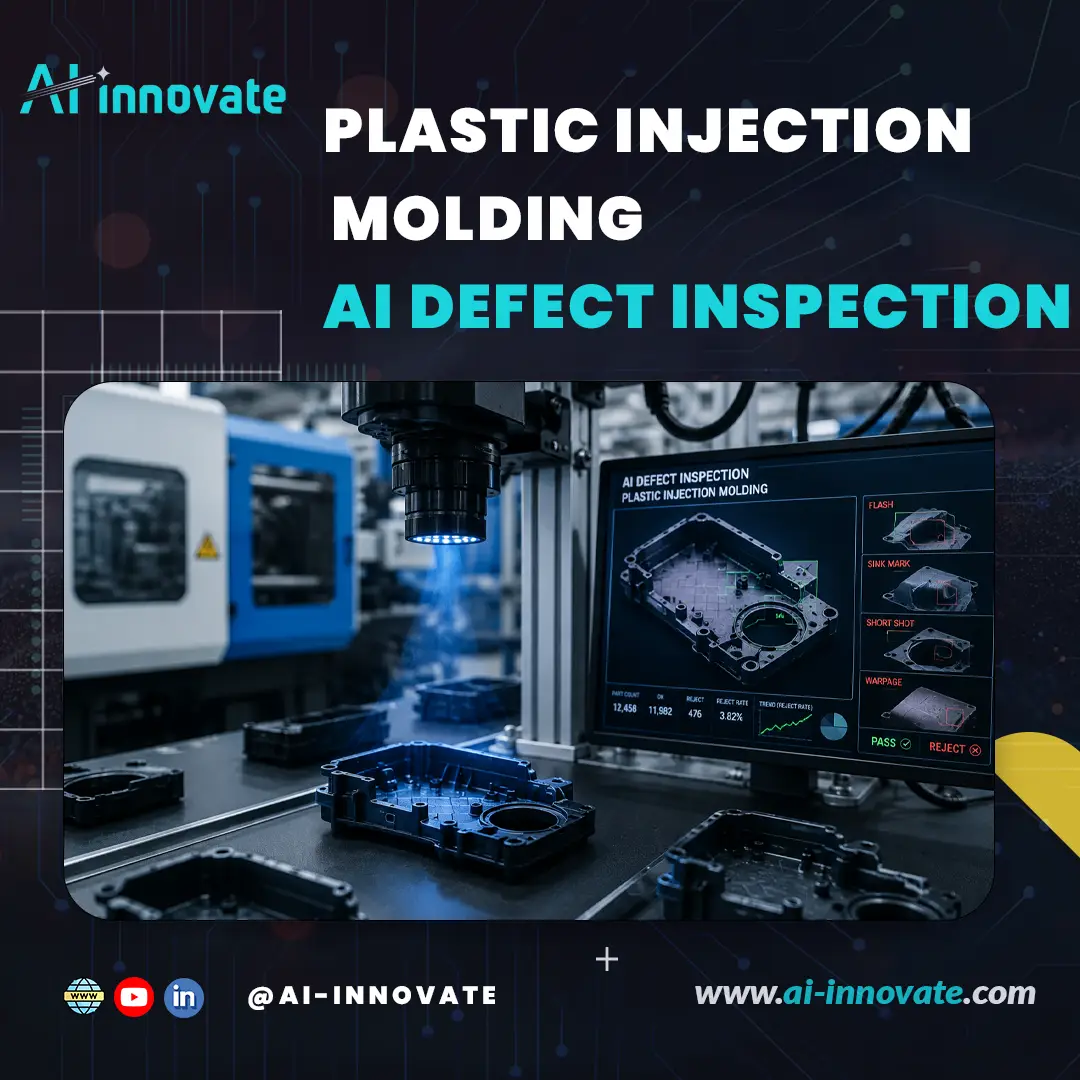
While forecasting is essential, the capacity to act in the moment is just as crucial. Real time detection employs high resolution machine vision to assess products as they move through the assembly process.
This is precisely the function our ai2eye system is built to perform. Operating as a super powered set of eyes, ai2eye identifies surface imperfections and variations with incredible speed, reducing overall inspection times by a reported 41%. It provides immediate alerts for corrective action, greatly minimizing the volume of faulty units.
Handling Complex Defects
Many imperfections are too faint or intricate for the human eye to consistently identify, particularly in high speed environments. AI powered systems perform exceptionally well in this area.
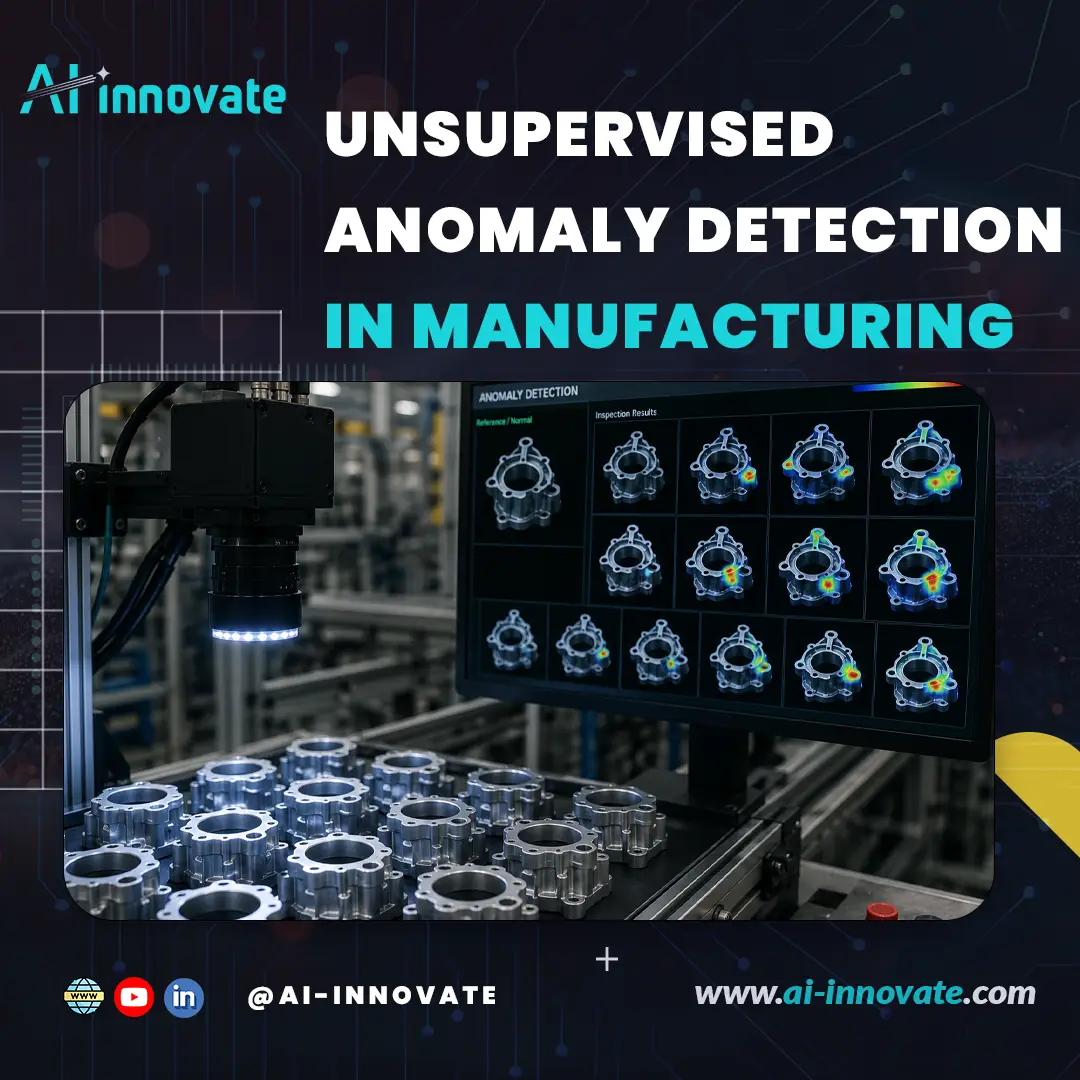
They can recognize microscopic flaws or slight color shifts that often serve as early warnings of a larger process instability. The sophisticated algorithms in ai2eye are trained to see these detailed patterns, ensuring that even the most complex defects are reliably identified. This capability raises quality standards well beyond the reach of traditional inspection methods.
Minimizing Waste and Cutting Costs
The financial benefit of predictive quality control is substantial. By identifying defects early or preventing them completely, manufacturers realize a significant drop in material waste and rework.
Industry studies confirm that AI implementation can lower production rework by as much as 50% and decrease material scrap by 30 to 50 percent in industries like textiles. This improvement directly contributes to healthier finances and a more sustainable production model. Employing AI for Proactive Defect Prediction is a direct investment in operational strength and profitability.
AI at the Forefront of Industrial Quality Assurance
AI technologies are transforming quality assurance across industries by delivering measurable results in terms of precision, efficiency, and waste reduction.
At AI-innovate, our mission is to make these capabilities accessible with solutions like AI2Cam. AI2Cam is a virtual camera emulator that enables the rapid development and testing of vision systems without the costs or delays associated with hardware.
Industry Applications
Textiles
- AI inspection achieves over 99% accuracy in detecting weave irregularities, stains, and micro-defects invisible to the human eye.
- Eliminates human variability, ensuring consistent product quality across production lines.
- Delivers 30–50% reduction in material waste, directly improving yield and sustainability.
Read Also : Textile Defect Detection – AI Tools for Zero Defects
Aluminum & Metal Processing
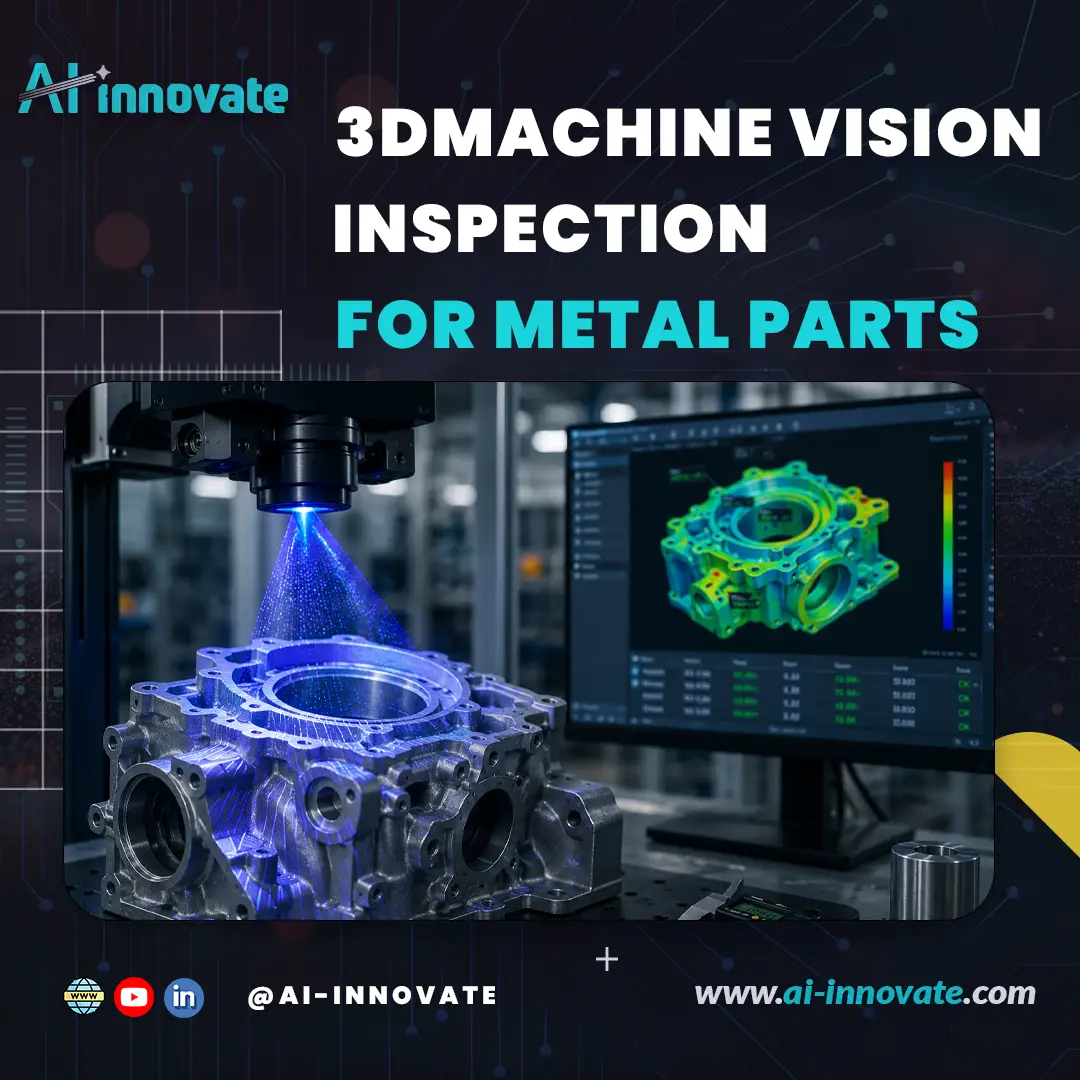
- Detects scratches, dents, and surface imperfections on reflective metal surfaces with near-perfect precision.
- Automatically locates and classifies each defect, eliminating the need for manual inspection.
- Enhances process throughput and enables proactive defect prediction for continuous quality improvement.
Pharmaceuticals
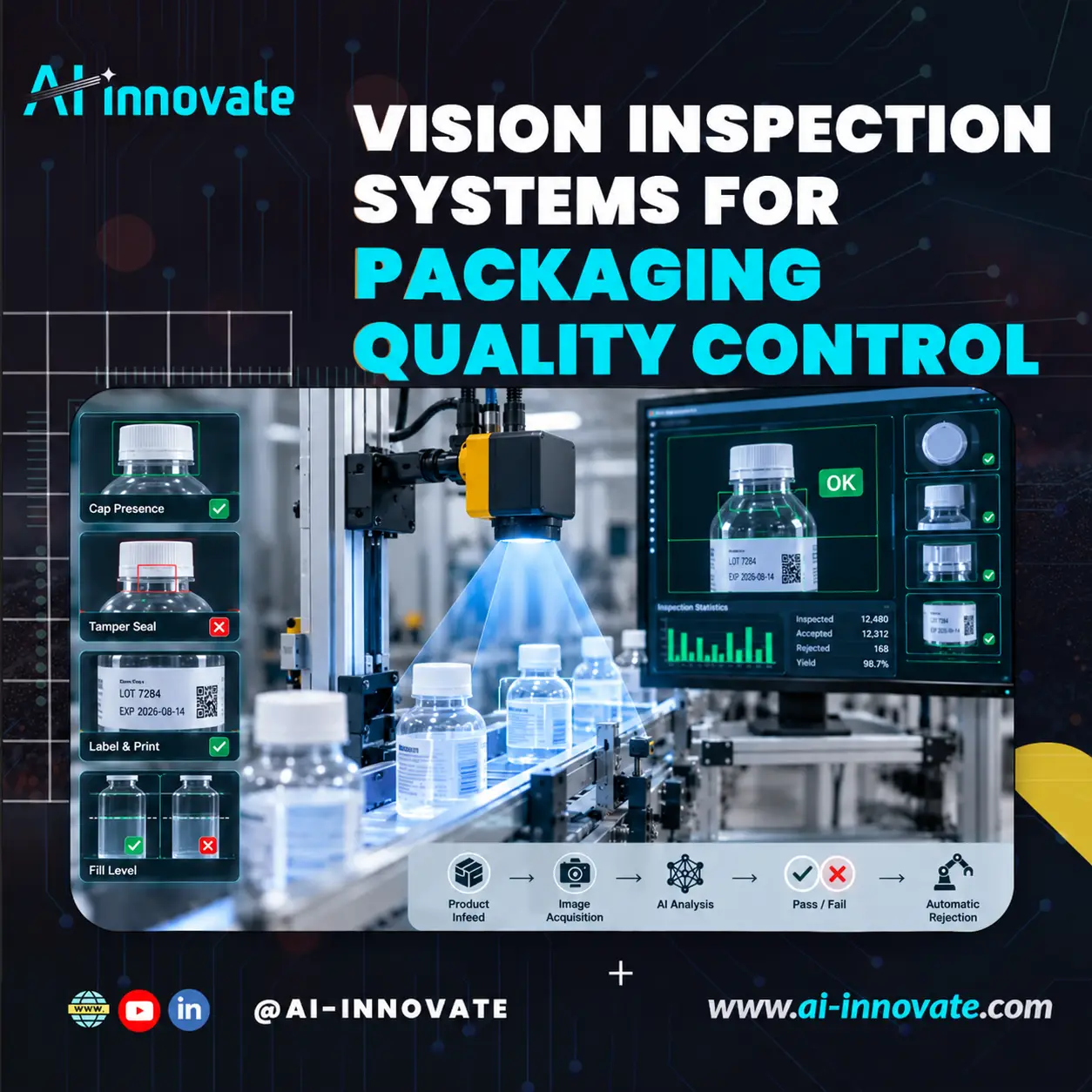
- Provides real-time, predictive oversight of packaging, vial fill levels, and labeling accuracy.
- Identifies process deviations before they result in non-conformances or safety risks.
- Ensures strict adherence to regulatory compliance and product integrity standards.
The Future of AI in Quality Control
The adoption of AI in quality control is rapidly accelerating. The future lies in fully integrated, intelligent systems that not only forecast defects but also autonomously recommend or even adjust production parameters to prevent them.
These future systems, built on models that continuously learn and adapt with every piece of new data from the factory floor, will create a genuinely self-improving manufacturing ecosystem. Foundational tools like our ai2cam are critical for building this future, as they give engineers the essential agility and flexibility to innovate these complex systems faster and more cost-effectively.
Conclusion
The shift from reactive problem solving to intelligent prevention is now a core requirement for any industrial leader. Using production data to generate actionable foresight is the new standard for operational excellence. At AI-innovate, we are dedicated to providing the solutions that facilitate this change, making your operations more efficient and profitable. The adoption of AI for Proactive Defect Prediction is the essential action for constructing the factory of the future, starting today.
Note: Some graphics and visuals in this post were produced using AI-generated content.