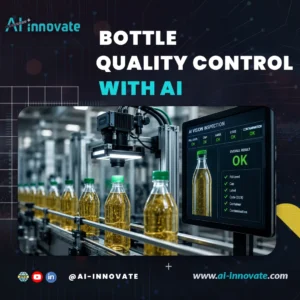





In the competitive and ever-evolving world of industries, quality control plays a central role in meeting established standards and customer expectations. Initially, this process was done by trained inspectors, and although effective, it was prone to human error and lacked efficiency. Applying AI driven quality control has opened a new door for the manufacturing world, as it offers a solution for the problems of traditional methods. In this article, we’ll go into the details of what the application of AI in quality control means.

AI and the New Era of Quality Control
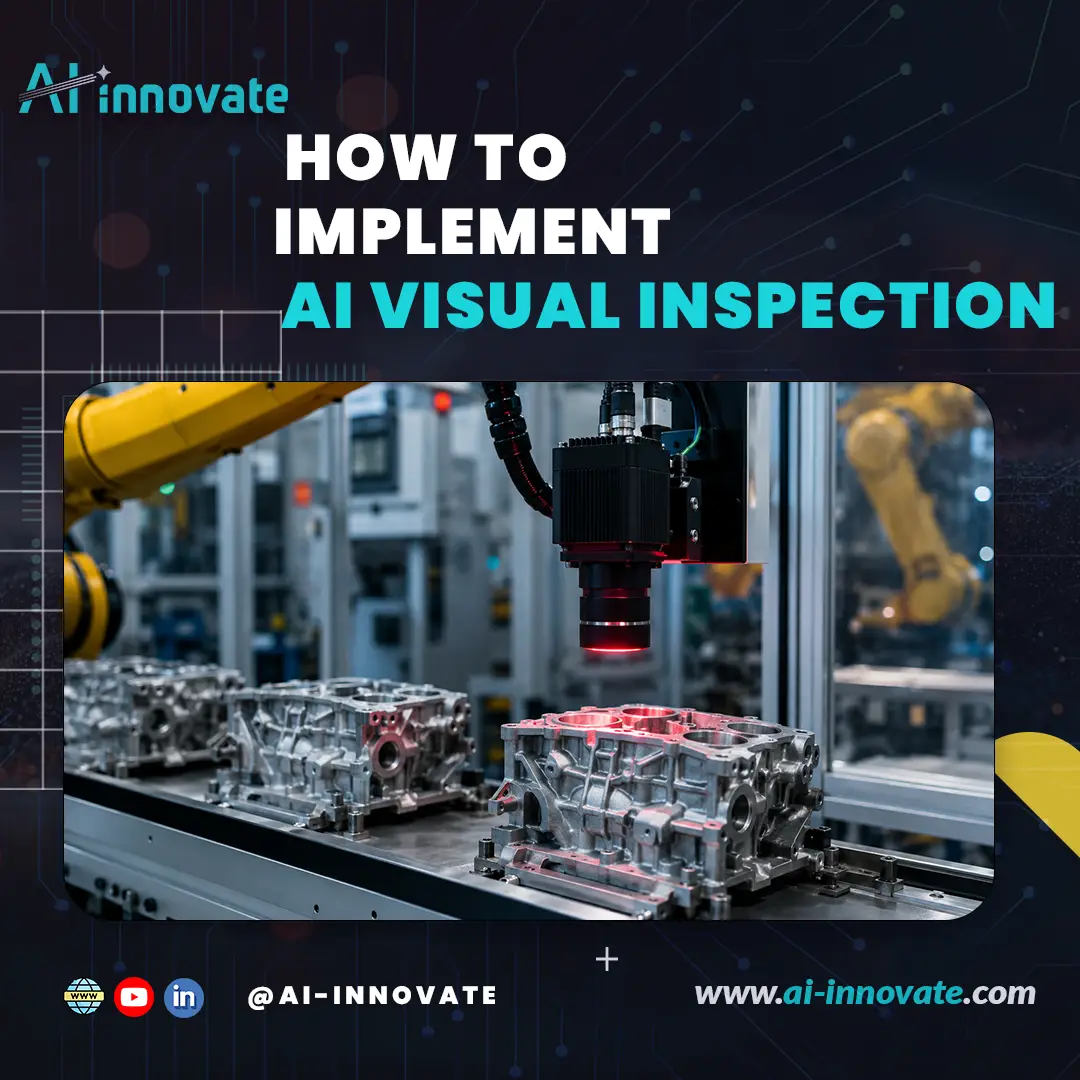
Quality control is a systematic process in which products and services are checked to meet set standards for performance and quality. This step in manufacturing is crucial, as it leads to customer satisfaction and brand loyalty, and finally to increased profit. Ensuring that products meet consistent standards also reduces costs by minimizing waste and rework. It’s needless to say that investing in good quality control is essential. This is why AI in quality control is rising in popularity, as it achieves a smoother, more accurate, and efficient process by automated visual inspection. The application of AI in quality control means increased precision and allows for predictive maintenance to prevent issues before they occur.Applications of AI in Quality Control Across Industries
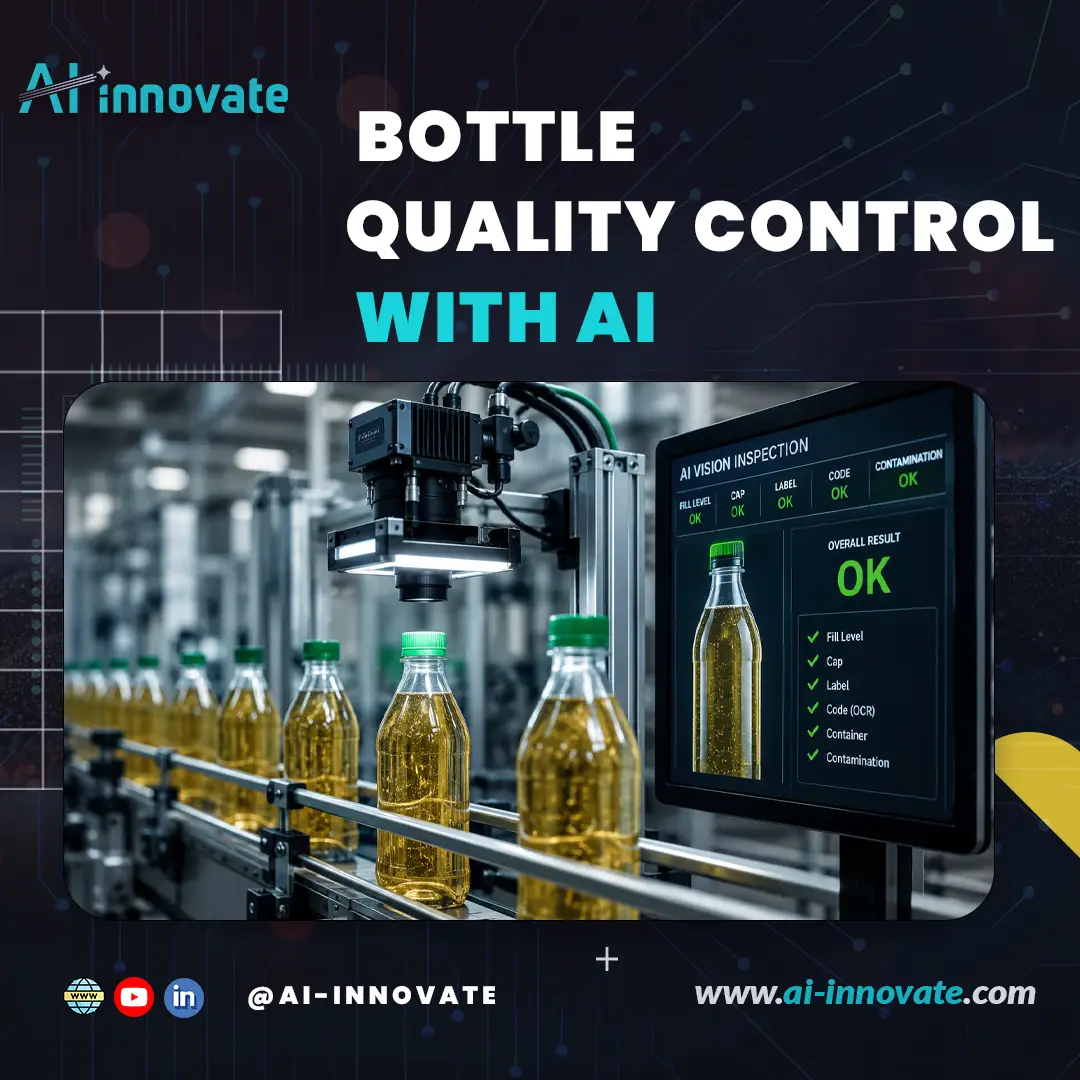
AI in quality control is widely used in many fields and companies. Some use cases are:- Manufacturing: Industries like automotive and food and beverage use AI for visual inspections to detect defects and foreign objects. For example, BMW uses AI to inspect welds on car bodies, detecting even minor imperfections to meet safety standards.
- Healthcare: AI aids in drug quality control by inspecting manufacturing processes for anomalies and ensuring compliance with safety regulations. For instance, Pfizer uses AI to automate the process of checking labels and packaging for accuracy, ensuring compliance and speeding up production.
- Customer Service: AI analyzes customer interactions to identify gaps and provide insights for improving the customer experience. Big companies like Amazon and Google benefit from this.
- Finance: AI is used for fraud detection and ensuring the quality of financial products and services. Companies like Morgan Stanley and Goldman Sachs use AI for quality control in finance.
How AI Enhances Quality Control
In general, AI systems use a combination of machine learning (ML), computer vision, natural language processing (NLP), and data analytics to monitor, inspect, and improve production and service quality. We can see this in effect in:- Automated Detection and Inspection: AI systems can analyze thousands of product images or sensor readings per minute, identifying defects, inconsistencies, or contaminants faster and more accurately than humans.
- Predictive Quality Monitoring: AI predicts problems by analyzing production data (such as temperature, vibration, pressure, or speed) to identify patterns that indicate potential defects. This allows for predictive maintenance, enabling adjustments before issues arise.
- Real-Time Process Optimization: AI models optimize parameters and adjust them to maintain ideal performance. In processes like plastic molding or metal casting, AI can automatically fine-tune pressure and cooling times for consistent product quality.
- Intelligent Data Analysis and Reporting: AI automates the collection and analysis of quality data from various sources, generating instant reports and highlighting trends. It suggests corrective actions based on past performance and uses NLP tools to identify recurring issues in inspection reports and customer feedback.