




Nickel-based superalloys play an important role where components are expected to endure extreme heat, like gas turbines or jet engines. To make these components more suitable, hot-corrosion-resistant coatings are applied to protect the metal. Naturally, any small defects in this coating can cause numerous major problems.
AI quality control for hot-corrosion-resistant coatings on nickel blades has reduced the chance of these problems occurring by enhancing the traditional, more manual inspection methods that were prone to errors.
In this article, we’ll explore the role of AI in this process in greater detail, and discuss the key applications and long-term effects of integrating it.

Importance of AI for Hot-Corrosion Resistance Defect Detection
Coatings that can resist hot corrosion are critical for nickel blades operating in turbines and similar environments. These coatings protect against oxygen, sulfur compounds, and molten salt deposits that cause corrosion at high temperatures. If coatings have defects such as cracks, tiny holes, not enough coverage, or uneven thickness, the metal underneath is exposed to harsh environments. This reduces the metal’s lifespan and causes it to fail.
Turbine blades experience a lot of heat and mechanical stress during their lifetime, so even tiny defects can matter. It’s essential to detect these flaws early, before a blade enters service, for safety and better reliability. AI quality control finds these problems early by identifying small imperfections that are hard to spot with traditional methods.
AI also improves the overall process. By looking at how defects appear and how the manufacturing process is set up, such as the spray conditions, temperature differences, or machine settings, AI can make adjustments to prevent problems before they happen. This improves how well the process works and the final product.
AI Techniques Used in Coating Defect Detection
AI in quality control mainly uses machine learning and deep learning algorithms to detect surface defects. Several AI methods are driving advances in coating quality inspection:
- Convolutional Neural Networks (CNNs): These advanced learning models are great at identifying images and are now a key part of surface inspection tasks. CNNs learn to spot patterns and irregularities that indicate defects like cracks, pits, or porosity by training on thousands of sample images.
- Segmentation Models: Instead of just flagging defective parts, segmentation-based deep learning models divide an image into regions that contain defects versus normal areas. This makes it easy to find problems like tiny cracks or uneven coating thickness.
- Support Vector Machines (SVMs) and Ensemble Methods: These traditional machine learning methods are sometimes used together with deep learning features extracted from images. This is especially true when datasets are smaller or when simpler classification tasks are required.
- Predictive Machine Learning: AI models can be trained on previous data to predict defects or performance issues under different conditions. This insight improves the process and plan for quality.
AI Surface Defect Detection: Protecting Thermal Anti-Corrosion Superalloy Coatings
A major part of quality control is surface defect detection. AI surface defect detection for thermal anti-corrosion coatings on superalloys provides resistance to oxidation, hot corrosion, and mechanical wear, and therefore, is much needed. This technology is leveraged in many ways and in many industries.
Key Applications and Advances of AI surface defect detection for thermal anti-corrosion coatings on superalloys
Some recent advancements include convolutional neural networks (CNNs) and object detection models, such as YOLOv8. These models can identify even subtle surface irregularities. Multi-modal AI systems, which integrate multiple sensors to enable more comprehensive quality control, are also emerging.
AI-driven quality control has many applications in inspecting thermal anti-corrosion coatings on superalloys:
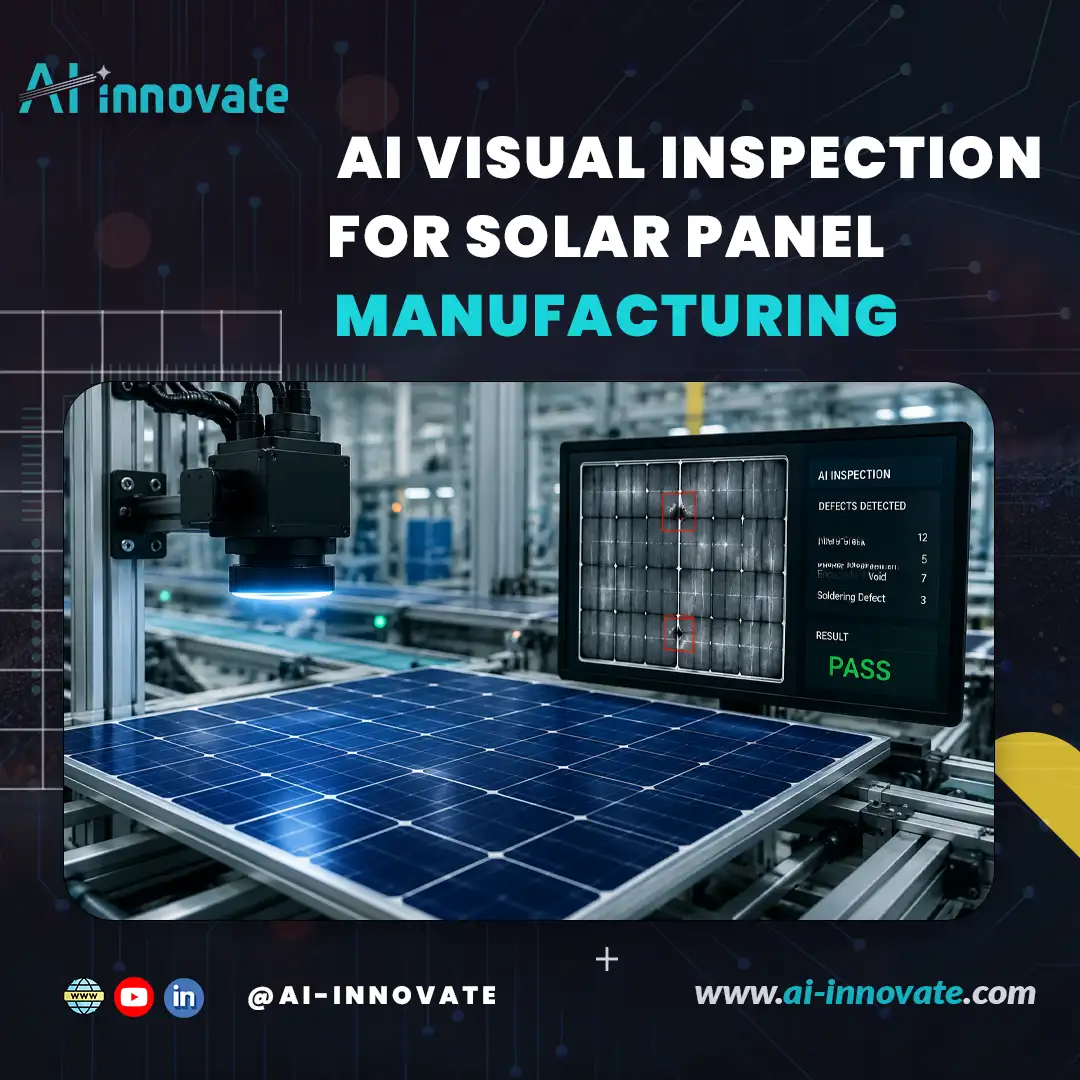
- Aerospace Manufacturing: AI automated inspection systems are widely used to examine turbine and compressor blades. These systems use advanced algorithms to detect micro-cracks, thickness variations, and incomplete coating coverage.
- Power Generation Industry: AI-based inspection is good for gas turbines operating in extreme environments. Detecting defects early saves time on maintenance, reducing downtime and operational risk.
- Materials Research and Development: AI assists researchers by helping them analyze coating performance, identify defect patterns, and correlate them with deposition parameters.
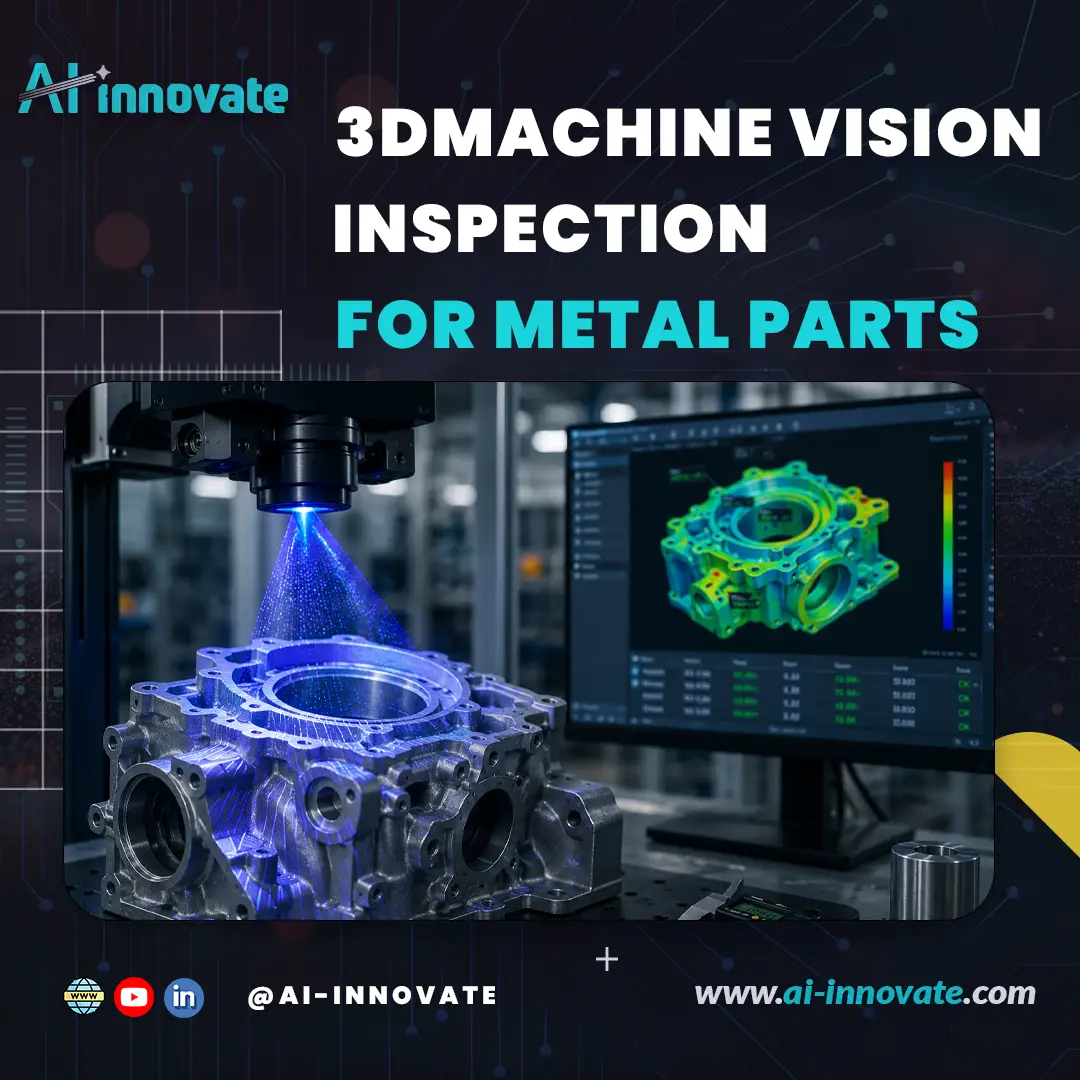
- Advanced Imaging Integration: Modern AI systems combine optical microscopy, 3D surfaces scanning, and thermal imaging for the detection of surface and subsurface anomalies.
- Predictive Analysis: Machine learning models can predict defect formation based on historical coating data and process conditions.
Benefits Over Traditional Inspection
AI inspection offers several advantages compared to traditional methods, including:
- Detecting Micro-Defects That Threaten Hot-Corrosion Resistance: AI can find tiny cracks, holes, or separation that could cause problems with corrosion protection at high temperatures.
- Supports Extreme Environment Reliability: AI ensures that the coatings keep working well in situations like turbine or jet engine conditions, where failure can cause major damage to the blades.
- Optimizes Coating Deposition Processes: By studying how defects appear, AI can adjust the settings for thermal spray and PVD processes for superalloys. This is important because even small changes in how the metal is deposited can greatly reduce how well it resists corrosion.
- Enables Predictive Maintenance of Critical Components: If defects are detected early, maintenance or replacement can be scheduled before high temperatures cause expensive damage.
- Reduces Risk in Safety-Critical Applications: Humans might miss small problems that affect engine safety, but AI can consistently and accurately identify these issues.
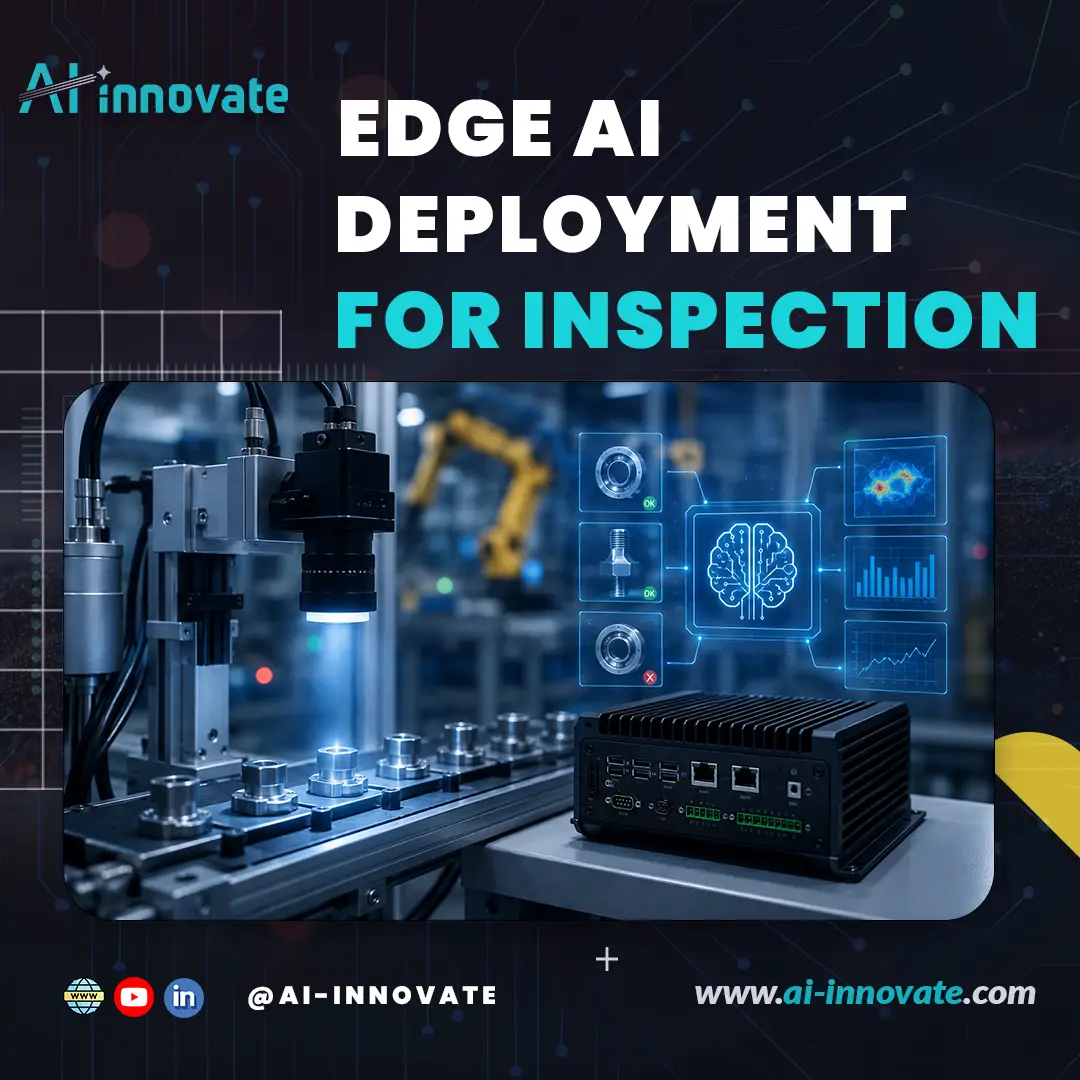
When it comes to high-temperature turbine blades and hot-corrosion-resistant coatings, AI Innovate’s inspection tools are built to handle complex surface challenges. AI2Eye excels at detecting micro-defects and monitoring coating quality using deep-learning vision models, while AI2Cam helps generate and validate visual data for training and testing inspection systems.
Together with the AIxCore platform, these tools let manufacturers set up flexible AI inspection workflows that integrate seamlessly with existing hardware and quality control processes, ensuring safer, more reliable, and longer-lasting nickel-based components.
Limits
Of course, AI isn’t perfect and might face some issues such as:
- Challenges with High-Temperature Coating Surfaces: The way these surfaces are made, how rough they are, and their complex tiny structures make it harder to take good pictures of them and use AI to detect problems.
- Limited Historical Data on Rare Defect Types: These coatings are used in extreme conditions, so some types of defects are rare. This means that the training data for AI may not have enough examples of certain defects.
- High Stakes of Misclassification: In important parts of a turbine, like blades, a missed defect can cause a huge failure. This is why people still have to check the parts, even though there is AI.
- Difficulty Capturing Subsurface Defects: Some defects that affect corrosion resistance are below the visible surface. This means that advanced imaging integration (like X-ray or thermal imaging) is required to detect them. This complicates AI analysis.
AI Innovate: Ensuring Quality for Nickel Blade Coatings
AI Innovate supports manufacturers in ensuring the quality and reliability of hot-corrosion-resistant coatings on nickel blades. Our tools help improve inspection accuracy, process efficiency, and component safety. We assist with:
- Detecting micro-defects and monitoring coating quality using AI2Eye and AI-powered vision models
- Generating and validating visual data for training and testing inspection systems with AI2Cam
- Setting up flexible AI inspection workflows that integrate with existing hardware and quality control processes using the AIxCore platform
Whether you’re inspecting aerospace, power generation, or research components, AI Innovate helps make AI-powered inspection straightforward, accurate, and reliable.
Conclusion
AI has revolutionized how we inspect hot-corrosion-resistant coatings on nickel blades. It finds small defects early, makes the process more reliable, and helps plan maintenance before major issues occur. While there are still challenges, the accuracy, speed, and consistency of AI make it an essential tool for keeping high-temperature components safe, durable, and performing at their best. Without a doubt, AI has secured its place in the future of surface inspection as well.