




If you look at manufacturing throughout the past few years, you see that it looks nothing like it did a decade ago. Even in just the last couple of years, many manual, time-consuming tasks have been handed over to AI and robotics for improved efficiency and stronger control over quality.
This raises a lot of questions and speculations about how AI and robotics are shaping the future of industrial automation, and where humans fit into that future. In this blog, we’ll discuss how AI and robots have transformed industrial automation, how to overcome the challenges of implementing them, and the role of human workforce in the future.

Where AI Is Making the Biggest Impact in Industrial Automation
The main aim with using AI and robotics is to increase efficiency. This effect is seen across many industrial processes, such as:
- Predictive Maintenance: Predictive maintenance uses AI to check equipment and spot the early signs of wear or failure. By studying data from sensors and machines, AI can spot problems before they stop production. This helps to reduce times when the equipment is not being used, make the equipment last longer, and improve planning for repairs or replacements.
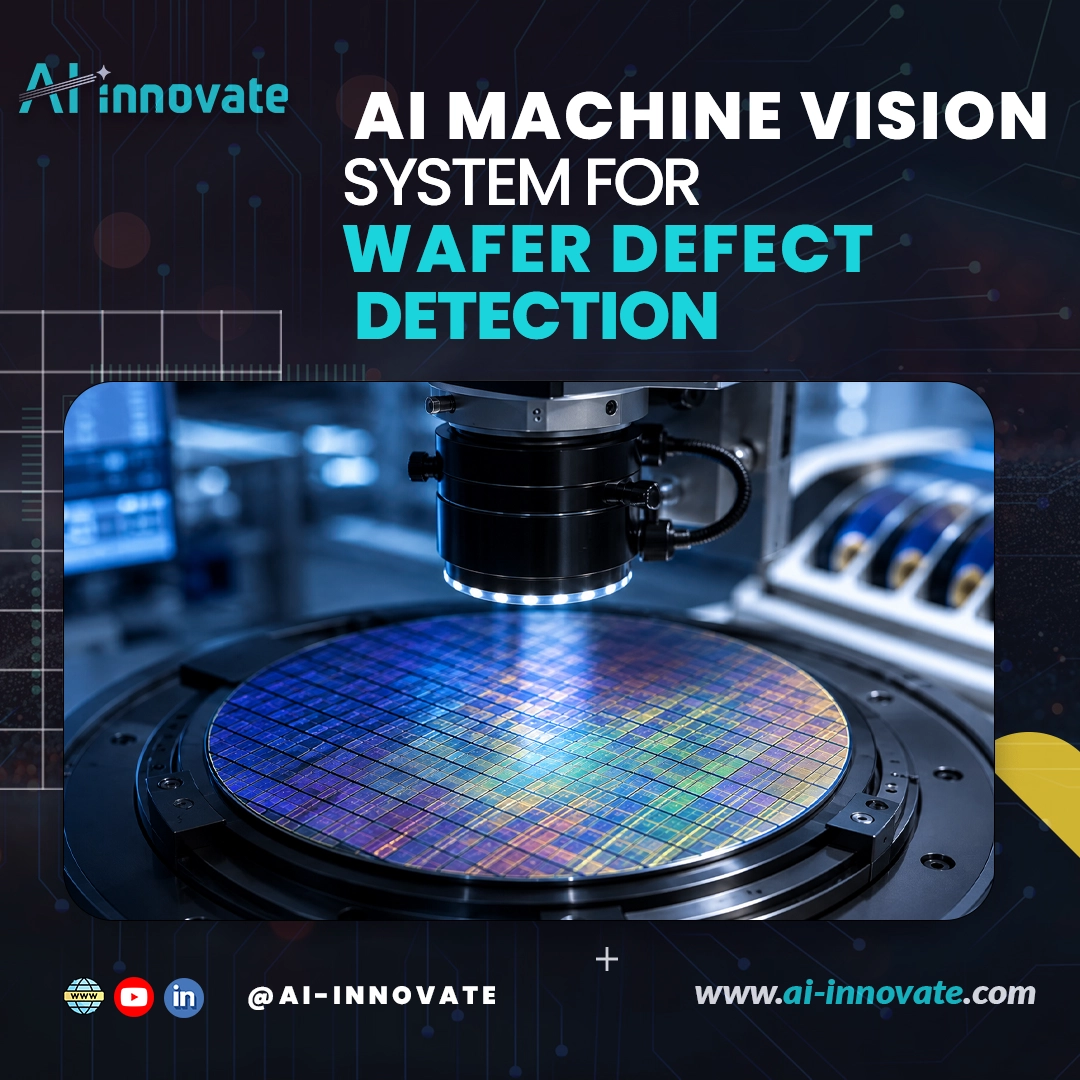
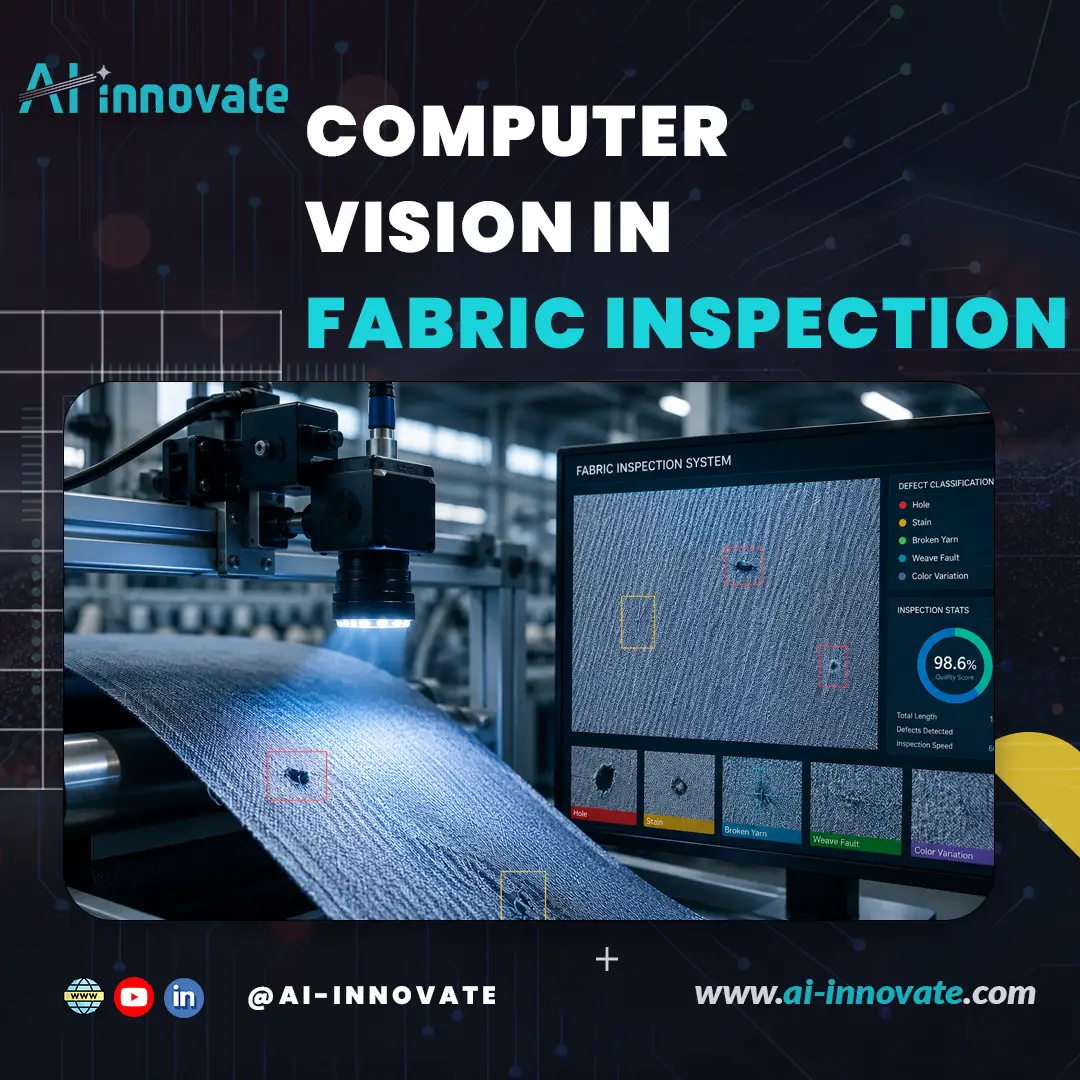
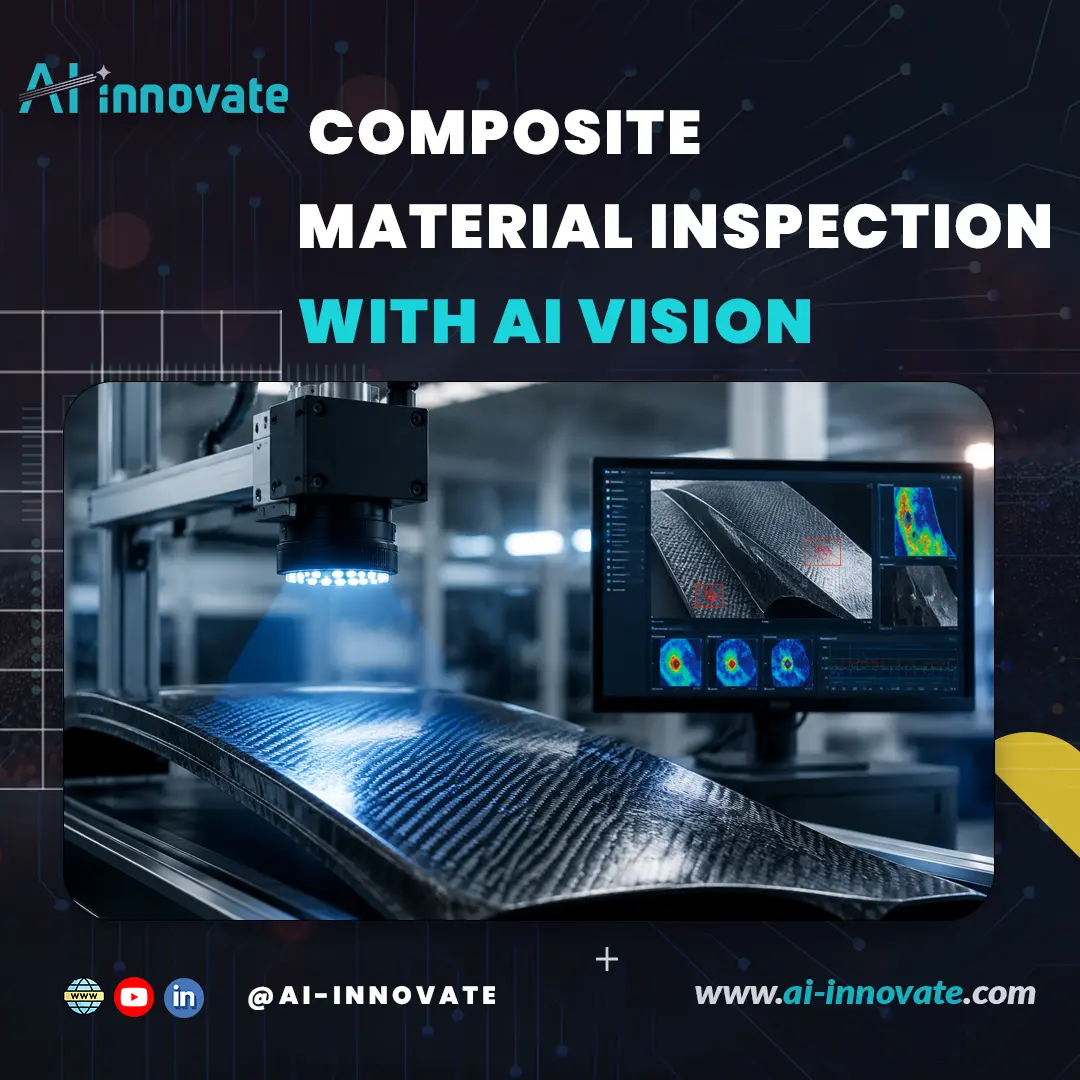
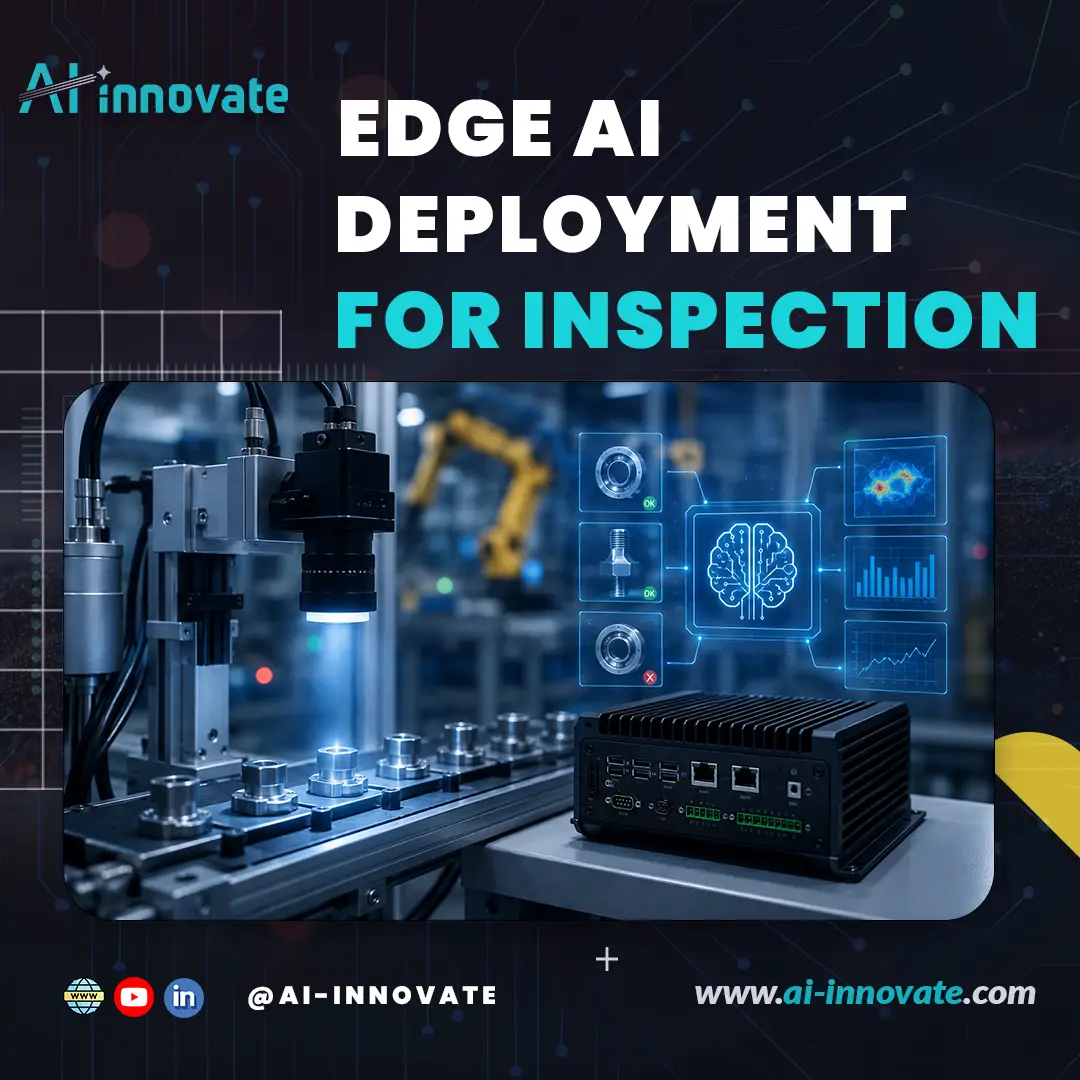
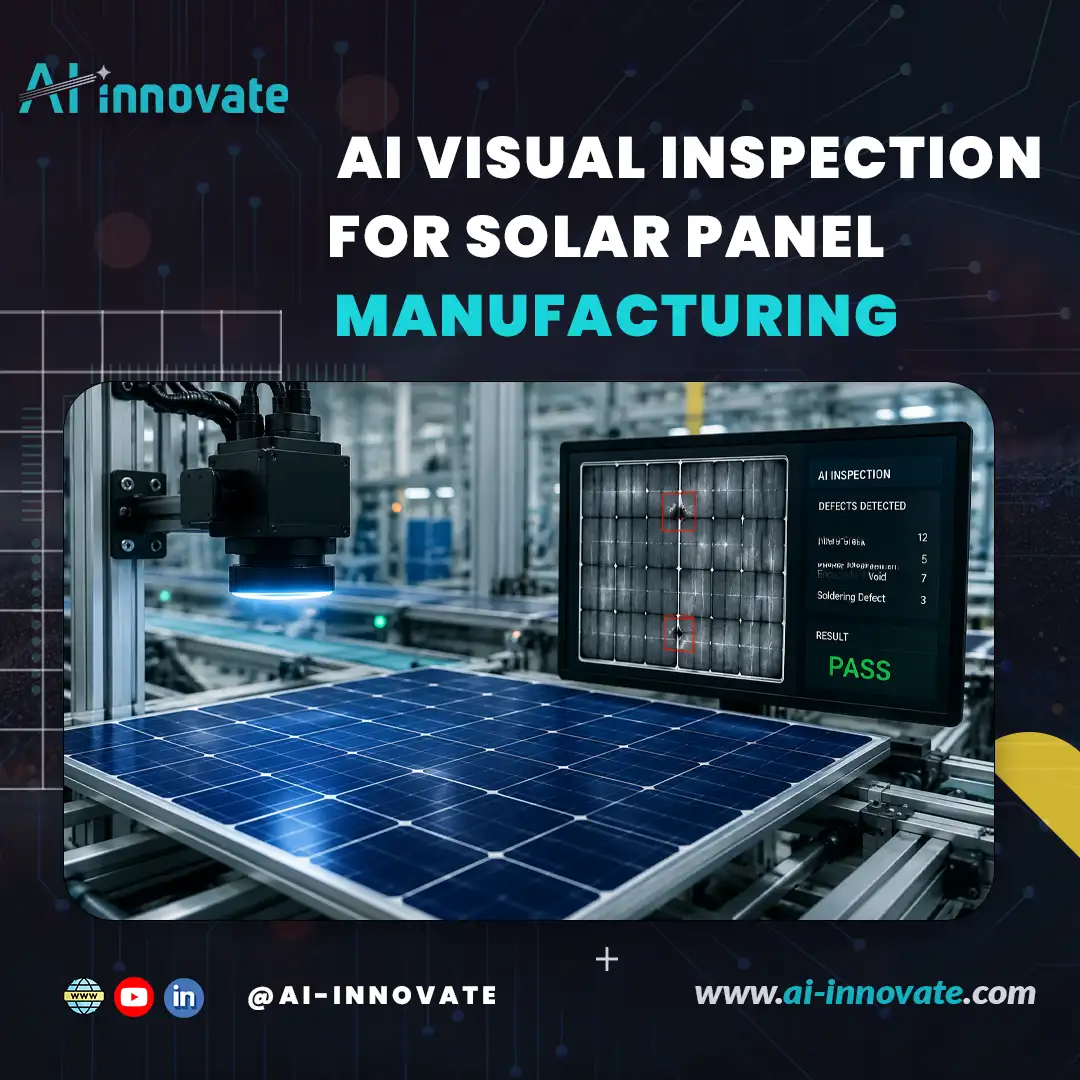
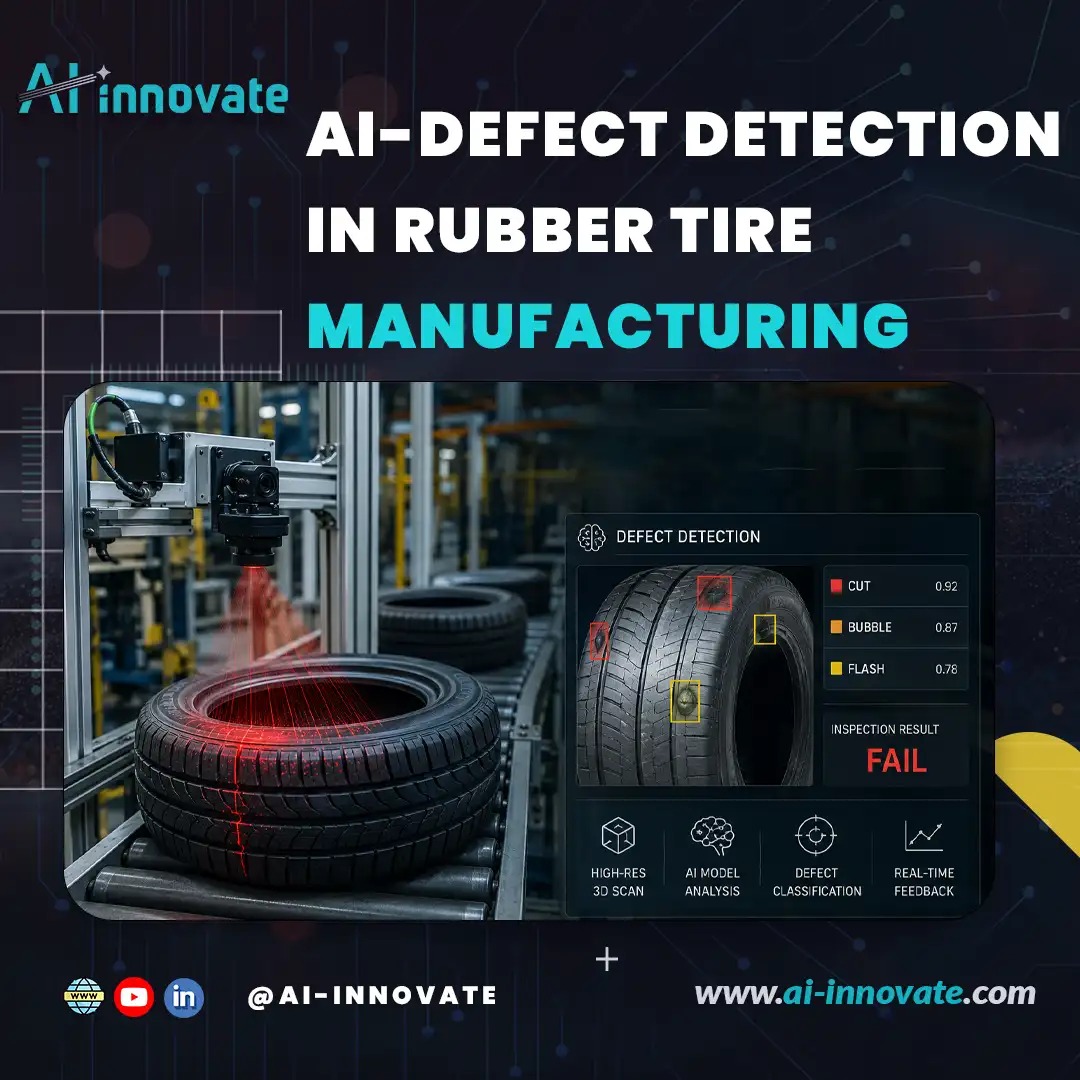
- Quality Assurance and Inspection: AI is being used more and more to help with quality inspection. Machine vision systems can find surface flaws, geometric defects, or problems with how things are put together. They do this consistently, and quickly. Automated inspection helps manufacturers keep products stable and identify mistakes early in the process, reducing the need for rework or to throw away products that are faulty.
- Robotic Process Automation (RPA): RPA is used to automate digital tasks, not physical movements. It can do things like generate reports, schedule tasks, update records, or process routine data. This reduces the amount of work that teams have to do by hand and allows them to focus on tasks that require making decisions or using special skills.
- Supply Chain and Inventory Management: AI predicts demand and keeps an eye on inventory levels as they change. By studying past data, how things were made, and what people wanted to buy, AI can plan and make sure there’s always enough of everything. This helps to make sure that deliveries are more reliable and that production runs more smoothly.
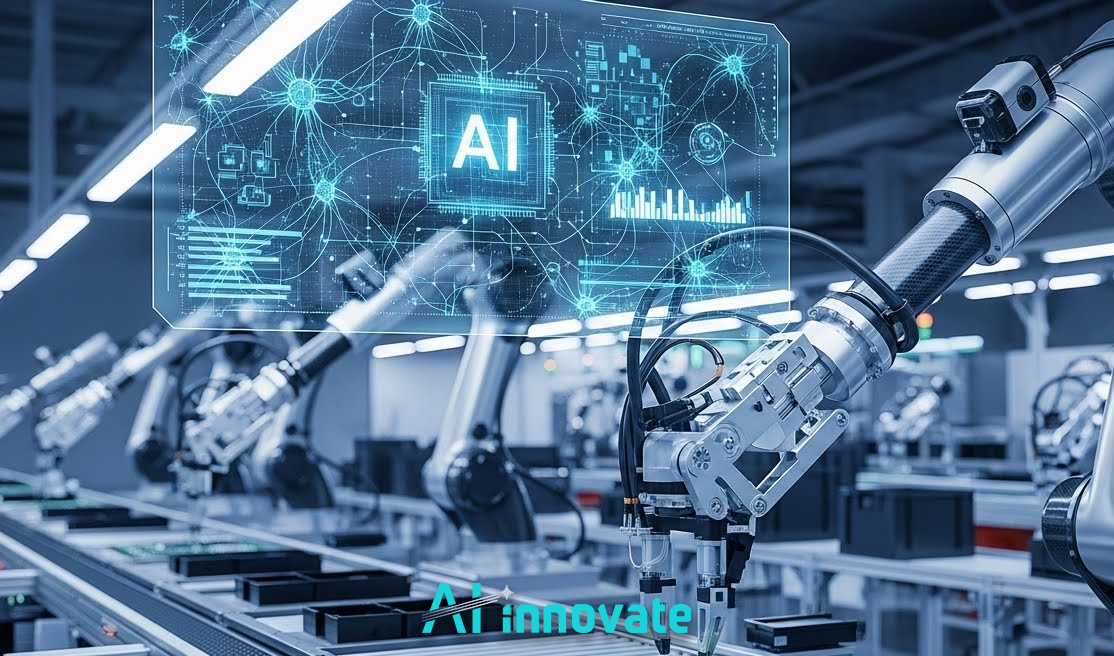
How to Overcome the Main Barriers to Automation
Bringing AI and robotics has its ups and downs, but you’ll have a smoother path if you:
- Adopt a Phased, Incremental Approach: Rather than carrying out a complete overhaul, start by implementing small pilot projects (e.g. predictive maintenance or quality control) to gain experience before rolling them out across the entire operation.
- Leverage Middleware and APIs: Use software solutions to connect old computer systems to new AI platforms. This means that data and commands can flow between systems without having to make big changes to the old infrastructure.
- Prioritize Data Readiness: Make sure you have good ways of managing your data, including cleaning it, making it consistent, and changing it so that it is in the right format for the AI models to use.
- Invest in Workforce Training: Provide full training programms for current staff to give them the skills needed to work with and manage AI-enhanced systems. Being open about whether a job is being done in-house or by an external company can help stop people from being resistant to change.
Can AI and Robots Really Replace Humans?
It’s a common concern nowadays to think that one day, AI is going to steal our jobs and robots will do everything. In reality, AI and robotics only change the way people work rather than replacing them entirely.
While it’s true that AI is strong at analyzing data, detecting patterns, and performing repeatable tasks, and robots excel at handling precise or physically demanding work, human judgement is still very much needed. Even now, jobs that need people to be creative, solve problems, supervise others and do complicated thinking still mostly need people to do them. Most of the time, AI and robots work with people, helping them rather than replacing them.
To harness the full potential of AI in industrial automation, AI-innovate offers solutions like AI2Eye for real-time defect detection and AI2Cam for advanced camera simulation. These tools help manufacturers boost efficiency, improve quality control, and streamline operations, bringing the future of automation within reach today.
Conclusion
AI and robotics are going to shape the future of industrial automation by making operations more efficient, accurate, and predictable. If manufacturers understand what these tools can do and the challenges involved in using them, they can choose how to use them to achieve their goals. I think that if you apply AI and robotics in the right way, they can be a great help with keeping things stable and staying competitive in a manufacturing environment that’s changing all the time. Of course, the power of the human mind shouldn’t be overlooked.
Note: Some graphics and visuals in this post were produced using AI-generated content.