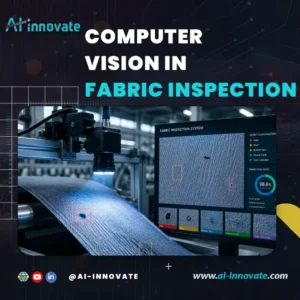





Surface defects are rarely dramatic, but their impact can be. A small scratch, void, crack, or texture inconsistency can lead to rework, or downstream failures. Traditional inspection methods struggle to catch these issues consistently, especially at production speed. This is where AI-driven surface defect detection has become a practical necessity rather than a future concept.
Modern AI models can analyze complex surface textures and detect subtle defects that are difficult for rule-based vision systems or human inspectors to identify. Choosing the right model, however, depends on many factors.
This article breaks down the most effective AI model families used today for surface defect detection in manufacturing and explains where each one performs best.

What Are Surface Defect Detection Models and How They Work in Practice
Surface defect detection models are designed to turn raw production images into clear quality decisions that can be acted on immediately. While the underlying AI can be complex, the operational flow is straightforward and repeatable on the factory floor.
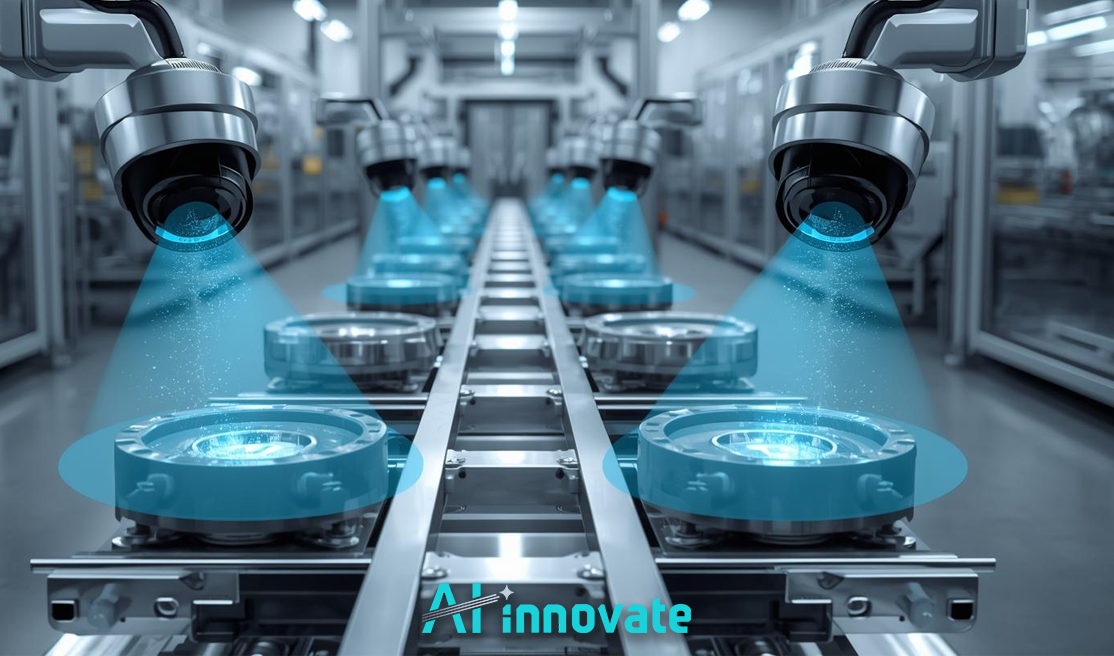
- Image capture on the production line: Industrial cameras continuously acquire images of product surfaces under controlled lighting and fixed viewpoints.
- Visual feature learning: The AI model learns surface textures, edge patterns, and material characteristics that define normal and defective conditions.
- Defect identification and localization: Deviations from learned patterns are detected and highlighted, showing where defects occur and how severe they are.
- Inspection decisions and feedback: Results are translated into pass or fail outcomes, alerts, or automated responses within the production system.
Behind this process, images are cleaned and normalized to reduce noise and lighting variation before analysis. Depending on the model, defects may be identified through classification, anomaly detection, or pixel-level segmentation. The outputs integrate directly with quality systems, enabling AI for process monitoring by linking visual inspection results to broader production behavior and continuous improvement efforts.
Best AI Models for Surface Defect Detection
These Models help manufacturers to identify subtle flaws with speed and consistency. By learning complex texture patterns and material behavior, these models improve inspection accuracy, reduce false rejects, and support reliable, automated quality control at scale. Here are some best Models that used across the industries these days:
Convolutional Neural Networks (CNNs)
Convolutional Neural Networks are the foundation of most surface defect detection systems. They learn hierarchical visual features directly from images, making them well suited for identifying texture changes, edges, and localized defects.
Why CNNs work well
- Strong performance on texture-based defects
- Effective for scratches, dents, pits, cracks, and contamination
- Mature ecosystem with many proven architectures
Common architectures
- ResNet for deep feature extraction
- EfficientNet for accuracy with lower computational cost
- MobileNet for edge deployment with limited hardware
Best use cases
- Metal defect detection
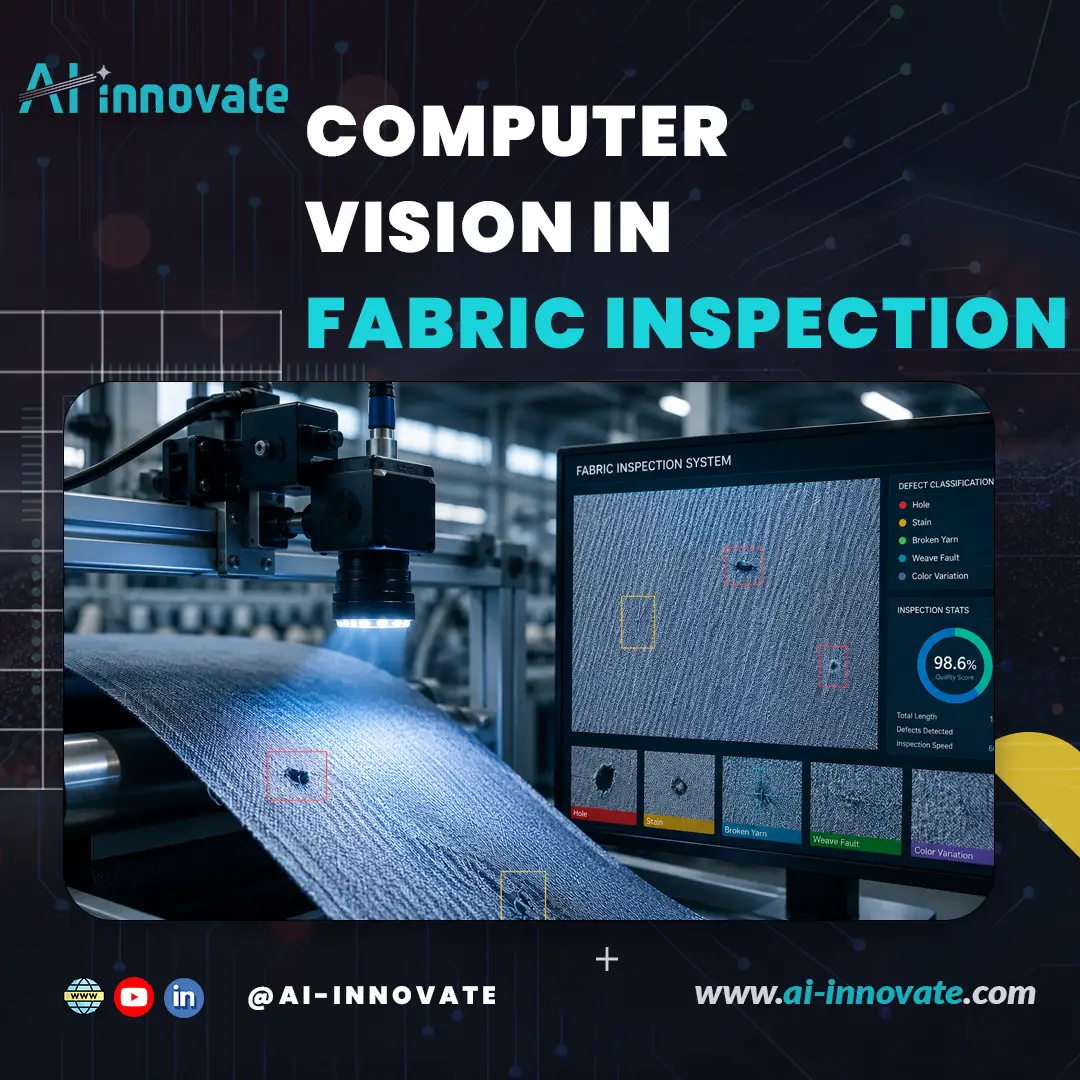
- Fabric and textile defect detection
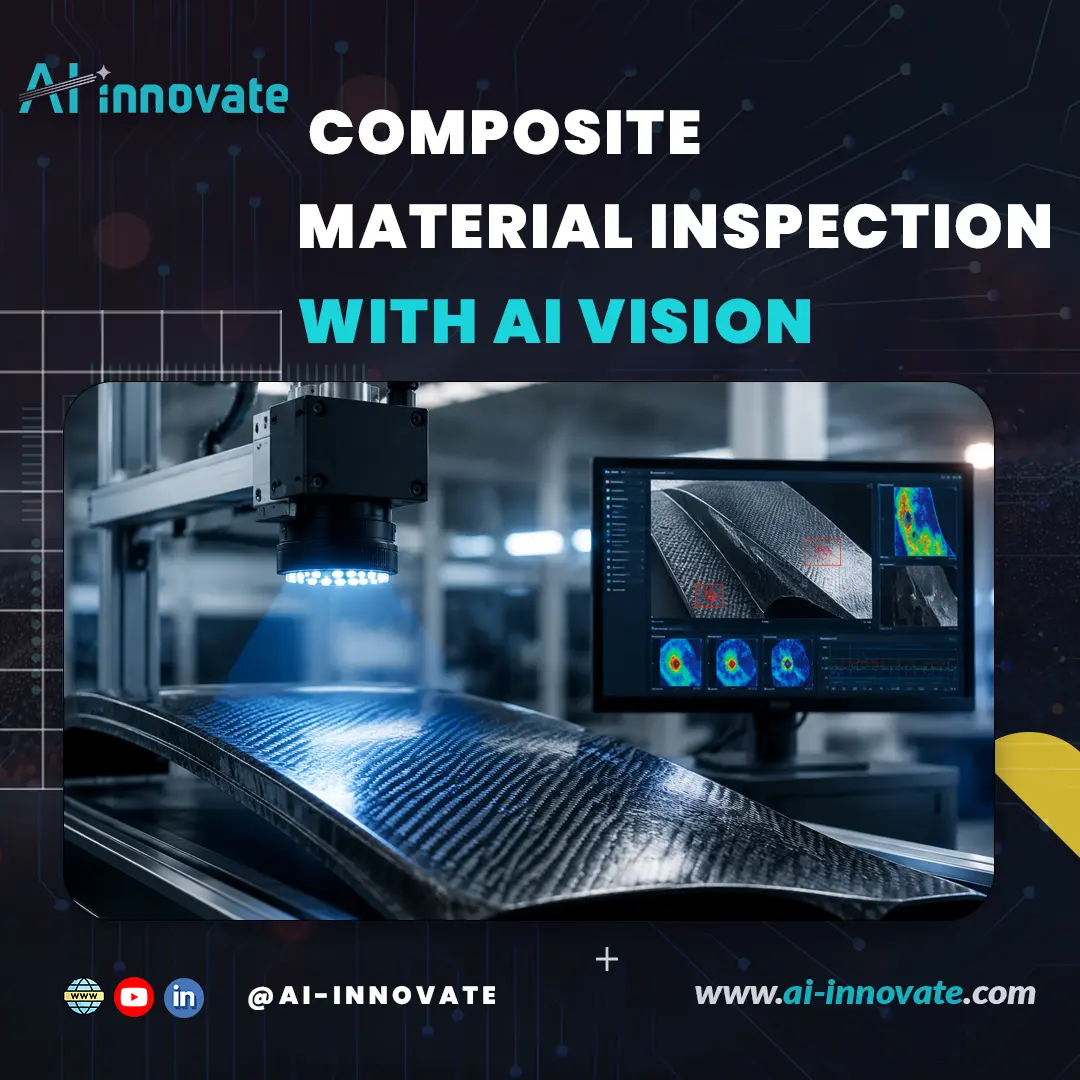
- Plastic and composite surface analysis
CNNs are ideal when labeled defect images are available and inspection conditions are relatively stable.
Autoencoders and Reconstruction-Based Models
Autoencoders detect defects by learning what normal surfaces look like and flagging deviations from that norm. Instead of classifying defects directly, they focus on anomaly detection.
Why autoencoders work well
- Do not require labeled defect data
- Effective when defects are rare or unpredictable
- Suitable for early-stage deployments
Common architectures
- Convolutional autoencoders
- Variational autoencoders
- Patch-based reconstruction models
Best use cases
- New production lines with limited defect data
- High-variability surfaces
- Situations where defect types evolve over time
These models are particularly valuable when manufacturers lack a comprehensive defect dataset.
Vision Transformers (ViT)
Vision Transformers analyze images by modeling long-range relationships rather than focusing only on local patterns. This allows them to capture global structural inconsistencies across a surface.
Why transformers work well
- Strong generalization across different products
- Robust to variations in geometry and layout
- Effective for complex surfaces with contextual defects
Challenges
- Require larger datasets
- Higher computational cost
- More complex deployment
Best use cases
- Electronics inspection
- Printed circuit boards
- Complex assemblies with structured layouts
Vision Transformers are well suited for environments where defects are defined by global context rather than isolated texture changes.
Object Detection Models
Object detection models locate and classify defects within an image. Instead of simply stating whether a defect exists, they show where it is.
Popular models
- YOLO variants for real-time inspection
- SSD for balanced speed and accuracy
- Faster R-CNN for high-precision detection
Why object detection is valuable
- Enables precise defect localization
- Supports automated rejection or repair workflows
- Integrates easily with robotics and PLCs
Best use cases
- Assembly line inspection
- Weld defect detection
- Packaging and labeling verification
These models are ideal when defect position matters as much as detection itself.
Choosing the Right Model for Your Application
There is no single best AI model for all surface defect detection tasks. The right choice depends on:
- material type and surface texture
- defect size and frequency
- available labeled data
- inspection speed requirements
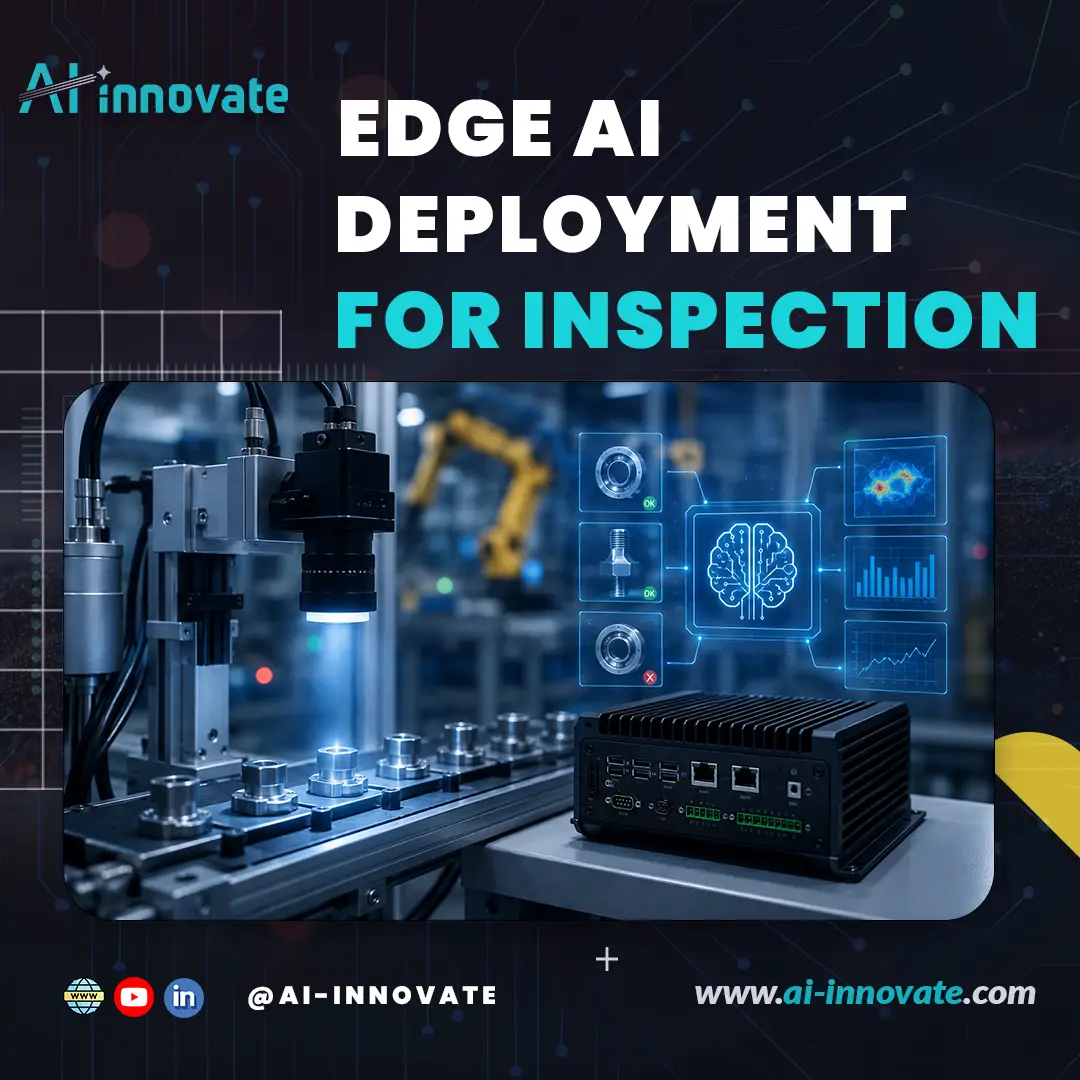
- deployment constraints at the edge
Many manufacturers start with CNN-based or reconstruction-based models and evolve toward hybrid systems as their inspection needs grow.
Ready to Improve Surface Defect Detection on Your Production Line?
Reliable surface inspection requires more than static rules or occasional sampling. AI-innovate helps manufacturers deploy intelligent vision and edge-based analytics that operate directly on the production line and adapt to real process variation.
- Real-time visual inspection at the edge : AI2Eye delivers AI-powered surface inspection directly on the production line, detecting subtle defects as they form and providing immediate pass or fail decisions without dependence on cloud connectivity.
- Scalable AI model development and deployment: AI2Cam enables teams to develop, test, and refine surface defect detection models efficiently, supporting faster deployment across different materials, products, and inspection setups.
- Industrial-grade edge intelligence powered : Aixcore runs inspection and analytics models close to the machines, combining visual data and process signals to deliver low-latency insights that support consistent quality and process optimization.
Discover how AI-innovate’s surface defect detection solutions help manufacturers reduce scrap, improve consistency, and gain deeper visibility into their production processes.