




In modern manufacturing, foresight is not merely an advantage; it is the new standard for operational excellence. The era of manual inspection, with its inherent costs, inconsistencies, and reactive nature, is yielding to a more intelligent paradigm.
At AI-innovate, we architect this foresight, embedding sophisticated machine vision and learning capabilities into practical, real-world industrial applications. This article moves beyond surface-level discussions to explore the specific algorithmic engines and data strategies that power effective AI Techniques for Quality Defect Prediction, offering a technical roadmap for managers and developers aiming to achieve unprecedented levels of precision and efficiency.

From Reactive Corrections to Predictive Excellence
The traditional approach to quality control has always been fundamentally reactive. A defect is produced, identified through post-production inspection, and then corrected. This model inevitably leads to wasted materials, production downtime, and associated costs.
Predictive quality control, however, completely inverts this dynamic. It leverages a continuous stream of real-time data from sources like production-line sensors and Manufacturing Execution Systems (MES) to identify the subtle patterns and precursor conditions that lead to defects before they ever materialize.
The focus shifts from flagging faulty products to ensuring the process itself remains within optimal parameters. The fundamental distinctions between these philosophies can be broken down as follows:
- Point of Intervention: Reactive models intervene after a defect occurs. Predictive models intervene before a parameter deviation leads to a defect.
- Data Utilization: Reactive systems use data for reporting past failures. Predictive systems use historical and live data to forecast future outcomes.
- Core Objective: The former aims to filter out poor-quality items. The latter aims to prevent their creation entirely, optimizing the entire production workflow.
Core Algorithmic Drivers of Prediction
At the heart of any predictive quality system lies a sophisticated algorithmic engine. The effectiveness of these systems is not based on a single, monolithic solution, but rather on the specialized application of various machine learning models tailored to specific data types and tasks. Understanding these core drivers is essential for implementing robust AI Techniques for Quality Defect Prediction. Let’s explore some of the most impactful algorithms in this domain.
Convolutional Neural Networks (CNNs)
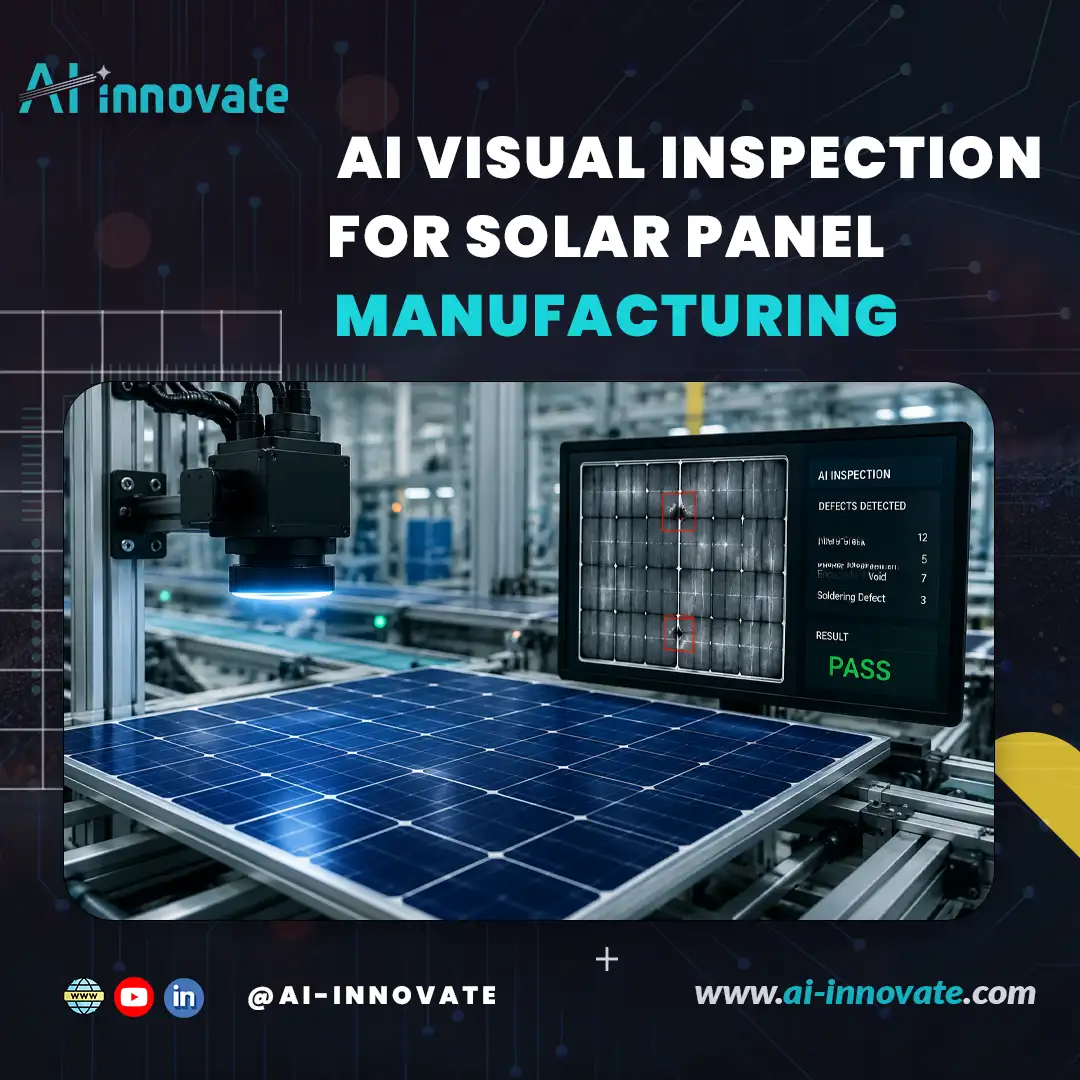
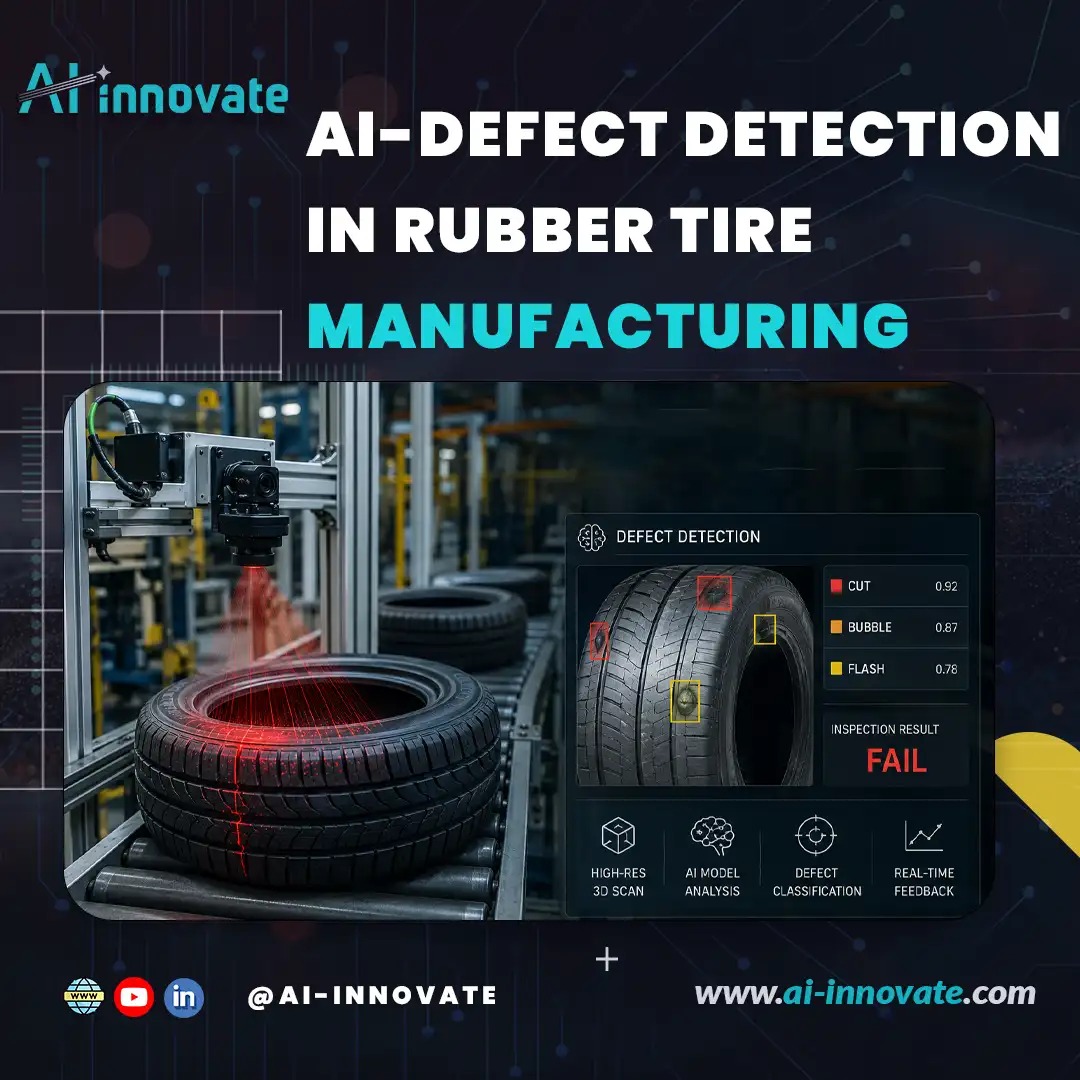
Specifically engineered for processing pixel data, CNNs are the powerhouse behind modern visual inspection. They excel at learning hierarchical features directly from images, making them ideal for tasks that were once exclusively human domains.
- Identifying subtle surface imperfections like scratches, corrosion, or textural inconsistencies.
- Verifying correct component assembly on complex products like Printed Circuit Boards (PCBs).
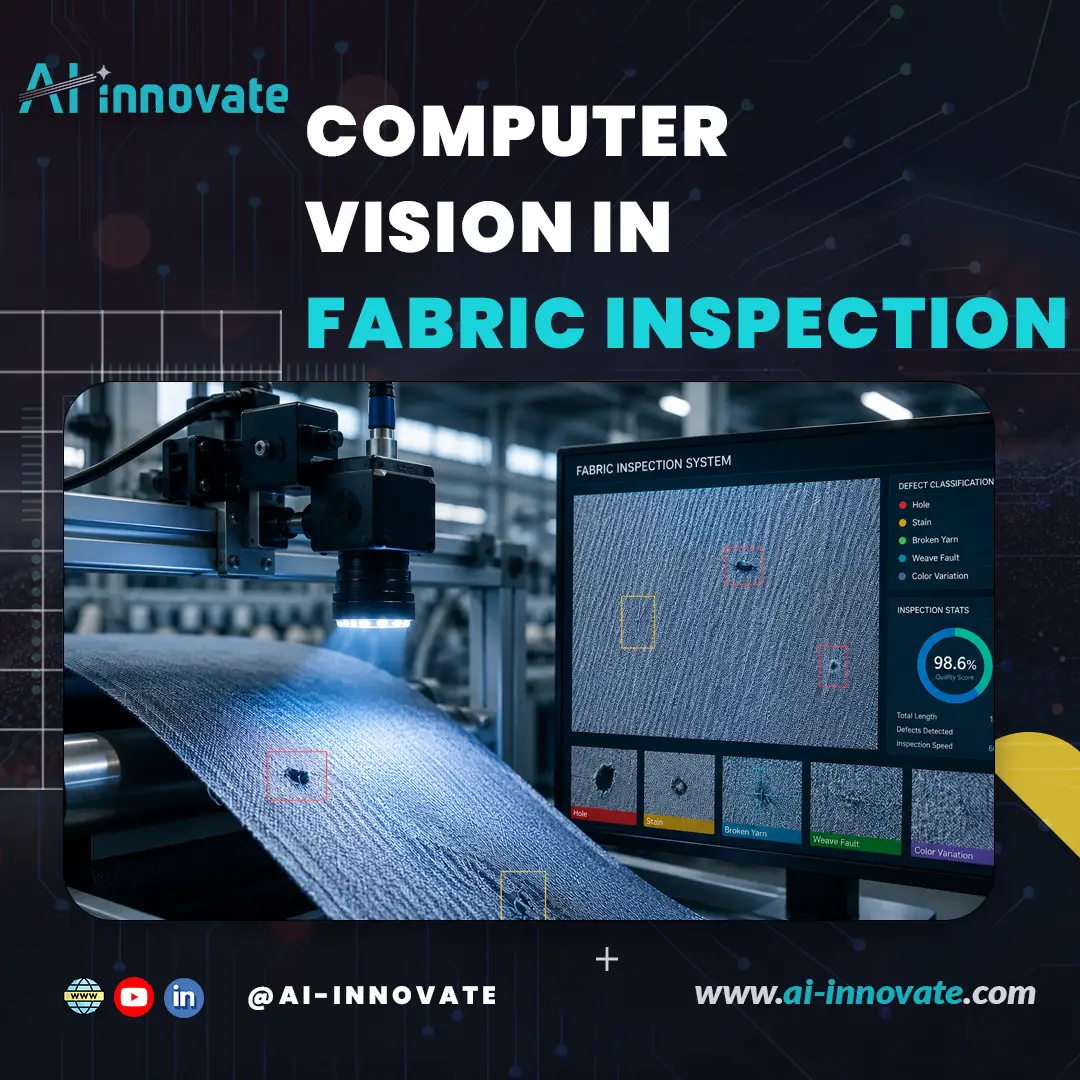
- Classifying defects in continuous materials such as textiles, paper, or sheet metal.
Read Also: AI for Proactive Defect Prediction
Ensemble Methods (Random Forest & XGBoost)
When dealing with structured, numerical data from sensors (e.g., temperature, pressure, vibration), ensemble methods provide exceptional accuracy and interpretability. They combine the outputs of multiple decision trees to make a more robust prediction than any single tree could alone.
- Analyzing structured sensor data to predict process deviations.
- Identifying the most influential production variables that correlate with defect formation.
- Forecasting potential equipment malfunctions before they impact quality.
Autoencoders
These neural networks are highly effective in anomaly detection, particularly in scenarios where data on defective parts is scarce. An autoencoder is trained on images of “good” products, learning to reconstruct them with high fidelity. When a defective item is presented, the network’s inability to reconstruct it accurately flags it as an anomaly.
- Detecting rare or previously unseen defect types.
- Establishing a baseline for quality in highly uniform production processes.
The Centrality of Multi-Source Data Fusion
An algorithm is only as intelligent as the data it learns from. The most powerful predictive quality systems are those that achieve a holistic view of the production environment by fusing data from disparate sources.
Relying solely on visual inspection or sensor readings provides an incomplete picture. By integrating multiple data streams, models can uncover complex, cross-domain correlations that are impossible for human analysts to detect.
For example, a minor fluctuation in machine temperature, when correlated with a specific raw material batch from the MES, might be identified as the root cause of a subtle visual defect. This fusion creates a rich, contextualized dataset that dramatically elevates predictive accuracy.
| Data Source | Information Extracted for Quality Prediction |
| High-Resolution Cameras | Surface texture, component presence, color fidelity, defects |
| Environmental Sensors | Temperature, humidity, vibration, pressure readings |
| Machine Control Systems | Spindle speed, feed rates, power consumption patterns |
| MES & ERP Logs | Raw material batches, operator IDs, shift schedules, recipe data |
Deep Learning in Visual Anomaly Detection
While traditional machine vision has served industry for decades, it often struggles with variability. Its rule-based systems are brittle, requiring extensive manual reprogramming for new products or even slight changes in lighting conditions.
Deep learning fundamentally transforms this landscape. Instead of being explicitly programmed, a deep learning model learns to identify defects from example images. This approach, which underpins the most advanced AI Techniques for Quality Defect Prediction, offers remarkable flexibility and precision.
A key advantage is its ability to perform “few-shot learning,” achieving high accuracy with a surprisingly small number of training images, sometimes as few as 20-30 samples are sufficient to establish a robust quality baseline. Let’s compare the two approaches.
| Criterion | Traditional Machine Vision | Deep Learning Inspection |
| Feature Engineering | Manual; requires expert programming | Automatic; learned from data |
| Adaptability to Variability | Low; sensitive to environmental changes | High; robust to changes in lighting & texture |
| Handling Complex Defects | Limited to pre-defined rules | Excellent; can identify novel and ambiguous flaws |
| Required Defect Data | Requires large, diverse libraries | Can learn from few examples (“anomaly detection”) |
Bridging Development Gaps with Simulation
For the machine learning engineers and R&D specialists tasked with building these sophisticated systems, the development cycle itself presents significant hurdles. Prototyping and testing new models has historically been tethered to physical hardware, creating logistical bottlenecks and inflating costs.
Acquiring and configuring specialized industrial cameras for various testing scenarios can delay projects by weeks. This reliance on hardware not only slows innovation but also limits the scope of testing and makes remote collaboration difficult.
Here, the concept of simulation becomes a strategic enabler. By utilizing a virtual camera or camera emulator, development teams can decouple software innovation from hardware constraints.
This software-centric approach allows engineers to rigorously test their models across countless simulated camera types, resolutions, and lighting conditions right from their workstations, dramatically accelerating the development lifecycle for new AI Techniques for Quality Defect Prediction.

Engineer Your Quality Control Future
The journey from reactive fixes to predictive control requires a new class of tools, designed for both the factory floor and the development lab. At AI-innovate, we address both sides of this equation.
For operations leaders and QA managers facing the high costs of manual error, our ai2eye system provides real-time, in-line defect detection and process optimization, turning production data into actionable intelligence.
For the technical teams building the next generation of machine vision solutions, our ai2cam camera emulator provides the critical simulation environment needed to accelerate innovation and reduce development overhead.
Our solutions are built to solve concrete industrial challenges with intelligent, practical technology. If your goal is to enhance manufacturing efficiency and product quality, contact us to schedule a specialized consultation and explore how we can architect a solution for you.
Conclusion
The migration toward predictive quality control represents a pivotal operational evolution, driven by intelligent algorithms and fused data. This shift moves enterprises beyond mere defect detection to a state of process mastery. It acknowledges that true efficiency is achieved not by catching mistakes, but by creating an environment where they are systematically prevented. Implementing advanced AI Techniques for Quality Defect Prediction is no longer a futuristic vision; it is a tangible, strategic imperative for achieving competitive dominance in today’s demanding industrial landscape.
Note: Some graphics and visuals in this post were produced using AI-generated content.