




In many factories, problems are seen as one-time events instead of signs that something might go wrong. Small surface imperfections, minor inconsistencies, or temporary problems are often seen as normal. Over time, these issues build up and slowly start to affect the production results, making it hard to figure out exactly what is causing them.
The real problem is not that defects occur. They are usually detected after the materials have been used, the processes have been finished, and the value has already been lost. If defects are not found during inspection, they can spread and affect how many products are made, how stable those products are, and how confident customers are in the product.
This is important because quality control is about more than just rejecting bad parts. It directly affects how profitable a business is, how well it can function, and how much it can produce without increasing risk.
This article will teach you how much missed defects cost manufacturers, why traditional inspection methods can’t catch them, how AI-driven quality control changes how much it costs to find defects, and how modern inspection strategies help protect both quality and profit.
Missed Defects Hidden Costs Lost Profit.
Missed defects quietly drain profitability through rework, scrap, downtime, and customer returns. Discover how early detection and AI-driven quality control protect margins, brand reputation, and long-term operational performance.

How Defects Turn Into Profit Loss
The financial impact of missed defects rarely appears as a single line item. Instead, it spreads across the operation.
Missed defects lead to:
- Yield loss as defective parts advance through multiple stages
- Increased rework that consumes labor and capacity
- Production interruptions once problems are finally identified
- Elevated warranty, recall, or customer return costs
Also, if there are defects that are missed, it can make it hard to trust the process. To deal with this, teams start using more cautious standards, doing extra checks, or taking longer to complete their work. These defensive measures protect quality, but they reduce profitability over time.
This is when finding problems becomes a business problem, not just a technical one.
Why Traditional Inspection Struggles to Catch Them
The usual inspection methods weren’t made for today’s production conditions.
When inspectors do the job manually, they can get tired, and their judgment can vary. This can also lead to inconsistencies because different people do the job at different times. Rule-based vision systems depend on predefined criteria that don’t work well when surfaces, lighting, or materials are different. The way we choose samples assumes that defects are spread out evenly, but this is rarely the case.
As a result, inspection focuses on outcomes rather than behavior. Defects are found after they occur repeatedly, not when they first emerge. This limits the effectiveness of defect analysis techniques and delays corrective action.
In environments where a lot of products are made quickly, these limits create areas where problems can’t be seen.
How AI Changes the Economics of Defect Detection
AI changes the way inspections are done. It goes from being a fixed, one-time review to an ongoing process that learns and adapts.
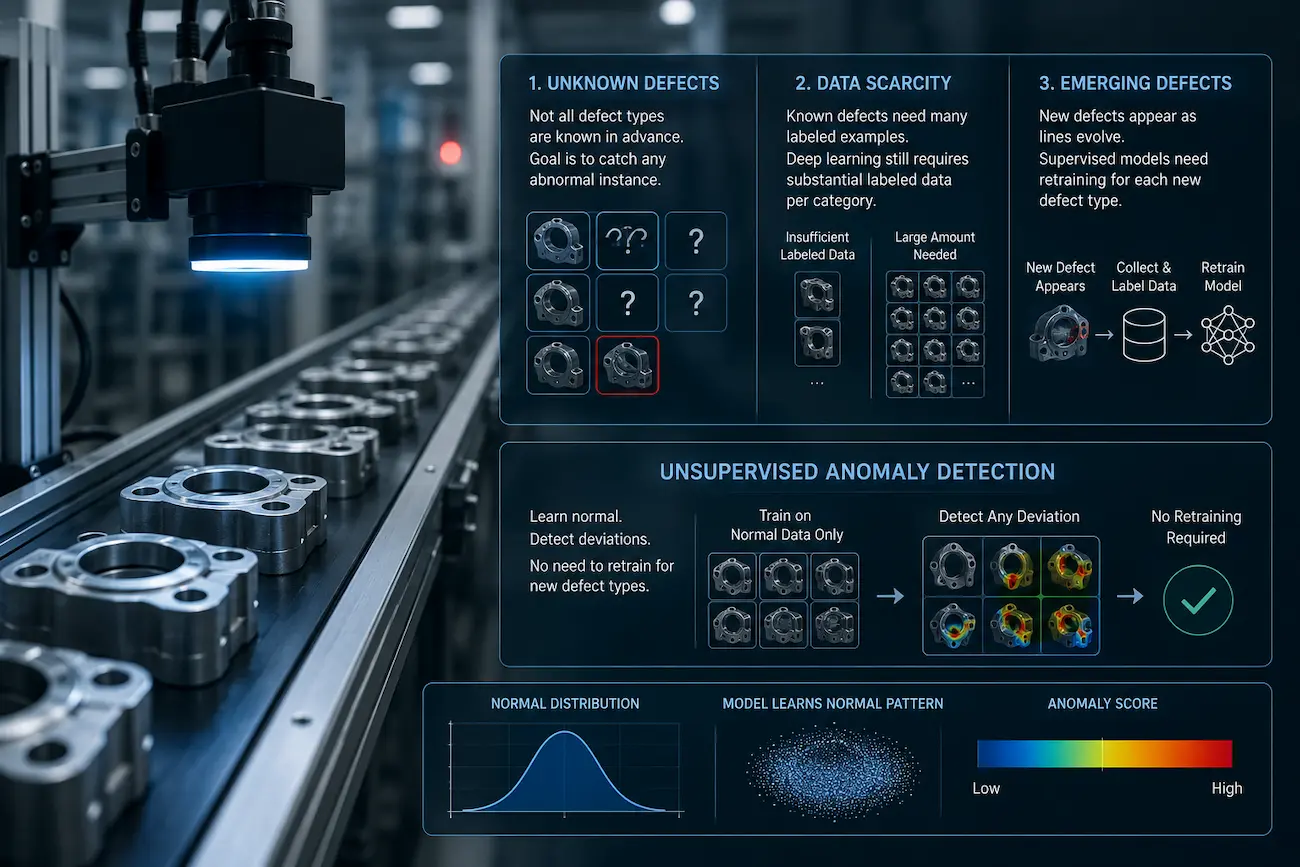
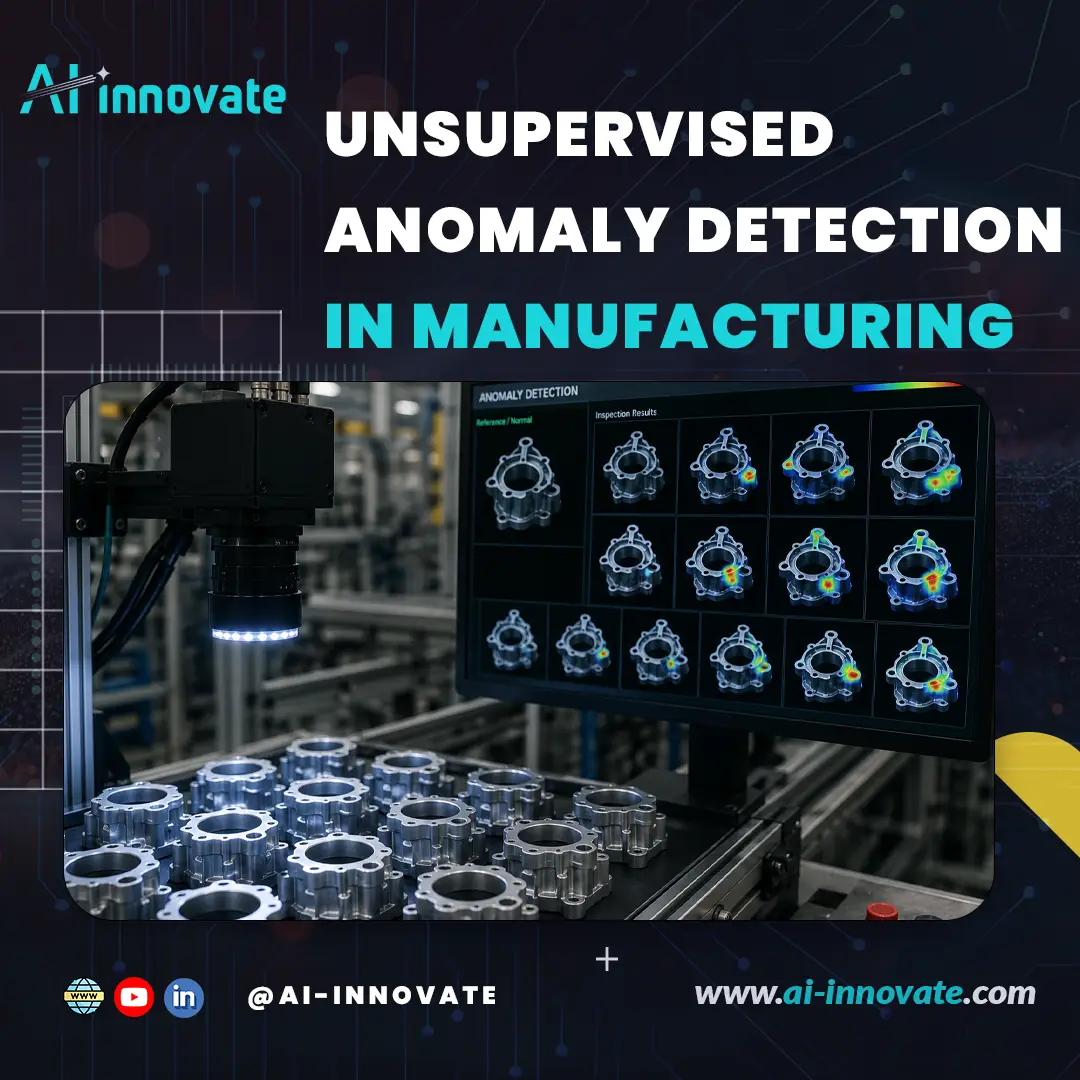
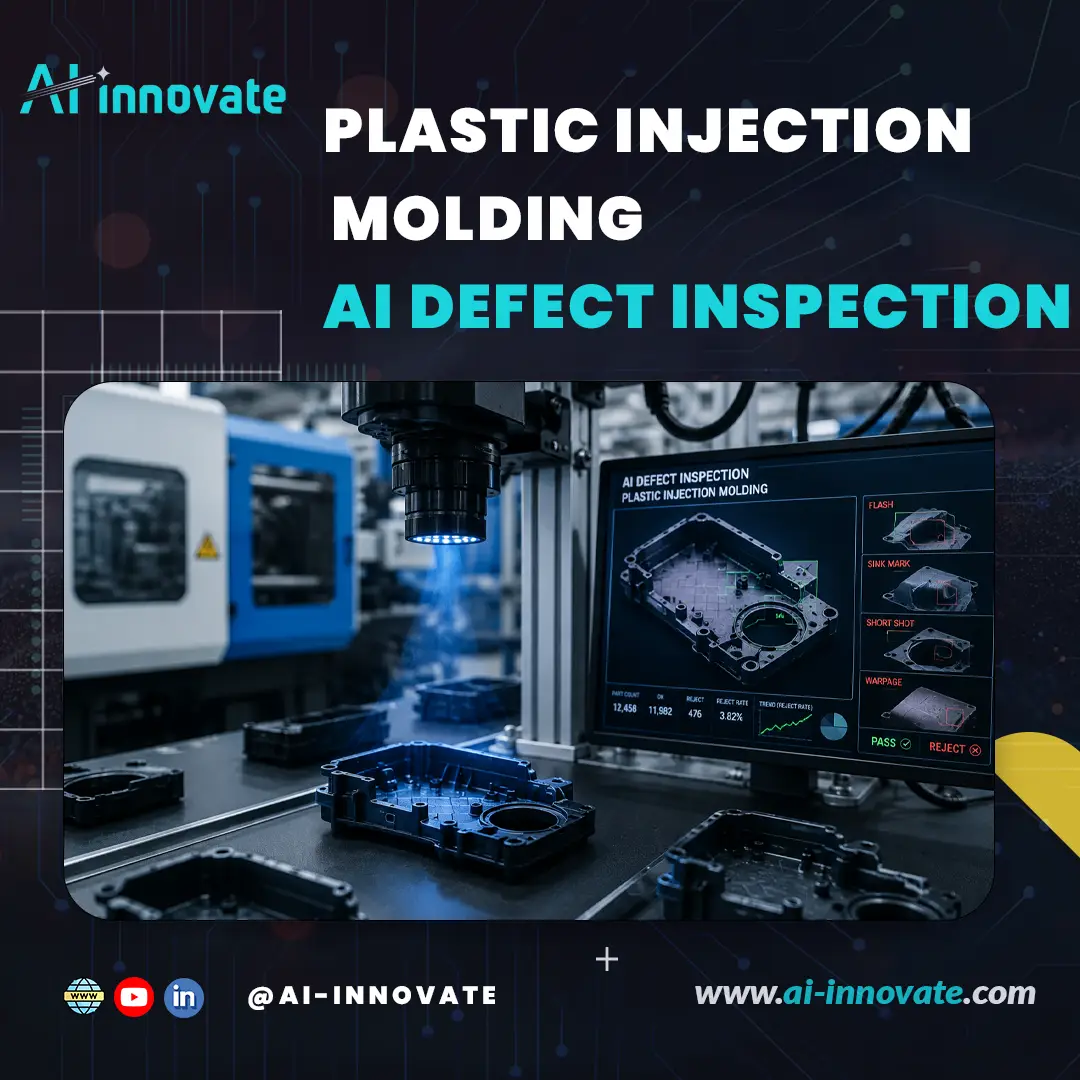
Machine learning in quality control helps inspection systems understand what normal production looks like, even when there is variation. Instead of searching for predefined defect shapes, models identify deviations from expected patterns.
When paired with machine vision for defect detection, AI enables:
- Continuous inspection at production speed
- Higher consistency across products and batches
- Earlier identification of subtle surface changes
This helps manufacturers find defects while production is still running. Instead of asking if a part passes, teams can ask if a process is off-center.
This change will affect the cost of quality control.
- Read Also:
Where Missed Defects Have the Greatest Impact
The cost of missed defects is most pronounced in surface-critical and high-value manufacturing.
Examples include:
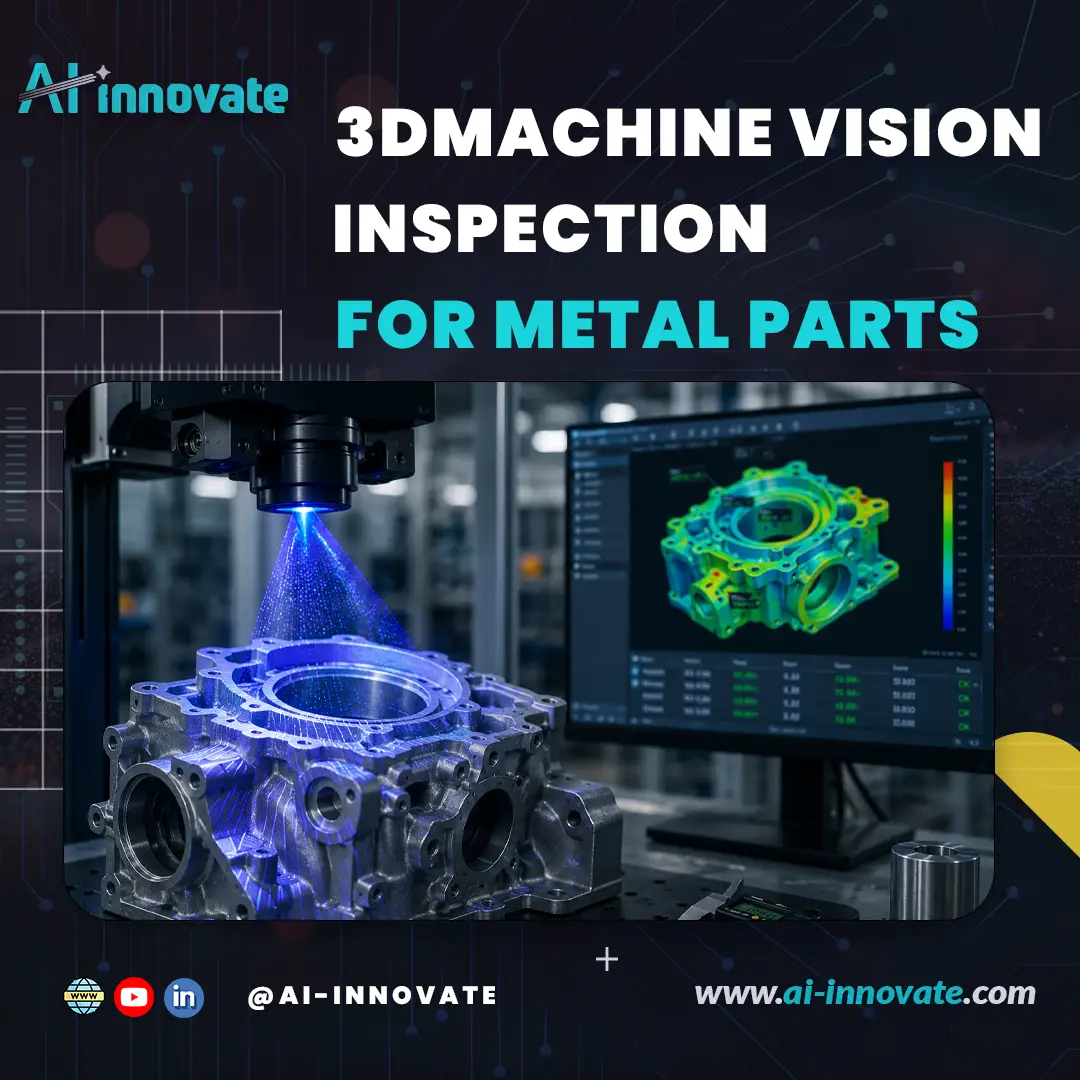
- metal defect detection in machined or coated components, where late discovery drives scrap and rework
- fabric defect detection using image processing, Where there are differences in large production runs.
- High-precision manufacturing where surface integrity affects performance and lifecycle reliability
Across these environments, delayed detection reduces the ability to isolate root causes and increases operational risk.
How to Get Started With Smarter Defect Detection
A smart way to check things is done in a step-by-step way.
First, manufacturers define critical defect types and inspection objectives. Next, representative image and process data is collected across normal operating conditions.
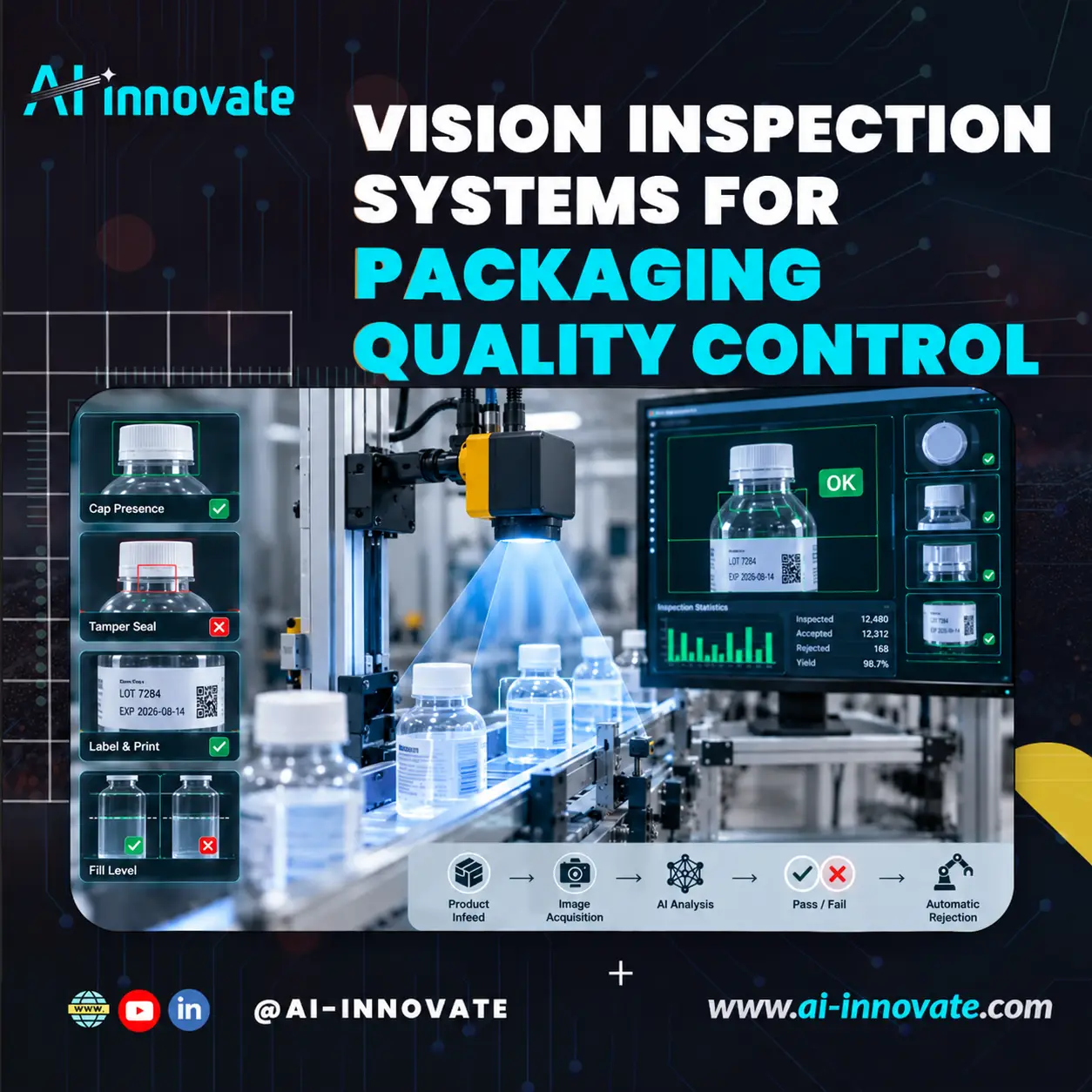
AI2Cam supports this phase by emulating cameras, lighting, and defect scenarios, allowing inspection models to be developed and validated before deployment. Once validated, AI2Eye enables Automated visual inspection directly on the production line, delivering real-time results.
AIXCore provides the edge intelligence needed for low-latency processing, system coordination, and long-term performance monitoring. Together, these components support AI for quality assurance without disrupting production stability.
Conclusion
Missed defects are costly because they stay undetected long enough to affect influence yield, efficiency, and customer trust. Traditional inspection methods can’t deal with this challenge in complex, fast-moving production environments. This means that problems with quality often show up only after the company has lost a lot of money because of them.
From my experience working with industrial AI systems, the most effective manufacturers are those that treat defect detection as a way to constantly improve rather than as a final step. As defect detection becomes a more important part of production monitoring, the most important thing is getting insights and responding faster. That change helps protect profits not by checking more, but by understanding processes better.
Sources
Ai-Innovate uses only high-quality sources, including peer-reviewed studies, to support the facts within our articles.
- Government of Canada. (2024). Advanced Manufacturing and Digital Technologies
Overview of how digital inspection, automation, and AI are improving quality, productivity, and competitiveness in manufacturing.
Retrieved from canada.ca - Innovation, Science and Economic Development Canada. (2023). Artificial Intelligence and the Future of Manufacturing
Explains the role of AI in production monitoring, quality control, and operational efficiency across industrial sectors.
Retrieved from ised-isde.canada.ca - National Research Council Canada. (2023). Digital Technologies for Industrial Quality and Materials Manufacturing
Discusses AI-enabled inspection, sensing technologies, and data-driven approaches to improving manufacturing quality systems.
Retrieved from nrc.canada.ca
FAQ
What types of defects are most commonly missed by traditional inspection systems?
Subtle surface variations, intermittent anomalies, and process-related defects that do not match predefined rules are often missed, especially in variable or high-speed production environments.
How early in the production process should defect detection occur?
Defect detection is most effective when placed as close as possible to the point of formation. Early detection allows manufacturers to intervene before defects propagate downstream and increase cost.
Can AI-based inspection support root cause analysis, not just defect detection?
Yes. By correlating detected defects with process conditions, AI inspection systems provide data that helps identify patterns, trends, and potential root causes rather than just flagging defective parts.