




Manufacturing is becoming smarter as factories leverage data, automation and connected systems to improve production. Rather than relying solely on manual checks or fixed machines, modern production lines now use smarter tools that can monitor processes in real time.
This is where object detection comes in. Put simply, object detection is a technology that identifies items in an image or video and determines their location. In manufacturing, this is important since better visibility leads to higher product quality, fewer errors, and more efficient production.
In this blog , we cover what object detection is, how deep learning makes it possible, and how this technology is used in real factory environments.
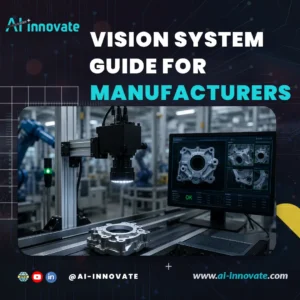
Smarter Industrial Vision, Powered by Object Detection
Detect defects in real time, automate inspection, and improve accuracy with AI-driven machine vision systems.

What Is Object Detection?
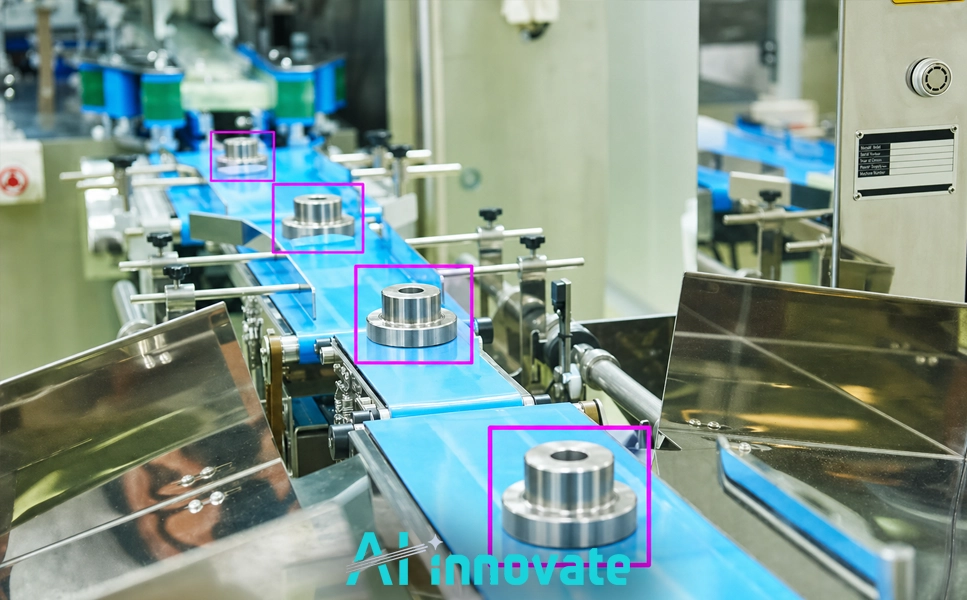
Object detection is a form of computer vision that can do more than just recognise the contents of an image. It can also identify the location of an object within a picture or video frame.
This is different from basic image recognition. For instance, image recognition might inform you that there is a tool in the image. Object detection can identify that the tool is a screwdriver and show where it is placed.
In manufacturing, this same concept can be employed to monitor products, tools and production steps with greater precision.
What Is Deep Learning?
Deep learning is a type of AI that learns patterns from large amounts of data, particularly images and videos. Rather than being given specific rules to follow, a deep learning system is trained using many examples so that it can recognise different objects or conditions.
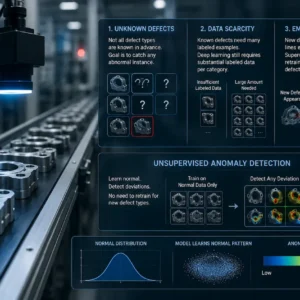
This differs from older computer vision systems, which often relied on hand-written rules. These systems might be instructed to identify a particular shape, edge, size or color. This approach could work well in controlled settings, but it often became problematic when lighting conditions changed, products appeared slightly different, or the environment became more complex.
Main Uses of Object Detection in Manufacturing
Object detection can support the manufacturing process in a number of practical ways. As well as being useful for identifying product defects, it can be used to monitor operations, track parts and improve safety.
Quality Inspection
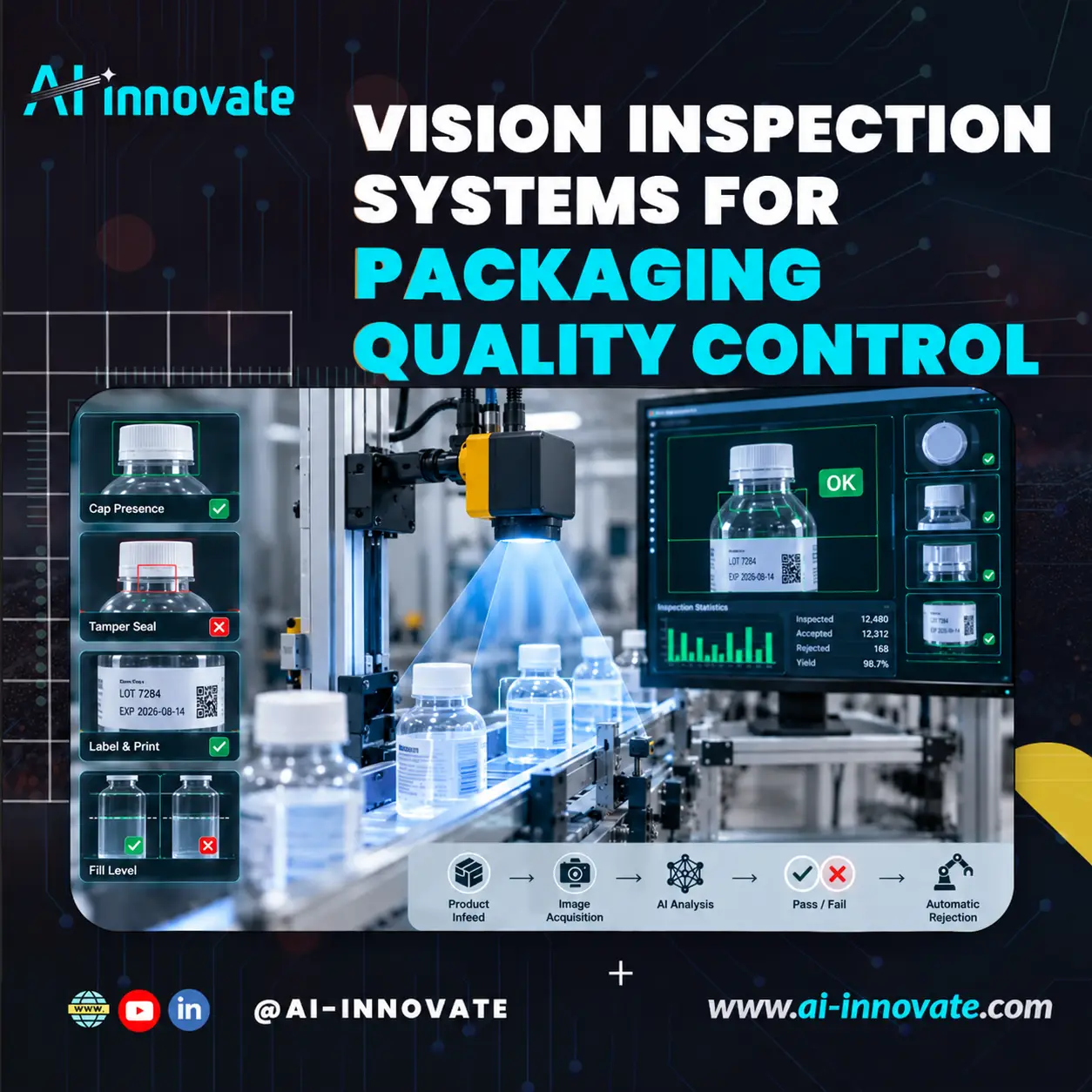
One of the most common applications of object detection in manufacturing is quality inspection. Vision systems can detect:
- Missing parts
- Visible defects
- Scratches
- Dents
- Alignment issues
This enables problems to be identified earlier in the process, rather than waiting until the final inspection.
Consequently, manufacturers can reduce waste, improve consistency and prevent defective products from being released.
Process Monitoring
Object detection can also be used to monitor production steps and ensure they’re completed correctly. This is useful when a process involves a specific sequence of steps that must be followed.
For instance, the system can verify whether a part has been placed correctly, whether a component has been inspected, and whether a worker has completed all required actions in the correct order.
Tool and Part Identification
In a busy production environment, it’s crucial to confirm that the correct tools and components are used at the appropriate time. Object detection systems can recognise tools, components and materials in real time.
These systems can support faster sorting, improve part tracking and guide assembly processes.
Safety and Compliance
Object detection can also help manufacturers verify that procedures are being followed correctly. This can support workplace safety, process compliance and operational standards.
Vision systems, for example, can confirm whether a required action has taken place, whether a restricted area is clear, or whether materials are being handled correctly.
This Topic might also interest you :
Why Deep Learning Has Become So Important
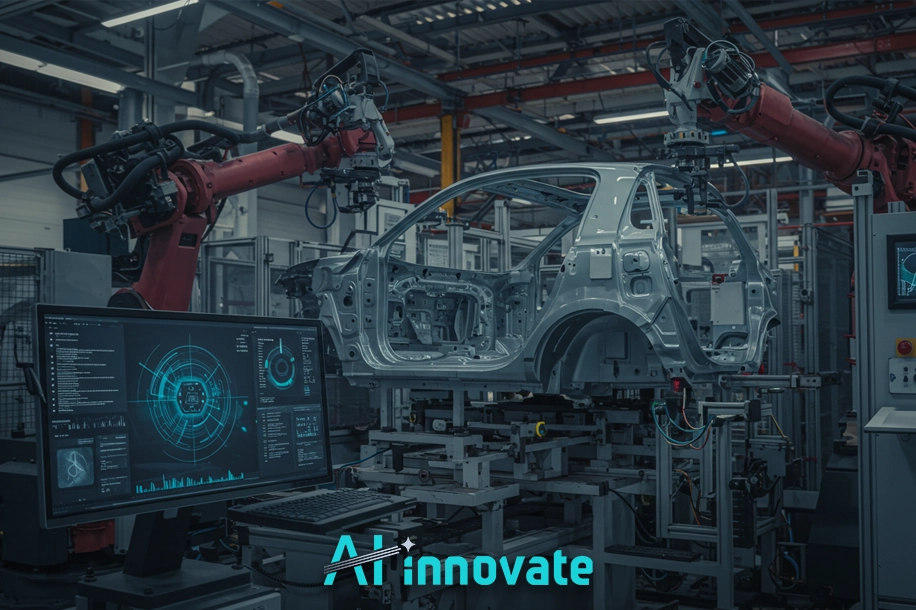
Deep learning has become particularly important in manufacturing because it learns directly from images rather than relying on manually designed rules. This makes it more adaptable to real factory environments, where products, lighting and conditions are not always perfectly controlled.
It also performs better in complex situations. For example, a deep learning model can often detect objects and patterns when there is overlap, movement, inconsistent backgrounds, or variation from one product to the next.
Another reason is scalability. Once manufacturers have successfully implemented AI vision, they often wish to apply it to more production lines, products, and inspection tasks. Deep learning facilitates this because of its ability to be trained for different applications without the need to rewrite a large set of hand-built rules each time.
Popular Deep Learning Approaches Behind the Scenes
Although there are many deep learning models used for object detection, they’re not all designed for the same purpose. Some are built for greater accuracy, while others are built for faster real-time performance.
Put simply, there is often a trade-off between speed and accuracy. A more detailed model may detect objects very precisely, but it may also take longer to process each frame. A faster model may be more suitable for live production lines, even if it sacrifices some detail.
One well-known example is YOLO (You Only Look Once). It’s popular because it’s designed for fast object detection and is often used in applications where real-time performance is important.
The Benefits for Manufacturers and Consumers
When object detection and deep learning are used well in manufacturing, the benefits can reach both the factory and the customer.
Some of the main advantages include:
- Better product quality
- Faster production and inspection
- Fewer costly mistakes
- More consistent results
- Safer and more reliable manufacturing processes
- Better products reaching customers
The Challenges Still Holding It Back
Although the technology is improving quickly, there are still challenges that could hinder its adoption. While these challenges don’t diminish the value of AI vision systems, they do affect how easily they can be implemented and scaled in real manufacturing environments.
Some of the main challenges include:
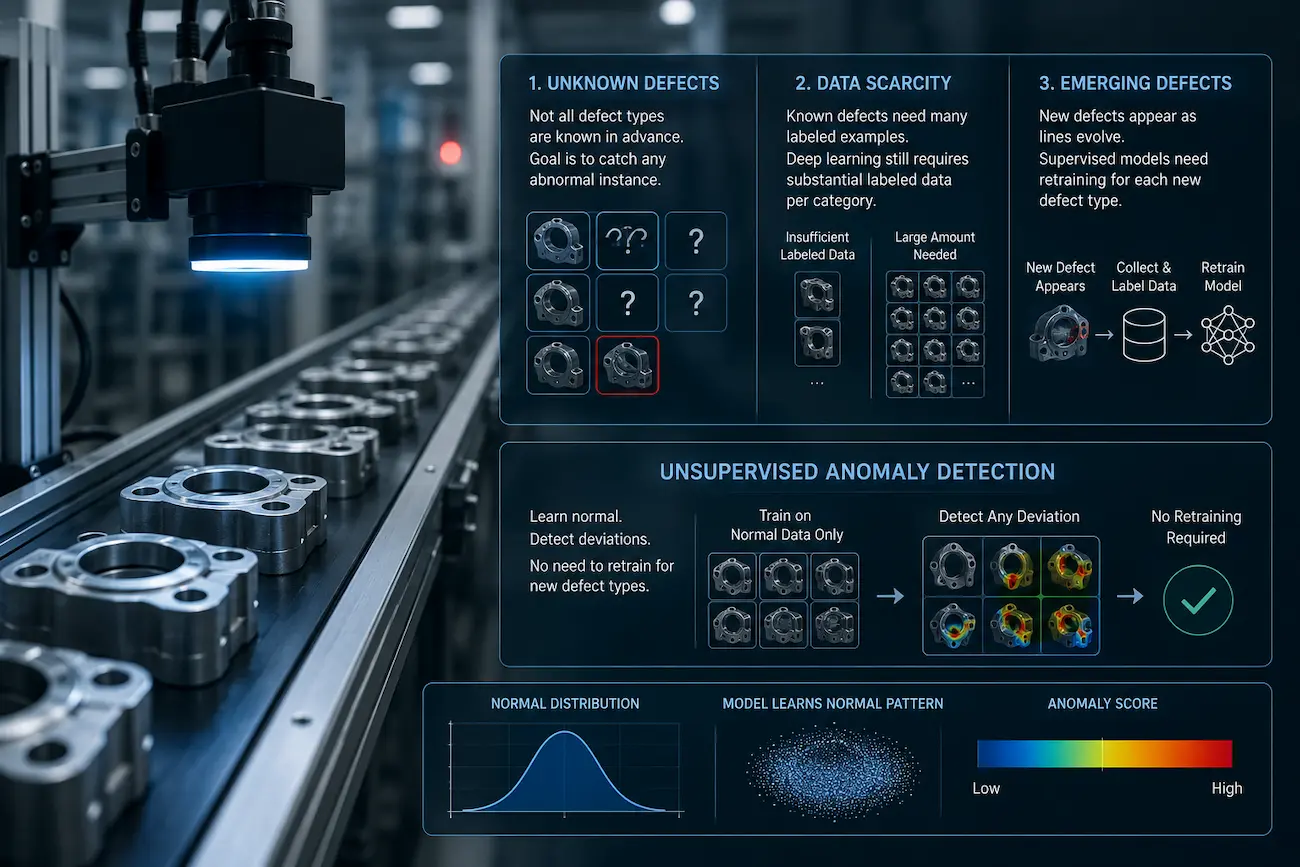
- Large amounts of labeled training data are needed
- Rare defects can be difficult to detect because there are few examples
- Factory conditions can vary across lighting, positioning, and backgrounds
- Systems must work fast enough for real-time production
- Integration with existing equipment and workflows can be complex
- Cost and ongoing maintenance can still be barriers
Real-World Example: Improving Manual Inspection
One useful application of object detection in manufacturing is to support manual inspection processes. In some factories, inspections still depend on workers checking products or process steps by hand.
AI can assist with this by reviewing video footage from these inspection stations. The system can analyse each frame of the video and compare it against the expected inspection process.
For instance, it can verify whether the worker examined the correct area, handled the appropriate component, and performed all necessary checks before proceeding to the next stage. If a step is skipped or completed incorrectly, the system can flag this.
Turn Object Detection in Manufacturing into Real Operational Gains
Object detection only creates value when it is deployed with the right vision infrastructure, edge computing, and model strategy. Moving from manual inspection and isolated vision pilots to plant-wide impact requires reliable image pipelines, real-time inference, and AI systems that can perform consistently across changing production conditions.
At AI-innovate, we help manufacturers bridge the gap between computer vision theory and production-floor execution by providing:
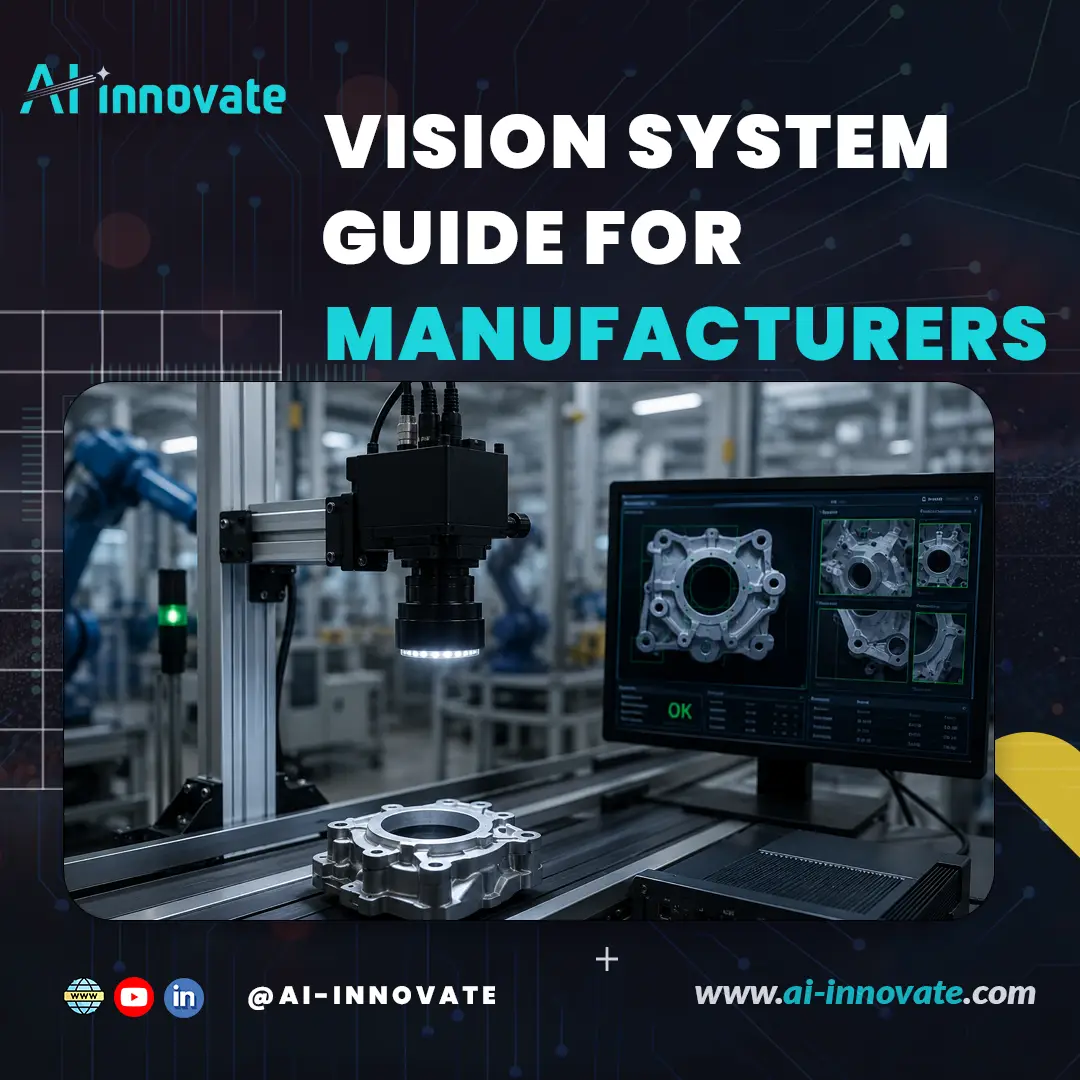
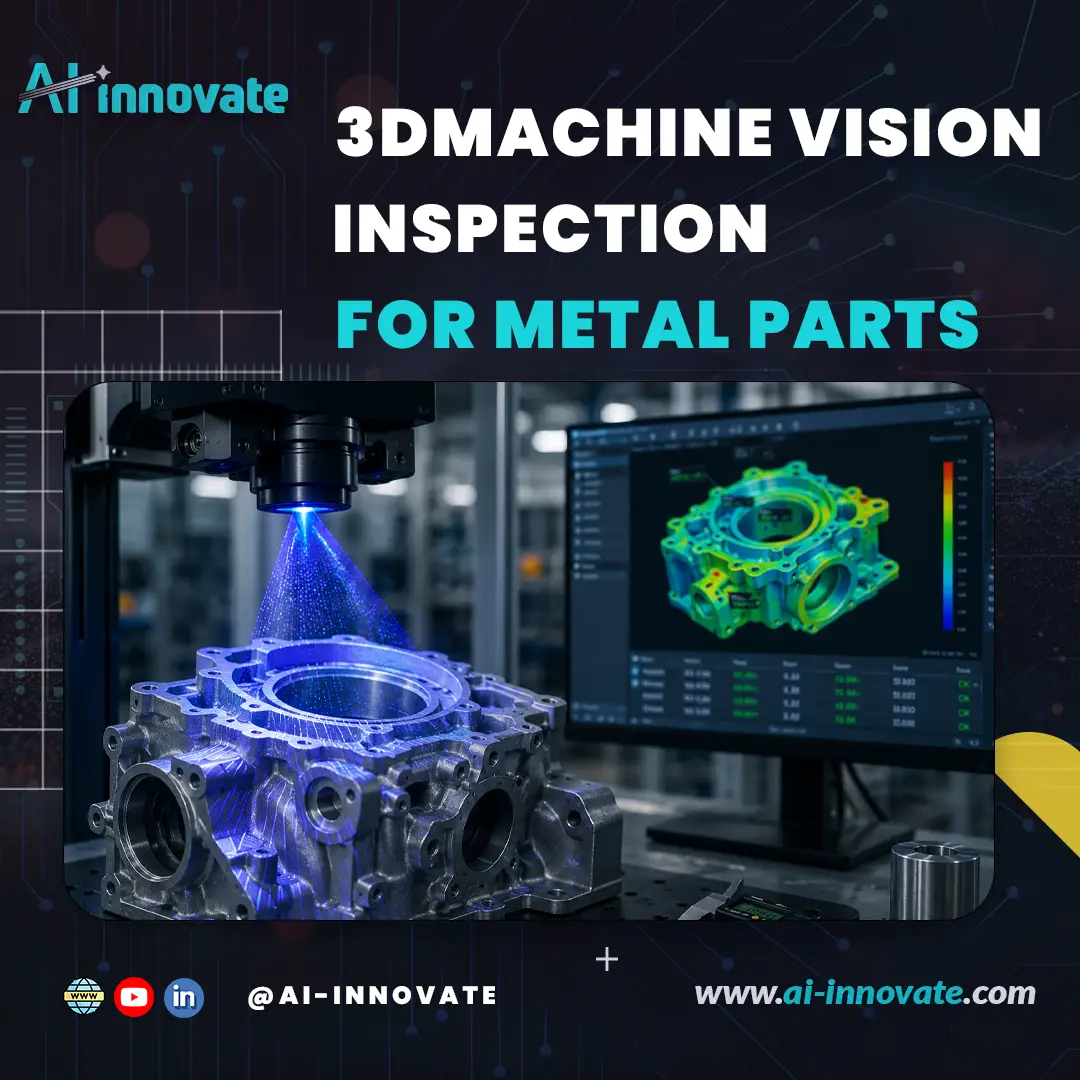
- Intelligent visual inspection with AIxEye, enabling real-time detection of missing parts, surface defects, alignment issues, and process deviations across manufacturing lines
- Edge AI infrastructure with AIxCore (powered by NVIDIA Jetson Orin AGX) for high-speed object detection, video analysis, and on-site processing directly where production decisions need to happen
- Synthetic data capabilities through AIxCam, helping teams strengthen object detection models when labeled images are limited, factory conditions vary, or rare defects are hard to capture in sufficient quantity
Whether you’re improving inspection at a single workstation or scaling object detection across multiple production processes, the key is combining robust image capture, explainable AI models, and industrial-grade deployment built for real manufacturing environments.
Conclusion
The use of deep learning for object detection is a transformative change in manufacturing, enabling factories to see, inspect and respond more intelligently. With cameras, AI models and real-time defect analysis, manufacturers can identify products, monitor processes, assist with inspections and improve consistency much more easily.
We believe as manufacturing becomes smarter, the role of object detection is likely to grow even further. Simply, this means better products, less waste and more reliable manufacturing for all.
FAQ
How does deep learning handle varying environmental conditions?
Unlike traditional vision systems that struggle with glare or lighting changes, deep learning models are trained to “ignore” environmental noise, allowing for consistent performance in harsh or fast-paced factory environments.
What performance metrics should I track?
The most common technical metric is mAP (mean Average Precision), which balances accuracy and localization. From a business perspective, manufacturers track yield rate improvements and reduction in misjudgment rates
Can deep learning models integrate with my existing systems?
Yes. Deep learning models can be integrated into existing manufacturing frameworks and work alongside traditional systems, often without requiring a complete overhaul of your IT infrastructure.
Sources
Ai-Innovate uses only high-quality sources, including peer-reviewed studies, to support the facts within our articles.
- ResearchGate / Journal of Manufacturing Systems. (2022). Deep Learning Methods for Object Detection in Smart Manufacturing: A Survey — A broad survey of deep learning-based object detection in manufacturing, covering industrial inspection, monitoring, and deployment challenges in smart factory settings. Retrieved from https://www.researchgate.net/publication/362971353_Deep_learning_methods_for_object_detection_in_smart_manufacturing_A_survey
- ScienceDirect / Procedia CIRP. (2021). Object Detection in Factory Based on Deep Learning Approach — A manufacturing-focused research paper on applying deep learning for object detection in factory environments, with relevance to automated inspection and production-line monitoring. Retrieved from https://www.sciencedirect.com/science/article/pii/S2212827121010714
- 2021 IEEE International Conference on Prognostics and Health Management (ICPHM). (2021). Object Detection using Deep Learning in a Manufacturing Plant to Improve Manual Inspection — A conference paper presenting a real-world industrial case study on using deep learning to strengthen manual inspection workflows and improve quality assurance in manufacturing. Retrieved from https://vr360tour.net/kgk_amw24/media/p30.pdf