




Quality control has always been at the heart of manufacturing success. A single overlooked defect can lead to customer complaints, costly recalls, or damage to a company’s reputation. For decades, inspection relied heavily on human eyes and manual checks. While skilled inspectors remain valuable, today’s production speeds and precision demands often exceed what manual processes can consistently handle.
Machine vision is transforming quality control by bringing speed, accuracy, and consistency to inspection tasks. Instead of relying solely on human judgment, manufacturers now use intelligent imaging systems to detect defects in real time.
In this article, we will explore what machine vision in quality control means, how it works, its most important applications, how it compares to manual inspection, and where the technology is headed in the future.
Machine Vision in Quality Control, Precision at Every Stage.
Machine vision systems use high-resolution imaging and AI analytics to detect defects, verify dimensions, and ensure consistent quality in real time. Learn how automated inspection improves accuracy, reduces waste, and strengthens manufacturing reliability.

Understanding Machine Vision in Quality Control
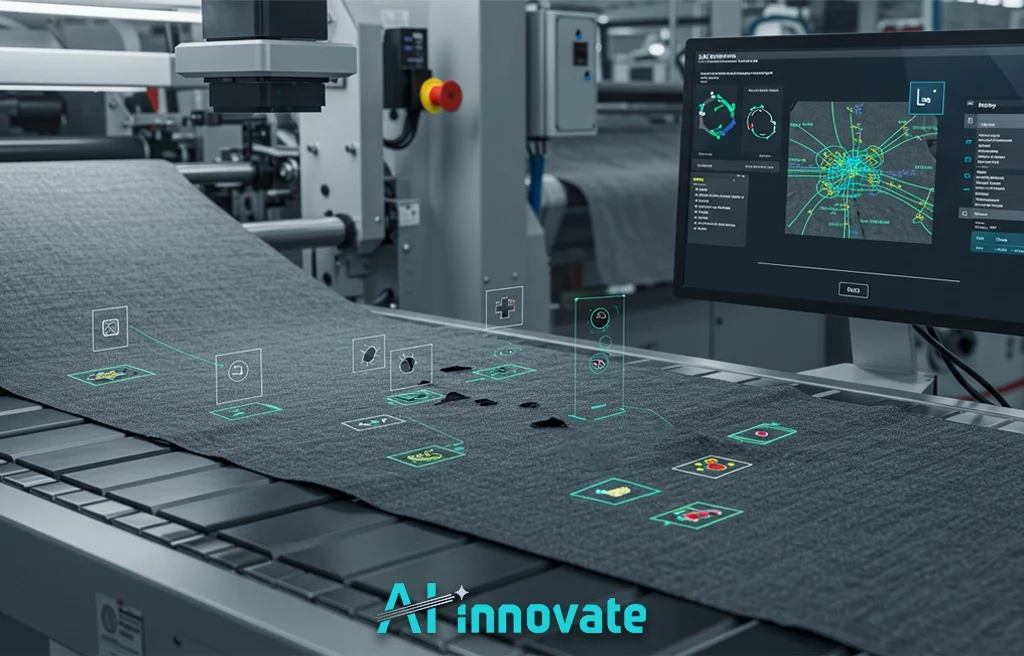
Machine vision in quality control refers to the use of cameras, sensors, and image processing software to automatically inspect products during manufacturing. These systems capture images of parts or assemblies and analyze them to verify that they meet predefined quality standards.
Unlike simple camera systems that only record footage, machine vision systems interpret visual data. They measure dimensions, detect surface defects, confirm component presence, and ensure proper alignment. Many modern systems integrate artificial intelligence to recognize complex defect patterns and adapt to variations in production.
The goal is straightforward: detect defects early, prevent faulty products from reaching customers, and maintain consistent production quality at scale.
This Topic might also interest you :
How Machine Vision Systems Operate on the Production Floor
Machine vision systems combine hardware and software components that work together in a structured process.
Image Capture
High-resolution cameras capture images of products as they move along the production line. Depending on the application, these cameras may be:
- Area scan cameras for detailed 2D images
- Line scan cameras for continuous surface inspection
- 3D vision systems for depth and volume measurements
Lighting is carefully designed to highlight defects, improve contrast, and eliminate shadows that could interfere with detection.
Image Processing
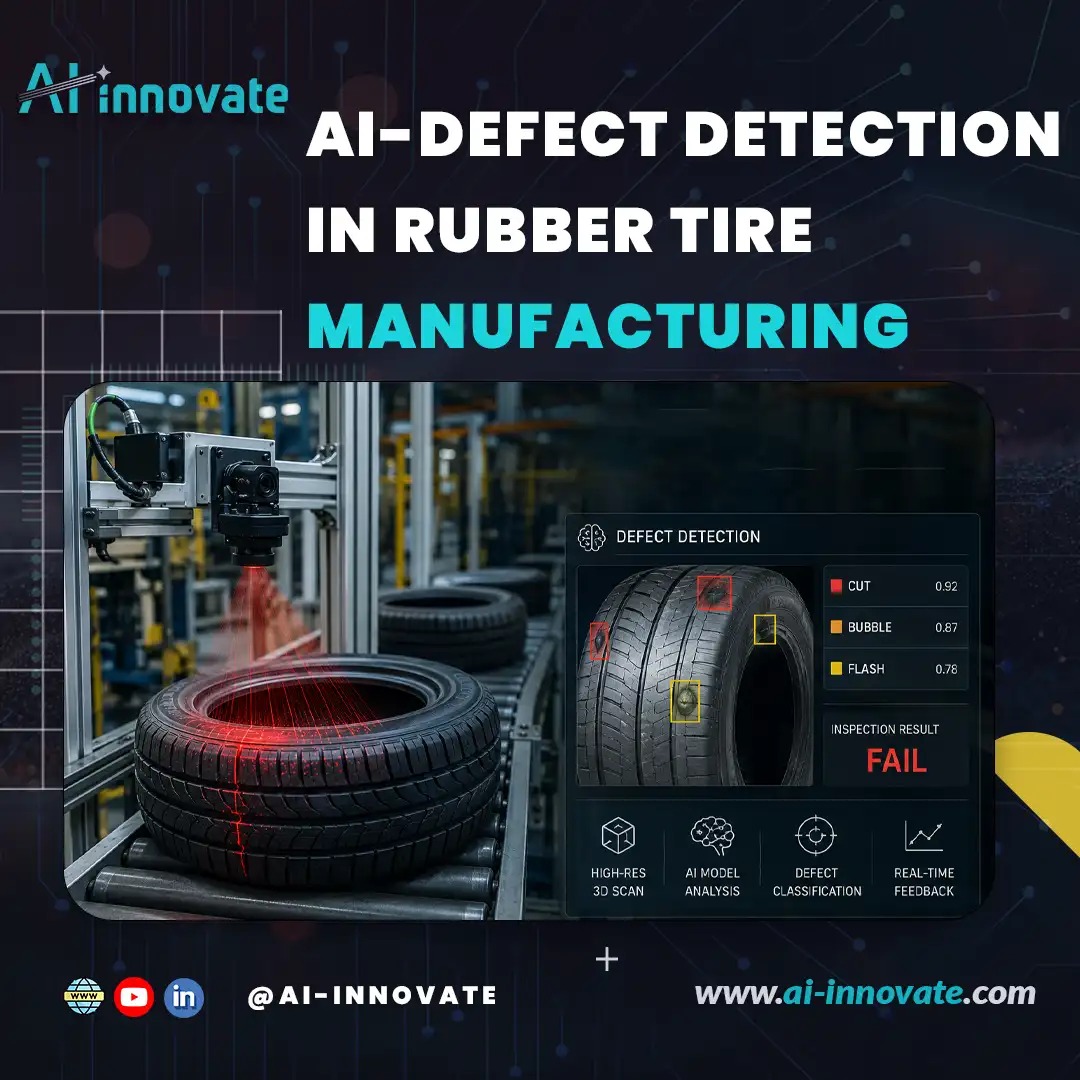
Once captured, images are processed using specialized software. Traditional systems rely on rule-based algorithms that measure edges, shapes, and color variations. Advanced systems incorporate AI and deep learning models that learn from example images to identify more complex patterns.
The software compares each product against predefined criteria. If a defect is detected, the system can:
- Trigger an alert
- Reject the faulty item automatically
- Stop the production line for review
Decision and Feedback Loop
In modern smart factories, machine vision systems often integrate with manufacturing execution systems. This enables real-time data feedback, allowing operators to adjust machine settings if recurring defects are identified.
This closed-loop approach improves not only inspection accuracy but also overall process control.
Key Applications of Machine Vision in Quality Control
Machine vision has broad applications across industries. Some of the most impactful uses include:
Surface Defect Detection
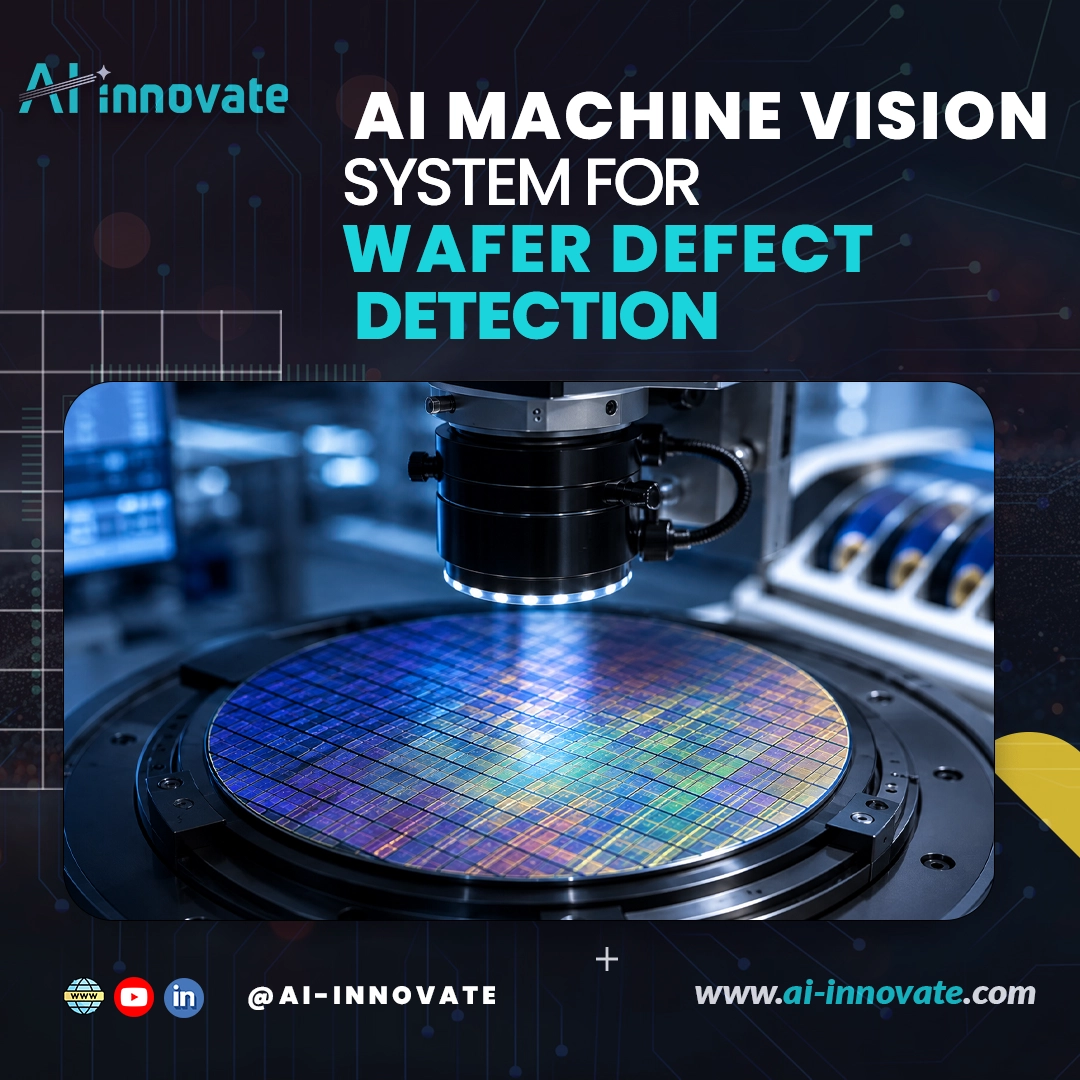
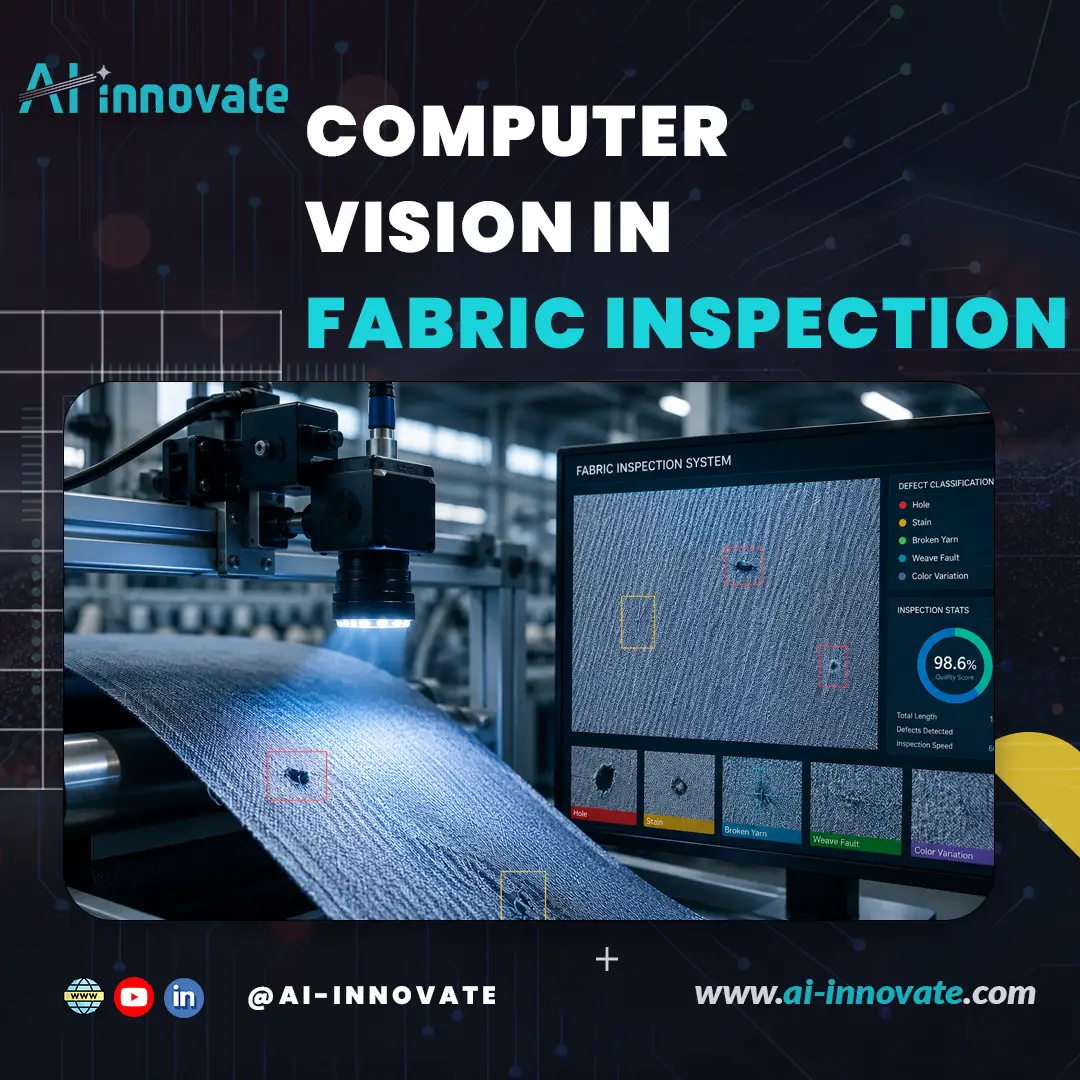
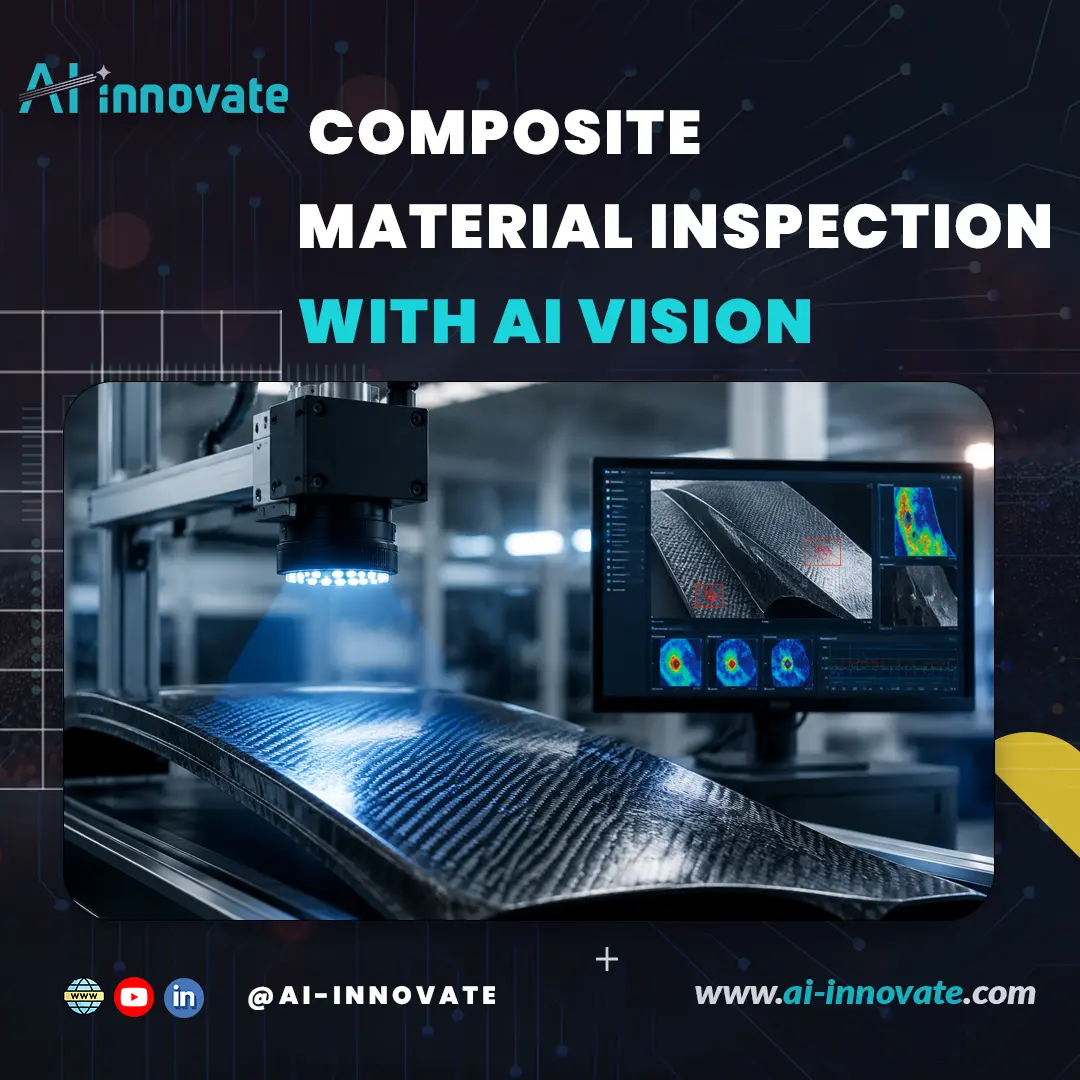
Systems detect scratches, cracks, dents, and contamination on metal, plastic, glass, and composite materials. This is especially important in automotive, aerospace, and electronics manufacturing.
Dimensional Measurement
Precision industries rely on machine vision to verify that parts meet exact size and tolerance requirements. Even minor dimensional deviations can compromise product performance.
Assembly Verification
Vision systems confirm that all components are present and properly assembled. They detect missing screws, incorrect part placement, or misaligned assemblies.
Packaging and Label Inspection
Machine vision ensures labels are correctly printed, properly positioned, and readable. It also verifies barcodes, expiration dates, and packaging integrity.
Foreign Object Detection
In food and pharmaceutical industries, vision systems detect contaminants or foreign objects that could pose safety risks.
By automating these tasks, manufacturers achieve faster inspections, fewer defects, and higher overall product reliability.
Machine Vision vs Manual Inspection
Manual inspection has been a cornerstone of quality control for generations. However, comparing it with machine vision reveals clear differences.
Accuracy and Consistency
Human inspectors can become fatigued or distracted, especially during repetitive tasks. Machine vision systems maintain consistent accuracy regardless of shift length or workload.
Speed
Modern production lines operate at high speeds that exceed human inspection capabilities. Machine vision systems analyze images in milliseconds, keeping up with rapid manufacturing cycles.
Scalability
As production volumes increase, scaling manual inspection requires hiring and training additional staff. Machine vision systems can scale more efficiently once installed.
Flexibility
Humans excel at handling unusual situations and interpreting ambiguous defects. Machine vision systems may require retraining or reprogramming when product designs change.
In practice, many manufacturers use a hybrid approach. Machine vision handles high-speed repetitive inspection, while human experts review complex or borderline cases.
Future Trends Shaping Machine Vision in Quality Control
Machine vision technology continues to evolve rapidly. Several trends are shaping its future impact on quality control.
Integration of Artificial Intelligence
Deep learning models are becoming more accessible and powerful. These systems can detect subtle, previously unseen defect patterns without extensive manual programming.
Edge Computing
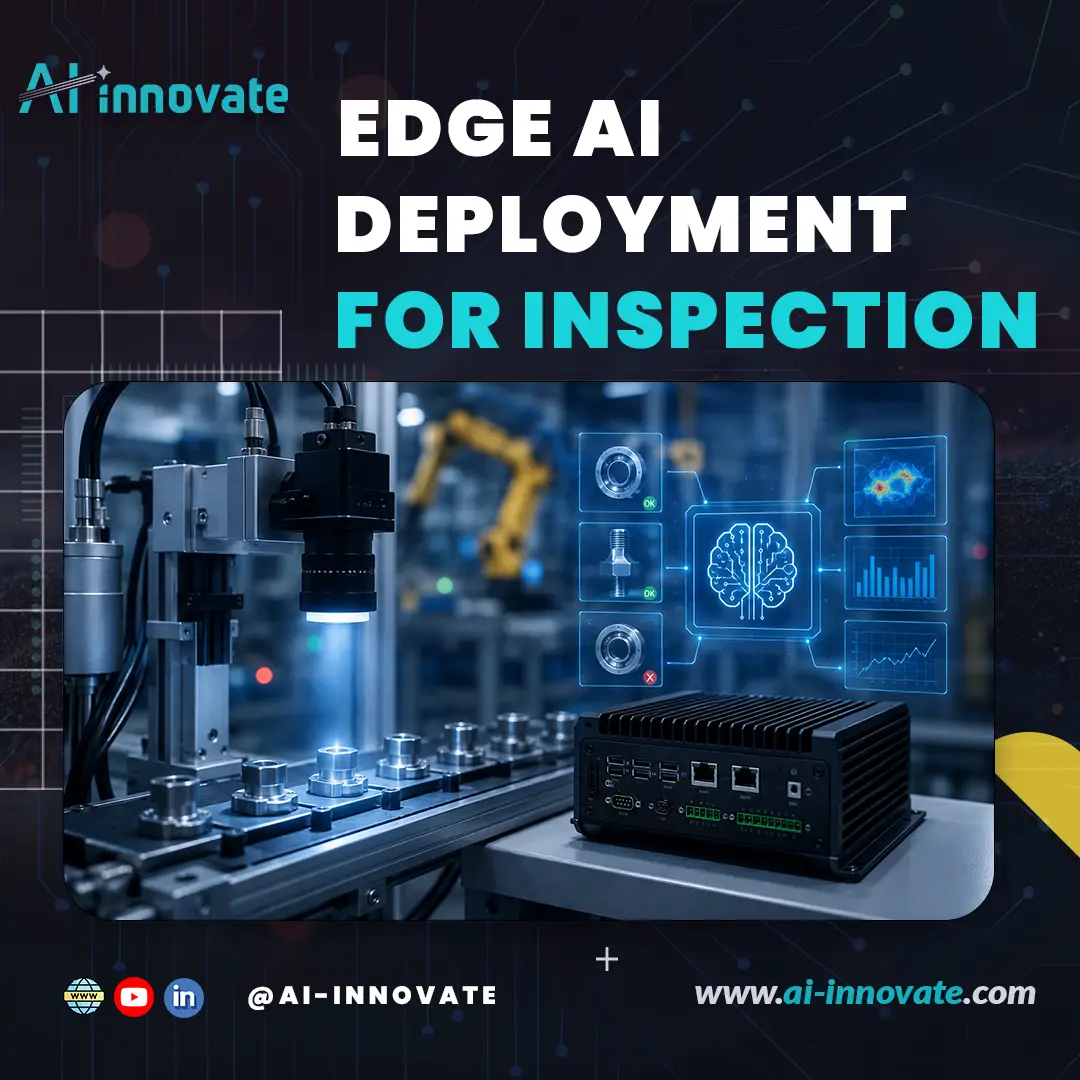
More inspection systems are processing data locally at the production line rather than relying entirely on cloud computing. This reduces latency and supports real-time decision-making.
3D and Hyperspectral Imaging
Advanced imaging technologies allow manufacturers to detect subsurface defects and analyze material composition beyond visible light.
Greater Connectivity
Machine vision systems are increasingly integrated into Industry 4.0 ecosystems. Data from inspections feeds into predictive maintenance models and process optimization systems.
These developments are making machine vision not just an inspection tool, but a central component of intelligent manufacturing strategies.
Conclusion: Elevating Quality Through Intelligent Vision
Machine vision in quality control represents a major shift from reactive inspection to proactive quality assurance. By combining advanced imaging, intelligent software, and real-time feedback, manufacturers can detect defects earlier, reduce waste, and maintain consistent standards at scale.
While manual inspection still has value in certain contexts, machine vision offers unmatched speed, precision, and scalability. As AI and imaging technologies continue to advance, the role of machine vision will only expand, helping manufacturers build more reliable products and more efficient operations.
For companies aiming to stay competitive in increasingly demanding markets, investing in machine vision is not just about automation. It is about building a smarter, more resilient approach to quality control.
Sources
Ai-Innovate uses only high-quality sources, including peer-reviewed studies, to support the facts within our articles.
- Averroes.ai. (2025). Visual Inspection System Cost Breakdown. Breaks down the key cost components of implementing visual inspection systems, including hardware, software, integration, and ongoing maintenance. Retrieved from https://averroes.ai/blog/visual-inspection-system-cost-breakdown
- Akridata.ai Blog. (2025). The ROI of Automated Inspection in Manufacturing. Explores how automated inspection systems deliver return on investment through reduced defects, improved throughput, and lower labor costs. Retrieved from https://akridata.ai/blog/the-roi-of-automated-inspection-in-manufacturing/
- Clarifai. (2025). How to Calculate the ROI of Automated Visual Inspection. Provides a practical framework for quantifying cost savings and efficiency gains from visual inspection automation. Retrieved from https://www.clarifai.com/blog/how-to-calculate-the-roi-of-automated-visual-inspection
- JLI Vision. (2025). The Cost and ROI of an Automated Surface Inspection System. Discusses typical investment costs, implementation factors, and financial benefits associated with deploying automated surface inspection technology. Retrieved from https://www.jlivision.com/blog/the-cost-and-roi-of-an-automated-surface-inspection-system
FAQ
What is the typical timeframe to see a return on investment (ROI) for automated inspection?
Most manufacturers achieve a full ROI within 12 to 24 months. In high-volume or high-risk sectors like steel or pharmaceuticals, some case studies report much faster paybacks, with one instance showing a 280% ROI in just over 4 months.
Is AVI better than manual inspection for variable products (e.g., food)?
Yes. Modern AI-based AVI is specifically designed to handle “organic” variability. While traditional rule-based systems struggle with slight changes, AI models can be trained to recognize that a product is “good” even if components (like toppings on a pizza) are in slightly different spots, provided they meet quality standards.
Can AVI integrate with my existing legacy equipment?
Yes, but it is a common challenge. Integration often requires building custom APIs or middleware layers to bridge the gap between modern AI real-time workflows and older ERP or MES systems that may only process data in batches.
Will AVI replace my human inspectors?
Not necessarily. In many 2026 deployments, AVI is used to augment rather than replace staff. It handles 100% of high-speed primary inspections, while human experts are reallocated to higher-value tasks, such as investigating the root causes of flagged defects or reviewing “borderline” cases to fine-tune the AI.