




A production line may appear smooth from a distance, but small inefficiencies can quietly accumulate beneath the surface. Slight timing mismatches, minor quality deviations, and early signs of equipment wear can gradually affect output and consistency.
Although traditional monitoring tools capture data, they often depend on fixed thresholds and delayed reporting, which makes it difficult to respond in time. As manufacturing systems become more interconnected, visibility becomes as important as automation. Artificial intelligence (AI) brings a new level of intelligence to production line monitoring by continuously analyzing operational patterns in real time. Rather than merely recording events, AI interprets them, identifying trends and anomalies before they escalate.
This article will explain how AI-driven monitoring systems work, the practical benefits they offer, and how manufacturers can use them to improve stability, efficiency, and overall production performance.

Beyond Human Inspection Limits
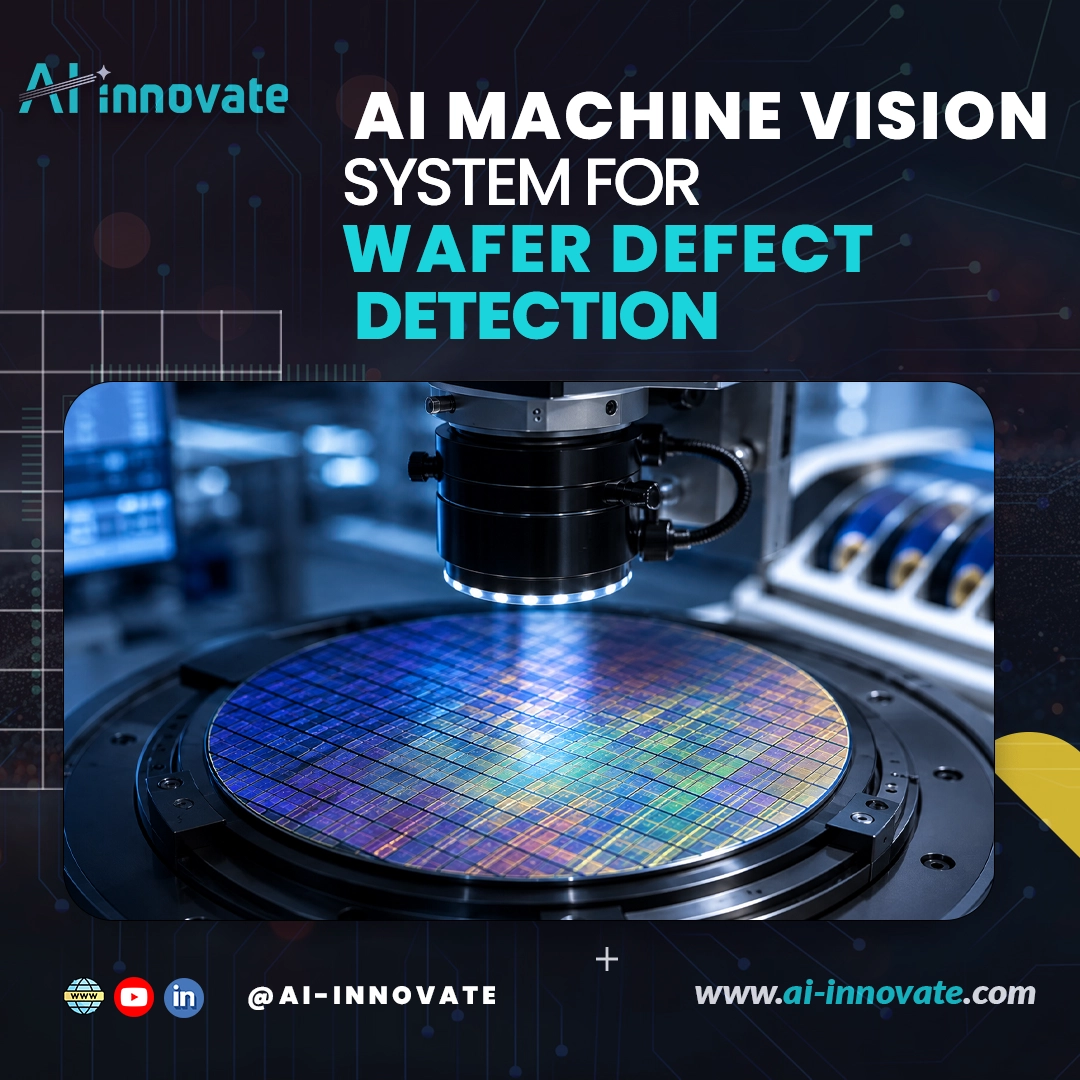
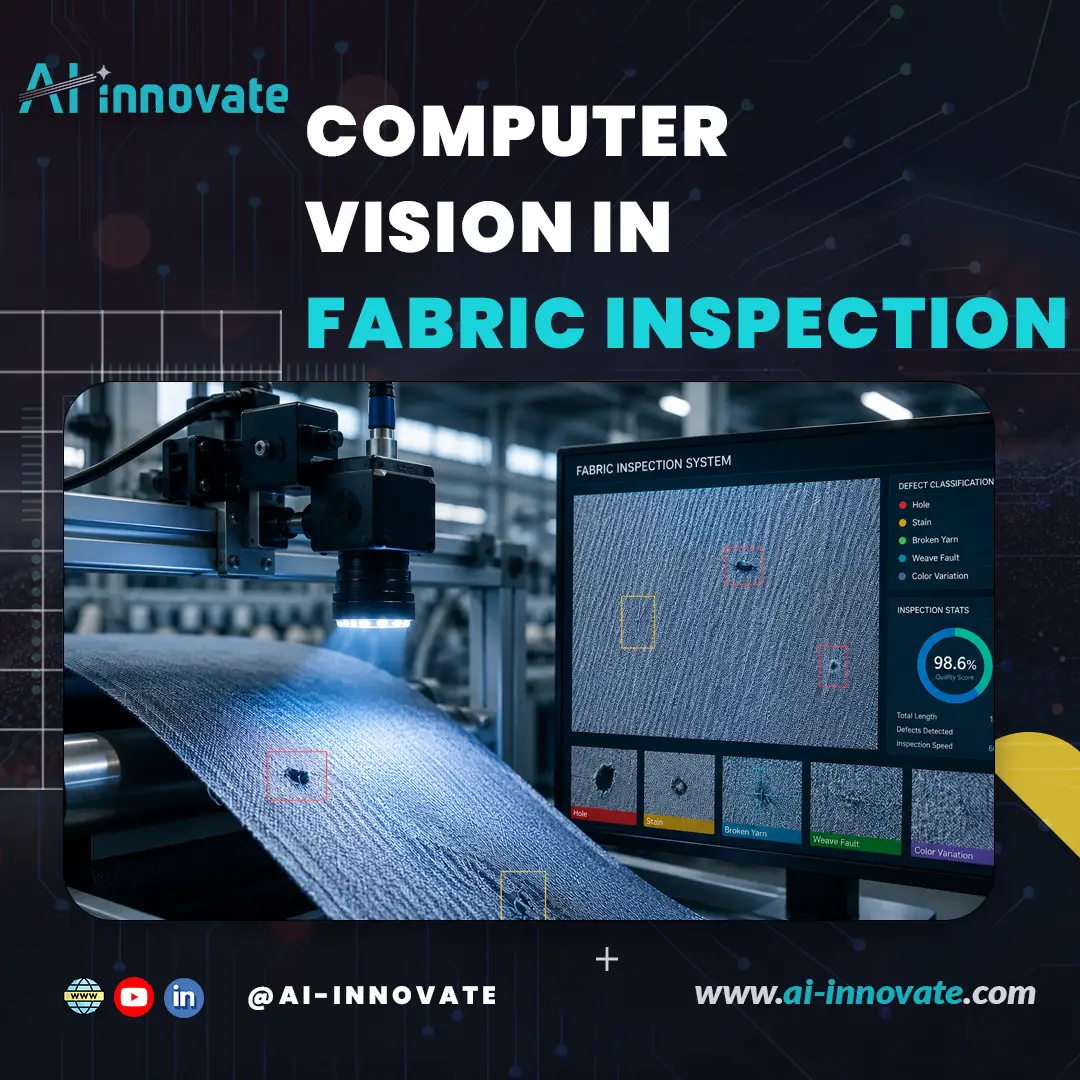
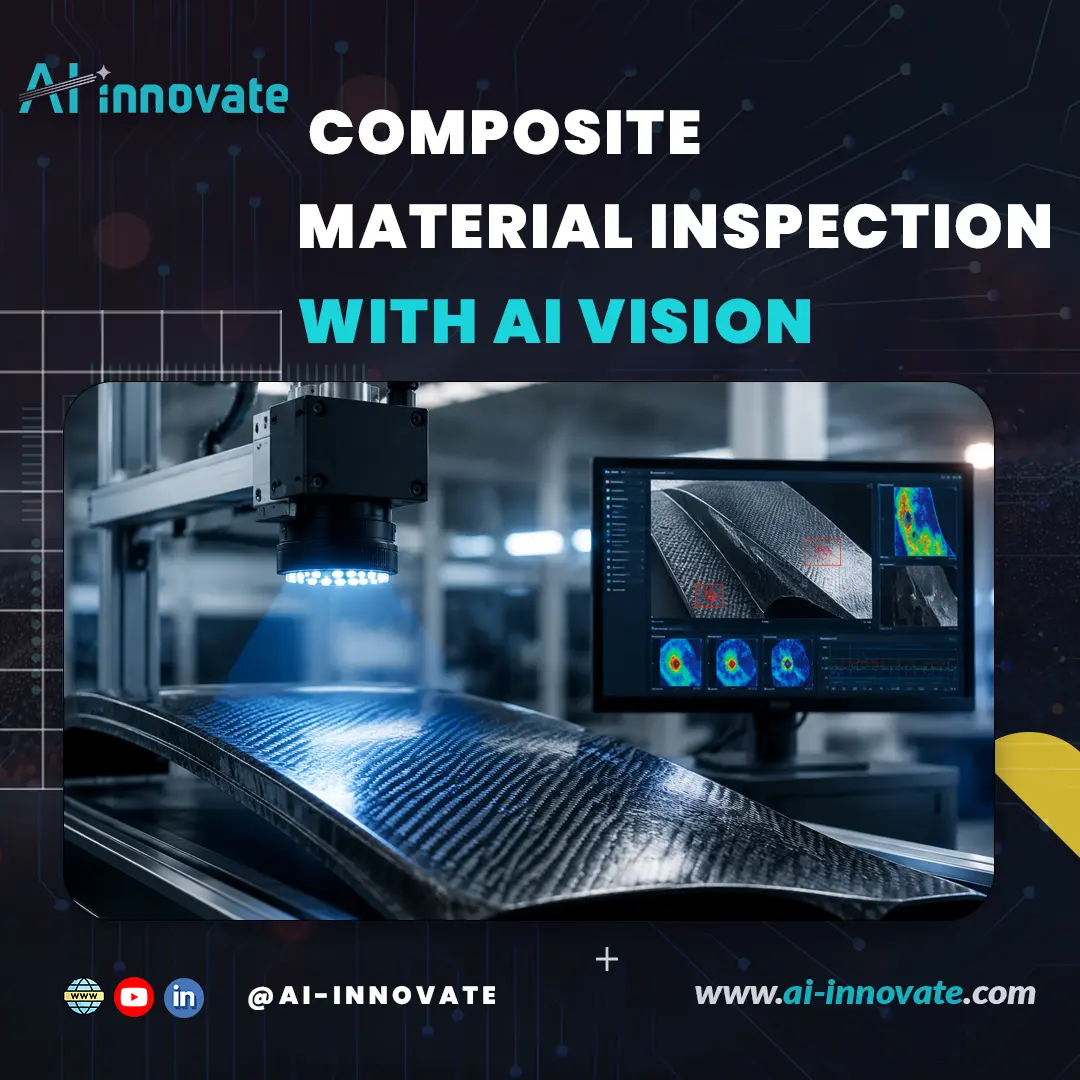
The limits of human perception are well defined, and in a competitive manufacturing environment, they represent a tangible operational risk. An intelligent inspection system functions on a plane of precision and endurance that is physically impossible for a human team to sustain. It can register microscopic deviations consistently, hour after hour, without fatigue or variance. To truly grasp this advantage, we can examine the specific performance capabilities these systems now possess.
• Microscopic Defect Recognition: Current systems can dependably identify surface variations as small as 0.002 millimeters, a scale far beyond the capability of the naked eye. This ensures product integrity at a granular level. • High Precision Dimensional Verification: The automatic confirmation of product dimensions with an accuracy of 0.1 millimeters is a crucial function in sectors like aerospace and automotive assembly, where tolerances are minimal. • Unyielding Consistency: An AI model applies identical inspection criteria to every unit that passes its view. This removes the variable of human subjectivity and guarantees a uniform quality standard across an entire production batch.
Read Also : Machine Learning in Production – From Models to Real Impact
Quantifying The AI Production Uplift
While technical abilities are notable, the actual measure of a technology is its contribution to operational and financial health. For leaders in operations and quality assurance, the return on investment must be unambiguous. The implementation of Production Line Monitoring With AI creates quantifiable improvements in key business areas, which redefines factory floors, changing them from cost centers into highly efficient, value generating environments. The discussion has moved from possibility to proven results. The following table organizes key statistics from industry wide analyses, showing the tangible benefits companies report after adopting intelligent systems for quality and maintenance:
| Metric | Key Statistic |
| Overall Productivity Increase | Up to 40% |
| Reduction in Maintenance Costs | Up to 30% |
| Decrease in Unplanned Downtime | Up to 45% |
| Projected Market Growth (2023-2032) | From $5 billion to $68 billion |
Global Leaders Adopting AI Inspection
The adoption of intelligent inspection is not a speculative future trend; it is a current, strategic reality being implemented by the most efficient and competitive manufacturers on the planet. These organizations are not merely testing a new technology; they are actively redefining industry standards for quality and output. By examining their successful applications, we gain a practical and proven blueprint for how AI-driven monitoring creates a distinct competitive advantage. Their results speak volumes, so let’s explore a few more specific examples.
Siemens: Predictive Quality Control
By analyzing tens of thousands of process variables, Siemens improved the fabrication of its circuit boards. This deep analysis allowed them to increase line throughput while simultaneously cutting the necessity for certain expensive X-ray inspections by 30%.
Toyota: Unprecedented Inspection Accuracy
As a global standard bearer for quality, Toyota has incorporated AI-assisted quality systems to increase the certainty of its component inspections. This supports the brand’s core promise of manufacturing dependable and safe vehicles.
Samsung: Semiconductor Yield Optimization
In the hyper-competitive semiconductor industry, where microscopic flaws can render a product worthless, Samsung uses AI to manage and optimize production yields. By analyzing vast datasets from the fabrication process, their systems predict and prevent defects, directly increasing profitability.
Plywood Manufacturing: A 95% Defect Reduction
A compelling case from the wood products industry saw a large plywood manufacturer transform its quality control. By implementing a machine vision system, the company reduced its product defect rate from a costly 2% down to an impressive 0.1%, leading to annual savings of over $6.8 million.
The Path To Zero Defect Manufacturing
A core ambition within modern industry is achieving “Zero Defect Manufacturing” (ZDM). This goal involves a complete strategic rethinking of production, moving toward a process where inefficiencies and flaws are systematically preempted. Initiatives such as the European InterQ project are charting this course. The journey toward ZDM is founded on the integration of several key technologies: 1. Digital Twins: A virtual simulation of the production line enables process optimization and stress testing without affecting physical operations, allowing for predictive fine tuning. 2. Virtual Sensors: Where physical sensors are impractical, AI models can infer crucial data points, providing a more comprehensive, 360 degree perspective on the line’s health. 3. Intelligent Decision Support: Real time data analysis offers operators clear, actionable insights, helping them make preventative adjustments long before a defect can occur.
Unlocking The Predictive Production Line
Effective Production Line Monitoring With AI does more than identify existing problems; it anticipates future ones. This forward looking capacity is the essence of predictive maintenance, which changes the entire maintenance philosophy. Instead of reacting to equipment failure, it allows teams to prevent it. By analyzing equipment sensor data, AI can discern subtle patterns that indicate a potential breakdown, sometimes weeks before it happens.
According to analyses by Deloitte, a well executed predictive maintenance program can reduce equipment failures by as much as 70% and increase asset uptime by 20%. This foresight converts maintenance from a reactive, high stress activity into a scheduled, methodical one. Teams can plan for repairs, manage part inventories efficiently, and keep the production line moving without sudden and costly interruptions.
Activate Your Intelligent Production Line
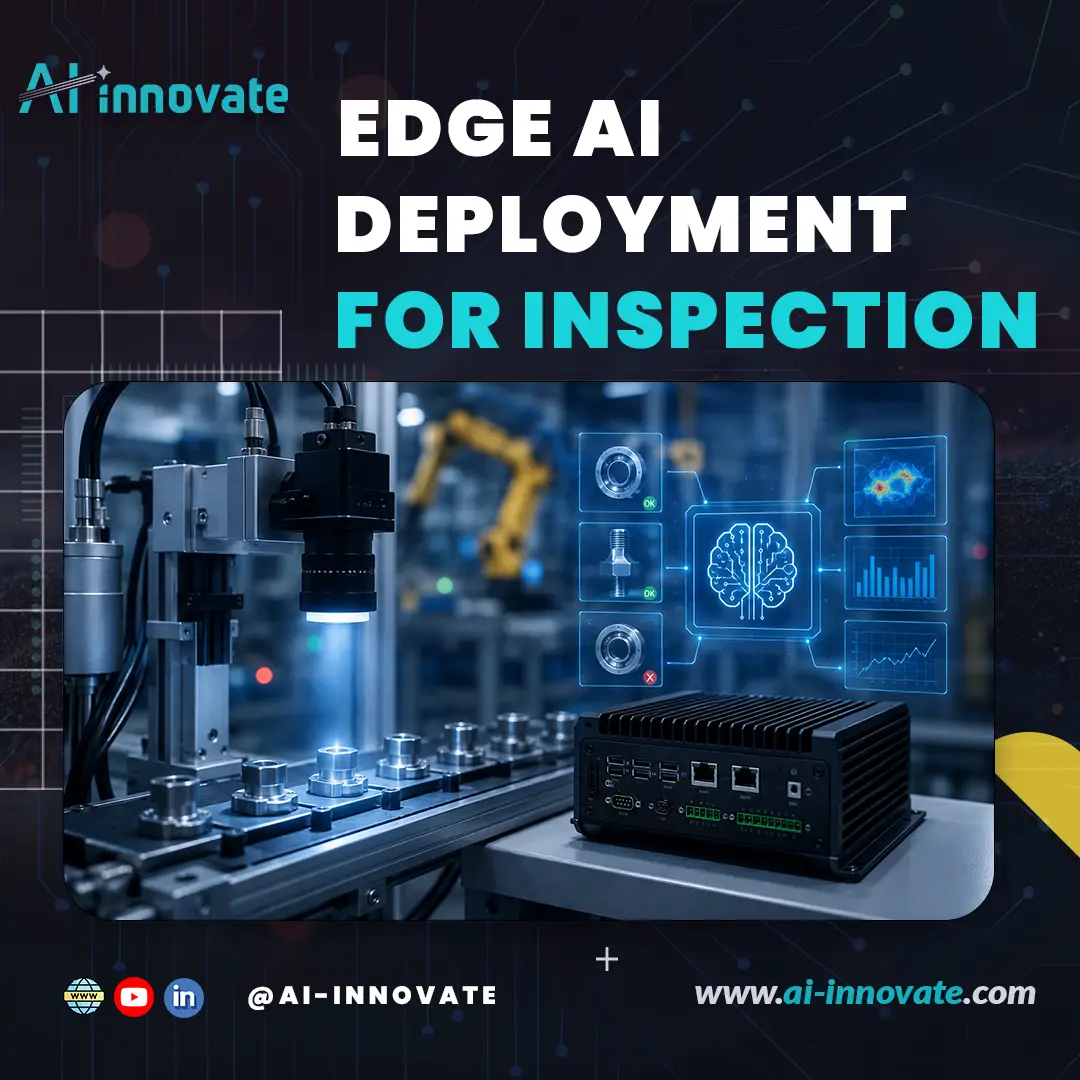
Understanding the potential of this technology is important, but activating it is what generates value. Whether you are a director managing the high expense of manual quality control or an engineer slowed by hardware availability, a direct solution exists. At AI Innovate, Our focus is to provide intelligent tools designed for these specific industrial and technical needs. For manufacturing leaders, real time quality control is within reach. Our ai2eye system is made to bring advanced machine vision to your production environment.
It provides constant, expert level inspection to identify defects and process inefficiencies, giving you the information needed to reduce scrap and improve output. For those ready to implement a complete Production Line Monitoring With AI framework, this is your solution. For developers and researchers, innovation should not wait on equipment delivery. Our ai2cam software is a comprehensive virtual camera emulator, perfect for prototyping and validating vision applications without physical hardware. It shortens development timelines, lowers project costs, and allows for effective team collaboration. This tool lets your team build the future, today.
Conclusion
AI-powered production line monitoring enables manufacturers to transition from reactive oversight to intelligent, real-time operational awareness. AI systems continuously analyze machine behavior and process variables to provide deeper insight into performance trends and potential risks. These insights support improved quality control, reduced downtime, and better coordination across the production environment. I think the real advantage lies in anticipation. When teams can detect small deviations early on, they can control outcomes instead of responding to disruptions after they occur. As production environments become more complex and data-rich, AI-based monitoring will define the competitiveness and resilience of manufacturing operations.Note: Some graphics and visuals in this post were produced using AI-generated content.