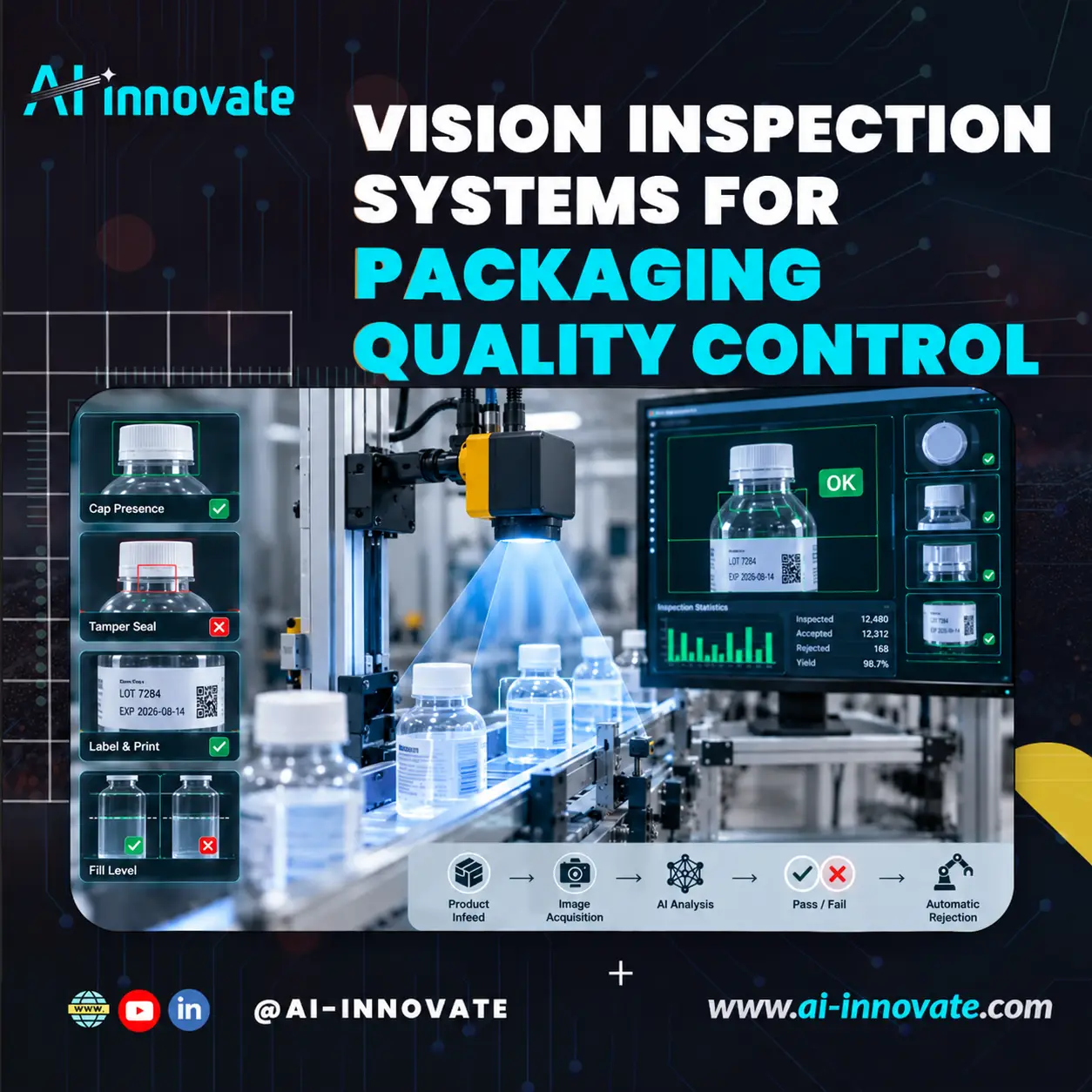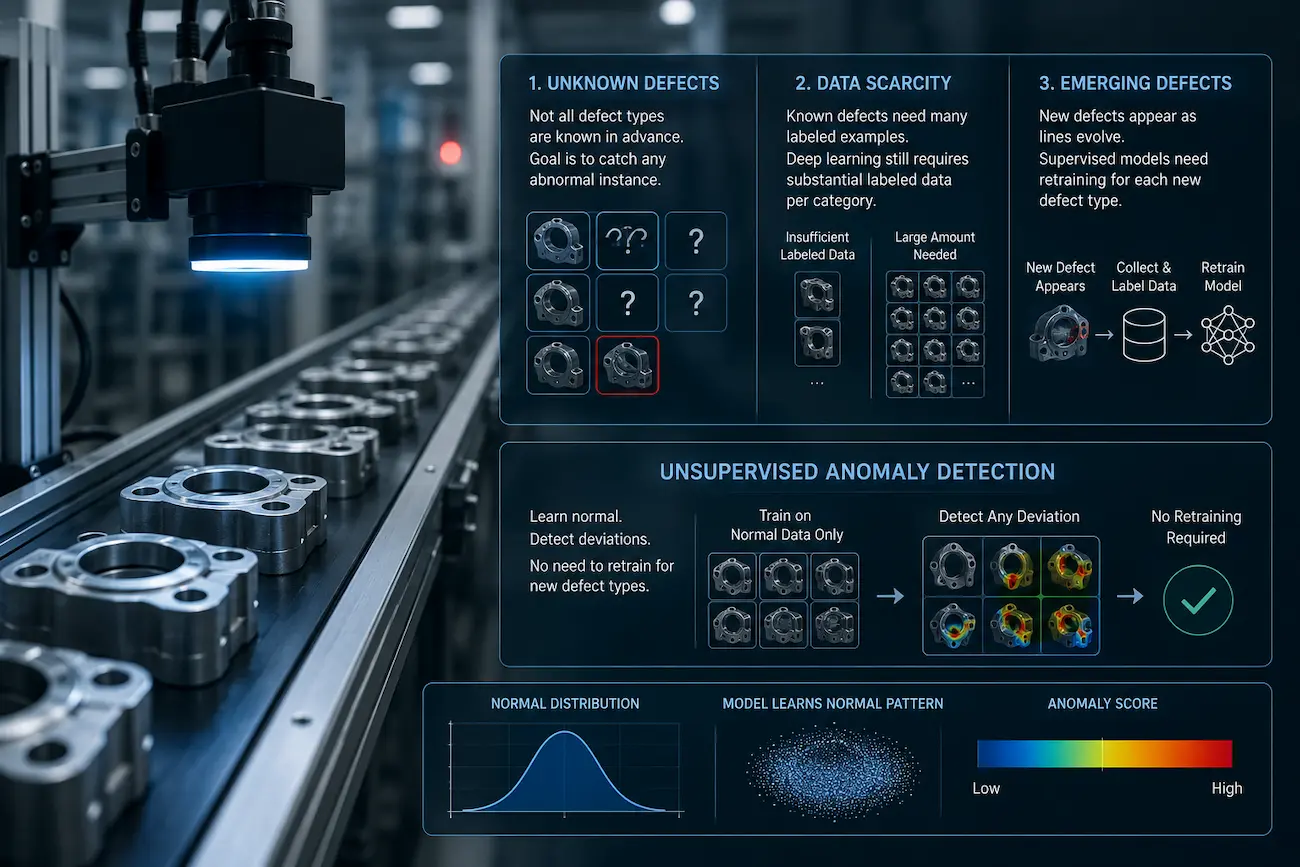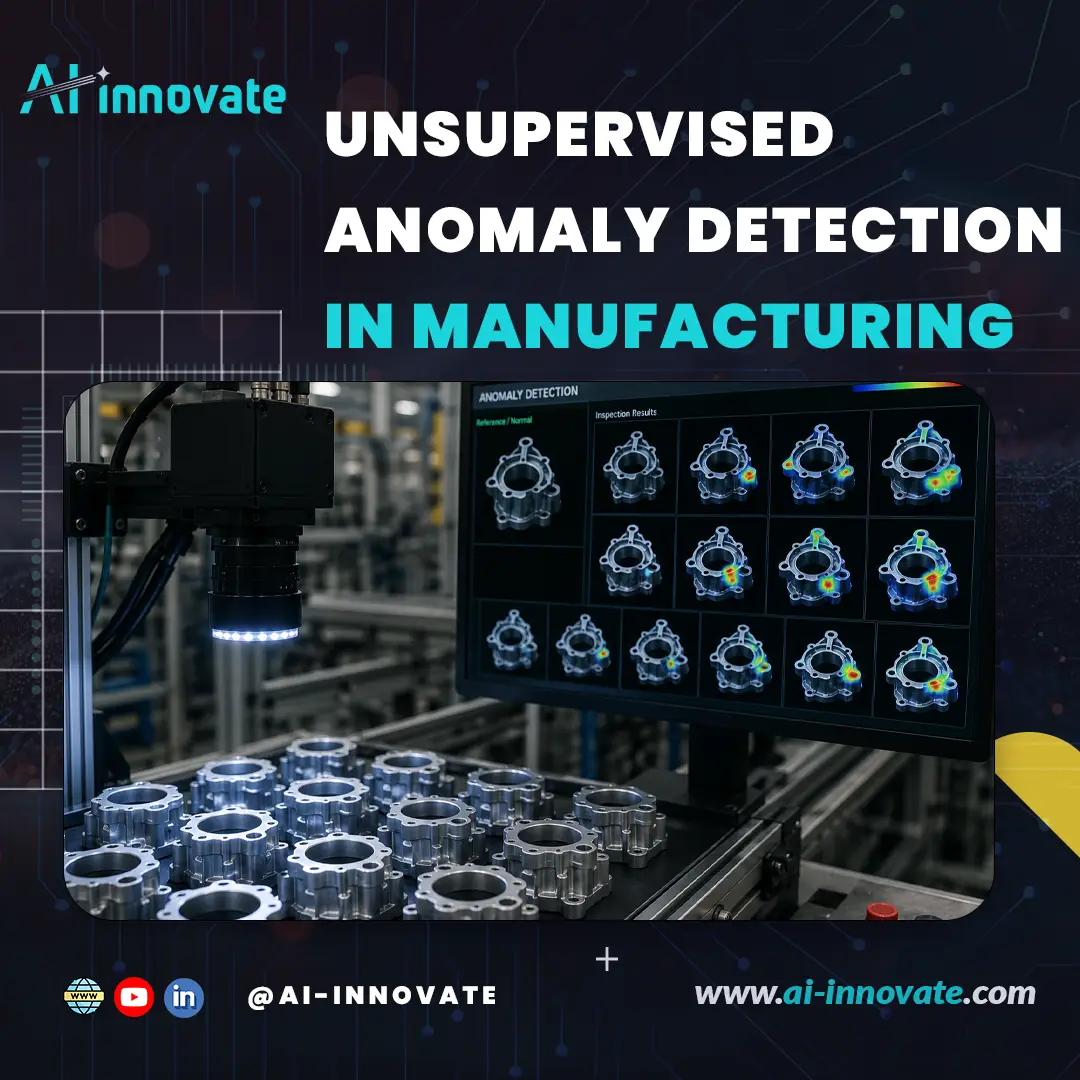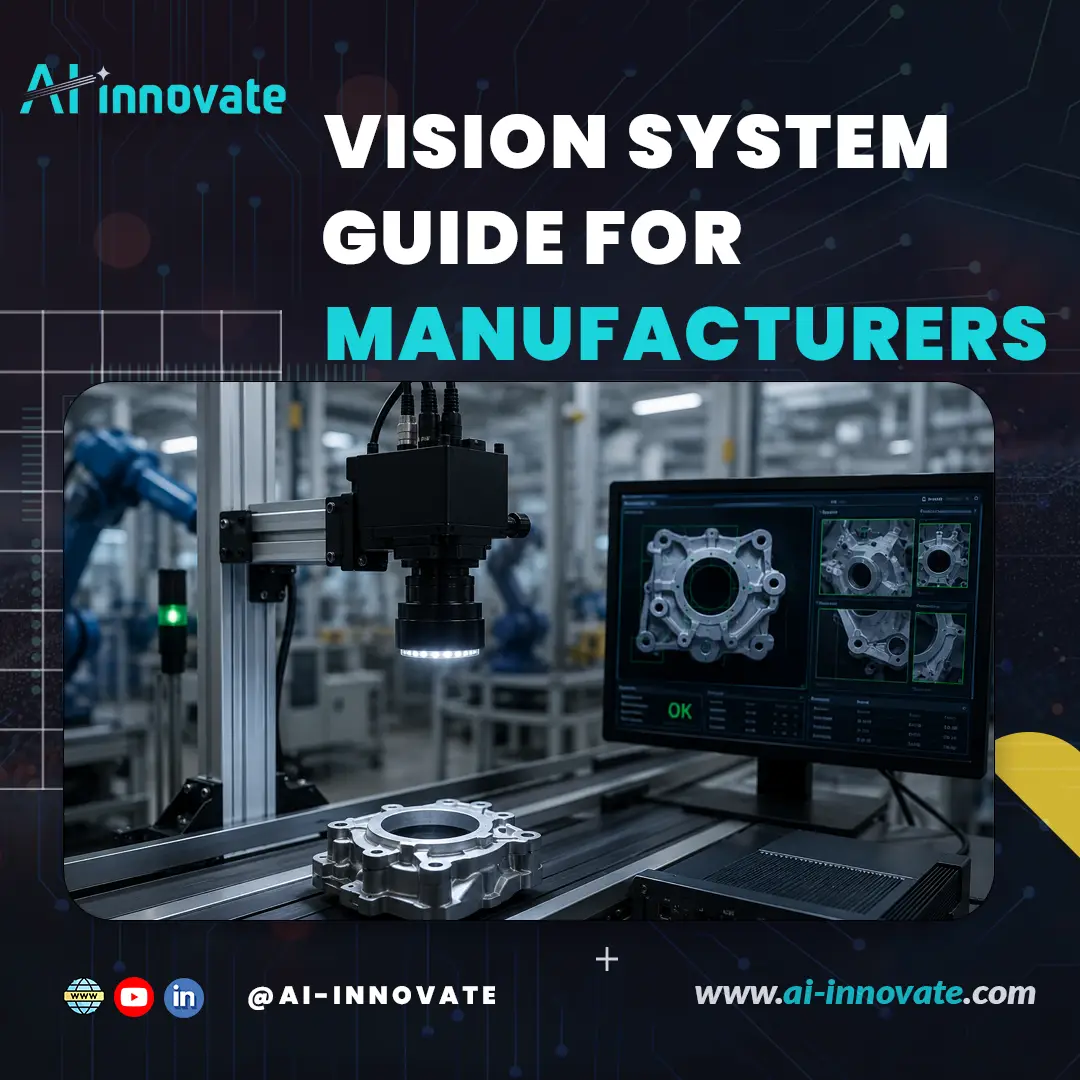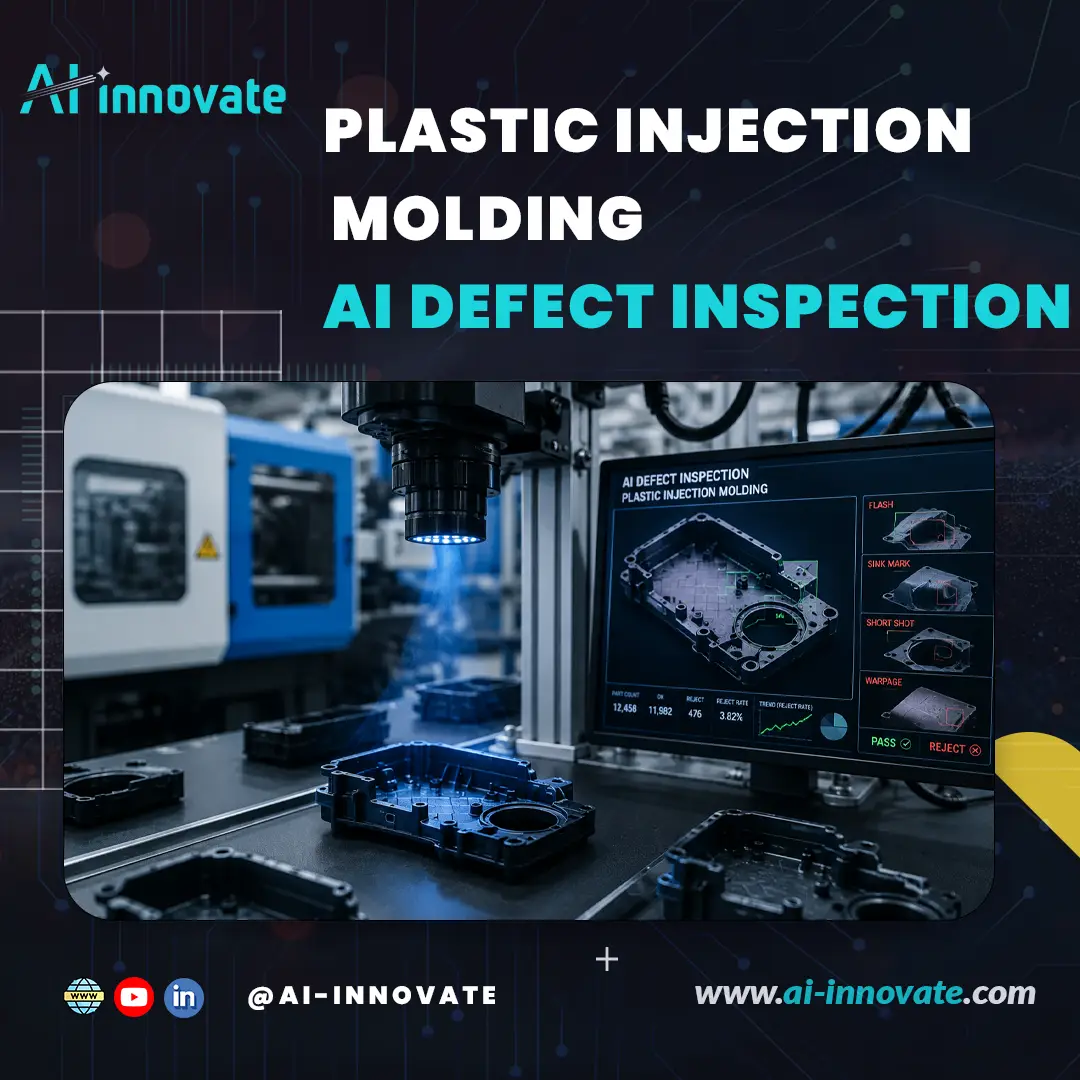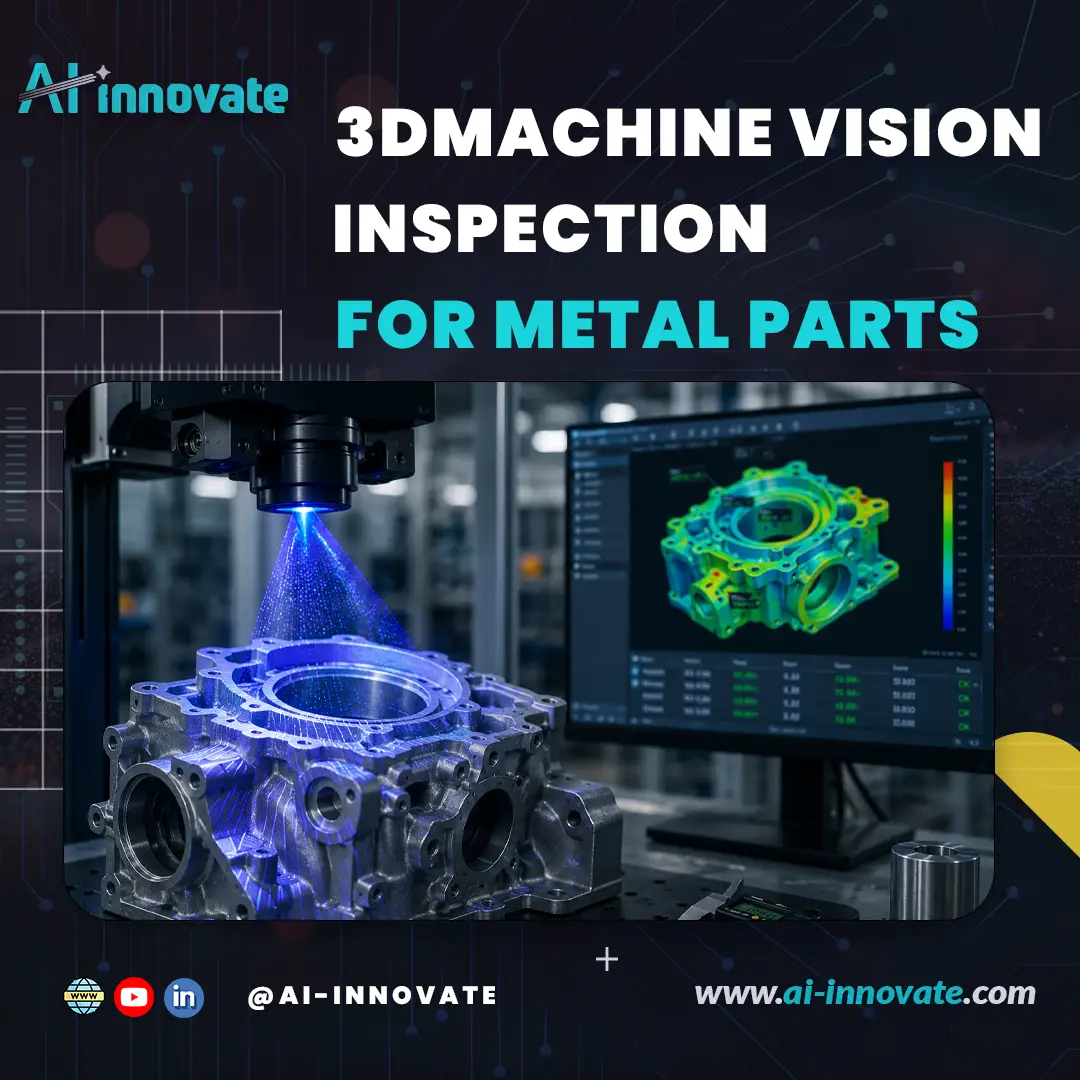





A single missed defect can cost a manufacturer a recall, a contract, or a compliance flag. Most production teams understand the risk, yet many facilities are still running inspection systems that can’t keep pace with changing products or unfamiliar defect types. AI vision inspection solves this by using deep learning models that learn from real production data instead of pre-written rules. For operations managing product variety, irregular defects, or multiple lines, the difference between machine vision vs AI vision quality control shows up directly in catch rates, changeover time, and long-term maintenance cost.
Here’s how the two systems compare, where the performance gaps appear, and what the data actually shows.
How Traditional Machine Vision Systems Work
Traditional machine vision relies on cameras, fixed lighting, and rule-based software to inspect parts at line speed. Engineers program the system to look for specific characteristics: pixel thresholds, edge profiles, dimensional tolerances, contrast values. Each inspection result is the outcome of a rule a person wrote before production started.
Machine vision for defect detection using this approach works reliably when defect types are stable and can be fully defined before the system goes into production.
What Rule-Based Inspection Does Well
Rule-based systems perform reliably in narrow, stable conditions. Single-product lines with consistent lighting, known defect types, and no planned product changes are where these systems earn their place. The logic is deterministic, transparent, and auditable, which matters in regulated manufacturing environments where every inspection decision needs to be traceable.
Where Traditional Machine Vision Limitations Appear
Performance degrades quickly when conditions shift:
- A new product variant enters the line
- Lighting changes as fixtures age
- A supplier switches material grades
- An unfamiliar defect type starts appearing in production
Every change requires an engineer to rewrite inspection rules from scratch, and each rewrite affects every inspection point on the line separately. For high-mix manufacturers, those engineering costs compound with every additional SKU and every product revision. Traditional machine vision limitations aren’t a design flaw. They’re structural: the system can only flag what someone already anticipated, which is a real constraint when production complexity keeps growing.
How AI Vision Inspection Works
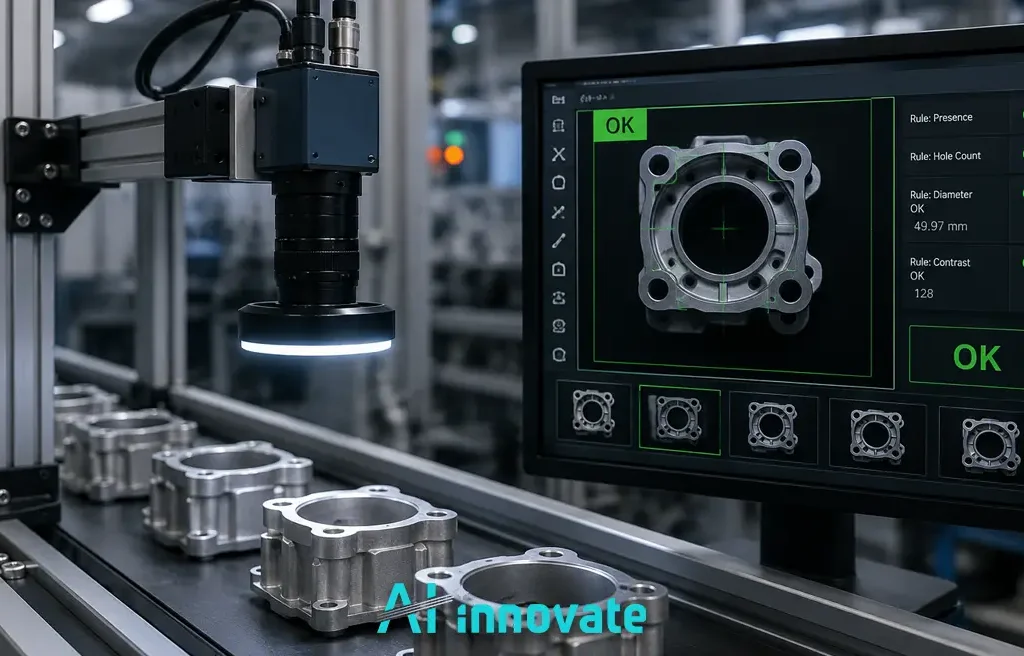
AI-based inspection replaces hand-coded rules with deep learning models trained on labeled image data. A convolutional neural network (CNN) reviews thousands of examples of acceptable and defective parts, learning the visual patterns associated with each outcome [2]. Deep learning models generalize from those examples rather than matching fixed rules, which is what separates them architecturally from traditional algorithmic approaches [3]. At inspection time, the model compares incoming parts against what it learned rather than against fixed thresholds.
Automated visual inspection built on this architecture generalizes across part variation without requiring engineers to define every possible failure mode before the system goes live.
The Core Difference Between Deep Learning and Classical Vision Systems
Deep learning vs classical vision systems comes down to how inspection decisions get made:
- Rule-based: Does this part match the programmed specification?
- AI-based: Does this part show visual patterns associated with defects?
The second approach handles irregular, subtle, or variable defects far more effectively. Surface porosity in castings, inconsistent coatings on textiles, micro-cracks in stamped metal: none of these have the consistent geometry that pixel-level thresholds require. Trained models detect them through pattern recognition built from real production examples, not pre-defined coordinate logic.
AIxEye is built for this replacement scenario, running real-time adaptive inspection that responds to actual production variation rather than requiring logic rewrites each time conditions shift. Operations relying on real-time defect analysis benefit most from this architecture, particularly where product mix is high or defect types change between runs.
How AI Models Improve With Production Feedback
When operators flag a false rejection or a missed defect, that image enters the retraining pipeline and the next model version is more accurate. Rule-based systems don’t work this way. A rule that misses a defect keeps missing it until someone manually rewrites the logic and revalidates the change.
AOI vs AI Inspection Systems: Side-by-Side Comparison
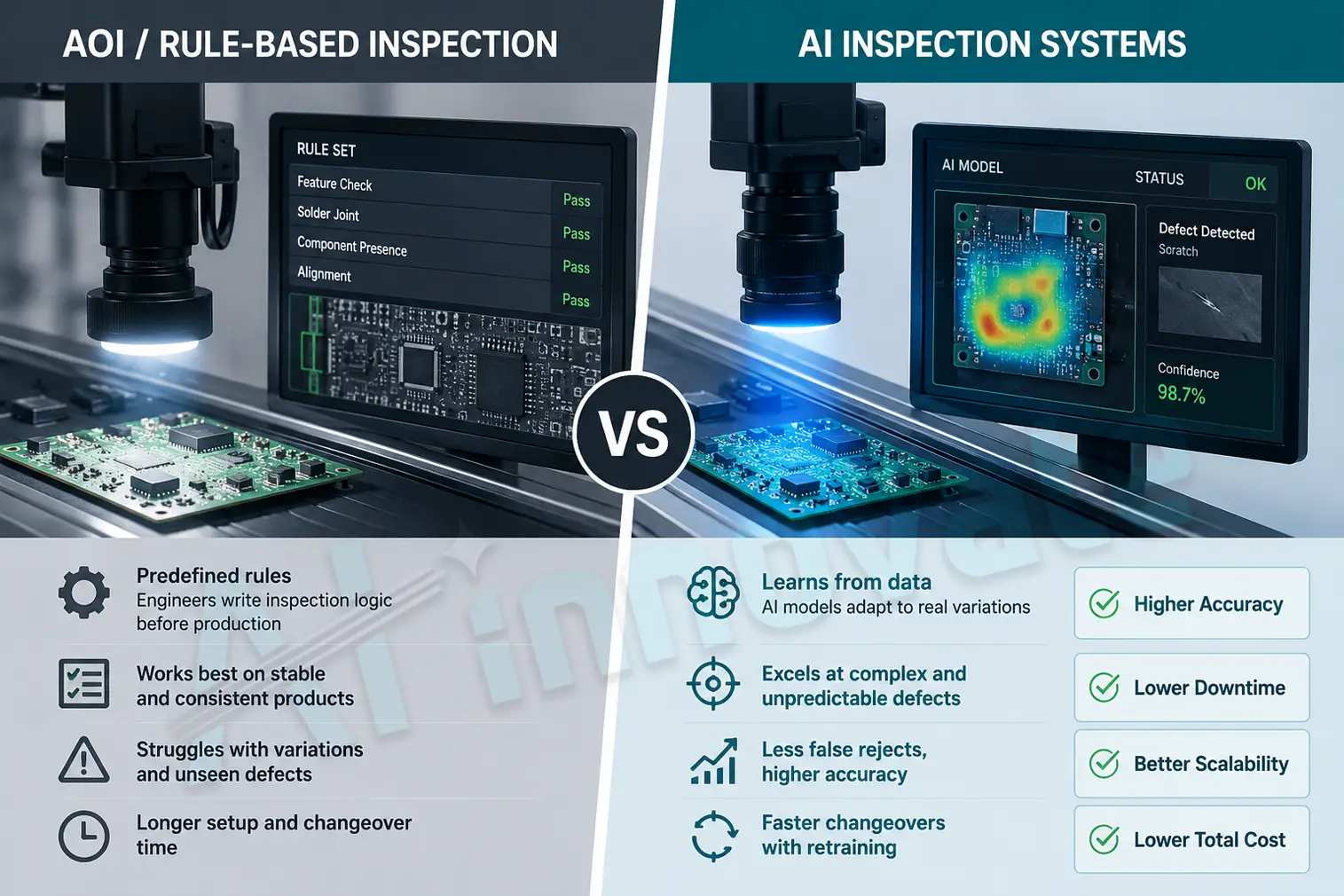
Automated optical inspection (AOI) is the most common form of rule-based machine vision in electronics manufacturing [4] and the baseline most AI inspection systems get evaluated against. The table below shows where rule-based vision vs AI inspection diverges across the capabilities that matter most in production.
| Capability | AOI / Rule-Based | AI Inspection |
|---|---|---|
| New product setup | Full reprogramming required | Retrain using new labeled images |
| Handles lighting or surface variation | Poorly | Well |
| Learns from production errors | No | Yes |
| Detects irregular or complex defects | Limited to predefined defect types | Generalizes from training data |
| False rejection rate under variation | Higher | Lower with trained models |
| Engineering cost per new SKU | High | Lower after initial deployment |
| Long-term maintenance burden | High | Decreases as the model matures |
Many facilities run both approaches simultaneously: AOI on high-volume stable lines and AI inspection where product mix or defect variability is greater. The decision comes down to which environment each specific line represents.
Where AI Vision Outperforms Rule-Based Inspection Systems
There are numerous areas in which AI takes the lead from older methods of inspection.
Accuracy on Complex Defect Types in Manufacturing
A 2022 peer-reviewed study in the International Journal of Precision Engineering and Manufacturing-Green Technology tested rule-based and deep learning inspection across multiple surface defect categories. CNN-based models reached 98.3 percent detection accuracy compared to 84.1 percent for traditional methods on complex defect types . The accuracy gap holds across most defect detection in manufacturing environments where surface conditions, lighting, or part geometry vary between production runs. On simple, stable defect categories the gap narrows, but AI systems maintain an ongoing advantage as production data feeds back into retraining cycles.
How AI Inspection Reduces Changeover Time vs Rule-Based Systems
When a new product enters the line, an AI system needs labeled images and a retraining cycle, which typically runs in days. Reprogramming a rule-based system takes weeks, and that’s before formal revalidation begins. For manufacturers managing 20 or more active SKUs, this gap compounds across every product transition.
Regulated industries face additional pressure here. Inspection logic changes require formal revalidation, and a rule-based system updating threshold values across dozens of parameters goes through that process every time. An AI system that retrains without modifying its core architecture can often move through revalidation faster. Explainable AI in quality inspection frameworks address this directly, giving regulated manufacturers the audit trail they need without the per-parameter revalidation burden rule-based systems carry.
Scaling AI Inspection Across Production Lines and Facilities
AI models train once and deploy everywhere. Updates push to all inspection points simultaneously without per-camera engineering work. As manufacturers expand automation across multiple facilities , the difference between centralized AI model management and individually maintained rule sets becomes a direct operational cost. A manufacturer running five plants on the same product line would need five independent rule-based setups, each maintained separately. A centrally managed AI model deploys once and holds consistent behavior across all five sites, with a direct impact on staffing, downtime, and total operating cost over a multi-year horizon.
System Architecture: Edge Deployment vs Fixed Hardware Logic
Traditional machine vision runs fixed algorithms on dedicated hardware at each camera. Updating inspection logic on a 10-camera line means 10 separate engineering interventions, each requiring validation before returning to production use. If a defect type starts slipping through, every camera on the line needs individual attention before the fix takes effect.
AIxCore changes this architecture at the hardware level. It’s an industrial AI edge computer powered by NVIDIA Jetson Orin AGX, running trained models on-site so inference happens directly on the production line.
Machine learning in quality control deployed through a centralized edge architecture scales by pushing updates rather than by multiplying engineering effort, which makes a measurable difference as line count and SKU complexity grow.
The Dataset Advantage AI Inspection Systems Build Over Time
Rule-based systems process images and discard them. There’s no historical archive, no defect record, and no data pipeline feeding back into future detection performance.
AI inspection systems accumulate institutional knowledge with every cycle. AIxCam integrates imaging hardware with the training pipeline, capturing and storing production images in formats that feed directly into model retraining. Over a production run, the system builds a dataset reflecting actual defect patterns on your specific parts, materials, and line conditions.
The accumulated dataset delivers ongoing value across several areas:
- Retraining when defect patterns shift with new materials or process changes
- Full image-level traceability for quality audits and compliance reviews
- Faster onboarding for engineers who need documented defect history
- Cross-generation benchmarking of detection performance over time
Every cycle of a rule-based system produces nothing that improves future detection. Each cycle of an AI inspection system adds to the model’s long-term accuracy.
When Rule-Based Machine Vision Still Makes Sense
AI inspection isn’t the right fit for every operation. There are genuine cases where rule-based systems remain the practical choice.
Stick with rule-based machine vision when:
- Your line runs one or two product variants with no planned changes
- Defect criteria are fully specified, stable, and regulatory-defined
- Lighting and surface conditions are tightly controlled and consistent
- Hard regulatory requirements demand deterministic, fully auditable inspection logic
Move toward AI-driven quality control when:
- You’re managing high product mix with frequent changeovers
- Defects are complex, variable, or not fully characterized in advance
- You need the inspection system to improve with production feedback
- You’re scaling inspection across multiple lines or facilities
In 2026, the majority of manufacturers operating on a mixed production schedule will align with the second profile. The product variety has increased, the cycle times have decreased, and customer quality standards have risen. In such cases, rule-based logic may reach its limits. Manufacturers transitioning to AI-driven quality control are also realizing that these capabilities seamlessly extend to AI for quality assurance at the process level, not just the inspection point.
How AI-innovate Supports AI Visual Inspection Implementation
We help manufacturers build AI visual inspection systems around their actual line conditions, parts, and defect history, not a pre-packaged solution dropped onto the floor. The dataset, the hardware configuration, and the model tuning are where these projects succeed or fail, and that’s where we focus.
The components we use:
- AIxCam provides simulation tools and synthetic data generation for rare defect modes that don’t occur often enough on the live line to train a reliable model from production data alone, making it the most important tool for getting a dataset ready to deploy
- AIxEye handles real-time visual defect detection and inline inspection once the system goes live, running continuous detection at production speed without the fatigue and consistency limits of manual checks
- AIxCore is the industrial AI edge computer powered by NVIDIA Jetson Orin AGX, running inference on-site so detection and rejection signals arrive fast enough to act on at line speed
Conclusion
Traditional machine vision performs well under narrow, controlled conditions and breaks down as product variety, defect complexity, and environmental variation increase beyond what engineers can pre-define. AI vision inspection addresses those limitations structurally, through deep learning models that generalize from labeled data, improve with production feedback, and deploy consistently across multi-line operations without per-camera engineering overhead. The performance data on AOI vs AI inspection systems shows a consistent accuracy gap on complex defect categories, and the architecture difference between edge-deployed AI inference and individually maintained rule sets produces a measurable cost divergence over time.
Understanding where deep learning vs classical vision systems diverge, what drives traditional machine vision limitations, and how AI vs rule-based inspection systems compare under real production conditions gives quality engineers a clear framework for making objective technology decisions. For high-mix manufacturers in 2026, the performance case is well-supported. The practical question is how to structure the rollout around the lines and defect types where the return will be highest.
Confused About Where to Start with AI?
Our specialists help you identify the right AI approach based on your process, data, and goals.
Frequently Asked Questions
What's the main difference between machine vision and AI vision for quality control?
Traditional machine vision relies on manually programmed rules to detect predefined defects, while AI vision uses deep learning models trained on production images. AI adapts to new defect types, product variation, and changing conditions with retraining instead of reprogramming, making it more effective for complex, high-mix manufacturing environments.
What are the biggest limitations of traditional machine vision systems?
Rule-based machine vision performs well in stable environments but struggles with irregular defects, changing lighting, and frequent product changeovers. Every new product or inspection scenario typically requires programming updates and validation, increasing engineering effort, maintenance costs, and downtime in dynamic manufacturing operations.
Is AI vision inspection more accurate than rule-based AOI?
For complex and variable defect types, AI vision is generally more accurate than rule-based automated optical inspection (AOI). Deep learning models can recognize subtle defect patterns and improve over time through retraining, while rule-based systems remain limited to predefined inspection rules and cannot adapt automatically to new variations.
When does rule-based machine vision still make sense?
Rule-based machine vision remains an excellent choice for high-volume production with consistent products, stable lighting, and clearly defined defects. It is also well suited to regulated industries that require deterministic inspection logic and fully traceable decision rules, where inspection conditions change very little over time.
How long does it take to deploy an AI vision inspection system?
A typical AI vision inspection deployment takes between six and twelve weeks, depending on the application, available training data, and system integration requirements. Projects with well-labeled datasets and synthetic data generation can often be completed faster, while model performance continues improving after deployment through ongoing retraining and monitoring.
Sources
Ai-Innovate uses only high-quality sources, including peer-reviewed studies, to support the facts within our articles.
- Ren, Z., Fang, F., Yan, N., & Wu, Y. (2022). State of the art in defect detection based on machine vision. International Journal of Precision Engineering and Manufacturing-Green Technology, 9, 661-691. https://doi.org/10.1007/s40684-021-00343-6
- LeCun, Y., Bengio, Y., & Hinton, G. (2015). Deep learning. Nature, 521, 436-444. https://doi.org/10.1038/nature14539
- Goodfellow, I., Bengio, Y., & Courville, A. (2016). Deep Learning. MIT Press. https://www.deeplearningbook.org
- Grand View Research. (2024). Machine Vision Market Size, Share & Trends Analysis Report, 2024-2030. https://www.grandviewresearch.com/industry-analysis/machine-vision-market
- International Federation of Robotics. (2024). World Robotics Report 2024. https://ifr.org/ifr-press-releases/news/record-3-million-robots-work-in-factories-around-the-globe