As a manufacturer, you already know that consistent quality, efficiency, and quick response to the changing world of business is the backbone of your market leadership. The industrial process, as the science and engineering of making industrial operations automatic, stable, safe, and efficient, is naturally very beneficial in the manufacturing world. However,
it’s important to gain deeper insight and understanding to make better-informed decisions about implementing or upgrading the industrial process control systems, as there are limits to it as well. In this guide, we’ll provide that deeper insight into the benefits and limits of industrial process control and an overview of what it is.
What is Industrial Process Control?
As the name suggests, industrial process control is about monitoring and regulating the variables within industrial processes and operations. Automated systems such as sensors, controllers, and actuators are used to ensure safety, efficiency, and consistency.
Conditions like temperature, pressure, flow, or chemical composition are continuously measured in industrial process control and compared with desired targets. Immediate adjustments to equipment are made to achieve product stability and keep them within specification.
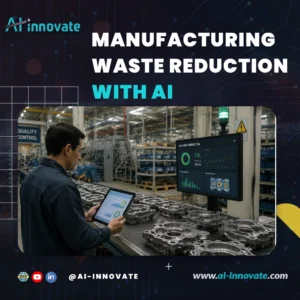
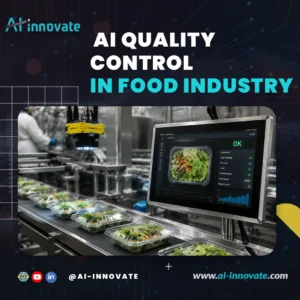
This automation improves product quality, reduces waste, enhances safety, and enables reliable, round-the-clock operation in industries like manufacturing, energy, chemicals, and food processing.
Benefits of Industrial Process Control
The benefits include, but aren’t limited to:
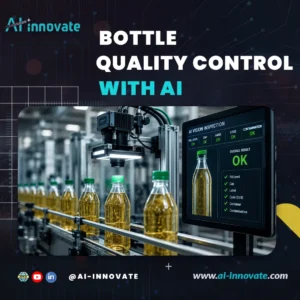
- Improved product quality: Automated visual inspection systems monitor and adjust variables as they happen. This reduces human error and helps keep production within tight tolerances.
- Greater operational efficiency: When equipment works well and responds quickly to changes in demand or raw material conditions, production becomes more predictable and cost effective.
- Enhanced workplace safety: Industrial environments can be dangerous because they involve high temperatures and dangerous chemicals. Automated systems protect workers by keeping them out of dangerous situations and alerting teams the moment something goes wrong.
- Stronger production predictability: Managers can see exactly how their teams are performing in real time. This helps them make better schedules and plans.
Limitations of Industrial Process Control
- High initial investment: Quality sensors, control equipment, and software require a lot of money to buy at the start. Facilities with older equipment may need upgrades before automation can be fully implemented. Although long-term savings often outweigh the cost, the initial investment can be a challenge for companies with limited funds.
- Need for skilled personnel: Automated systems still need technicians who understand how they work, how to interpret system data, and how to intervene when unexpected conditions appear. Finding or training staff with this level of expertise can take time and resources. If a company doesn’t have the right team, they might not get the most out of their automation investment.
- Dependence on accurate data: Industrial process control only works as well as the data it receives. Sensors that are not properly calibrated or positioned can give incorrect readings. If the data quality gets worse, the system might change how operations are done, which can move operations away from the desired targets. It is important to regularly calibrate and maintain this equipment.
- Limited flexibility for rapid changes: Automated systems are based on clear rules and specific goals. If production needs to change quickly or there are a lot of new products, it may take time to make changes to the system. Some operations require a certain level of adaptability or judgment that automation cannot provide on its own. In these cases, a combined approach that includes both automation and human oversight is more effective.
Implementing AI-based process control becomes a structured and repeatable effort when using tools purpose-built for manufacturing environments:
- Identify process challenges and define success criteria: Start by pinpointing key operational issues such as high energy usage, inconsistent quality, or unplanned downtime. Establish measurable goals, for example cutting energy costs by 15% or increasing first-pass yield to 90%.
- Create predictive models using AI2Cam: AI2Cam streamlines model development for manufacturing engineers without requiring data science expertise. By uploading historical process data and selecting target outcomes, the platform automatically determines optimal control strategies, manages neural network design, and validates results against past performance.
- Deploy models with Aixcore Edge Intelligence: Aixcore devices connect seamlessly to existing control systems using standard industrial protocols. Models run locally to deliver reliable, low-latency performance independent of network availability, while keeping sensitive data on-site.
- Apply visual monitoring through AI2Eye: AI2Eye cameras deliver continuous visual oversight of processes, identifying issues traditional sensors may overlook, such as vibration trends, material flow anomalies, and quality variations. This enhances overall operational visibility.
- Support continuous improvement: Built-in analytics dashboards allow teams to track performance metrics, including energy reduction, quality gains, and equipment reliability. Models can be updated over time as processes change or new products are introduced.
Together, these capabilities shift manufacturing operations from reactive troubleshooting to proactive optimization, enabling long-term competitive advantage through intelligent process control.
Related readingAI for Industrial Process Control
Conclusion
Industrial process control has become a vital part of modern manufacturing, supporting consistent quality, safer operations, and more reliable output. By understanding both its capabilities and its limits, manufacturers can make informed choices about where automation will bring the most value. Strong planning, the right technology, and a knowledgeable team allow organizations to take full advantage of what process control offers while avoiding the challenges that come with poor implementation or unrealistic expectations. When applied thoughtfully, industrial process control becomes a powerful foundation for long term stability, greater productivity, and continuous improvement across the entire operation.
Note: Some graphics and visuals in this post were produced using AI-generated content.
Confused About Where to Start with AI?Talk to Our Experts